Tag Archives: trees

Sequoia National Park

Overview

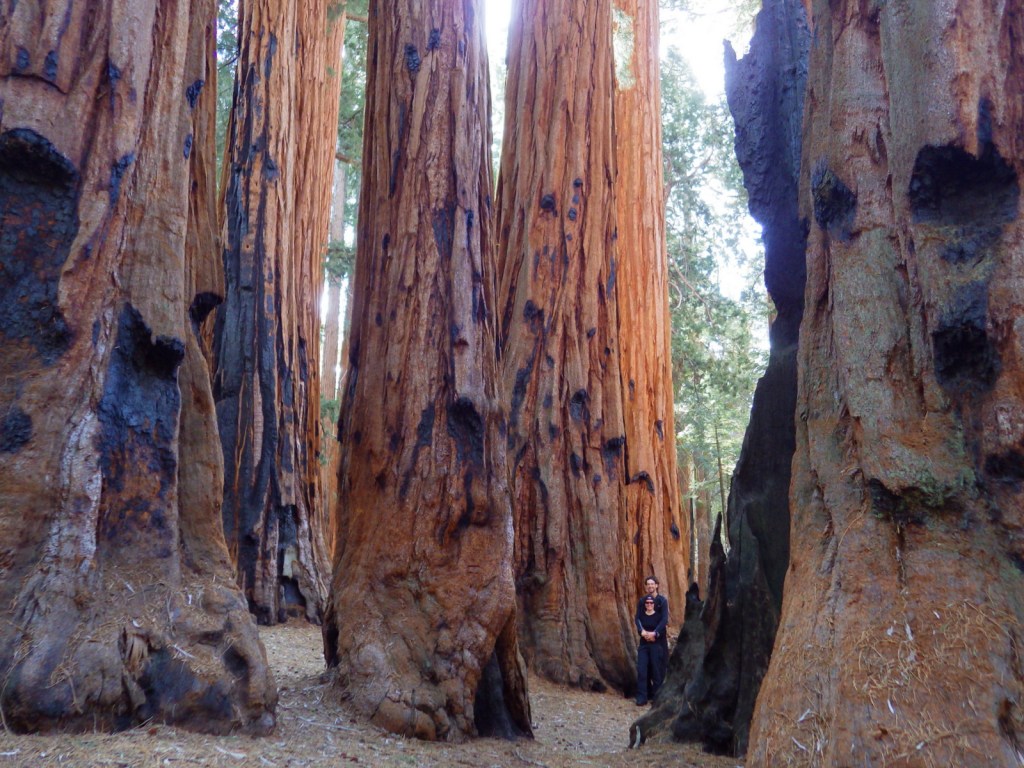
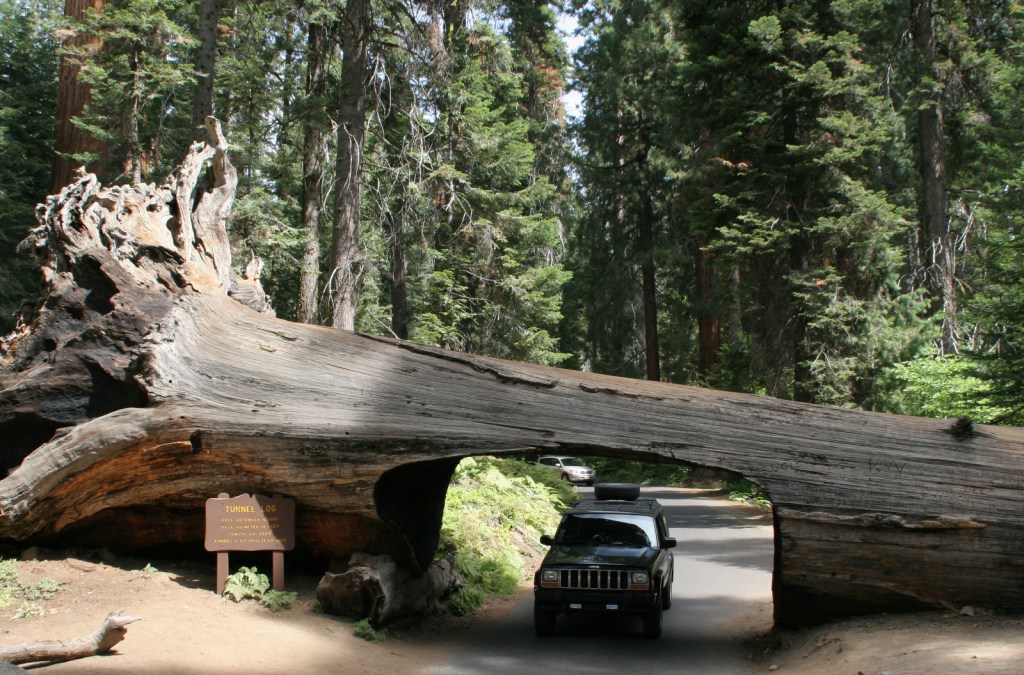
In 1890, Sequoia became the second National Park in the United States in order to protect its famous groves of giant sequoia trees, not to be mistaken for California’s coast redwoods.  The park’s hub in the Giant Forest contains the General Sherman tree, the largest by volume in the world.  Most of the park is in the High Sierra and includes Mount Whitney, the highest point in the contiguous U.S. at 14,505 feet. 

Highlights

General Sherman Tree, Moro Rock, Crystal Cave, Mt. Whitney

Must-Do Activity

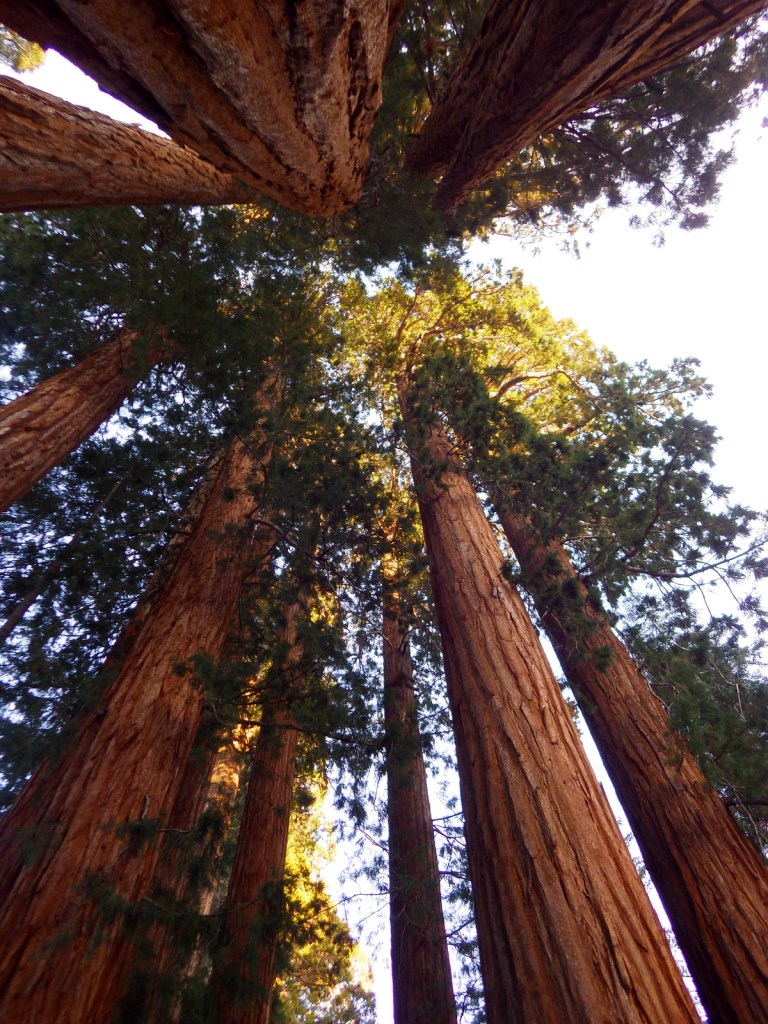
The remarkable giant sequoia tree can live over 2,000 years, reach three hundred feet in height, and grow the largest wood volume of any single-stemmed tree on the planet.  They are only found in 75 protected groves scattered throughout California’s Sierra Nevadas.  Bring your whole family to see how many people it takes arms linked to reach around the base of one of these massive trees.  With circumferences reaching over 100 feet, you are going to need a big family! 

Best Trail

Crescent Trail starts near the General Sherman tree, winds up the hill, and then connects with the Trail of the Sequoias, which passes the dense clusters of the Senate and House Groups.  It is especially nice when there is snow on the ground.

Instagram-worthy Photo

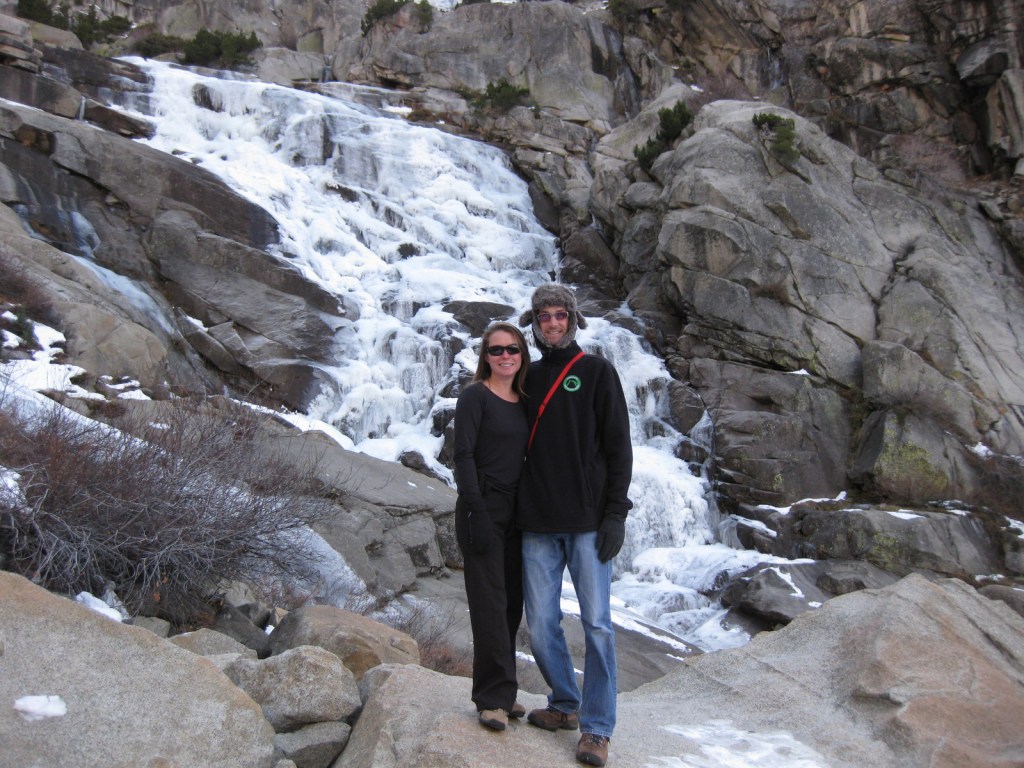
Any time of year is great to visit, but the winter is perhaps the prettiest as the snow contrasts nicely with the orange bark of the giant sequoia trees.

Peak Season

Summer due to the high elevation

Hours

https://www.nps.gov/seki/planyourvisit/hours.htm

Fees

$35 per vehicle or America The Beautiful pass

Road Conditions

Roads are paved, but steep, winding, and narrow.  The rough Mineral King Road is closed in winter.

Camping

There are several large campgrounds near the Giant Forest, as well as two on the rough road to the remote Mineral King section of the park.  All backcountry camping requires a permit and is on a quota system during the summer.

This design we created to celebrate Sequoia National Park is available on a variety of products at Cafe Press and Amazon.

Explore More – Why do park rangers recommend you wrap your car with chicken wire when you visit Mineral King?

Congaree National Park

Overview

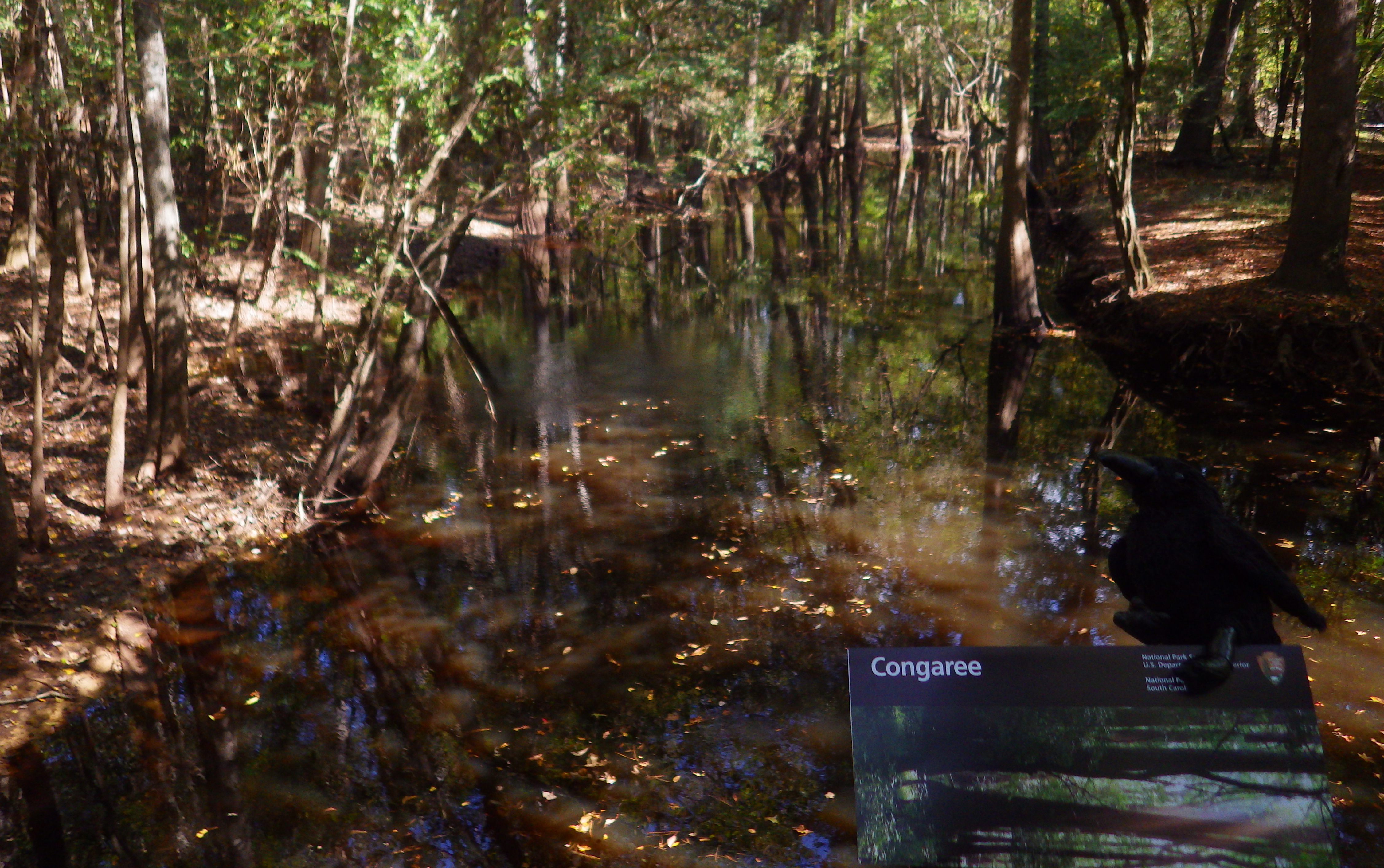
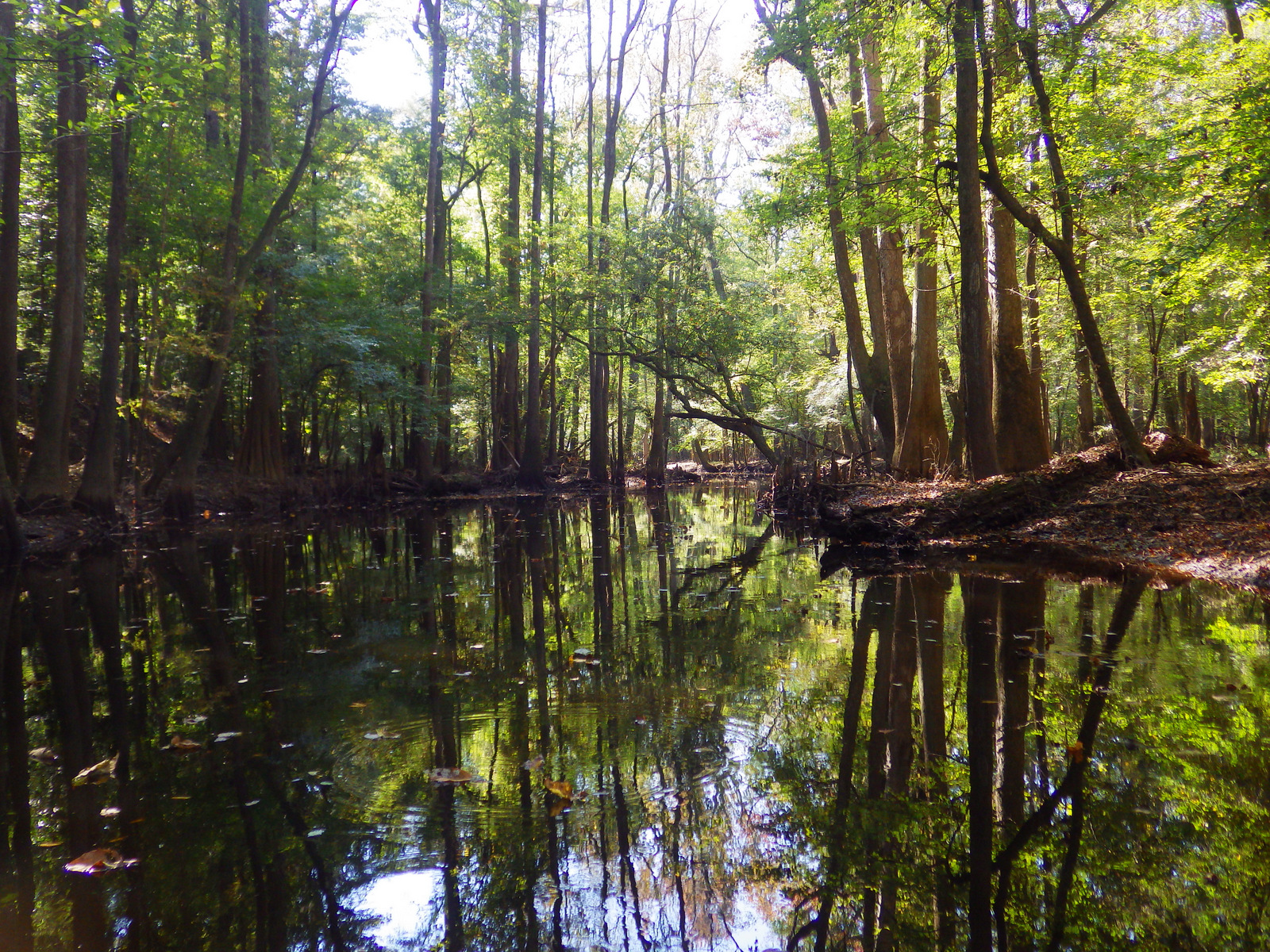
The last uncut bottomland hardwood forest in the southeast was originally preserved as Congaree Swamp National Monument in 1976 then became a National Park in 2003.  These forests once covered 52-million acres of the southeastern United States and today this park contains some of the tallest examples of its native tree species in the world.

Congaree.JPG

Highlights

Baldcypress trees with knees, hiking, birding, paddling

Must-Do Activity

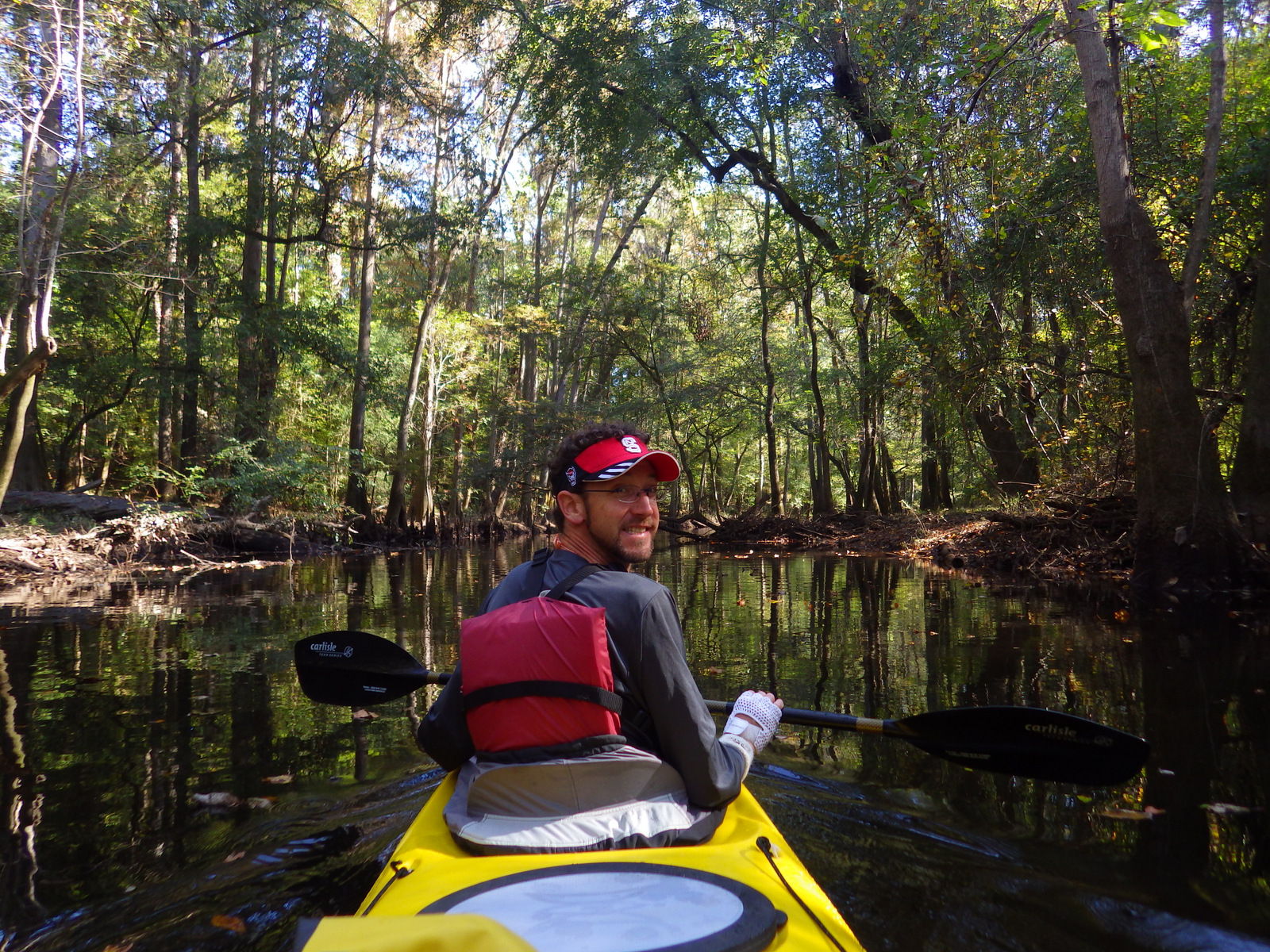
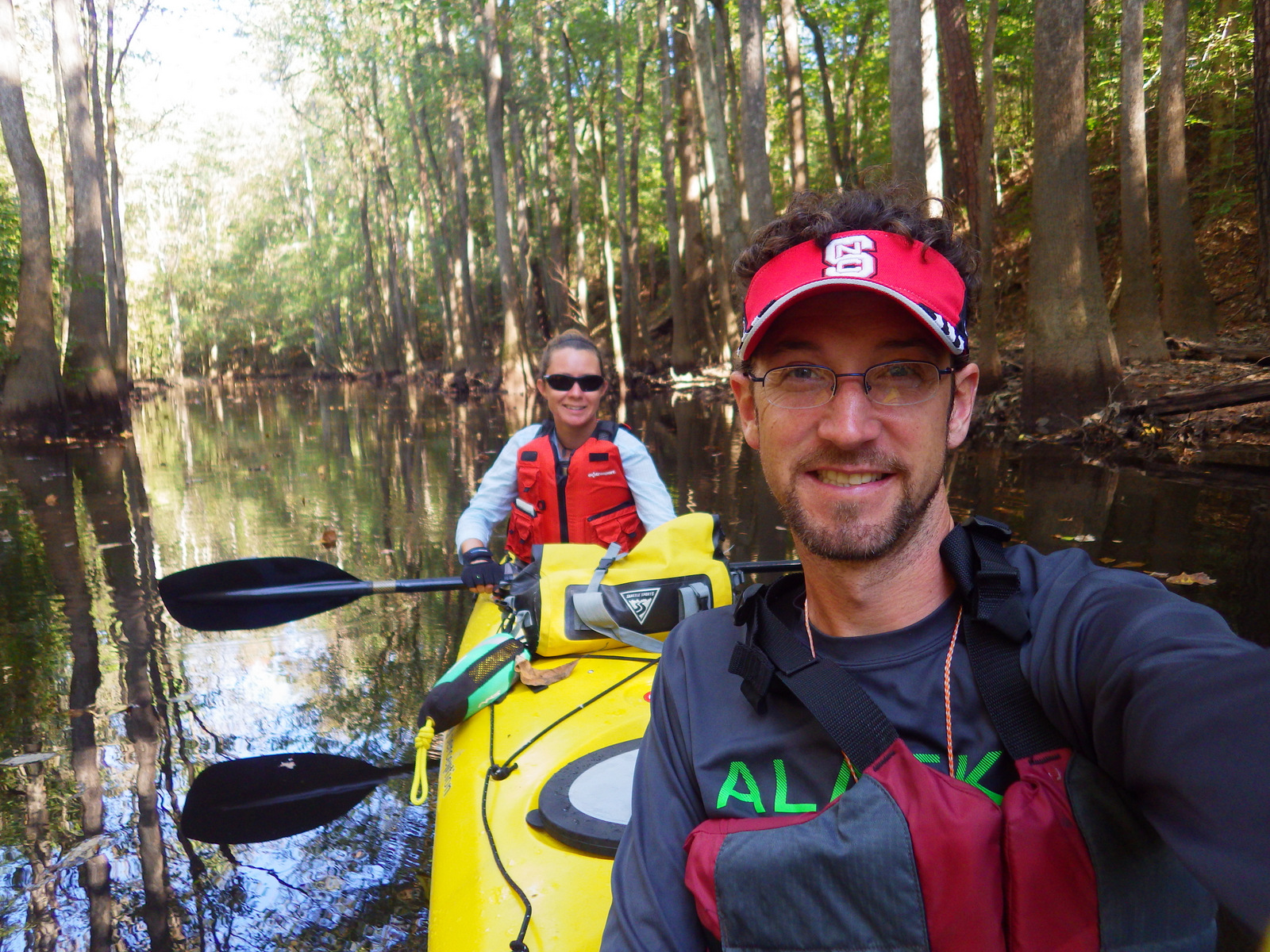
Hop in a canoe or kayak to explore remote sections of this primeval forest.  As you might imagine, all of this standing water is a great breeding ground for mosquitoes; just another reason to come in the winter.  At the visitor center, a handy rating system helps prepare you for the onslaught or the “All clear.”

Best Trail

Even if the ground is flooded, stick to the wheelchair accessible boardwalk and you can still hike through the forest for 2.4 miles without getting your feet wet.

Instagram-worthy Photo

Our favorite tree here is the baldcypress, one of the few deciduous conifer trees (meaning it loses all its needles every autumn).  Baldcypress trees are famous for their “knees” which rise from their roots up to seven feet in the air, helping the roots breathe when underwater.

37-[000308].jpg

Peak Season

We prefer the winter when mosquitoes are absent, but anytime is good at this park that only saw 159,595 visitors in 2017.

Hours

https://www.nps.gov/cong/planyourvisit/hours.htm

Fees

None

Road Conditions

All roads paved, except right at the Cedar Creek Landing boat launch.

Camping

Longleaf Campground has 8 sites and Bluff Campsite has three about a mile from the visitor center.  Backcountry camping is allowed with a free permit.

30 IMGP0923
Paddle a kayak or canoe for a special look into these primeval floodplain forests.

30 IMGP0943

31-[003593]
Winter is a good time to visit if you want to avoid the “ruthless” mosquitoes.


33-[000274]
The boardwalk keeps your feet dry even if the forest is flooded.

35-[000477]

36-[003650]

30 IMGP0944

LR CONG.jpg
This design we created to celebrate Congaree National Park is available on a variety of products at Cafe Press and Amazon.

Explore More – How tall are the record-holding water tupelo, cherrybark oak, and swamp hickory trees in the park?

1WonsTiny2

WONDON WAS HERE


We are a participant in the Amazon Services LLC Associates Program, an affiliate advertising program designed to provide a means for us to earn fees by linking to Amazon.com and affiliated sites.

Chickasaw National Recreation Area

Overview

In 1976, Platt National Park was combined with the nearby reservoir at Arbuckle National Recreation Area to form Chickasaw National Recreation Area, named for the neighboring Chickasaw Nation of central Oklahoma.  The trails and infrastructure in the park were predominantly built in the 1930s by the Civilian Conservation Corps (CCC).

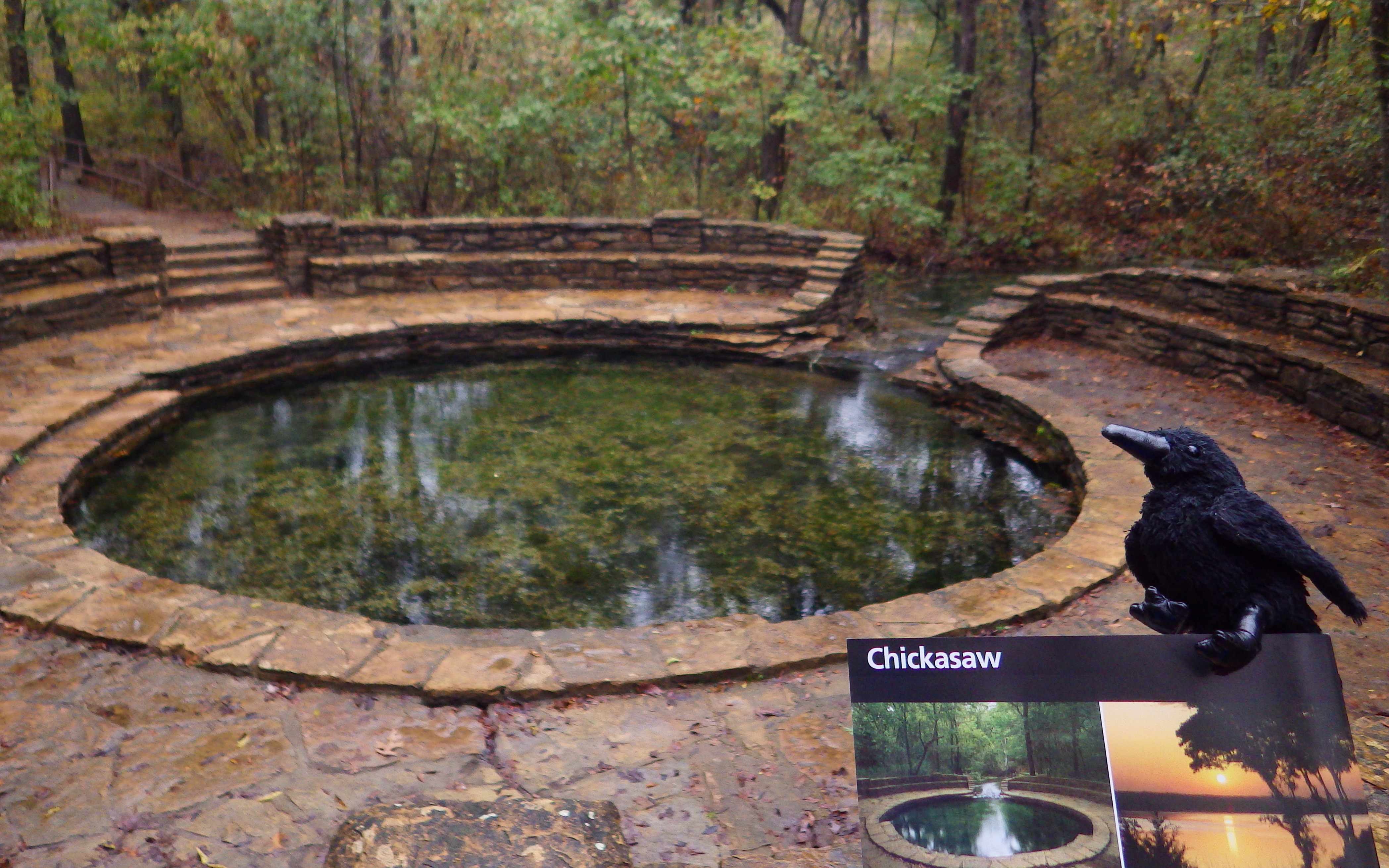
Chickasaw.JPG

Highlights

Natural springs, bison herd, Lincoln Bridge, reservoir

Must-Do Activity

Visitors should start at the Travertine Nature Center, then visit the bison pasture and “take the waters” at Vendome Well.  Other diverse recreational opportunities include camping and water sports on the Lake of the Arbuckles.

Best Trail

Take the trail from the Travertine Nature Center to Antelope Springs and photogenic Buffalo Springs.  There is also loop trail around the bison pasture.

Instagram-worthy Photo

The U.S. Mint quarter (see photo below) for Oklahoma depicts the Lincoln Bridge built by the CCC, but it can be difficult to photograph through the trees.

IMGP1910

Peak Season

Summer

Hours

https://www.nps.gov/chic/planyourvisit/hours.htm

Fees

None

Road Conditions

All roads paved, except in Bluestem Prairie.

Camping

Multiple campgrounds, including several on the shores of the Lake of the Arbuckles.

IMGP1892
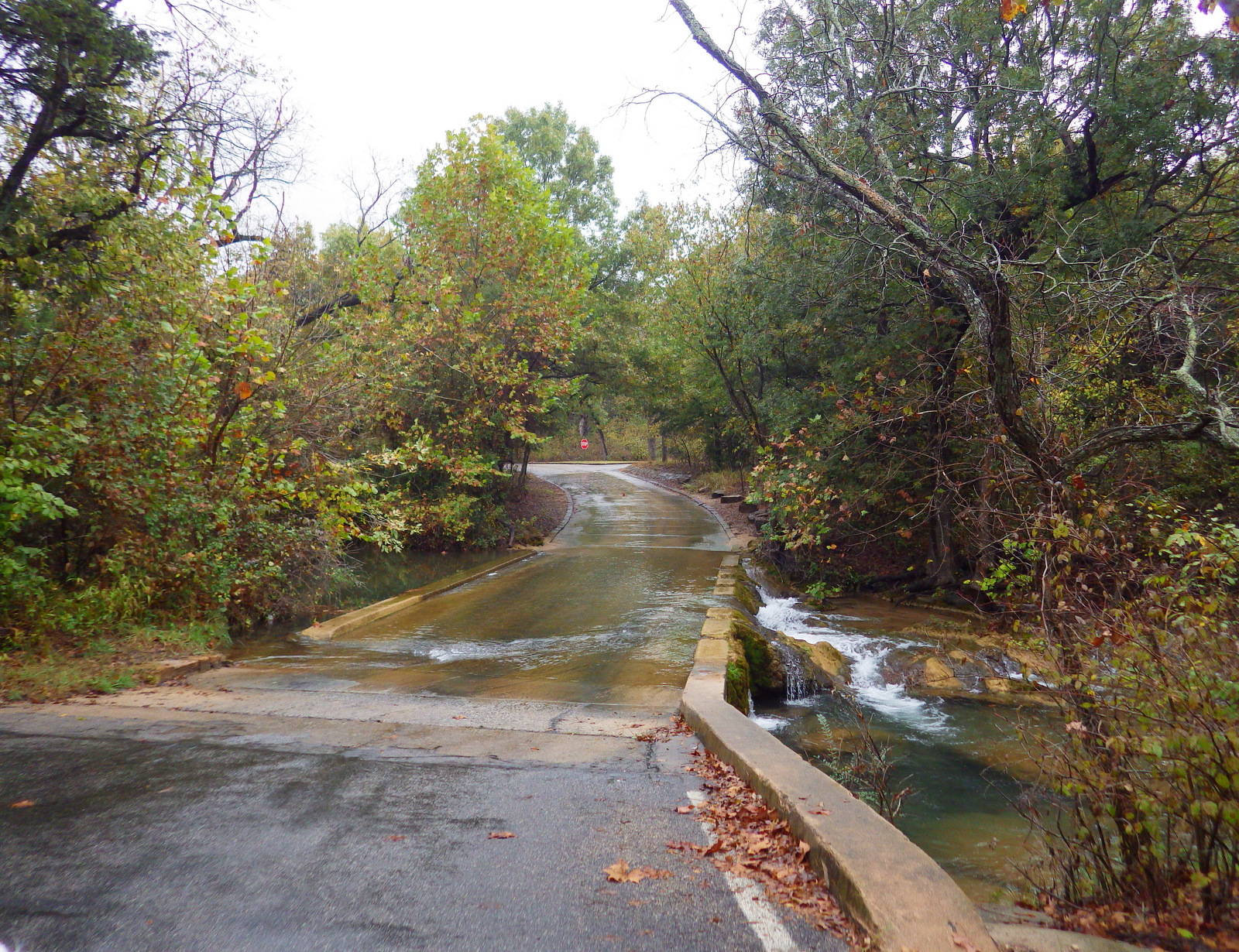
The adventurous road to Travertine Nature Center.

IMGP1896
There is a lot to learn inside the Travertine Nature Center.

IMGP1894

IMGP1907

IMGP1899

IMGP1898
The acorn caps from bur oak trees are huge.

IMGP1912
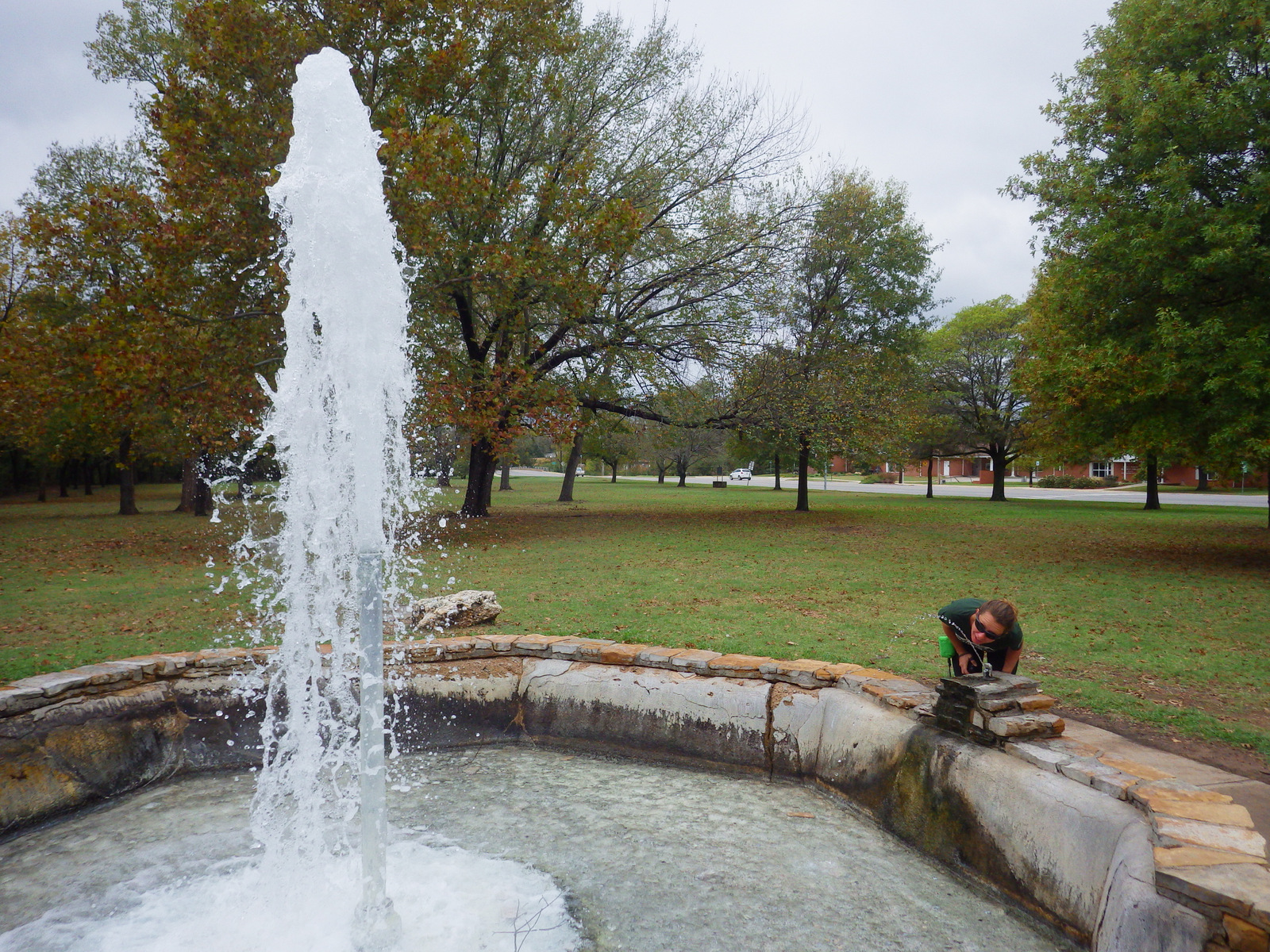
You have to try the sulphurous water fountain at Vendome Well.

Explore More – What was the original name for this federally protected area in 1902?

1WonsTiny2

WONDON WAS HERE

We are a participant in the Amazon Services LLC Associates Program, an affiliate advertising program designed to provide a means for us to earn fees by linking to Amazon.com and affiliated sites.