Tag Archives: school

John Fitzgerald Kennedy National Historic Site

John Fitzgerald Kennedy National Historic Site

Massachusetts

Managed by National Park Service

Established 1967

0.09 acre

Website: nps.gov/jofi

Overview

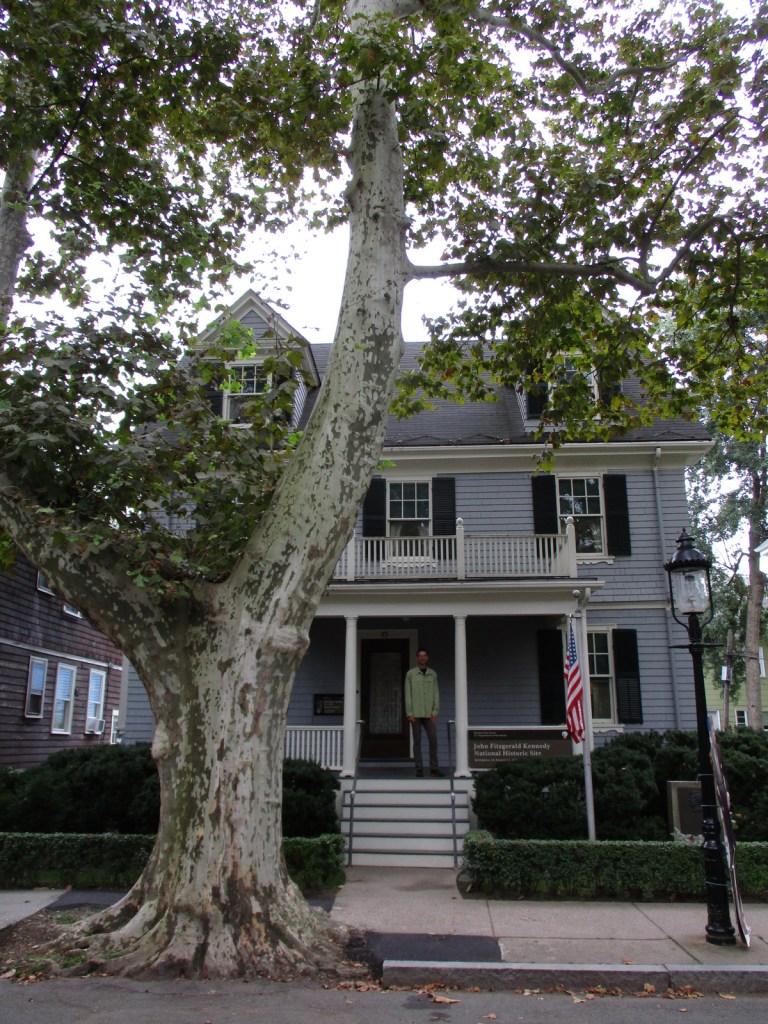
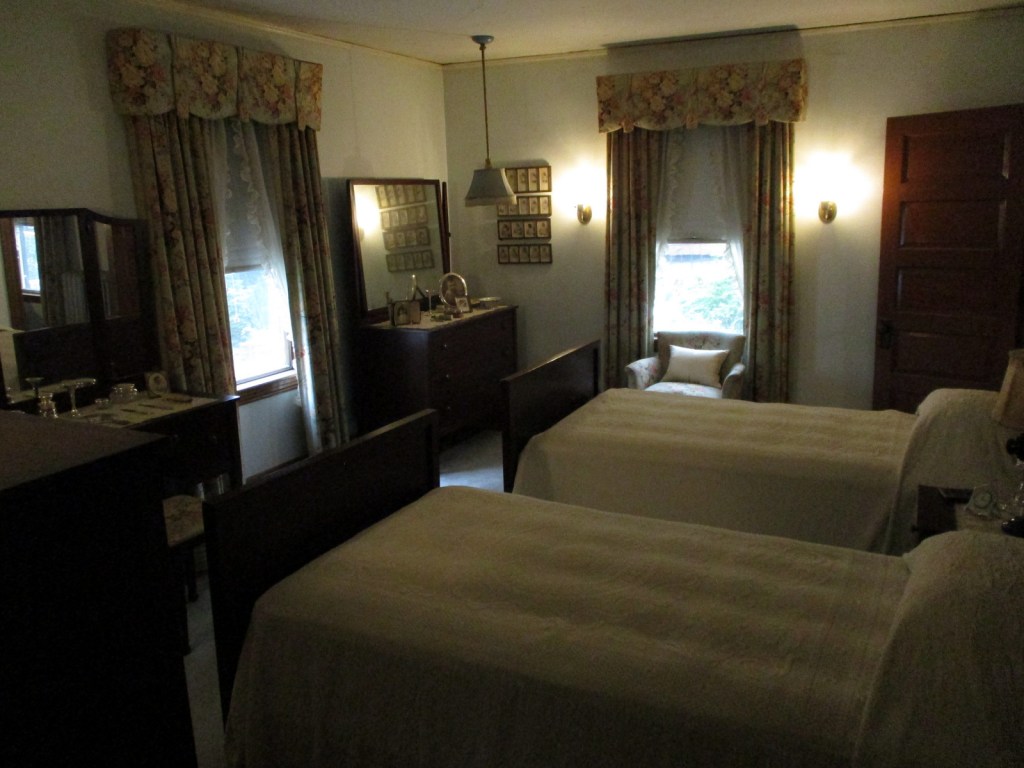
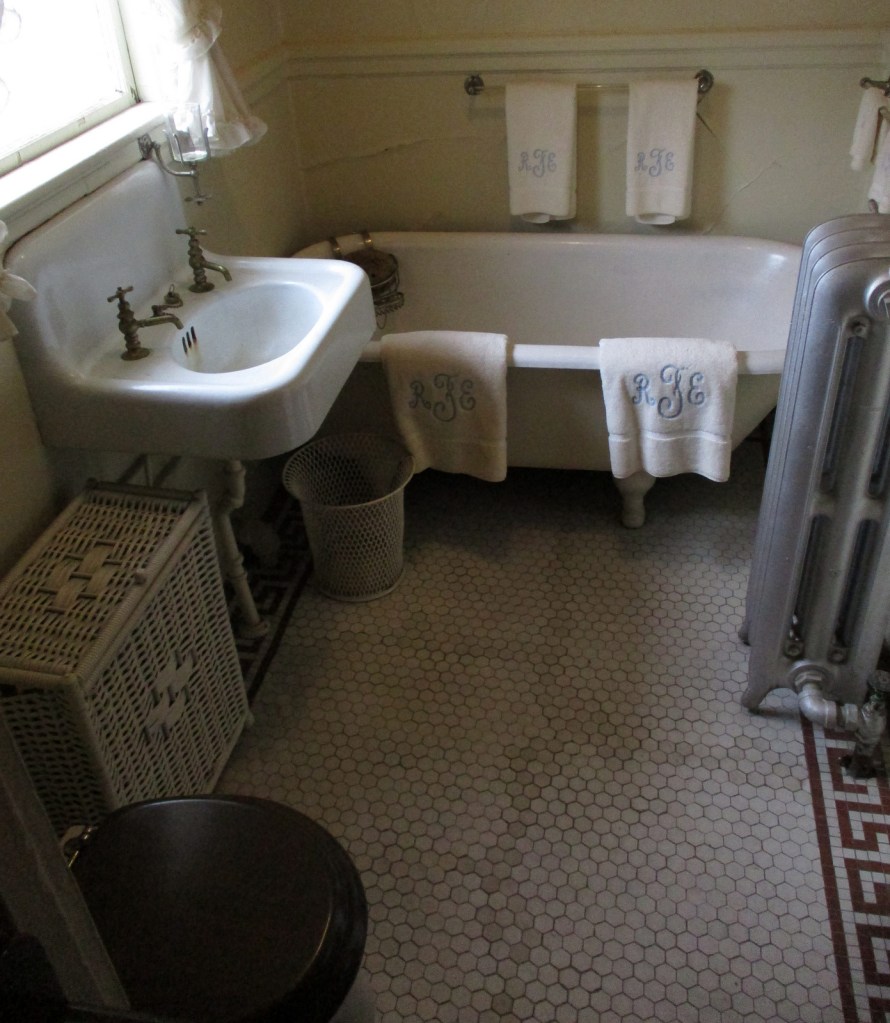
The Coolidge Corner neighborhood of Brookline (a suburb of Boston) contains the birthplace of John F. Kennedy (JFK), the 35th U.S. President and one of four born in Norfolk County.  The house was purchased by Joseph Patrick Kennedy, Sr. in 1914 before his marriage to Rose Elizabeth Fitzgerald.  Rose gave birth to John and his two sisters in the house’s upstairs bedroom before the expanding Irish Catholic family moved a few blocks away in 1920.  Following JFK’s assassination, the family repurchased the home and Rose restored it to its 1917 appearance then donated it to the National Park Service (NPS).

Highlights

Tour, film

Must-Do Activity

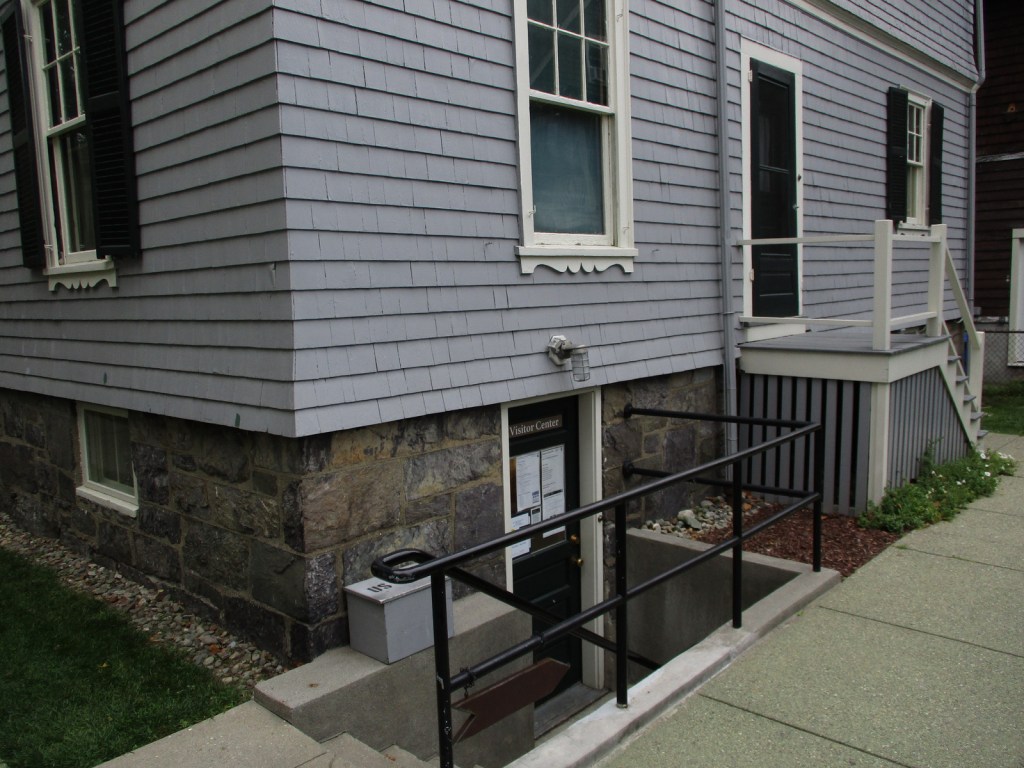
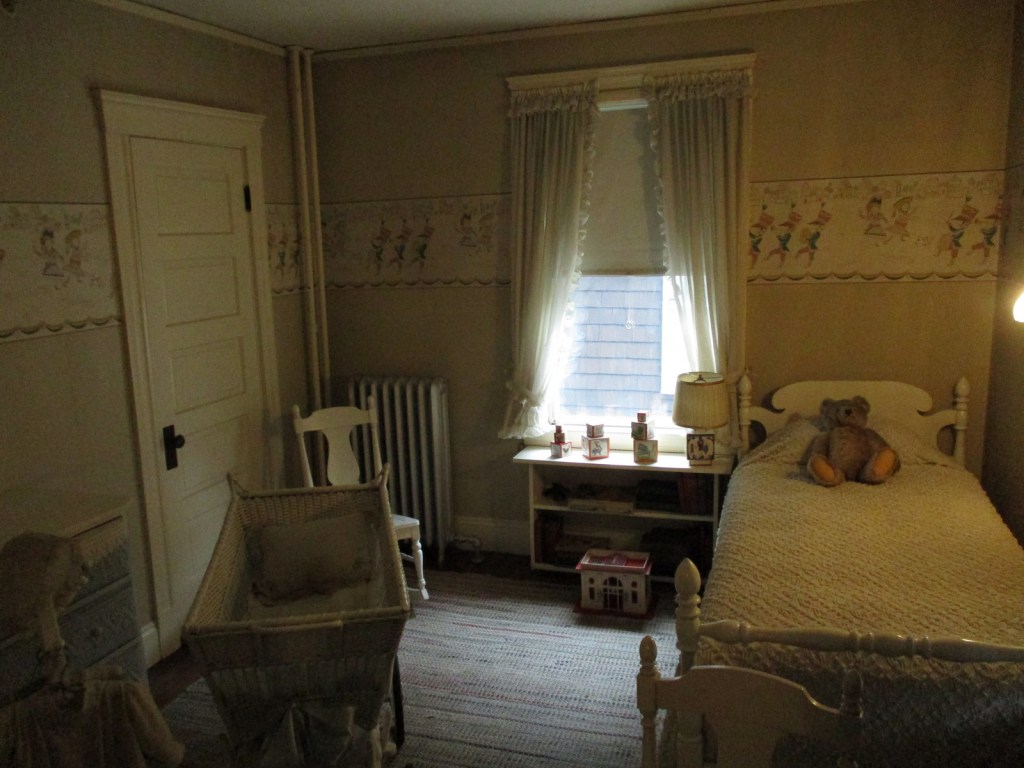
The entrance to the NPS site is through the back door into the basement where a film is shown.  On a free, 30-minute guided house tour, rangers show the room where JFK was born and the nursery containing a bassinet that held each of the nine Kennedy children.  About 19% of the furnishings in the home belonged to the family.  Self-guided tours inside the house are allowed during the lunch hour and the closing hour of the day with free audio wands available in a variety of languages.  The third story where the servants lived is off limits to visitors.  The John F. Kennedy Presidential Library and Museum is located about nine miles away.

Best Trail

You can walk around the neighborhood on your own or reserve a spot on a free 90-minute ranger-guided tour of Boston’s North End (beginning at 2:15 Thursday through Sunday), which includes a stop outside Rose Kennedy’s birthplace home.

Photographic Opportunity

You can drive by the Florida Ruffin Ridley School (formerly known as the Coolidge Corner School and the Edward M. Devotion School) that JFK attended.

Peak Season

Summer

Hours

https://www.nps.gov/jofi/planyourvisit/hours.htm

Fees

None

Road Conditions

The house is located at 83 Beals Street and there is free, two-hour parking available on the street in front of neighbors’ houses.  You can also take the train to Coolidge Corner and walk four blocks north up Harvard Street.

Camping

There is camping in Boston Harbor Islands National Recreation Area and outside the city at the famous Walden Pond.

Related Sites

Adams National Historical Park (Massachusetts)

Frederick Law Olmsted National Historic Site (Massachusetts)

Boston National Historical Park (Massachusetts)

Nearest National Park
Acadia

Explore More – Why did gangster Whitey Bulger toss a Molotov cocktail into the house on September 8, 1975?

Jimmy Carter National Historical Park

Jimmy Carter National Historical Park

Georgia

Managed by National Park Service

Established 1987 National Historic Site, 2021 National Historical Park

71 acres

Website: nps.gov/jica

Overview

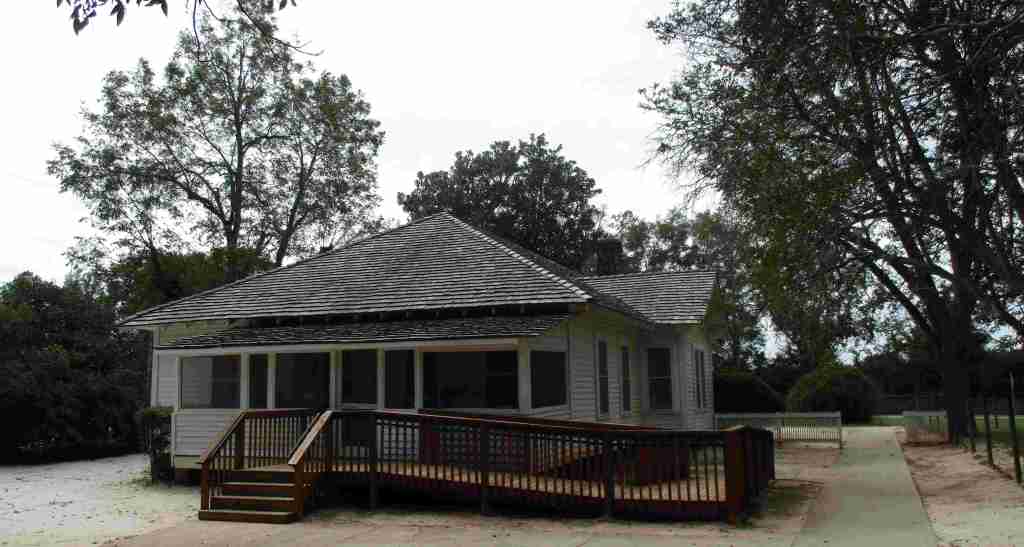
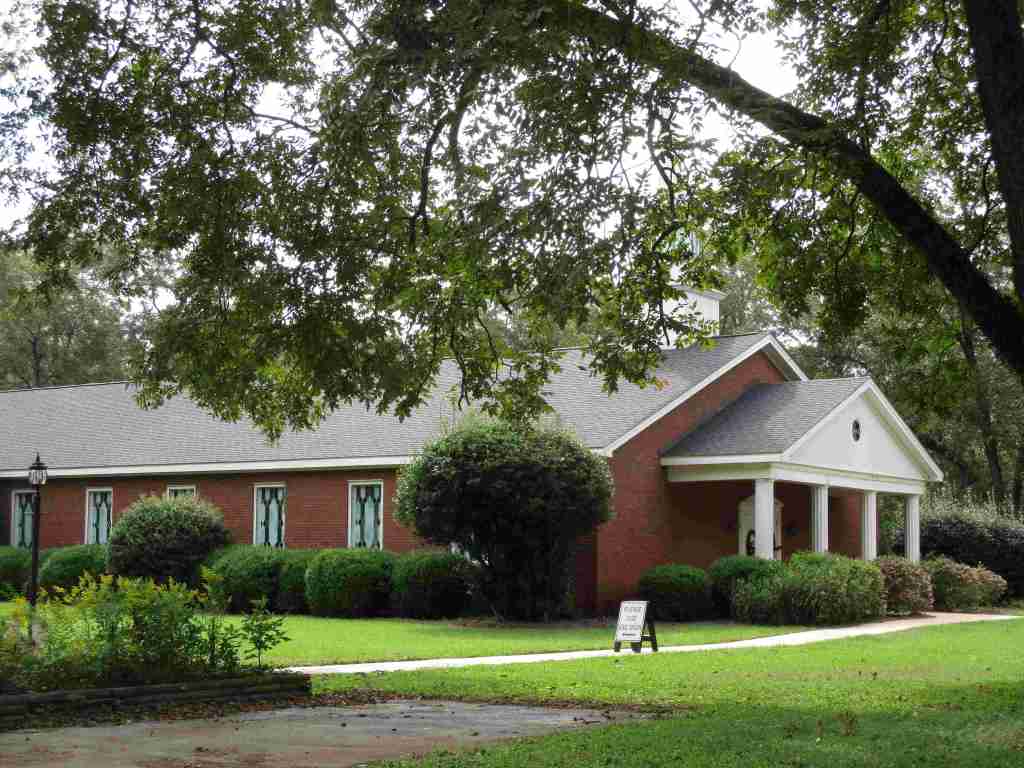
Jimmy Carter was the 39th U.S. President (1977-1981) and the first to reach the age of 100 before he passed away on December 29, 2024.  Following his presidency, he and his wife (Rosalynn) returned to their hometown of Plains and cemented their legacy as diplomats and humanitarians, mostly through their work with the Carter Center in Atlanta (he was awarded a Nobel Peace Prize in 2002).  Up until the end, Jimmy Carter taught Sunday school at Maranatha Baptist Church, which is open to the public.  The National Historical Park encompasses Jimmy’s boyhood farm, high school, and the old Plains railroad depot.  It also includes his residence since 1961, which continues to be closed but will eventually be turned into a museum by the National Park Service (NPS).  In July 2025, the Carter Gardens and Burial Site of Jimmy and Rosalynn Carter opened to the public.

Highlights

Plains High School, film, train depot, boyhood farm, burial site, Carter Gardens

Must-Do Activity

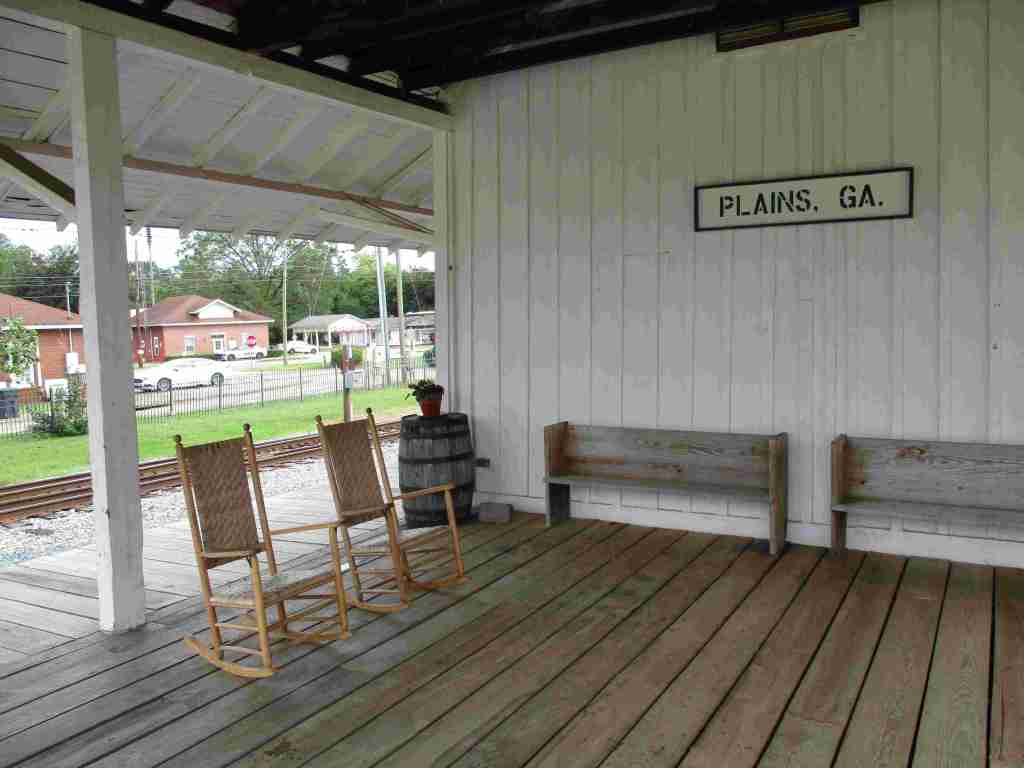
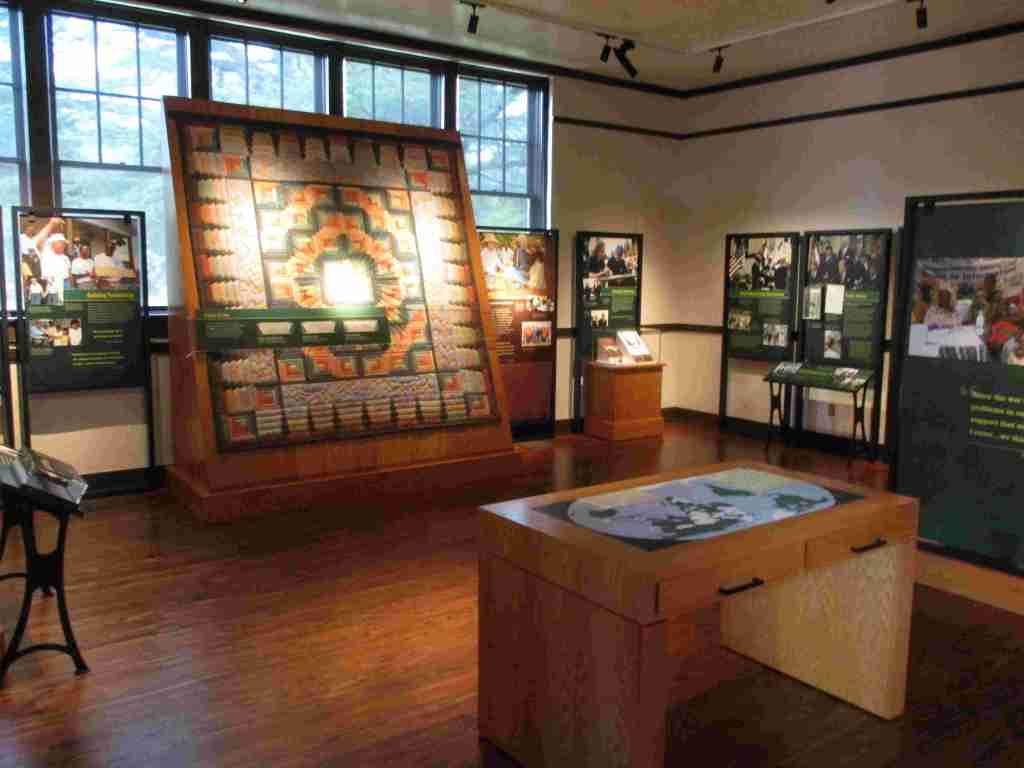
The best place to start a visit is the NPS visitor center and museum in the former Plains High School, which is full of artifacts and information on the Carters.  Next, drive or walk to the main street, where the train depot that shut down in 1951 was turned into Jimmy’s presidential campaign headquarters.  While downtown, check out the shops for souvenirs and try some boiled peanuts or soft-serve peanut-flavored ice cream.  There are several other sites of interest around Plains, including the boyhood home, burial site, Carter Gardens, Maranatha Baptist Church, and peanut statue (see Photographic Opportunity).

Best Trail

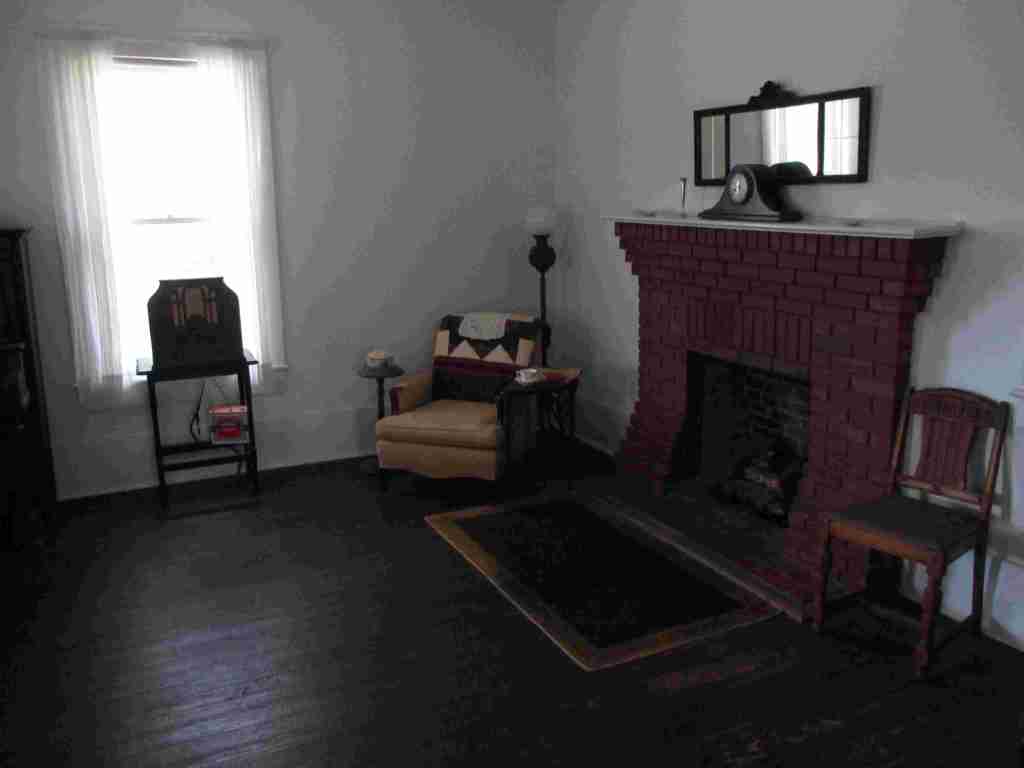
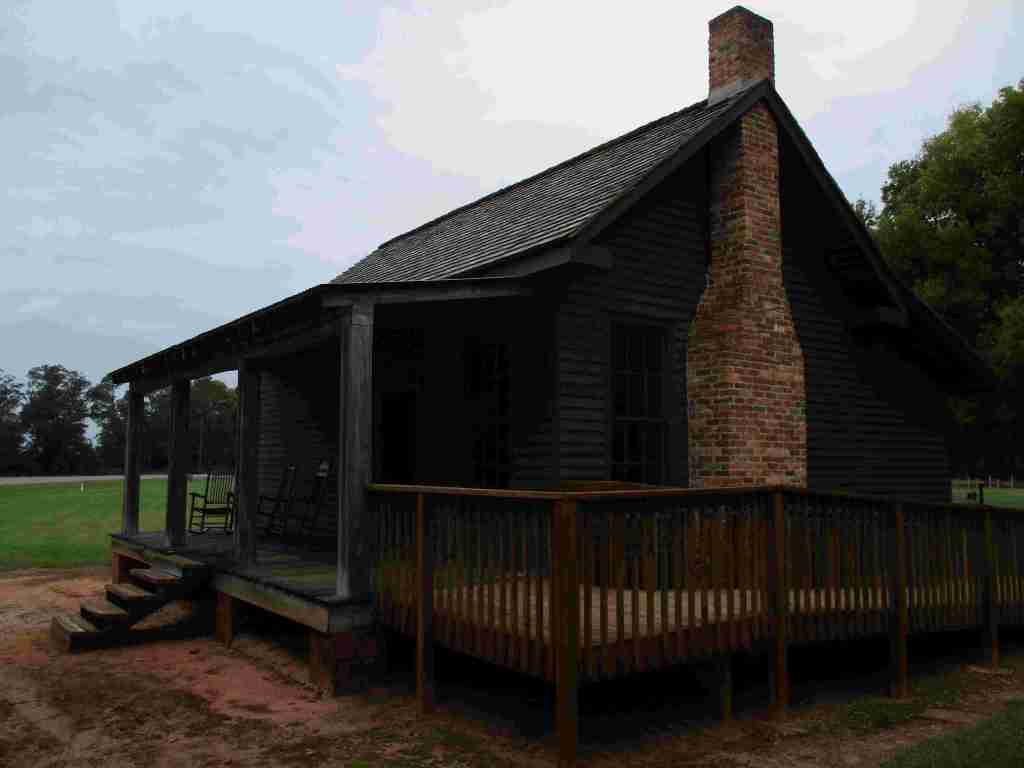
A half-mile trail winds through the boyhood farm where Jimmy lived starting at age four.  Farm animals and seasonal crops are raised here, including peanuts.  You can take a self-guided tour through his boyhood home, which was restored to its appearance before electricity was installed in 1938.

Photographic Opportunity

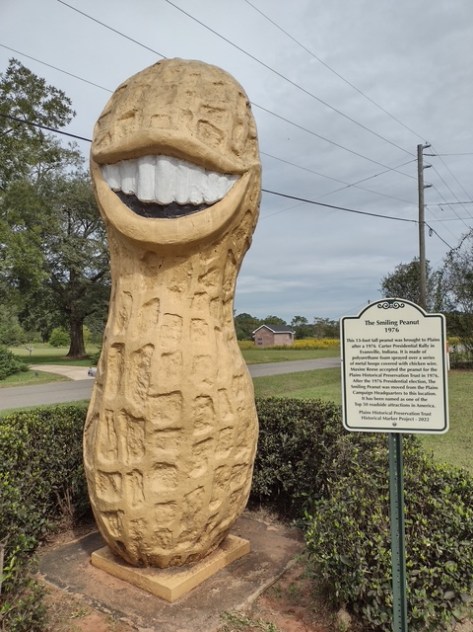
While not part of the official National Historical Park, when you drive up Buena Vista Road to see Maranatha Baptist Church, you pass the 13-foot-tall Jimmy Carter peanut statue built during the 1976 presidential election to support the former peanut farmer.

Peak Season

Spring and fall

Hours

https://www.nps.gov/jica/planyourvisit/hours.htm

Fees

None

Road Conditions

Paved parking is available at the high school, train depot, and boyhood farm (located about three miles west of town). 

Camping

About 30 miles away in each direction are campgrounds at Georgia Veterans State Park and Providence Canyon State Park (which is featured on a U-Haul super graphic). 

Related Sites

Andersonville National Historic Site (Georgia)

Cumberland Island National Seashore (Georgia)

Ocmulgee Mounds National Historical Park (Georgia)

Nearest National Park

Great Smoky Mountains

Explore More – According to an urban legend, why was a hole cut in the back of the Jimmy Carter peanut statue by the U.S. Secret Service?

Tuskegee Institute National Historic Site

Overview

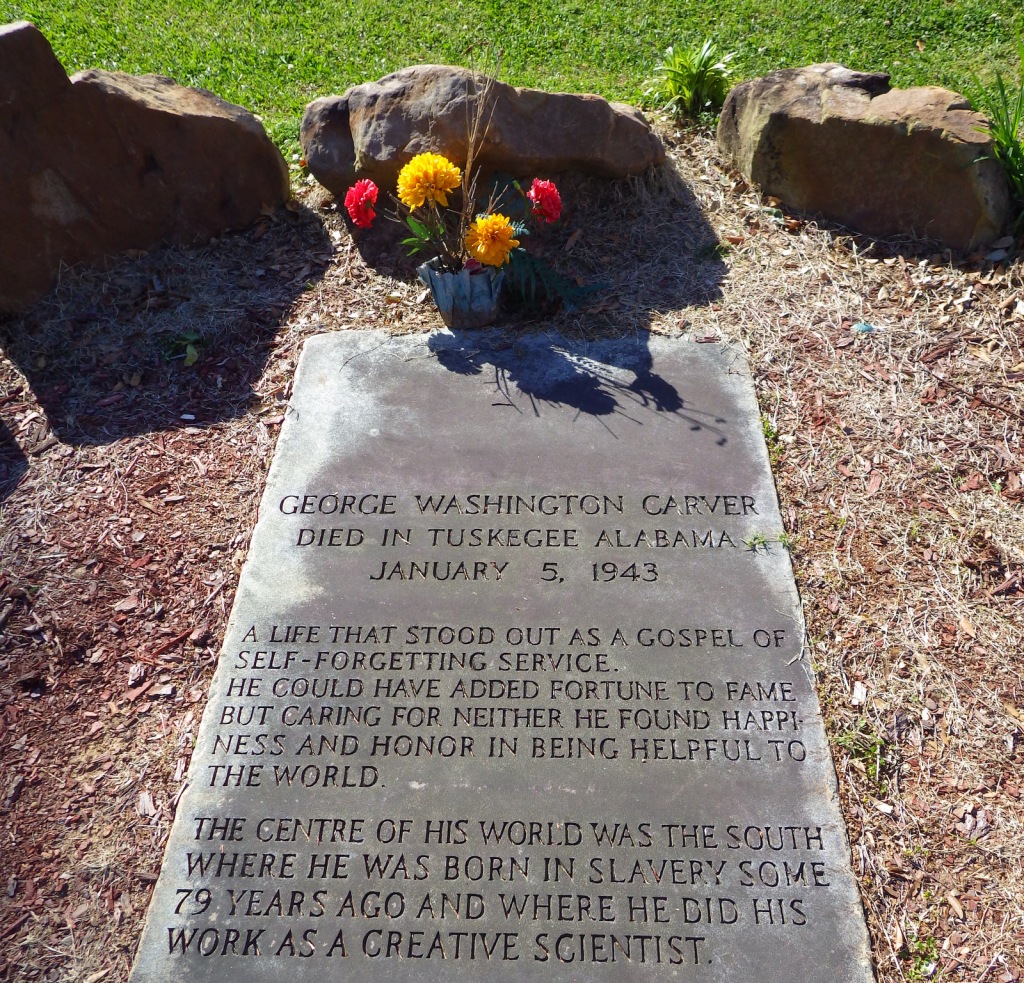
This historic college for African Americans is also the final resting place for pioneering staff members Booker T. Washington and George Washington Carver.  In 1881, a 25-year-old Washington moved to an abandoned plantation in Alabama to found the Tuskegee Normal and Industrial Institute with a $2,000 appropriation from the state.  From its initial enrollment of 30 students, Tuskegee has grown and continues to be an active and prominent university today.

Highlights

Historic campus, George Washington Carver Museum, Tuskegee Chapel, The Oaks

Must-Do Activity

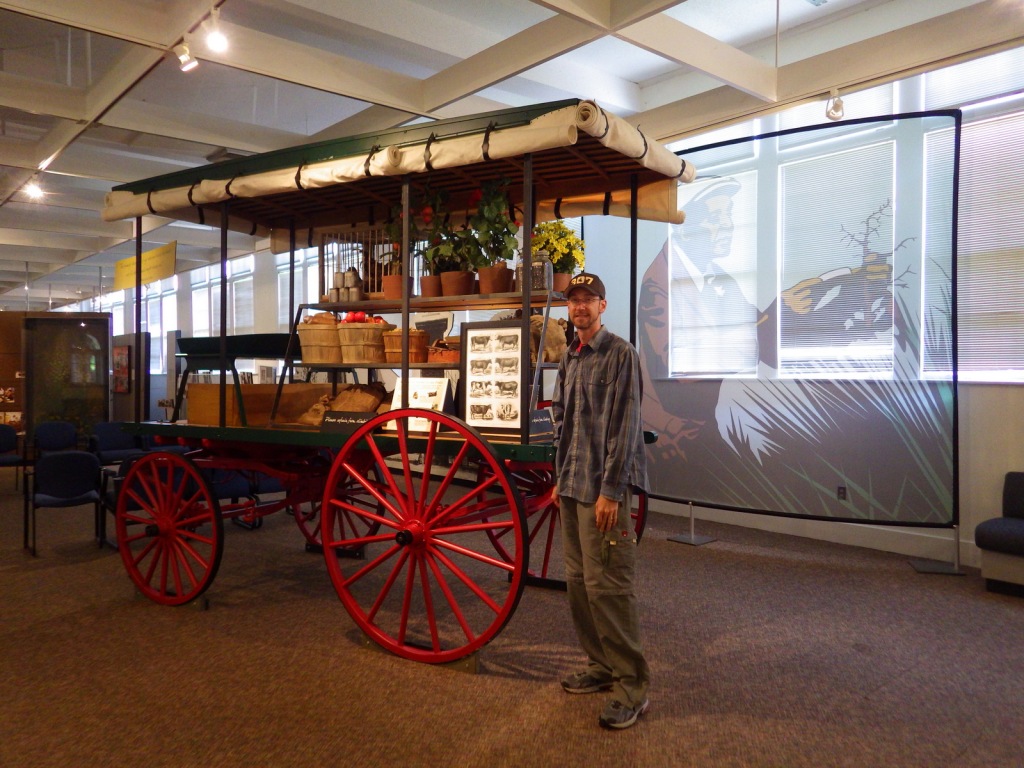
Since only eight of the 58 acres dedicated to this National Historic Site are owned by the National Park Service (NPS) on this active college campus, it behooves you to call ahead to schedule your visit.  Guided tours are available of the university and The Oaks, the historic Washington family home that was built by students.  At least make sure the excellent George Washington Carver Museum is open when you visit.  At the beginning of World War II, the school was selected to train African-American pilots, which is detailed at the nearby Tuskegee Airmen National Historic Site, also managed by the NPS.

Best Trail

None

Instagram-worthy Photo

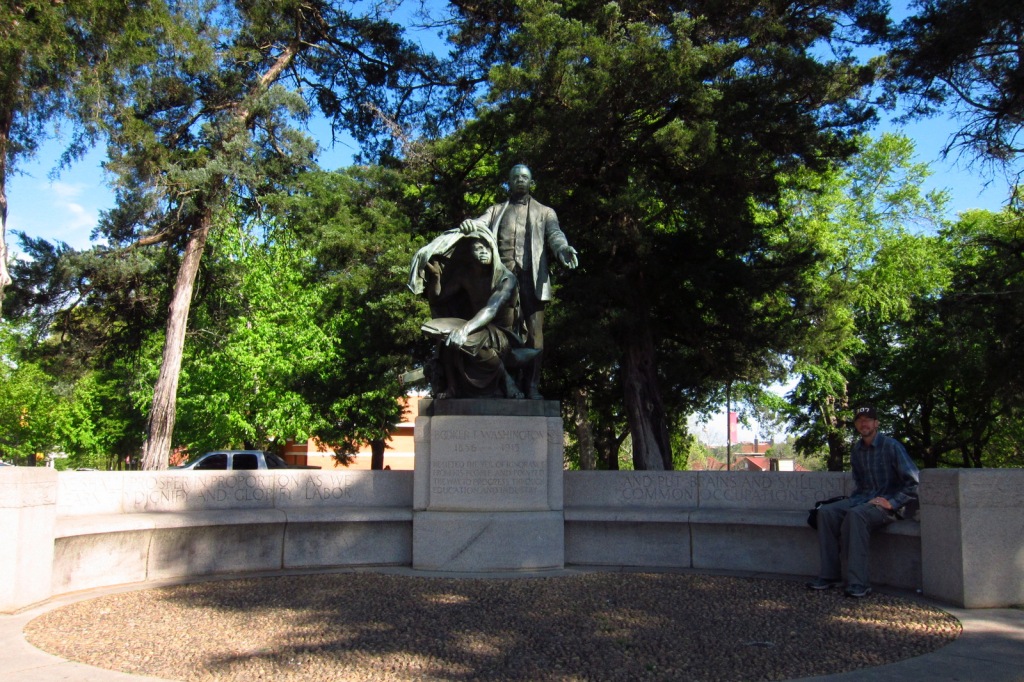
The sculpture of Booker T. Washington lifting the veil of ignorance from a slave was completed by Charles Keck in 1922.

Peak Season

Spring and fall

Hours

https://www.nps.gov/tuin/planyourvisit/hours.htm

Fees

None

Road Conditions

All roads are paved, but there is limited parking on campus for tourists.

Camping

Chewacla State Park is located northeast of town and primitive camping is allowed in Tuskegee National Forest (the smallest U.S. National Forest at 11,252 acres).

Related Sites

Booker T. Washington National Monument (Virginia)

George Washington Carver National Monument (Missouri)

Tuskegee Airmen National Historic Site (Alabama)

Explore More – How many bricks were made and laid by Tuskegee students to build the original chapel in 1896-98?

George Washington Carver National Monument

Overview

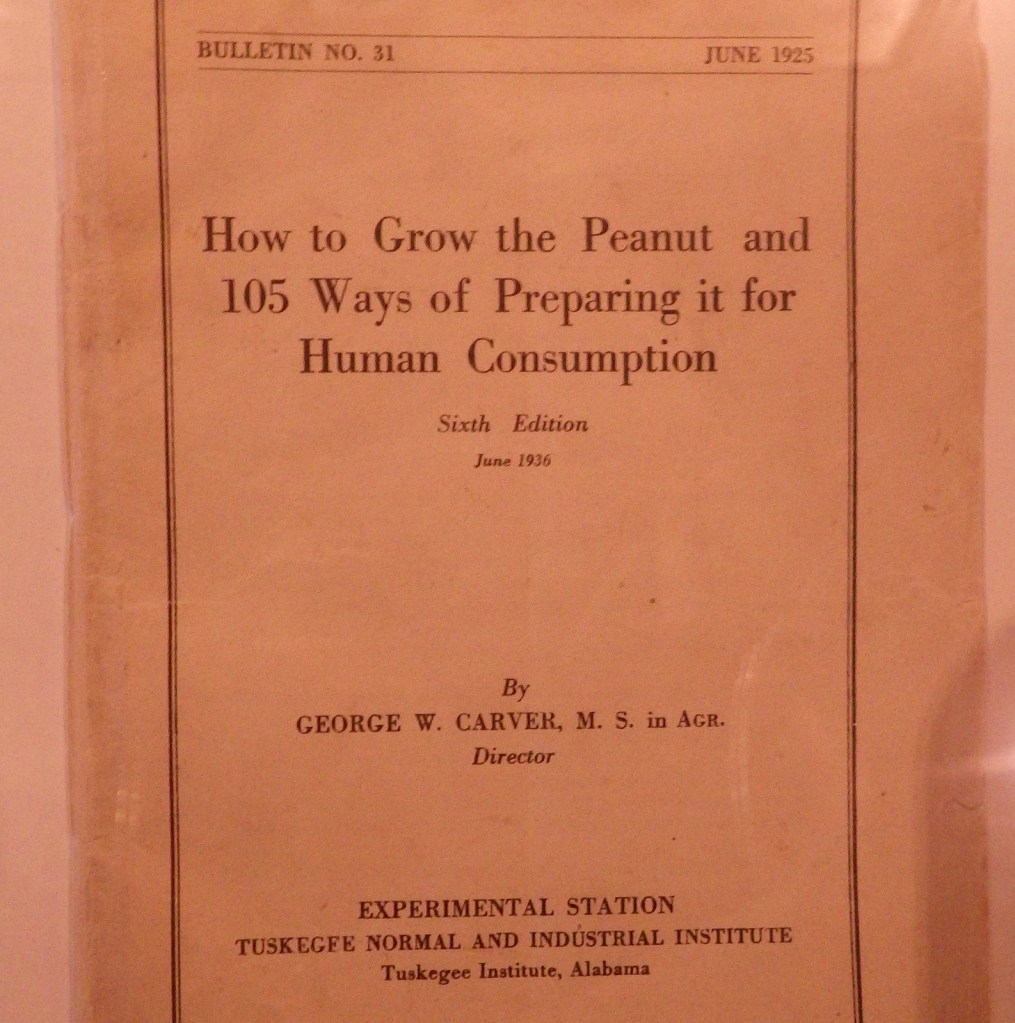
In southwestern Missouri is 210-acre George Washington Carver National Monument where the artist and inventor was born into slavery.  Near the end of the Civil War, raiders captured he and his mother (who was never seen again), but he was returned to his older brother and they were both raised by the Carver family.  He went on to earn a master’s degree in botany from Iowa State University in 1896 and work at Tuskegee Institute in Alabama for 47 years.  His most influential legacy is arguably his outreach work marketing peanut and soy plants, helping to turn them into the widespread agricultural products they are today.

Highlights

Museum, films, bronze sculptures, 1881 Moses Carver House, Williams Pond

Must-Do Activity

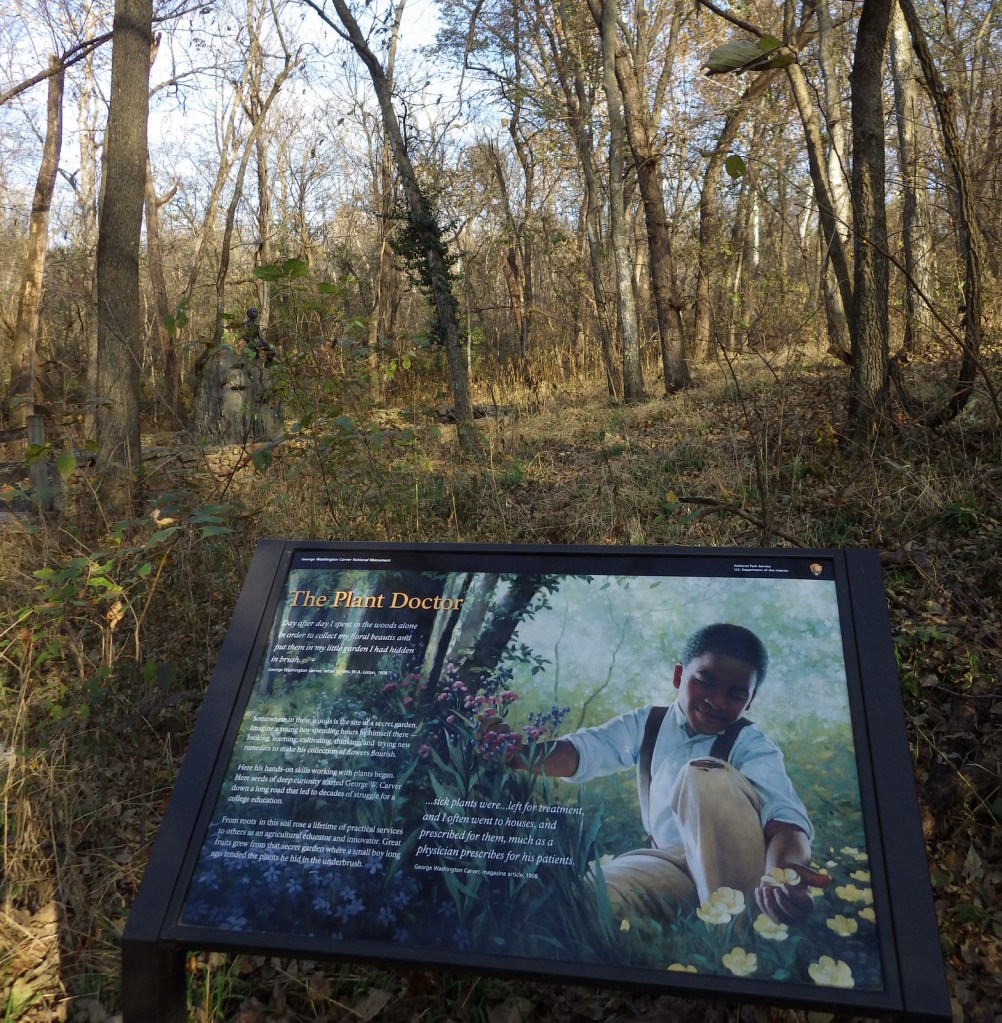
The National Monument has an excellent museum with interactive exhibits and examples of Carver’s paintings.  A self-guided 0.75-mile trail passes several bronze sculptures and interpretive signs.  It leads through the forest to Williams Pond and a house that dates back to 1881.  George Washington Carver’s spirit lives on at this site, inspiring future generations to great aspirations despite humble beginnings.

Best Trail

The self-guided 0.75-mile trail loops from the visitor center and is partially wheelchair accessible.

Instagram-worthy Photo

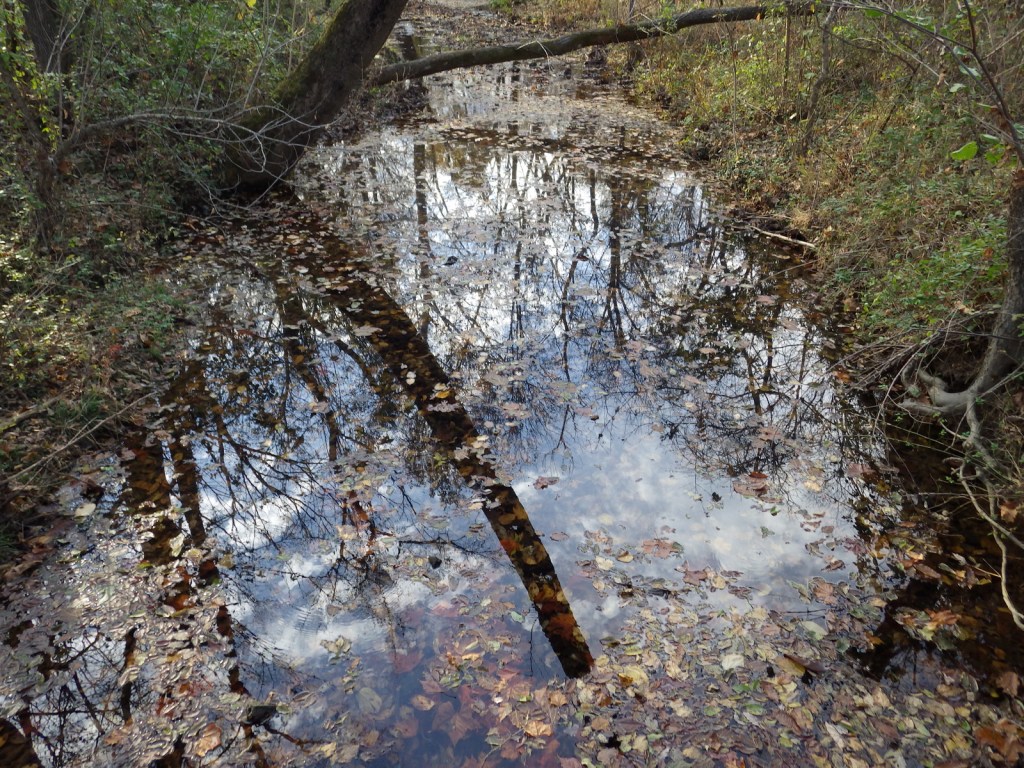
Williams Pond is a nice place to sit and contemplate what each of us can accomplish regardless of how we start.

Peak Season

Summer

Hours

https://www.nps.gov/gwca/planyourvisit/hours.htm

Fees

None

Road Conditions

All roads paved

Camping

There are private campgrounds around Joplin, Missouri and 50 miles away is Roaring River State Park.

Related Sites

Booker T. Washington National Monument (Virginia)

Tuskegee Institute National Historic Site (Alabama)

Wilson’s Creek National Battlefield (Missouri)

Explore More – When was the year the National Monument was dedicated, which was the same year Carver died?

Homestead National Historical Park

Overview

In the midst of the Civil War, a Republican-dominated legislature passed the Homestead Act of 1862, which allowed citizens to stake a claim to 160 acres of unappropriated government land.  Until its repeal in 1976, over 270-million acres across 30 states were transferred from public land to private ownership under this law.  Potential landowners had to apply and pay a fee then “prove up” their claim by farming at least 10 acres and building a home within five years.  Nebraska’s Homestead National Monument of America was authorized in 1936 to remember this era of settlement and renamed in 2021.

Highlights

Heritage Center, film, Palmer-Epard cabin, Freeman School, restored tallgrass prairie

Must-Do Activity

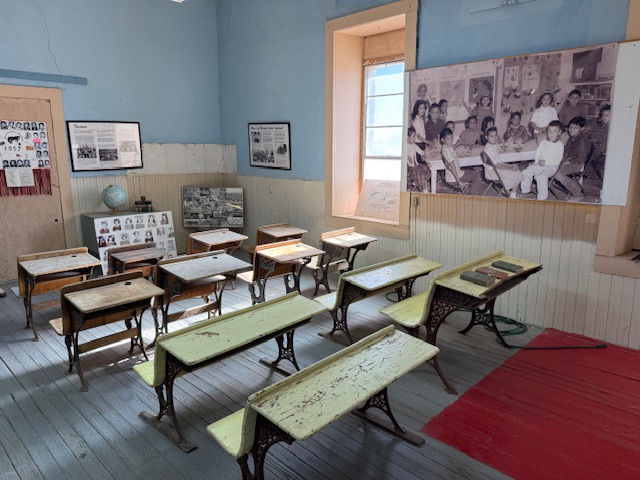
Since 1939, half of this 200-acre piece of land has been managed to resemble the tallgrass prairie that existed here when the Freeman family claimed this T-shaped homestead on January 1, 1863.  It was one of the first farms started after passage of the Homestead Act by Congress.  Inside the Heritage Center, there are many unique exhibits that tell the story of settlement across the western United States of America (plus Florida).  Do not forget to stop by the Education Center and one-room Freeman Schoolhouse that was used from 1872 to 1967.

Best Trail

At the park, 2.5 miles of walking trails connect the museums at the Heritage Center and the Education Center, passing by hedgerows of Osage-orange trees. 

Instagram-worthy Photo

The Heritage Center’s roofline is designed to resemble a single-bottom plow stands and it sits at the edge of a restored tallgrass prairie ecosystem.  Similar to Fort Scott National Historic Site and Tallgrass Prairie National Preserve in Kansas, prescribed fire is used here to promote the growth of native plants.

Peak Season

Summer

Hours

https://www.nps.gov/home/planyourvisit/hours.htm

Fees

None

Road Conditions

All roads paved except a short section to access the parking lot for the Freeman School.  The parking lot at the Heritage Center is exactly one acre in size to help visitors visualize the 10 acres required to farm for “proving up” a homestead.

Camping

Four miles east of the park, Beatrice, Nebraska has two city parks with campgrounds.

Related Sites

Tallgrass Prairie National Preserve (Kansas)

Scotts Bluff National Monument (Nebraska)

Hubbell Trading Post National Historic Site (Arizona)

Explore More – Which First Amendment right was first challenged in court because of its use in teaching at the one-room Freeman School?

We are a participant in the Amazon Services LLC Associates Program, an affiliate advertising program designed to provide a means for us to earn fees by linking to Amazon.com and affiliated sites.