Tag Archives: sand dunes

Manistee National Forest

Manistee National Forest

Michigan

Managed by U.S. Forest Service, Eastern Region

1,331,673 acres (540,322 federal/ 791,351 other)

Website: https://www.fs.usda.gov/r09/huron-manistee

Overview

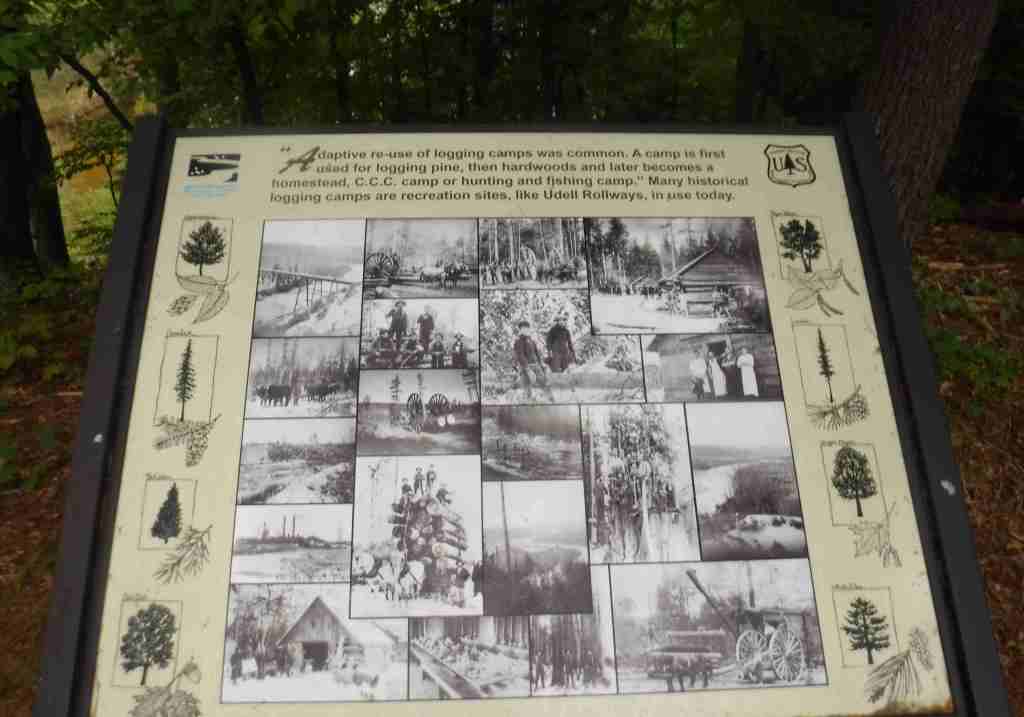
Even though they are on opposite sides of Michigan’s Lower Peninsula, Manistee and Huron National Forests have been co-managed since 1945.  Only seven years earlier, Manistee National Forest was created from tax-forfeited lands and purchases of logged forests unsuitable for farming, so it is remains a mosaic of private and public lands.  Much of this area was replanted by the Civilian Conservation Corps (CCC) and many of those trees are now very large.  It contains the highest point on Michigan’s Lower Peninsula, 1,706-foot Briar Hill, which has no marked trails to the summit and obstructed views from the top.  It is also home to Caberfae Peaks Ski Resort, which receives high accumulations of lake-effect snow and is one of the oldest ski resorts in the U.S. opened in 1938. 

Highlights

Pere Marquette National Scenic River, Nordhouse Dunes, Newaygo Prairies, Caberfae Winter Sports Area, Udell Rollways, Briar Hill, Manistee River Trail, North Country National Scenic Trail

Must-Do Activity

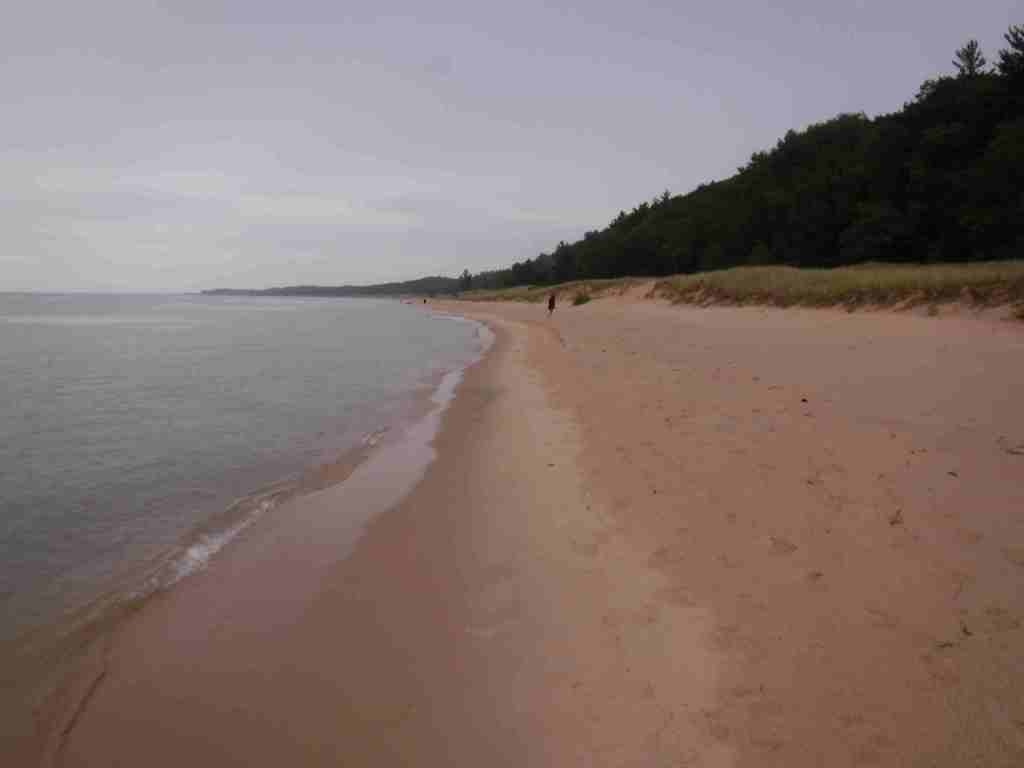
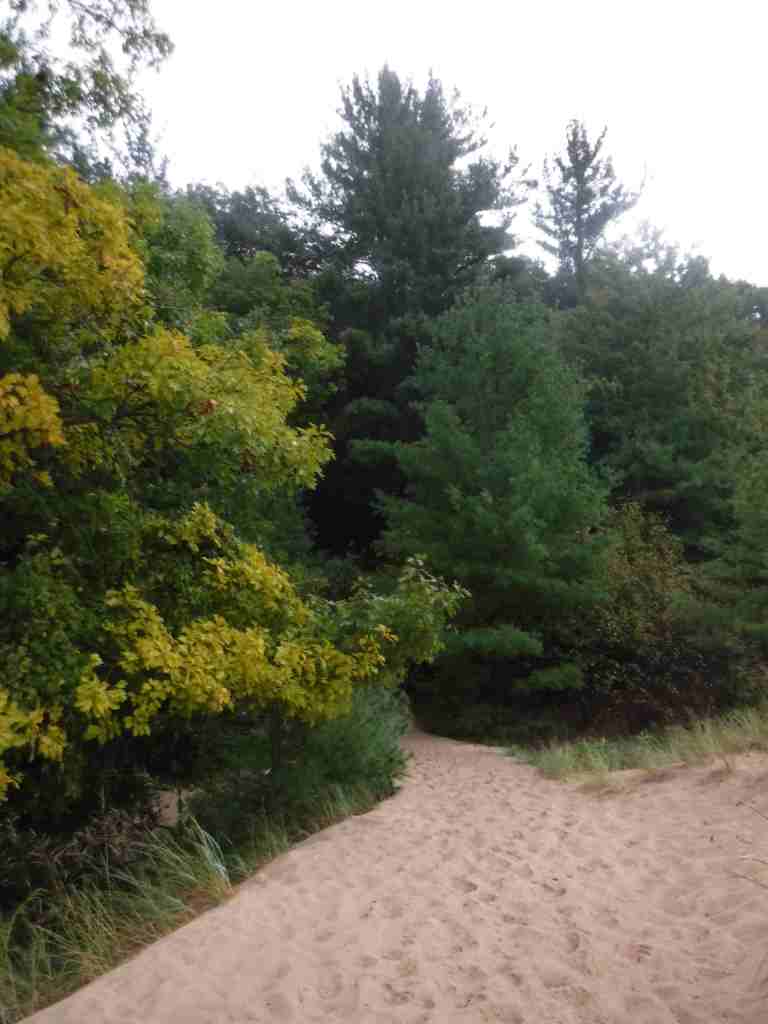
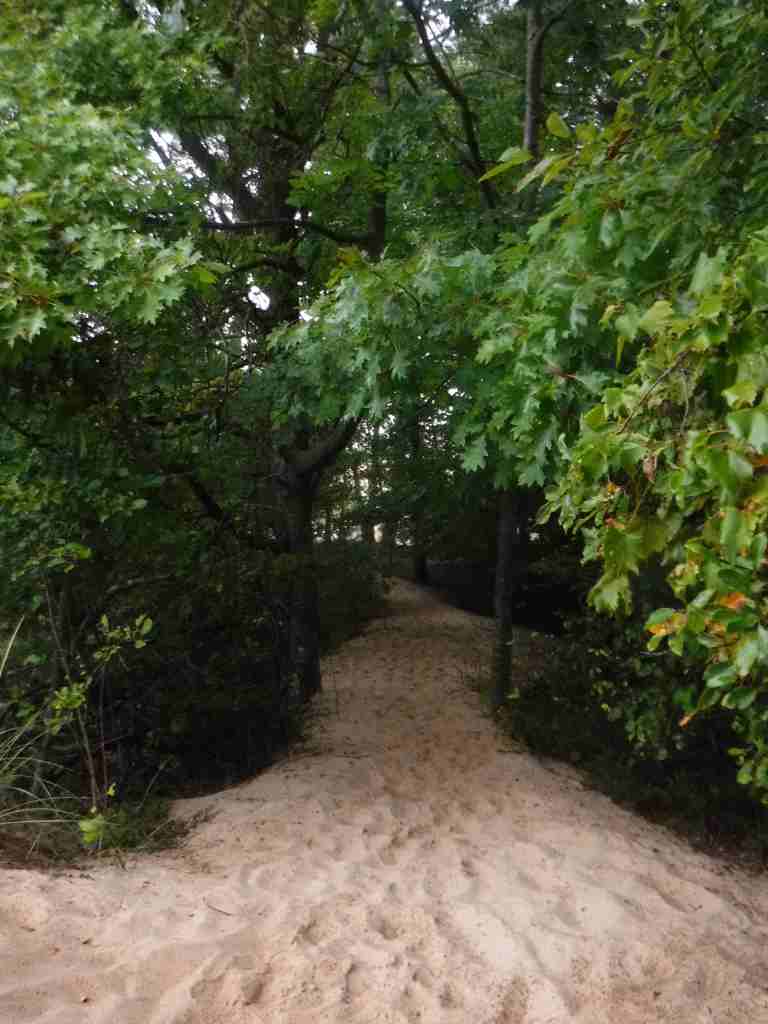
Manistee National Forest is popular for hiking, fishing, camping, boating, snowmobiling, cross-country skiing, and hunting.  The National Forest’s primary visitor attractions are the Nordhouse Dunes along Lake Michigan and Loda Lake National Wildflower Sanctuary, a 1,000-acre area set aside in 1938 to grow native plants.  The 6,270-acre sand dunes complex around Big Sable Point on Lake Michigan was formed 3,500 years ago and reaches 140 feet in height above lake level.  The southern portion is contained within Ludington State Park and the northern half is managed by the Forest Service. 

Best Trail

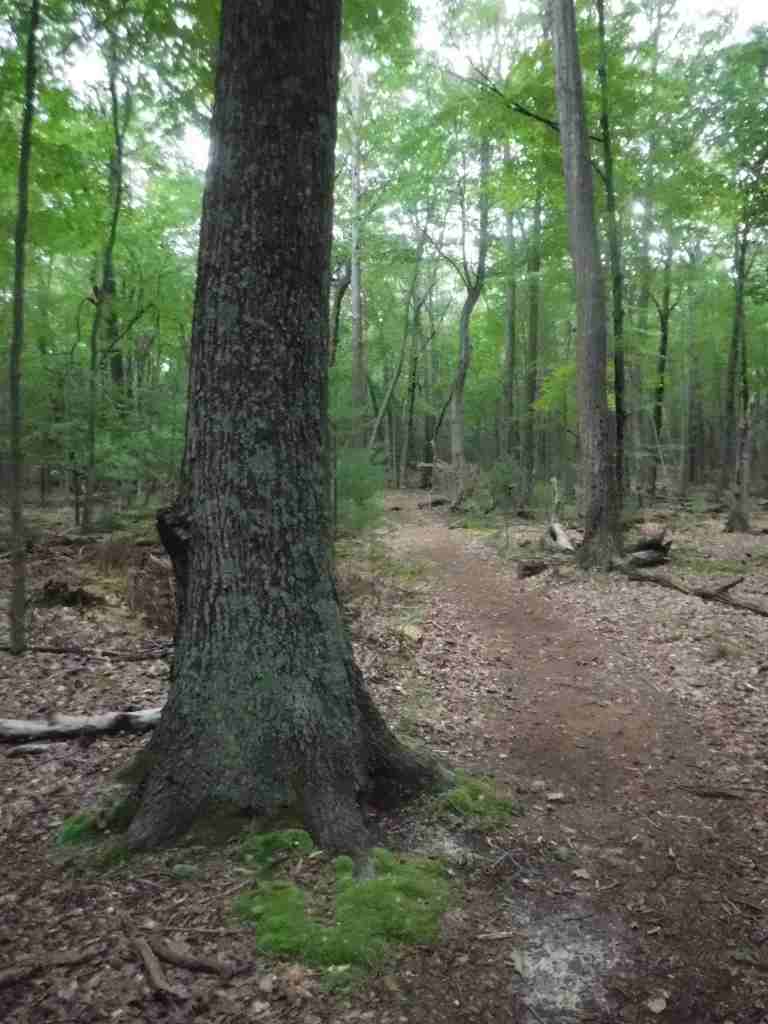
We accessed the Nordhouse Dunes from the Arrowhead Trailhead (fee), nine miles on paved West Forest Trail Road from Highway 31.  We hiked a 2.7-mile loop by connecting the Middle Trail to the Arrowhead/ Nipissing Trail then following the shoreline back.  We passed dozens of backpackers camping on the beach, mostly ignoring the requirement to stay 400 feet from Lake Michigan and 100 feet from trails.  The North Country National Scenic Trail passes through Manistee National Forest and can be connected with the 11-mile-long Manistee River Trail to make a 23-mile loop.

Watchable Wildlife

The Nordhouse Dunes encompass the largest area of freshwater interdunal ponds in the world, home to the federally endangered pitcher’s thistle.  On the Lake Michigan shoreline, the dune grass provides habitat for endangered piping plovers.  More common species are white-tailed deer, coyote, red fox, porcupine, and raccoon, and the occasional black bear and bobcat.  A variety of gamefish are found in the Manistee River, Lake Michigan, and smaller ponds.

Photographic Opportunity

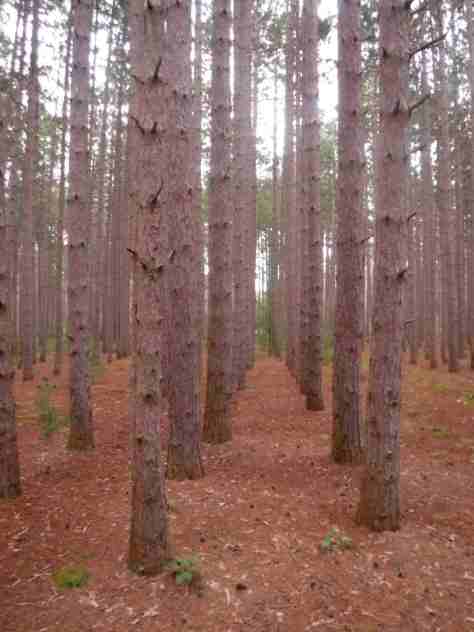
The rows of trees in the red pine plantations make for some interesting photographic subjects.
Peak Season

Summer

Fees

There is a $5 day use fee (or $15 for a week) to park at trailheads for the Nordhouse Dunes Wilderness with automated fee collection station available at Nurnberg Trailhead, or you can hang an America the Beautiful pass in your vehicle.

Road Conditions

The main roads are paved from Highway 31 to access the Nordhouse Dunes Wilderness; Nurnberg Trailhead in the southeast corner is open year round and Lake Michigan Recreation Area in the north is gated in the offseason. 

Camping

There is a 102-site campground near the trailhead within Lake Michigan Recreation Area, but dispersed car camping is allowed to the east on the sandy side roads off West Forest Trail Road.  It seems that backpackers in the Nordhouse Dunes area ignore the requirement to stay 400 feet from the lake and 100 feet from trails. 

Wilderness Areas

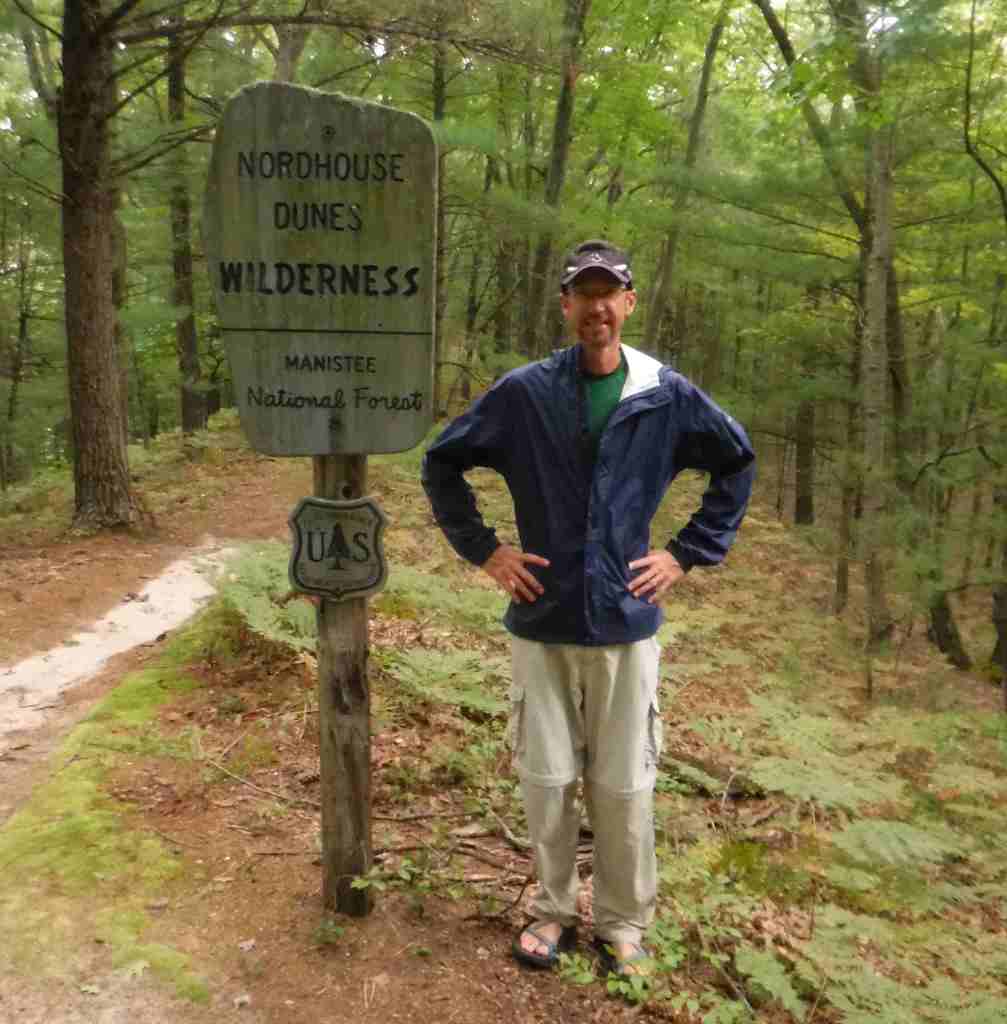
Nordhouse Dunes Wilderness

Related Sites

Huron National Forest (Michigan)

Sleeping Bear Dunes National Lakeshore (Michigan)

River Raisin National Battlefield Park (Michigan)

Nearest National Park
Indiana Dunes

Conifer Tree Species

red pine, jack pine, eastern white pine, eastern hemlock, arborvitae, tamarack, black spruce

Flowering Tree Species

northern red oak, black oak, white oak, red maple, paper birch, yellow birch, American beech, black cherry, green ash, bigtooth aspen, sassafras, witch hazel    

Explore More – How is the Ojibwe word Manistee translated into English?

Learn more about this and the 154 other National Forests in our new guidebook Out in the Woods

Kobuk Valley National Park

Kobuk Valley National Park

Alaska

Managed by National Park Service

Established 1978 National Monument, 1980 National Park

1,714,578 acres

Website: nps.gov/kova

Overview

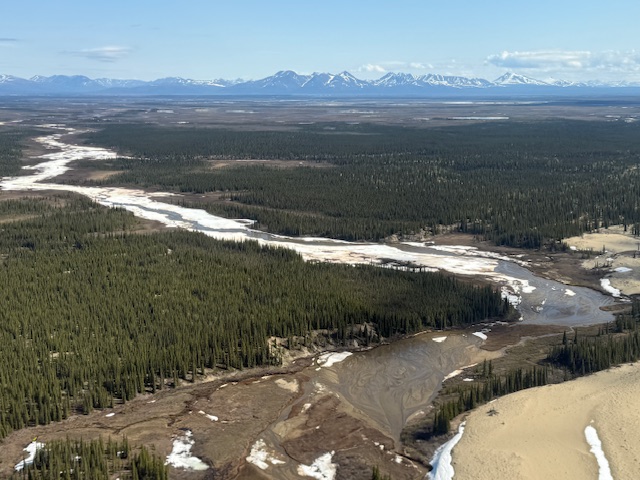
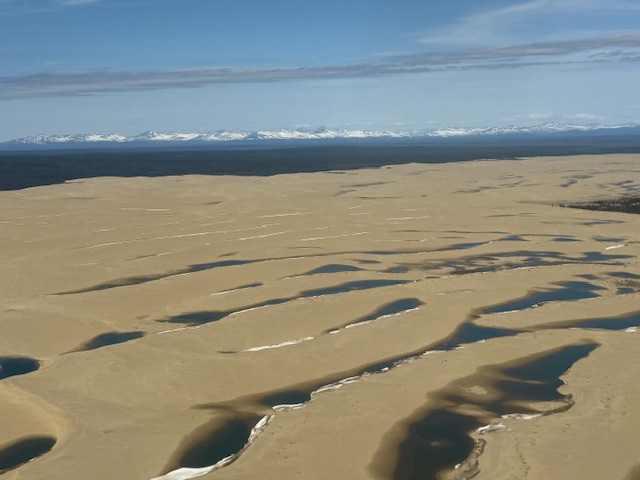
In northwest Alaska, an area roughly the size of Delaware is set aside to protect an 85-mile stretch of the Kobuk River.  Kobuk Valley National Park also includes the Waring Mountains to the south and the Baird Mountains that border Noatak National Preserve.  Hunters have been coming for at least 12,500 years to Onion Portage where caribou gather to cross the river.  In the 1960s, archeologist J. Louis Giddings built a cabin and cache so he could excavate a two-acre plot.  He and his assistants dug through 30 artifact-bearing layers that provided evidence of nine cultural periods from the Akmak Complex to the Arctic Woodland Eskimo.

Learn more about how to visit this National Park in the expanded second edition of our guidebook A Park to Yourself: Finding Solitude in America’s 63 National Parks

Highlights

Great Kobuk Sand Dunes, Onion Portage Archeological District

Must-Do Activity

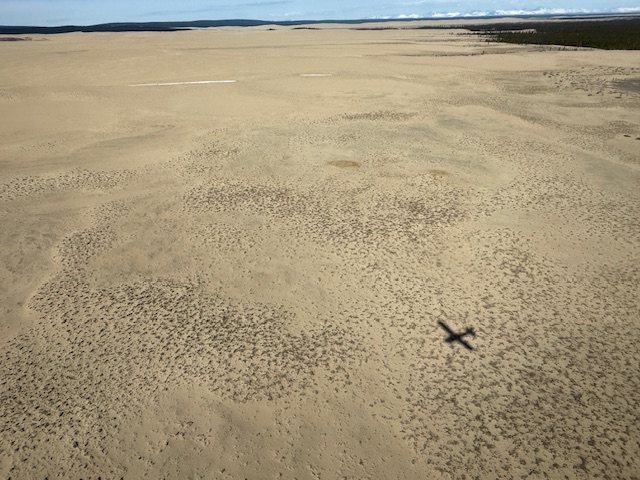
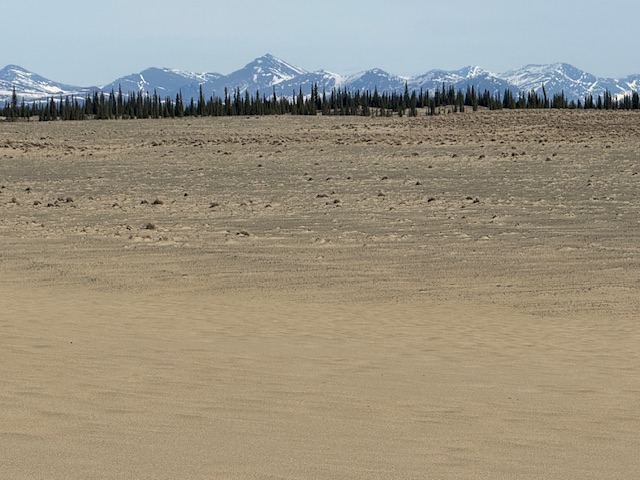
The Northwest Arctic Heritage Center in Kotzebue is located 75 river miles from the western edge of the park.  Riverside ranger stations operate in the summer at Kallarichuk in the west and Onion Portage in the east.  A flightseeing tour of the park typically lands on the Great Kobuk Sand Dunes, which are the remnant of a dune field that once covered as much as 200,000 acres after the Pleistocene glaciation.  Float trips take at least a week on the wide Kobuk River or the rougher Salmon River, which is designated a Wild and Scenic River.  The Kobuk River starts within a narrow canyon with Class V rapids inside Gates of the Arctic National Park and Preserve, but soon flattens out and becomes a braided channel, like many rivers in Alaska. 

Best Trail

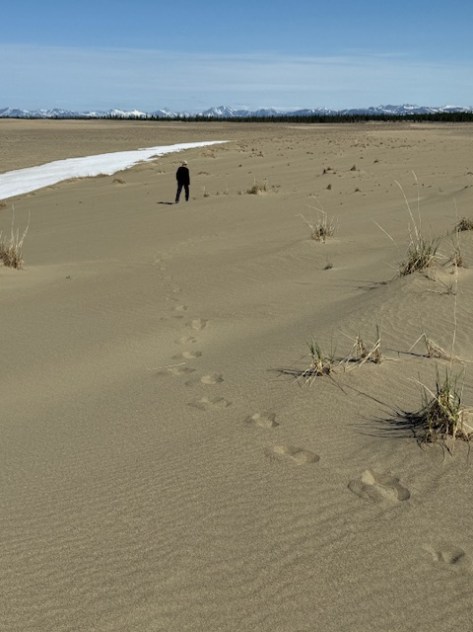
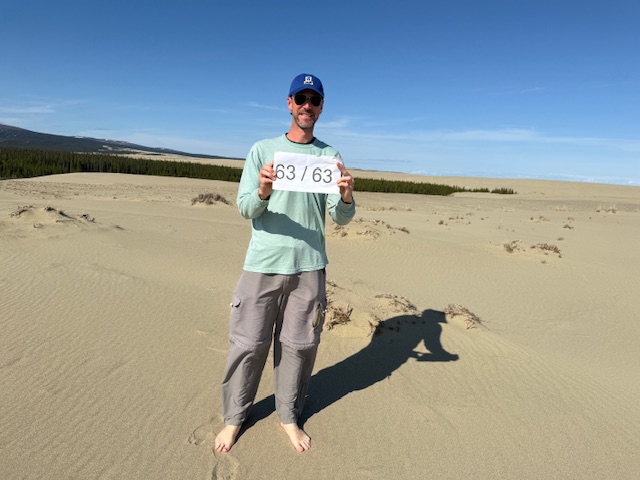
There are no established trails in the park, but it is easy to wander through the sand dunes and soft enough to go barefoot.

Photographic Opportunity

The Great Kobuk Sand Dunes are a geological anomaly sitting north of the Arctic Circle, once studied by NASA as an analog for polar dunes on Mars.

Peak Season

Summer

Hours

https://nps.gov/kova/planyourvisit/basicinfo.htm

Fees

None

Road Conditions

There are no roads into Kobuk Valley National Park, so most visitors arrive by small airplane, which can cost around $5,000 to charter for the day.  If you are leaving from Fairbanks, we recommend flying with Sven from Aviation Expeditions who will do a combination trip that also lands in Gates of the Arctic National Park and Preserve.

Camping

Backcountry camping is allowed throughout the park, but is not permitted on the 81,000 acres of Native Corporation lands that are typically situated along the rivers. 

Related Sites

Gates of the Arctic National Park and Preserve (Alaska)

Noatak National Preserve (Alaska)

Denali National Park and Preserve (Alaska)

Explore More – What is the current estimated size of the Western Arctic caribou herd that crosses the Kobuk River at Onion Portage?

We are a participant in the Amazon Services LLC Associates Program, an affiliate advertising program designed to provide a means for us to earn fees by linking to Amazon.com and affiliated sites.

Update to Our Guidebook: A Park to Yourself

Since White Sands National Monument was upgraded to the 62nd National Park on December 20, 2019, we decided to update our guidebook to the parks.  If you already bought your copy on Amazon, please find the new page 308 posted below.  White Sands is one of our favorite of the many National Park Service units in New Mexico.  You can read more about the park on this blog

White Sands

New Mexico

148,558 acres

Established 2019

603,008 visitors in 2018

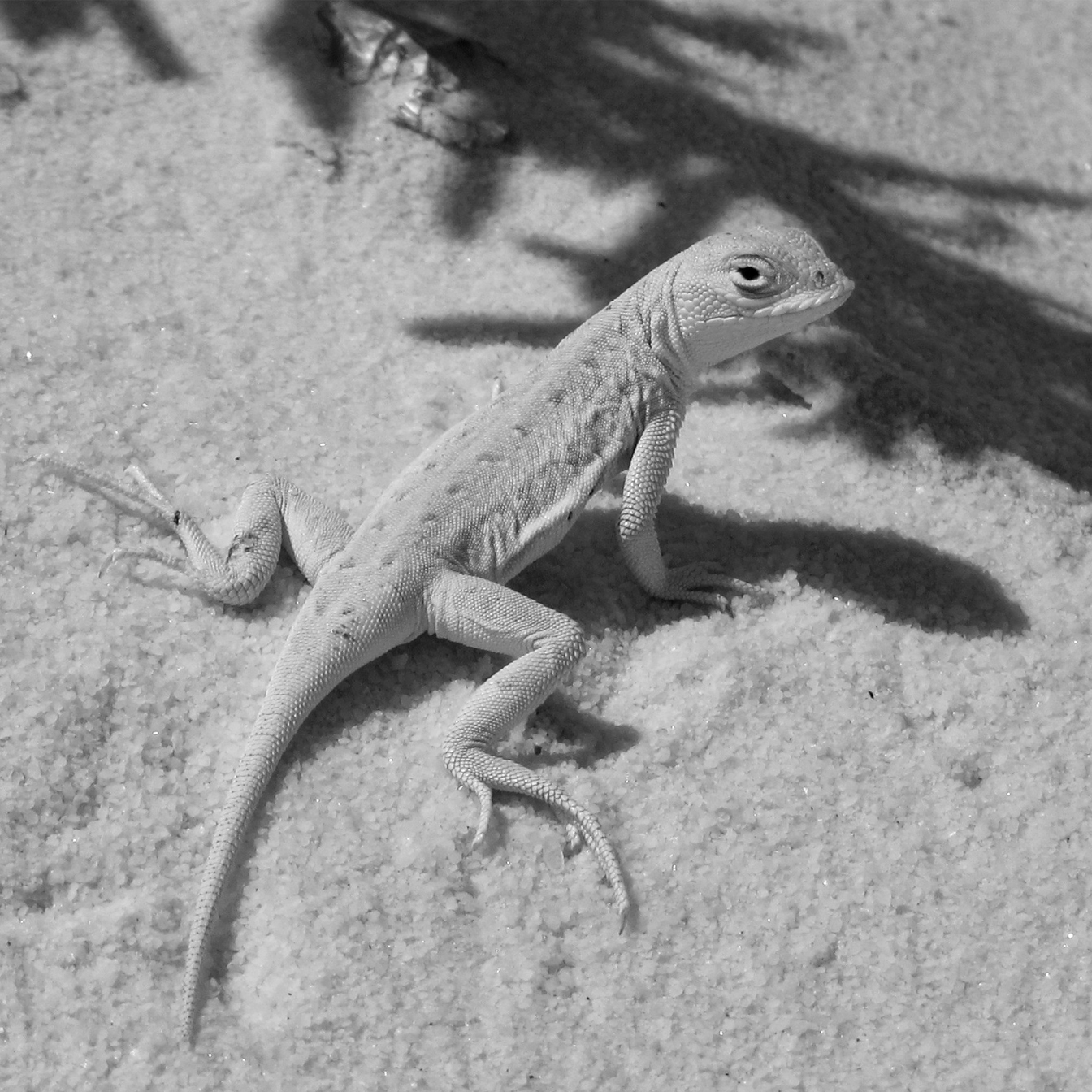
Dunes composed of gypsum make a great destination for snow sledding year round, especially when the sand is wet.  Gypsum readily dissolves in water, but here it forms dunes because no river drains the Tularosa Basin.  Follow markers on the five-mile roundtrip Alkali Flat Trail that goes up and down dunes and provides views of the San Andres Mountains.  Most of the wildlife here is nocturnal, but during the day you may spot bleached earless lizards that evolved to camouflage in the gypsum.  The white dunes take on the colors of the sunset if you attend the ranger-guided Sunset Stroll or backpack camp.  There is no campground and only ten backcountry campsites, and their availability is dependent upon whether the military is conducting missile tests overnight, so call ahead or check the schedule online.  Oliver Lee Memorial State Park offers a full service campground in a beautiful setting south of Alamogordo, New Mexico.

We are a participant in the Amazon Services LLC Associates Program, an affiliate advertising program designed to provide a means for us to earn fees by linking to Amazon.com and affiliated sites.