Tag Archives: Presidential

Martin Van Buren National Historic Site

Overview

Martin Van Buren was the eighth President of the United States and the first to be born after it became a country in 1776.  The “little magician” started as a tavern-keeper’s son in Kinderhook, New York, then worked his way up to state senator, state attorney general, U.S. senator, governor, secretary of state, vice president, and president from 1837 to 1841.  During his presidency, he purchased the estate of “Lindenwald” (named for its linden or basswood trees) in his hometown and ran his unsuccessful presidential campaigns of 1844 and 1848 from there. 

Highlights

Lindenwald mansion, film, Kinderhook Dutch Reformed Cemetery

Must-Do Activity

National Park Service (NPS) rangers provide free guided tours inside the 36-room Gothic Revival mansion where Martin Van Buren lived from 1841 until his death in 1862.  One highlight is the elaborate French wallpaper in the dining room depicting a hunting scene.  We were assured by our tour guide that it is an apocryphal story that the saying “O.K.” came from Van Buren’s nickname “Old Kinderhook.”  We are still not convinced.

Best Trail

A 0.75-mile interpretive trail winds through some of the park’s 300 acres.  You can also visit Martin Van Buren’s grave by driving to Kinderhook Dutch Reformed Cemetery.

Instagram-worthy Photo

The lighting can be difficult for photography inside the mansion, but be sure to snap a picture of the many levels of stairs inside.

Peak Season

Summer

Hours

https://www.nps.gov/mava/planyourvisit/hours.htm

Fees

None

Road Conditions

All roads paved

Camping

Lake Taghkanic State Park offers a campground 15 miles southeast of Kinderhook, New York.

Related Sites

Home of Franklin D. Roosevelt National Historic Site (New York)

Fort Stanwix National Monument (New York)

Saratoga National Historical Park (New York)

Explore More – Martin Van Buren helped establish the Democratic party, but he ran for president in 1848 as the nominee for what other political party?

General Grant National Memorial

Overview

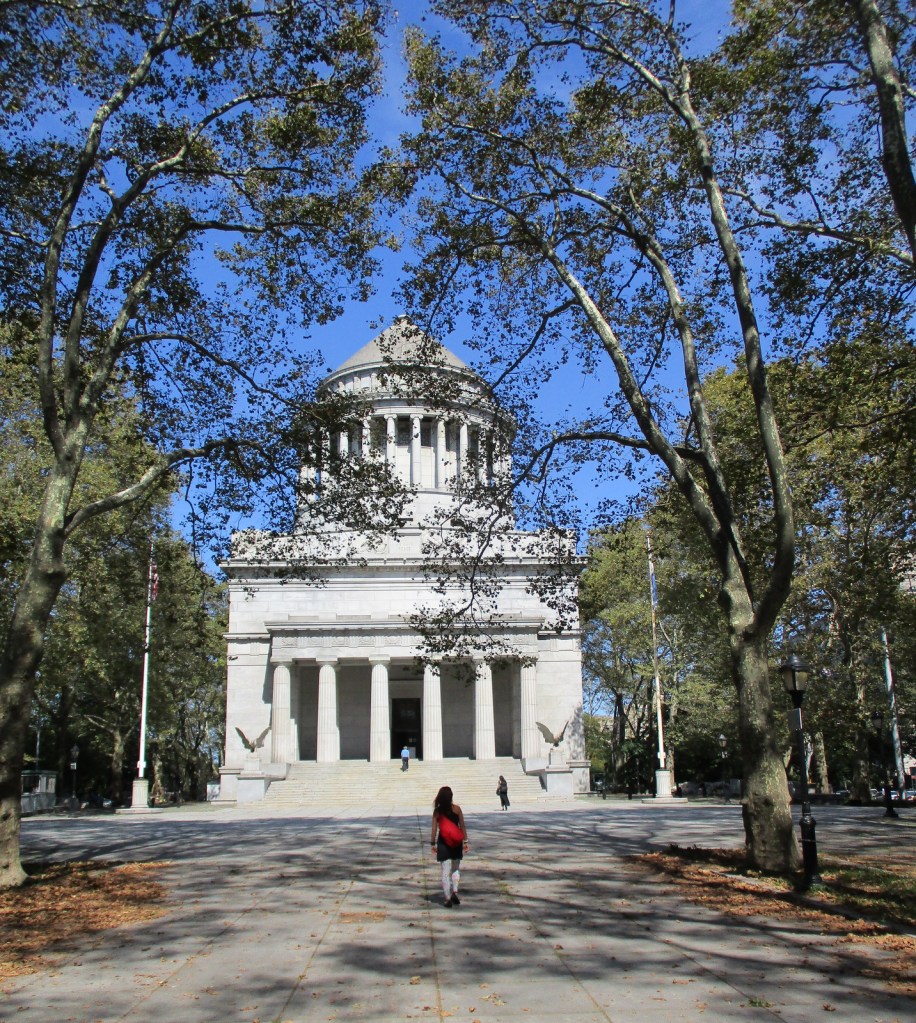
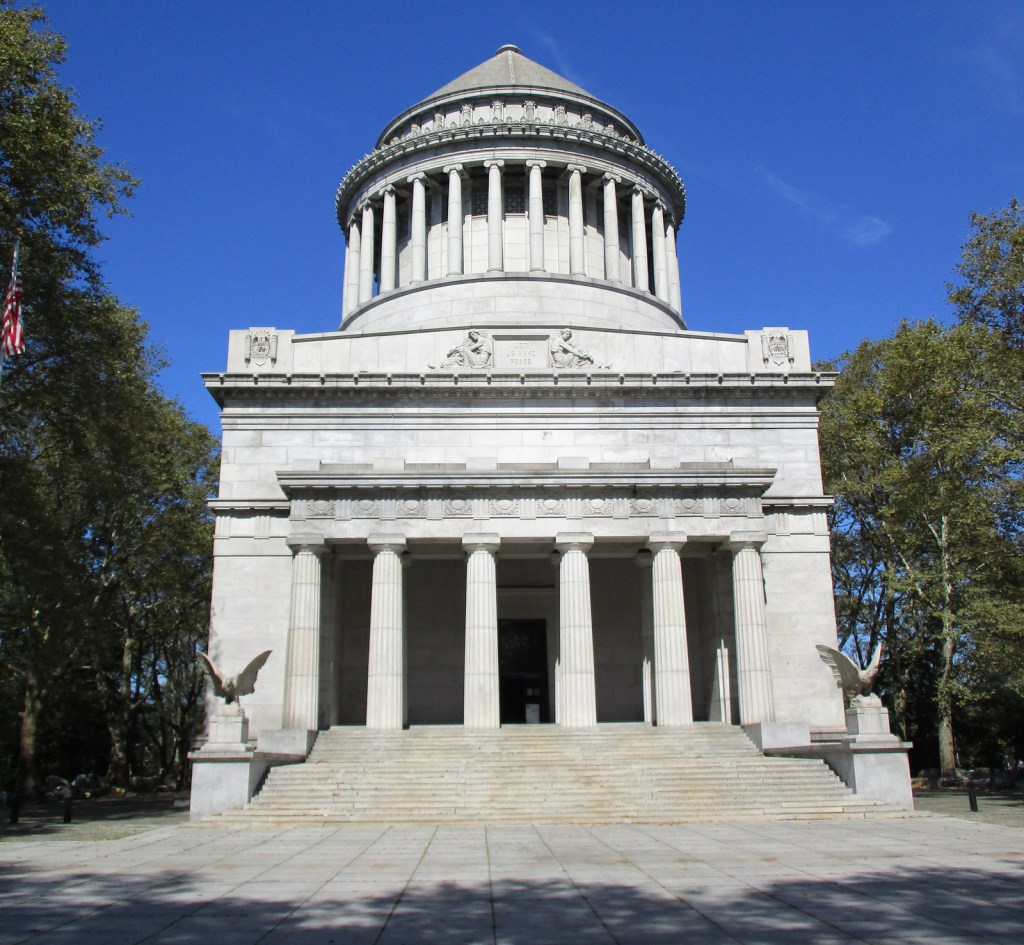
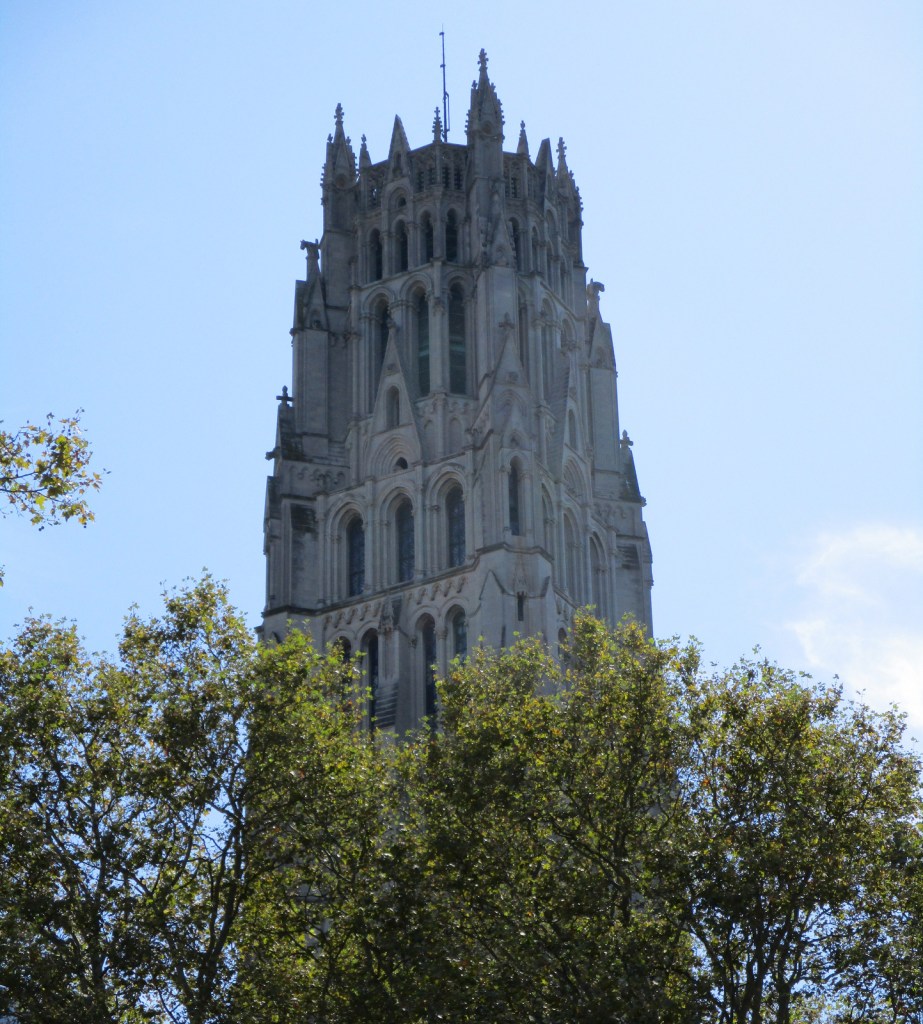
Often referred to as Grant’s Tomb, this 150-foot tall marble and granite rotunda is the largest mausoleum in North America.  Following his death in 1885, the rotunda was constructed in less than two years with donations from 90,000 individuals worldwide, the largest ever public fundraising effort at the time.  It is located on a bluff overlooking the Hudson River in the Morningside Heights area of Manhattan, where Grant spent the final five years of his life after serving two terms as President (1868-1876).

Highlights

Museum, film, tomb

Must-Do Activity

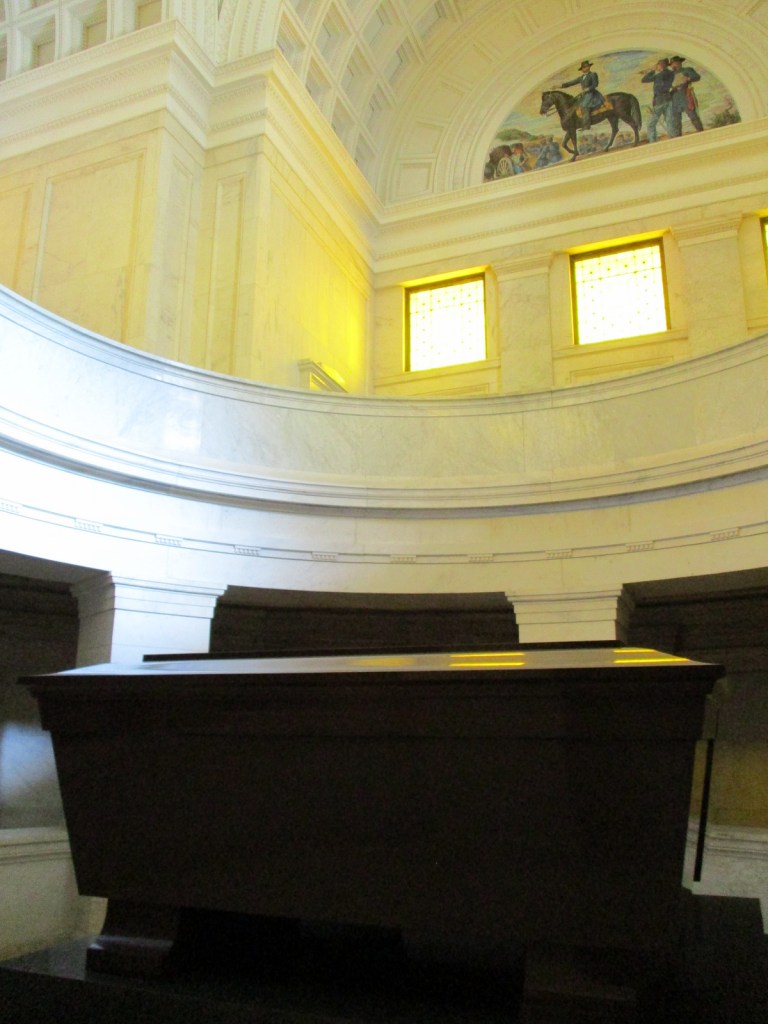
The Overlook Pavilion is separate from the rotunda and offers a few exhibits and a film about Ulysses S. Grant (plus you can put your head in an oversized $50 bill which typically bears Grant’s face).  The rotunda contains the tombs of Ulysses and his wife (Julia) who passed in 1902, as well as murals and bronze busts of fellow Civil War generals. 

Best Trail

None

Instagram-worthy Photo

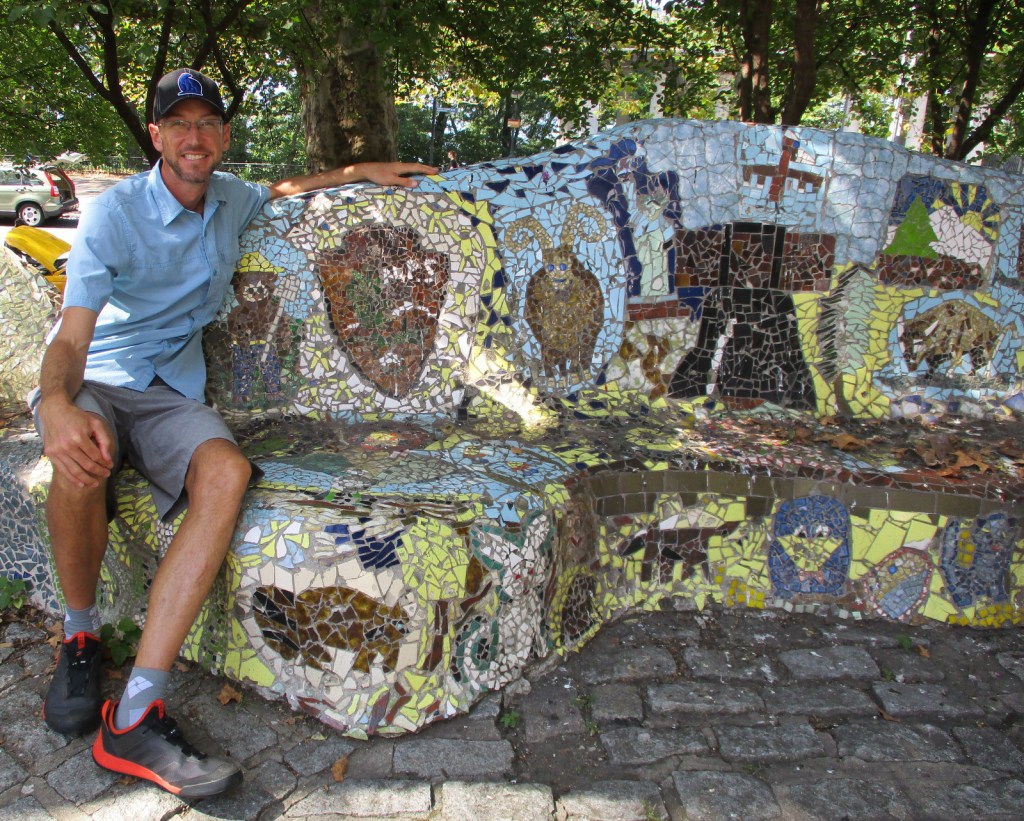
Outside the rotunda is long curving bench with mosaic images (a la Gaudi) depicting different aspects of the National Park Service (NPS) system.

Peak Season

Summer

Hours

https://www.nps.gov/gegr/planyourvisit/hours.htm

Fees

None

Road Conditions

All roads are paved, but it is better to take the subway to get to this area.

Camping

There is camping available within Gateway National Recreation Area, which is managed by the NPS.

Related Sites

Ulysses S. Grant National Historic Site (Missouri)

Hamilton Grange National Memorial (New York)

Statue of Liberty National Monument (New York)

Explore More –Julia Grant requested that which feature never be added to the rotunda?

Herbert Hoover National Historic Site

Overview

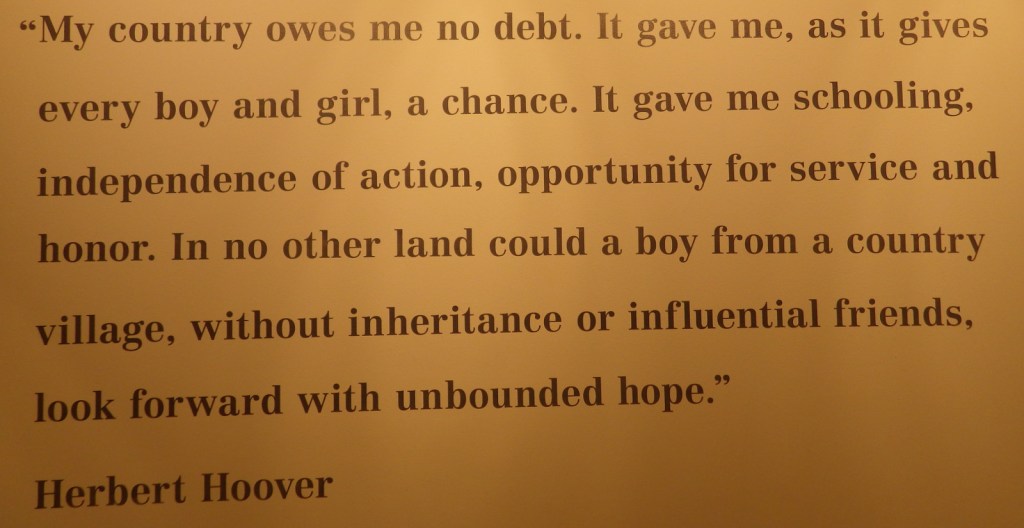
Herbert Hoover was raised in a Quaker community in West Branch, Iowa.  After he was orphaned in 1884 at age nine, his uncle in Oregon took him in.  Hoover’s 1895 geology degree from the recently-established Stanford University in California then took him around the globe.  After eight years as Secretary of Commerce under Presidents Harding and Coolidge, he became President at exactly the wrong time in 1929, only nine months before the stock market crash.  His years out of the spotlight were spent mostly on philanthropic work until his death in 1964. 

Highlights

Historic buildings, museum, film, Tallgrass Prairie Trail

Must-Do Activity

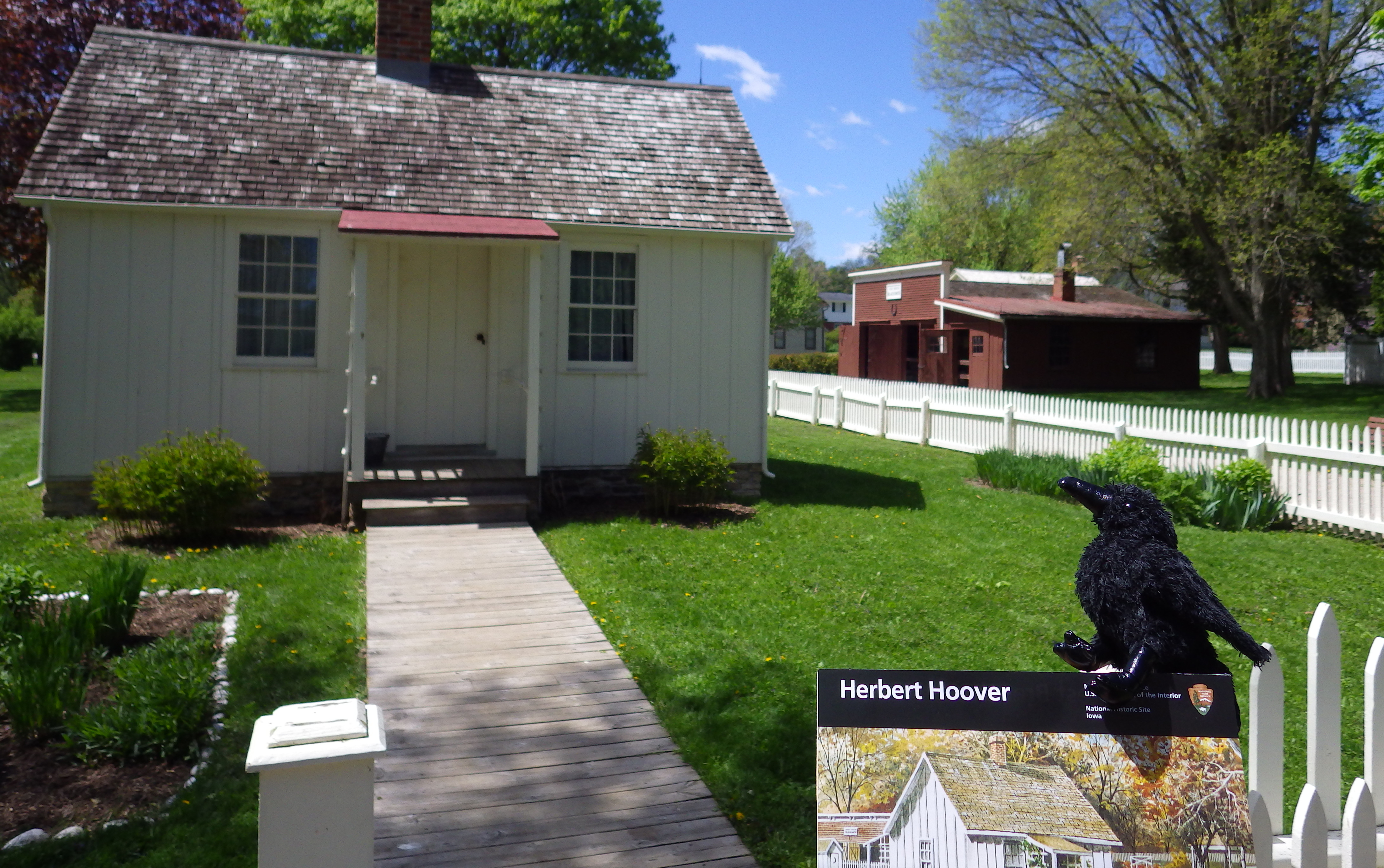
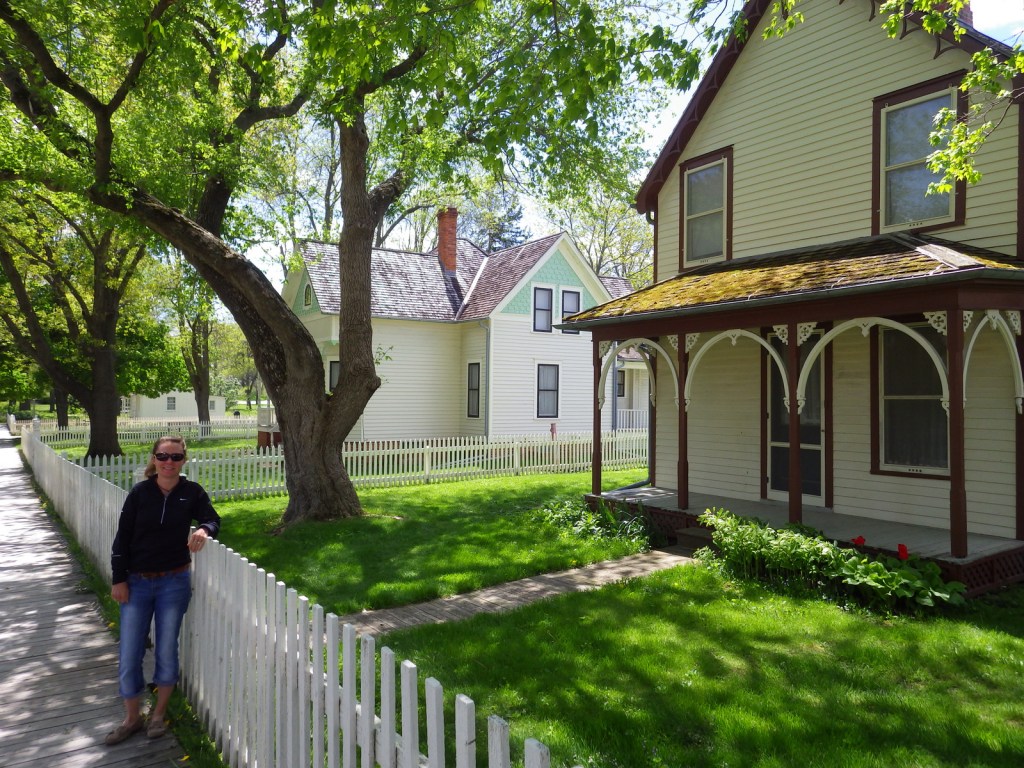
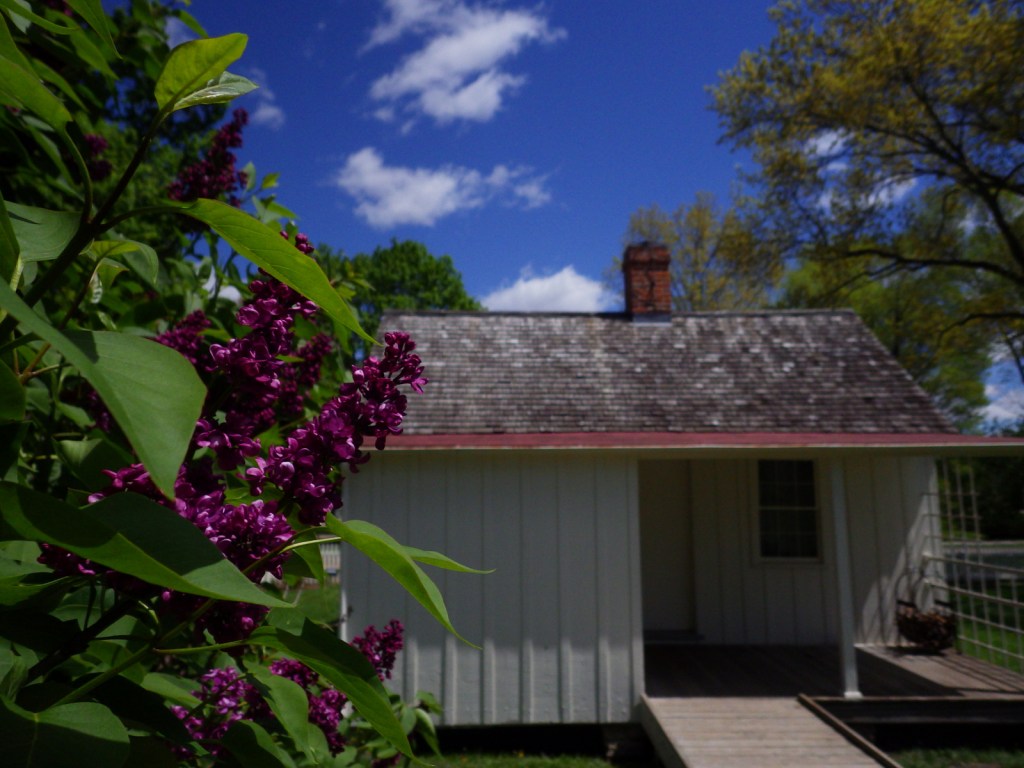
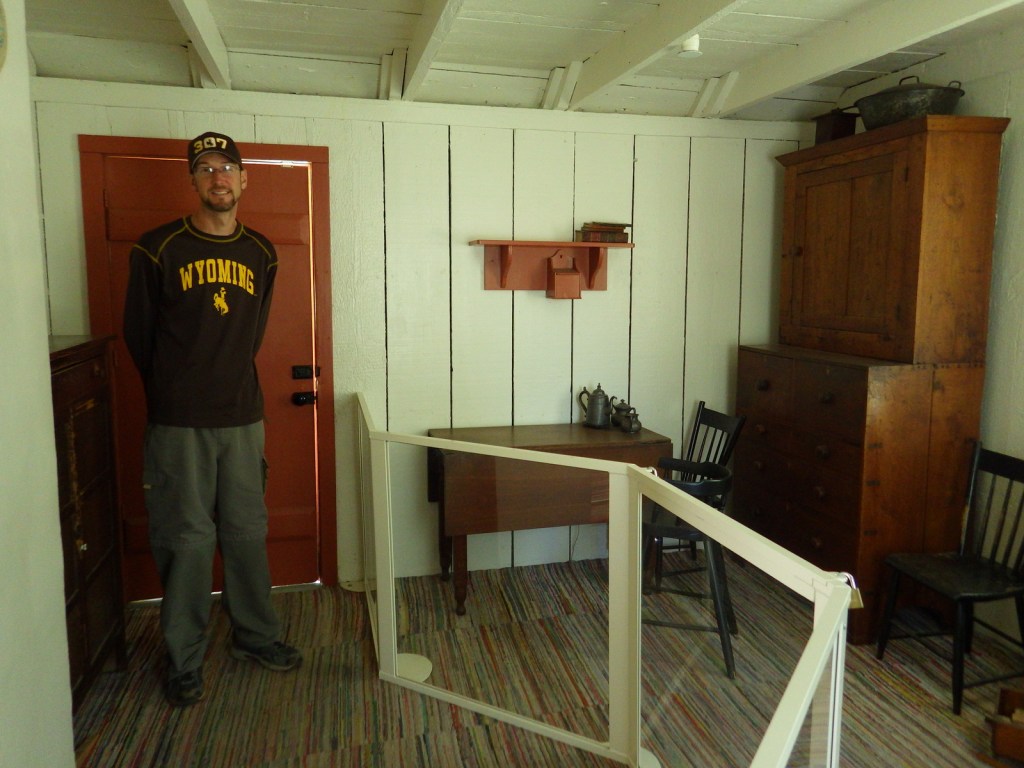
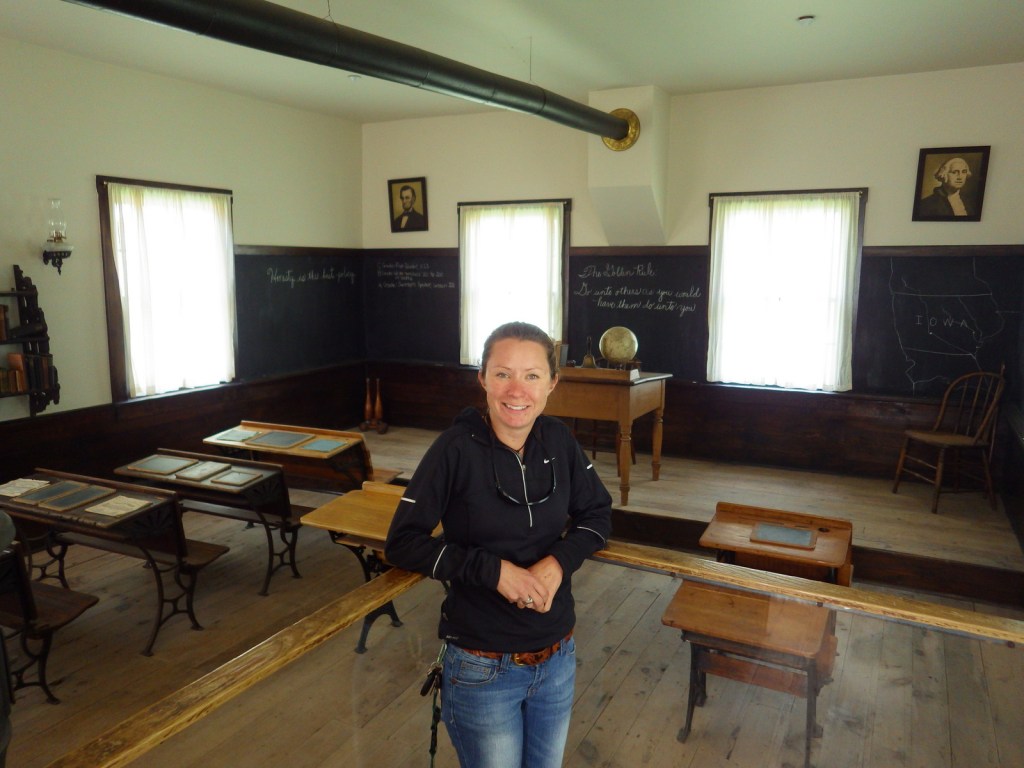
The National Park Service (NPS) runs a small visitor center and maintains several historic buildings on the 187-acre property in West Branch, Iowa.  A walking tour includes the 14×20-foot cottage was where Bert was born in 1874, a blacksmith shop similar to the one his father ran, and a schoolhouse built in 1853 and moved many times before being relocated by the NPS in 1971.  The gravesite of Herbert and his wife Lou Henry is also here.

Best Trail

2.2 miles of trails run through the tallgrass prairie south of Hoover’s gravesite.  The prairie ecosystem was restored by the NPS starting in 1971 and contains the Isaac Miles Farmstead, contemporary to Hoover’s childhood here.

Instagram-worthy Photo

While Hoover was in London, World War I broke out and he helped organize a relief effort that gained him international fame.  The citizens of Belgium gifted Hoover a statue of Isis, the Egyptian goddess of life, following the war.

Peak Season

Summer

Hours

https://www.nps.gov/heho/planyourvisit/hours.htm

Fees

None, but the nearby Presidential Library and Museum are not free.

Road Conditions

All roads paved

Camping

There are campgrounds around Lake McBride, 9 miles north of Iowa City.

Explore More – Hoover was the first President born west of which major river?

Harry S Truman National Historic Site

Overview

Harry S Truman was a farmer, soldier in World War I, judge, U.S. Senator, and Vice President before assuming the duties of Commander-in-Chief after Franklin D. Roosevelt’s death in 1945.  He is perhaps best known as the man who made the decision to drop atomic bombs on Hiroshima and Nagasaki.  The 33rd President was known for being a straight shooter; this quote speaks to us today: “You can’t divide the country up into sections… and you can’t encourage people’s prejudices.  You have to appeal to people’s best instincts, not their worst ones.”  Truman won a close reelection vote in 1948.

Highlights

Truman Home tour, film, Truman Farm Home

Must-Do Activity

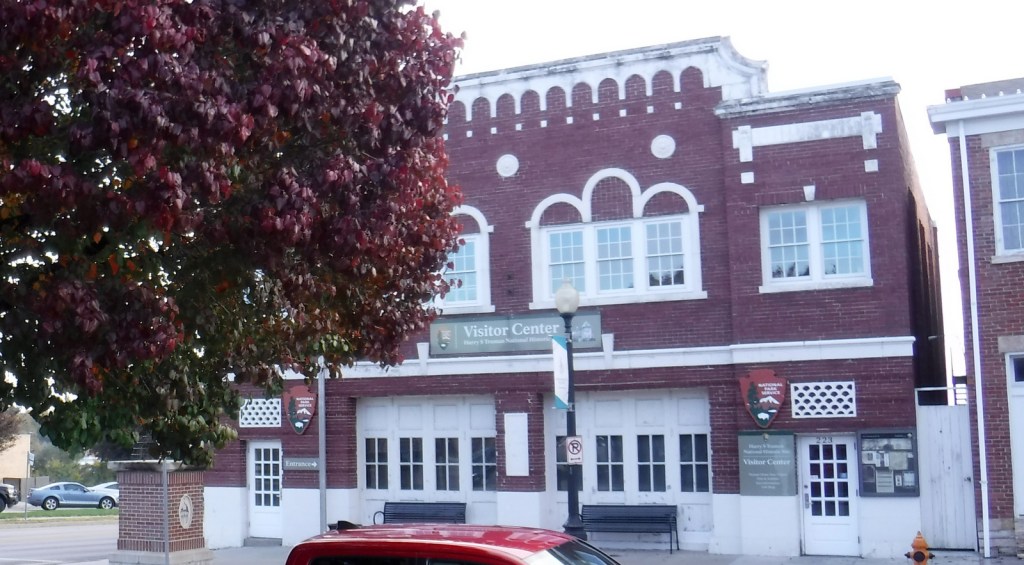
The National Park Service (NPS) visitor center in downtown Independence offers a film and a few artifacts, as well as first-come, first-served tickets for ranger-guided tours of the Truman Home.  It was there Harry and Bess (his wife) lived from 1919 until his death in 1972.  It served as the summer White House from 1945 to 1953 and was given to the NPS upon Bess’ death in 1982 (the calendar still hanging in the kitchen is original). 

Best Trail

About a 30-minute drive from Independence, take a self-guided cell phone tour around the ten acres surrounding the 1894 Truman Farm Home, which once stood on a 600-acre farm that is now the Kansas City-suburb of Grandview, Missouri.

Instagram-worthy Photo

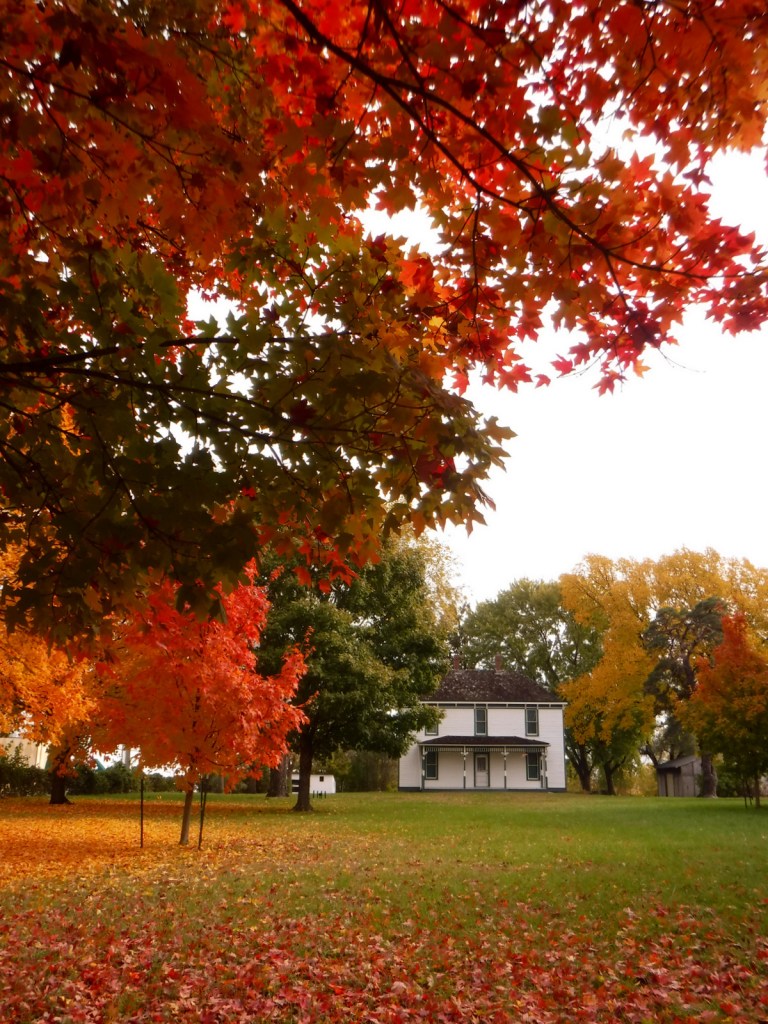
There is no photography allowed inside the Truman Home, so your best shot will be from out front behind the fence installed by the Secret Service in the 1940s to keep the public off the lawn.

Peak Season

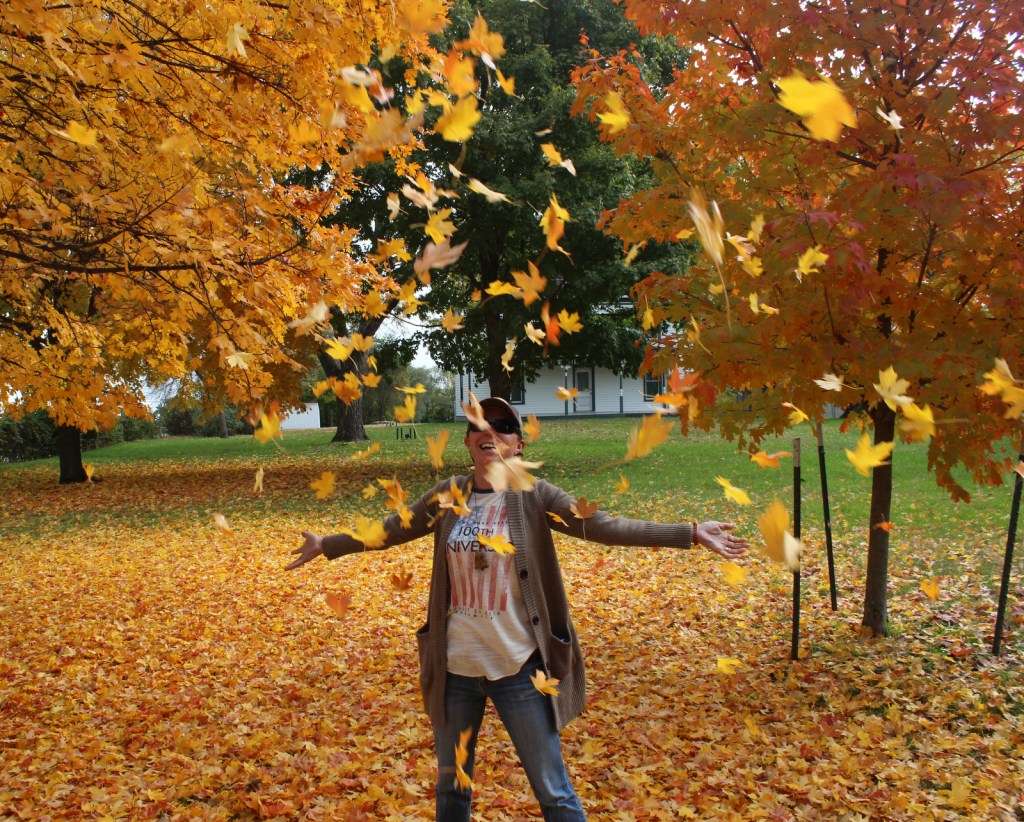
Open year round, but we caught peak fall colors in late October.

Hours

https://www.nps.gov/hstr/planyourvisit/hours.htm

Fees

The home tour costs $7 per person (no reservations) or is free with an America The Beautiful pass.

Road Conditions

All roads paved, but street parking is limited near the Truman Home.  It is easy to miss the poorly signed turn for the Truman Farm Home in Grandview.

Camping

None

Explore More – Why is a period not required at the end of Harry S Truman’s middle initial?

Franklin Delano Roosevelt Memorial

Overview

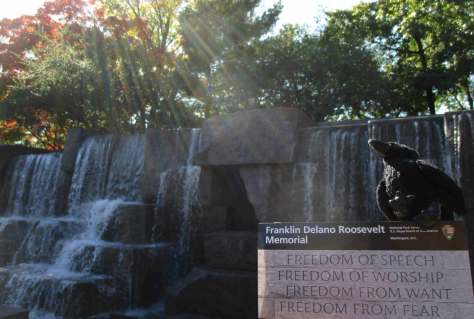
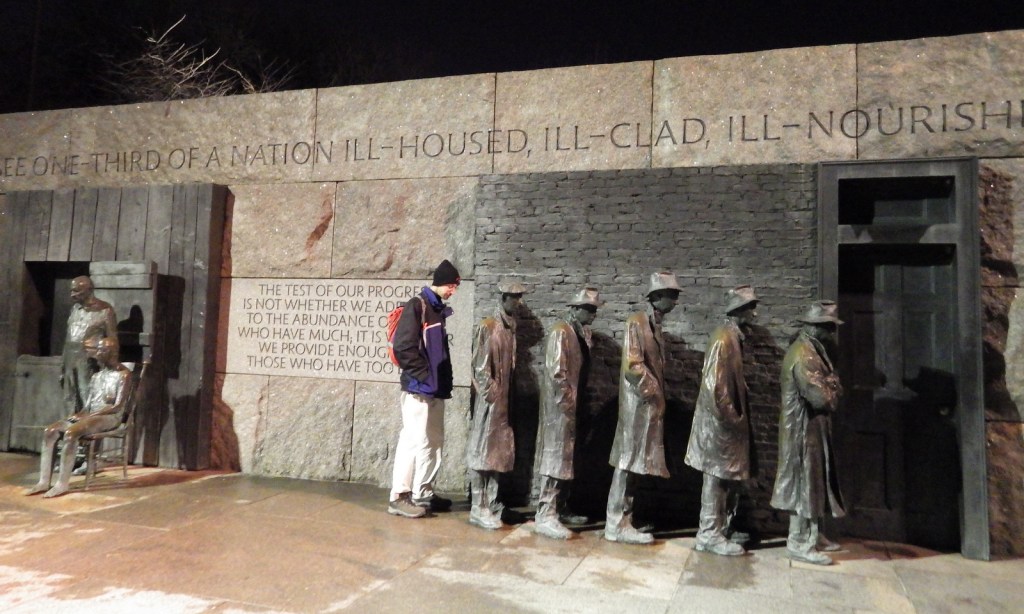
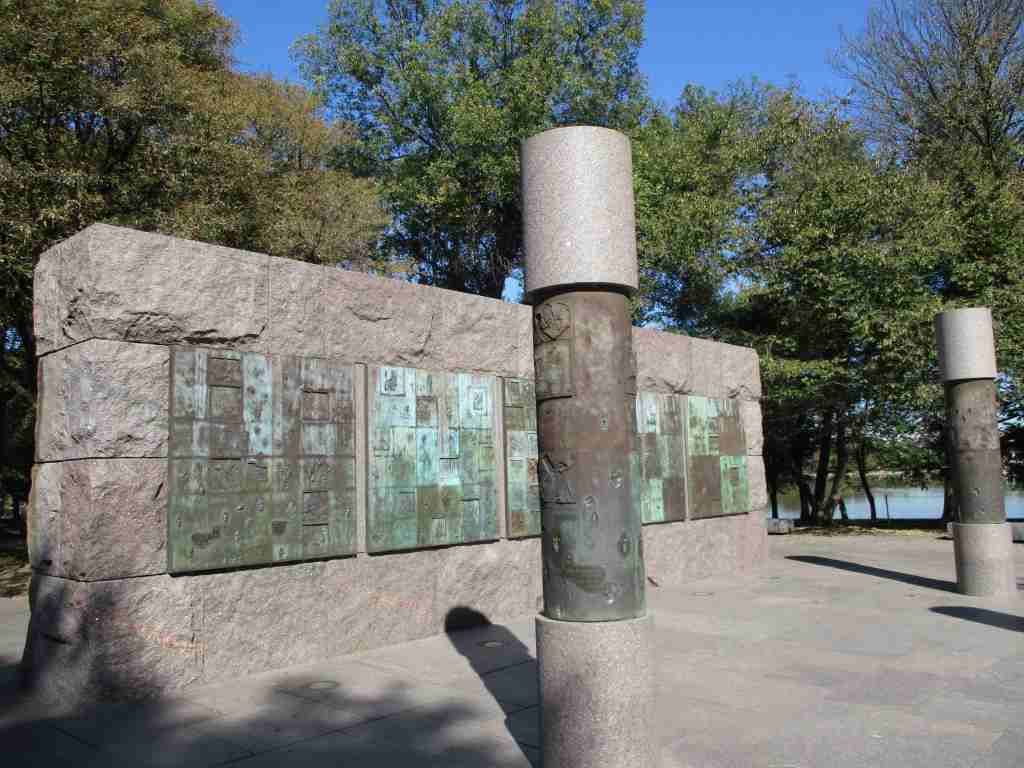
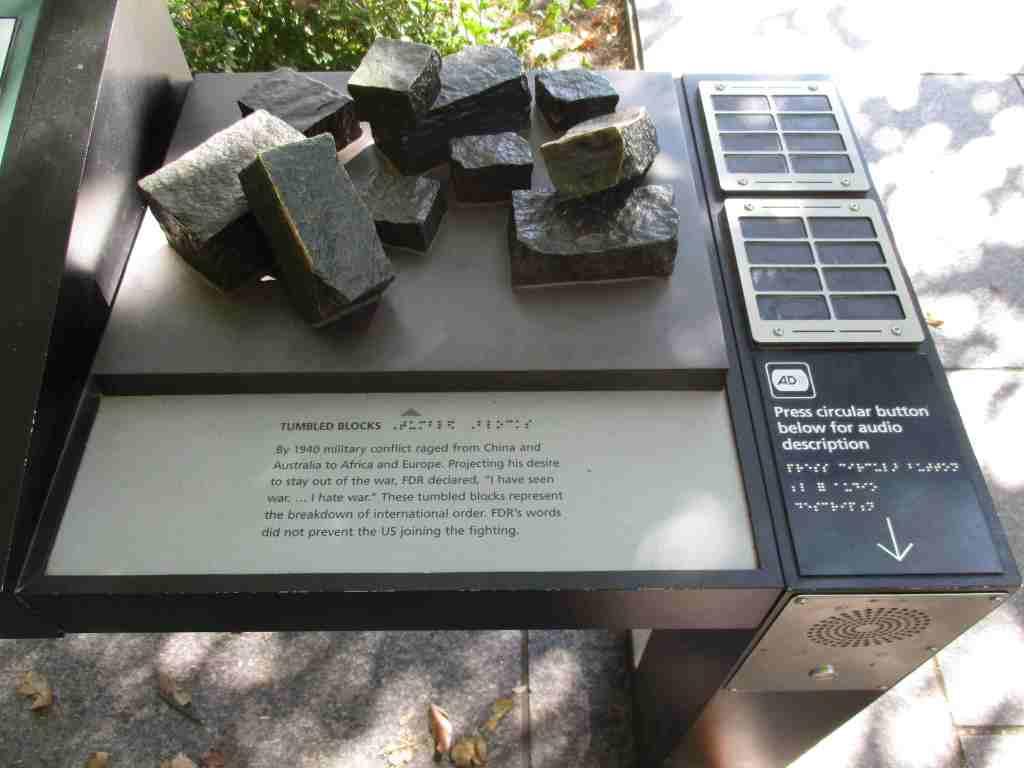
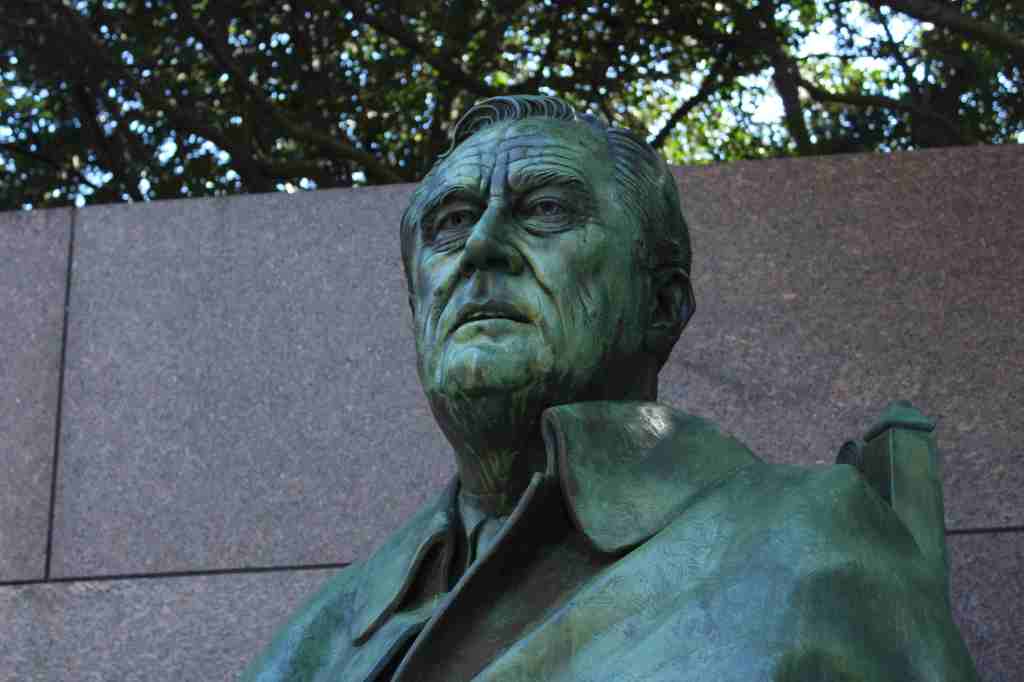
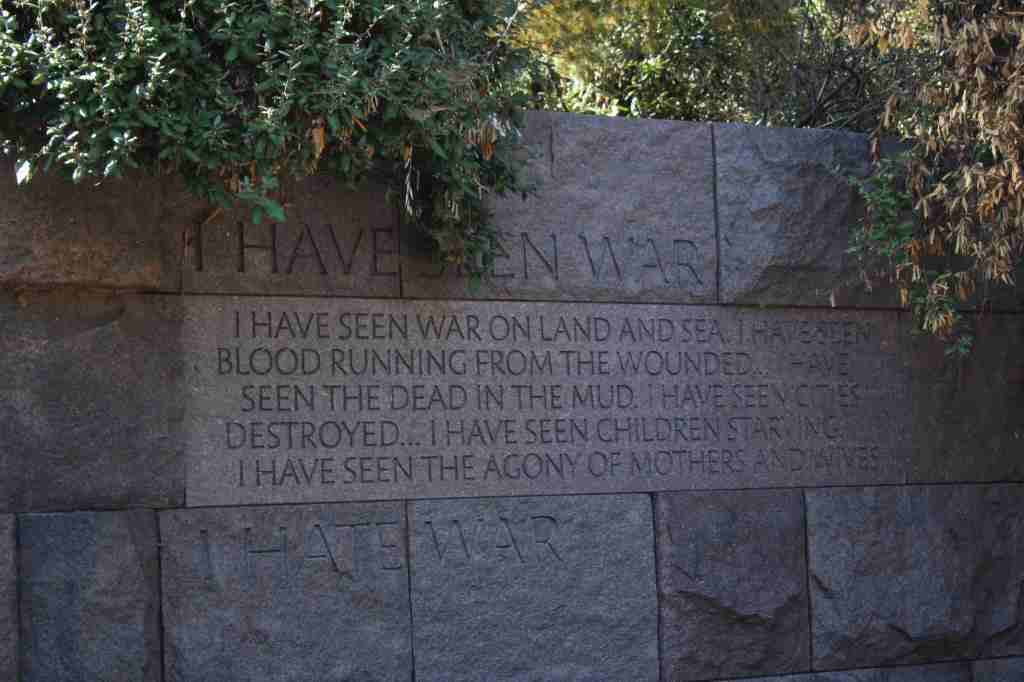
The Franklin Delano Roosevelt Memorial is a series of sculptures representative of the variety of struggles he faced during his twelve years as President.  Opened in 1997, this unique memorial is appropriately wheelchair-accessible.  After contracting polio at age 39, the future President would never walk again without assistance, but that disability gave him the courage to lead the nation through the Great Depression and World War II.

Highlights

1930s breadline statue by George Segal, FDR in a wheelchair statue

Must-Do Activity

President Franklin Delano Roosevelt (FDR) dedicated the Thomas Jefferson Memorial on April 13, 1943, exactly 200 years after Jefferson’s birth.  The nearby memorial to FDR is not such a grand and imposing coliseum, but is more approachable and unassuming as it winds past small waterfalls and statues depicting FDR’s four terms as President.  Here two great Presidents are remembered in two very different, but equally eloquent ways.

Best Trail

The Inlet Bridge connects a walking trail between the FDR Memorial and Thomas Jefferson Memorial which passes some of Washington, D.C.’s famous Japanese cherry trees.

Instagram-worthy Photo

The memorial is on the Tidal Basin of the Potomac River, so it is a great place to see reflections of the Thomas Jefferson Memorial, especially when it is lit up at night.

Peak Season

Summer

Hours

Open 24 hours a day, NPS rangers present 10 a.m. to 11:30 p.m. daily

Fees

None

Road Conditions

All roads paved and street parking is available near the memorial

Camping

None

Related Sites

Lincoln Memorial (District of Columbia)

World War II Memorial (District of Columbia)

Home of Franklin D. Roosevelt National Historic Site (New York)

Eleanor Roosevelt National Historic Site (New York)

Nearest National Park

Shenandoah

Explore More – Was any U.S. President other than FDR elected more than twice?