Tag Archives: National Park

Congaree National Park

Overview

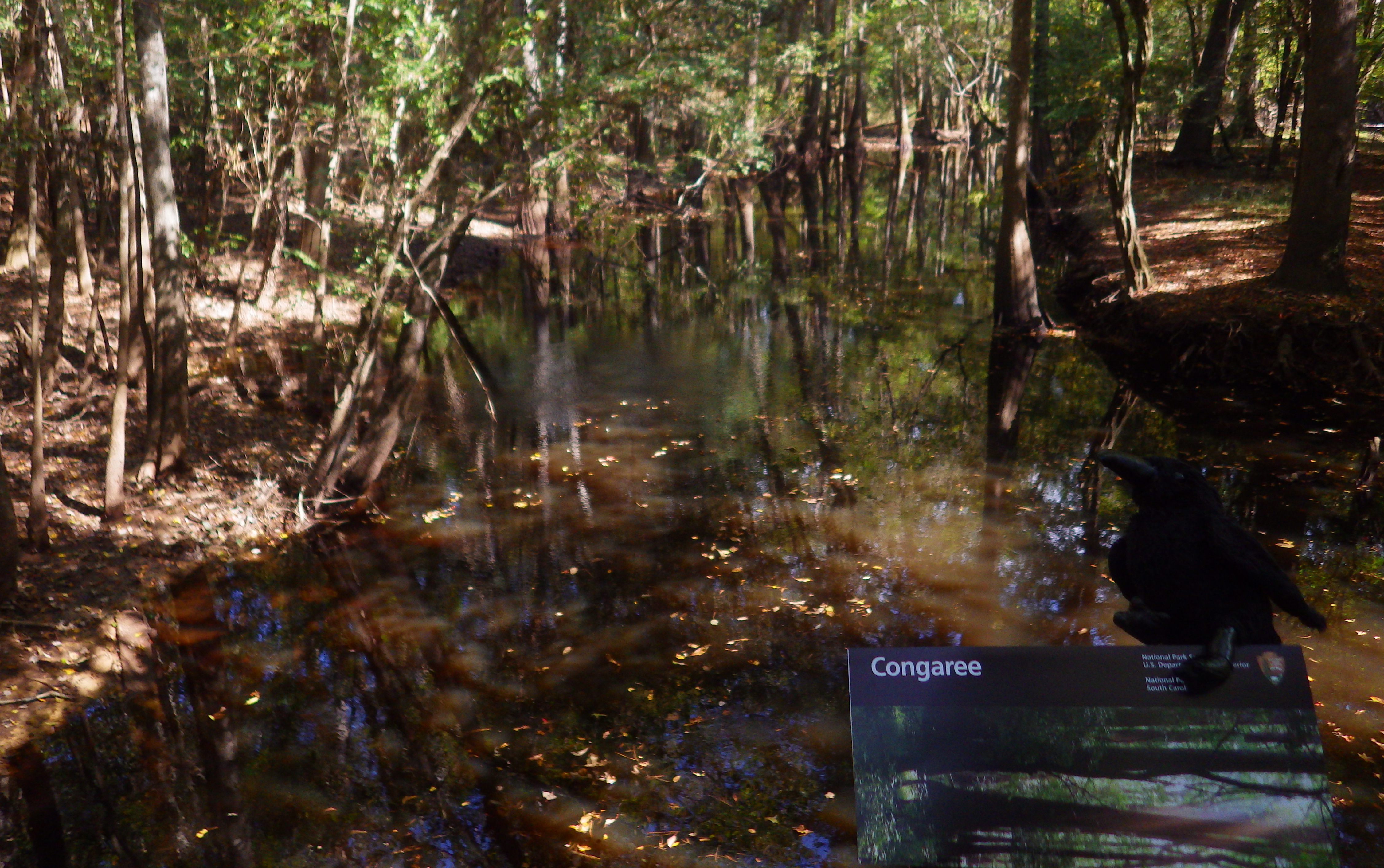
The last uncut bottomland hardwood forest in the southeast was originally preserved as Congaree Swamp National Monument in 1976 then became a National Park in 2003.  These forests once covered 52-million acres of the southeastern United States and today this park contains some of the tallest examples of its native tree species in the world.

Congaree.JPG

Highlights

Baldcypress trees with knees, hiking, birding, paddling

Must-Do Activity

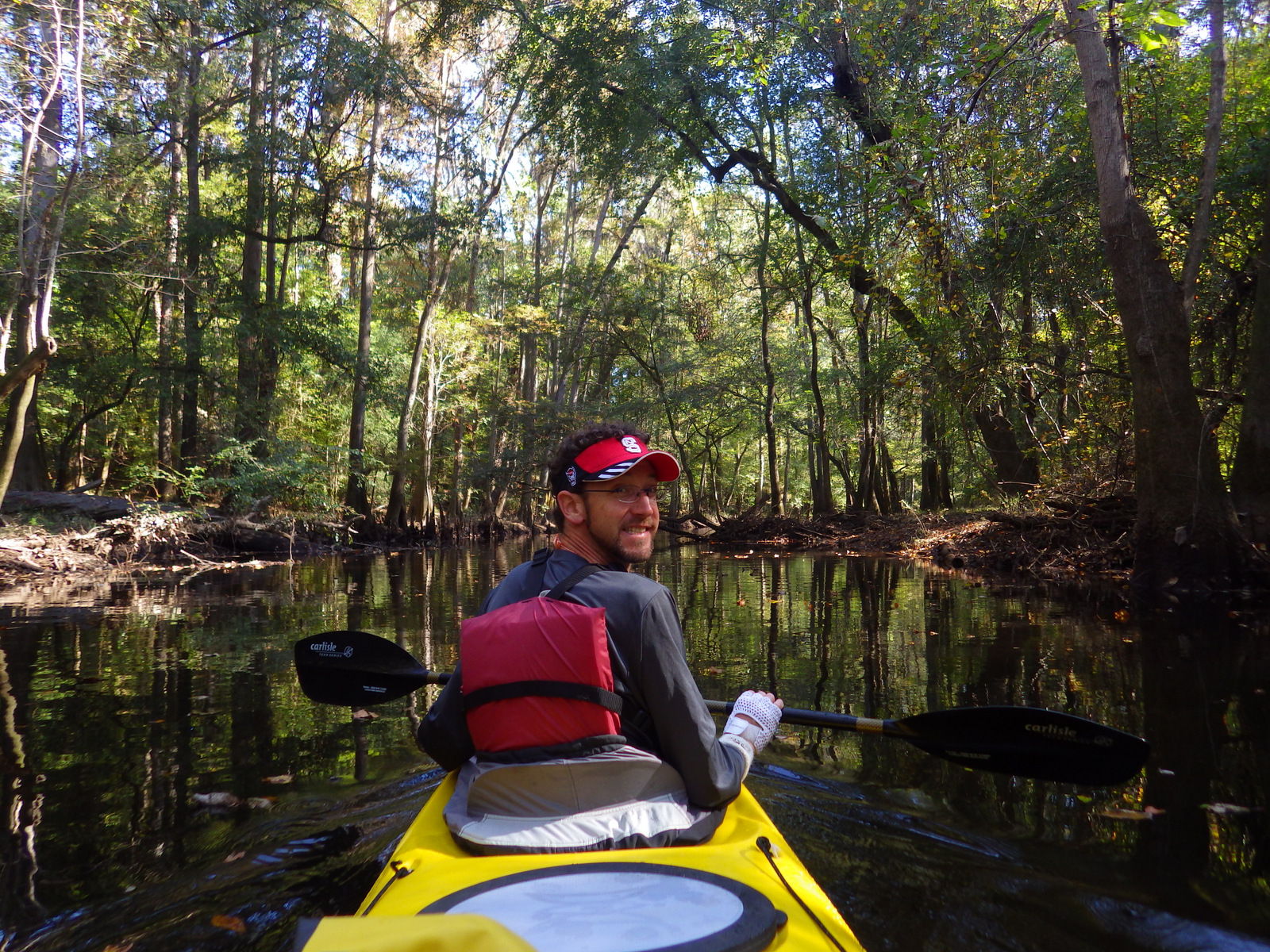
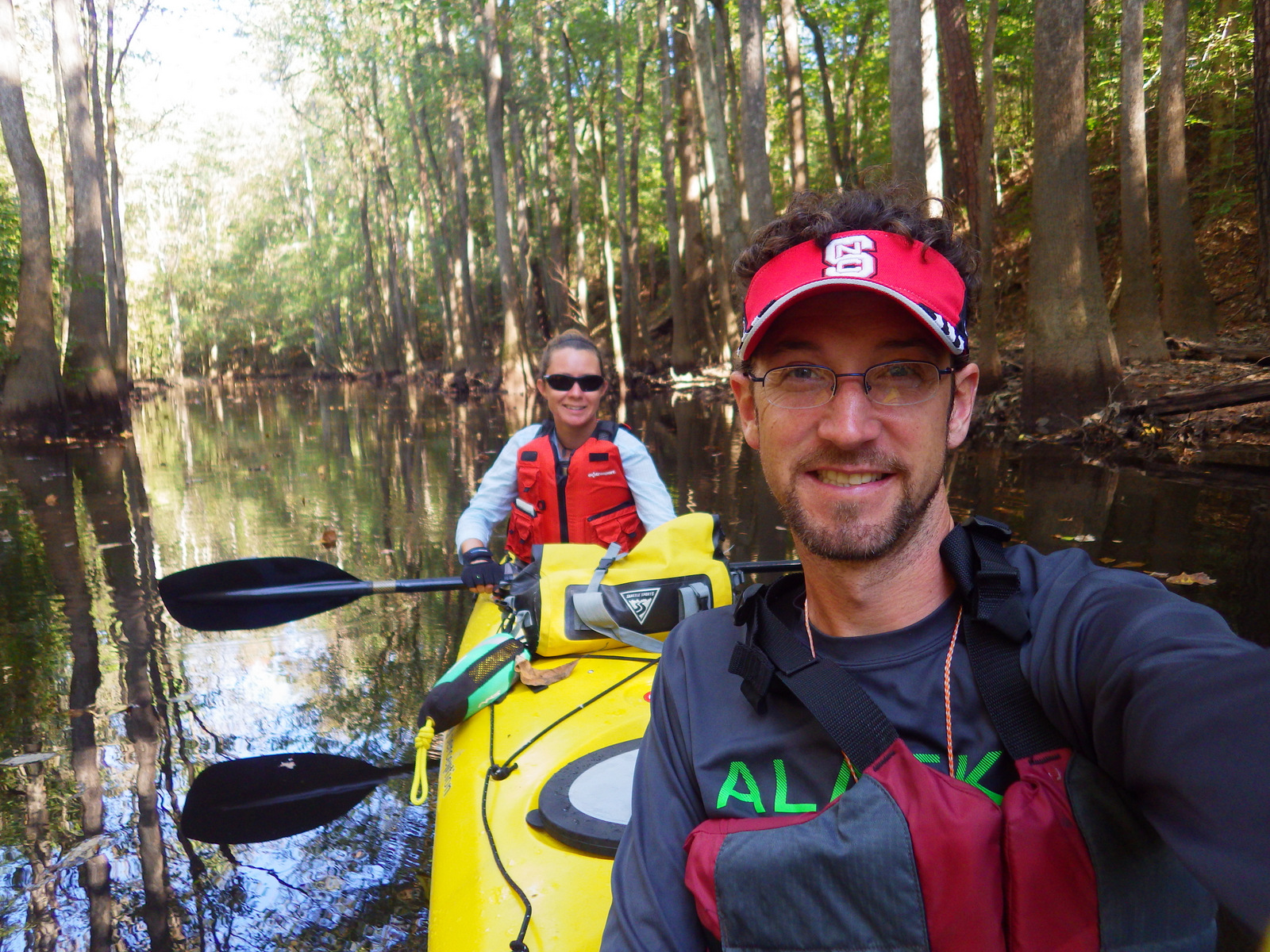
Hop in a canoe or kayak to explore remote sections of this primeval forest.  As you might imagine, all of this standing water is a great breeding ground for mosquitoes; just another reason to come in the winter.  At the visitor center, a handy rating system helps prepare you for the onslaught or the “All clear.”

Best Trail

Even if the ground is flooded, stick to the wheelchair accessible boardwalk and you can still hike through the forest for 2.4 miles without getting your feet wet.

Instagram-worthy Photo

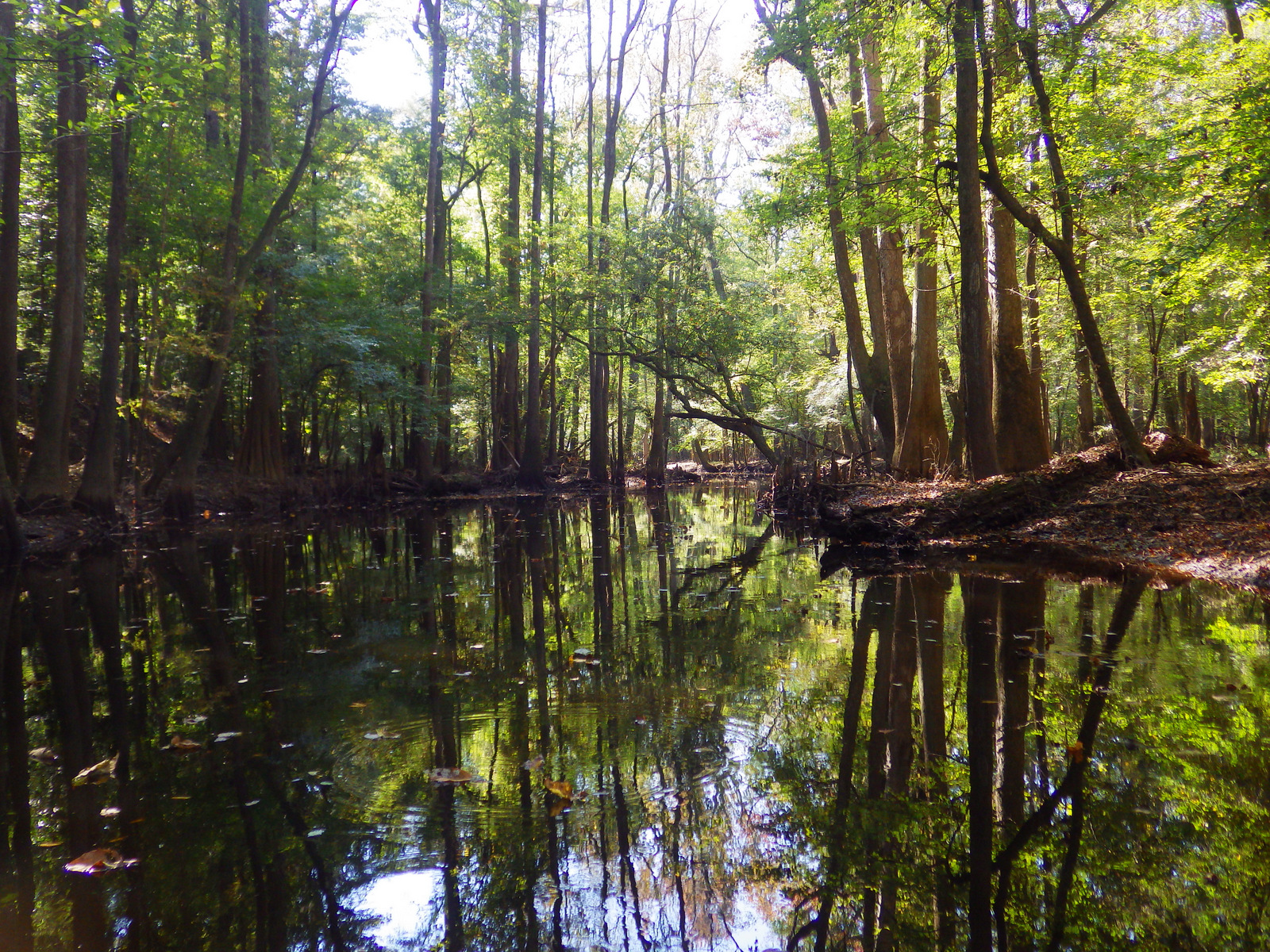
Our favorite tree here is the baldcypress, one of the few deciduous conifer trees (meaning it loses all its needles every autumn).  Baldcypress trees are famous for their “knees” which rise from their roots up to seven feet in the air, helping the roots breathe when underwater.

37-[000308].jpg

Peak Season

We prefer the winter when mosquitoes are absent, but anytime is good at this park that only saw 159,595 visitors in 2017.

Hours

https://www.nps.gov/cong/planyourvisit/hours.htm

Fees

None

Road Conditions

All roads paved, except right at the Cedar Creek Landing boat launch.

Camping

Longleaf Campground has 8 sites and Bluff Campsite has three about a mile from the visitor center.  Backcountry camping is allowed with a free permit.

30 IMGP0923
Paddle a kayak or canoe for a special look into these primeval floodplain forests.

30 IMGP0943

31-[003593]
Winter is a good time to visit if you want to avoid the “ruthless” mosquitoes.


33-[000274]
The boardwalk keeps your feet dry even if the forest is flooded.

35-[000477]

36-[003650]

30 IMGP0944

LR CONG.jpg
This design we created to celebrate Congaree National Park is available on a variety of products at Cafe Press and Amazon.

Explore More – How tall are the record-holding water tupelo, cherrybark oak, and swamp hickory trees in the park?

1WonsTiny2

WONDON WAS HERE


We are a participant in the Amazon Services LLC Associates Program, an affiliate advertising program designed to provide a means for us to earn fees by linking to Amazon.com and affiliated sites.
Top 10 Non-Fiction Books Set in a National Park

The only thing that is nearly as fun as being in a National Park is reading about one. Here is a list of our 10 favorite non-fiction books set specifically in one unit of the National Park Service system. Our next list will include those that cover multiple parks.

Know someone who loves National Parks? Gift them our travel guidebook A Park to Yourself: Finding Solitude in America’s 63 National Parks

  1. Lost in My Own Backyard: A Walk in Yellowstone National Park

by Tim Cahill (2004)

Yellowstone National Park

There are many great books written about this oldest of all National Parks (including the bestselling Death in Yellowstone), but none is as funny as the one written by this globetrotting travel writer.

  1. A Naturalist in Alaska

by Adolph Murie (1961)

Denali National Park and Preserve

Wildlife biologist Adolph Murie was invited to Alaska by the National Park Service in 1939-40 to study the diverse species inhabiting Mt. McKinley National Park (as it was known at the time).

8. The Last Season

by Eric Blehm (2006)

Kings Canyon National Park

A well-researched investigation into the disappearance of a National Park Ranger in the rugged backcountry of California’s Sierra Nevadas.

7. The Everglades: River of Grass

by Marjory Stoneman Douglas (1947)

Everglades National Park

Unfortunately, her name may be more known as a high school today, but this woman’s efforts helped to protect this park from South Florida developers.

6. Watch the Bear: A Half Century with the Brown Bears of Alaska 

by Derek Stonorov (2023)

Katmai National Park and Preserve

Also on our Top 10 Non-Fiction Books on Wildlife, this is one of the best books about bears ever written, it dispels myths based on a lifetime of close observation in Alaska.

  1. The Wild Trees: A Story of Passion and Daring

by Richard Preston (2007)

Redwood National Park

Whoever said scientists can’t have any fun conducting research needs to read this exciting book about the ecologists that climb 300 feet up redwood trees in California.

  1. Desert Solitaire: A Season in the Wilderness

by Edward Abbey (1968)

Arches National Park

Many National Park Rangers have written memoirs, but this is by far the best one. Written about a time before the red rock wonderland around Moab, Utah became the zoo it is today.

  1. One Man’s Wilderness: An Alaskan Odyssey

by Sam Keith and Richard Proenneke (1973)

Lake Clark National Park and Preserve

The journal of Richard Proenneke who homesteaded a remote part of the Alaska Peninsula before Lake Clark National Park and Preserve was created around it in 1980. There is also an excellent documentary of the same title.

  1. The Emerald Mile: The Epic Story of the Fastest Ride in History through the Heart of the Grand Canyon

by Kevin Fedarko (2013)

Glen Canyon National Recreation Area

An epic combination of history and biography about the men and women who run the Colorado River through Arizona’s Grand Canyon (which was the setting for the author’s 2024 work A Walk in the Park)

…and finally our number one Non-Fiction Book Set in a National Park:

jeca

  1. The Jewel Cave Adventure: Fifty Miles of Discovery in South Dakota

by Herb and Jan Conn (1977)

Jewel Cave National Monument

The last frontier may well be beneath our feet. This true adventure of cave exploration is written in a very matter-of-fact way, yet is still a page turner.

Honorable Mention

The Rise of Wolf 8: Witnessing the Triumph of Yellowstone’s Underdog 

by Rick McIntyre (2019)

Yellowstone National Park

Also on our Top 10 Non-Fiction Books on Wildlife, this is the first of a series that documents the dramatic lives of the reintroduced wolfpacks of Yellowstone National Park over the decades.

The Oregon Trail: A New American Journey

by Rinker Buck (2015)

Oregon National Historical Trail

Two mules pulled a wagon with two brothers across the modern American West to Oregon: hilarity ensued and history relived.

A Walk in the Woods: Rediscovering America on the Appalachian Trail

by Bill Bryson (1998)

Appalachian National Scenic Trail

The Appalachian Trail is counted as one of the 430+ units in the National Park Service System, and this is the funniest book ever written about backpacking it (or part of it).

Know someone who loves National Parks? Gift them our travel guidebook A Park to Yourself: Finding Solitude in America’s 63 National Parks

Appalachian National Scenic Trail

Overview

The Appalachian Trail (or A.T.) is one of only three National Scenic Trails that the National Park Service (NPS) includes in its total of 420+ units, despite there being many other affiliated trails (some with their own Visitor Centers).  The trail stretches 2,185 miles from Springer Mountain, Georgia (in Chattahoochee National Forest‘s Ed Jenkins National Recreation Area) to Mount Katahdin, Maine, crossing 14 states, 6 NPS sites, 8 National Forests, and countless other parks.

AT6-IMGP0879.JPG

Highlights

Ed Jenkins National Recreation Area, Great Smoky Mountains National Park, Shenandoah National Park, Mount Washington State Park, Baxter State Park

Must-Do Activity

Even if just for a short stretch, gets a taste for the A.T. by following the white rectangular blazes going north or south anywhere along its length.  The trail through Newfound Gap in Great Smoky Mountains National Park is especially popular. Check out our blog post on the short hike to the southern terminus of the A.T. at Georgia’s Springer Mountain in Chattahoochee National Forest‘s Ed Jenkins National Recreation Area.

Best Trail

The last stretch of the trail ascends Katahdin in Maine’s Baxter State Park.  My impression from the surly park employees is that they would rather not be the official end of the Appalachian Trail.  For instance, they fined record-setting Scott Jurek for public alcohol consumption and littering when he spilled some champagne celebrating his accomplishment atop Katahdin in 2015.  The funny thing about the A.T. is that it ends (and begins) on top of a mountain where you have to turn around and hike out.

Instagram-worthy Photo

The views on top of Katahdin are unsurpassed and you might get to celebrate with a thru-hiker finishing the 2,185-mile journey.

At the top!  The mountain looks similar to many of the 14ers in Colorado

Peak Season

Most thru-hikers go in the summer due to snow.  Baxter State Park closes in the winter, but most of the trail is accessible year round.

Hours

https://www.nps.gov/appa/planyourvisit/basicinfo.htm

Fees

Free to hike, but some parks (like Shenandoah National Park) charge for admission and camping.

Road Conditions

Trailhead access can be both paved and dirt (which is the case in Baxter State Park).  The trail is only paved in a few portions like atop Clingman’s Dome in Great Smoky Mountains National Park.

Camping

There are more than 160 trail shelters along the A.T. and in some places like Great Smoky Mountains National Park backpackers are required to utilize them.  Otherwise dispersed camping is mostly allowed along the entire length of the trail.

Raven flyover
Raven about the park!
At the peak and end of the AT
Group shot!
AT3-IMGP0829
A view of the new Katahdin Woods and Waters National Monument
A view looking east at the new Katahdin Woods and Waters National Monument.

Explore More – Approximately how many steps must a human take to cover 2,185 miles?