Tag Archives: Missouri

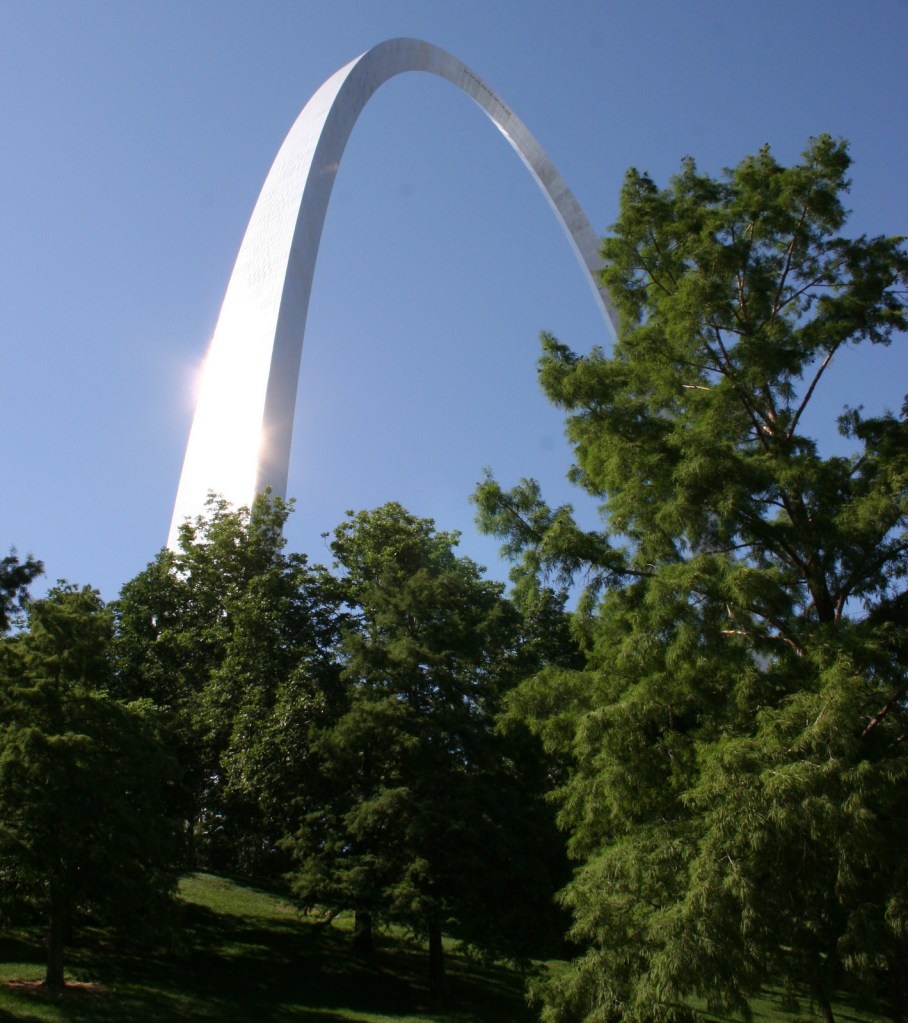
Gateway Arch National Park

Gateway Arch National Park

Missouri

Managed by National Park Service

Established 1935 National Expansion Memorial, 2018 National Park

91 acres

Website: nps.gov/jeff

Overview

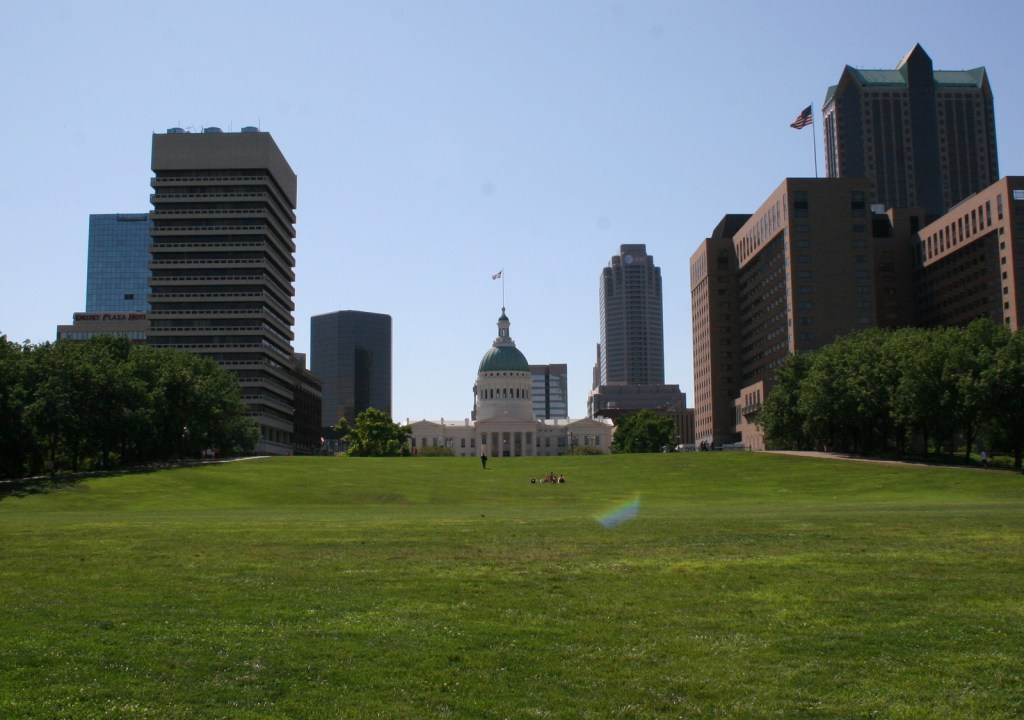
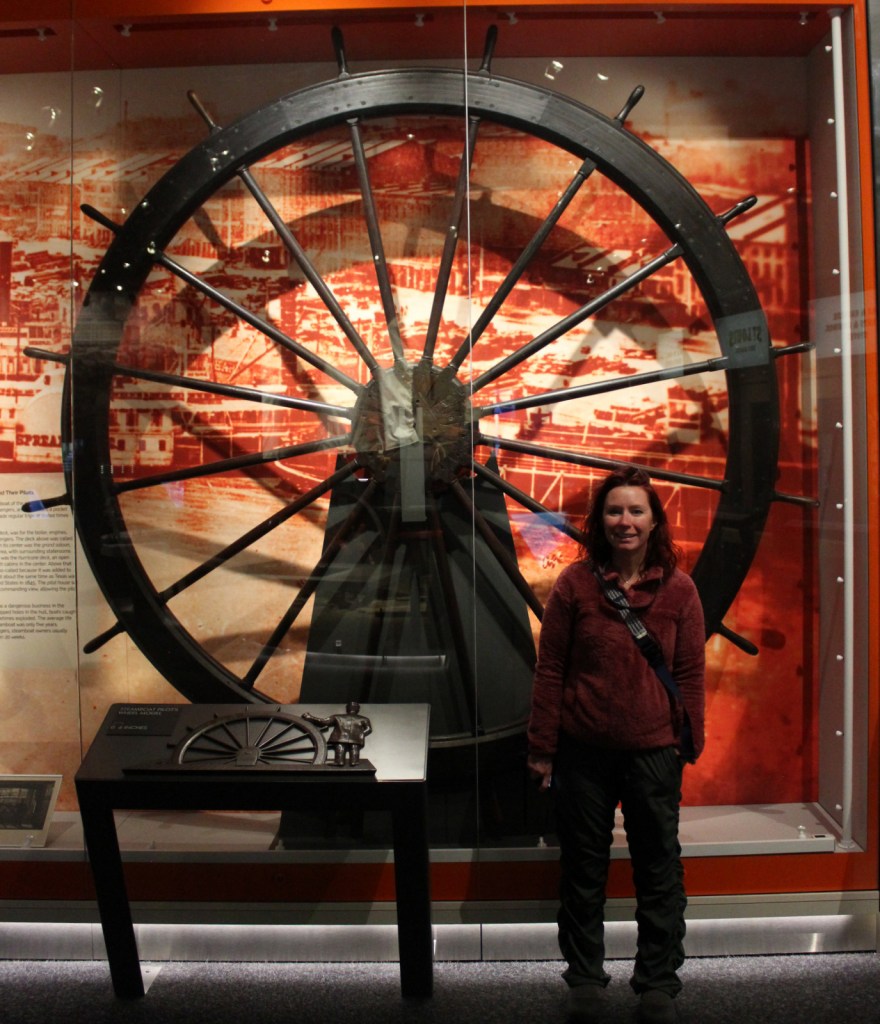
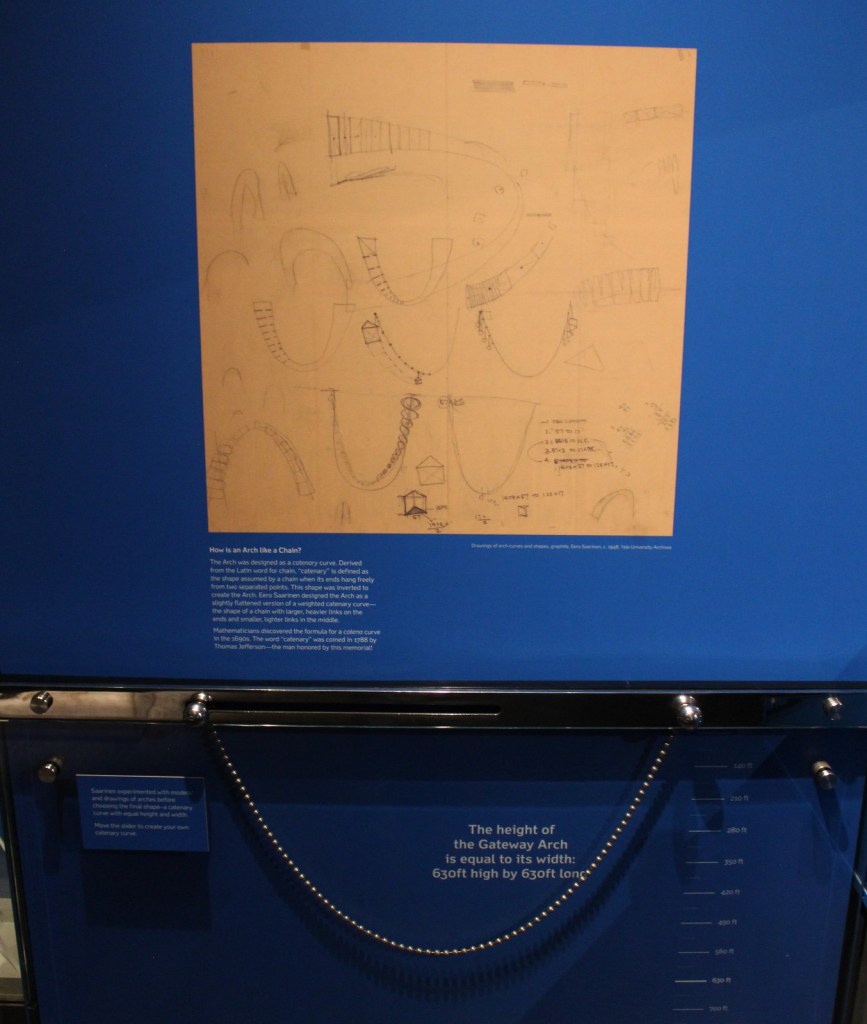
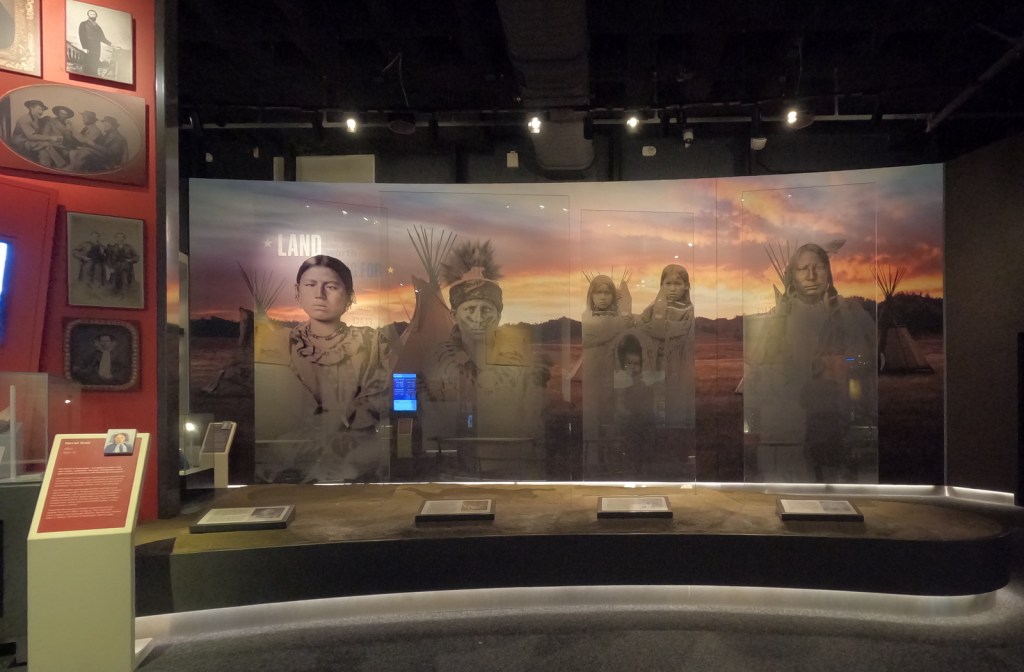
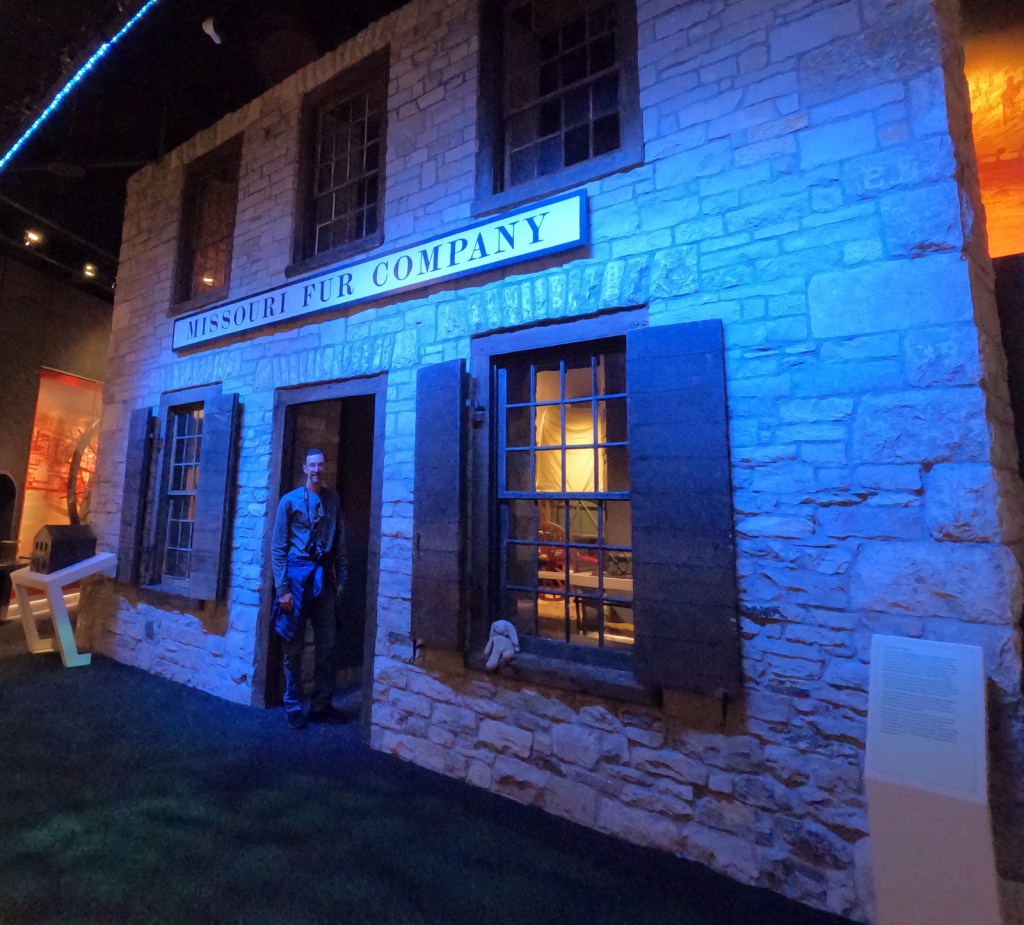
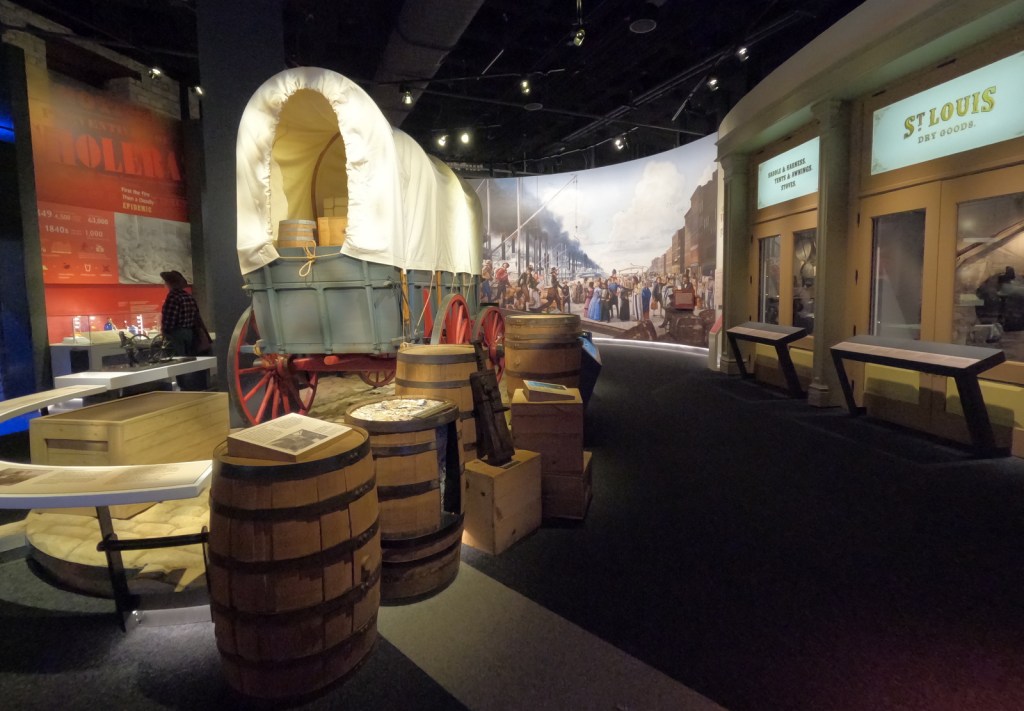
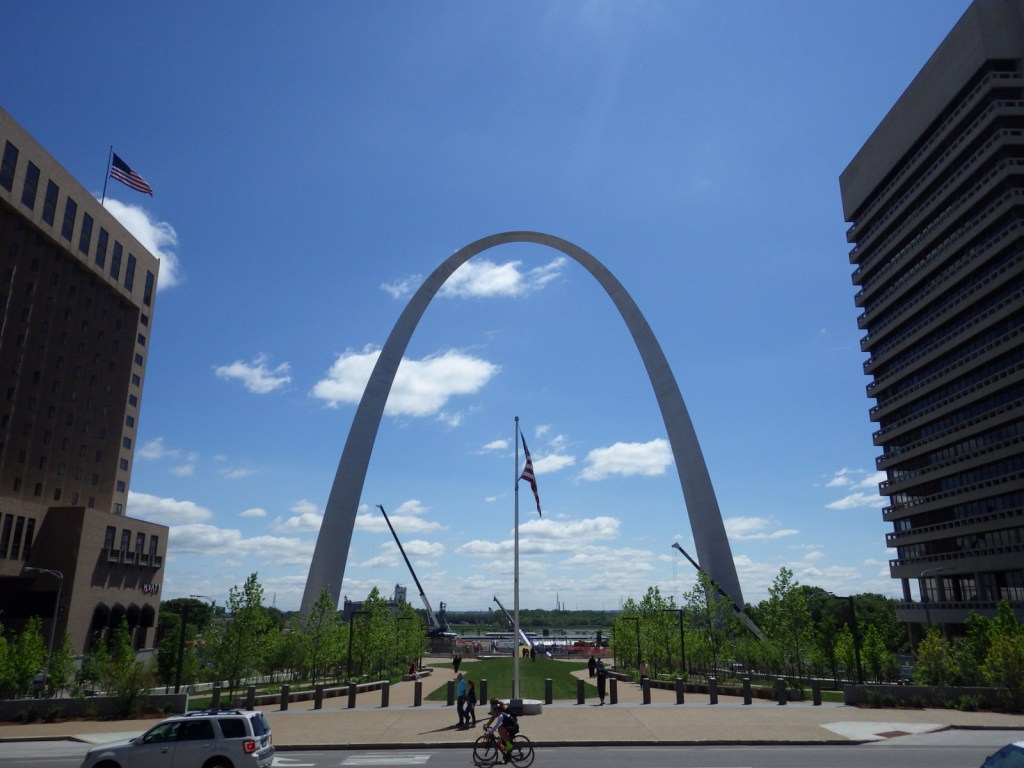
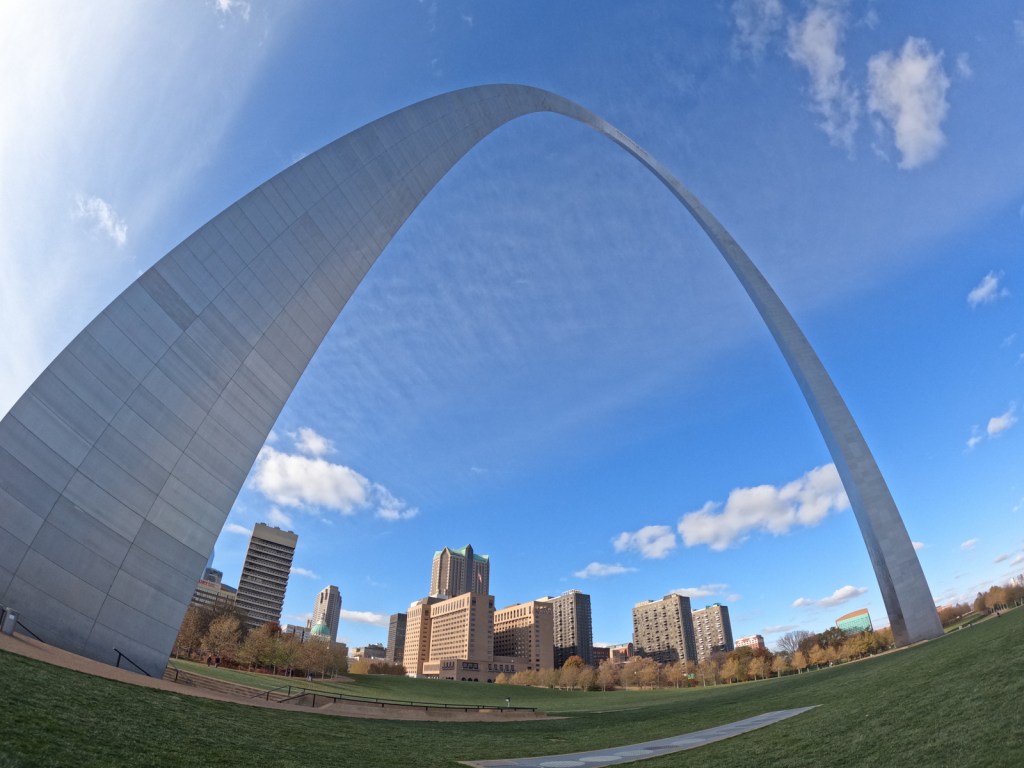
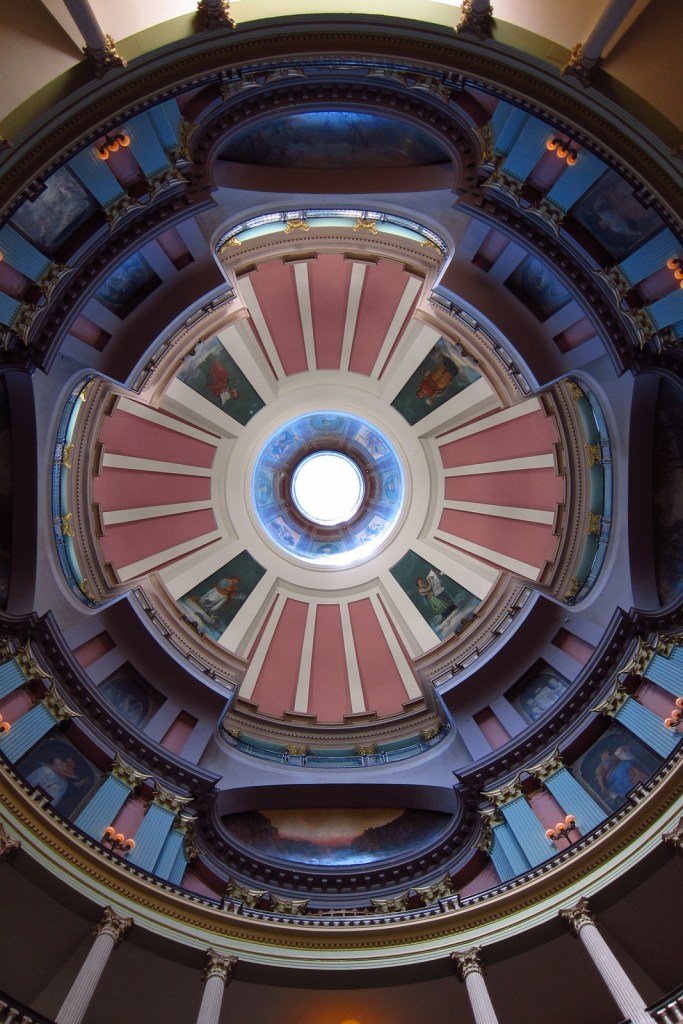
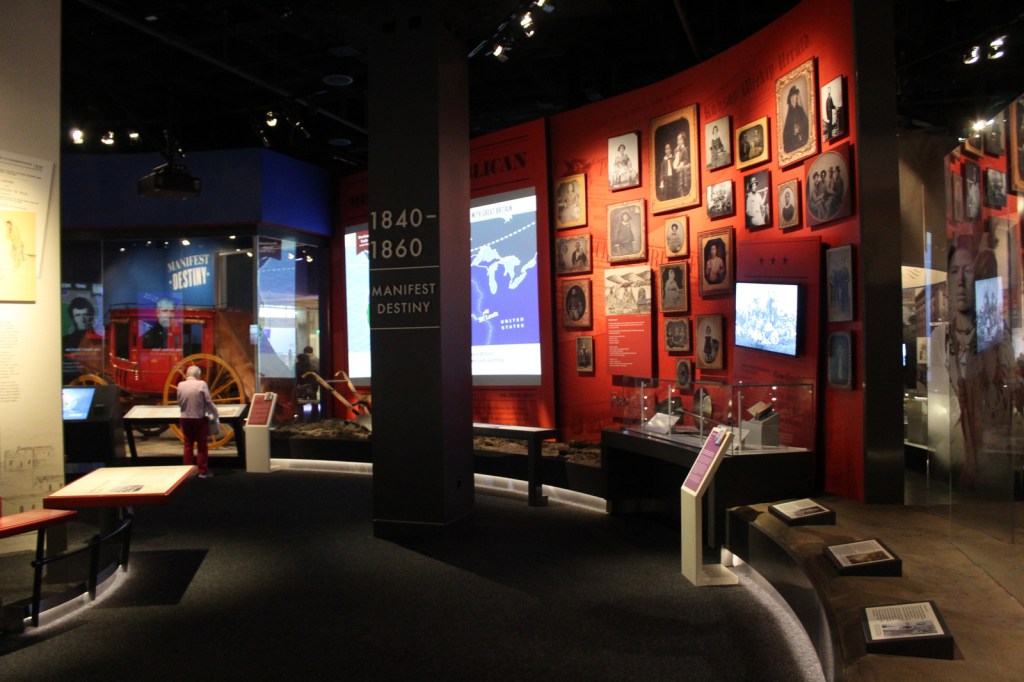
On February 22, 2018, the 60th National Park in the U.S. was created from what was formerly Jefferson National Expansion Memorial in St. Louis, Missouri.  Gateway Arch National Park encompasses 91 acres on the Mississippi River, including the historic 1828 courthouse and the iconic 630-foot-tall arch that was finished in 1965.  We first visited on our cross-country road trip in 2007 and returned in 2016 while the underground museum was under construction and the greenway was extended over Interstate 44.  When we came back in 2022, the courthouse was closed for renovation, but the museum had reopened with exhibits explaining the importance of this city as a starting point for the settlement of the west after President Thomas Jefferson signed the Louisiana Purchase, doubling the size of the country in 1803.  It is by far the smallest of the 63 National Parks (5,457 acres less than Hot Springs), which begs the question: Why wasn’t this designated a National Historical Park instead?

Learn more about how to visit this National Park in the expanded second edition of our guidebook A Park to Yourself: Finding Solitude in America’s 63 National Parks

Highlights

Gateway Arch, tram, film, museum, Old Courthouse, Old Cathedral

Must-Do Activity

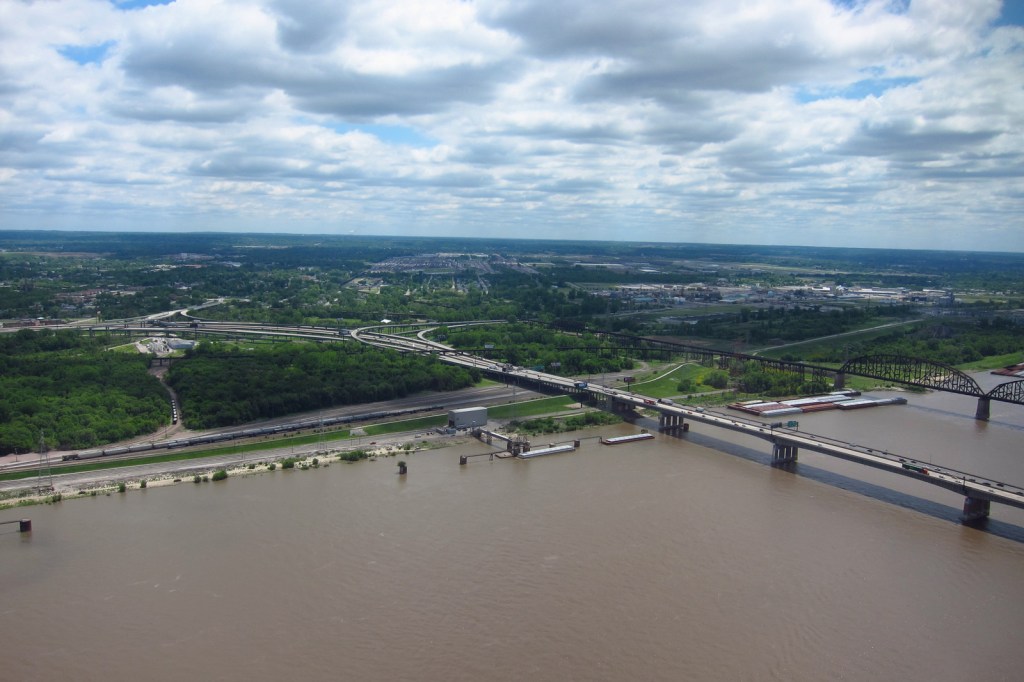
Unlike other National Parks, this one does not preserve a natural landmark, but it does have claustrophobia-inducing tram cars (fee) that take you four-minutes to the top of the Gateway Arch for excellent views across Illinois and Missouri.  It is worth the hassle to go through a security screening to see the new museum.  The 35-minute film Monument to the Dream is also available for a fee. 

Best Trail

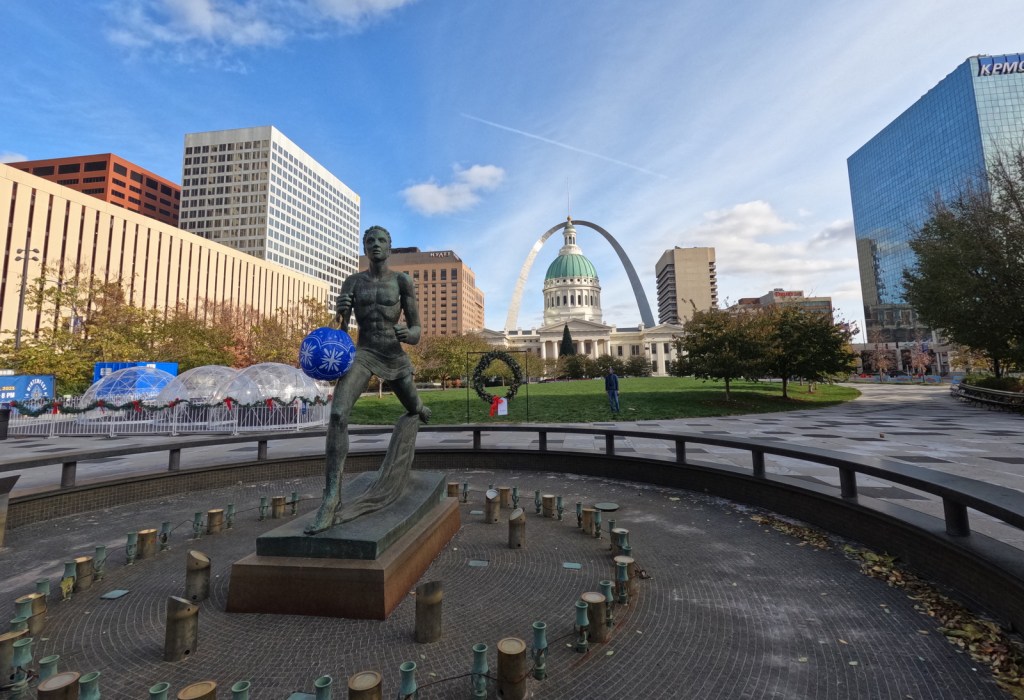
There are sidewalks that follow the Mississippi River and loop around the arch.  Be sure to cross the street to the Old Courthouse where the first of two trials in the infamous Dred Scott case was held in 1854.  Continue west behind to the courthouse to the Kiener Memorial Fountain for a photo that frames the building beneath the Gateway Arch.

Photographic Opportunity

The 630-foot-tall Gateway Arch is the defining landmark of St. Louis, but the historic 1834 Old Cathedral still serves as an active Catholic Church inside the park boundaries.

Peak Season

Summer

Hours

https://www.nps.gov/jeff/planyourvisit/hours.htm

Fees

There is no fee to walk the grounds or pass through security for the museum and gift shop, but you do have to pay to view the film or ride the tram to the top of Gateway Arch.  When open, the Old Courthouse is also free to enter.

Road Conditions

All roads are paved, but parking can be tricky.  We suggest paying for a parking garage or paying to park on the river levee near the paddlewheel boats, since car break-ins are common in downtown St. Louis.

Camping

This is the only National Park without the option to camp, so consider heading southwest to the wonderful Ozark National Scenic Riverways or Mark Twain National Forest.  In southeast Missouri, Johnson’s Shut-Ins State Park is rated as one of the best RV campgrounds in the country.

Related Sites

Ulysses S. Grant National Historic Site (Missouri)

Ste. Genevieve National Historical Park (Missouri)

Harry S Truman National Historic Site (Missouri)
Explore More – In 1947, how many city blocks were razed to make way for the memorial, including several historic buildings dating back to 1818?

We designed this Gateway Arch logo for the park available on Amazon.com

We are a participant in the Amazon Services LLC Associates Program, an affiliate advertising program designed to provide a means for us to earn fees by linking to Amazon.com and affiliated sites.

George Washington Carver National Monument

Overview

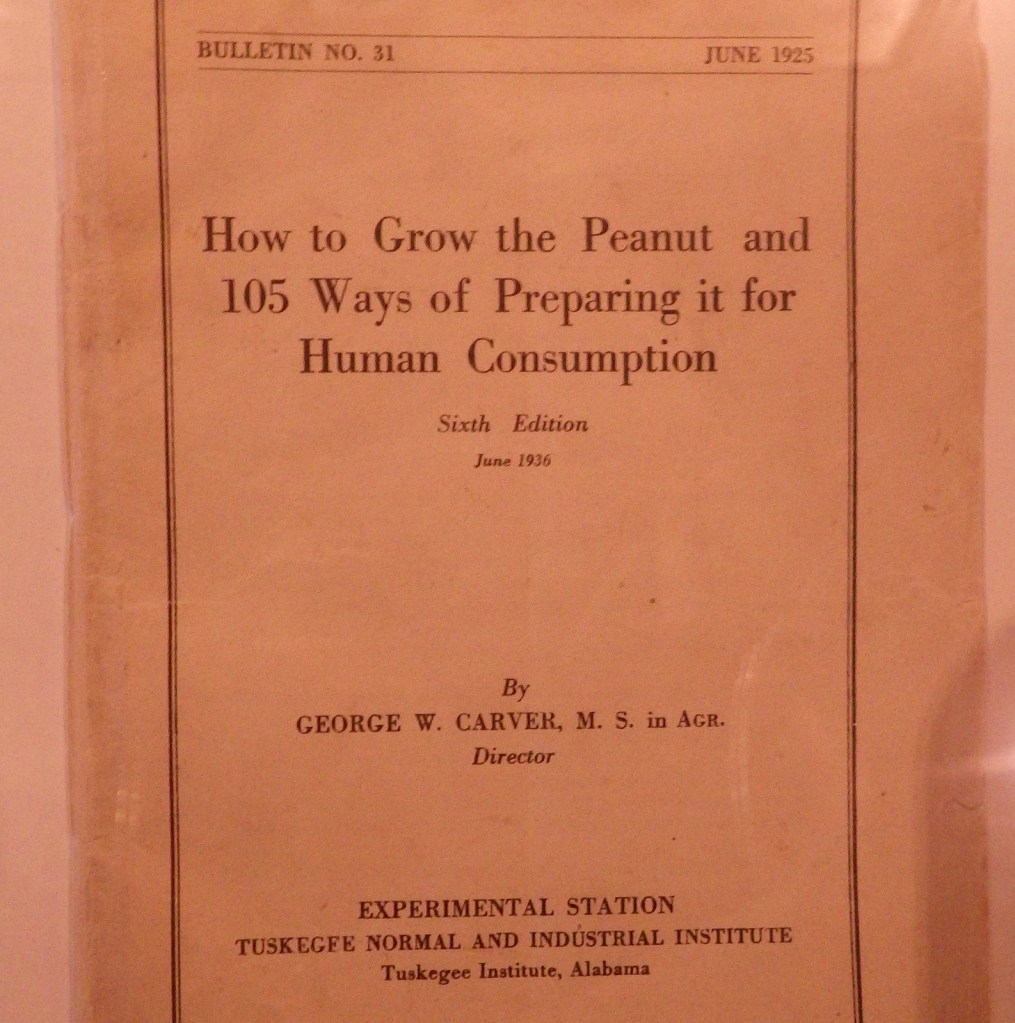
In southwestern Missouri is 210-acre George Washington Carver National Monument where the artist and inventor was born into slavery.  Near the end of the Civil War, raiders captured he and his mother (who was never seen again), but he was returned to his older brother and they were both raised by the Carver family.  He went on to earn a master’s degree in botany from Iowa State University in 1896 and work at Tuskegee Institute in Alabama for 47 years.  His most influential legacy is arguably his outreach work marketing peanut and soy plants, helping to turn them into the widespread agricultural products they are today.

Highlights

Museum, films, bronze sculptures, 1881 Moses Carver House, Williams Pond

Must-Do Activity

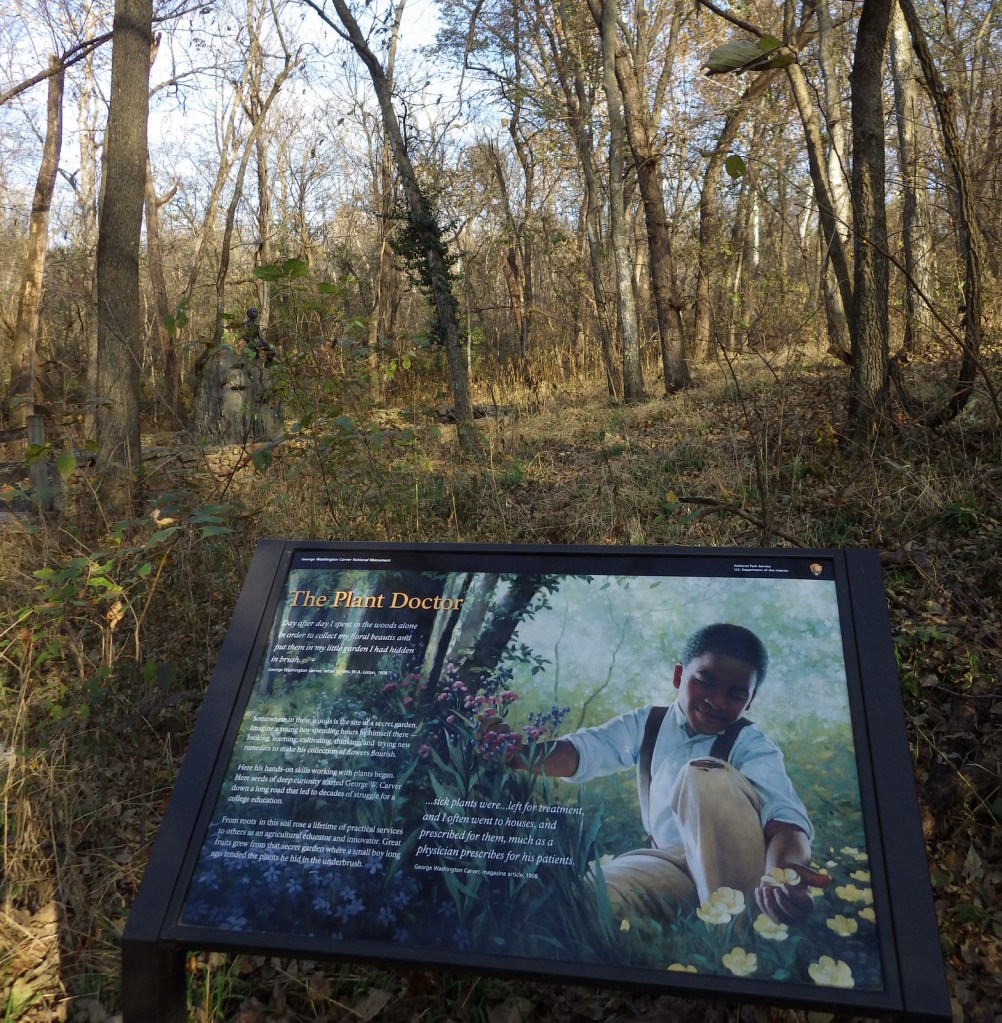
The National Monument has an excellent museum with interactive exhibits and examples of Carver’s paintings.  A self-guided 0.75-mile trail passes several bronze sculptures and interpretive signs.  It leads through the forest to Williams Pond and a house that dates back to 1881.  George Washington Carver’s spirit lives on at this site, inspiring future generations to great aspirations despite humble beginnings.

Best Trail

The self-guided 0.75-mile trail loops from the visitor center and is partially wheelchair accessible.

Instagram-worthy Photo

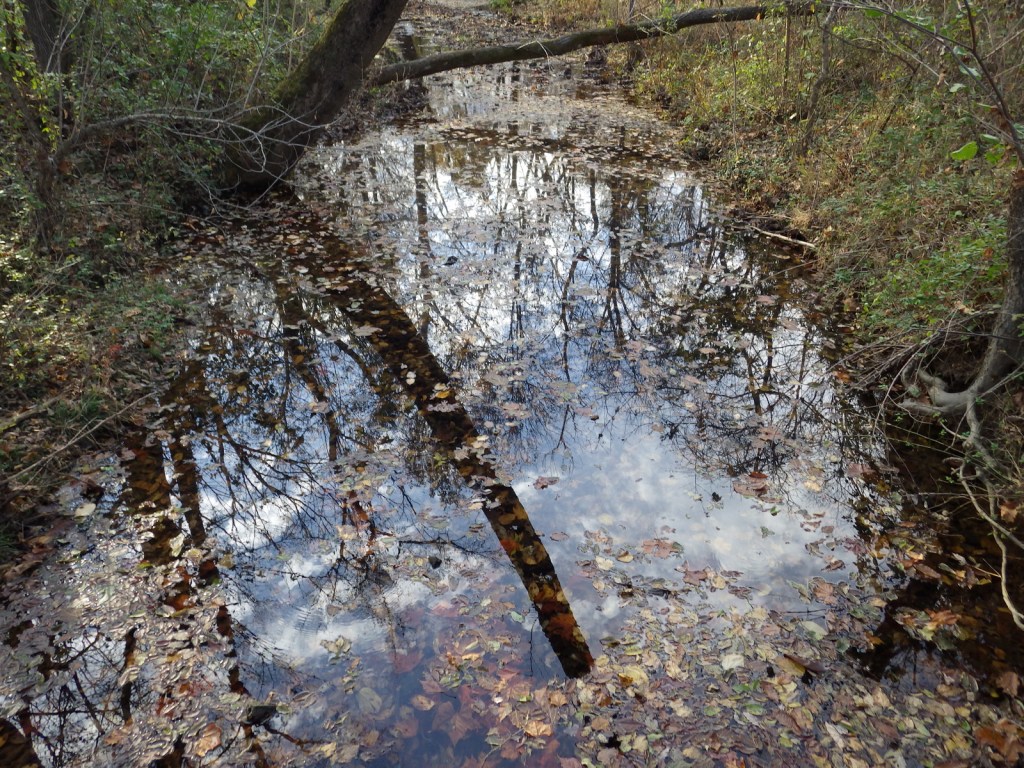
Williams Pond is a nice place to sit and contemplate what each of us can accomplish regardless of how we start.

Peak Season

Summer

Hours

https://www.nps.gov/gwca/planyourvisit/hours.htm

Fees

None

Road Conditions

All roads paved

Camping

There are private campgrounds around Joplin, Missouri and 50 miles away is Roaring River State Park.

Related Sites

Booker T. Washington National Monument (Virginia)

Tuskegee Institute National Historic Site (Alabama)

Wilson’s Creek National Battlefield (Missouri)

Explore More – When was the year the National Monument was dedicated, which was the same year Carver died?

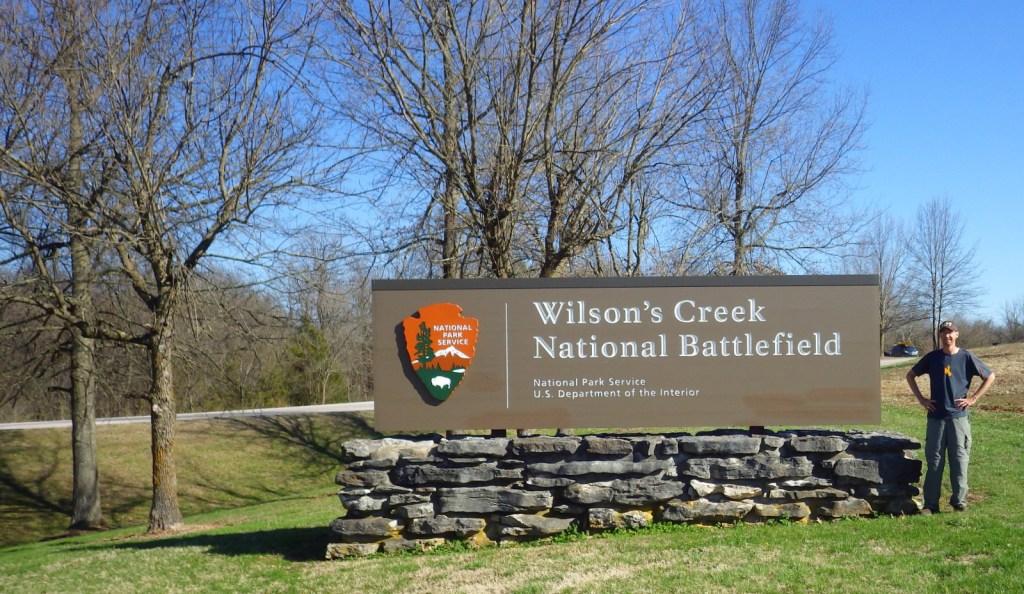
Wilson’s Creek National Battlefield

Overview

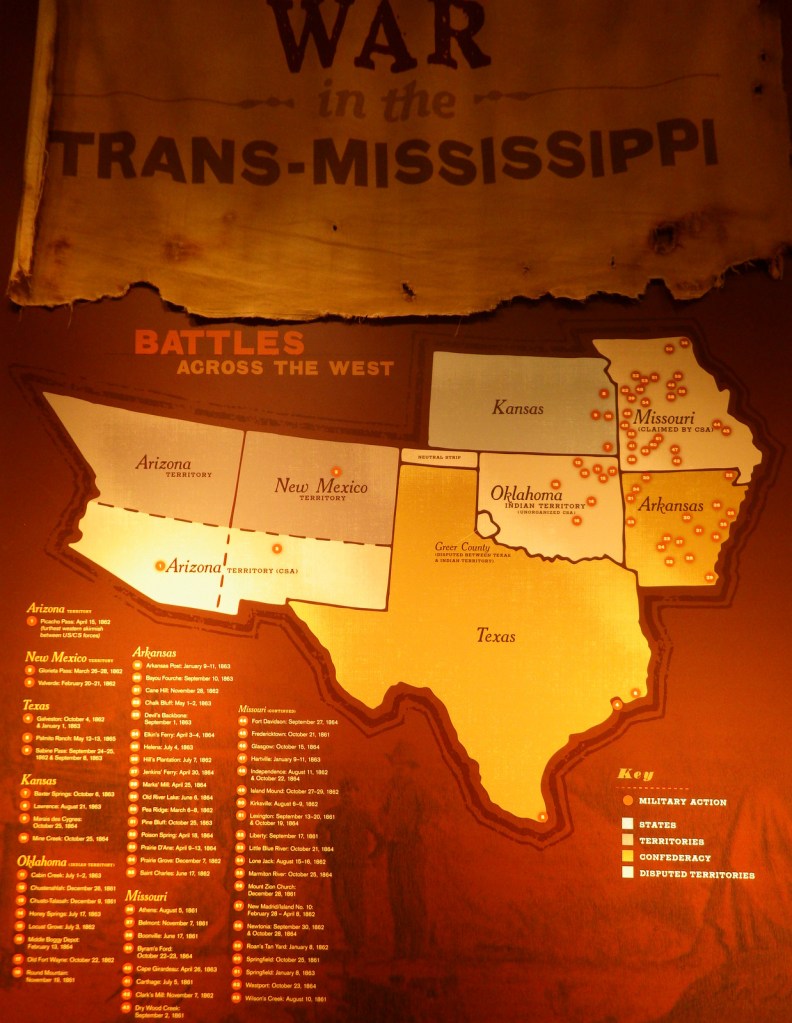
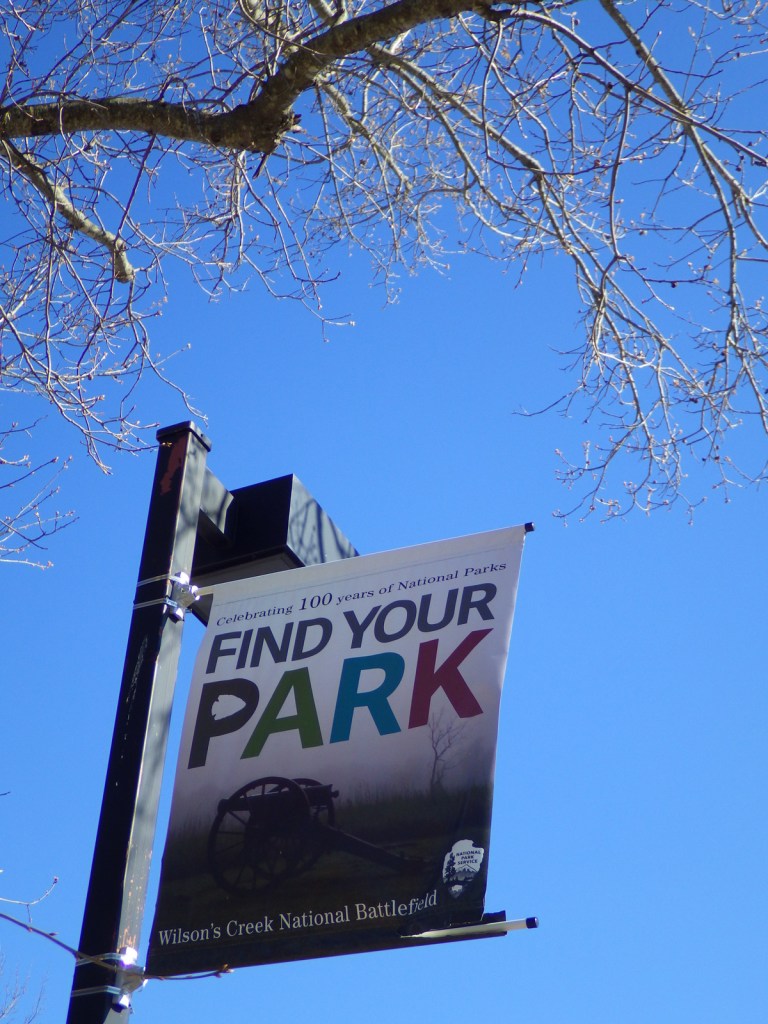
Early in the Civil War control of the state of Missouri hung in the balance.  Union and Confederate forces gathered near Springfield and both organized surprise attacks for the morning of August 10, 1861.  Rain overnight caused Confederate General Sterling Price to cancel his plan, but Union General Nathaniel Lyon went through with his in the face of overwhelming odds.  The strategy worked briefly but cost Lyon his life.  Even though the Union army retreated that day, seven months later they prevailed during the Battle of Pea Ridge in northern Arkansas, successfully keeping Missouri in the Union. 

Highlights

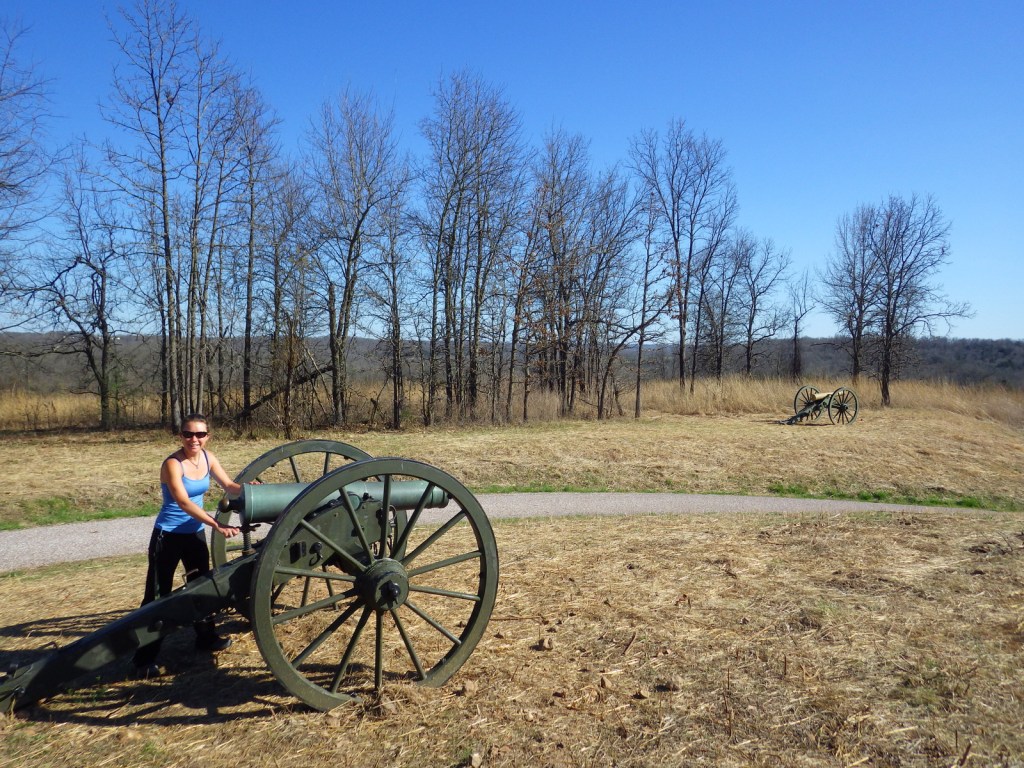
Museum, film, driving tour, Ray House, cannons

Must-Do Activity

Missouri stayed in the Union throughout the war despite the $10-million in property damage caused by guerrilla fighters, making it the third most fought-over state.  Start your visit by watching a short film, then peruse the excellent museum before taking the five-mile driving route that provides an overview of the battle at eight interpretive stops.  The paved road is heavily used by locals for jogging and biking, so drive carefully.

Best Trail

A portion of the infamous Trail of Tears crosses through this park following the route of the telegraph wire south towards Elkhorn Tavern in Arkansas’ Pea Ridge National Military Park.  There are also hiking and equestrian trails through the park’s 1,926 acres.

Instagram-worthy Photo

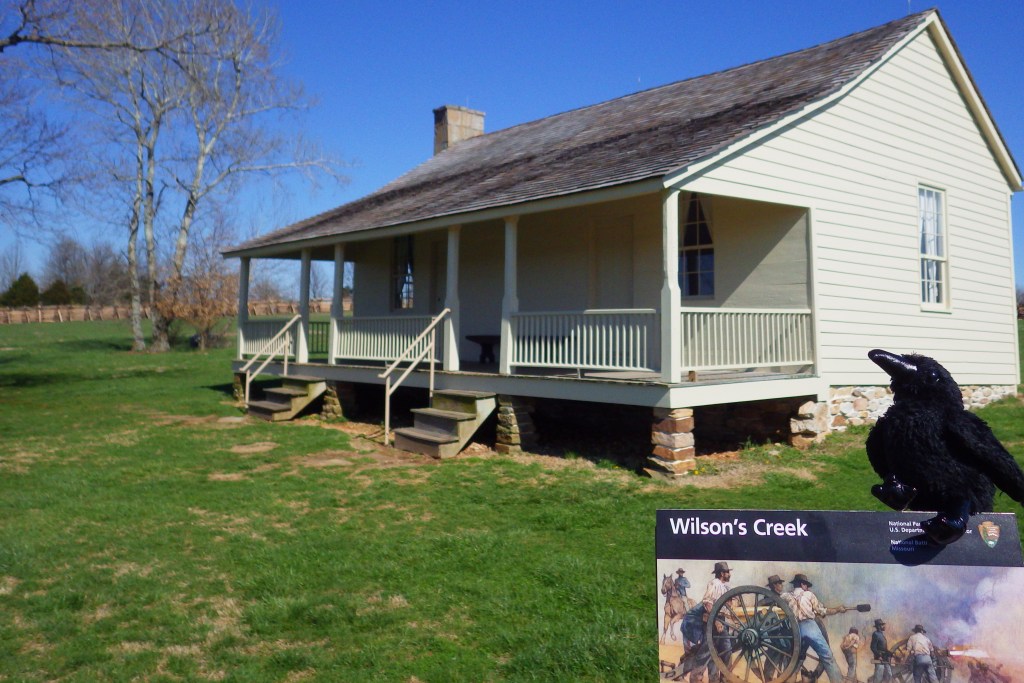
Rebuilt at its original location, there is a reconstruction of the Ray House, which was used as a Confederate hospital.  Nearby split-rail fences add to the bucolic ambiance.

Peak Season

Summer

Hours

https://www.nps.gov/wicr/planyourvisit/hours.htm

Fees

$20 per vehicle or America the Beautiful pass

Road Conditions

Paved, but gate closes tour road exactly at 5 p.m.

Camping

Within five miles there is a private campground near Interstate-44, plus a variety of state parks within an hour’s drive.

Related Sites

Pea Ridge National Military Park (Arkansas)

Ulysses S. Grant National Historic Site (Missouri)
George Washington Carver National Monument (Missouri)

Explore More – How many Union soldiers were buried in the sinkhole near Totten’s Battery on Bloody Hill (then in 1867 were moved to a National Cemetery in Springfield)?

Ulysses S. Grant National Historic Site

Overview

In a suburb of St. Louis, Missouri is the antebellum plantation (White Haven) of Ulysses S. Grant.  Following his graduation from West Point in 1843, Lieutenant Grant was stationed at nearby Jefferson Barracks.  It was while visiting his former roommate at White Haven that he met Fred Dent’s sister, Julia.  Grant would eventually marry her and together they raised their children here from 1854-59, following his resignation from the U.S. Army.  The family intended to return to the plantation following the Civil War, but Grant’s two terms as President did not allow that to happen.

Highlights

Museum, film, historic house, cannons

Must-Do Activity

A thorough museum housed in the former horse stables provides days’ worth of reading on this controversial General and President.  Opposing arguments are posted around the stables allowing visitors to answer tough questions like, Was Grant a butcher? and Was Grant a corrupt politician?  Access inside the house requires a free guided tour given regularly throughout the day by National Park Service (NPS) rangers.

Best Trail

There is a short walking tour on the ten-acre NPS property.  The neighboring wildlife park named Grant’s Farm (admission fee) contains a log cabin built by Grant in 1855.

Instagram-worthy Photo

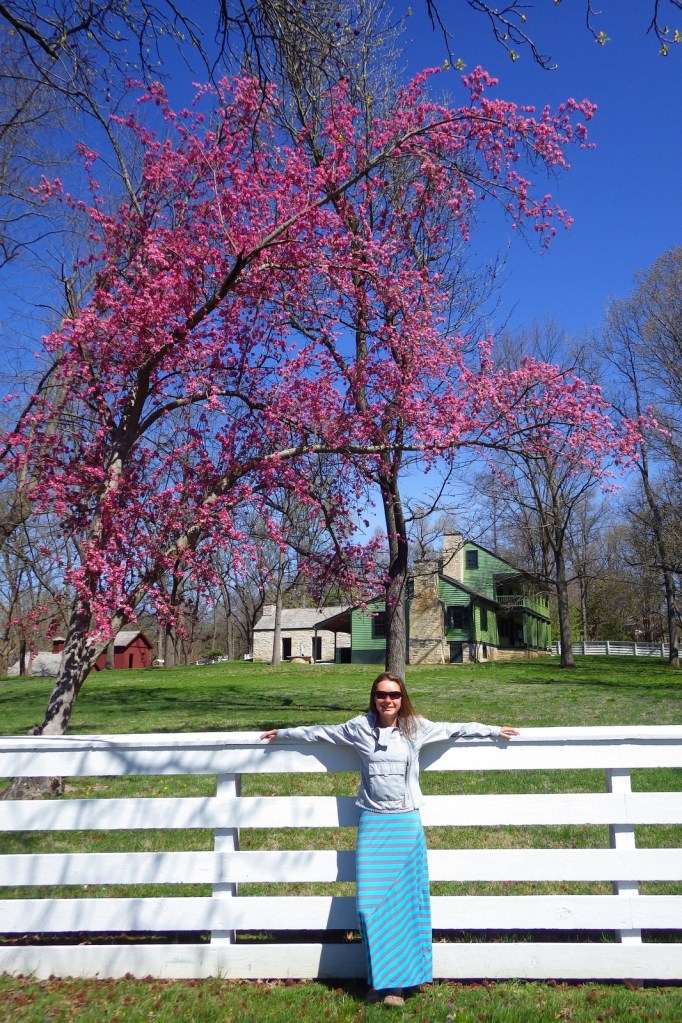
During our visit in early April, the redbud trees were in bloom.  Plus, there are cannons to pose with.

Peak Season

Summer

Hours

https://www.nps.gov/ulsg/planyourvisit/basicinfo.htm

Fees

None, but a free guided tour (tickets required) is the only way to enter the main house

Road Conditions

All roads paved

Camping

None at the site, but several private campgrounds nearby.

Related Sites

General Grant National Memorial (New York)

Ozark National Scenic Riverways (Missouri)

Gateway Arch National Park (Missouri)

Explore More – Did the family have slaves at White Haven?

Harry S Truman National Historic Site

Overview

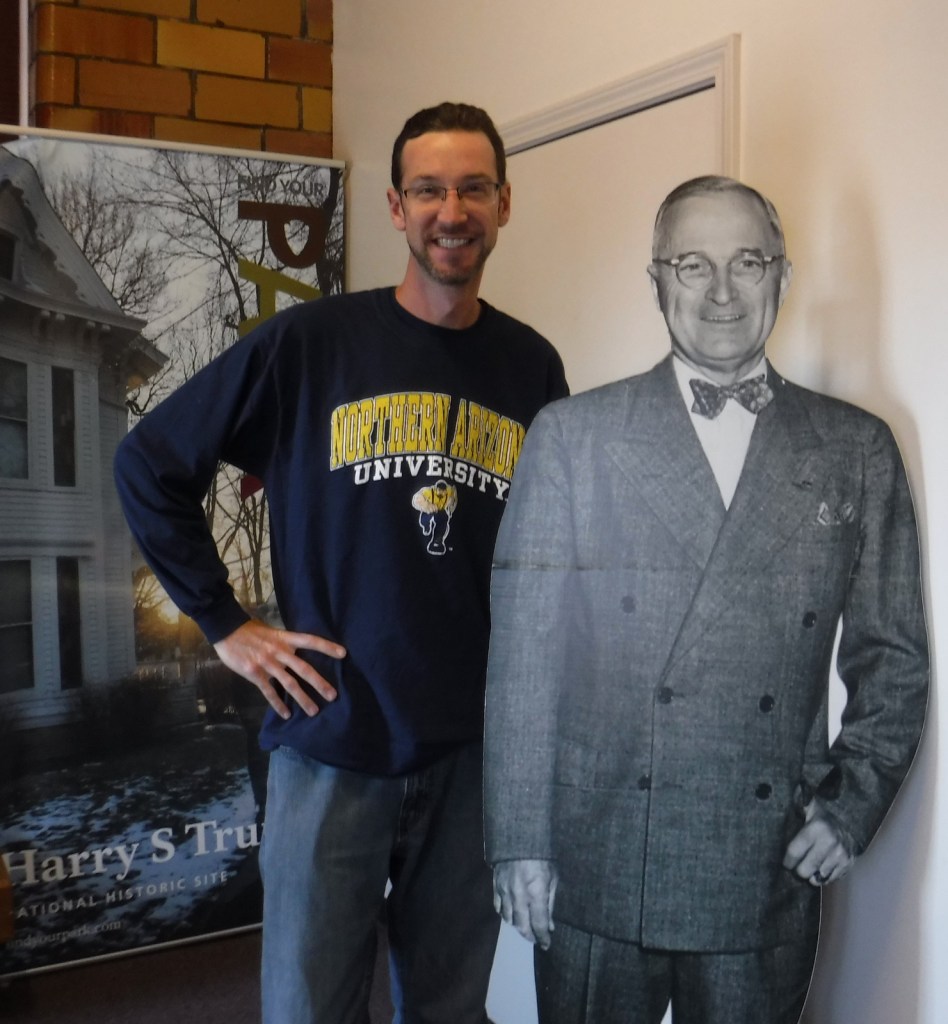
Harry S Truman was a farmer, soldier in World War I, judge, U.S. Senator, and Vice President before assuming the duties of Commander-in-Chief after Franklin D. Roosevelt’s death in 1945.  He is perhaps best known as the man who made the decision to drop atomic bombs on Hiroshima and Nagasaki.  The 33rd President was known for being a straight shooter; this quote speaks to us today: “You can’t divide the country up into sections… and you can’t encourage people’s prejudices.  You have to appeal to people’s best instincts, not their worst ones.”  Truman won a close reelection vote in 1948.

Highlights

Truman Home tour, film, Truman Farm Home

Must-Do Activity

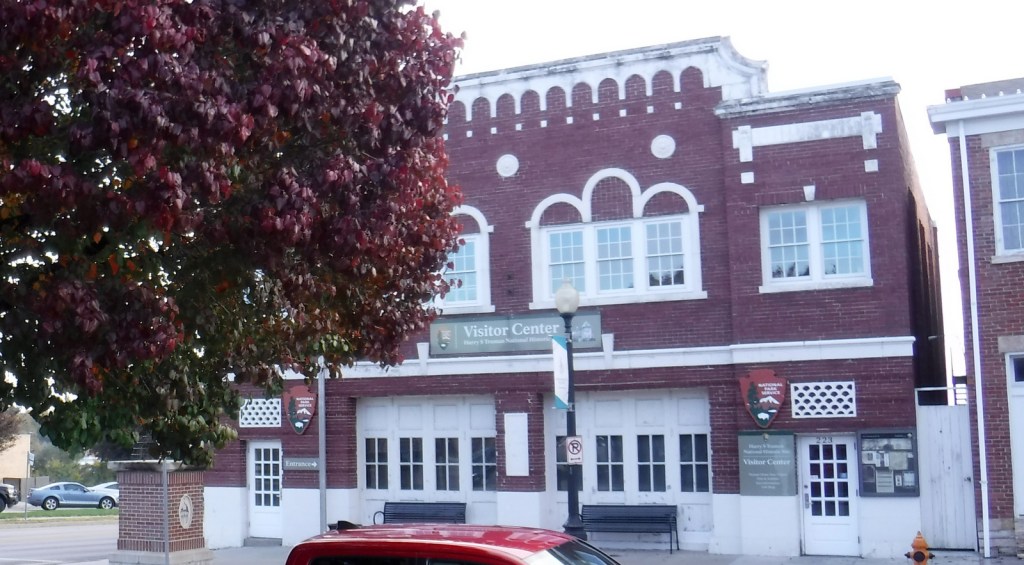
The National Park Service (NPS) visitor center in downtown Independence offers a film and a few artifacts, as well as first-come, first-served tickets for ranger-guided tours of the Truman Home.  It was there Harry and Bess (his wife) lived from 1919 until his death in 1972.  It served as the summer White House from 1945 to 1953 and was given to the NPS upon Bess’ death in 1982 (the calendar still hanging in the kitchen is original). 

Best Trail

About a 30-minute drive from Independence, take a self-guided cell phone tour around the ten acres surrounding the 1894 Truman Farm Home, which once stood on a 600-acre farm that is now the Kansas City-suburb of Grandview, Missouri.

Instagram-worthy Photo

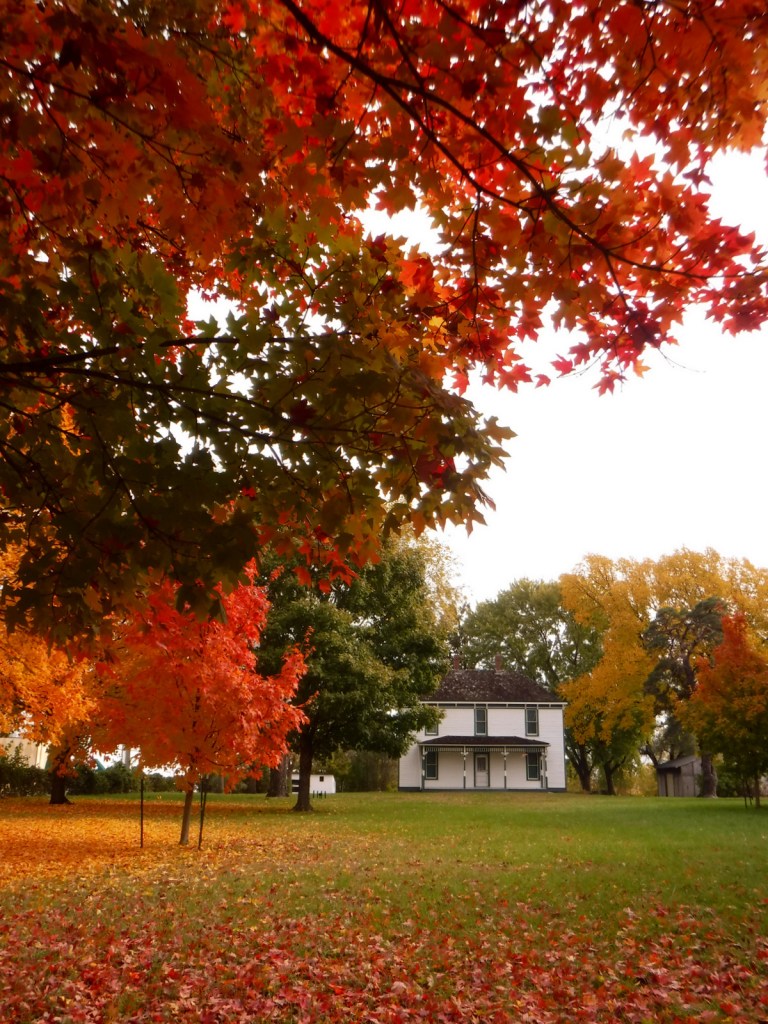
There is no photography allowed inside the Truman Home, so your best shot will be from out front behind the fence installed by the Secret Service in the 1940s to keep the public off the lawn.

Peak Season

Open year round, but we caught peak fall colors in late October.

Hours

https://www.nps.gov/hstr/planyourvisit/hours.htm

Fees

The home tour costs $7 per person (no reservations) or is free with an America The Beautiful pass.

Road Conditions

All roads paved, but street parking is limited near the Truman Home.  It is easy to miss the poorly signed turn for the Truman Farm Home in Grandview.
Camping

None

Explore More – Why is a period not required at the end of Harry S Truman’s middle initial?