Tag Archives: house

Vanderbilt Mansion National Historic Site

Vanderbilt Mansion National Historic Site

New York

Managed by National Park Service

Established 1940

211 acres

Website: nps.gov/vama

Overview

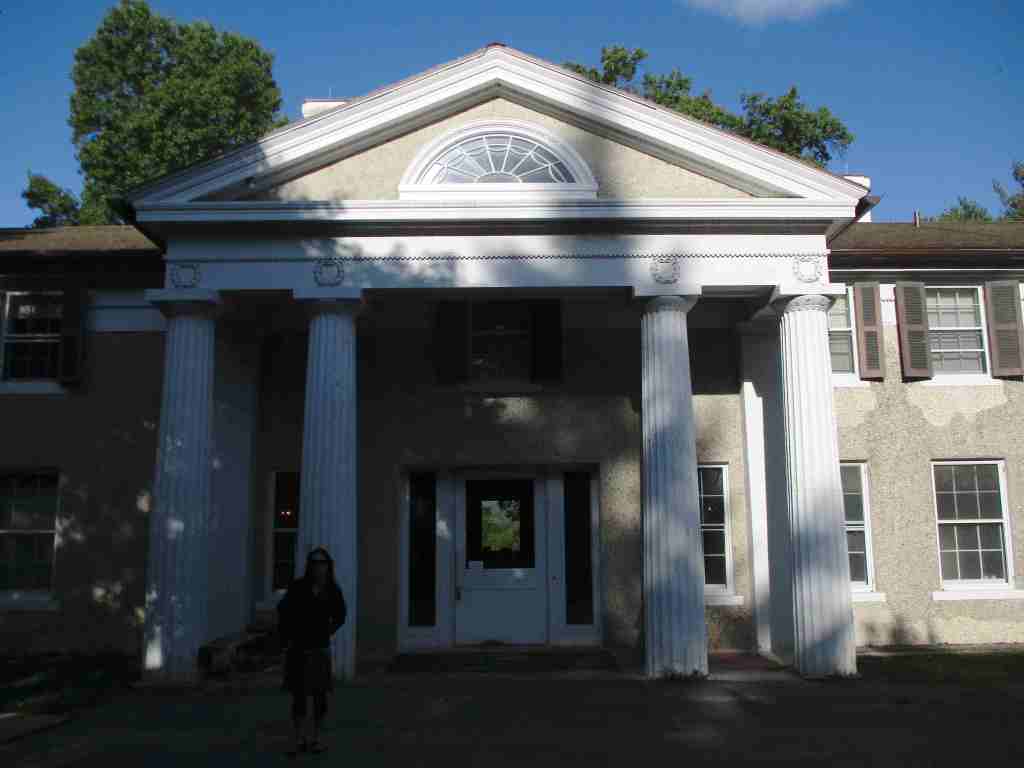
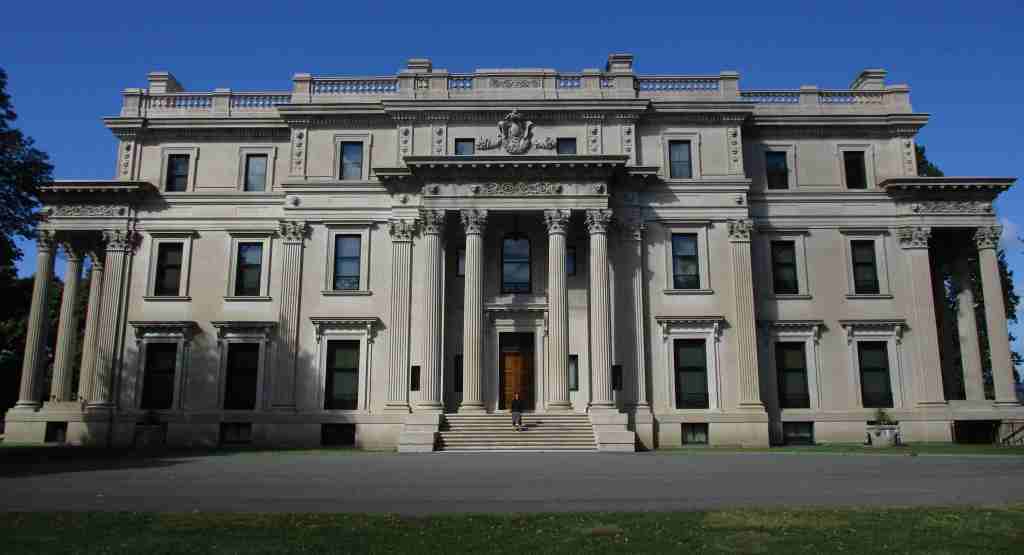
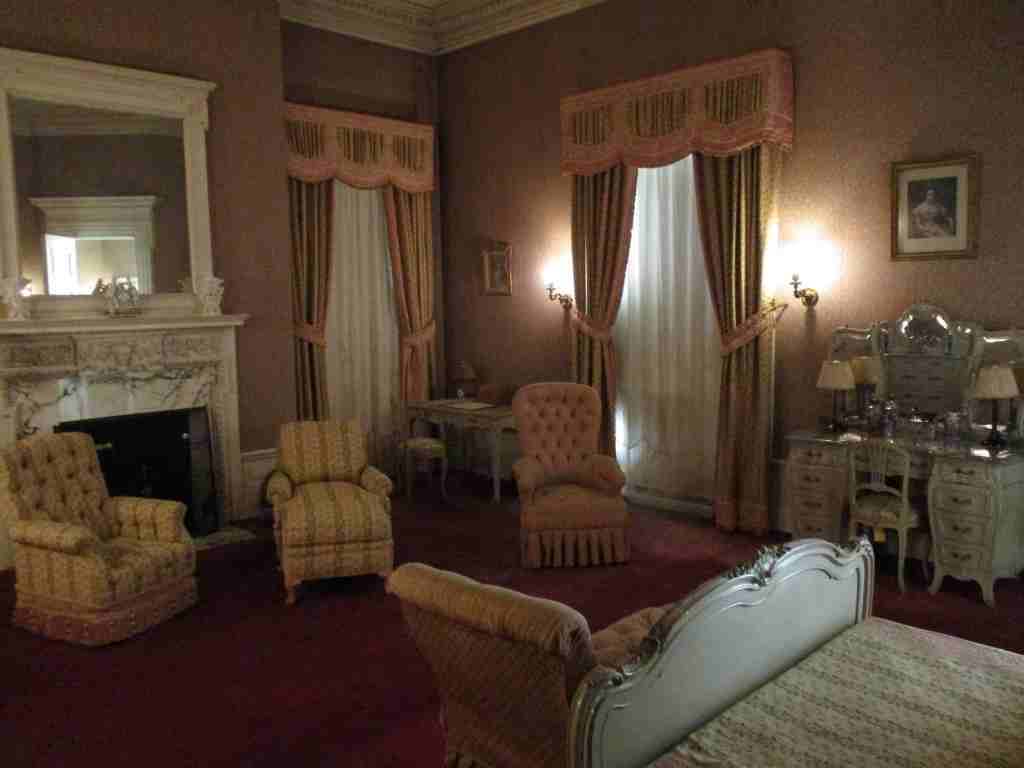
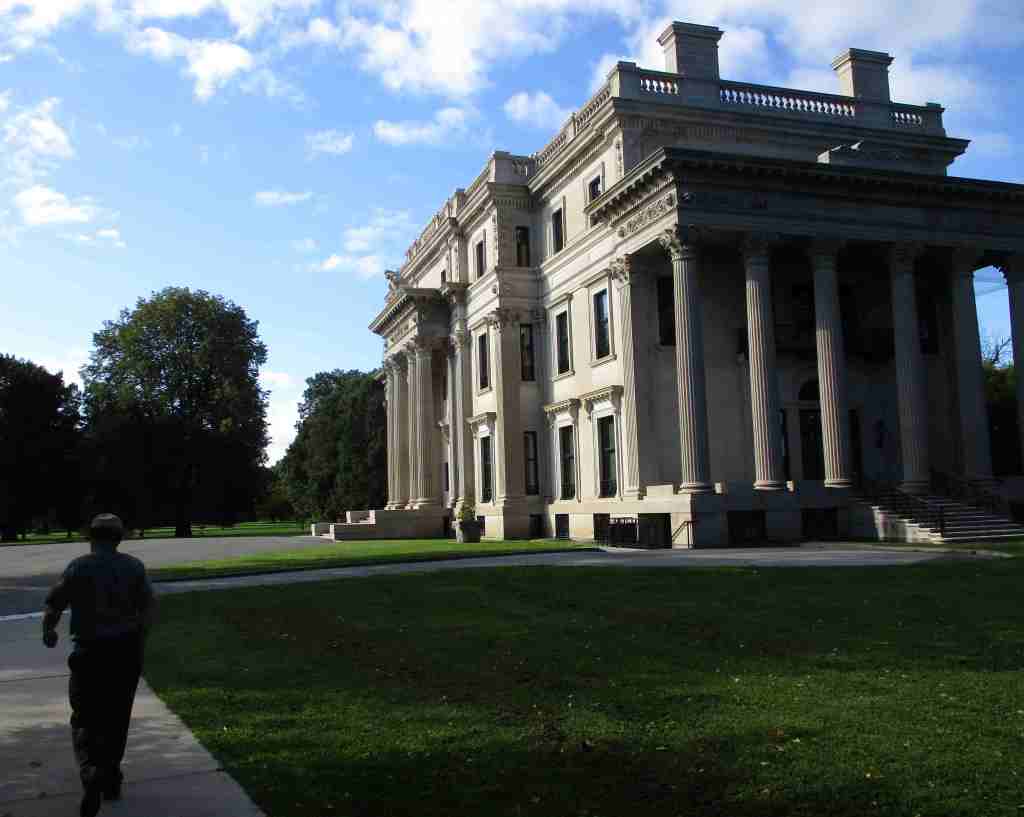
The Gilded Age is the term referring to the period from the Civil War to the end of the century, a time of growth in industry and immigration.  Gilding is the process of putting a thin layer of gold on an object to improve its appearance and was used as a slight to the nouveau riche families that built lavish mansions and threw extravagant parties.  Shipping and railroad tycoon Cornelius Vanderbilt’s grandson Frederick purchased this 600-acre Hyde Park estate in 1895.  He and his wife Louise had the mansion there torn down and it took nearly four years to complete their 54-room mansion ornamented in beaux arts style.  It was the first in the area to have electricity, which was supplied by its own hydroelectric plant.  It was inhabited by the family only in the spring and fall with as many as 60 staff needed to run the place.  When Louise’s niece could not sell the property during the Great Depression, her neighbor President Franklin D. Roosevelt suggested she donate it to the National Park Service. 

Highlights

Mansion, Pavilion, Formal Gardens, Hyde Park Trail

Must-Do Activity

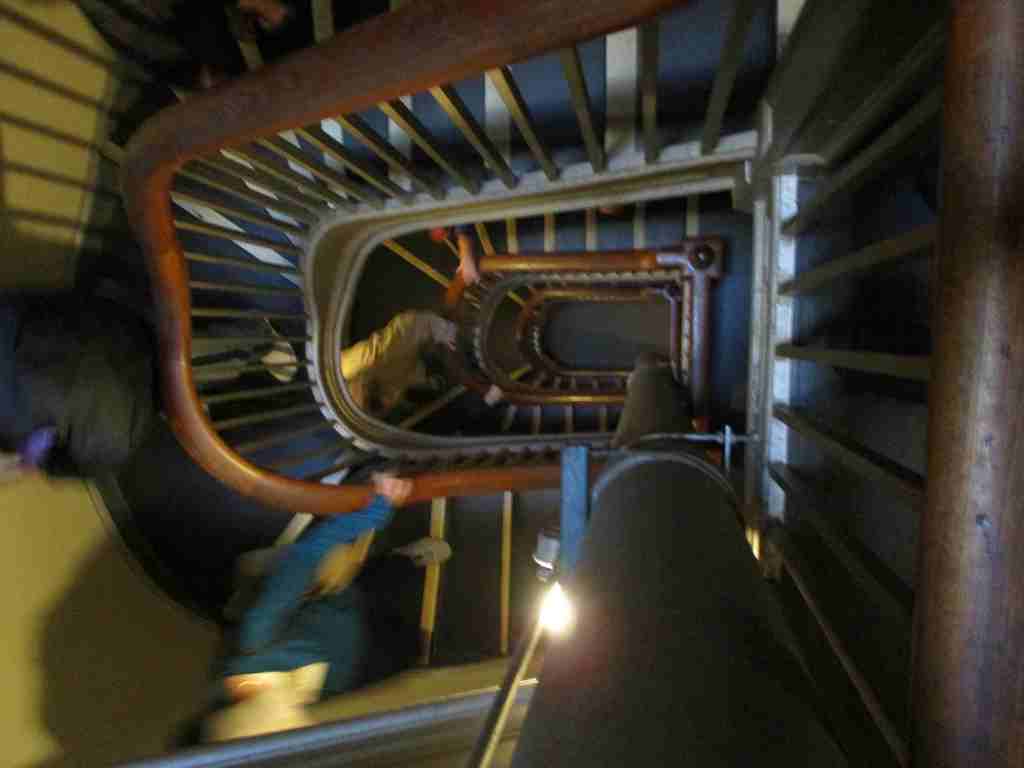
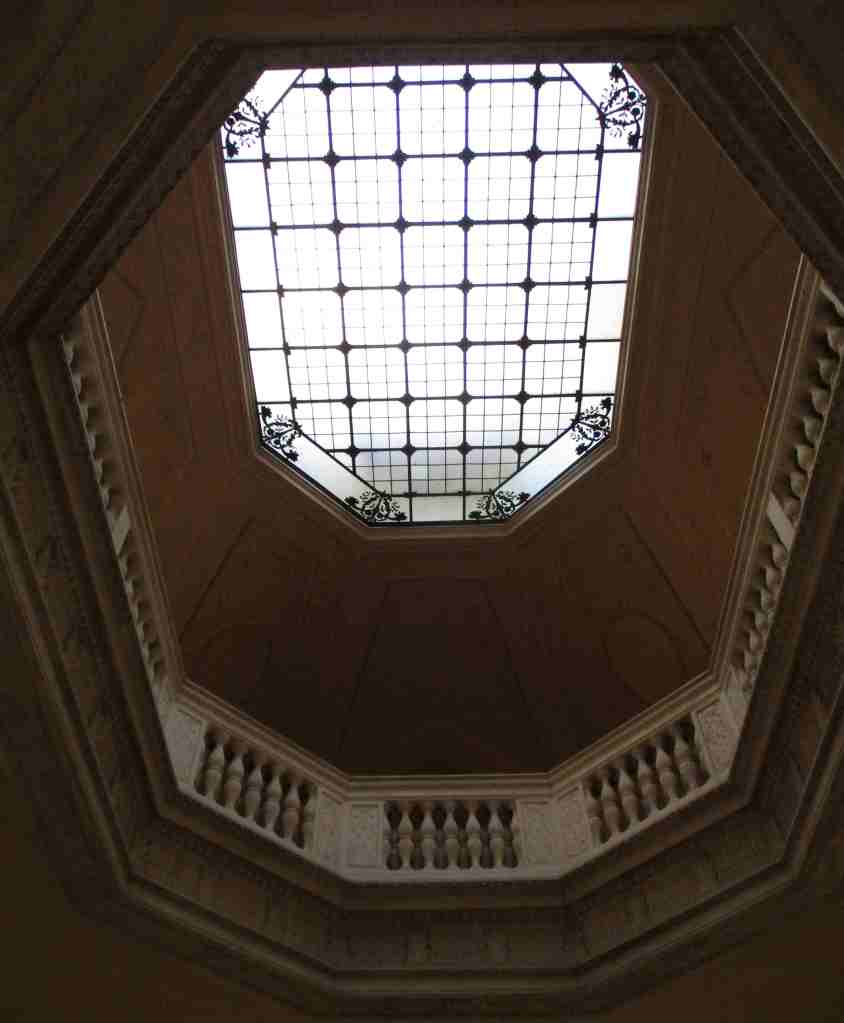
The only way inside the mansion is on a one-hour guided tour that does not take reservations.  They can be purchased at the visitor center inside The Pavilion, a guest house built in 66 days in 1895.  The grounds are free to explore, where you can walk on the carriage roads, picnic at the overlook, and peruse the Italian gardens.  The mansion was designed by the leading architectural firm McKim, Mead & White, known for their emphasis on high classicism.  It features a large living room, grand staircase, and semicircular portico overlooking the Hudson River and Catskill Mountains.  The house cost $660,000 at the time, while the interior furnishings pushed the total cost to $2.3-million (equivalent to about $90-million today) since many of the decorations were purchased in Europe.

Best Trail

Vanderbilt Service Road Trail loops through this 211-acre site and Bard Rock Road Trail splits off to a point on the Hudson River.  Hyde Park Trail follows the river south to connect with the Home of Franklin D. Roosevelt National Historic Site and Eleanor Roosevelt National Historic Site

Photographic Opportunity

The landscape design (and a ginkgo tree) on the property dates back to the 1700s, while its current look was restored to its 1930s appearance.

Peak Season

Summer

Hours

https://nps.gov/vama/planyourvisit/hours.htm

Fees

$15 per person for the mansion tour or use the annual America the Beautiful pass

Road Conditions

Parking and access roads are paved from the Albany Post Road (Highway 9). 

Camping

Mills-Norrie State Park is located 3.5 miles north on Highway 9 and has a campground offering running water and hot showers. 

Related Sites

Home of Franklin D. Roosevelt National Historic Site (New York)

Eleanor Roosevelt National Historic Site (New York)

Martin Van Buren National Historic Site (New York)

Nearest National Park

Shenandoah

Explore More – Who were the authors who coined the term “Gilded Age” in their 1873 book?

Natchez Trace Parkway

Natchez Trace Parkway

Mississippi-Alabama-Tennessee

Managed by National Park Service

Established 1938

52,302 acres

Website: nps.gov/natr

Overview

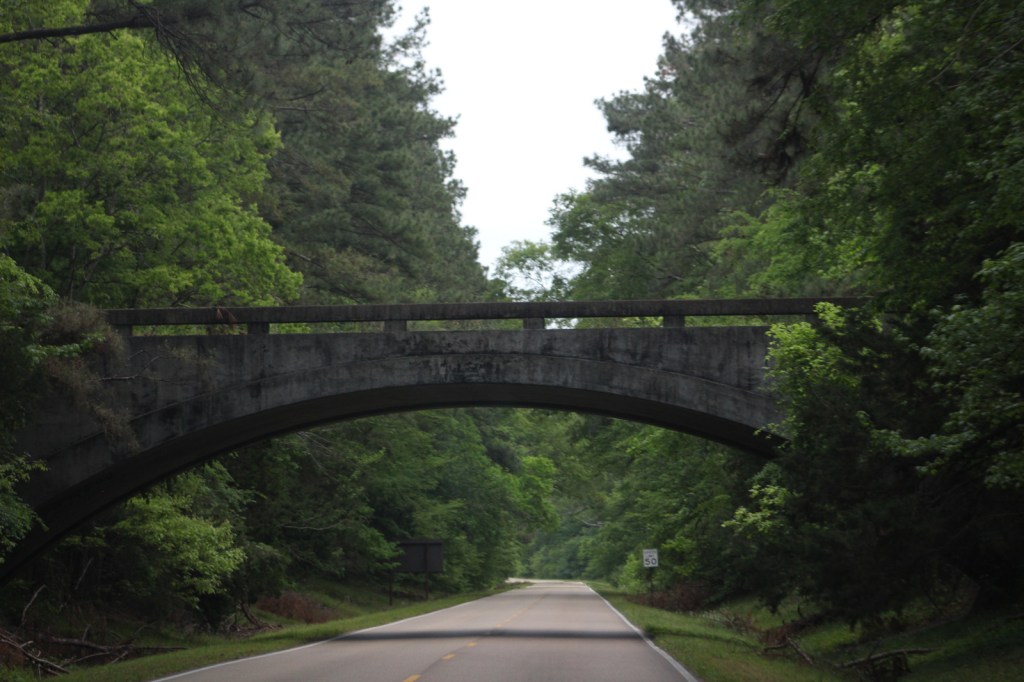
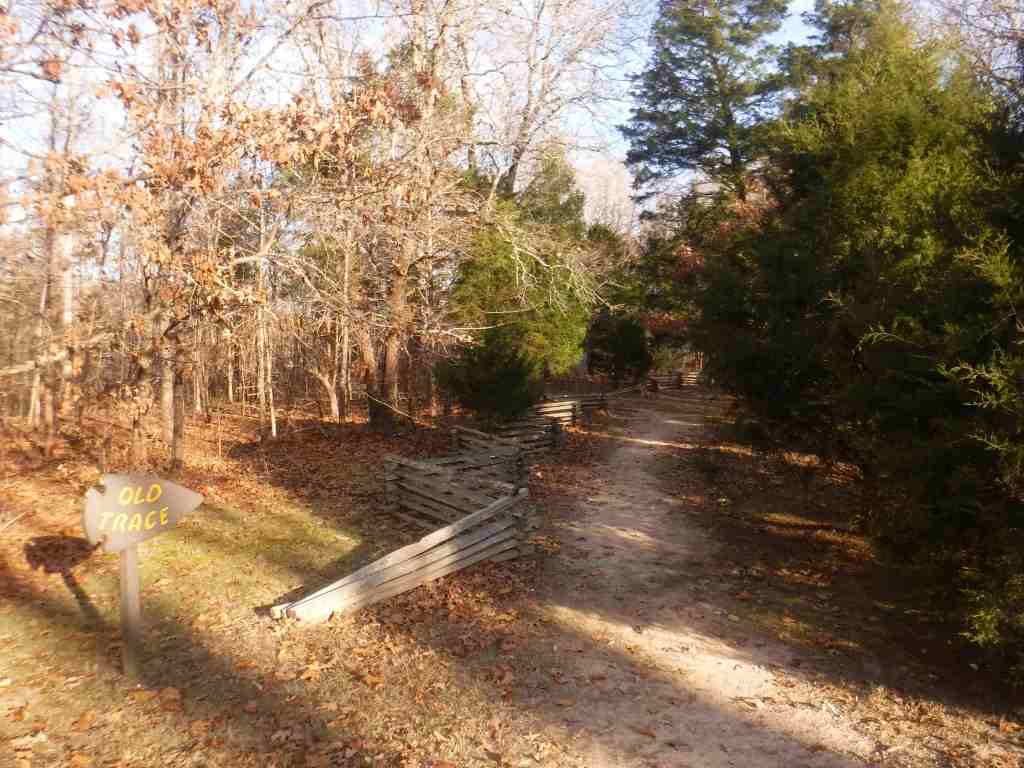
The Natonal Park Service (NPS) administers the Natchez Trace Parkway, a two-lane All-American Road that extends 444 miles from Natchez, Mississippi to Nashville, Tennessee.  The trace started as a game trail that was utilized as an American Indian footpath.  Some of the mound builder sites protected here were inhabited when Hernando de Soto led the first Europeans into this area in 1540.  The Natchez Trace was heavily used in the 1800s by “Kaintuck” flatboatmen returning from New Orleans who left the Mississippi River from Natchez, Mississippi and continued on foot north to Kentucky and beyond.  Today you can still follow portions of the sunken trail worn down by travelers for centuries.  The parkway began as a Civilian Conservation Corps (CCC) project during the Great Depression and the final two segments were completed in 2005.

Highlights

Rocky Springs, Owens Creek Waterfall, Emerald Mound, Mount Locust, Chickasaw Village, Meriwether Lewis Monument and Gravesite, Cypress Swamp Walk, Witch Dance Horse Trail, Natchez Trace National Scenic Trail

Must-Do Activity

Near Tupelo, the Parkway Visitor Center at Milepost 266 is a must-do stop to learn the history of the trace, and it also serves as the NPS contact station for tiny Brices Cross Roads National Battlefield Site and Tupelo National Battlefield.  There are numerous roadside informational pullouts and trailheads along the route, so use the NPS app or pick up an official “unigrid” map.  You can easily spend days exploring, but at a minimum we recommend you check out Emerald Mound, Mount Locust, Cypress Swamp, and Meriwether Lewis Monument and Grave Site.

Best Trail

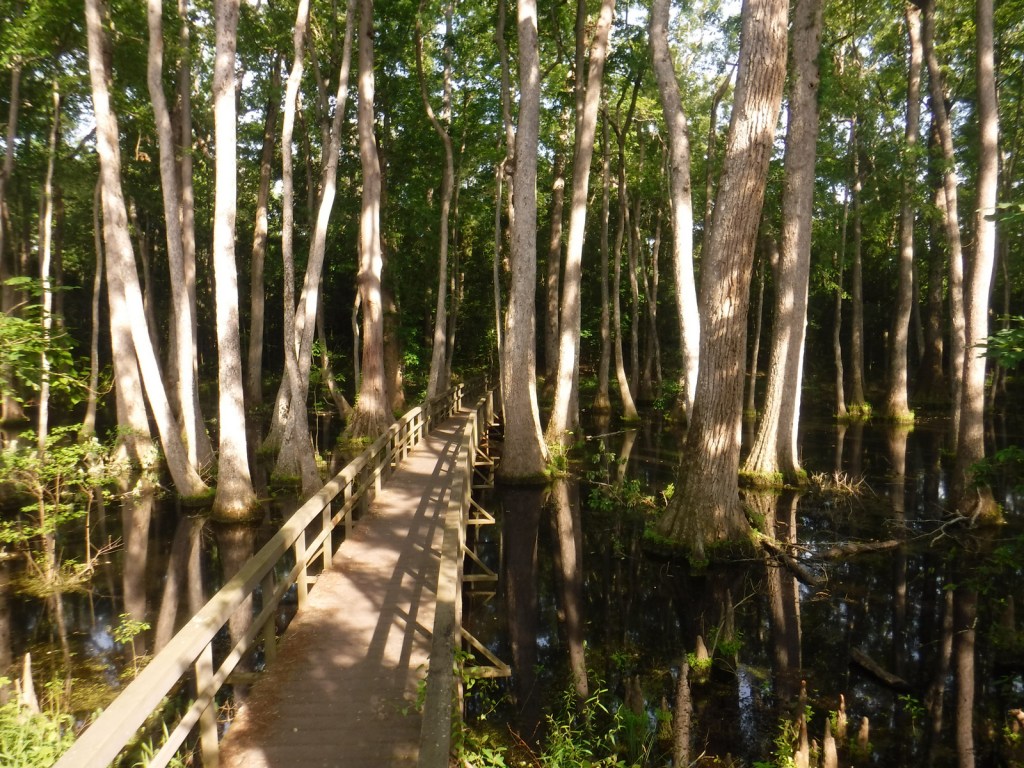
Our favorite trail is the Cypress Swamp Walk at Milepost 122, where a boardwalk crosses a scenic tupelo-baldcypress swamp.  The Natchez Trace National Scenic Trail (click here for our blog post) does not follow the entire 444-mile parkway, but exists in five segments totaling 67 miles in length.  There are also 15 miles of equestrian trails at Witch Dance (Milepost 233.2) in Tombigbee National Forest.

Photographic Opportunity

Not far from Natchez National Historical Park, Emerald Mound (a short detour at Milepost 10.3) is the second-largest American Indian ceremonial mound in the U.S.  It stands 35 feet tall and 770 by 435 feet at its base. 

Peak Season

Spring and fall

Hours

https://nps.gov/natr/planyourvisit/hours.htm

Fees

None

Road Conditions

The entire 444-mile Natchez Trace Parkway is paved from Natchez, Mississippi to Nashville, Tennessee with commercial traffic prohibited and a maximum speed limit of 50 miles per hour.  There is a detour from Milepost 181 to 204 due to ongoing construction.  Watch for bicycles and white-tailed deer on the road.

Camping

There are three free NPS campgrounds (at Milepost 54, 193.1, and 385.9) along the route, as well as those in sites like Mississippi’s Tishomingo State Park.  The three NPS campgrounds have water and bathrooms (but no RV hookups), plus there are also five bike-only campsites along the route.  Jeff Busby Campground closed in June 2025 for repairs.

Related Sites

Natchez National Historical Park (Mississippi)

Tupelo National Battlefield (Mississippi)

Brices Cross Roads National Battlefield Site (Mississippi)

Vicksburg National Military Park (Mississippi)

Nearest National Park

Hot Springs

Explore More – When were Ackia Battleground National Monument and Meriwether Lewis National Monument disbanded and added to the Natchez Trace Parkway?

John Fitzgerald Kennedy National Historic Site

John Fitzgerald Kennedy National Historic Site

Massachusetts

Managed by National Park Service

Established 1967

0.09 acre

Website: nps.gov/jofi

Overview

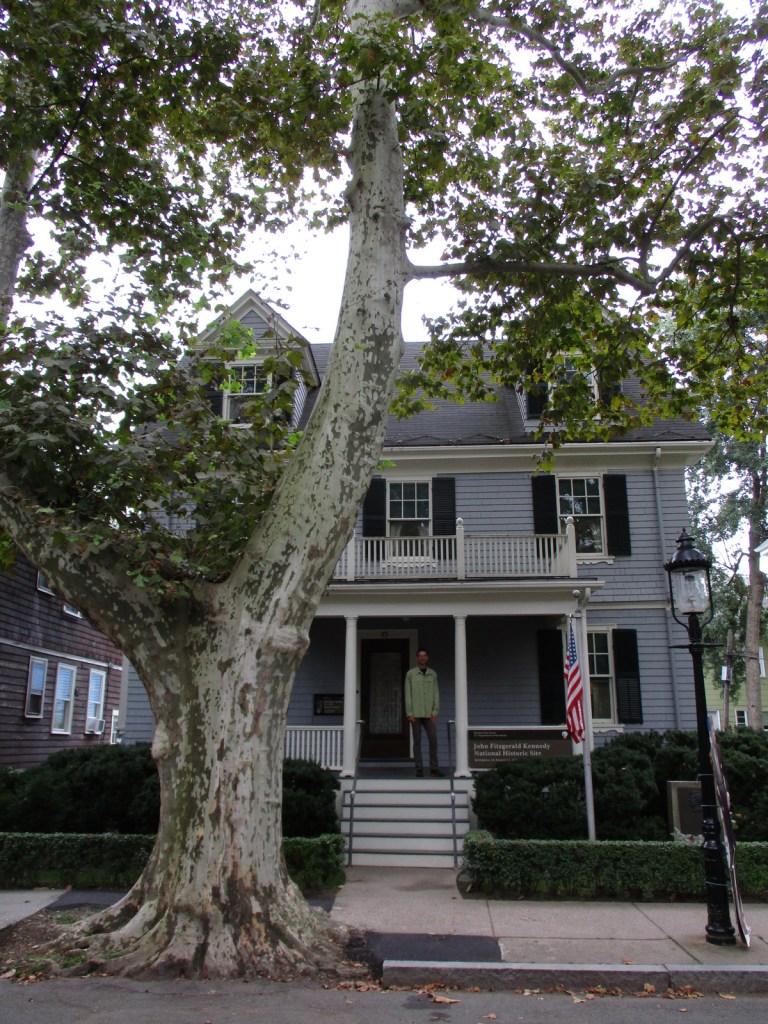
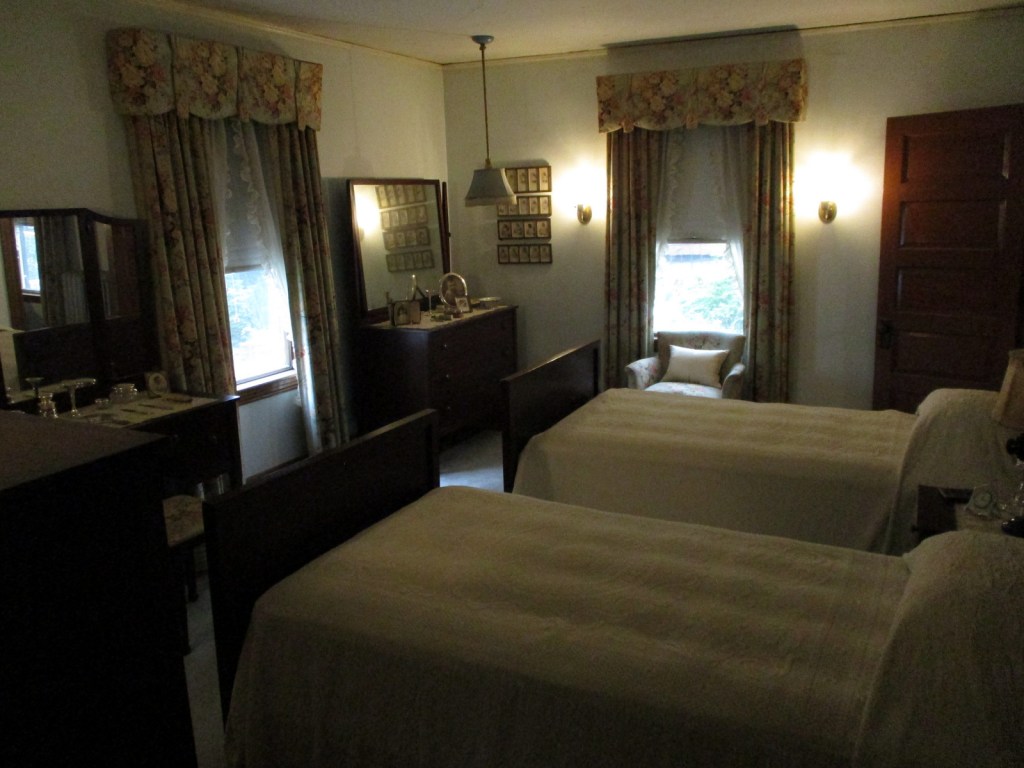
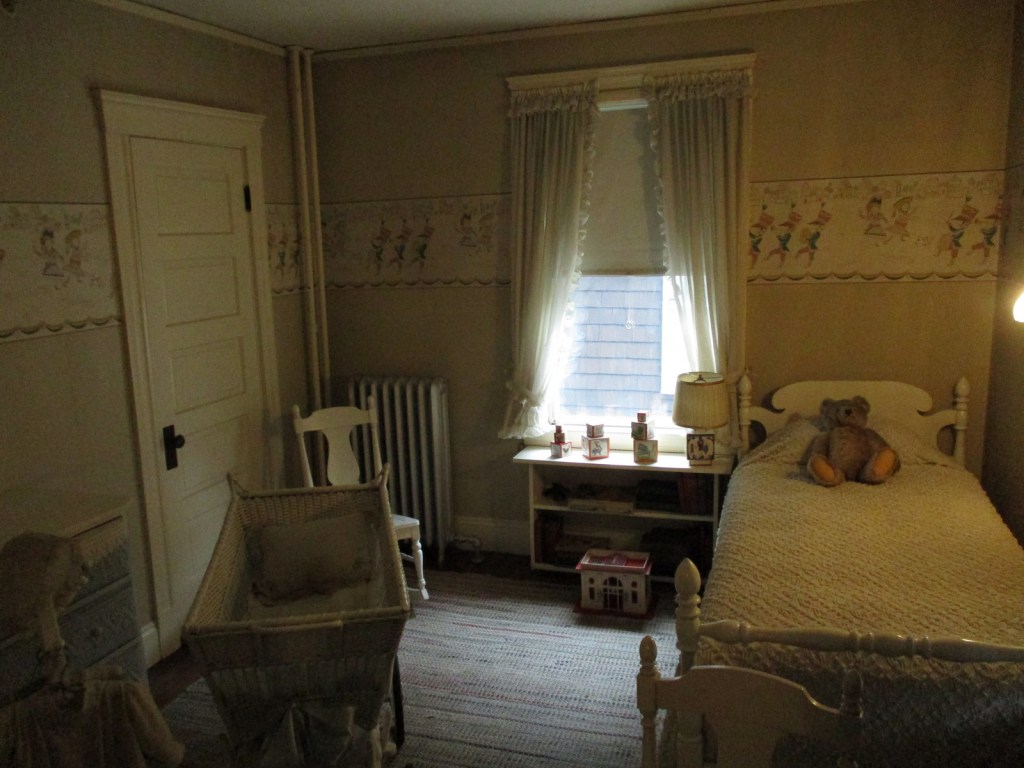
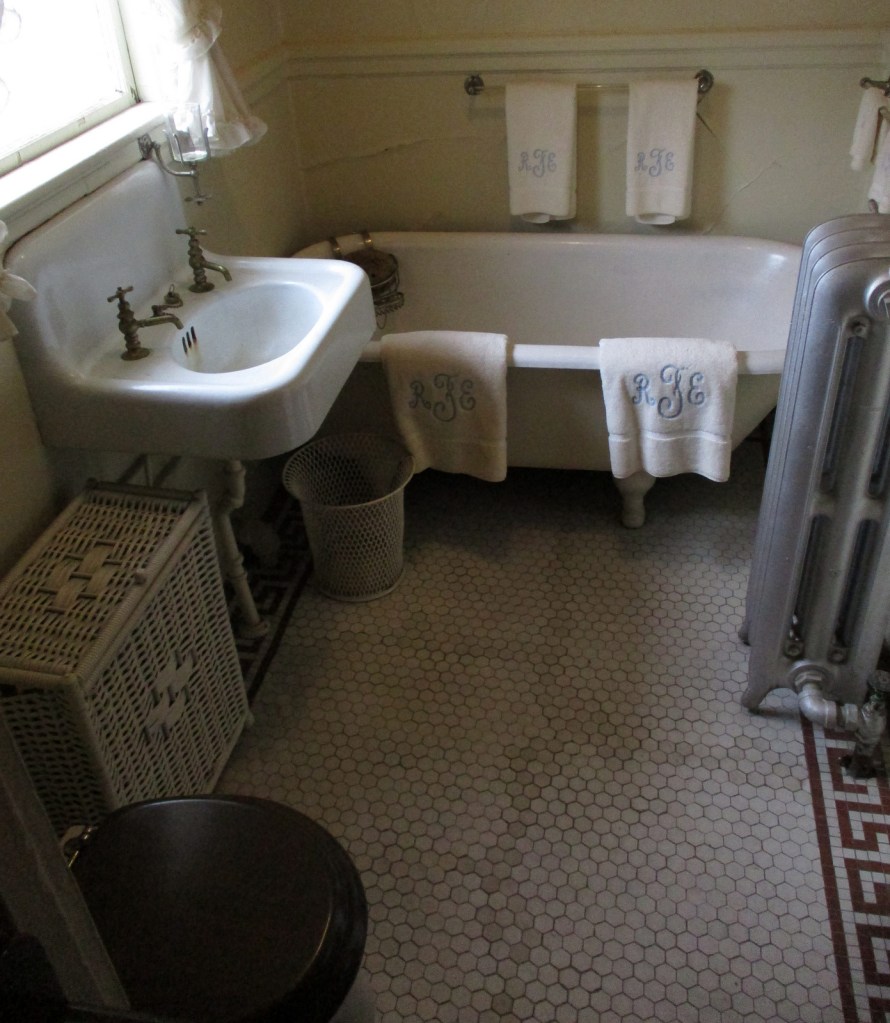
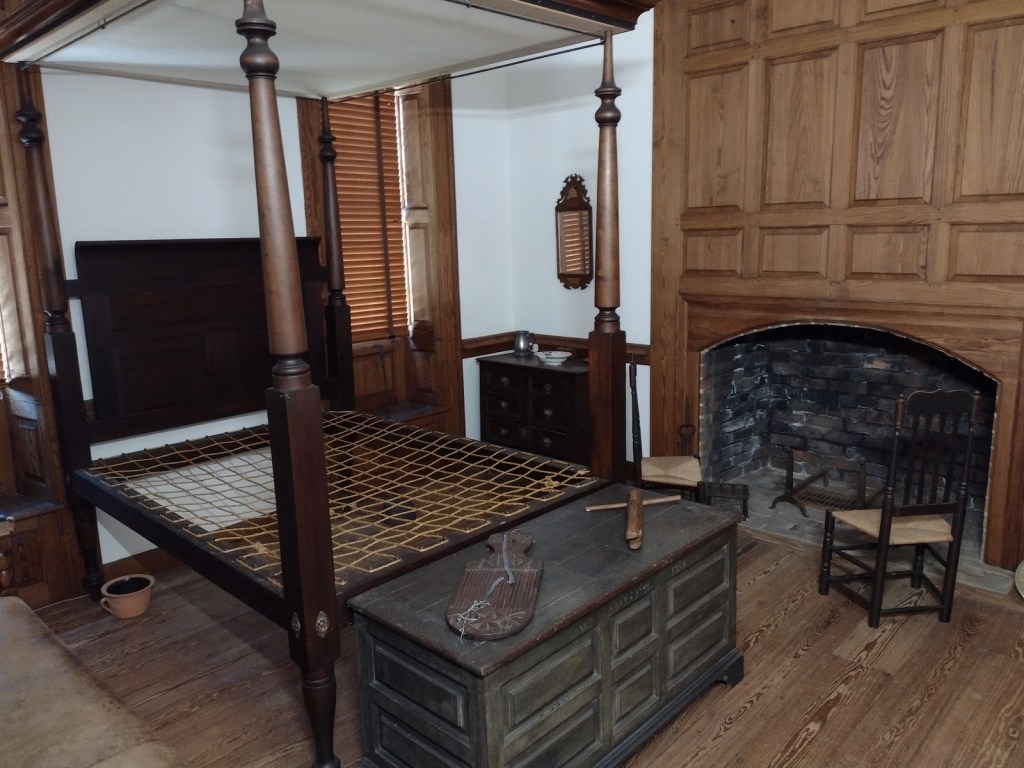
The Coolidge Corner neighborhood of Brookline (a suburb of Boston) contains the birthplace of John F. Kennedy (JFK), the 35th U.S. President and one of four born in Norfolk County.  The house was purchased by Joseph Patrick Kennedy, Sr. in 1914 before his marriage to Rose Elizabeth Fitzgerald.  Rose gave birth to John and his two sisters in the house’s upstairs bedroom before the expanding Irish Catholic family moved a few blocks away in 1920.  Following JFK’s assassination, the family repurchased the home and Rose restored it to its 1917 appearance then donated it to the National Park Service (NPS).

Highlights

Tour, film

Must-Do Activity

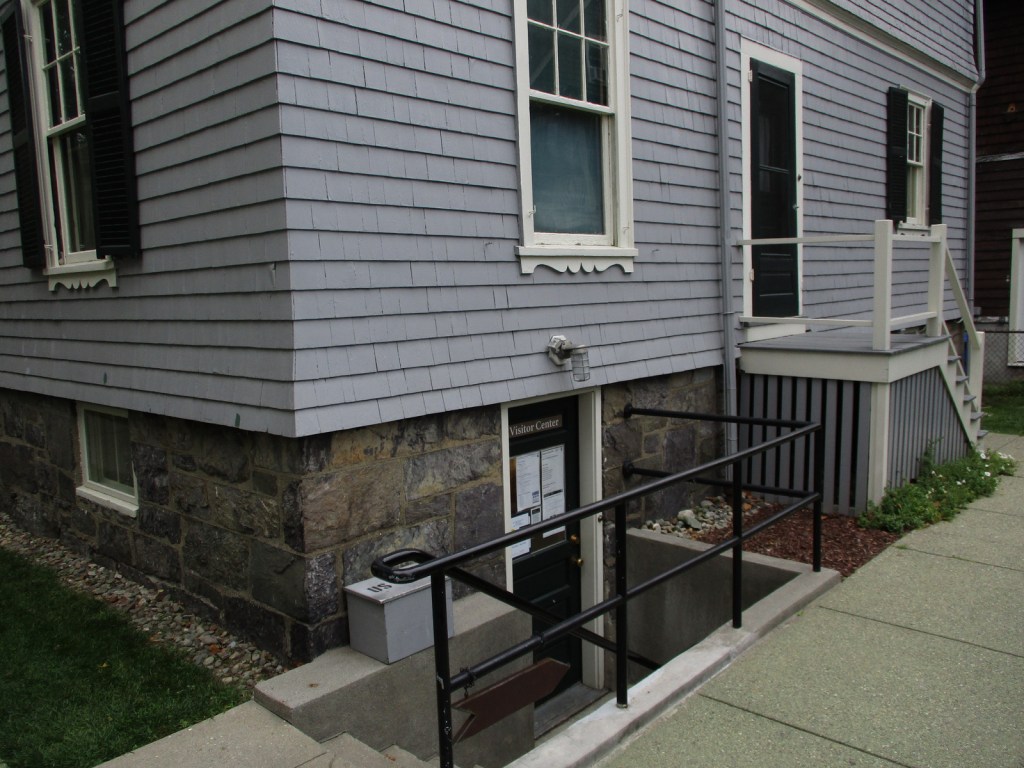
The entrance to the NPS site is through the back door into the basement where a film is shown.  On a free, 30-minute guided house tour, rangers show the room where JFK was born and the nursery containing a bassinet that held each of the nine Kennedy children.  About 19% of the furnishings in the home belonged to the family.  Self-guided tours inside the house are allowed during the lunch hour and the closing hour of the day with free audio wands available in a variety of languages.  The third story where the servants lived is off limits to visitors.  The John F. Kennedy Presidential Library and Museum is located about nine miles away.

Best Trail

You can walk around the neighborhood on your own or reserve a spot on a free 90-minute ranger-guided tour of Boston’s North End (beginning at 2:15 Thursday through Sunday), which includes a stop outside Rose Kennedy’s birthplace home.

Photographic Opportunity

You can drive by the Florida Ruffin Ridley School (formerly known as the Coolidge Corner School and the Edward M. Devotion School) that JFK attended.

Peak Season

Summer

Hours

https://www.nps.gov/jofi/planyourvisit/hours.htm

Fees

None

Road Conditions

The house is located at 83 Beals Street and there is free, two-hour parking available on the street in front of neighbors’ houses.  You can also take the train to Coolidge Corner and walk four blocks north up Harvard Street.

Camping

There is camping in Boston Harbor Islands National Recreation Area and outside the city at the famous Walden Pond.

Related Sites

Adams National Historical Park (Massachusetts)

Frederick Law Olmsted National Historic Site (Massachusetts)

Boston National Historical Park (Massachusetts)

Nearest National Park

Acadia

Explore More – Why did gangster Whitey Bulger toss a Molotov cocktail into the house on September 8, 1975?

Jimmy Carter National Historical Park

Jimmy Carter National Historical Park

Georgia

Managed by National Park Service

Established 1987 National Historic Site, 2021 National Historical Park

71 acres

Website: nps.gov/jica

Overview

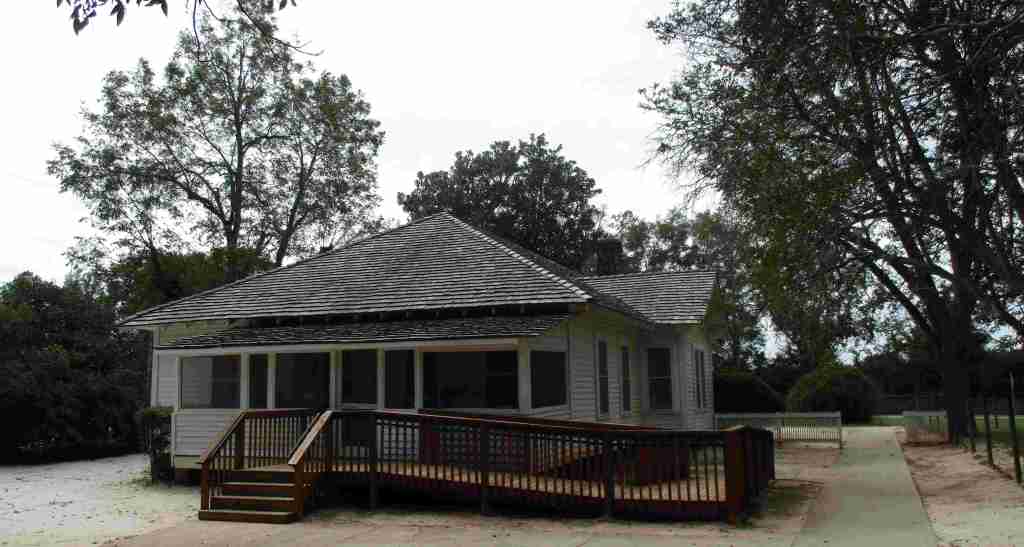
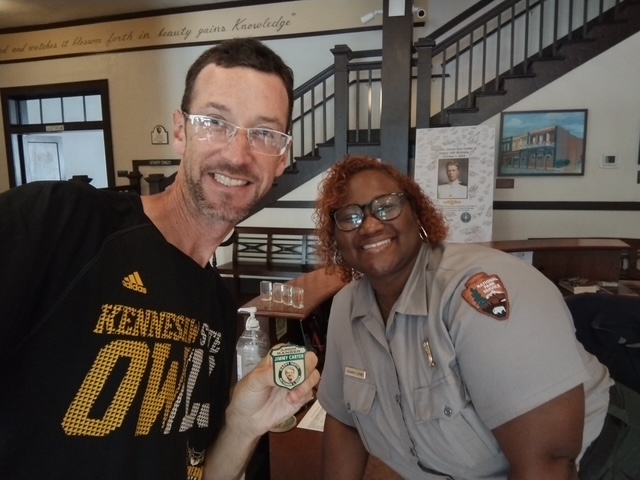
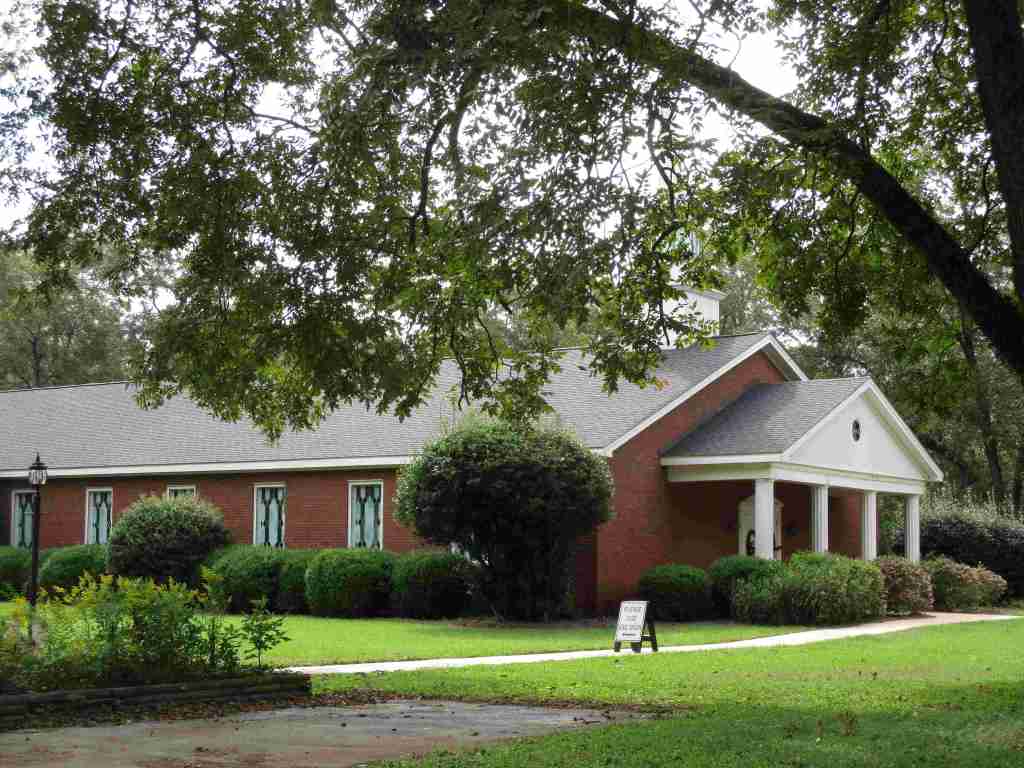
Jimmy Carter was the 39th U.S. President (1977-1981) and the first to reach the age of 100 before he passed away on December 29, 2024.  Following his presidency, he and his wife (Rosalynn) returned to their hometown of Plains and cemented their legacy as diplomats and humanitarians, mostly through their work with the Carter Center in Atlanta (he was awarded a Nobel Peace Prize in 2002).  Up until the end, Jimmy Carter taught Sunday school at Maranatha Baptist Church, which is open to the public.  The National Historical Park encompasses Jimmy’s boyhood farm, high school, and the old Plains railroad depot.  It also includes his residence since 1961, which continues to be closed but will eventually be turned into a museum by the National Park Service (NPS).  In July 2025, the Carter Gardens and Burial Site of Jimmy and Rosalynn Carter opened to the public.

Highlights

Plains High School, film, train depot, boyhood farm, burial site, Carter Gardens

Must-Do Activity

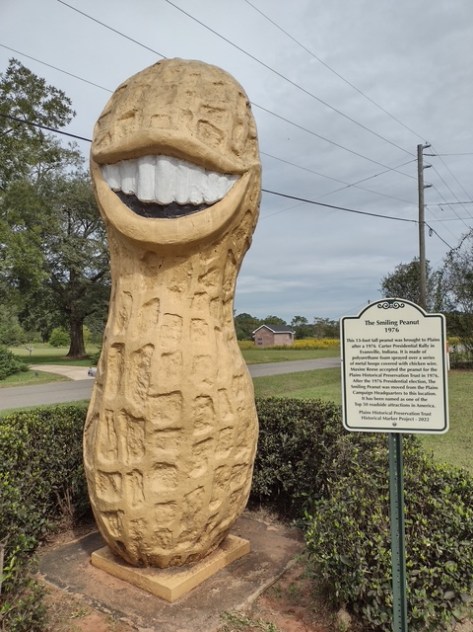
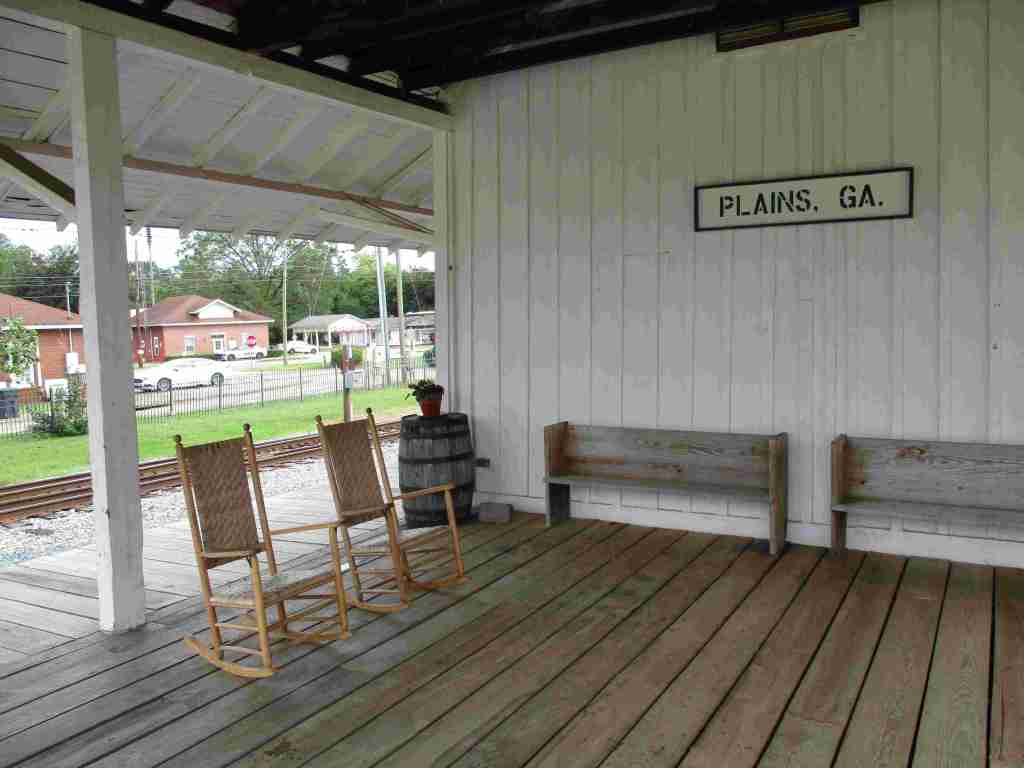
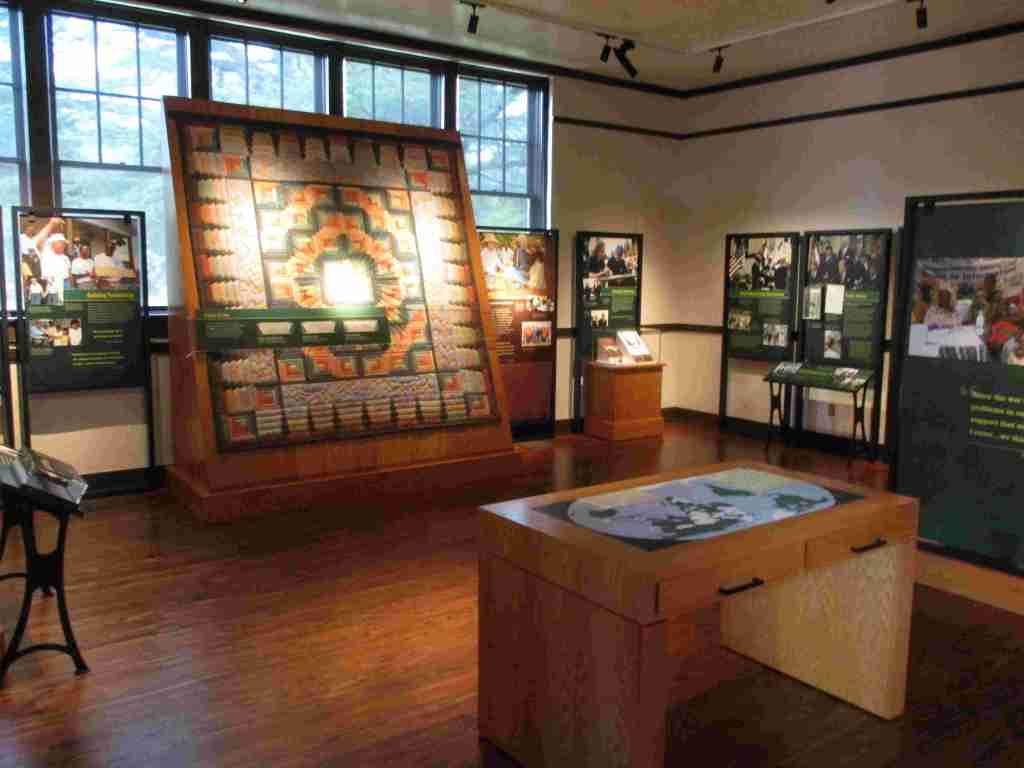
The best place to start a visit is the NPS visitor center and museum in the former Plains High School, which is full of artifacts and information on the Carters.  Next, drive or walk to the main street, where the train depot that shut down in 1951 was turned into Jimmy’s presidential campaign headquarters.  While downtown, check out the shops for souvenirs and try some boiled peanuts or soft-serve peanut-flavored ice cream.  There are several other sites of interest around Plains, including the boyhood home, burial site, Carter Gardens, Maranatha Baptist Church, and peanut statue (see Photographic Opportunity).

Best Trail

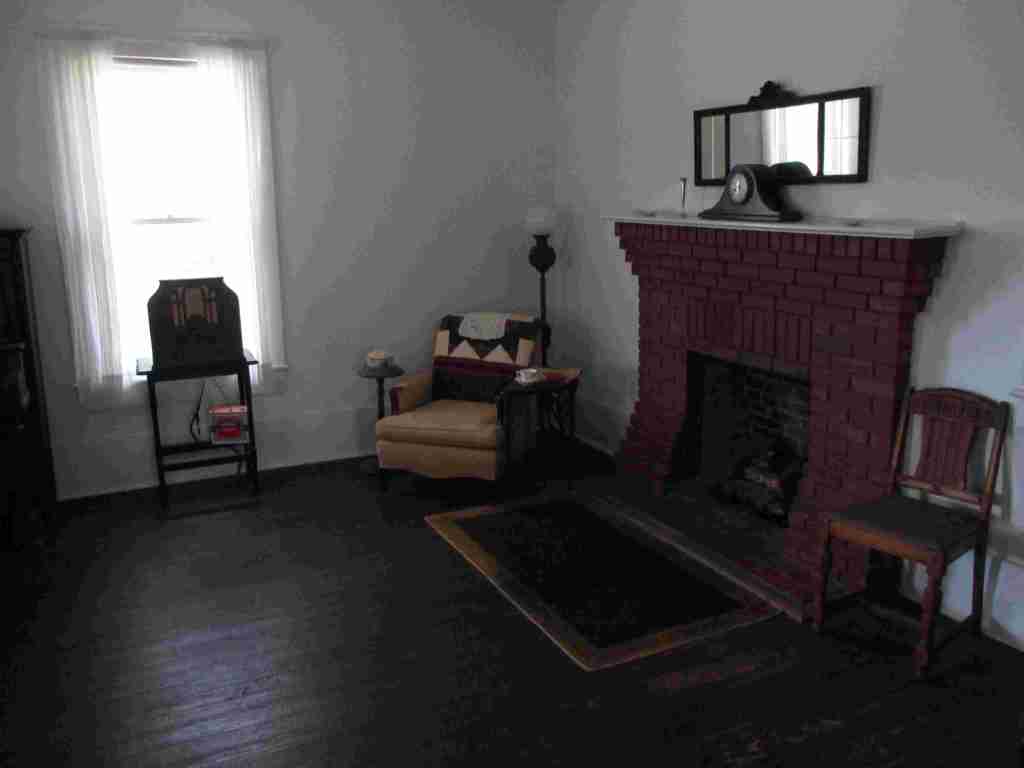
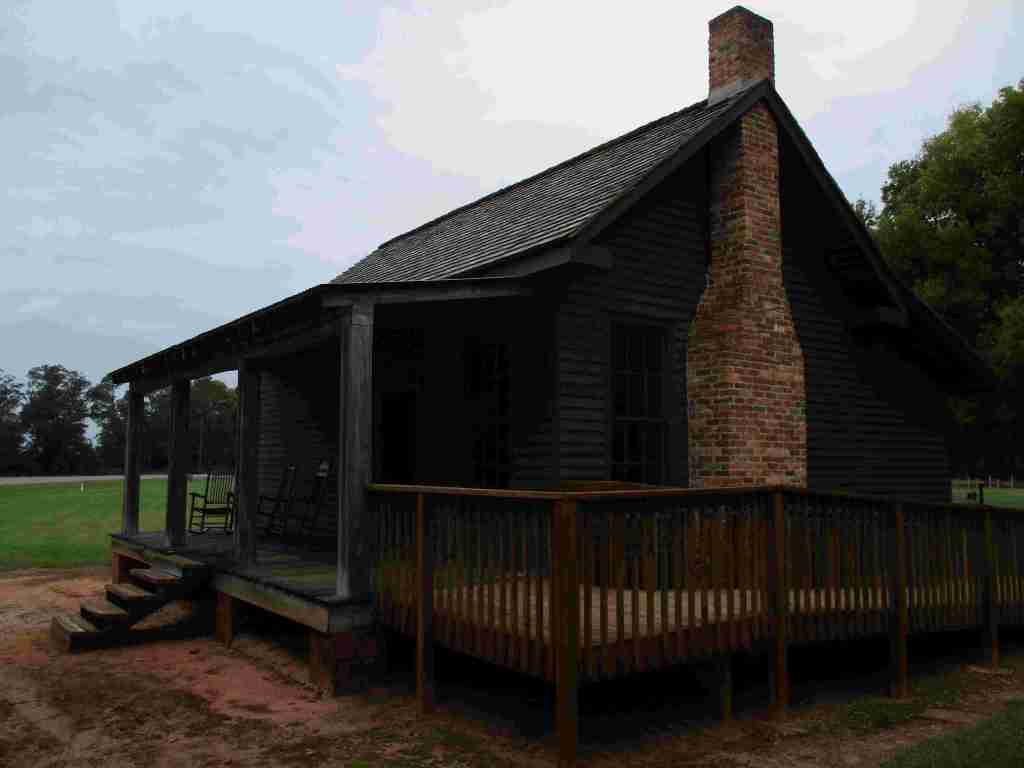
A half-mile trail winds through the boyhood farm where Jimmy lived starting at age four.  Farm animals and seasonal crops are raised here, including peanuts.  You can take a self-guided tour through his boyhood home, which was restored to its appearance before electricity was installed in 1938.

Photographic Opportunity

While not part of the official National Historical Park, when you drive up Buena Vista Road to see Maranatha Baptist Church, you pass the 13-foot-tall Jimmy Carter peanut statue built during the 1976 presidential election to support the former peanut farmer.

Peak Season

Spring and fall

Hours

https://www.nps.gov/jica/planyourvisit/hours.htm

Fees

None

Road Conditions

Paved parking is available at the high school, train depot, and boyhood farm (located about three miles west of town). 

Camping

About 30 miles away in each direction are campgrounds at Georgia Veterans State Park and Providence Canyon State Park (which is featured on a U-Haul super graphic). 

Related Sites

Andersonville National Historic Site (Georgia)

Cumberland Island National Seashore (Georgia)

Ocmulgee Mounds National Historical Park (Georgia)

Nearest National Park

Great Smoky Mountains

Explore More – According to an urban legend, why was a hole cut in the back of the Jimmy Carter peanut statue by the U.S. Secret Service?

George Washington Birthplace National Monument

George Washington Birthplace National Monument

Virginia

Managed by National Park Service

Established 1930

662 acres

Website: nps.gov/gewa

Overview

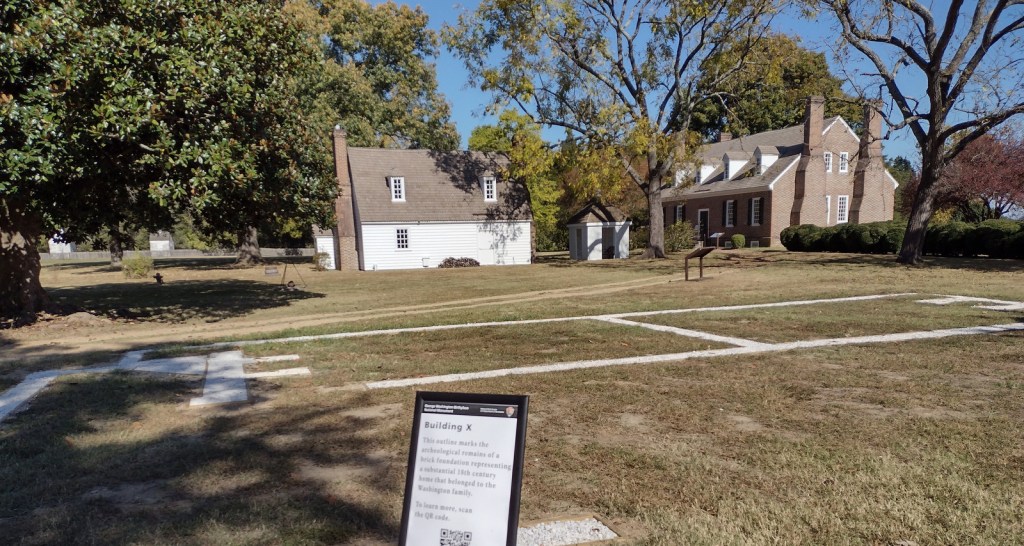
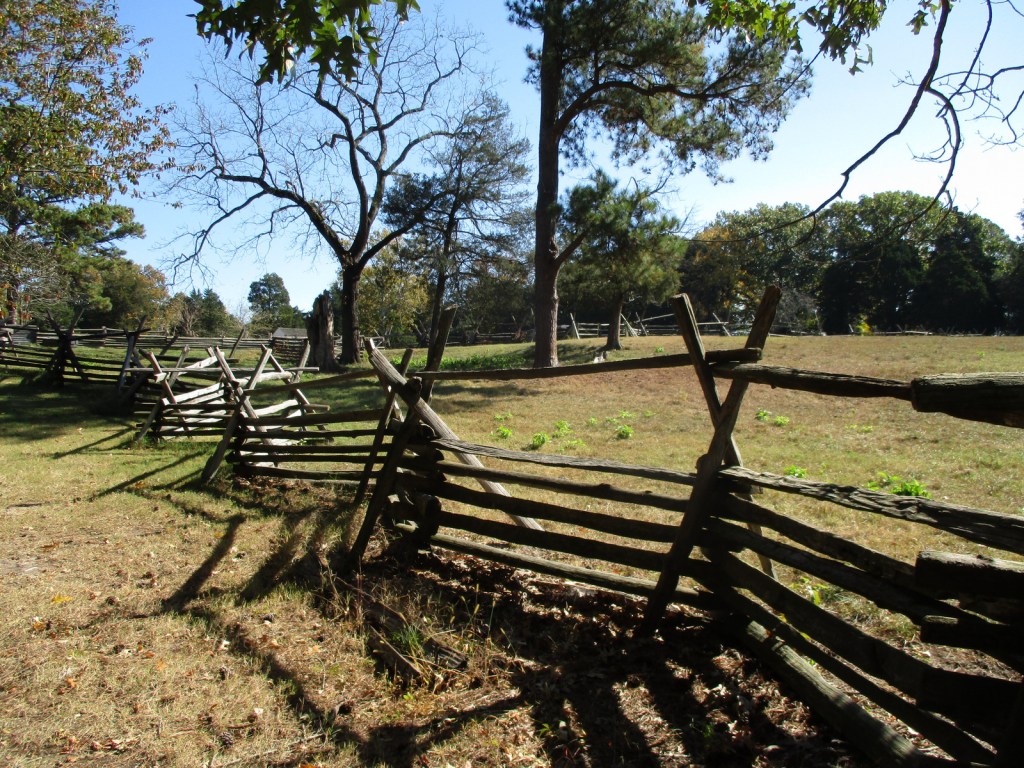
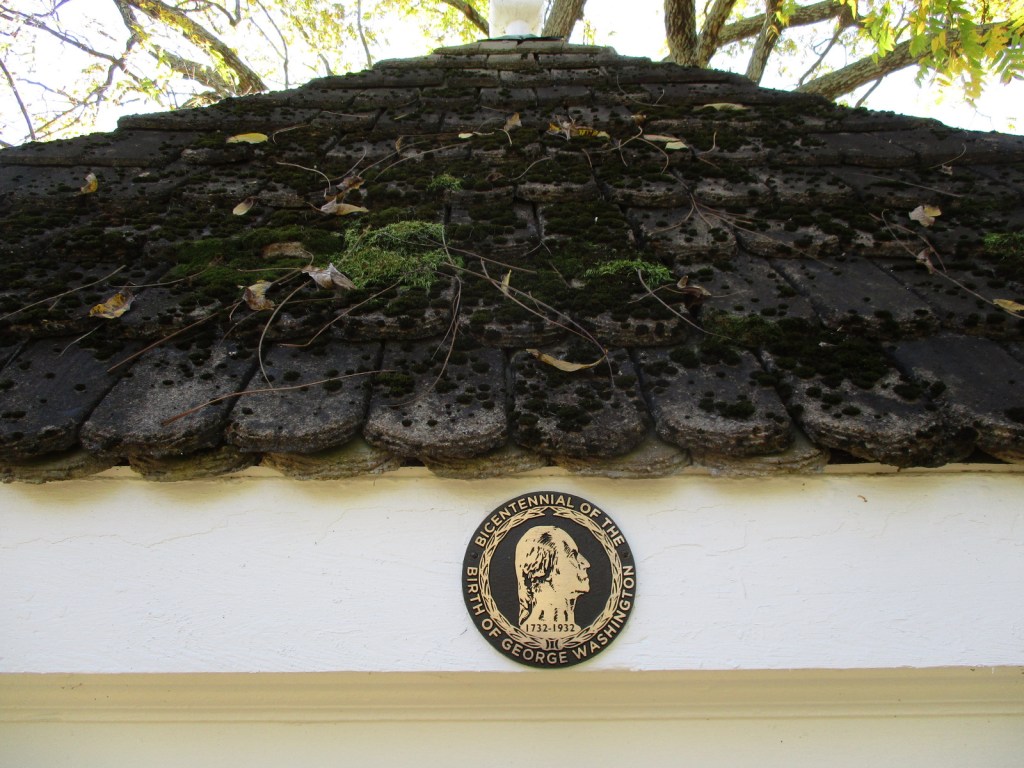
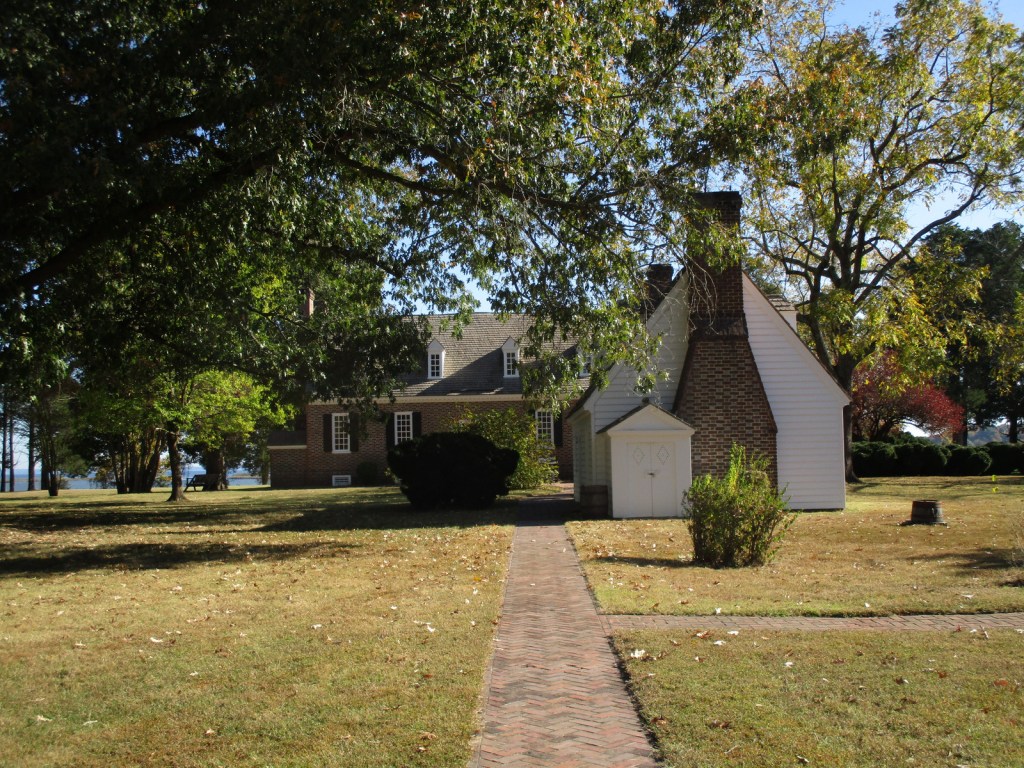
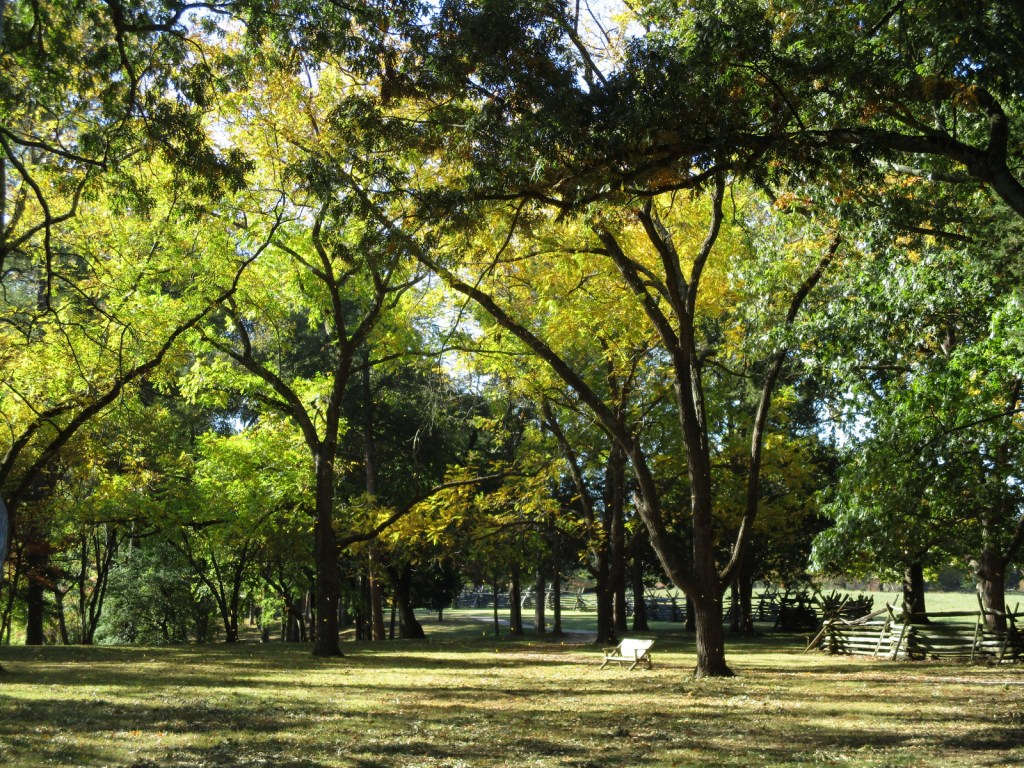
George Washington’s great-grandfather John first came to Virginia in 1657 and later settled this slave plantation on Popes Creek.  The future general and president was born on the property in 1732 in a house that burned down whose foundation is now outlined in the ground by crushed oyster shells.  The current Memorial House was constructed to celebrate the bicentennial of his birth, although the architect had no idea of the original house’s layout.  Those interested in the first U.S. President should combine this free tour with an expensive visit to his mansion at Mount Vernon located 68 miles north. 

Learn more about the other 137 National Monuments in our newest travel guidebook Monumental America: Your Guide to All 138 National Monuments.  It is now available for sale on Amazon.com.

Highlights

Memorial Obelisk, film, Memorial House, Family Burial Ground, Nature Trail, Dancing Marsh Loop Trail

Must-Do Activity

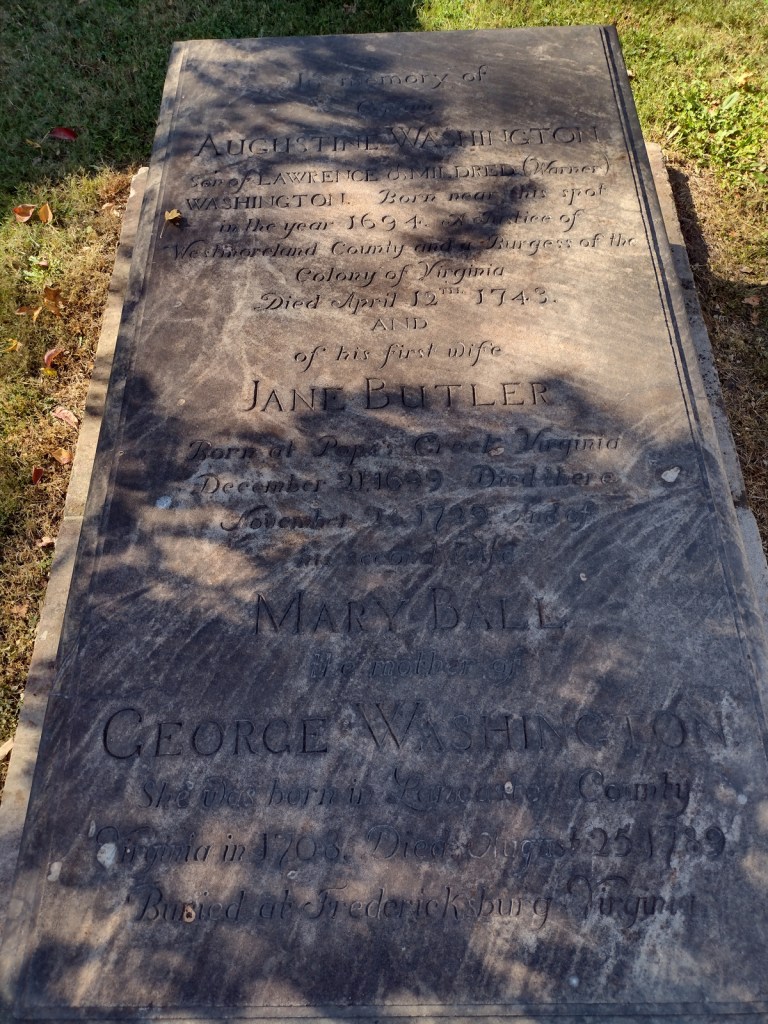
After passing the Memorial Obelisk on the drive in, your first stop should be the visitor center to watch the 15-minute film, see artifacts from the burned-down house, and find out about a tour.  The hour-long ranger-guided walking tour covers about a half-mile on a gravel pathway to the Memorial House with frequent interpretive stops.  In the summer, the house also has open hours for dropping in before and after the tour.  There may be living history demonstrations at the colonial herb and flower garden, farm workshop, and colonial revival kitchen.  It is worth a short drive to the tidewater beach on the Potomac River and a stop along the way at the Washington Family Burial Ground that has replicas of gravestones.

Best Trail

From the Memorial House, it is less than a mile to walk Dancing Marsh Loop Trail including open views on the footbridge across Popes Creek and the boardwalk through the marsh.  This trail connects with the one-mile Nature Trail loop for a longer walk, and that is also accessible from the picnic area parking lot.

Photographic Opportunity

Originally constructed in 1896 by the War Department on the site where Memorial House now stands, the 50-foot-tall Memorial Obelisk is made of Vermont granite at one-tenth scale of the Washington Monument 70 miles to the north in Washington, D.C.

Peak Season

Spring and fall

Hours

https://www.nps.gov/gewa/planyourvisit/hours.htm

Fees

None

Road Conditions

All roads are paved, but be aware there is a toll to cross the bridge into Virginia on Highway 301 southbound from Maryland. 

Camping

There is no camping at the National Monument, so the nearest campground is seven miles southeast at Westmoreland State Park, which offers RV sites with hookups.

Related Sites

Washington Monument (District of Columbia)

Valley Forge National Historical Park (Pennsylvania)

Colonial National Historical Park (Virginia)

Nearest National Park

Shenandoah

Explore More – How many generations of George Washington’s forebears are buried on the property?

Learn more about this and the other 137 National Monuments in our book Monumental America: Your Guide to All 138 National Monuments