Tag Archives: cemetery

George Washington Birthplace National Monument

George Washington Birthplace National Monument

Virginia

Managed by National Park Service

Established 1930

662 acres

Website: nps.gov/gewa

Overview

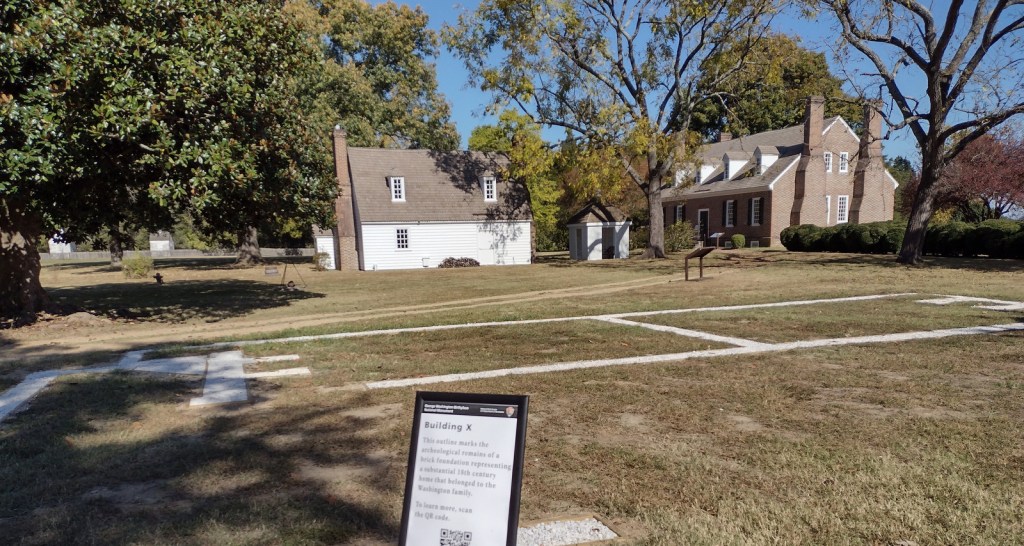
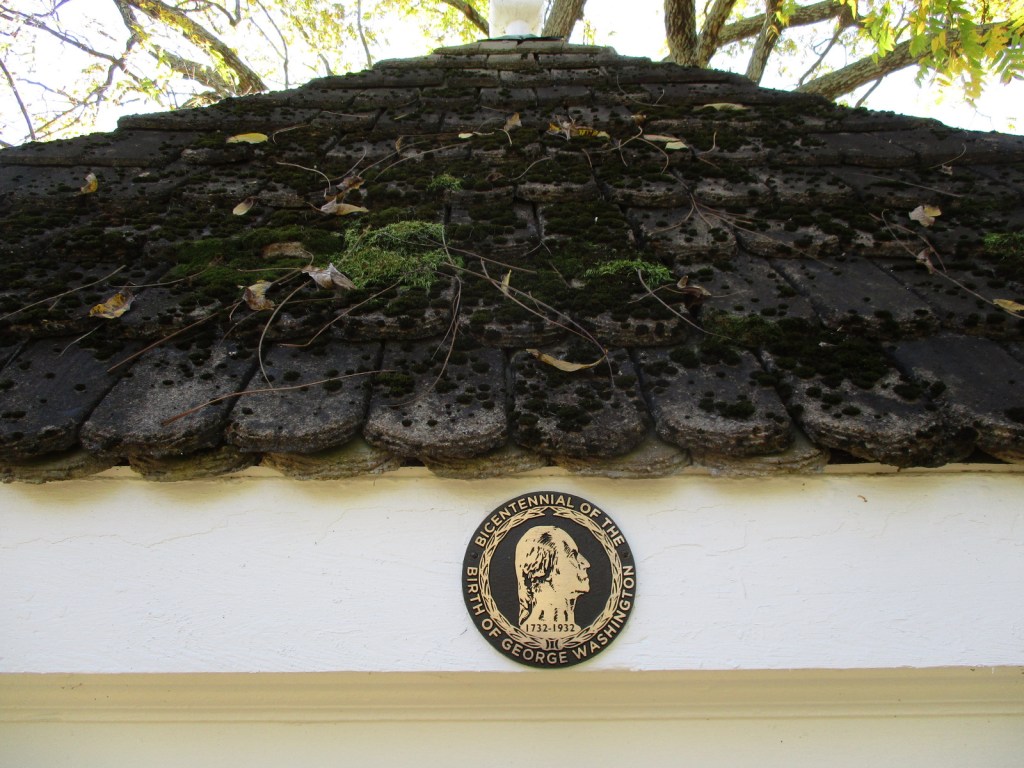
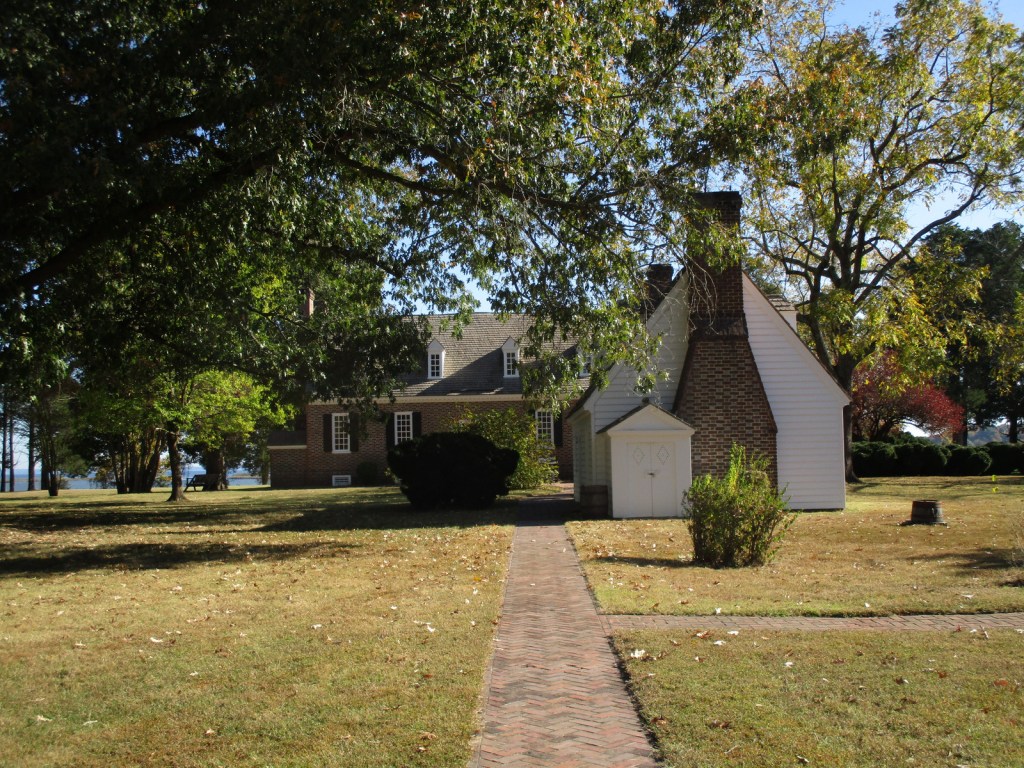
George Washington’s great-grandfather John first came to Virginia in 1657 and later settled this slave plantation on Popes Creek.  The future general and president was born on the property in 1732 in a house that burned down whose foundation is now outlined in the ground by crushed oyster shells.  The current Memorial House was constructed to celebrate the bicentennial of his birth, although the architect had no idea of the original house’s layout.  Those interested in the first U.S. President should combine this free tour with an expensive visit to his mansion at Mount Vernon located 68 miles north. 

Learn more about the other 137 National Monuments in our newest travel guidebook Monumental America: Your Guide to All 138 National Monuments.  It is now available for sale on Amazon.com.

Highlights

Memorial Obelisk, film, Memorial House, Family Burial Ground, Nature Trail, Dancing Marsh Loop Trail

Must-Do Activity

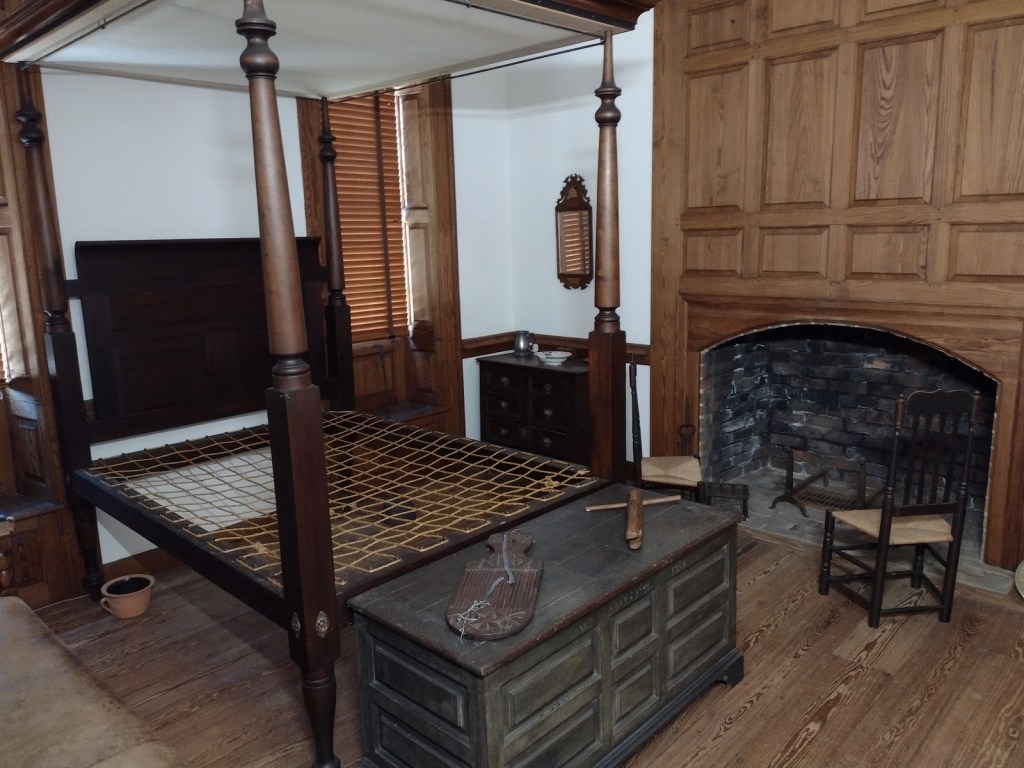
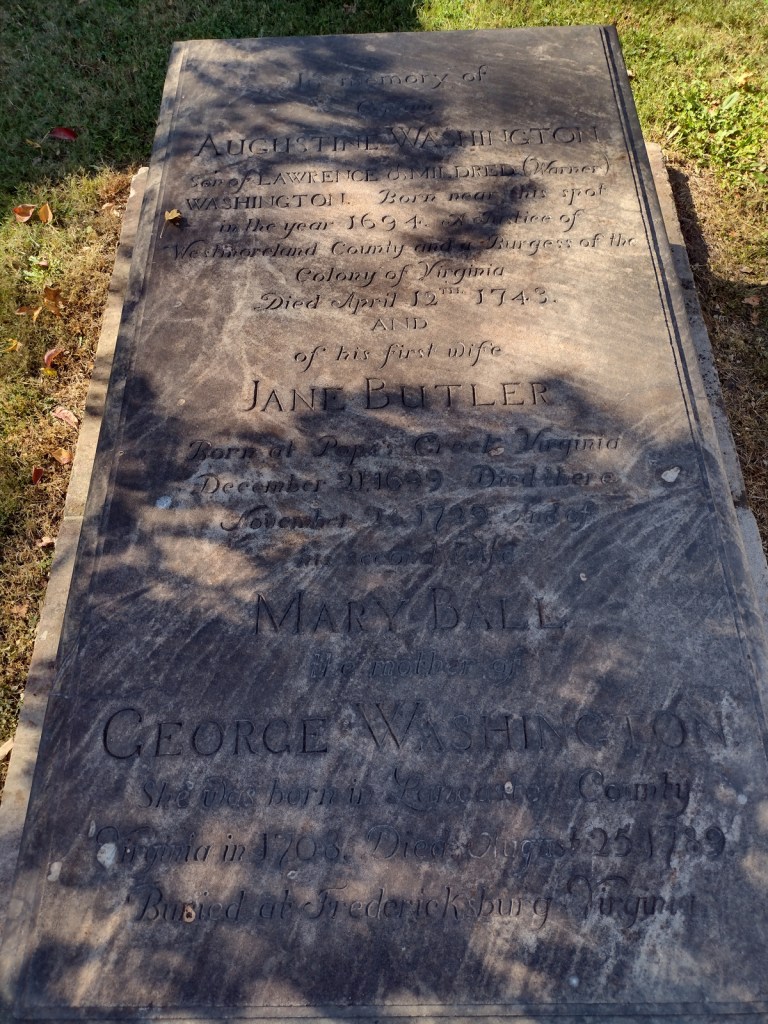
After passing the Memorial Obelisk on the drive in, your first stop should be the visitor center to watch the 15-minute film, see artifacts from the burned-down house, and find out about a tour.  The hour-long ranger-guided walking tour covers about a half-mile on a gravel pathway to the Memorial House with frequent interpretive stops.  In the summer, the house also has open hours for dropping in before and after the tour.  There may be living history demonstrations at the colonial herb and flower garden, farm workshop, and colonial revival kitchen.  It is worth a short drive to the tidewater beach on the Potomac River and a stop along the way at the Washington Family Burial Ground that has replicas of gravestones.

Best Trail

From the Memorial House, it is less than a mile to walk Dancing Marsh Loop Trail including open views on the footbridge across Popes Creek and the boardwalk through the marsh.  This trail connects with the one-mile Nature Trail loop for a longer walk, and that is also accessible from the picnic area parking lot.

Photographic Opportunity

Originally constructed in 1896 by the War Department on the site where Memorial House now stands, the 50-foot-tall Memorial Obelisk is made of Vermont granite at one-tenth scale of the Washington Monument 70 miles to the north in Washington, D.C.

Peak Season

Spring and fall

Hours

https://www.nps.gov/gewa/planyourvisit/hours.htm

Fees

None

Road Conditions

All roads are paved, but be aware there is a toll to cross the bridge into Virginia on Highway 301 southbound from Maryland. 

Camping

There is no camping at the National Monument, so the nearest campground is seven miles southeast at Westmoreland State Park, which offers RV sites with hookups.

Related Sites

Washington Monument (District of Columbia)

Valley Forge National Historical Park (Pennsylvania)

Colonial National Historical Park (Virginia)

Nearest National Park

Shenandoah

Explore More – How many generations of George Washington’s forebears are buried on the property?

Learn more about this and the other 137 National Monuments in our book Monumental America: Your Guide to All 138 National Monuments

Brices Cross Roads National Battlefield Site

Brices Cross Roads National Battlefield Site

Mississippi

Managed by National Park Service

Established 1929

1 acre

Website: nps.gov/brcr

Overview

During General Sherman’s “march to the sea” in 1864, he dispatched troops under Brigadier General Samuel D. Sturgis to northern Mississippi to protect the 151-mile Nashville & Chattanooga Railroad line from Major General Nathan Bedford Forrest’s Confederate cavalry.  The two sides clashed on June 10 at this site in northern Mississippi, when a larger Union force of 8,100 men was routed by 3,500 Confederates.  However, Sherman’s supply line remained intact during his march towards Atlanta.

Highlights

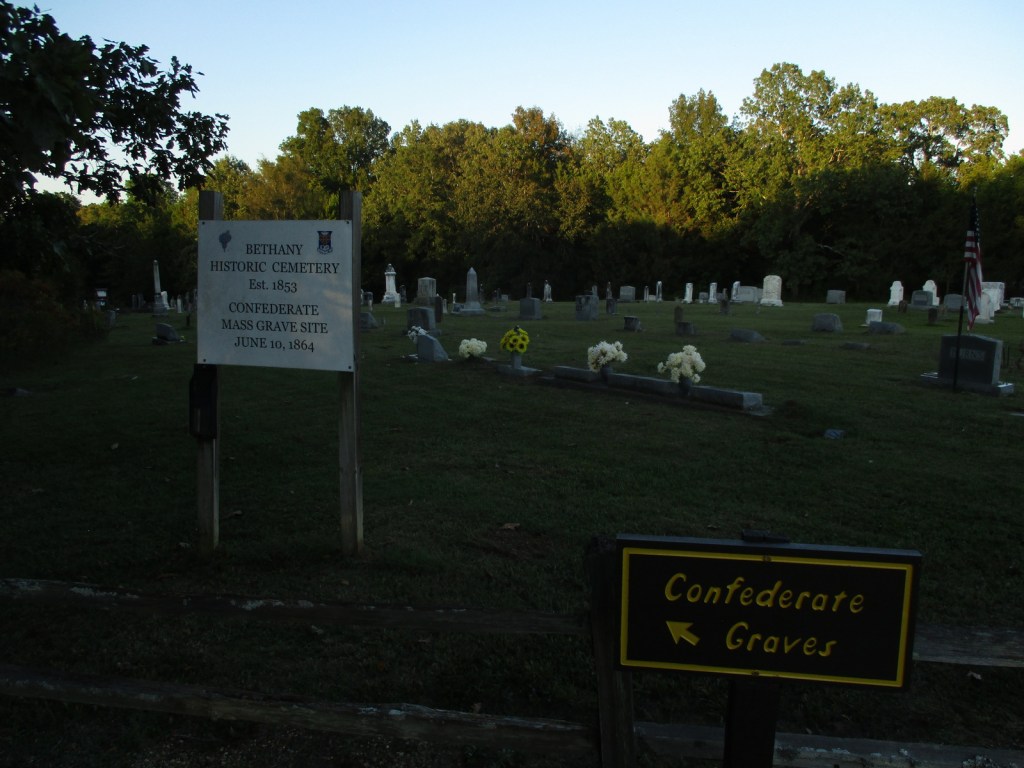
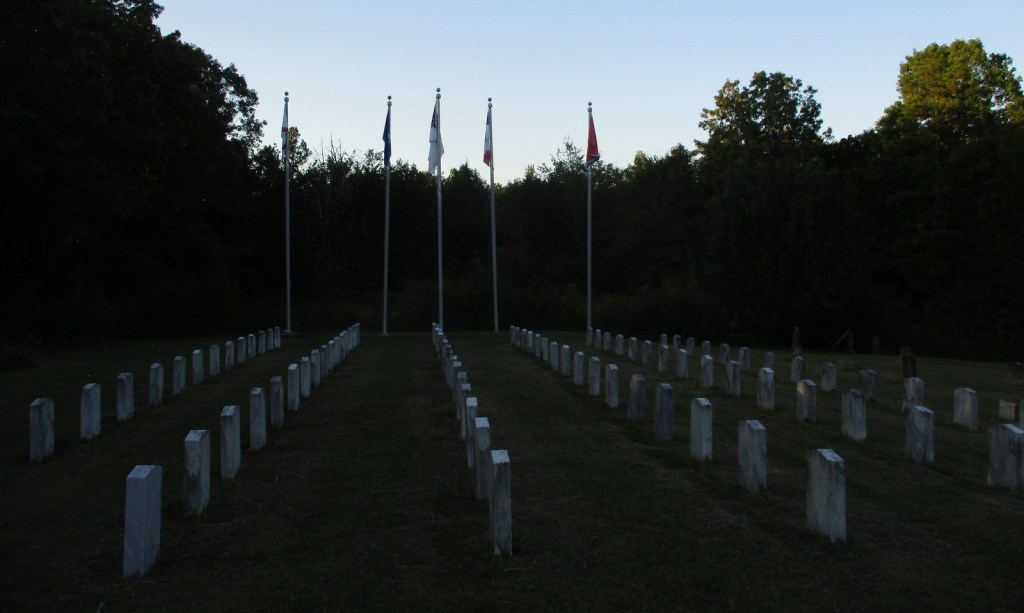
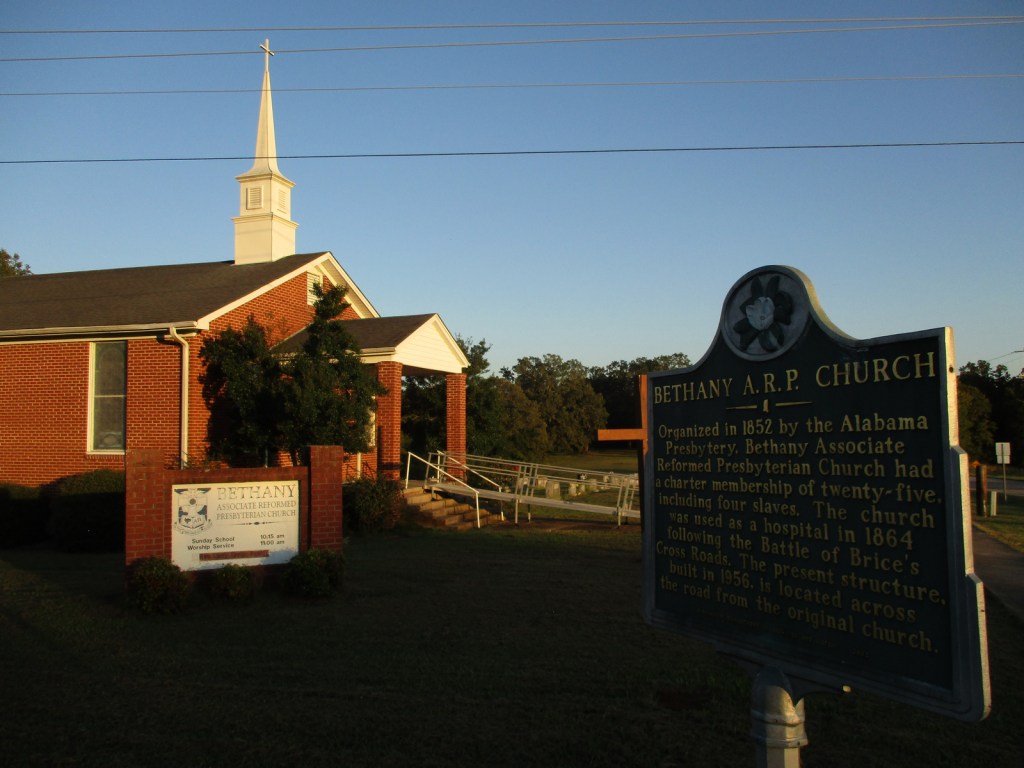
Bethany Church Cemetery, Mississippi Final Stands Interpretive Center

Must-Do Activity

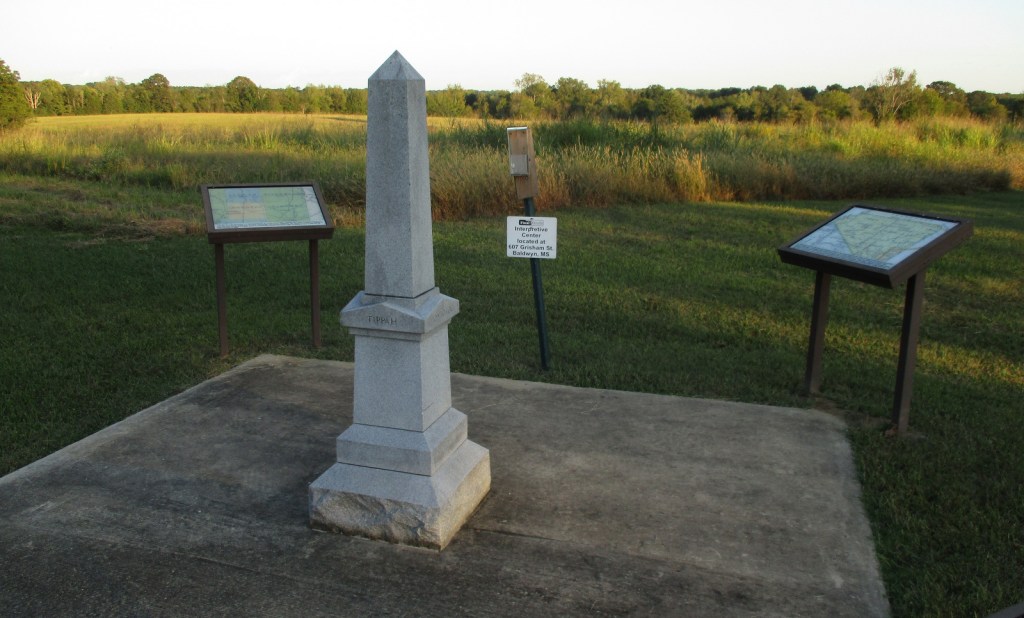
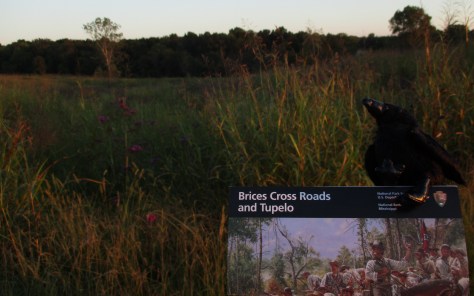
The National Park Service site here is tiny with no facilities and only a couple interpretive signs, but a local battlefield commission owns 1,400 acres with walking trails.  The nearby Mississippi Final Stands Interpretive Center is located five miles east of the battlefield in Baldwyn.  For a passport stamp, stop at the Natchez Trace Parkway visitor center outside Tupelo.  We arrived at Brices Cross Roads National Battlefield Site near sunset, but we were still able to explore the small park at the four-way stop at the crossroads of Highway 370. 

Best Trail

A local battlefield commission owns 1,400 acres with miles of walking trails, with the longest located at Log Cabin Knoll.

Instagram-worthy Photo

A monument was erected where the Brice home once stood, used as a place to treat the wounded of both armies during the battle.

Peak Season

Spring and fall

Hours

The Battlefield Site is never closed, but Mississippi Final Stands Interpretive Center is closed every Sunday, Monday, and most holidays.

Fees

None for Brices Cross Roads National Battlefield Site, but $7 per person at Mississippi Final Stands Interpretive Center.

Road Conditions

Park on the shoulder of the paved highway to access the site.

Camping

J.P. Coleman State Park is located east of Corinth and Tombigbee State Park is near Tupelo.

Related Sites

Holly Springs National Forest (Mississippi)

Tupelo National Battlefield (Mississippi)

Shiloh National Military Park (Tennessee-Mississippi)

Explore More – Who was the Colonel that commanded several regiments of United States Colored Troops (USCT) instrumental in the defensive actions that protected the Union Army’s retreat across the Tishomingo River?

Amache National Historic Site

Amache National Historic Site

Colorado

Managed by National Park Service

Established 2024

410 acres

Website: nps.gov/amch

Overview

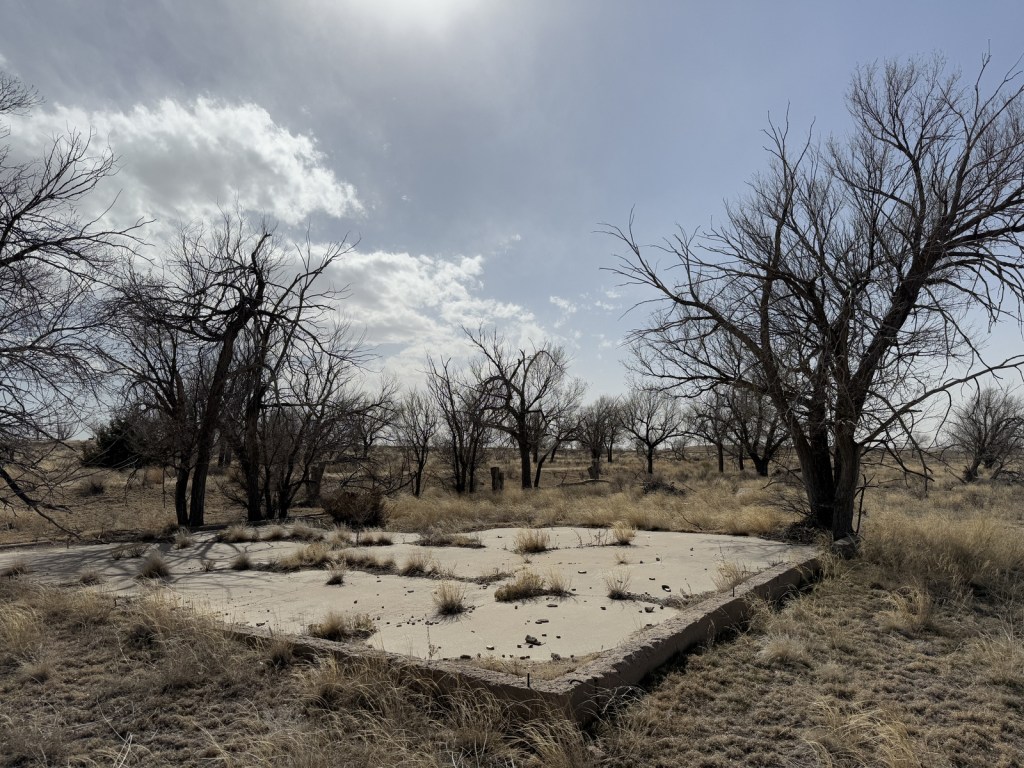
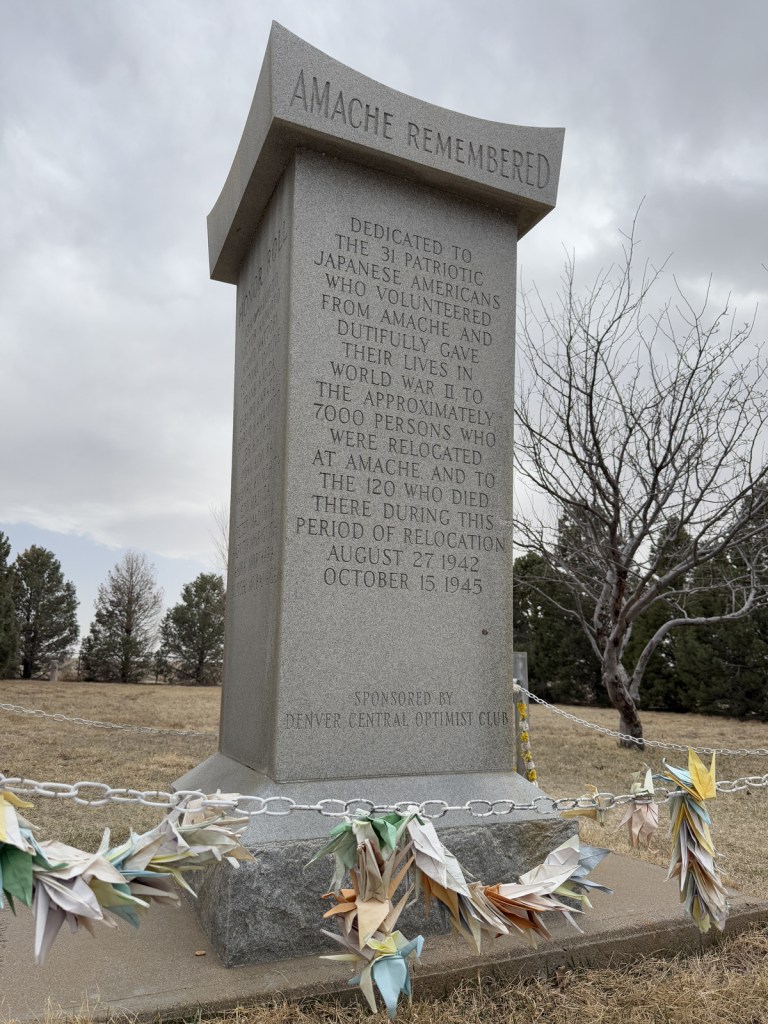
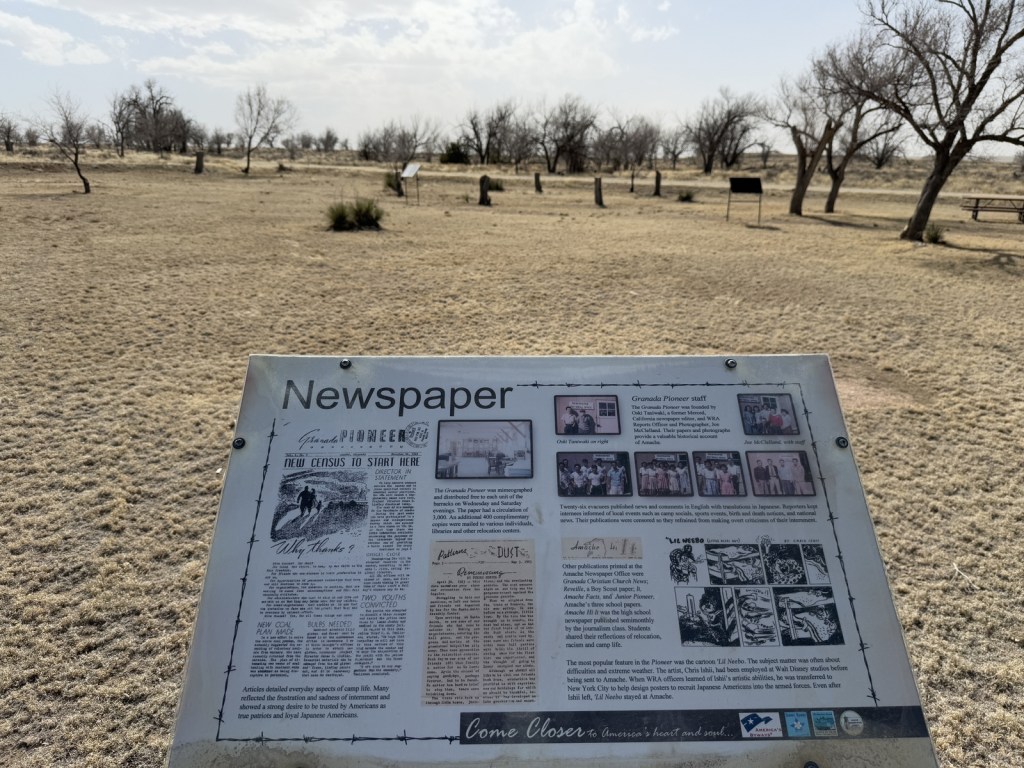
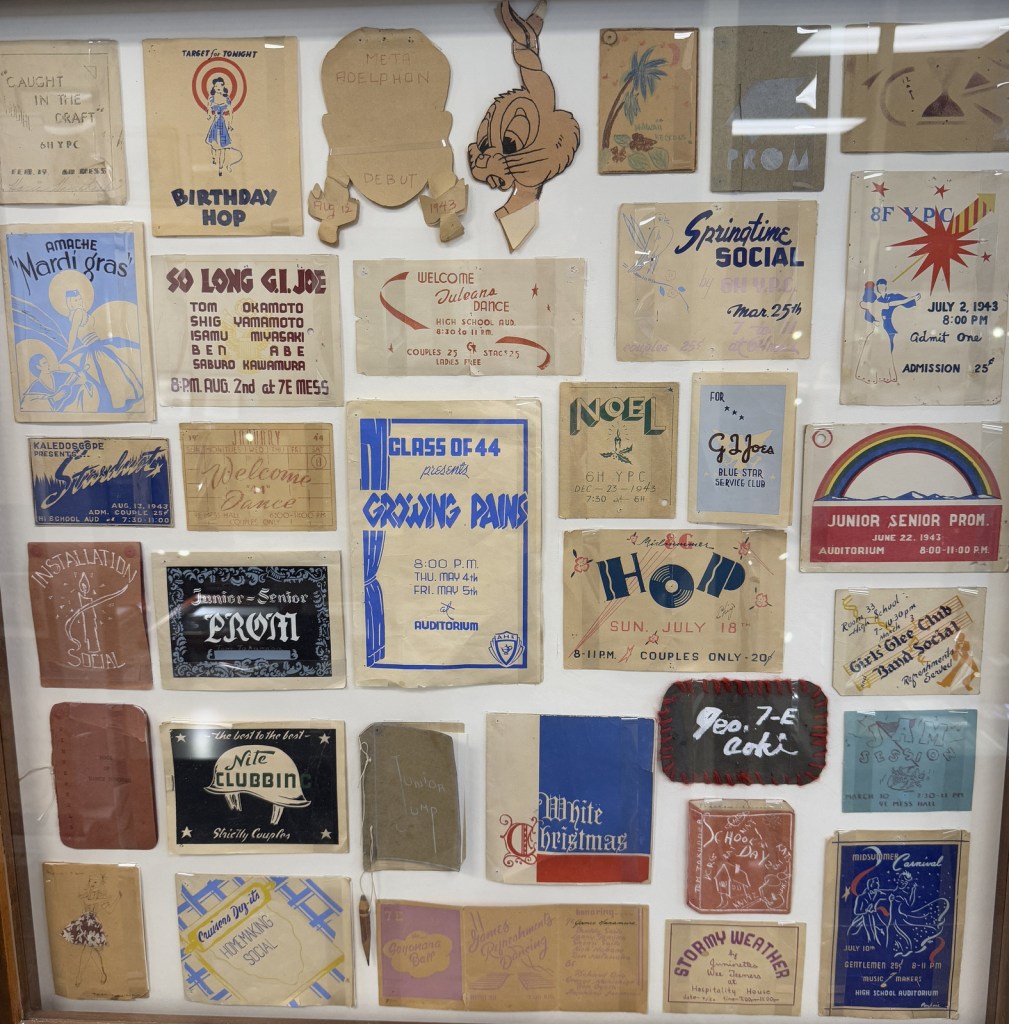
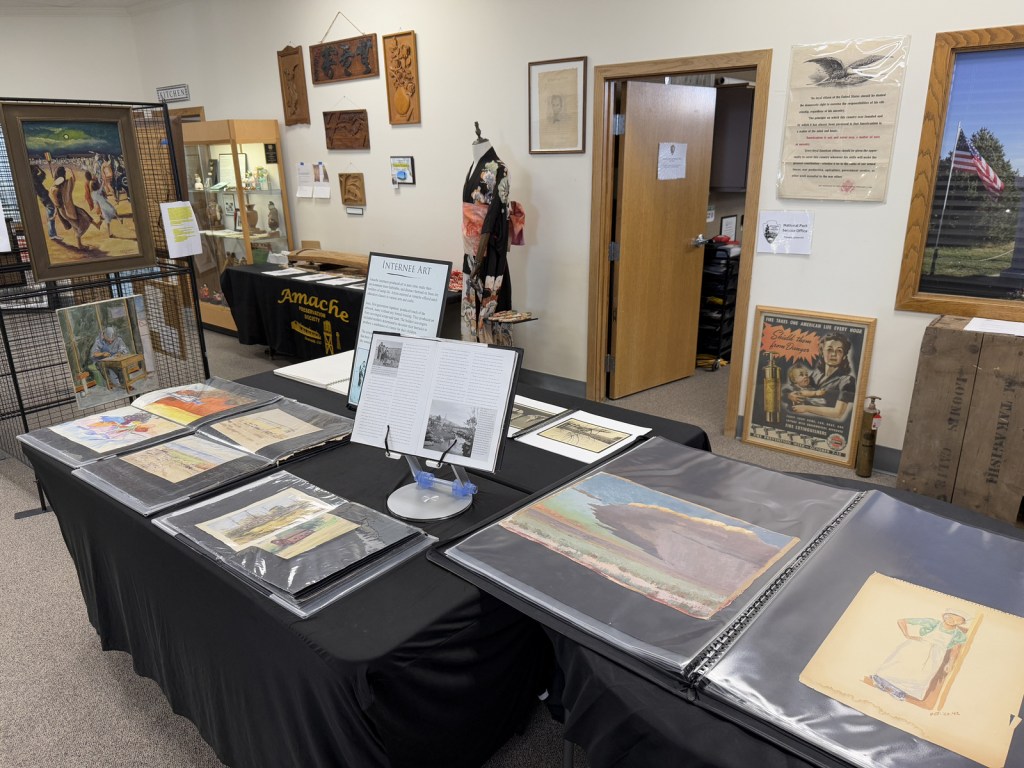
Added to the National Park Service (NPS) system on February 15, 2024, Amache National Historic Site is the fifth unit dedicated to remembering the sad story of the forced internment of 110,000 Japanese-Americans during World War II.  Operated between 1942 and 1945, at its peak the Granada Relocation Center in southeast Colorado housed 7,310 incarcerees making it the state’s tenth largest city at the time.  Although it does not have a visitor center, the site of the internment camp is more developed than other new NPS sites since it was previously added to the National Register of Historic Places in 1994 and then designated a National Historic Landmark in 2006.  Learn more about the history of these camps by checking out the Related Sites below and watching some of our Top 10 World War II Films or reading one of the Top 10 World War Novels

Highlights

Amache Museum, water tower, barracks, guard tower, cemetery, Recreation Hall

Must-Do Activity

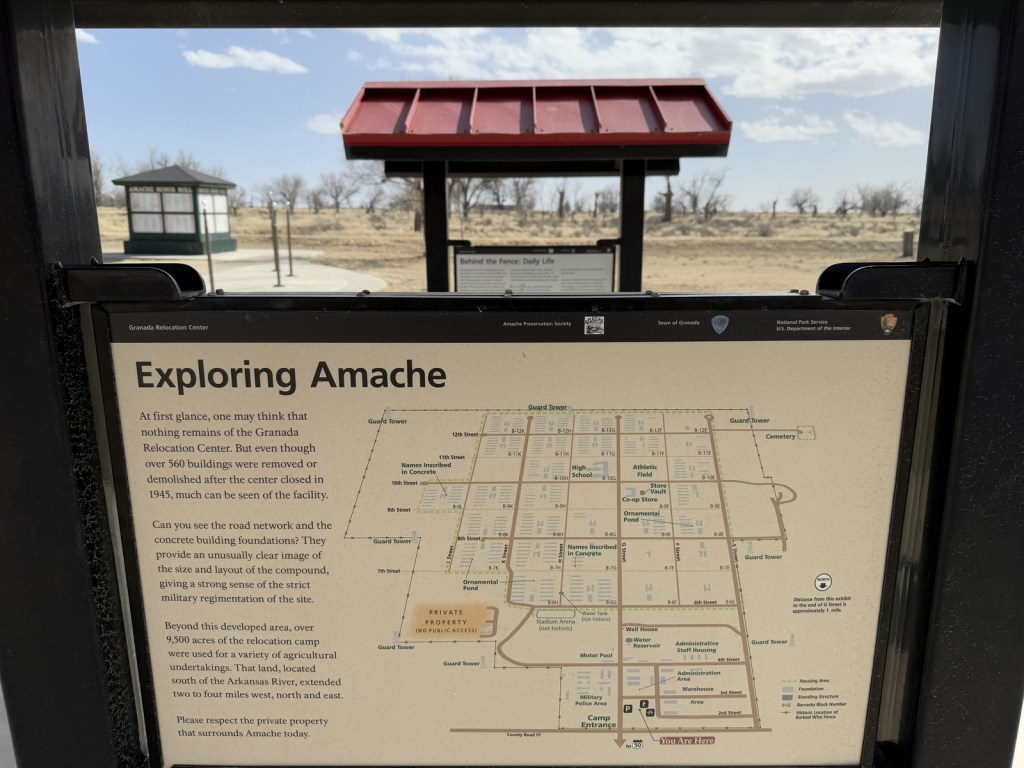
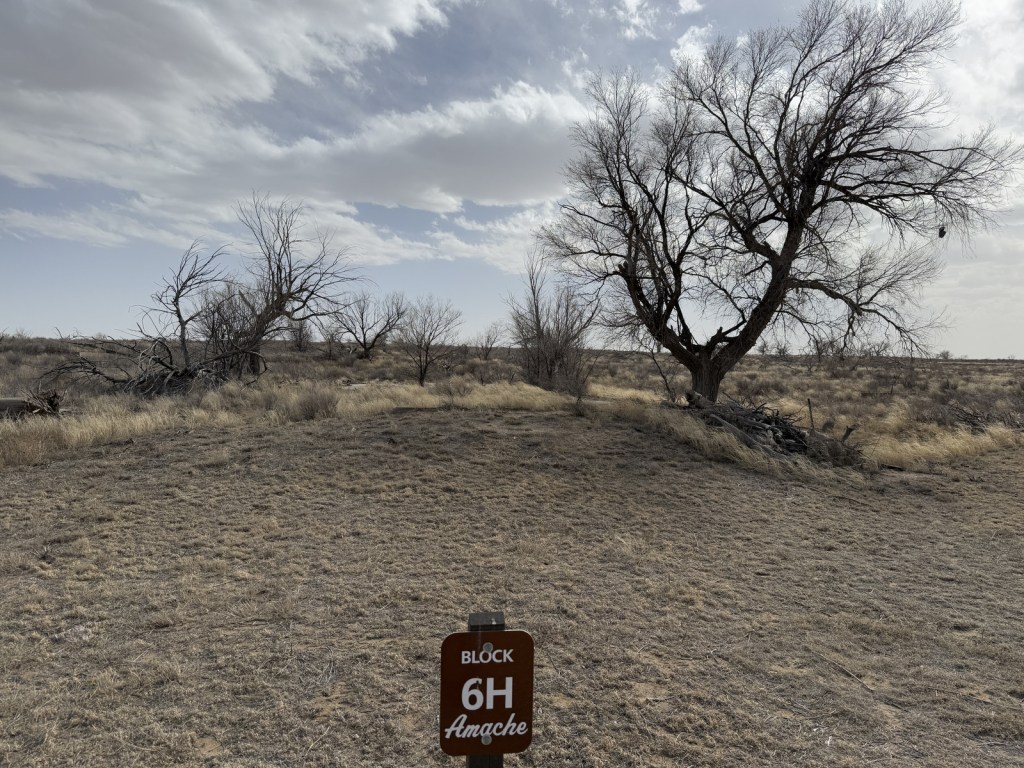
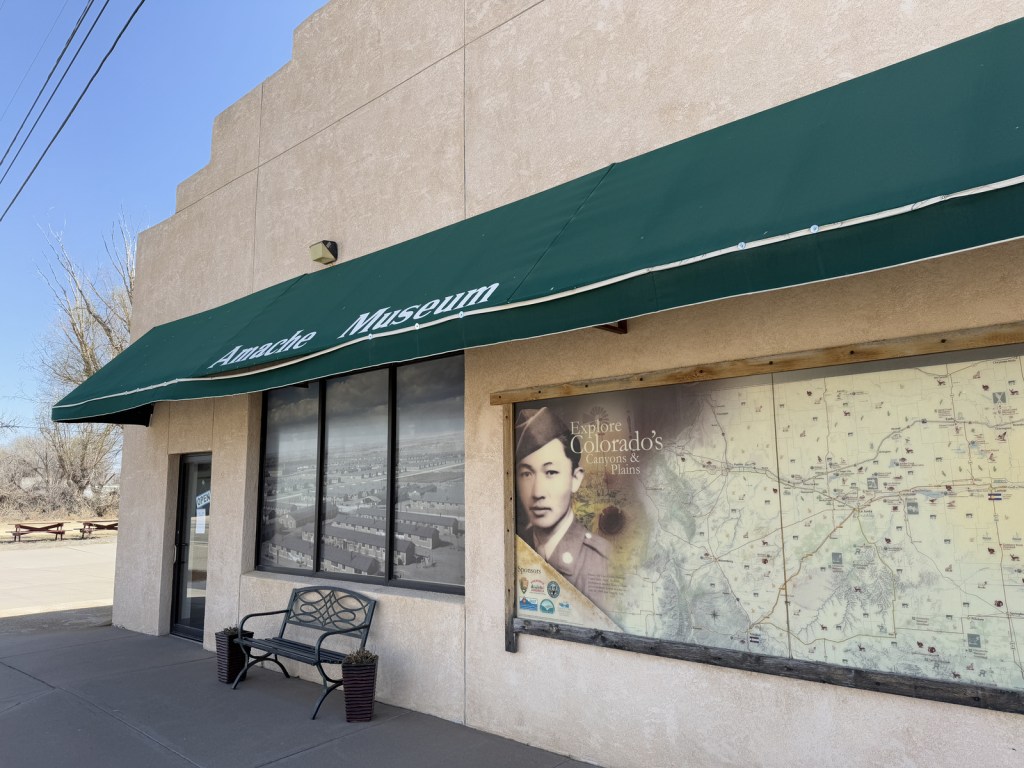
Start at the excellent Amache Museum in Granada, which is run by local high school students and has free admission (donations accepted).  Be sure to pick up a map of the driving tour or visit the website (https://amache.org/driving-tour-map-podcasts) to listen to the audio recordings at each stop (there is smartphone coverage on site).  Drive the route in order or skip around, but make it a point to see Stop 4 (guard tower and barracks), Stop 8 (cemetery), and the Rec Hall.  Starting in June 2025, ranger-led tours will be offered at 10 a.m. on the first and third Friday of the summer months.

Best Trail

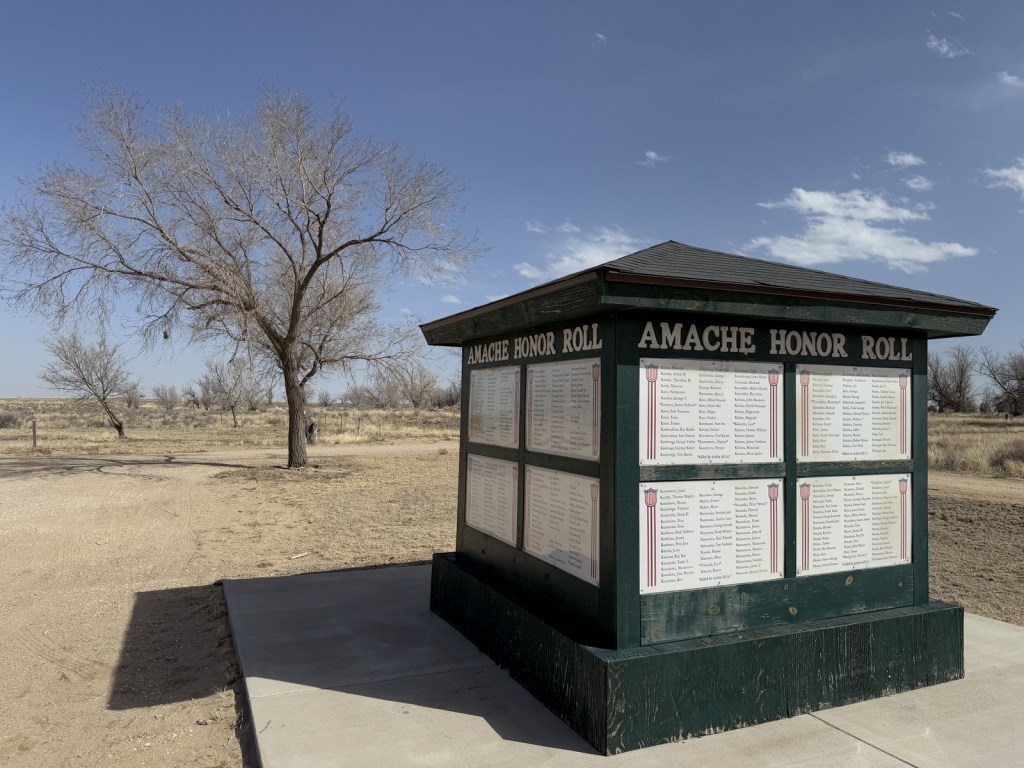
There is a short loop trail with many interpretive signs at the picnic area when you first arrive at the site by the Honor Roll square structure.  There is also an off-trail walk to the old koi pond at Stop 2 that you can navigate if you listen to the directions on the audio recordings.

Photographic Opportunity

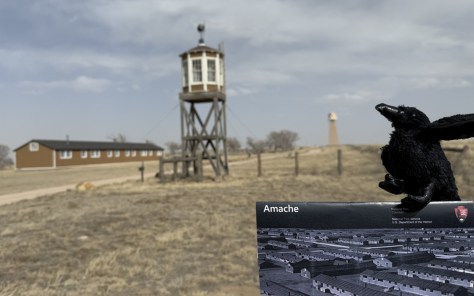
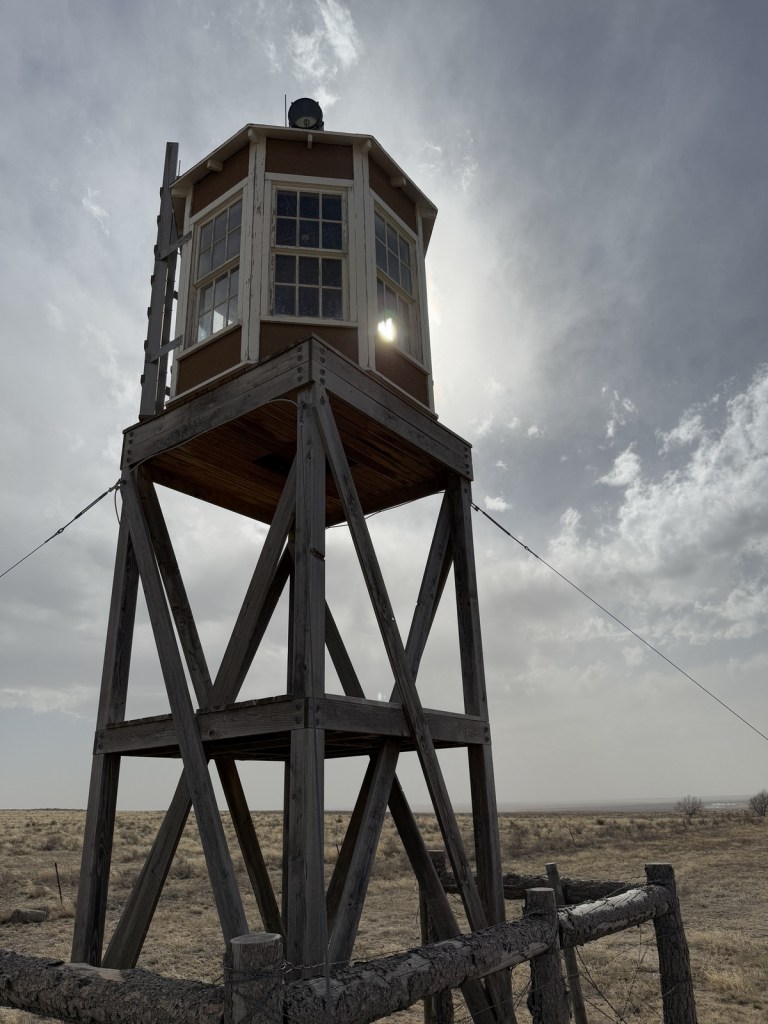
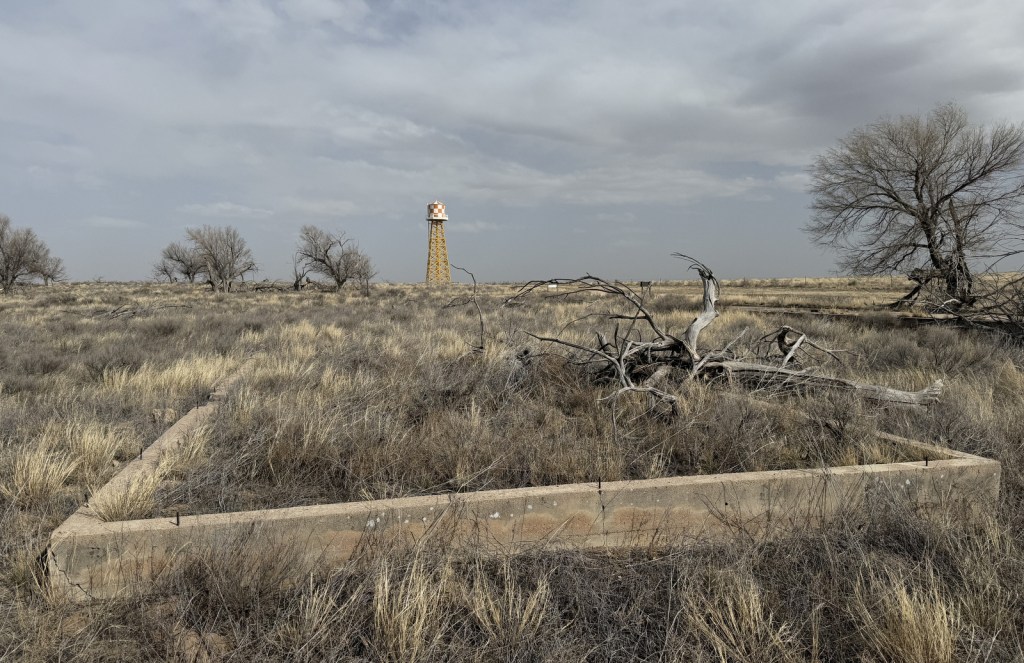
The reconstructed barracks and guard tower at the south end of the site are two of the only structures standing above the open prairie.  They are near the water tower, which is worth a short detour to see.

Peak Season

Spring and fall

Hours

https://www.nps.gov/amch/planyourvisit/basicinfo.htm

Amache Museum: https://amache.org/visitor-information/

Fees

None; donations accepted at Amache Museum

Road Conditions

Roads through the site are gravel, but they seemed to be in good condition and seemingly passable even when wet.

Camping

Most of the southeast corner of Colorado is privately-owned agriculture land, so to find dispersed camping drive to Comanche National Grassland or Cimarron National Grassland.

Related Sites

Manzanar National Historic Site (California)

Tule Lake National Monument (California)

Minidoka National Historic Site (Idaho)

Nearest National Park

Great Sand Dunes

Explore More – Most of the 10,000 acres dedicated to Granada Relocation Center was for agriculture, so how many acres were used for residential and administrative buildings?

Springfield 1908 Race Riot National Monument

Springfield 1908 Race Riot National Monument

Illinois

Managed by National Park Service

Established 2024

1.57 acres

Website: nps.gov/spra

Overview

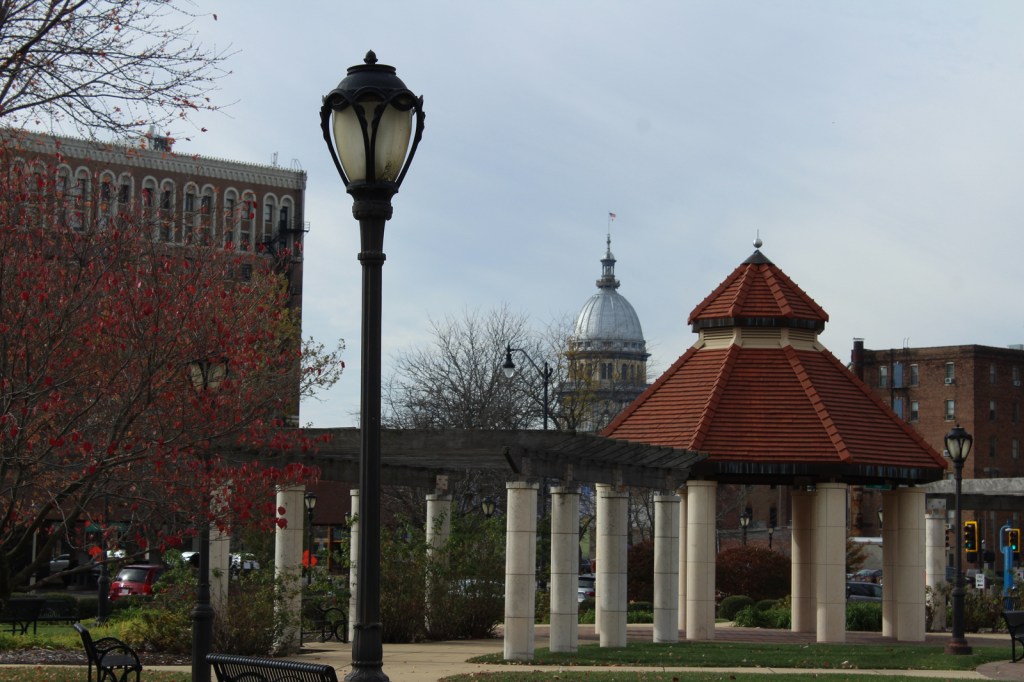
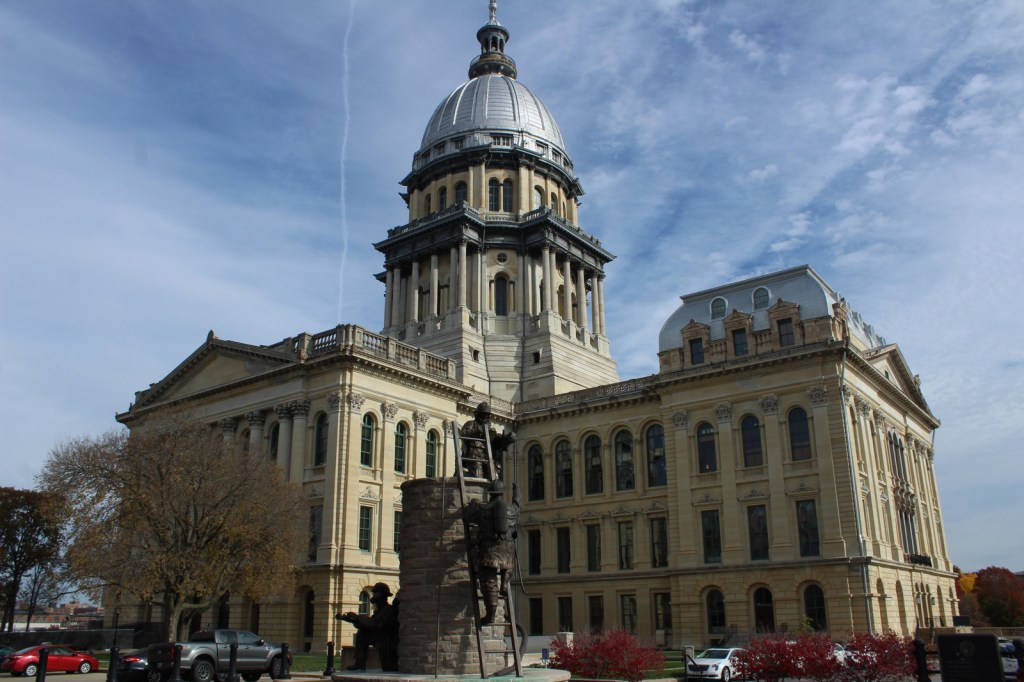
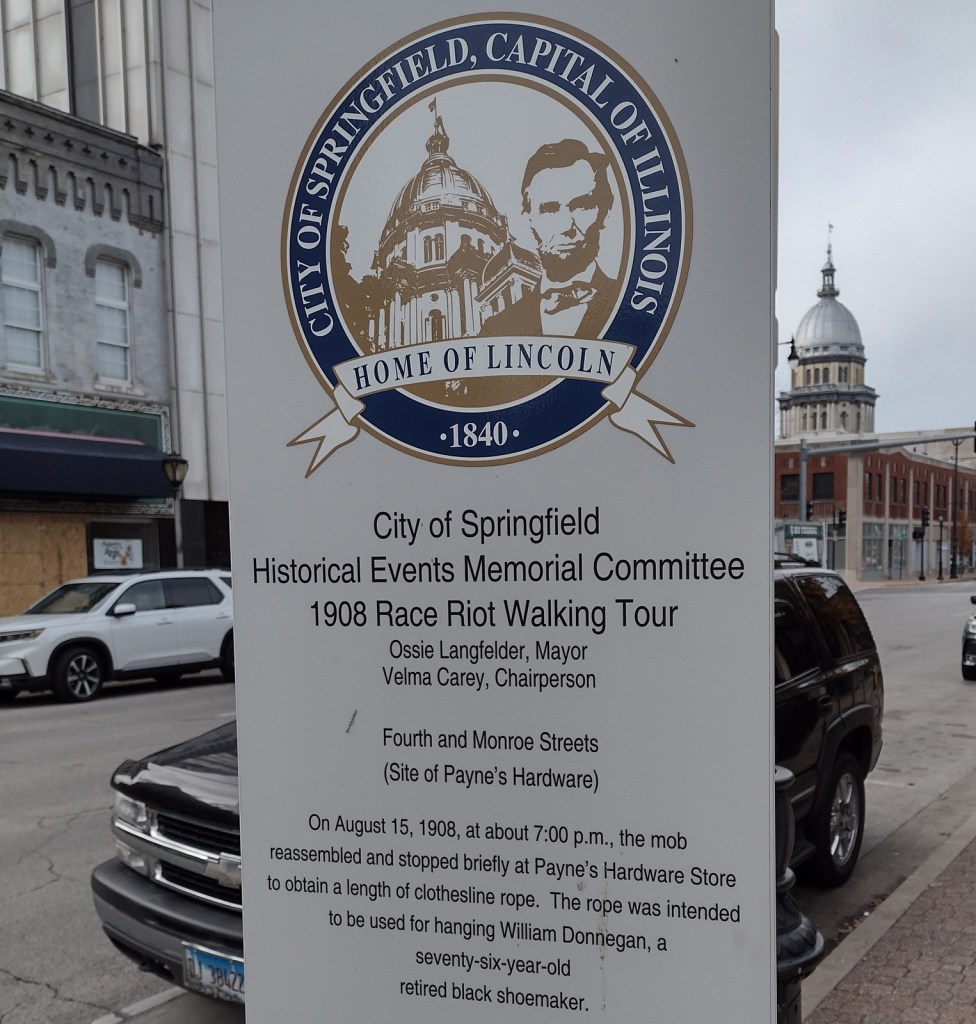
In 1908, African Americans made up only 5.5% of Springfield’s population of 47,000.  However, racial tensions ran high across the nation, and, on August 14, a mob formed outside the jail where two African-American men were accused of separate incidents of sexual assault and murder.  When the crowd found out the prisoners had been secretly moved 60 miles away, a full riot broke out.  They destroyed buildings, looted, and lynched two prominent members of the African-American community—a barber named Scott Burton and the wealthy William Donnegan.  By the time the National Guard arrived to restore order, seven people were dead and the mob had already burned the African-American neighborhood known as the “Badlands” to the ground.  Eventually, the trials of the 80 riot suspects at the Old Court House led to only one conviction for petty larceny.  While the rape suspect, George Richardson, was released when his accuser admitted fabricating the story, Joe James was convicted of murder and executed on October 23, 1908 despite being legally exempt from the death penalty as a minor.  These events catalyzed the formation of the National Association for the Advancement of Colored People (NAACP) a few months later in New York City.

Learn more about the other 137 National Monuments in our book Monumental America: Your Guide to All 138 National Monuments. It is now available for sale on Amazon.com.

Highlights

Walking tour, Acts of Intolerance sculpture, mural, Old Court House, Springfield and Central Illinois African American History Museum, Oak Ridge Cemetery, Mechanicsburg Cemetery

Must-Do Activity

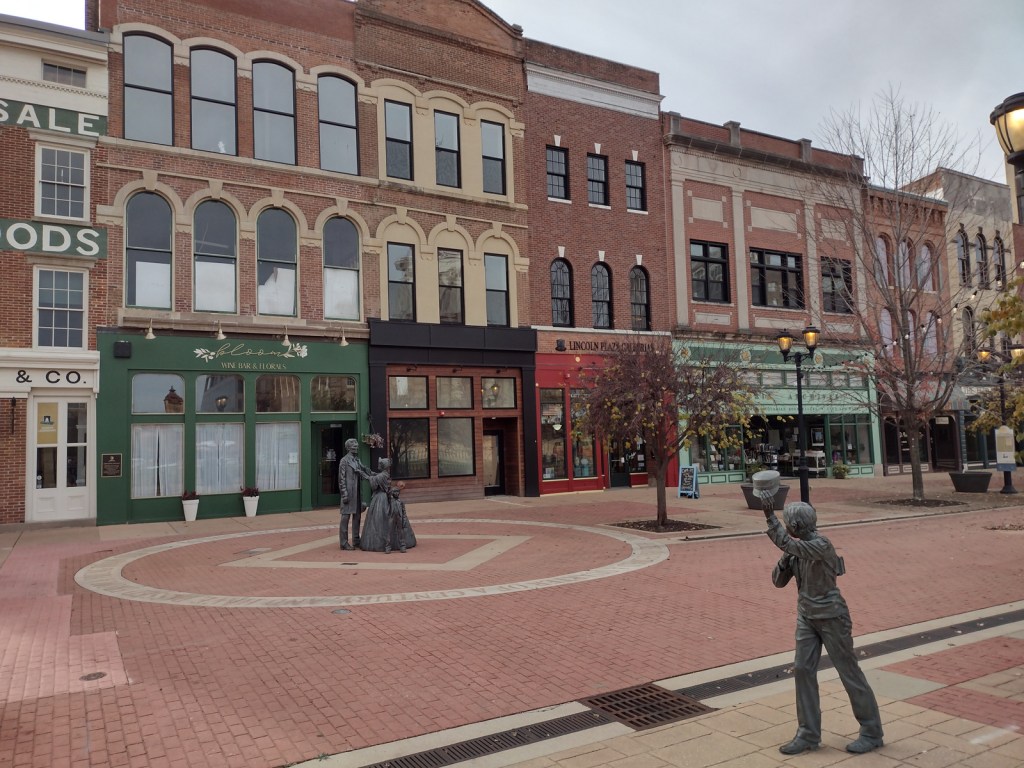
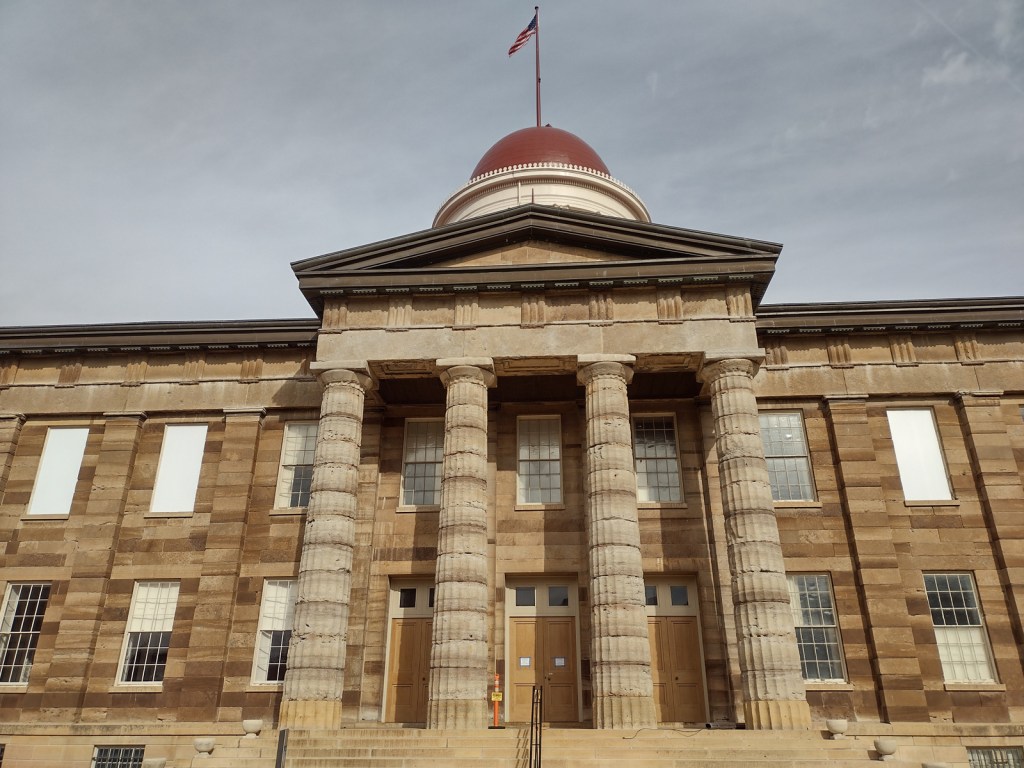
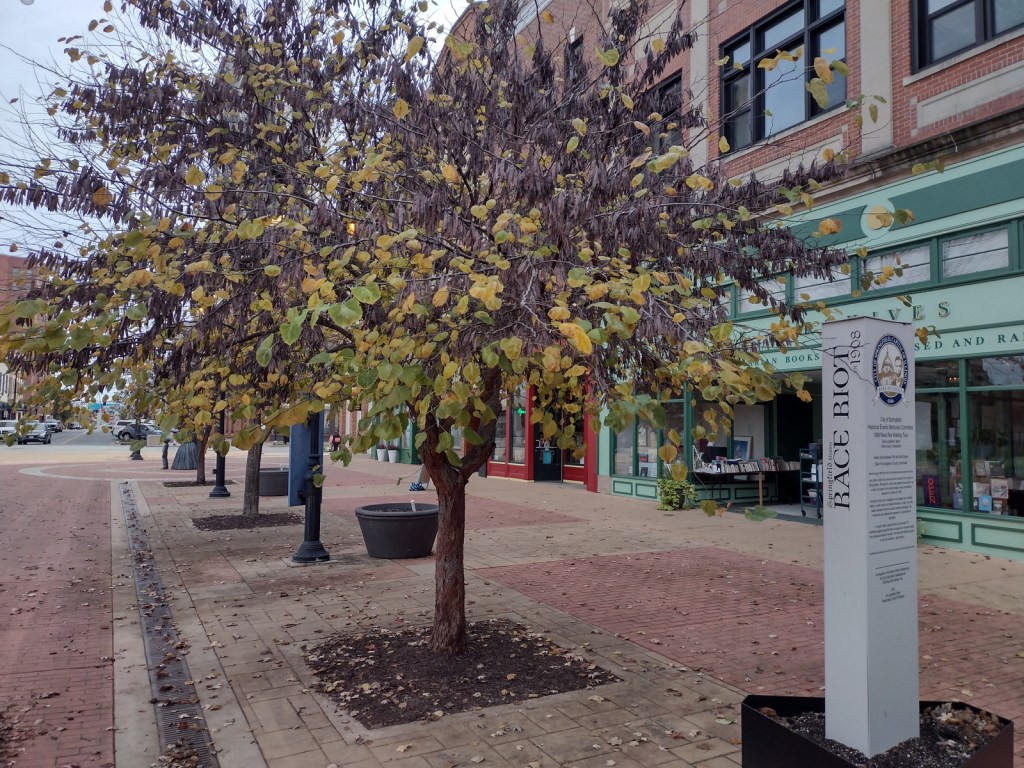
Before the National Monument was designated in 2024, the city of Springfield had already created a walking tour highlighting the events of the 1908 race riot marked by seven silver pillars.  After starting at the former site of the jail, the tour moves to where Loper’s Restaurant once stood; its white owner having assisted in moving the prisoners, his restaurant and his car were destroyed.  During the frenzy, a restaurant patron named Louis Johnson was shot and killed.  There are five other stops detailing the events chronologically, but they do not include the mural inside HSHS St. John’s Hospital Women & Children’s Clinic, which is next to the officially designated National Monument boundaries where the foundations of five homes burned in the “Badlands” remain fenced off.  Upon our visit less than three months after its creation, the National Park Service visitor center for Lincoln Home National Historic Site did not have any information on the new National Monument, but they already had a passport stamp.

Best Trail

When followed in chronological order, the walking tour bounces back and forth across the city, so you will get your steps in that day.  In the summer, guided tours are offered from the Springfield Convention and Visitors Bureau.  Alternatively, you can drive the route and read the descriptions in the publication available online and from the visitors bureau. 

Photographic Opportunity

After the burning of the “Badlands” neighborhood, two chimneys were about the only structures left standing.  The sculptor Preston Jackson utilized this imagery in his work Acts of Intolerance that depicts scenes of the race riot in bas relief.  Dedicated in 2009, it stands across the street from the Abraham Lincoln Presidential Library in Union Square Park. 

Peak Season

Summer

Hours

https://www.nps.gov/spra/planyourvisit/hours.htm

Fees

None

Road Conditions

There is no free parking in downtown Springfield, so you can use a parking meter or the NPS pay lot at Lincoln Home National Historic Site. 

Camping

Lincoln’s New Salem State Historic Site is 20 miles northwest of Springfield and its campground has running water.  Further north, Starved Rock State Park is a beautiful spot for camping, and it also offers a historic lodge.

Related Sites

New Philadelphia National Historic Site (Illinois)

Emmett Till and Mamie Till-Mobley National Monument (Mississippi-Illinois)

Medgar and Myrlie Evers Home National Monument (Mississippi)

Explore More – Damage from the race riot to black businesses was estimated at $100,000 in 1908, equivalent to how many millions today?

Learn more about the other 137 National Monuments in our book Monumental America: Your Guide to All 138 National Monuments
Mill Springs Battlefield National Monument

Mill Springs Battlefield National Monument

Kentucky

Managed by National Park Service

Established 2019

1,459 acres

Website: nps.gov/misp

Overview

During the Civil War, the Battle of Mill Springs started on January 19, 1862 in the Union state of Kentucky (where slavery was still legal).  North of the Cumberland River, a surprise attack by the Confederate Army was repelled and celebrated as the first decisive Union victory in the western theater.  The battlefield was declared a National Historic Landmark in 1993 and acquired by the National Park Service (NPS) in 2020. 

Learn more about the other 137 National Monuments in our book Monumental America: Your Guide to All 138 National Monuments. It is now available for sale on Amazon.com.

Highlights

Museum, film, Mill Springs National Cemetery, Zollicoffer Park, Brown-Lanier House, Mill Springs Mill, Lake Cumberland

Must-Do Activity

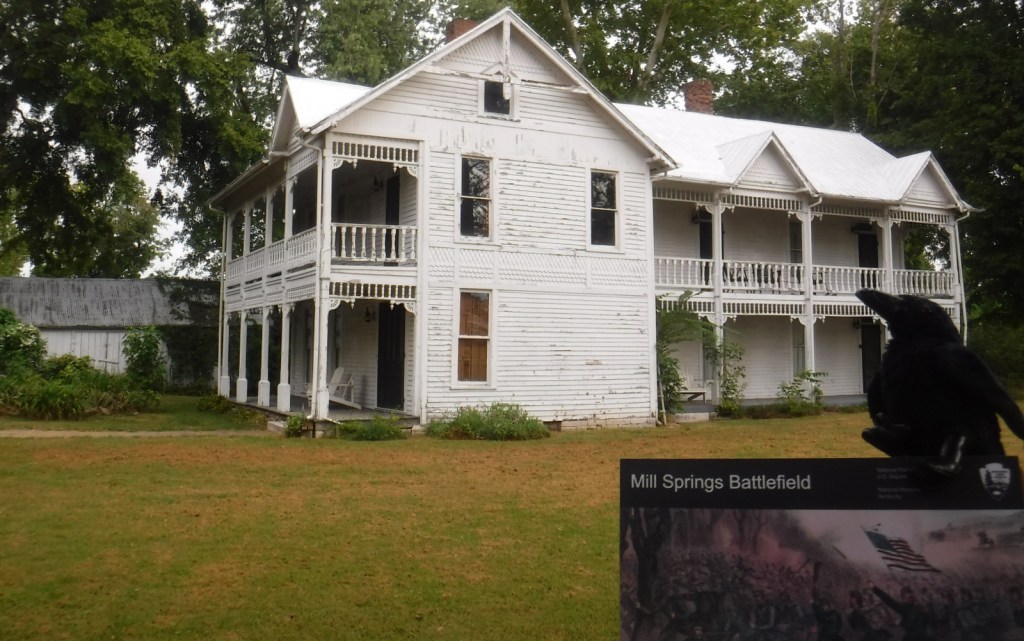
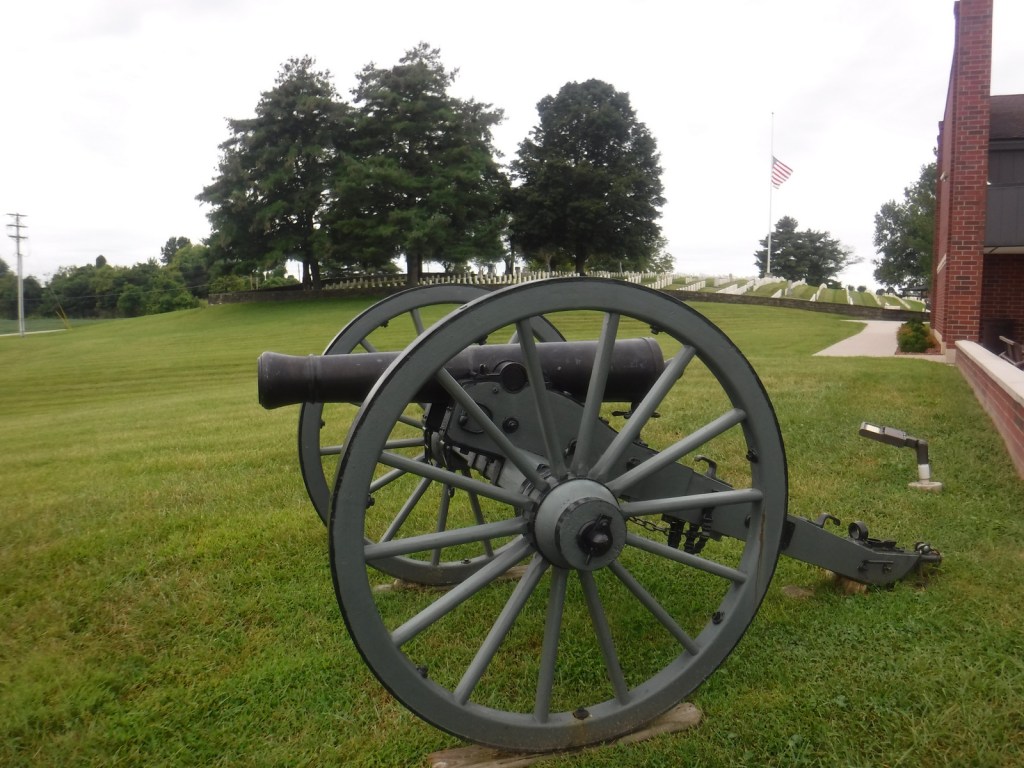
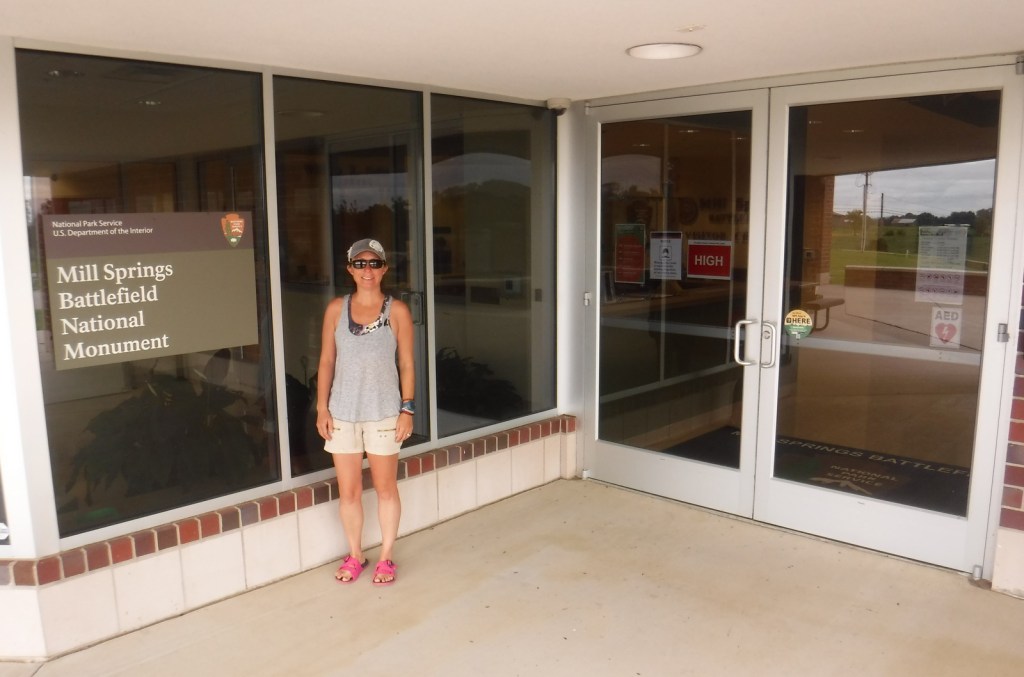
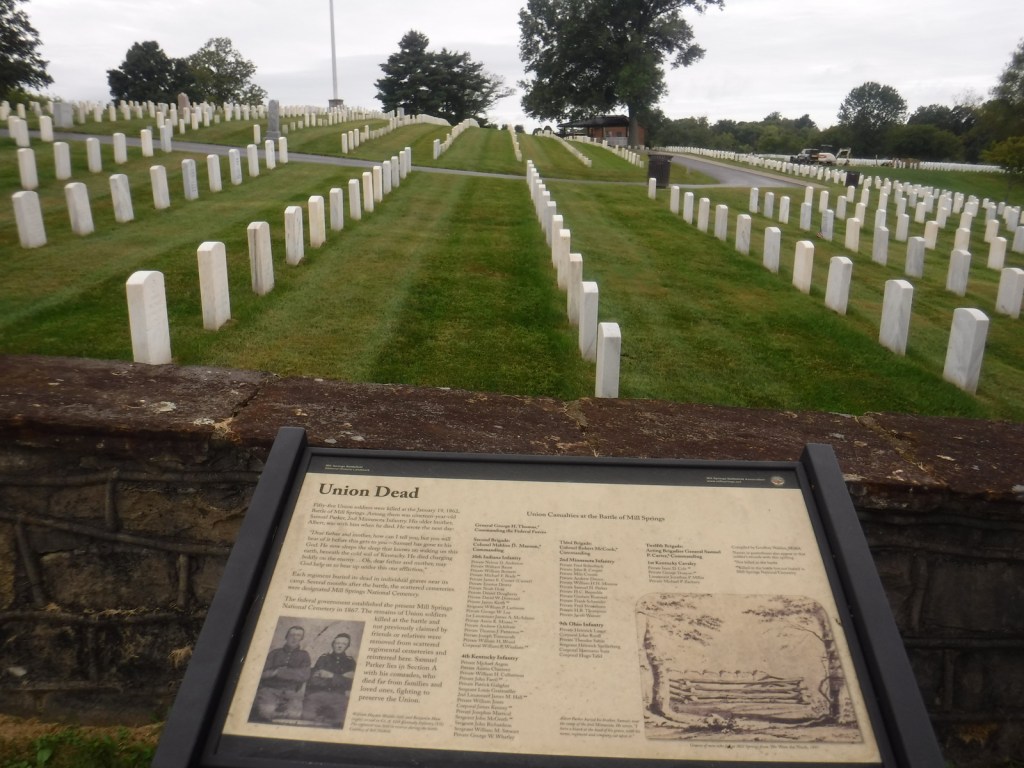
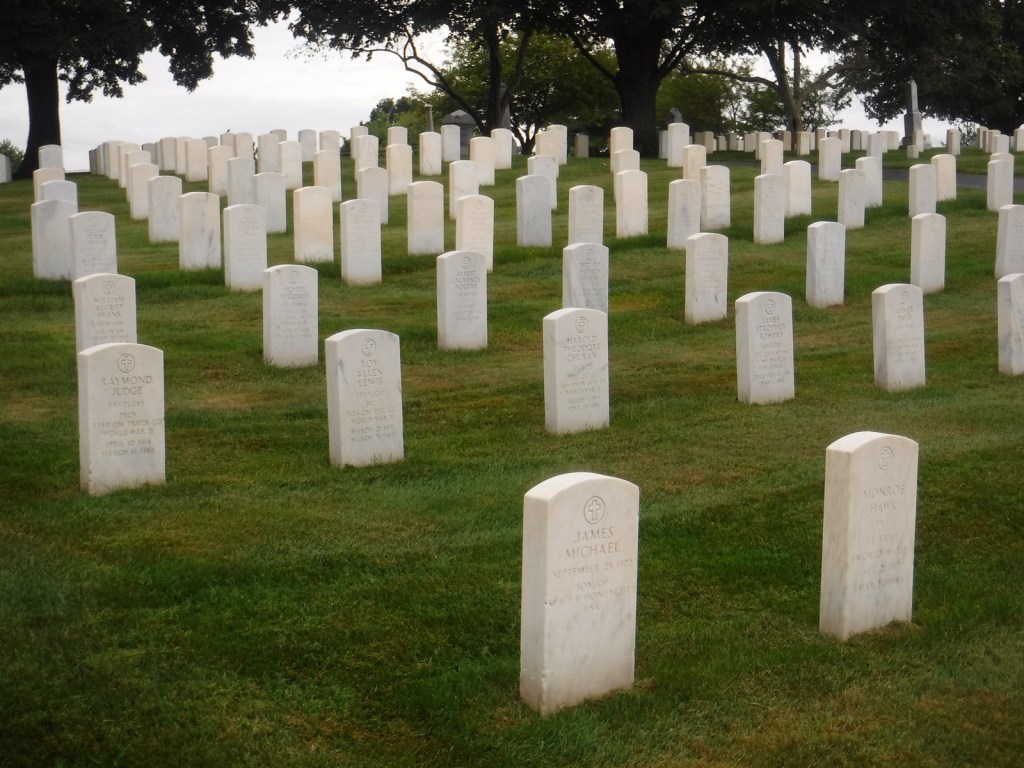
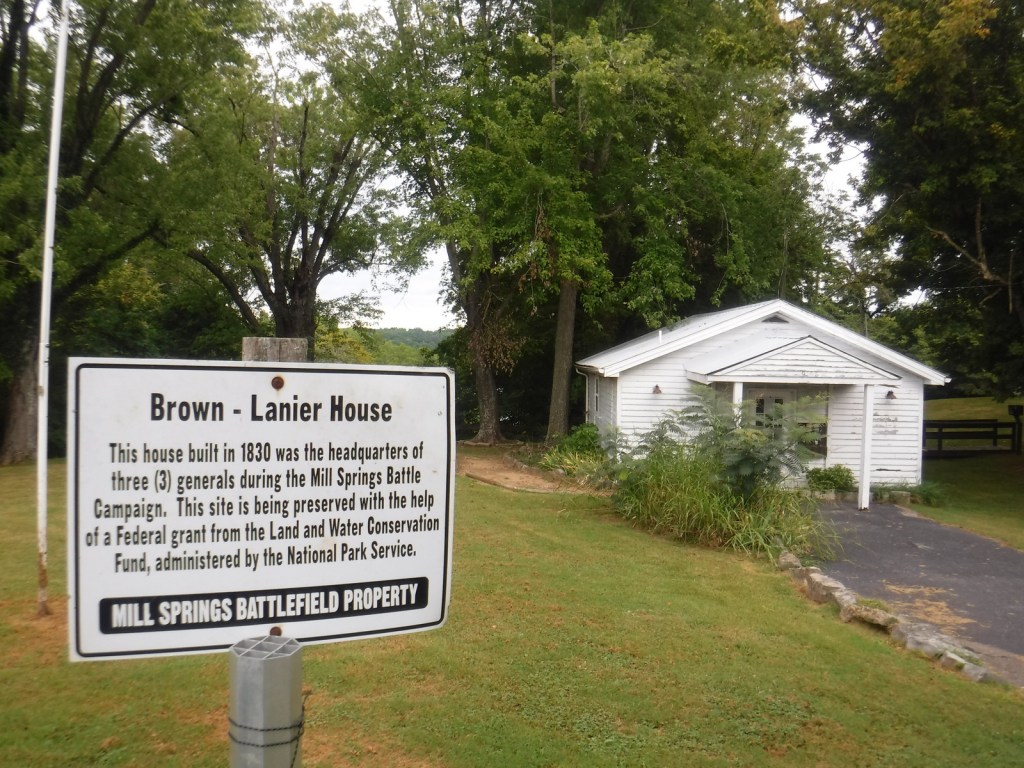
Start your visit by watching the film at the NPS visitor center next to Mill Springs National Cemetery, opened in 1867 as one of 12 original National Cemeteries.  The driving tour starts from there south down Kentucky Highway 235 to Zollicoffer Park where there are markers for Confederate General Felix K. Zollicoffer (buried beneath the “Zollie Tree”) and a Confederate mass grave.  There are six more stops on the driving tour north of Lake Cumberland, but there is no bridge across the reservoir, so to reach the final two stops requires backtracking and connecting to Kentucky Highway 1275.  There you will reach the Brown-Lanier House at Mill Springs that was utilized by both sides of the battle.  Open seasonally to the public, the working grist mill on Lake Cumberland dates to 1877 and is managed by the Army Corps of Engineers.  The final tour stop is at the West-Metcalfe House that served as a Confederate headquarters and hospital, but is not currently open.

Best Trail

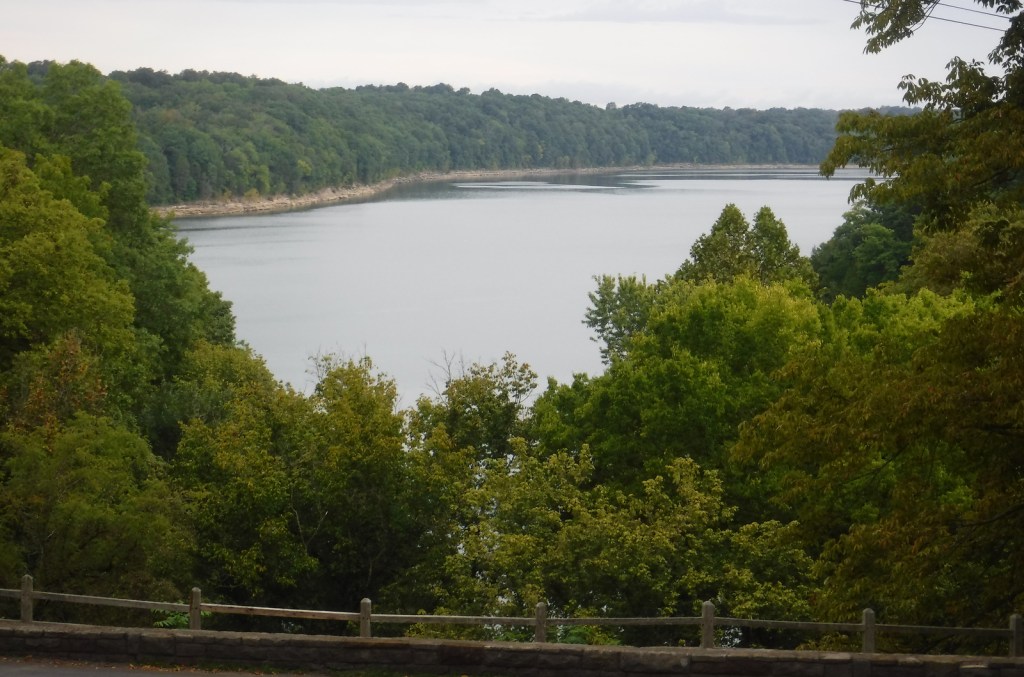
A 0.75-mile walking trail in Zollicoffer Park goes down into a ravine that was behind the Confederate lines, as explained by interpretive signs there.  You can also walk to the edge of Lake Cumberland at Ferry Landing on the north shore and Mill Springs Mill on the south shore.

Photographic Opportunity

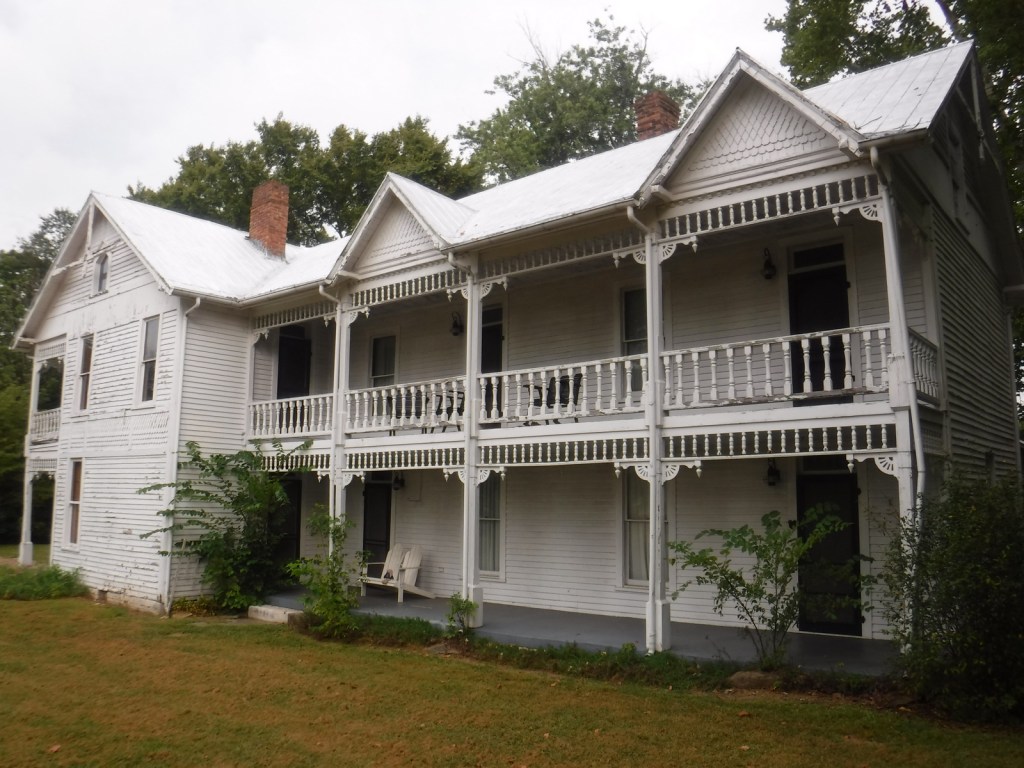
Built in 1860, the Brown-Lanier House offers guided tours inside the house that was twice hit by artillery during the Battle of Mill Springs.

Peak Season

Summer

Hours

https://www.nps.gov/misp/planyourvisit/hours.htm

Fees

Tours of the Brown-Lanier House now seem to be free and offered by NPS rangers every other Saturday in the summer.

Road Conditions

All roads are paved, but be careful while driving onto small pullouts along the highways.

Camping

There are campgrounds along Lake Cumberland and further north at Mammoth Cave National Park.

Related Sites

Camp Nelson National Monument (Kentucky)

Shiloh National Military Park (Tennessee-Mississippi)

Fort Donelson National Battlefield (Tennessee-Kentucky)

Explore More – What other two names has the Battle of Mill Springs been called?

Learn more about the other 137 National Monuments in our book Monumental America: Your Guide to All 138 National Monuments