
Overview
Located at the entrance to the harbor of Charleston, South Carolina, a group of defensive forts have gone through many permutations since the 1770s. The most famous, the five-sided Fort Sumter was still unfinished (after 30 years of construction) when South Carolina became the first state to secede from the United States on December 20, 1860. This led Major Robert Anderson to flee Fort Moultrie with 85 Union troops for Fort Sumter, which Confederates fired at on April 12, 1861, marking the first shot of the Civil War. Fort Sumter is only accessible by ferry, but you can drive a car to the National Park Service (NPS) museum at Fort Moultrie, commemorated on the U.S. quarter-dollar coin minted in 2016.

Highlights
Museum, Fort Moultrie, Fort Sumter, wildlife
Must-Do Activity
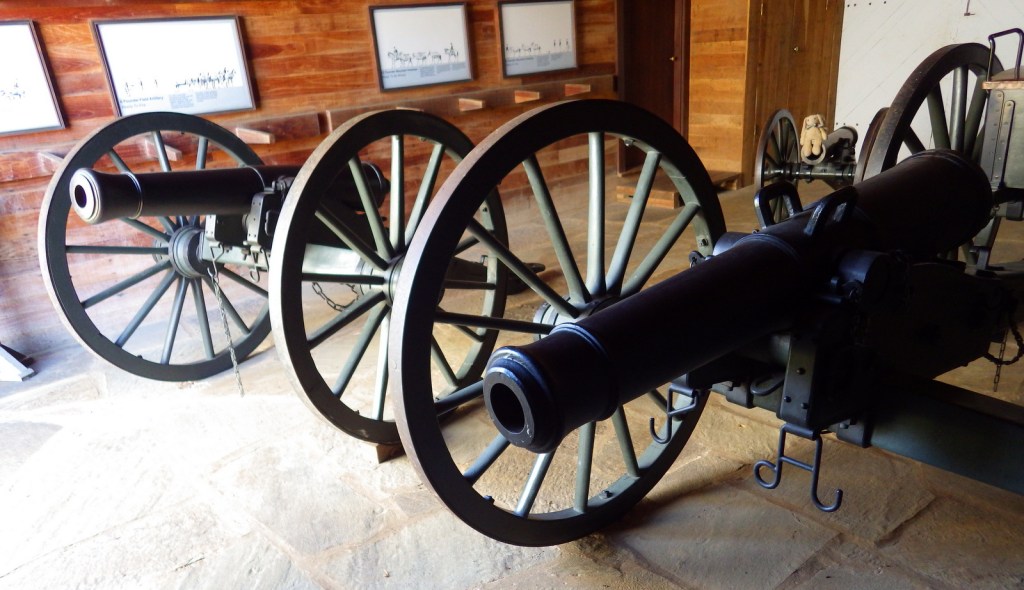
Fort Sumter was built upon a sandbar in Charleston Harbor, raised and leveled with 70,000 tons of granite brought down from New England. A toll ferry takes visitors to the island from downtown Charleston or Patriots Point Naval and Maritime Museum. Dolphins, pelicans, and shore birds are commonly spotted on the 40-minute ferry ride to Fort Sumter. Destroyed by the end of the Civil War, the fort today looks nothing like it did back then, having gone through multiple upgrades before it was deactivated in 1947. At the site, the NPS displays cannons representing each era alongside interpretive signs.
Best Trail
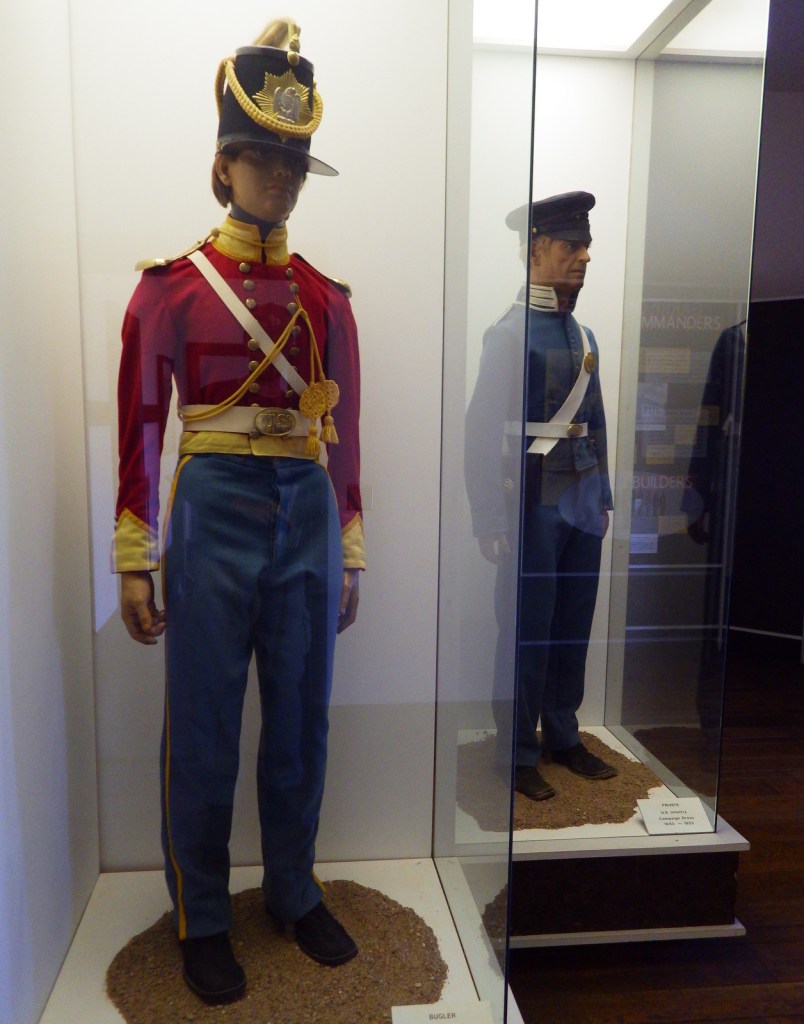
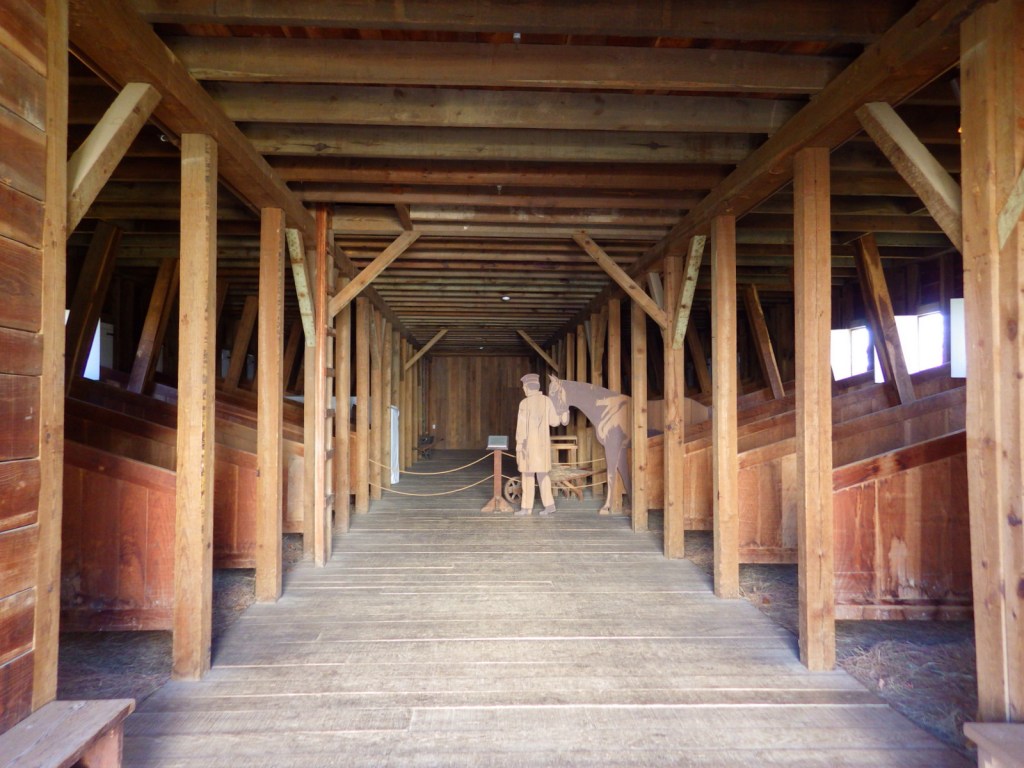
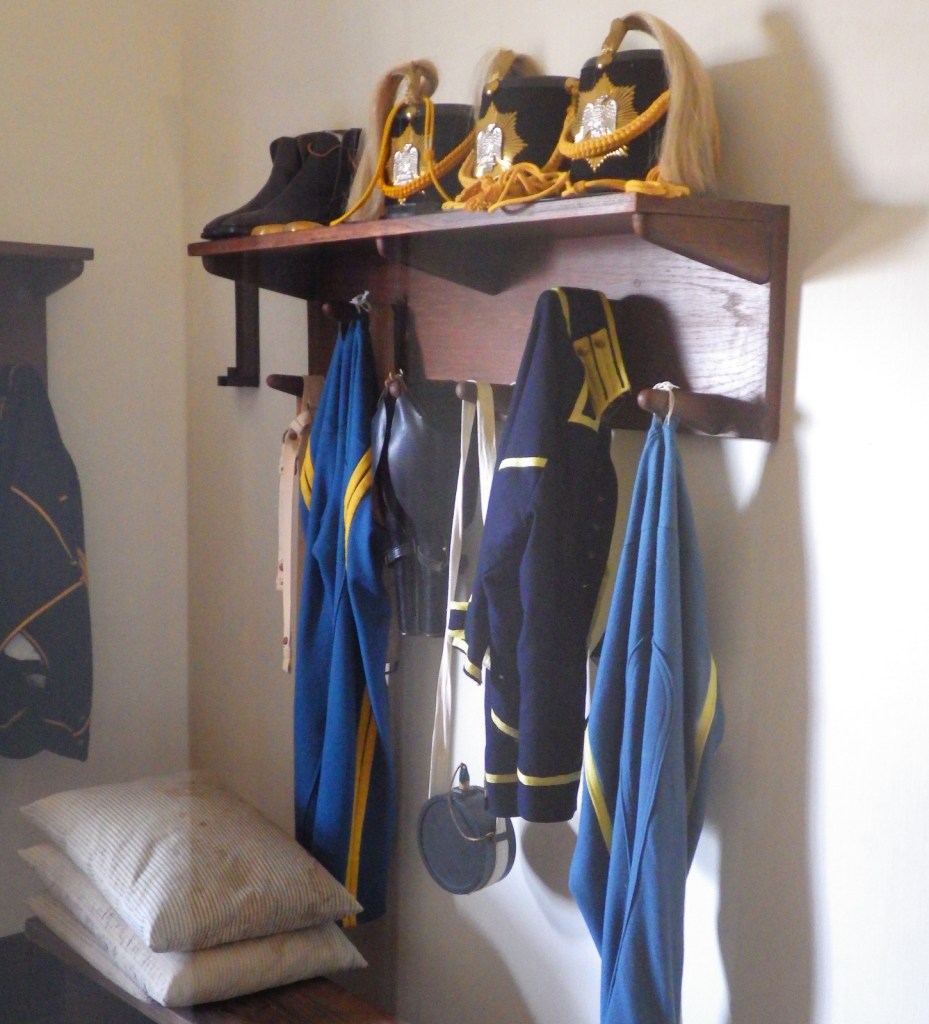
A walk through Fort Moultrie explains its 170 years of military use before it became part of Fort Sumter National Monument in 1948. Constructed on Sullivan’s Island in South Carolina, Fort Moultrie was not yet finished when a British attack was repelled on June 28, 1776 at the beginning of the Revolutionary War. After being destroyed during the Civil War, it saw new life during World War I with the placement of disappearing rifles and World War II with anti-aircraft guns.
Instagram-worthy Photo
Major Robert Anderson surrendered and lowered the U.S. flag on April 14, 1861, though there were no casualties during the bombardment. After rifled cannons had reduced the fort’s walls to rubble, Major Anderson raised the exact same flag above Fort Sumter four years later to-the-date near the end of the Civil War.

Peak Season
Summer
Hours
https://www.nps.gov/fosu/planyourvisit/hours.htm
Fees
$10 per person to visit Fort Moultrie (or America the Beautiful pass); charge for passenger ferry to Fort Sumter but no NPS fee
Road Conditions
Free parking at Fort Moultrie, but pay parking for the ferry from Liberty Square in downtown Charleston or Patriots Point Naval and Maritime Museum.
Camping
None
Related Sites
Fort Pulaski National Monument (Georgia)
Charles Pinckney National Historic Site (South Carolina)
Congaree National Park (South Carolina)
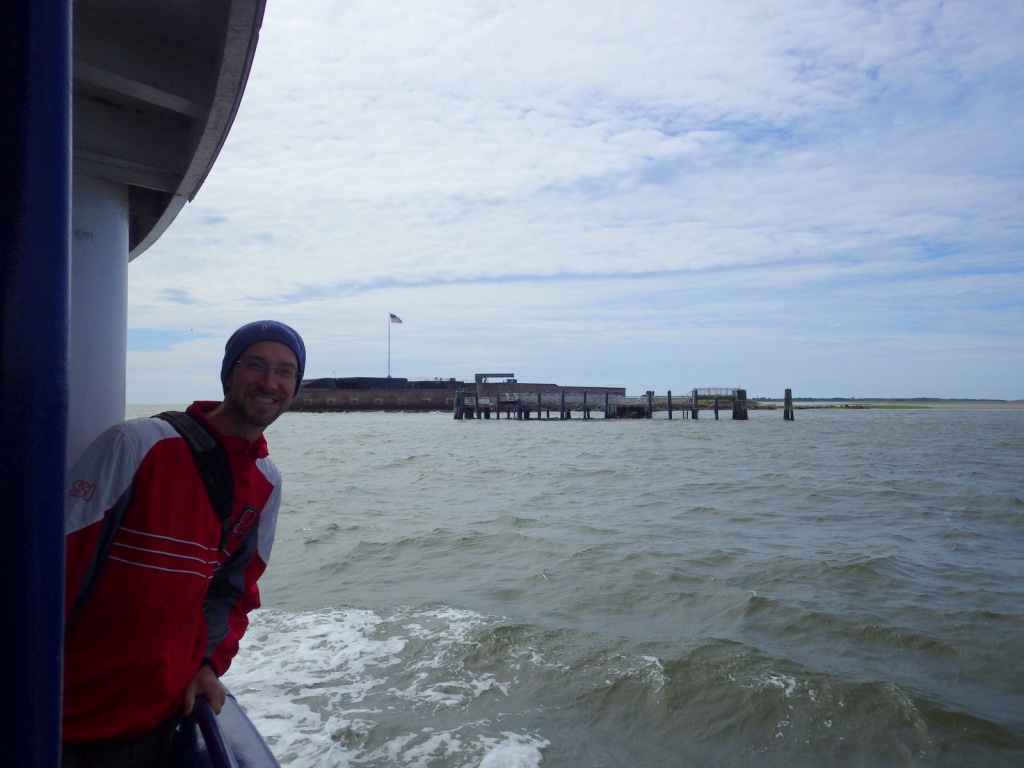
Approaching Fort Sumter on the ferry is a unique National Park Service experience 

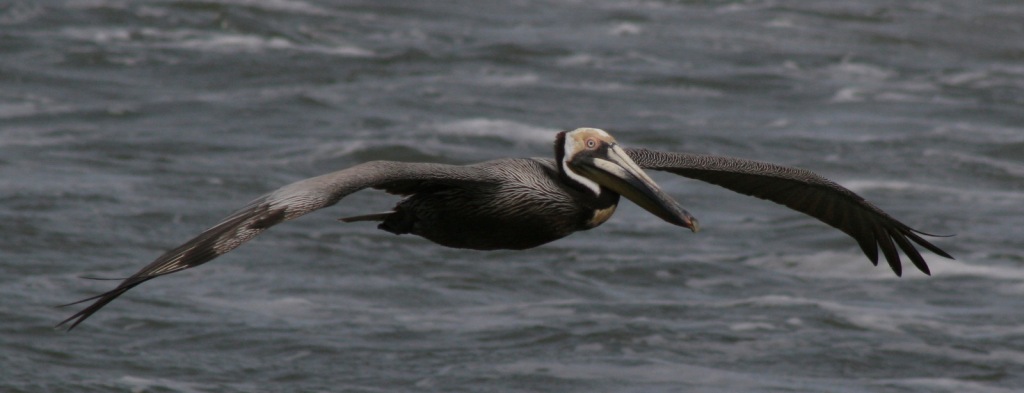


Dolphins seen from Fort Sumter 

Fort Moultrie 


Explore More – Who was the famous Native American chief who died of scarlet fever as a prisoner at Fort Moutlrie in 1838?


We are a participant in the Amazon Services LLC Associates Program, an affiliate advertising program designed to provide a means for us to earn fees by linking to Amazon.com and affiliated sites.






 Raven About The Parks