Tag Archives: Alabama

Natchez Trace Parkway

Natchez Trace Parkway

Mississippi-Alabama-Tennessee

Managed by National Park Service

Established 1938

52,302 acres

Website: nps.gov/natr

Overview

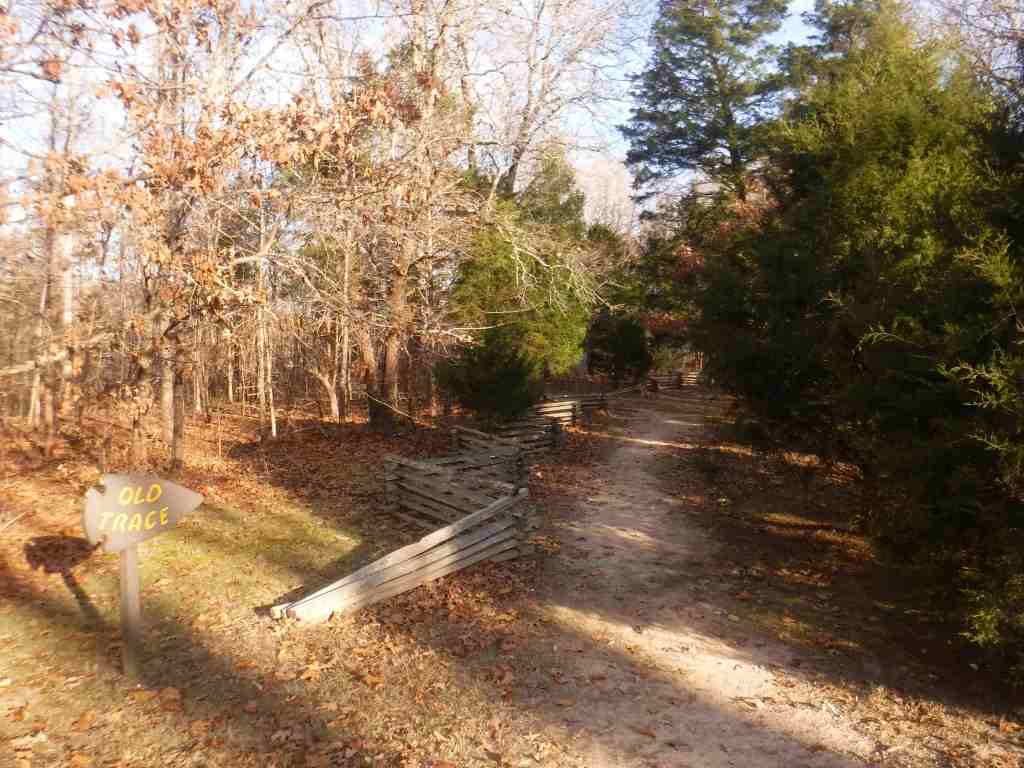
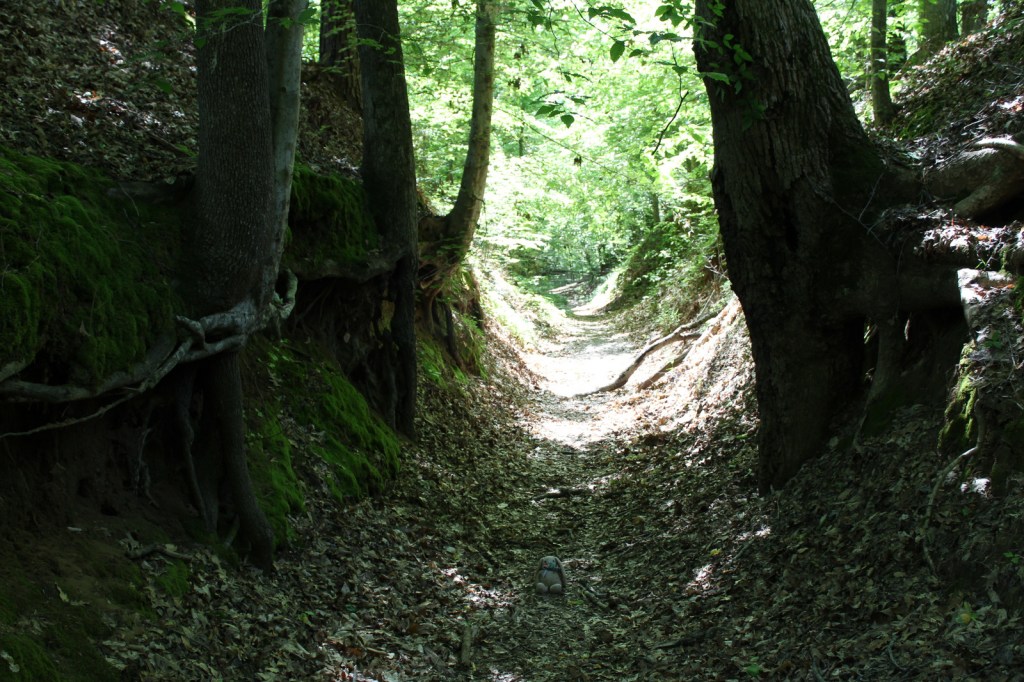
The Natonal Park Service (NPS) administers the Natchez Trace Parkway, a two-lane All-American Road that extends 444 miles from Natchez, Mississippi to Nashville, Tennessee.  The trace started as a game trail that was utilized as an American Indian footpath.  Some of the mound builder sites protected here were inhabited when Hernando de Soto led the first Europeans into this area in 1540.  The Natchez Trace was heavily used in the 1800s by “Kaintuck” flatboatmen returning from New Orleans who left the Mississippi River from Natchez, Mississippi and continued on foot north to Kentucky and beyond.  Today you can still follow portions of the sunken trail worn down by travelers for centuries.  The parkway began as a Civilian Conservation Corps (CCC) project during the Great Depression and the final two segments were completed in 2005.

Highlights

Rocky Springs, Owens Creek Waterfall, Emerald Mound, Mount Locust, Chickasaw Village, Meriwether Lewis Monument and Gravesite, Cypress Swamp Walk, Witch Dance Horse Trail, Natchez Trace National Scenic Trail

Must-Do Activity

Near Tupelo, the Parkway Visitor Center at Milepost 266 is a must-do stop to learn the history of the trace, and it also serves as the NPS contact station for tiny Brices Cross Roads National Battlefield Site and Tupelo National Battlefield.  There are numerous roadside informational pullouts and trailheads along the route, so use the NPS app or pick up an official “unigrid” map.  You can easily spend days exploring, but at a minimum we recommend you check out Emerald Mound, Mount Locust, Cypress Swamp, and Meriwether Lewis Monument and Grave Site.

Best Trail

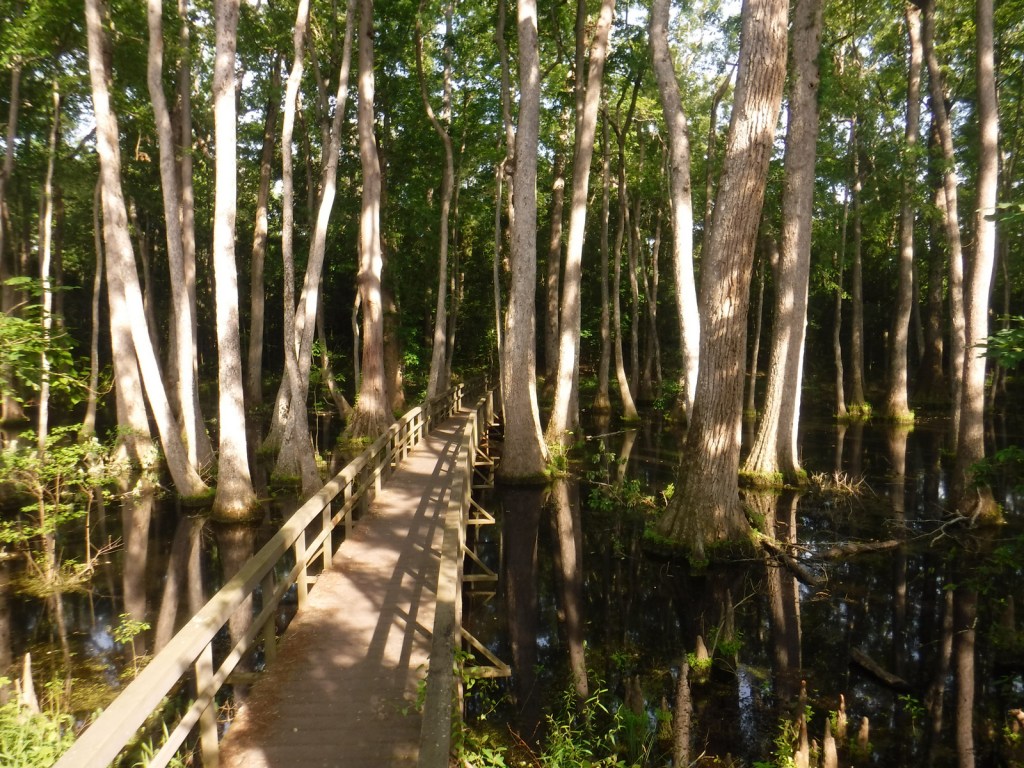
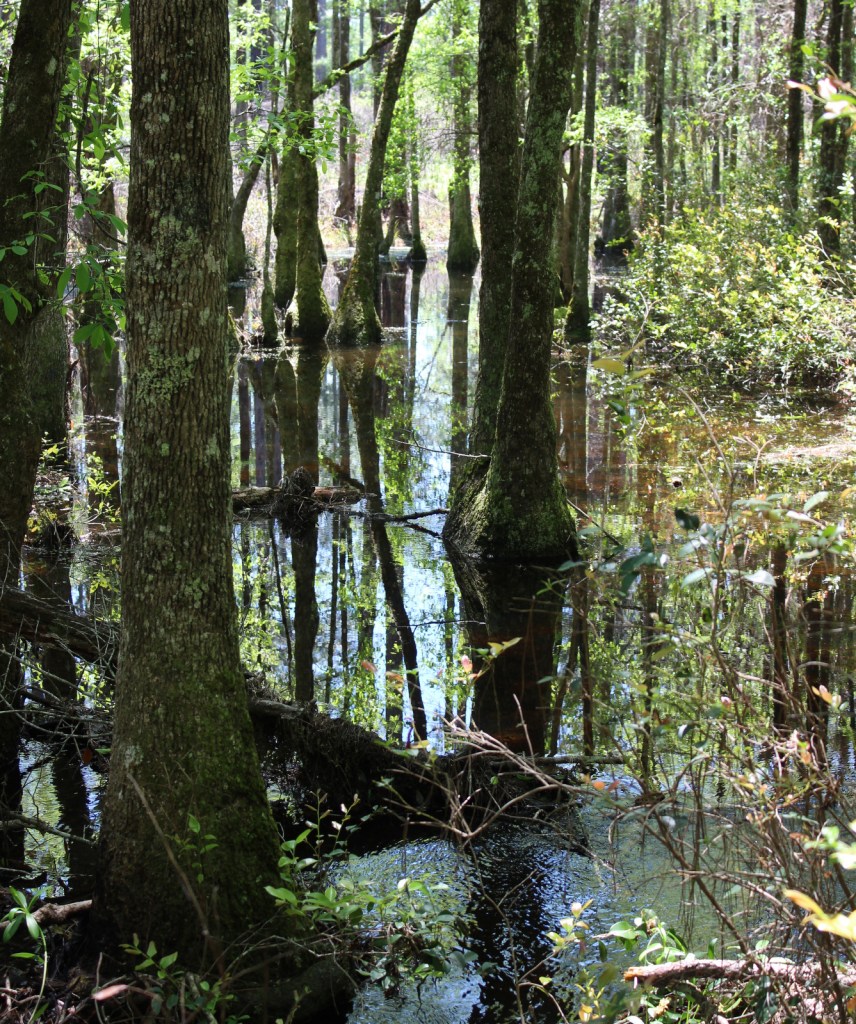
Our favorite trail is the Cypress Swamp Walk at Milepost 122, where a boardwalk crosses a scenic tupelo-baldcypress swamp.  The Natchez Trace National Scenic Trail (click here for our blog post) does not follow the entire 444-mile parkway, but exists in five segments totaling 67 miles in length.  There are also 15 miles of equestrian trails at Witch Dance (Milepost 233.2) in Tombigbee National Forest.

Photographic Opportunity

Not far from Natchez National Historical Park, Emerald Mound (a short detour at Milepost 10.3) is the second-largest American Indian ceremonial mound in the U.S.  It stands 35 feet tall and 770 by 435 feet at its base. 

Peak Season

Spring and fall

Hours

https://nps.gov/natr/planyourvisit/hours.htm

Fees

None

Road Conditions

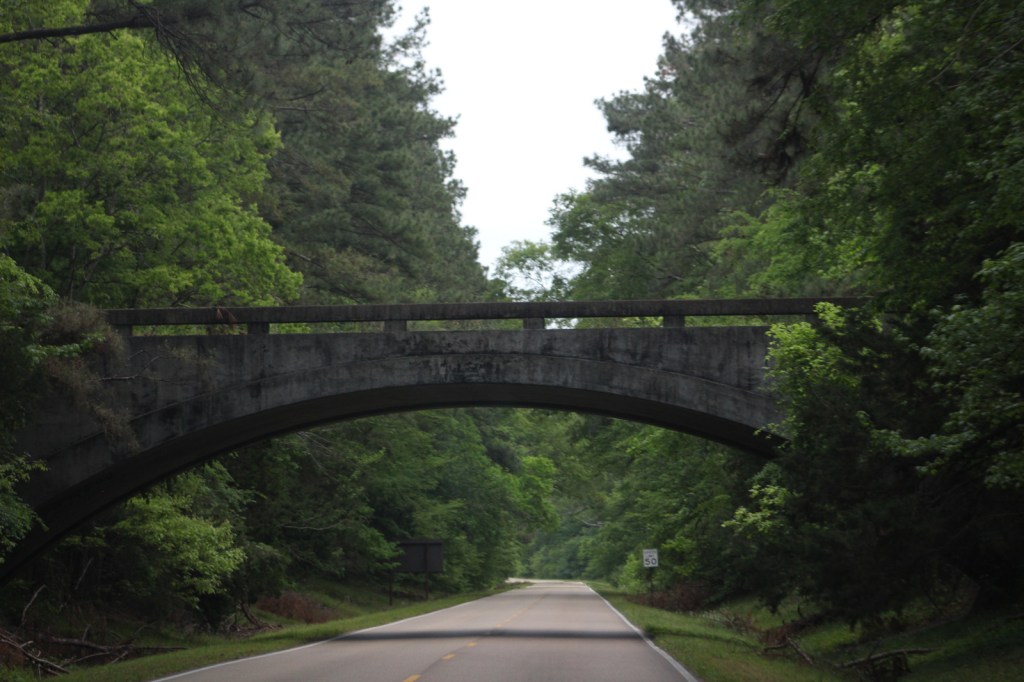
The entire 444-mile Natchez Trace Parkway is paved from Natchez, Mississippi to Nashville, Tennessee with commercial traffic prohibited and a maximum speed limit of 50 miles per hour.  There is a detour from Milepost 181 to 204 due to ongoing construction.  Watch for bicycles and white-tailed deer on the road.

Camping

There are three free NPS campgrounds (at Milepost 54, 193.1, and 385.9) along the route, as well as those in sites like Mississippi’s Tishomingo State Park.  The three NPS campgrounds have water and bathrooms (but no RV hookups), plus there are also five bike-only campsites along the route.  Jeff Busby Campground closed in June 2025 for repairs.

Related Sites

Natchez National Historical Park (Mississippi)

Tupelo National Battlefield (Mississippi)

Brices Cross Roads National Battlefield Site (Mississippi)

Vicksburg National Military Park (Mississippi)

Nearest National Park
Hot Springs

Explore More – When were Ackia Battleground National Monument and Meriwether Lewis National Monument disbanded and added to the Natchez Trace Parkway?

Birmingham Civil Rights National Monument

Birmingham Civil Rights National Monument

Alabama

Managed by National Park Service

Established 2017

18 acres

Website: nps.gov/bicr

Overview

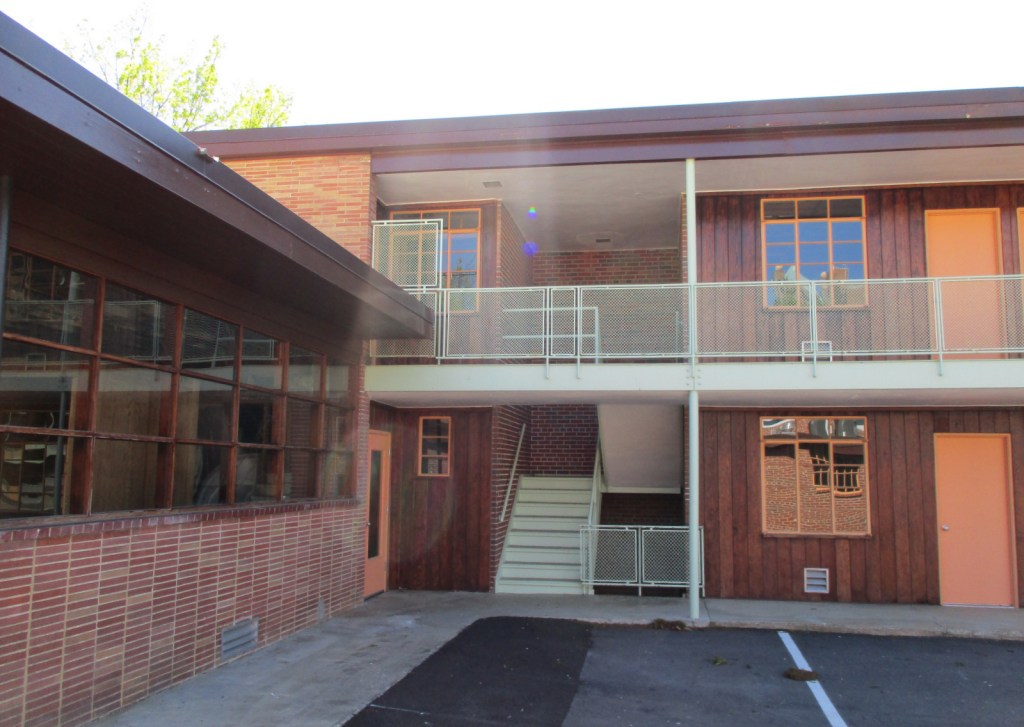
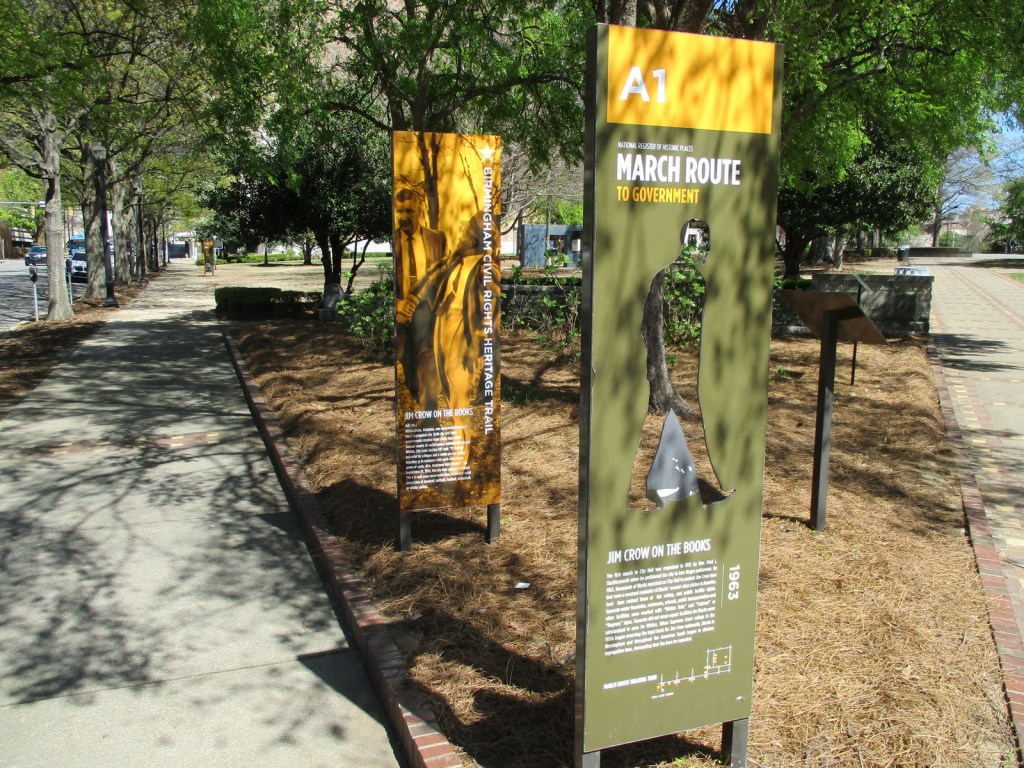
Created by President Barack Obama on January 12, 2017 (the same day as Freedom Riders and Reconstruction Era National Monuments), this site encompasses four city blocks of downtown within the larger 36-acre Birmingham Civil Rights District.  In 1963, this area was where the 16th Street Baptist Church was bombed and the Children’s Crusade (a non-violent protest march) was attacked by policemen with water hoses and dogs.  The only portion of the site run by the National Park Service (NPS) is the A. G. Gaston Motel, which was bombed by the KKK after Rev. Martin Luther King, Jr. and other civil rights leaders stayed there from April through May 1963 to plan their non-violent campaign against segregation laws.  The City of Birmingham and the NPS have restored the motel to its historic appearance and a park ranger is stationed there three days a week.

Learn more about the other 137 National Monuments in our book Monumental America: Your Guide to All 138 National Monuments. It is now available for sale on Amazon.com.

Highlights

Birmingham Civil Rights Institute, A.G. Gaston Motel, 16th Street Baptist Church, Kelly Ingram Park, St. Paul United Methodist Church, Bethel Baptist Church

Must-Do Activity

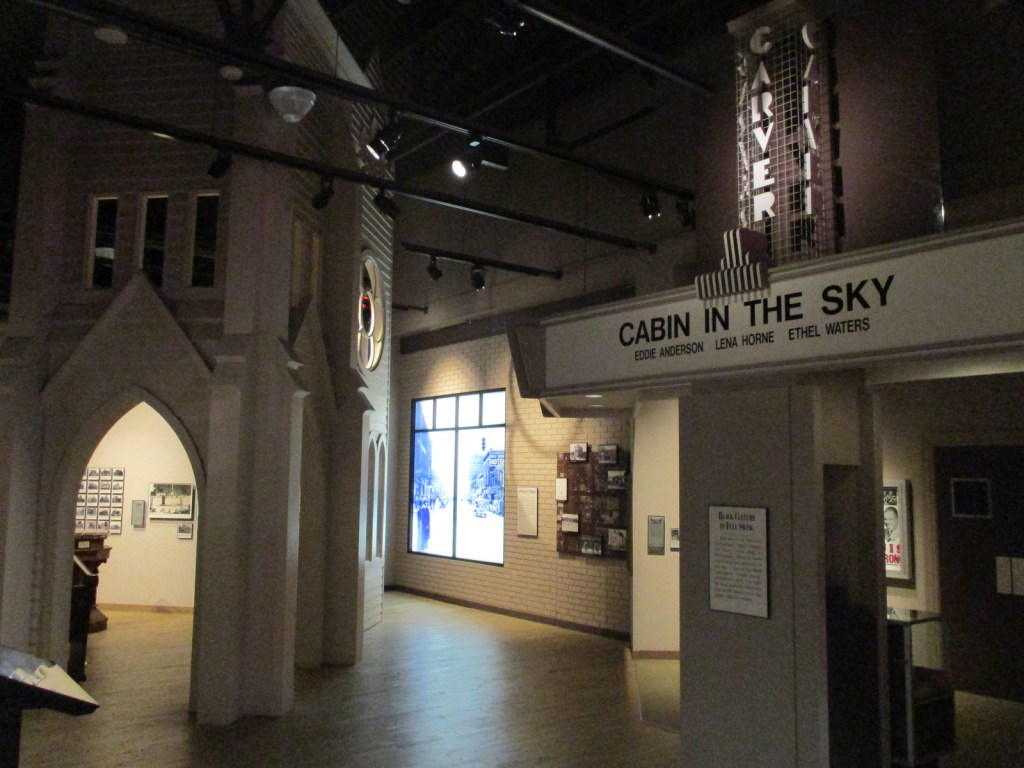
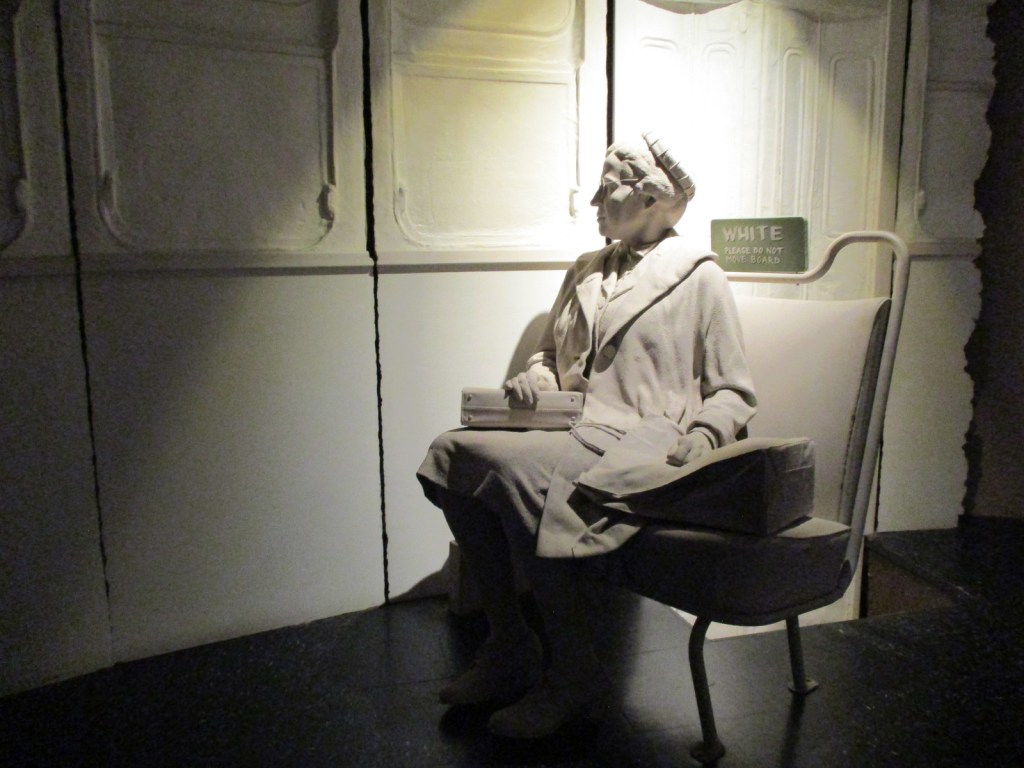
The Birmingham Civil Rights Institute is a history museum that opened in 1992 across from the 16th Street Baptist Church (see Photographic Opportunity).  With a timed entry ticket, your self-guided tour starts with a short video, then an immersive walk through the struggle for civil rights in Birmingham and around the U.S.  It includes powerful displays on the Freedom Riders bus burning and Rev. Martin Luther King, Jr.’s “Letter from Birmingham Jail,” as well as the decades-long effort to bring to justice the bombers of the 16th Street Baptist Church.  If you come on one of the three days per week that a park ranger is posted at the A.G. Gaston Motel, be sure to stop there afterwards to see the ongoing reconstruction work.  Six miles north of the city in the Collegeville neighborhood, Bethel Baptist Church was bombed three times in 1956, 1958 and 1962, partly why the city earned the nickname “Bombingham.”  The church is associated with the influential Rev. Fred Shuttlesworth, who has a statue outside the Birmingham Civil Rights Institute.

Best Trail

Across the street from the Birmingham Civil Rights Institute, Kelly Ingram Park features sculptures, interpretive signs, and an audio tour describing the violent attacks by police officers and dogs on civil rights protesters (many of them children) on May 7, 1963.

Photographic Opportunity

Across the street from the Birmingham Civil Rights Institute, 16th Street Baptist Church was bombed on September 15, 1963, killing four young girls, an act of domestic terrorism that propelled the passage of the Civil Rights Act of 1964.  Tours inside the church are by appointment only.

Peak Season

Spring and fall

Hours

The A.G. Gaston Motel is open Thursday through Saturday 10 a.m. to 4 p.m. and the Birmingham Civil Rights Institute is open Tuesday through Saturday 10 a.m. to 5 p.m.

https://www.nps.gov/bicr/planyourvisit/hours.htm

Fees

No cost for the A.G. Gaston Motel or Kelly Ingram Park, but there is an admission fee at the Birmingham Civil Rights Institute (online reservations recommended).

Road Conditions

All roads are paved with a free parking lot next to the Birmingham Civil Rights Institute.

Camping

In northeast Alabama, De Soto State Park offers camping, in addition to excellent hiking trails to several waterfalls.  There are also three backcountry campsites in Little River Canyon National Preserve available from February through September with a permit.  Cheaha State Park and Joe Wheeler State Park both have campgrounds and lodges.  Talladega, Tuskegee, and William B. Bankhead National Forests also offer car camping and backpacking opportunities.

Related Sites

Freedom Riders National Monument (Alabama)

Horseshoe Bend National Military Park (Alabama)

Tuskegee Airmen National Historic Site (Alabama)

Explore More – When did the City of Birmingham establish the 36-acre Birmingham Civil Rights District?

Learn more about the other 137 National Monuments in our book Monumental America: Your Guide to All 138 National Monuments

Conecuh National Forest

Conecuh National Forest

Alabama

Managed by U.S. Forest Service, Southern Region

171,177acres (83,852 federal/ 87,325 other)

Website: https://www.fs.usda.gov/alabama

Overview

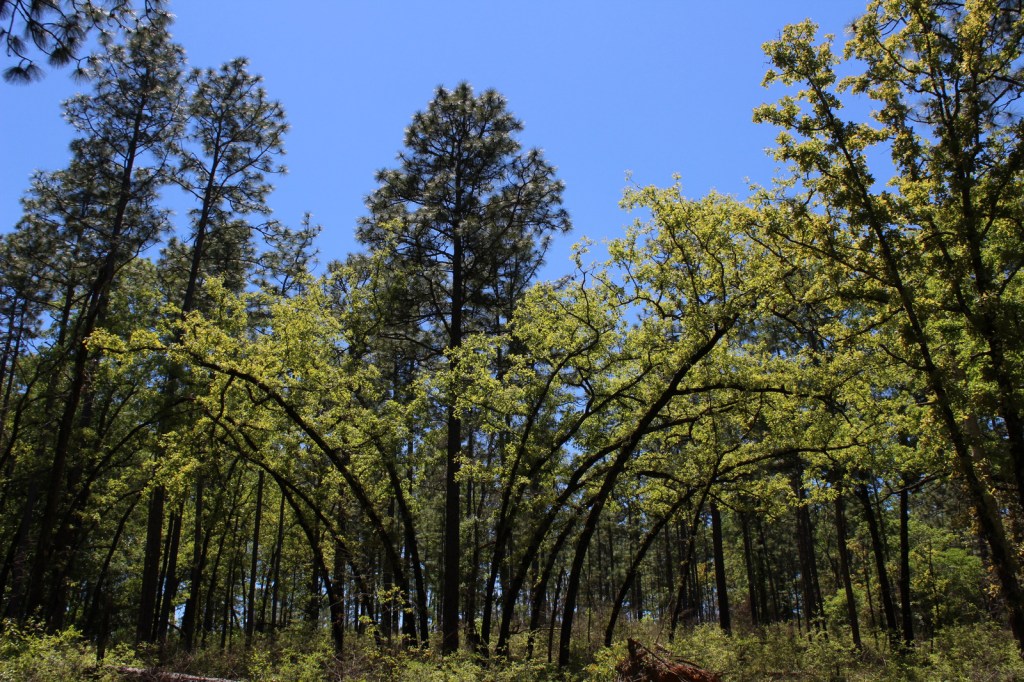
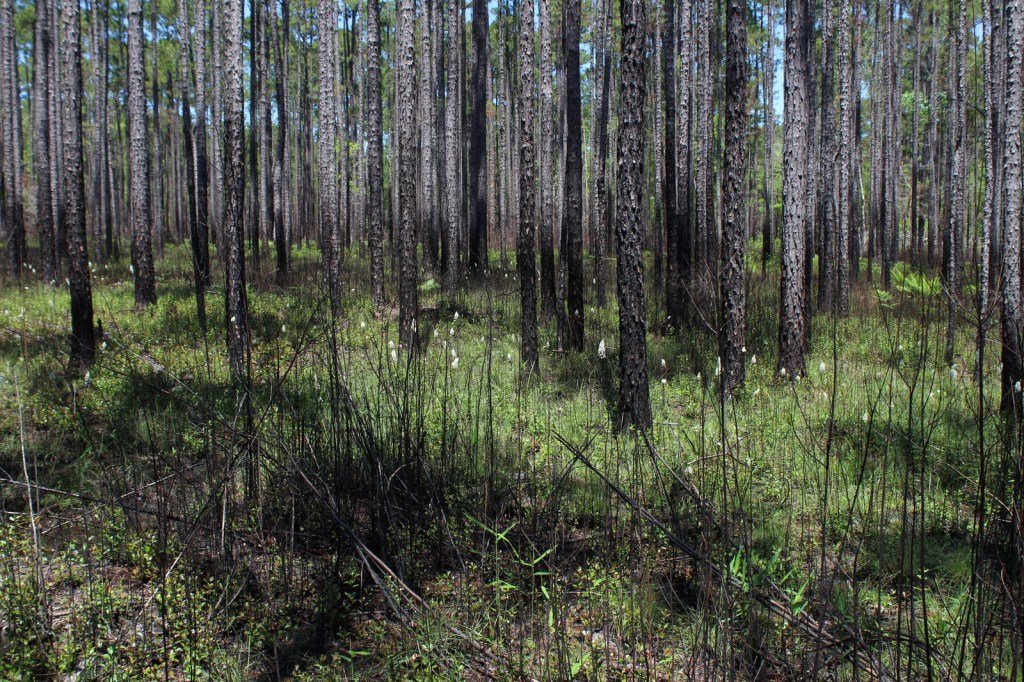
In southern Alabama, Conecuh National Forest was created in 1936 from clearcut and burned-over lands that were replanted with fast-growing slash pine.  Reforestation efforts today focus on native longleaf pine trees that provide habitat for endangered red-cockaded woodpeckers.  The topography of these coastal plain forests is fairly flat with broad ridges flanked by bottomlands and floodplains.  Conecuh National Forest is primarily developed at two Recreation Areas: Open Pond and Blue Lake.

Highlights

Open Pond Recreation Area, Buck Pond, Blue Spring, Open Pond Fire Tower, Yellow River Basin, Blue Lake Recreation Area, Lake Shore Trail, Conecuh National Recreation Trail

Must-Do Activity

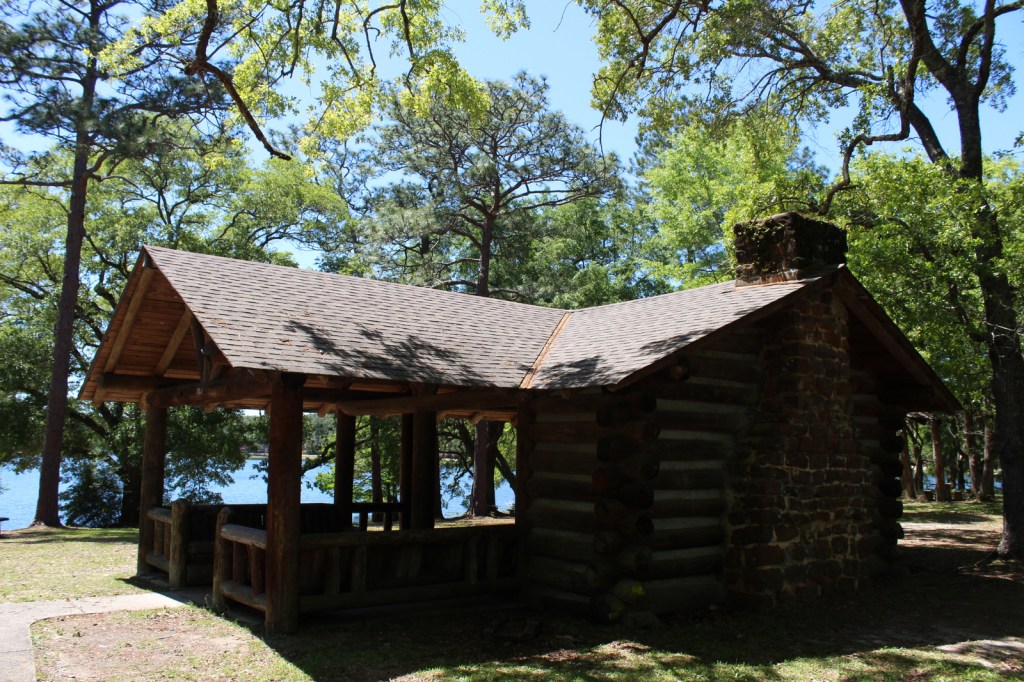
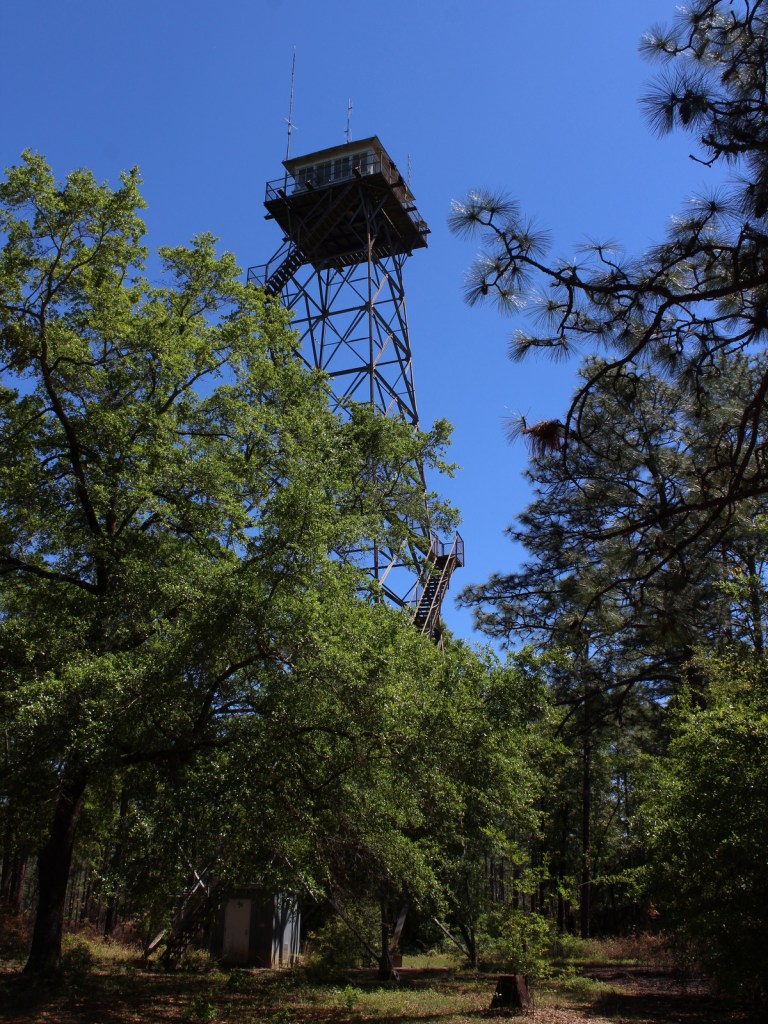
Open Pond Recreation Area (fee) surrounds a 30-acre natural sinkhole lake and has a campground, boat ramps, and a historic 1938 fire tower.  Located only a ten-minute drive away, Blue Lake Recreation Area (fee) offers a day-use picnic area and swimming beach (the only place in the National Forest where swimming is allowed, presumably due to the presence of alligators elsewhere).

Best Trail

The 20-mile long Conecuh Trail was built by the Youth Conservation Corps beginning in 1976 and traverses longleaf pine stands and hardwood bottomlands.  Leaving from Open Pond Recreation Area, the seven-mile long South Loop of the Conecuh Trail passes Blue Spring, but that portion of the trail was closed due to hurricane damage during our visit. 

Watchable Wildlife

Notable wildlife species that inhabit Conecuh National Forest include red-cockaded woodpeckers (see above), wild turkeys, fox squirrels, raccoons, red foxes, gray foxes, bobcats, coyotes, black bears, and alligators.  Fishing is a popular activity, with interesting spiky PVC pipe constructions put in the water to provide habitat for bream, bass, and crappie.

Instagram-worthy Photo

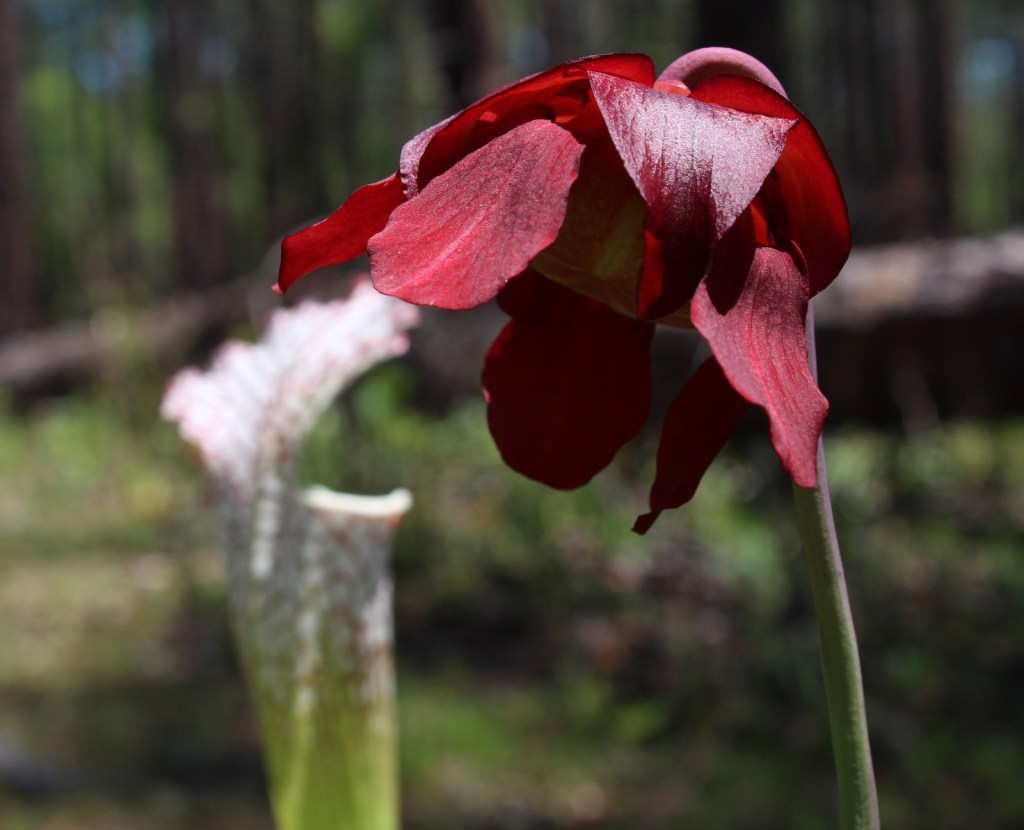
Watch for carnivorous pitcher plants growing in the wet soils on the edge of bogs and baldcypress ponds.

Peak Season

Spring and fall

Fees

There is a day use fee at both Open Pond and Blue Lake Recreation Areas, but an America the Beautiful pass can be substituted.

Road Conditions

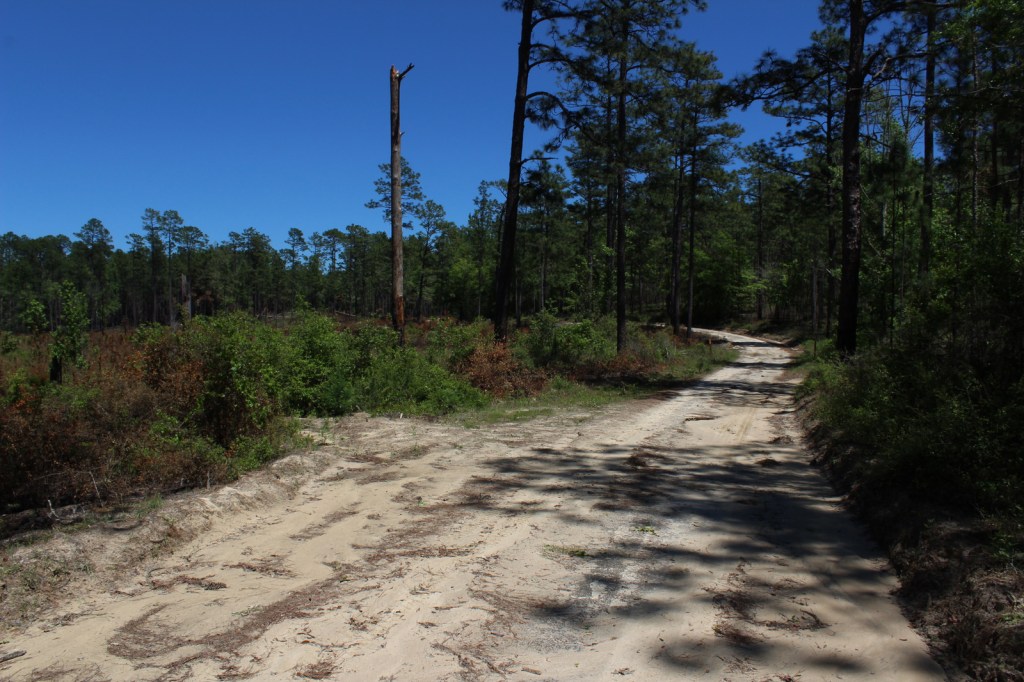
Many of the roads in Conecuh National Forest are unpaved, but the sand packs down well and provides a good surface for any vehicle to drive.

Camping

Open Pond Campground contains 75 campsites available on a first-come, first-served basis.

Wilderness Areas

None

Related Sites

Gulf Islands National Seashore (Florida-Mississippi)

Horseshoe Bend National Military Park (Alabama)

Tuskegee Airmen National Historic Site (Alabama)

Nearest National Park

Great Smoky Mountains

Conifer Tree Species

baldcypress, longleaf pine, slash pine

Flowering Tree Species

American holly, flowering dogwood, southern magnolia, swamp tupelo, pumpkin ash, swamp cottonwood, overcup oak, swamp chestnut oak, cherryark oak

Explore More – Believed to be of Muskogee origin, what does the name “Conecuh” translate as?

Learn more about this and the 154 other National Forests in our new guidebook Out in the Woods

We are a participant in the Amazon Services LLC Associates Program, an affiliate advertising program designed to provide a means for us to earn fees by linking to Amazon.com and affiliated sites.

Freedom Riders National Monument

Overview

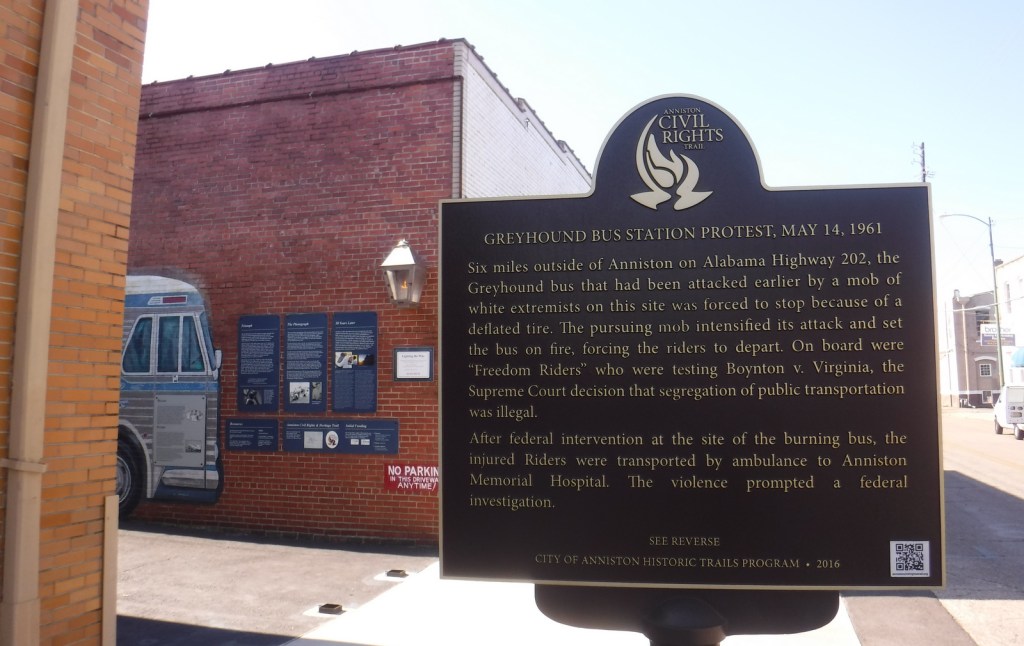
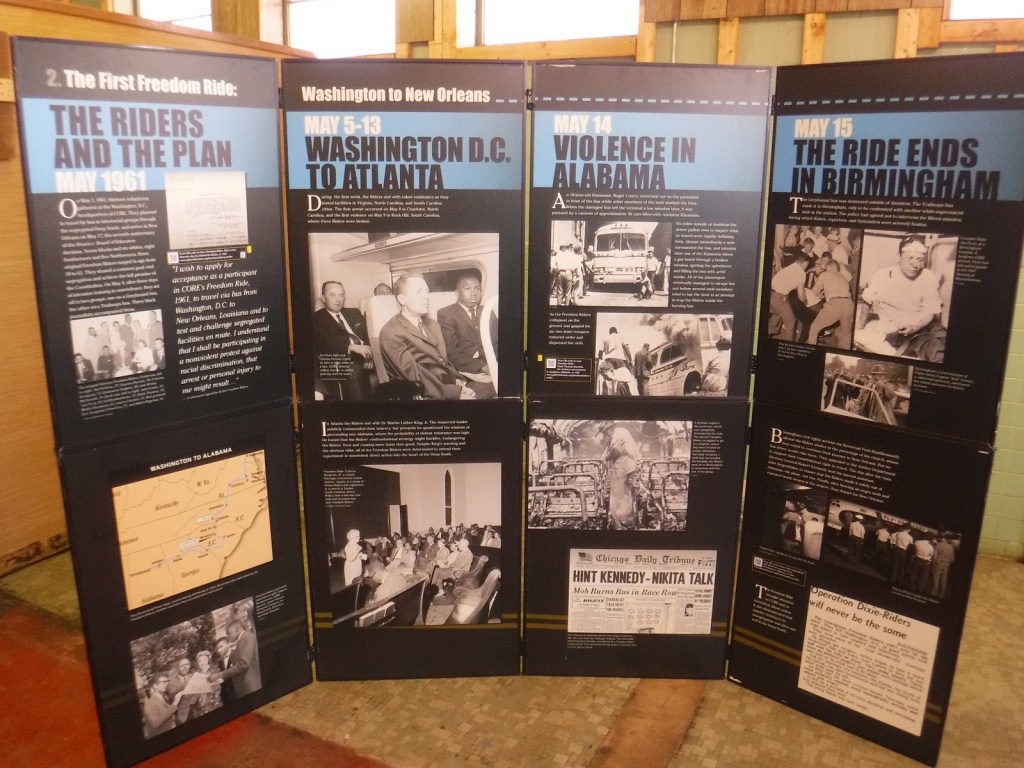
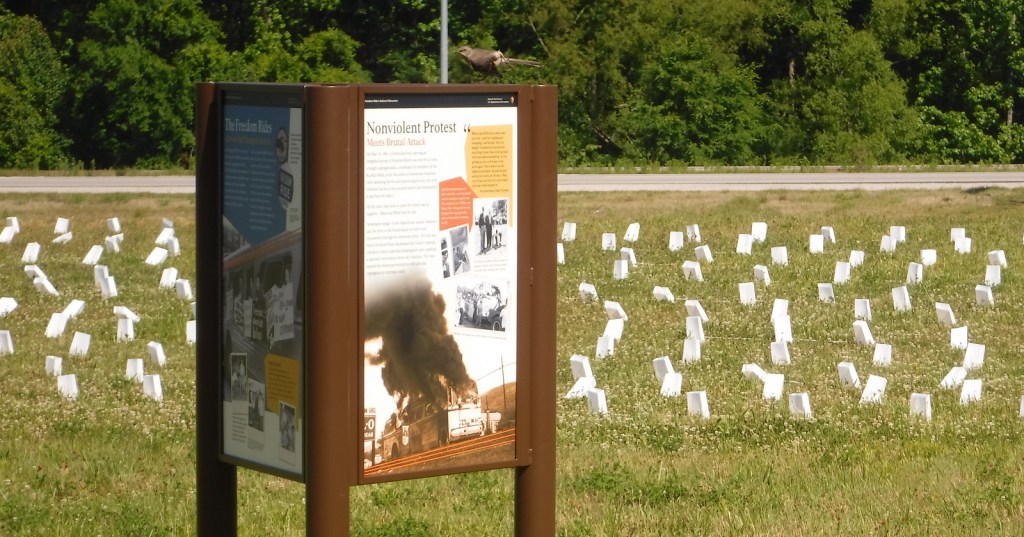
On May 4, 1961, an interracial group of “Freedom Riders” boarded two buses in Washington, D.C. bound for New Orleans to test whether southern bus stations were following the U.S. Supreme Court ruling that ended segregation in interstate travel.  On Sunday, May 14, the Greyhound bus was met by an angry mob in Anniston, Alabama that broke windows and slashed tires.  Eventually police officers cleared a path for the bus, but it was forced to stop just five miles outside town where a bundle of flaming rags caused an explosion and fire inside the vehicle.  Everyone escaped the bus although there were attempts to trap the seven Freedom Riders on board.  Joseph Postiglione’s iconic photo of the burning bus appeared in newspapers across the country, encouraging more Freedom Riders and changes to laws.

Highlights

Greyhound bus depot, Trailways bus mural, site of bus burning

Must-Do Activity

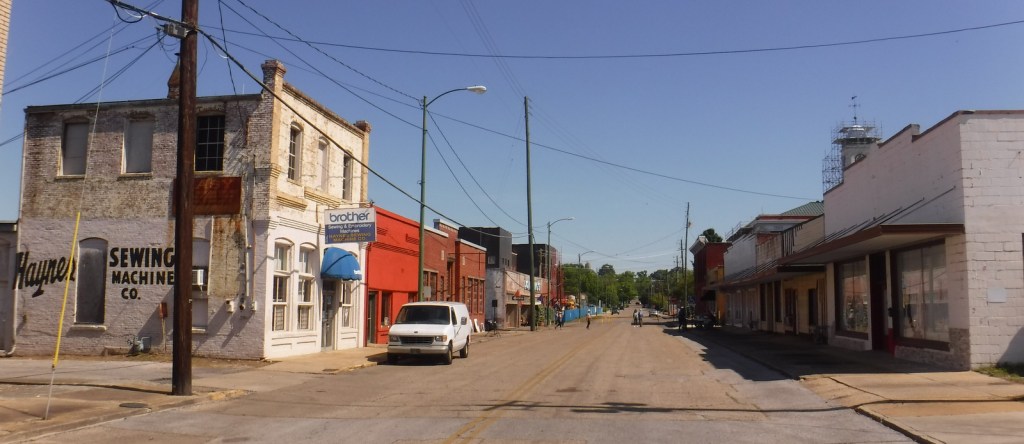
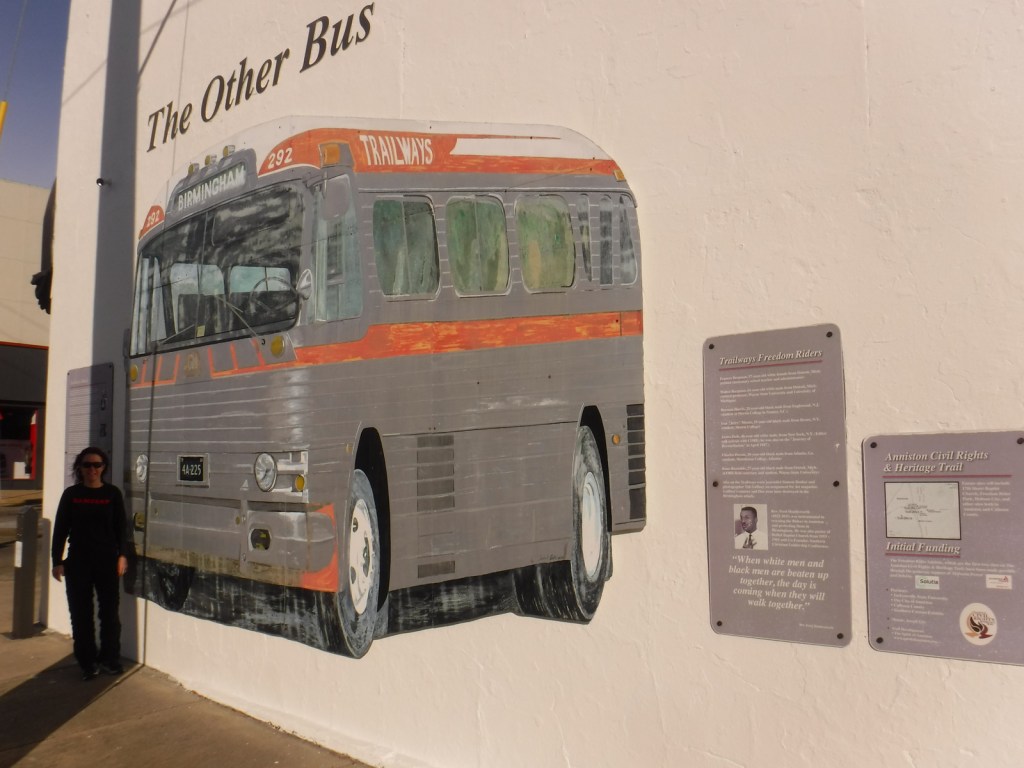
President Obama established Freedom Riders National Monument in 2017, so the park is still under development, but they do already have an outstanding Junior Ranger program.  The National Park Service (NPS) has temporary displays inside its visitor center in the historic Anniston bus station and outside is a beautiful mural of a Greyhound bus and an audio recounting of the 1961 events by Hank Thomas, a survivor.  Down the road on Highway 202, the bus burning site is currently just an informational display in a field.  We were there for the 60th anniversary events, when 400 luminaria were placed to represent the total number of Freedom Riders.  Several other murals can be found around Anniston, including a second bus at Noble and 9th Street with Charles Person’s audio description of events that took place that same day. We also recommend the excellent Freedom Rides Museum (admission charged) in Montgomery, Alabama, where similar violence took place on May 20, 1961.

Best Trail

None

Instagram-worthy Photo

In the alley next to the NPS visitor center, in front of the life-sized mural of a 1961 Greyhound bus is a lamp dedicated in August 2013 to the bravery of the Freedom Riders.

Peak Season

Spring

Hours

https://www.nps.gov/frri/planyourvisit/hours.htm

Fees

None

Road Conditions

Street parking is free outside the NPS visitor center.  To access the bus burning site, be sure to park off Old Birmingham Highway and not along the busy Highway 202 shoulder.

Camping

South of Interstate 20, campgrounds can be found in Cheaha State Park and Talladega National Forest, which also provides dispersed camping and great backpacking opportunities.

Related Sites

Birmingham Civil Rights National Monument (Alabama)

Martin Luther King, Jr., National Historical Park (Georgia)

Medgar and Myrlie Evers Home National Monument (Mississippi)

Explore More – Who was the future U.S. Congressman who took part in the 1961 Freedom Rides?

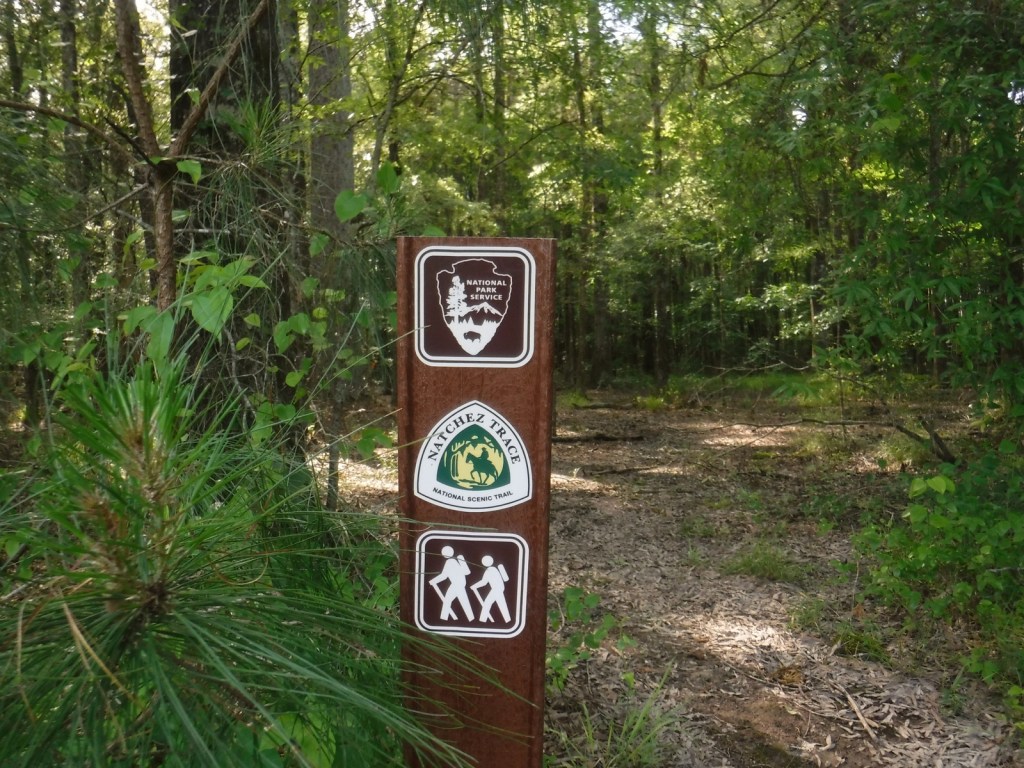
Natchez Trace National Scenic Trail

Overview

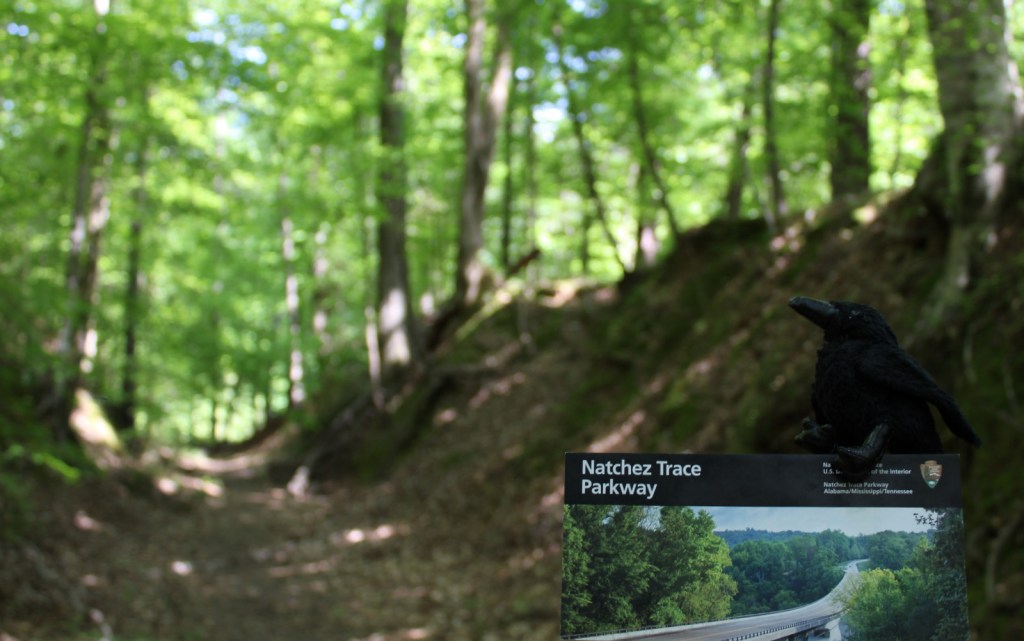
Not as well-known as the parkway it parallels, Natchez Trace National Scenic Trail is one of only three National Scenic Trails officially managed by the National Park Service (NPS).  The trace (or trail) started as an American Indian footpath.  Some of the mound builder sites protected here were inhabited when Hernando de Soto led the first Europeans into this area in 1540.  The Natchez Trace was heavily used in the 1800s by “Kaintuck” flatboatmen returning from New Orleans who left the Mississippi River from Natchez, Mississippi and continued on foot north to Nashville, Tennessee.  Today you can follow portions of the “sunken” trail worn down by travelers for centuries.

Highlights

Rocky Springs, Owens Creek Waterfall, Tupelo-Baldcypress Swamp, Grindstone Ford, Witch Dance Horse Trail, War of 1812 Memorial

Must-Do Activity

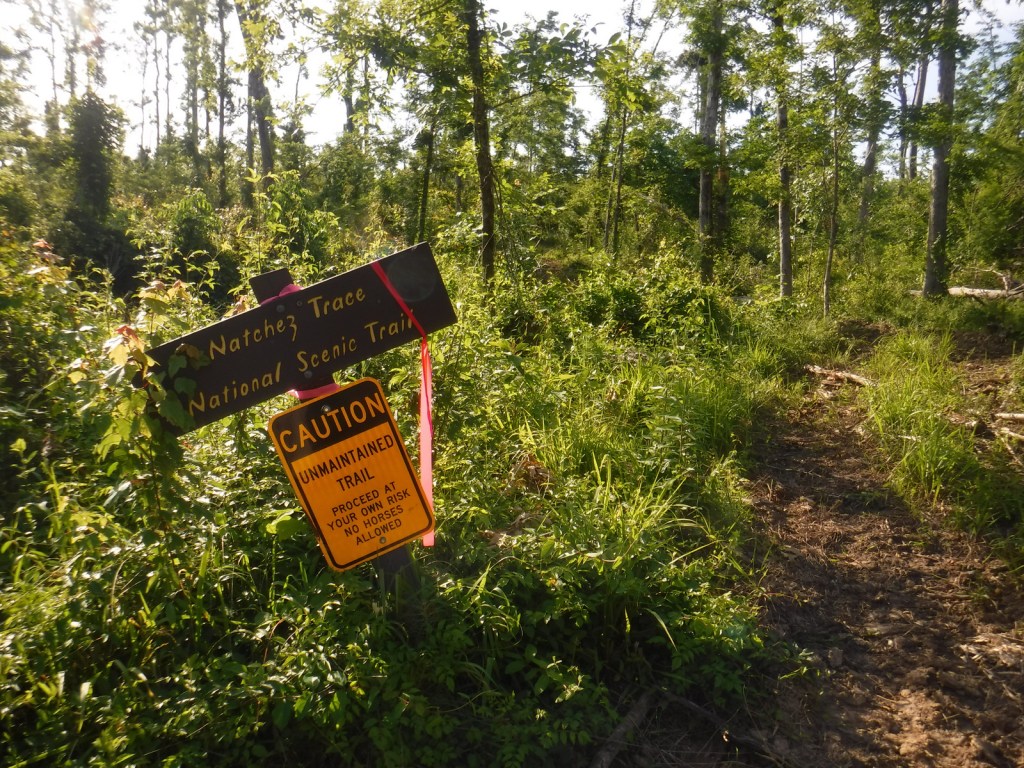
The Natchez Trace National Scenic Trail does not follow the entire 444-mile parkway, but exists in five segments totaling 67 miles in length.  The two longest sections are near Leipers Fork, Tennessee (Miles 408-427) and north of Jackson, Mississippi (Miles 108-130).  There are many other places to go hiking along the Natchez Trace Parkway, including one of our favorite spots, Tishomingo State Park (Mile 304) in Mississippi.  Near Tupelo, the Parkway Visitor Center at Mile 266 is another must-do stop to learn the history of the trace.

Best Trail

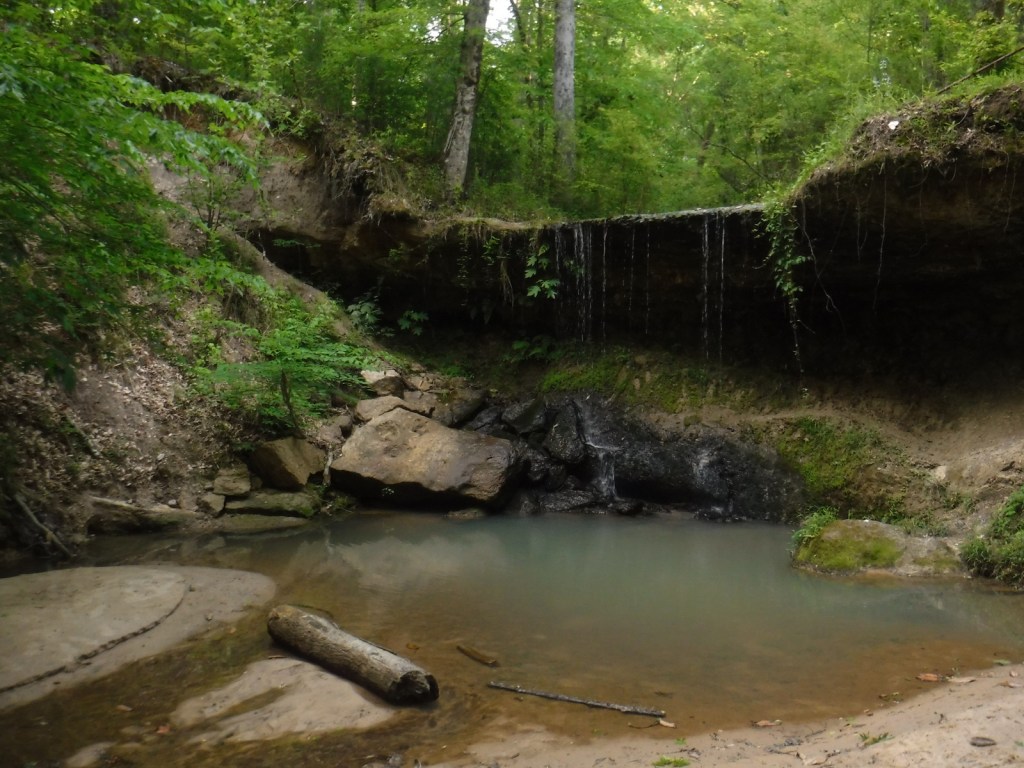
There are eight miles of the original trail around the Rocky Springs Campground near Mile 58 in Mississippi, which provides access to Owens Creek Waterfall and a historic town site.

Instagram-worthy Photo

In early April the dogwood trees bloom along the Natchez Trace.  At Mile 275 is Dogwood Valley, which also has a short section of “sunken” historic trail.

Peak Season

Spring and fall

Hours

https://www.nps.gov/natt/planyourvisit/hours.htm

Fees

None

Road Conditions

The entire 444-mile Natchez Trace Parkway is paved from Natchez, Mississippi to Nashville, Tennessee, but not all trailheads are RV accessible.

Camping

There are three NPS campgrounds along the route, as well as those in sites like Mississippi’s Tishomingo State Park.  The three NPS campgrounds are primitive and free, plus there are also five bike-only campsites along the route.

Related Sites

Tupelo National Battlefield (Mississippi)

Natchez National Historical Park (Mississippi)

Vicksburg National Military Park (Mississippi)

Explore More – The Natchez Trace Parkway officially joined the NPS system in 1938, but when was construction of the road finally completed?