Tag Archives: African American

New Philadelphia National Historic Site

New Philadelphia National Historic Site

Illinois

Managed by National Park Service

Established 2022

124 acres

Website: nps.gov/neph

Overview

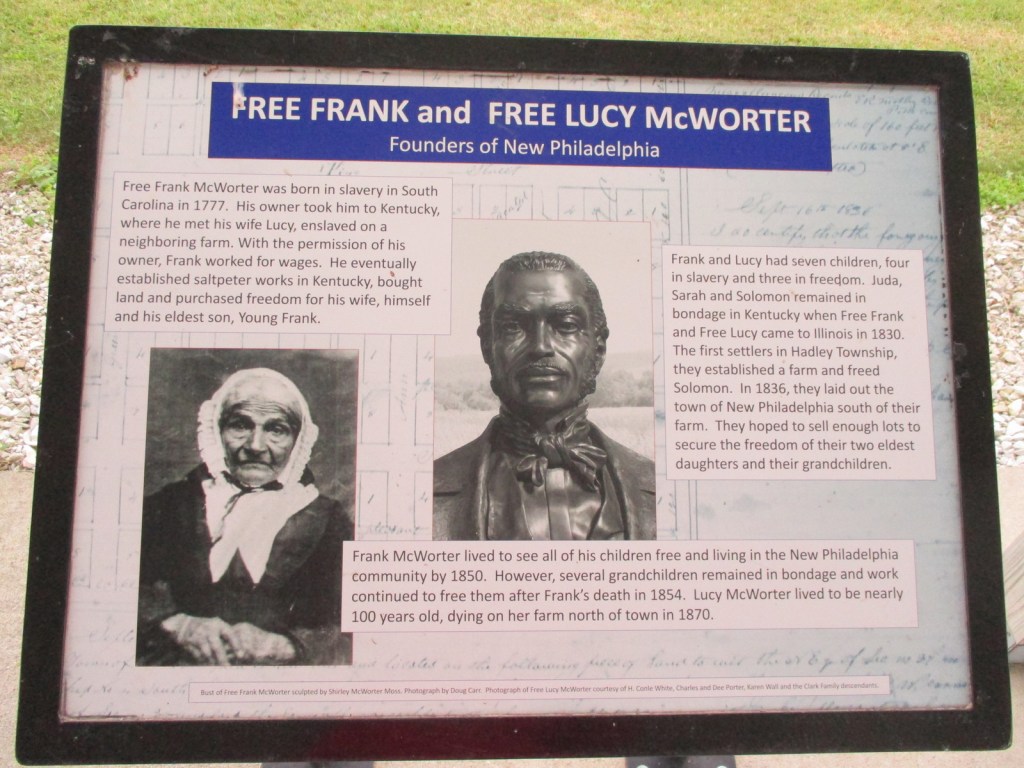
About 77 miles west of Springfield, Illinois, a 42-acre parcel of land became the first U.S. town platted and registered by an African American in 1836.  Back then, Illinois had stringent Black Codes that restricted African Americans and required proof they were not slaves.  This did not deter “Free” Frank McWorter who was born into slavery in South Carolina and after being moved to Kentucky worked to purchase his pregnant wife’s freedom in 1817, then his own two years later.  Once settled in Illinois, McWorter paid $100 for 80 acres and platted a portion of it into 144 lots that he named New Philadelphia.  This was a time of racial tension in Illinois, when an abolitionist was killed while trying to protect his printing press in Alton and a violence flared after a petition to abolish slavery was signed in Griggsville only 13 miles east.  It is likely that New Philadelphia served as a major stop on the Underground Railroad.  The town’s population peaked in 1865 with 160 individuals, 30% of whom were black according to the census.  Although the town was abandoned within a century, a major archaeological excavation in 2002 found artifacts including glass bottles, ceramics, children’s toys, possible pieces of the game Mancala, and a 1903 Illinois State Fair badge.  The site was added to the National Register of Historic Places in 2005 and became a National Historic Landmark in 2009.

Highlights

Kiosk, interpretive trail

Must-Do Activity

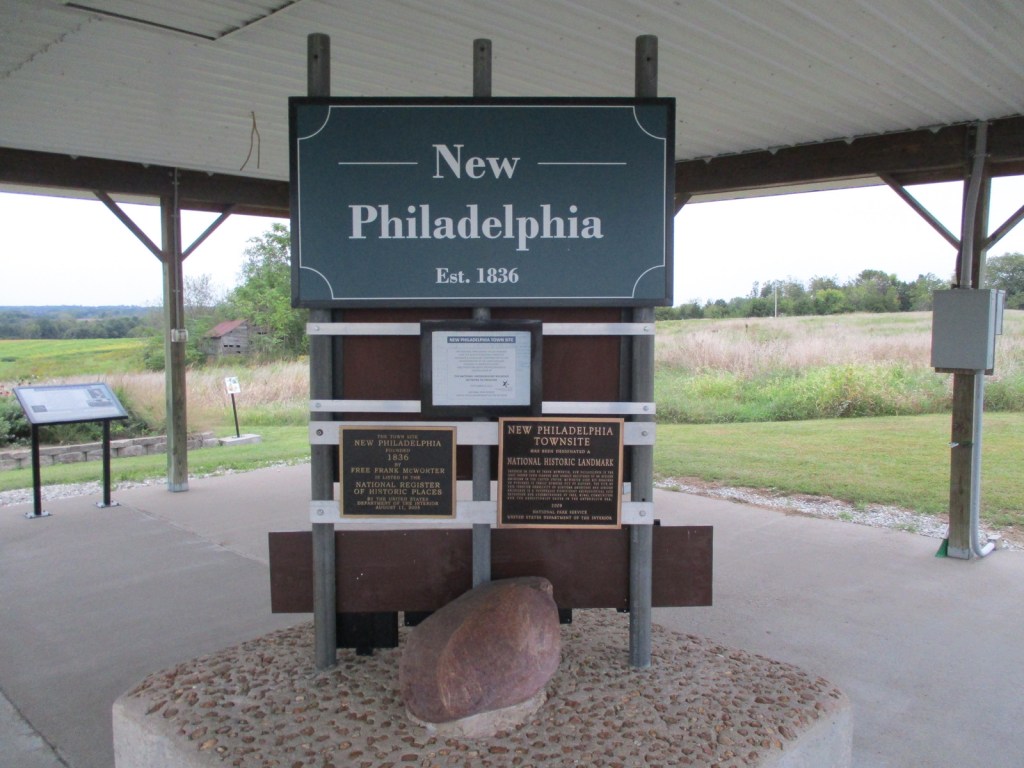
Where you park right off County Highway 2, there is an information kiosk that includes brochures and interpretive panels.  We could not get the Augmented Reality (AR) Tour app to work when we visited, but you might have better luck if you use the public WiFi provided by the New Philadelphia Association (the WiFi password is Frank1836).  You can always watch the AR videos before or after your visit on their website (http://newphiladelphiail.org/ar-website).  If you want to stamp your National Parks passport, go four miles west to the Barry City Hall or public library, or visit Lincoln Home National Historic Site in Springfield.

Best Trail

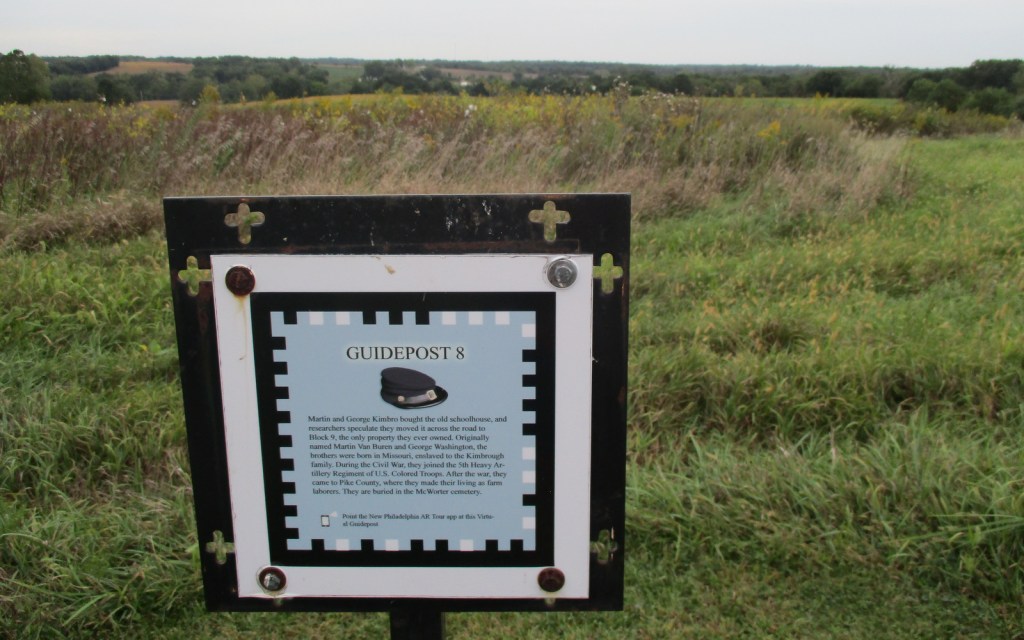
A quarter-mile-long walking trail is mowed into the grassy field where the Augmented Reality Tour has guideposts that also include written information. 

Photographic Opportunity

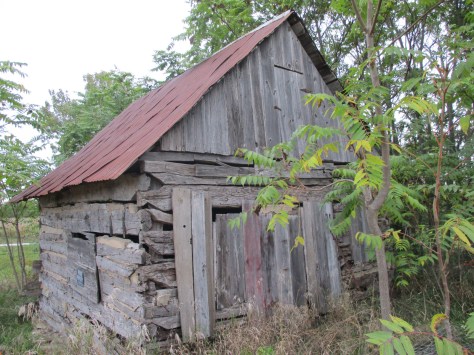
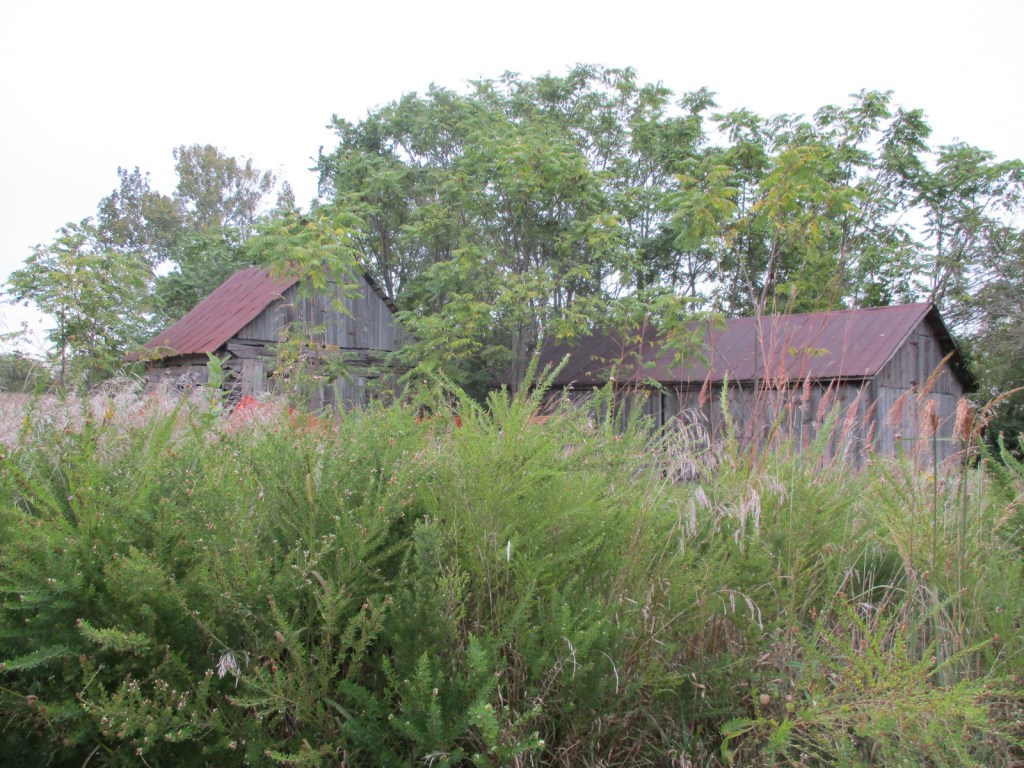
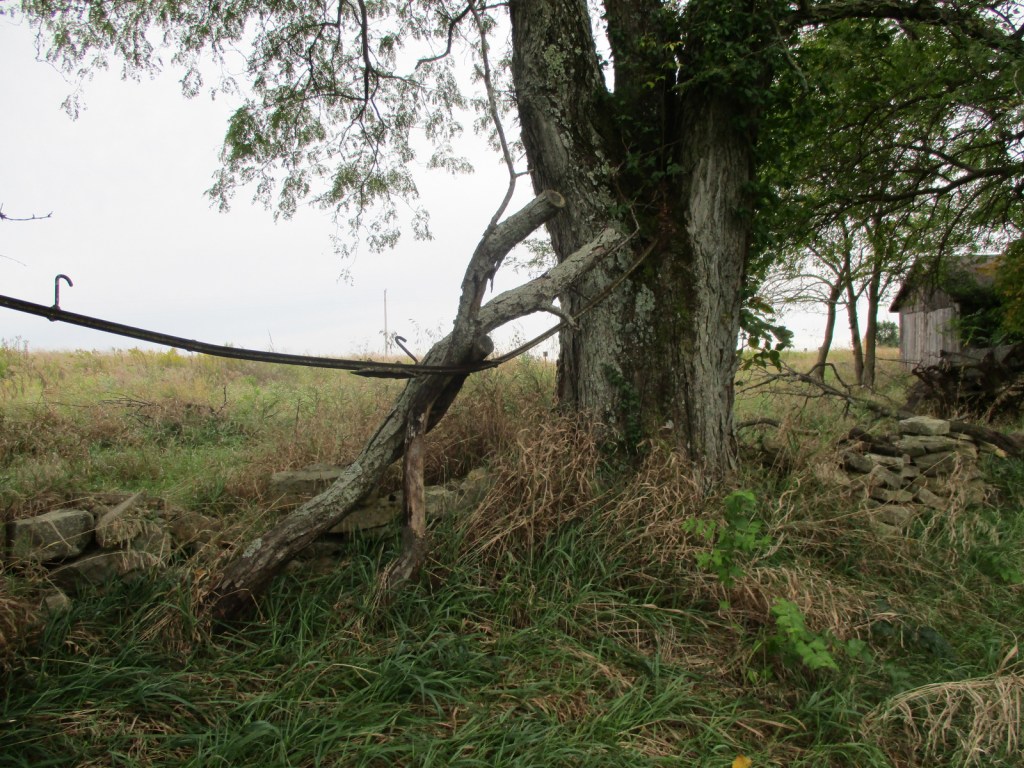
No original structures remain on the site of New Philadelphia, but there are some old farm buildings that make interesting photographic subjects.  Watch for poison-ivy if you step off the mowed trail for photographs.

Peak Season

Spring and fall

Hours

https://www.nps.gov/neph/planyourvisit/hours.htm

Fees

None

Road Conditions

There is a paved parking area right off County Highway 2 when you turn on the gravel 306th Lane, easily accessible from Interstate 72 only 27 miles east of the Mississippi River.  Springfield, Illinois is 76 miles east and St. Louis, Missouri is about 115 miles south.

Camping

There is a campground at Lincoln’s New Salem State Historic Site and other Illinois state parks, plus several in Mark Twain’s hometown of Hannibal, Missouri.

Related Sites

Nicodemus National Historic Site (Kansas)

Springfield 1908 Race Riot National Monument (Illinois)

Emmett Till and Mamie Till-Mobley National Monument (Mississippi-Illinois)

Nearest National Park

Gateway Arch

Explore More – Frank McWorter purchased the freedom from slavery for how many family members, (including his son who had escaped to Canada)?

Springfield 1908 Race Riot National Monument

Springfield 1908 Race Riot National Monument

Illinois

Managed by National Park Service

Established 2024

1.57 acres

Website: nps.gov/spra

Overview

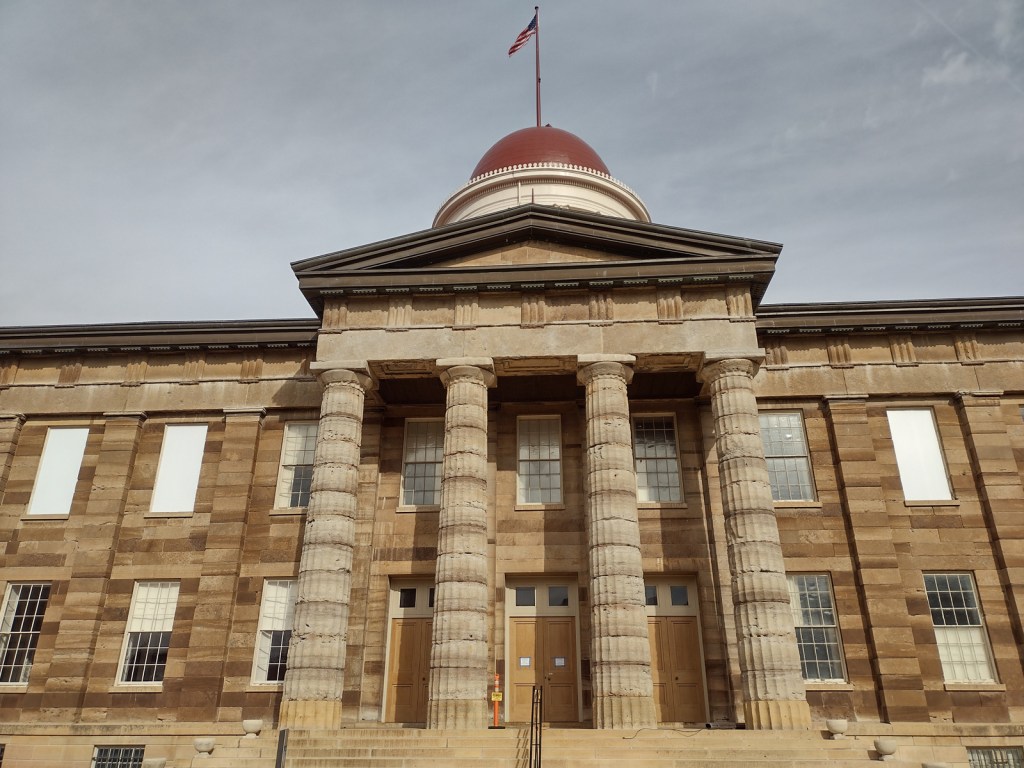
In 1908, African Americans made up only 5.5% of Springfield’s population of 47,000.  However, racial tensions ran high across the nation, and, on August 14, a mob formed outside the jail where two African-American men were accused of separate incidents of sexual assault and murder.  When the crowd found out the prisoners had been secretly moved 60 miles away, a full riot broke out.  They destroyed buildings, looted, and lynched two prominent members of the African-American community—a barber named Scott Burton and the wealthy William Donnegan.  By the time the National Guard arrived to restore order, seven people were dead and the mob had already burned the African-American neighborhood known as the “Badlands” to the ground.  Eventually, the trials of the 80 riot suspects at the Old Court House led to only one conviction for petty larceny.  While the rape suspect, George Richardson, was released when his accuser admitted fabricating the story, Joe James was convicted of murder and executed on October 23, 1908 despite being legally exempt from the death penalty as a minor.  These events catalyzed the formation of the National Association for the Advancement of Colored People (NAACP) a few months later in New York City.

Learn more about the other 137 National Monuments in our book Monumental America: Your Guide to All 138 National Monuments. It is now available for sale on Amazon.com.

Highlights

Walking tour, Acts of Intolerance sculpture, mural, Old Court House, Springfield and Central Illinois African American History Museum, Oak Ridge Cemetery, Mechanicsburg Cemetery

Must-Do Activity

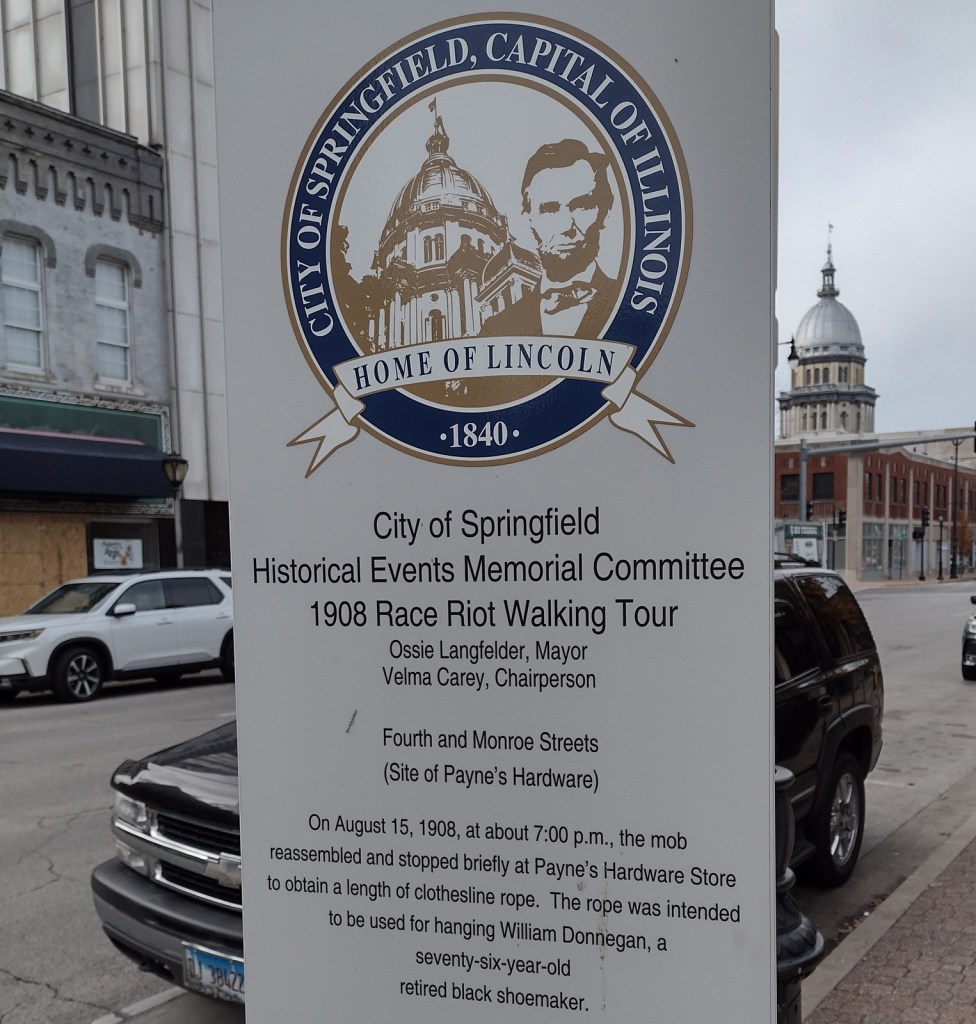
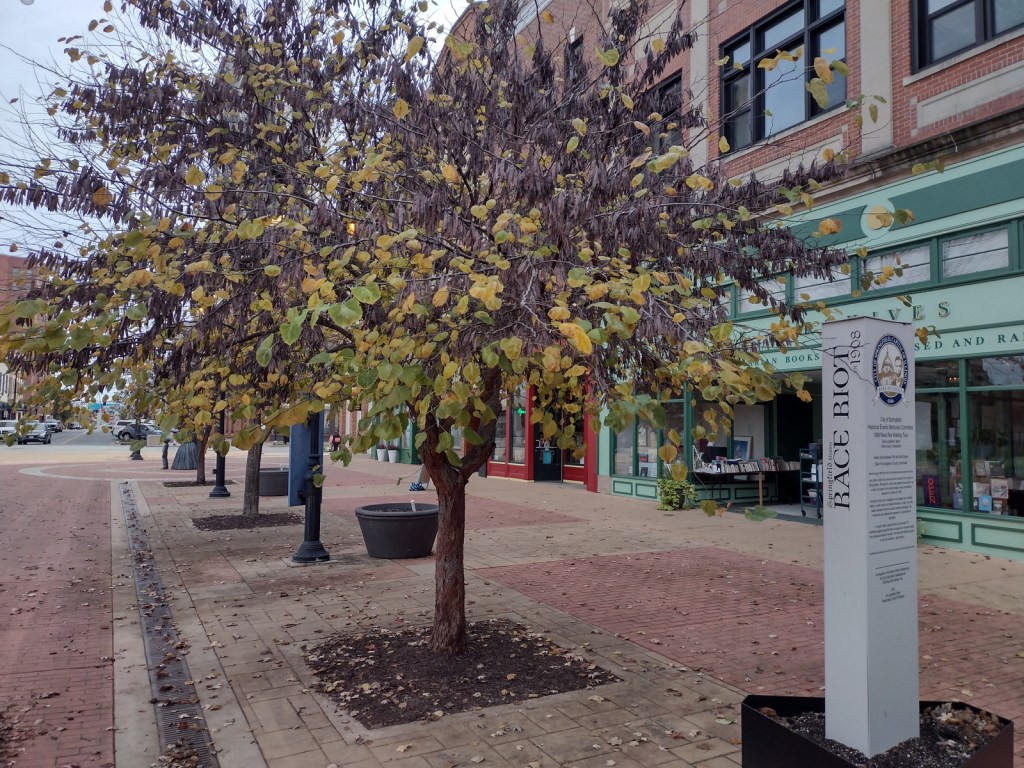
Before the National Monument was designated in 2024, the city of Springfield had already created a walking tour highlighting the events of the 1908 race riot marked by seven silver pillars.  After starting at the former site of the jail, the tour moves to where Loper’s Restaurant once stood; its white owner having assisted in moving the prisoners, his restaurant and his car were destroyed.  During the frenzy, a restaurant patron named Louis Johnson was shot and killed.  There are five other stops detailing the events chronologically, but they do not include the mural inside HSHS St. John’s Hospital Women & Children’s Clinic, which is next to the officially designated National Monument boundaries where the foundations of five homes burned in the “Badlands” remain fenced off.  Upon our visit less than three months after its creation, the National Park Service visitor center for Lincoln Home National Historic Site did not have any information on the new National Monument, but they already had a passport stamp.

Best Trail

When followed in chronological order, the walking tour bounces back and forth across the city, so you will get your steps in that day.  In the summer, guided tours are offered from the Springfield Convention and Visitors Bureau.  Alternatively, you can drive the route and read the descriptions in the publication available online and from the visitors bureau. 

Photographic Opportunity

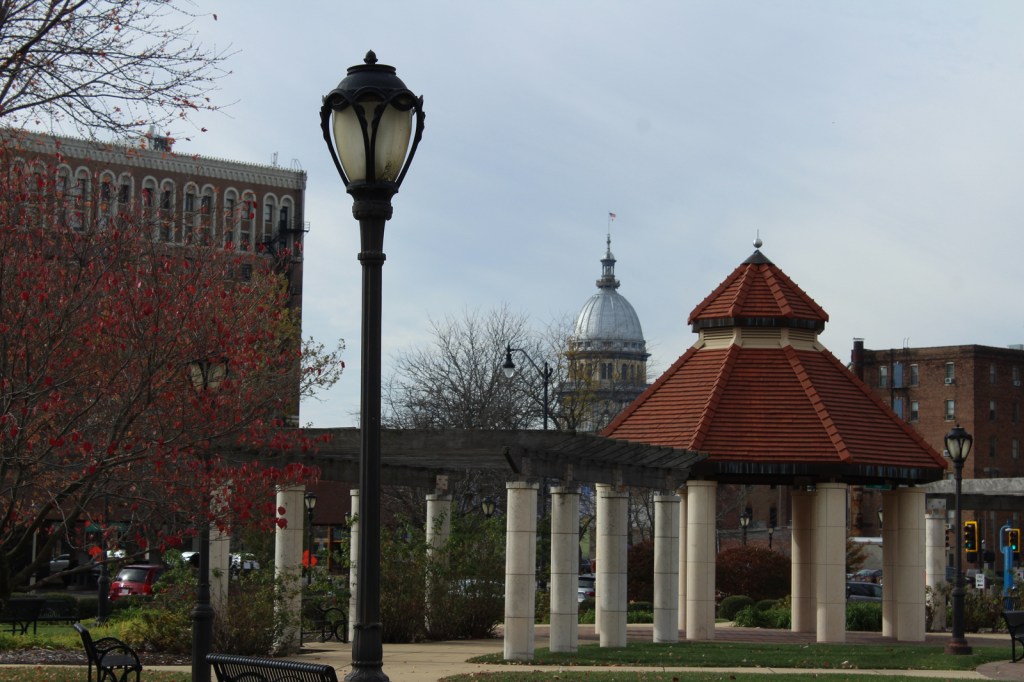
After the burning of the “Badlands” neighborhood, two chimneys were about the only structures left standing.  The sculptor Preston Jackson utilized this imagery in his work Acts of Intolerance that depicts scenes of the race riot in bas relief.  Dedicated in 2009, it stands across the street from the Abraham Lincoln Presidential Library in Union Square Park. 

Peak Season

Summer

Hours

https://www.nps.gov/spra/planyourvisit/hours.htm

Fees

None

Road Conditions

There is no free parking in downtown Springfield, so you can use a parking meter or the NPS pay lot at Lincoln Home National Historic Site. 

Camping

Lincoln’s New Salem State Historic Site is 20 miles northwest of Springfield and its campground has running water.  Further north, Starved Rock State Park is a beautiful spot for camping, and it also offers a historic lodge.

Related Sites

New Philadelphia National Historic Site (Illinois)

Emmett Till and Mamie Till-Mobley National Monument (Mississippi-Illinois)

Medgar and Myrlie Evers Home National Monument (Mississippi)

Explore More – Damage from the race riot to black businesses was estimated at $100,000 in 1908, equivalent to how many millions today?

Learn more about the other 137 National Monuments in our book Monumental America: Your Guide to All 138 National Monuments

Charles Young Buffalo Soldiers National Monument

Charles Young Buffalo Soldiers National Monument

Ohio

Managed by National Park Service

Established 2013

60 acres

Website: nps.gov/chyo

Overview

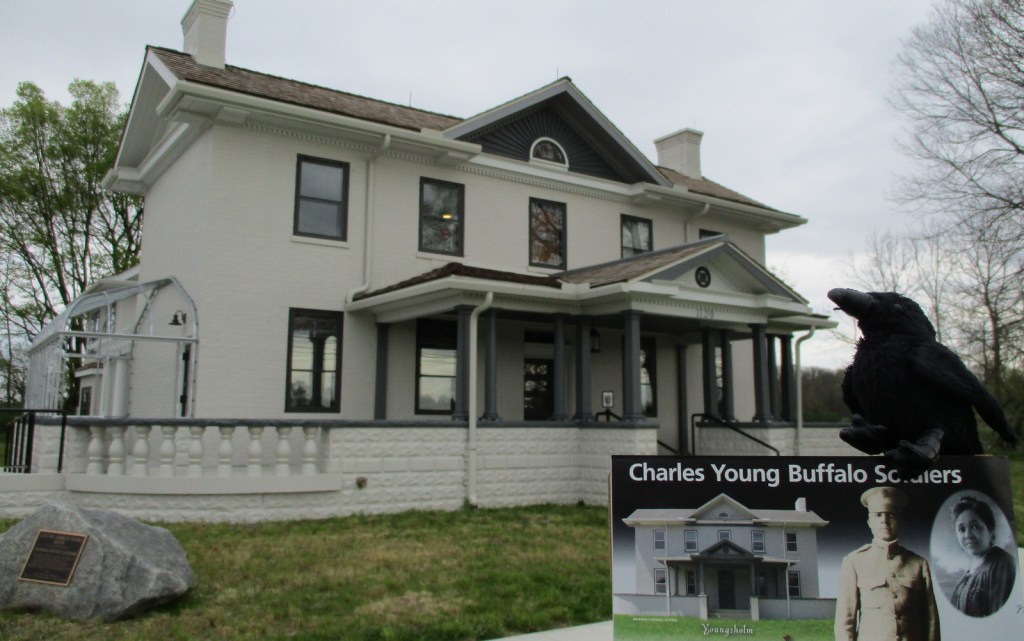
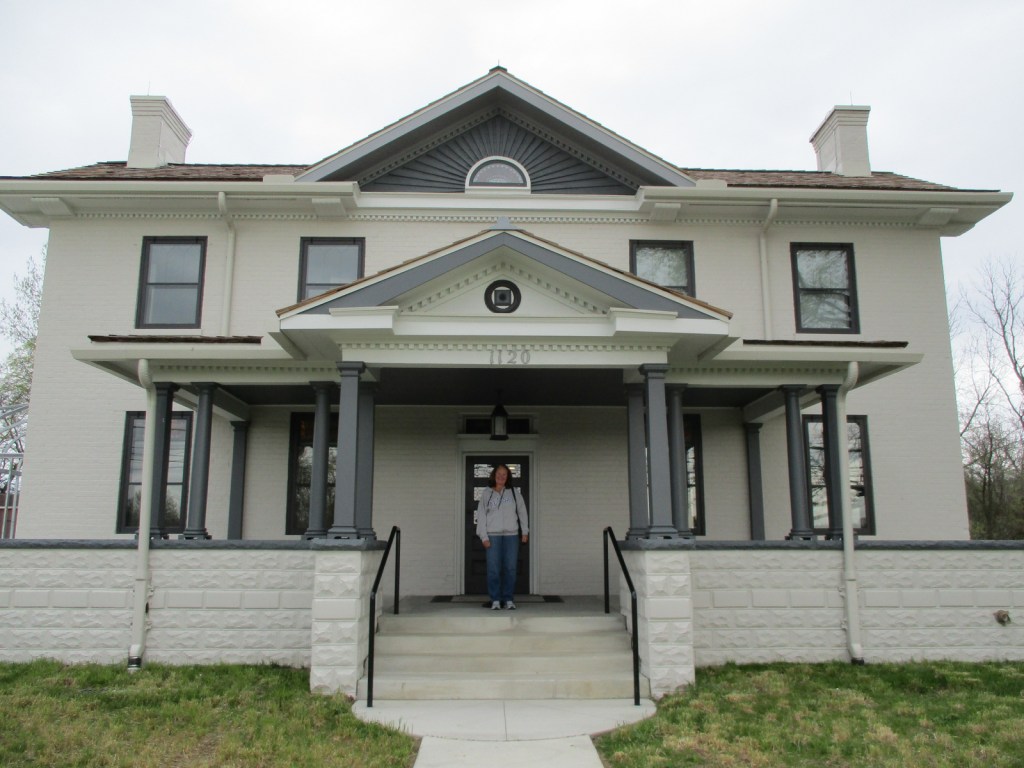
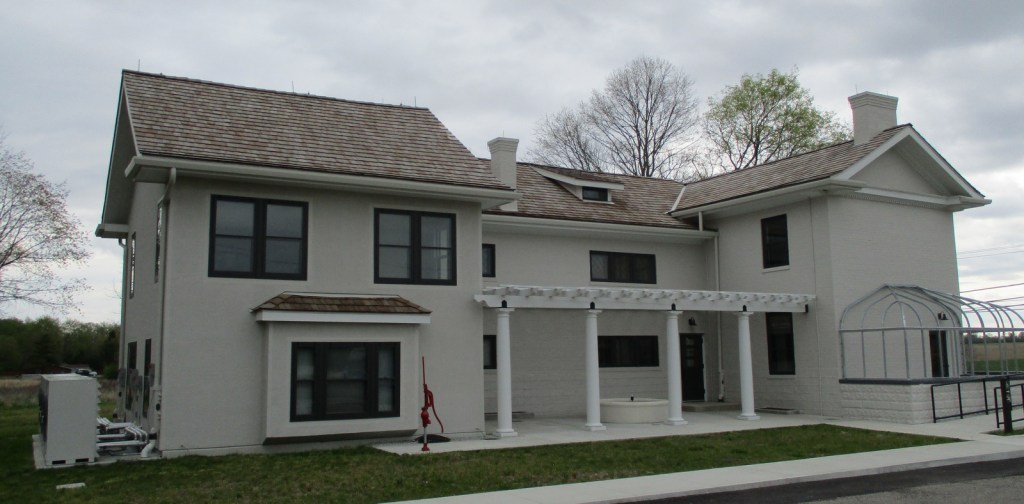
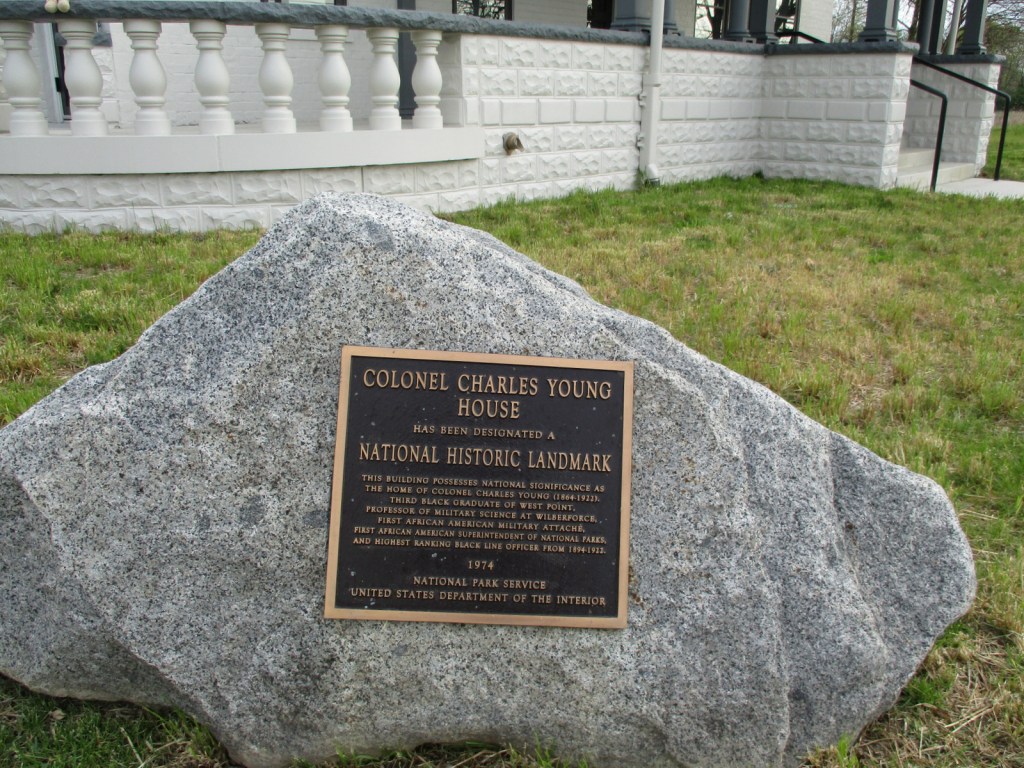
Charles Young was born to enslaved parents in 1864 and went on to become only the third African American to graduate from the U.S. Military Academy at West Point despite being the target of constant insults and social isolation.  He was commissioned an Army officer, serving with the “Buffalo Soldiers,” so named by American Indians because their hair and ferocious fighting style was similar to the bison.  Young became the first African American to serve as the Superintendent of a National Park when he commanded troops at General Grant (now Kings Canyon) and Sequoia National Parks in 1903.  Four years later, Young and his family purchased the 1839-built house he called “Youngsholm” after teaching military science at nearby Wilberforce University for over a decade.  His military career took him to the Philippines, Dominican Republic, Haiti, Mexico, and Liberia, but he was not allowed to fight in Europe during World War I.  In 1922, Young died while serving as a military attaché in Africa and after a campaign by his family and notable African-American celebrities his body was reinterred at Arlington National Cemetery.

Learn more about the other 137 National Monuments in our book Monumental America: Your Guide to All 138 National Monuments. It is now available for sale on Amazon.com.

Highlights

Youngsholm, film, living history demonstrations

Must-Do Activity

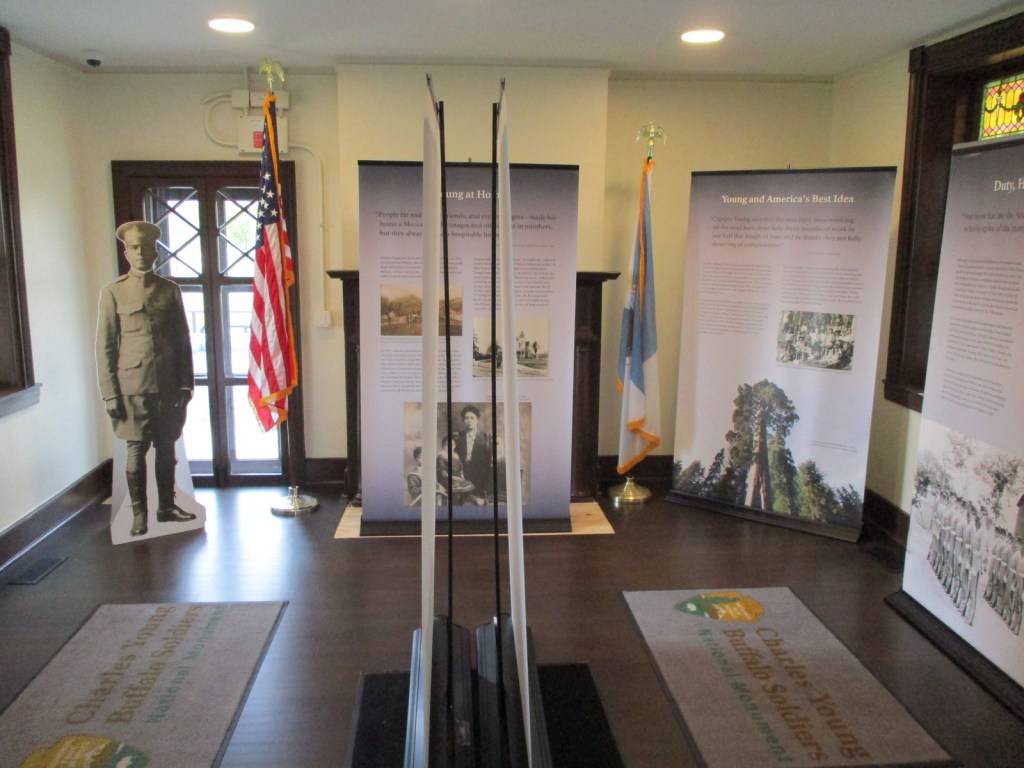
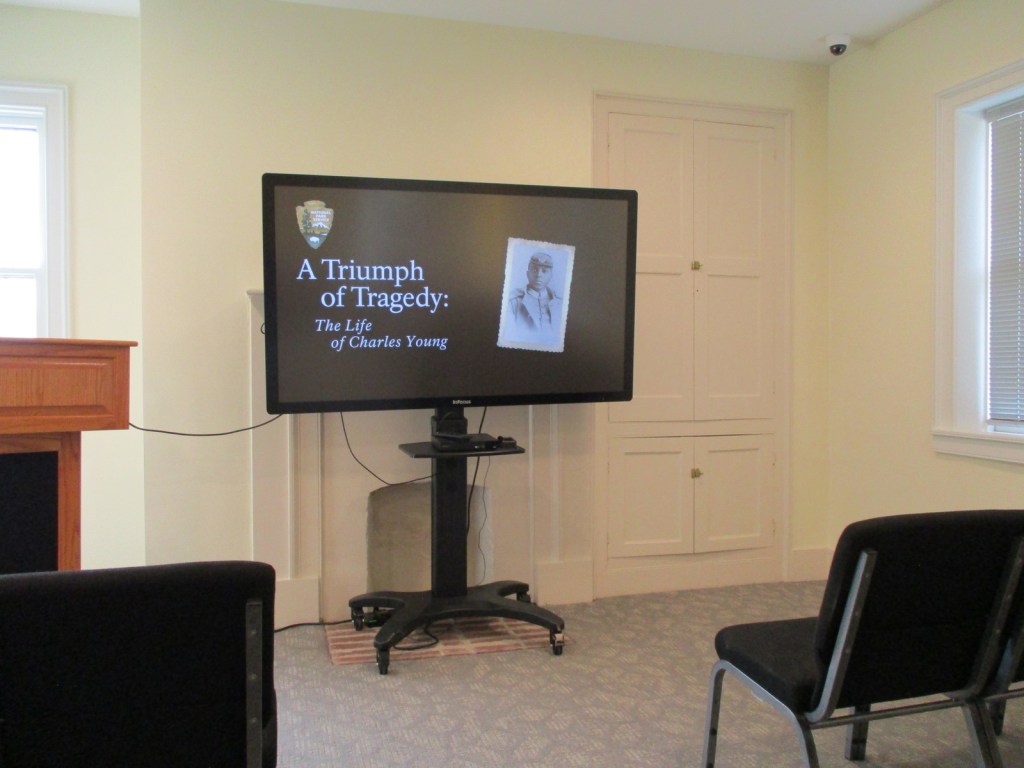
A “15-month renovation” of Youngsholm began in October 2021 to restore the house and add an elevator, which in typical government fashion was not finished until April 2024.  There is a film focused on his life as a civil rights trailblazer that is played on the second floor of the house, which you can also watch online before visiting.  We also recommend the 2023 PBS special Buffalo Soldiers that focuses extensively on Charles Young.  None of the rooms inside Youngsholm are furnished, but there are many informational signs about Young and the Buffalo Soldiers.  In addition, 30-minute talks on a variety of topics are given on most weekends by park rangers and there is a Junior Ranger booklet for the site.

Best Trail

None

Photographic Opportunity

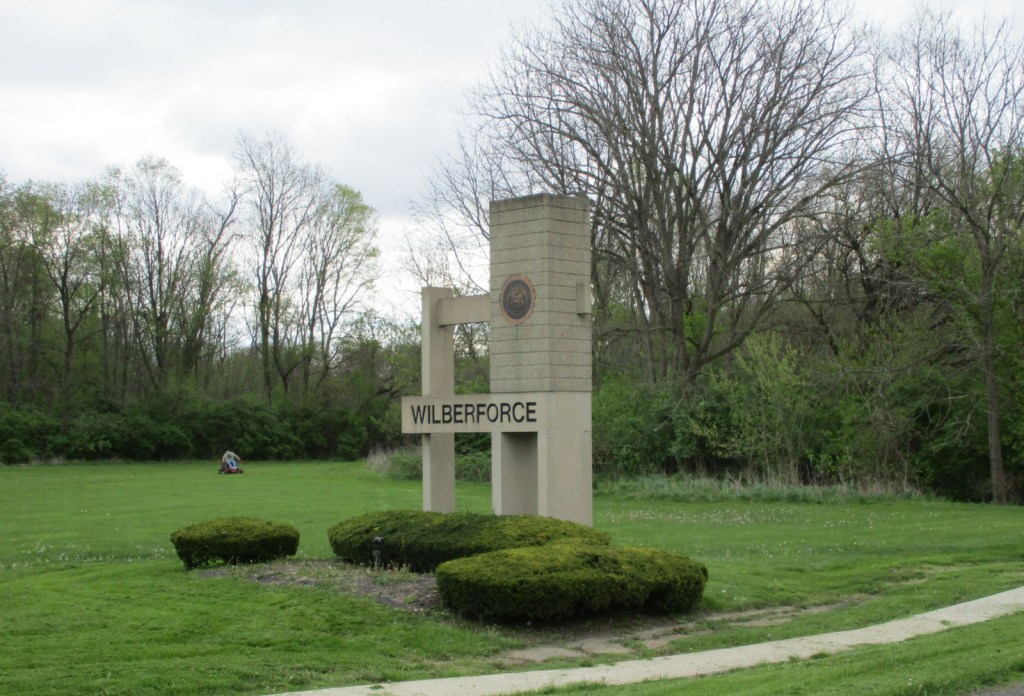
A short drive across Highway 42 from Youngsholm takes you to Wilberforce University where there is an Ohio Historical Marker telling the story of Charles Young’s connection with the school. 

Peak Season

Summer

Hours

https://www.nps.gov/chyo/planyourvisit/hours.htm

Fees

None

Road Conditions

Youngsholm is located right off paved Highway 42 near the campus of Wilberforce University.

Camping

The scenic Hocking Hills State Park has 172 campsites (reservations recommended) and is one of the most popular places to camp in Ohio.  Hueston Woods State Park offers 490 campsites, 59 cabins, and a lodge.

Related Sites

Dayton Aviation Heritage National Historical Park (Ohio)

Hopewell Culture National Historical Park (Ohio)

Fort Davis National Historic Site (Texas)

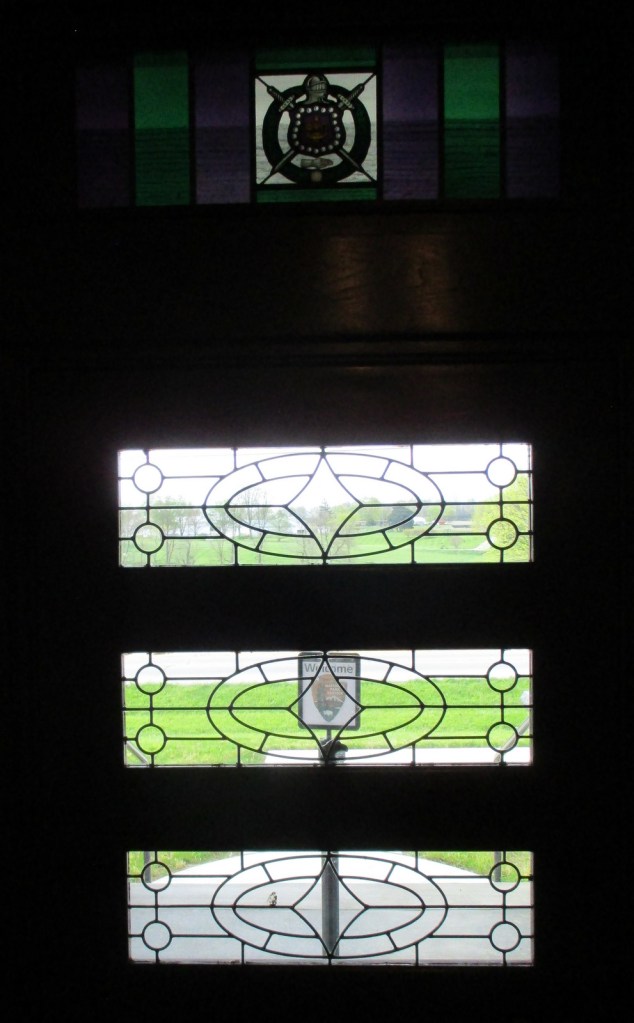
Explore More – What fraternity of African-American leaders is represented by the purple-and-green stained-glass window in Youngsholm?

Learn more about the other 137 National Monuments in our book Monumental America: Your Guide to All 138 National Monuments

Birmingham Civil Rights National Monument

Birmingham Civil Rights National Monument

Alabama

Managed by National Park Service

Established 2017

18 acres

Website: nps.gov/bicr

Overview

Created by President Barack Obama on January 12, 2017 (the same day as Freedom Riders and Reconstruction Era National Monuments), this site encompasses four city blocks of downtown within the larger 36-acre Birmingham Civil Rights District.  In 1963, this area was where the 16th Street Baptist Church was bombed and the Children’s Crusade (a non-violent protest march) was attacked by policemen with water hoses and dogs.  The only portion of the site run by the National Park Service (NPS) is the A. G. Gaston Motel, which was bombed by the KKK after Rev. Martin Luther King, Jr. and other civil rights leaders stayed there from April through May 1963 to plan their non-violent campaign against segregation laws.  The City of Birmingham and the NPS have restored the motel to its historic appearance and a park ranger is stationed there three days a week.

Learn more about the other 137 National Monuments in our book Monumental America: Your Guide to All 138 National Monuments. It is now available for sale on Amazon.com.

Highlights

Birmingham Civil Rights Institute, A.G. Gaston Motel, 16th Street Baptist Church, Kelly Ingram Park, St. Paul United Methodist Church, Bethel Baptist Church

Must-Do Activity

The Birmingham Civil Rights Institute is a history museum that opened in 1992 across from the 16th Street Baptist Church (see Photographic Opportunity).  With a timed entry ticket, your self-guided tour starts with a short video, then an immersive walk through the struggle for civil rights in Birmingham and around the U.S.  It includes powerful displays on the Freedom Riders bus burning and Rev. Martin Luther King, Jr.’s “Letter from Birmingham Jail,” as well as the decades-long effort to bring to justice the bombers of the 16th Street Baptist Church.  If you come on one of the three days per week that a park ranger is posted at the A.G. Gaston Motel, be sure to stop there afterwards to see the ongoing reconstruction work.  Six miles north of the city in the Collegeville neighborhood, Bethel Baptist Church was bombed three times in 1956, 1958 and 1962, partly why the city earned the nickname “Bombingham.”  The church is associated with the influential Rev. Fred Shuttlesworth, who has a statue outside the Birmingham Civil Rights Institute.

Best Trail

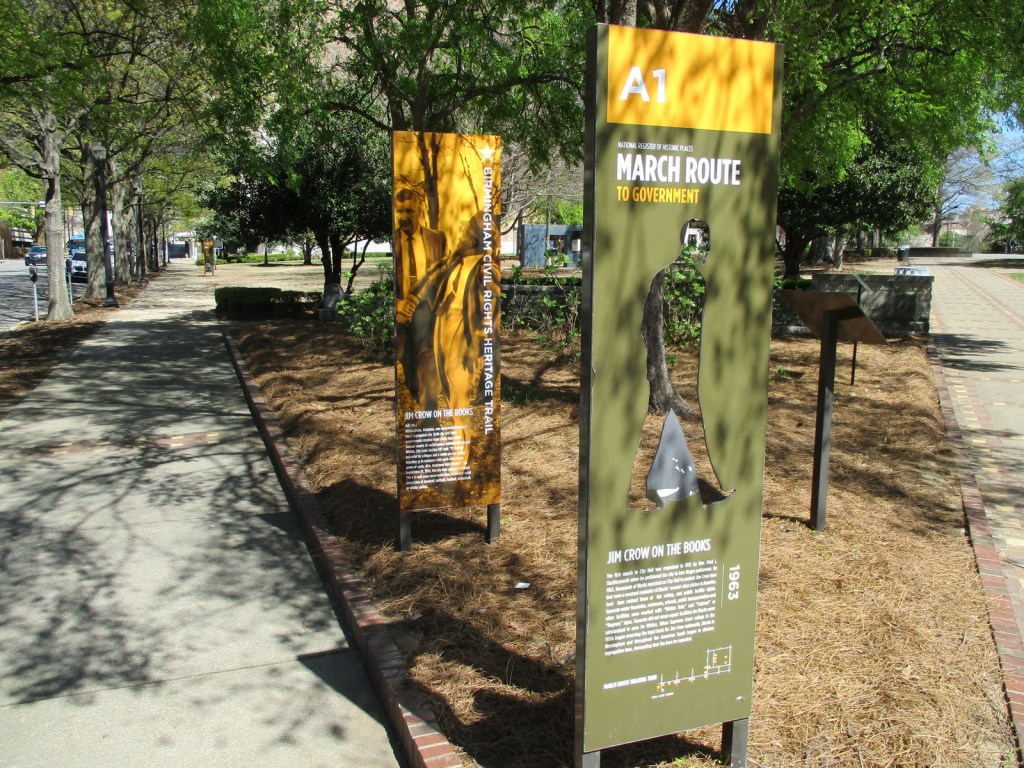
Across the street from the Birmingham Civil Rights Institute, Kelly Ingram Park features sculptures, interpretive signs, and an audio tour describing the violent attacks by police officers and dogs on civil rights protesters (many of them children) on May 7, 1963.

Photographic Opportunity

Across the street from the Birmingham Civil Rights Institute, 16th Street Baptist Church was bombed on September 15, 1963, killing four young girls, an act of domestic terrorism that propelled the passage of the Civil Rights Act of 1964.  Tours inside the church are by appointment only.

Peak Season

Spring and fall

Hours

The A.G. Gaston Motel is open Thursday through Saturday 10 a.m. to 4 p.m. and the Birmingham Civil Rights Institute is open Tuesday through Saturday 10 a.m. to 5 p.m.

https://www.nps.gov/bicr/planyourvisit/hours.htm

Fees

No cost for the A.G. Gaston Motel or Kelly Ingram Park, but there is an admission fee at the Birmingham Civil Rights Institute (online reservations recommended).

Road Conditions

All roads are paved with a free parking lot next to the Birmingham Civil Rights Institute.

Camping

In northeast Alabama, De Soto State Park offers camping, in addition to excellent hiking trails to several waterfalls.  There are also three backcountry campsites in Little River Canyon National Preserve available from February through September with a permit.  Cheaha State Park and Joe Wheeler State Park both have campgrounds and lodges.  Talladega, Tuskegee, and William B. Bankhead National Forests also offer car camping and backpacking opportunities.

Related Sites

Freedom Riders National Monument (Alabama)

Horseshoe Bend National Military Park (Alabama)

Tuskegee Airmen National Historic Site (Alabama)

Explore More – When did the City of Birmingham establish the 36-acre Birmingham Civil Rights District?

Learn more about the other 137 National Monuments in our book Monumental America: Your Guide to All 138 National Monuments

Hoosier National Forest

Hoosier National Forest

Indiana

Managed by U.S. Forest Service, Eastern Region

644,214 acres (202,814 federal/ 441,400 other)

Website: https://www.fs.usda.gov/hoosier

Overview

Southern Indiana’s Hoosier National Forest was created in 1935 from cutover and abandoned farm land.  Six years later an additional 88 acres of old-growth forest was purchased that became Pioneer Mothers Memorial Forest, which has never been cut and is used to study natural succession.  A 0.8-mile trail runs through the woods and accesses the Indiana Pioneer Mothers Memorial and Lick Creek Settlement Site.  The latter was a community of free African-Americans led by the Quaker Jonathan Lindley from 1819 to 1865, and located nearby is an archaeological site where there was a stockaded village in the 1300s. 

Highlights

Pioneer Mothers Memorial Forest, Monroe Lake, Hickory Ridge Lookout Tower, German Ridge Lake, Lick Creek Settlement Site, Sundance Lake, Potts Creek Rockshelter Archeological Site, Lake Tarzian, Rickenbaugh House, Tipsaw Lake, Buzzard Roost Overlook, Clover Lick Barrens, Hardin Ridge Recreation Area, Birdseye Trail, Hemlock Cliffs Trail

Must-Do Activity

There are 266 miles of trails in Hoosier National Forest, including the 36.3-mile Terrill Ridge Trail that enters the Charles C. Deam Wilderness (Indiana’s one and only) and the 24.1 miles of trails around German Ridge Lake.  Horse camps provide access to miles of bridle trails, including the 48.7-mile Hickory Ridge Trail.  Many of the National Forest’s trails are old roads (even in the Wilderness), so while hiking watch for evidence of house foundations, fences, domestic plants, and cemeteries.

Best Trail

Hemlock Cliffs Trail is a 1.2-mile loop through a sandstone canyon that passes two unique waterfalls.  Tall eastern hemlock trees surround both waterfalls that you can walk behind where the cliffs are undercut by erosion in this crumbly sedimentary rock.  The falls only flow seasonally, but when they do the trail is often muddy and slippery, so take caution. 

Watchable Wildlife

In 1972, wild turkeys were reintroduced to 6,000 acres around Clover Lick Barrens, an area of prairie vegetation.  Other birds of interest include red-shouldered hawks, sharp-shinned hawks, scarlet tanagers, and pileated woodpeckers.  Timber rattlesnakes and copperheads are two venomous snake species found here.  Mammals include fox squirrels, raccoons, and white-tailed deer, which attract hunters in season.

Instagram-worthy Photo

Southern Indiana is known for its Karst topography, which often forms limestone caves, as well as some beautiful Swiss-cheese formations that can be seen along the Hemlock Cliffs Trail.

Peak Season

Summer

Fees

None

Road Conditions

Road access is paved to the pullout for the Pioneer Mothers Memorial Forest, and the unpaved road to Hemlock Cliffs Trailhead was a good enough for our mini-van.

Camping

There are horse camps at Shirley Creek, Blackwell, Hickory Ridge, and Youngs Creek, in addition to other campgrounds dispersed throughout Hoosier National Forest.

Wilderness Areas

Charles C. Deam Wilderness

Related Sites

Shawnee National Forest (Illinois)

Lincoln Boyhood National Memorial (Indiana)

George Rogers Clark National Historical Park (Indiana)

Nearest National Park
Indiana Dunes

Conifer Tree Species

eastern hemlock, eastern white pine, shortleaf pine, eastern redcedar

Flowering Tree Species

American beech, tulip-poplar, basswood, Ohio buckeye, white ash, green ash, American elm, winged elm, black walnut, white oak, northern red oak, black oak, chinquapin oak, rock chestnut oak, post oak, blackjack oak, sugar maple, red maple, ironwood, sassafras, black cherry, black gum, black walnut, honeylocust, Kentucky coffeetree, flowering dogwood, redbud, basswood, sycamore, mockernut hickory, shagbark hickory, pawpaw, slippery elm, butternut, hophornbeam, sweetgum, mountain laurel

Explore More – Who was Charles C. Deam, the namesake for the only Wilderness in Indiana (designated in 1982)?

Learn more about this and the 154 other National Forests in our new guidebook Out in the Woods