Haleakalā National Park

Overview

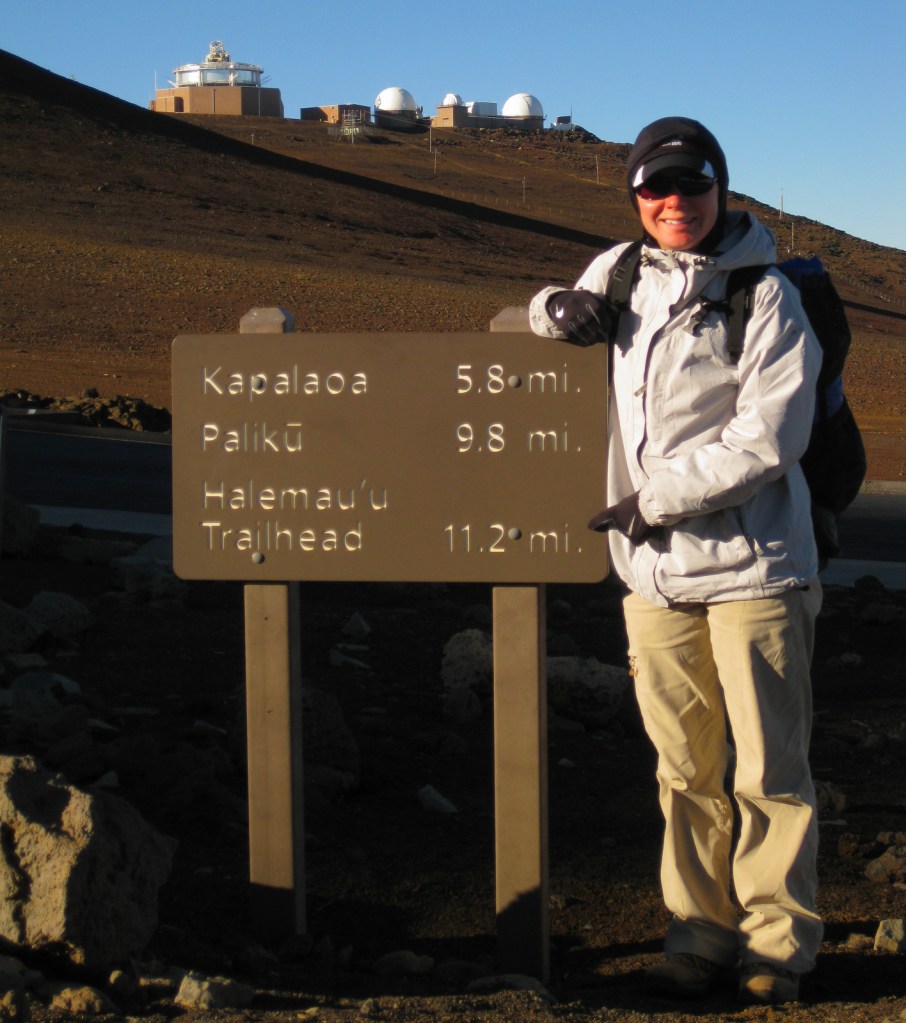
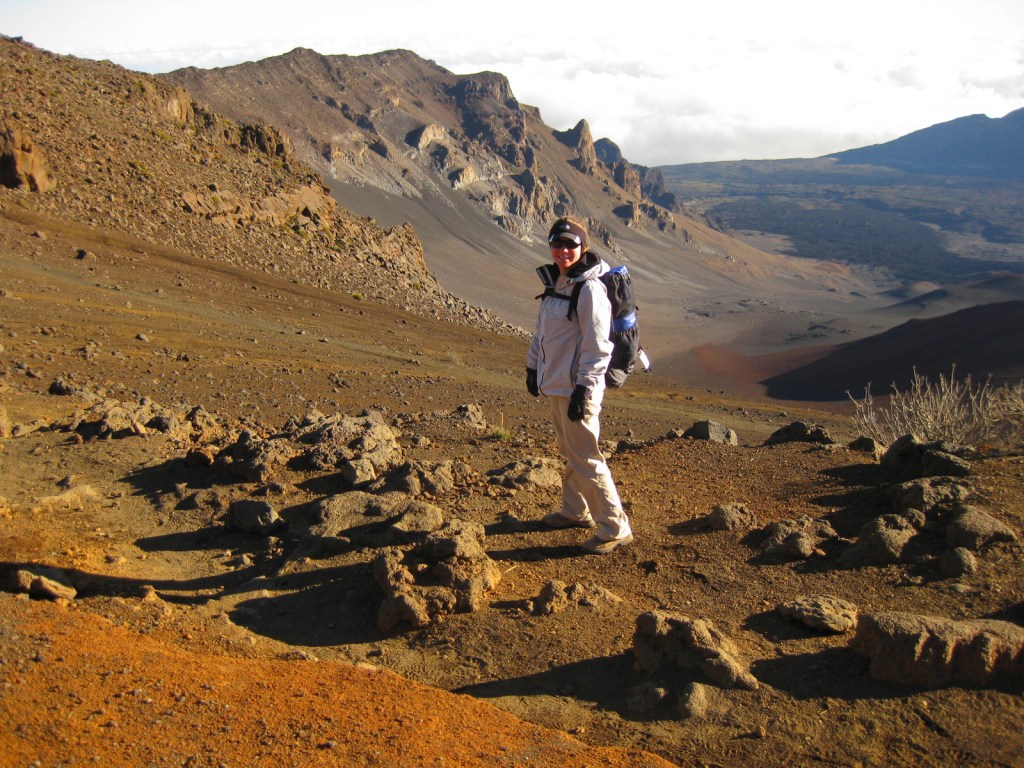
On the tropical island of Maui, Haleakalā National Park is accessible by two memorable roads.  One road climbs from sea level up to 10,023 feet overlooking Haleakalā Crater, which has almost no vegetation.  To the east, a lush tropical rainforest thrives in the Kīpahulu District located at the end of the winding road to Hana.  Both districts offer great hiking opportunities and free campgrounds. There is much more information about this park in our National Park guidebook, available on Amazon.

Highlights

Haleakalā Crater, Sliding Sands Trail, Hosmer Grove, ‘Ohe‘o Gulch pools, Waimoku Falls

Must-Do Activity

The thing to do at Haleakalā National Park is drive up the curvy entrance road in the pitch dark to catch a sunrise from 10,000 feet.  Haleakalā translates to “the house of the sun” so it is kind of a big deal here.  It is like a party atmosphere in the chilly air waiting for the guest of honor.  Of course, we were up there one morning, though we thought the sunsets were prettier and much less crowded.  Several tours drive visitors to the summit for sunrise then provide bicycles to coast back down the switchbacks outside the park boundaries.

Best Trail

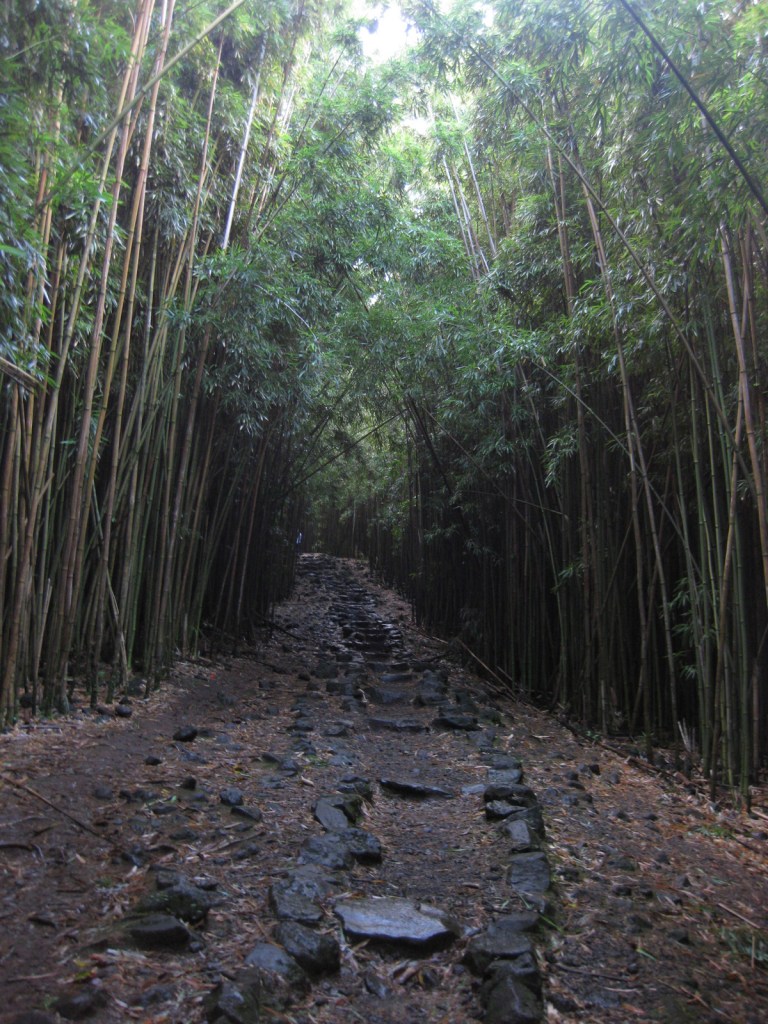
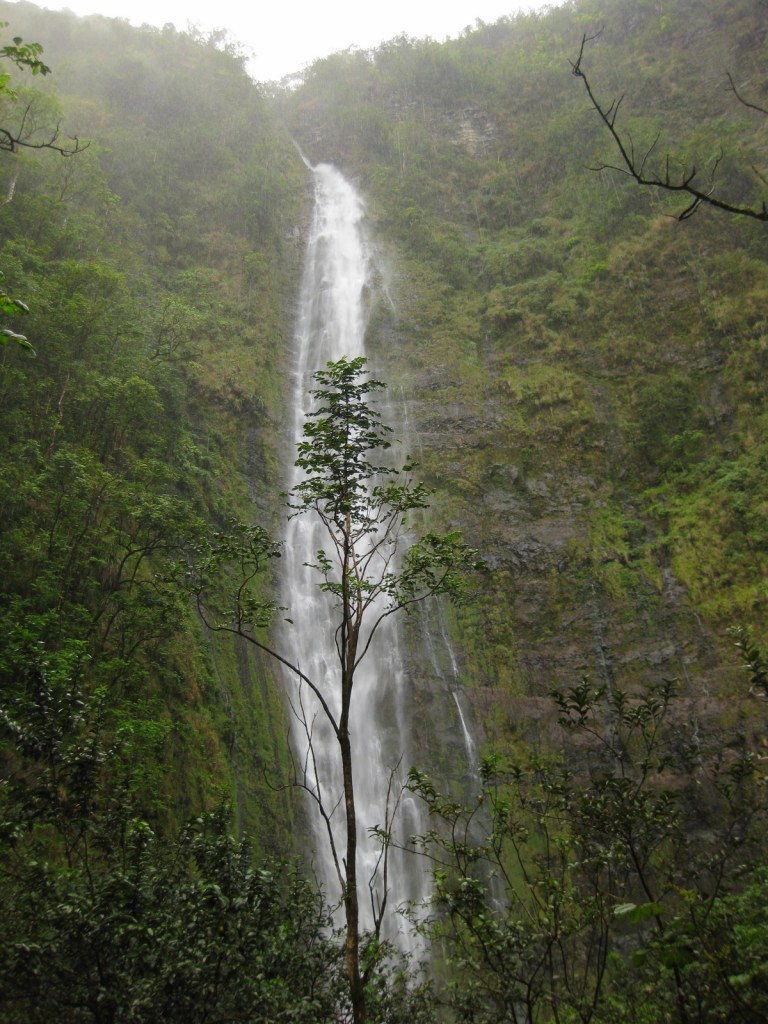
In the Kīpahulu District, we hiked the two-mile Pipiwai Trail to the 400 foot cascades of Waimoku Falls in a steady downpour.   The trail offers some protection from rain under sprawling banyan trees and incredibly dense bamboo thickets.  Like many of the plant and animal species found throughout Hawai‘i, the banyan and bamboo are not native to the islands, but have thrived on this isolated landmass 2,400 miles from the nearest continent. 

Instagram-worthy Photo

Silversword (‘ahinahina) plants grow all along the Sliding Sands Trail that accesses the bottom of the 2,000 foot deep crater.

Peak Season

Year round, though summer might be slightly warmer at 10,000 feet in elevation.

Hours

https://www.nps.gov/hale/planyourvisit/hours.htm

Fees

$30 per vehicle or America the Beautiful pass

Road Conditions

All roads are paved, but the road to the summit is full of switchbacks and bicyclists.  The curvy road to Hana is well known for its one-lane bridges, of which we counted 53 before we reached the Kīpahulu District.

Camping

The two National Park Service campgrounds here are free, a big savings in a place that can be expensive to visit.  There is a lottery for three hike-in cabins and permits available for wilderness backpacking campsites.

Related Sites

Kalaupapa National Historical Park (Hawai‘i)

Hawai‘i Volcanoes National Park (Hawai‘i)

Kaloko-Honokōhau National Historical Park (Hawai‘i)

This design we created to celebrate Haleakalā National Park is available on a variety of products at Cafe Press.

Explore More – How much annual precipitation does the Kīpahulu District receive (making it one of the wettest places on Earth)?

We are a participant in the Amazon Services LLC Associates Program, an affiliate advertising program designed to provide a means for us to earn fees by linking to Amazon.com and affiliated sites.
Castillo de San Marcos National Monument

Overview

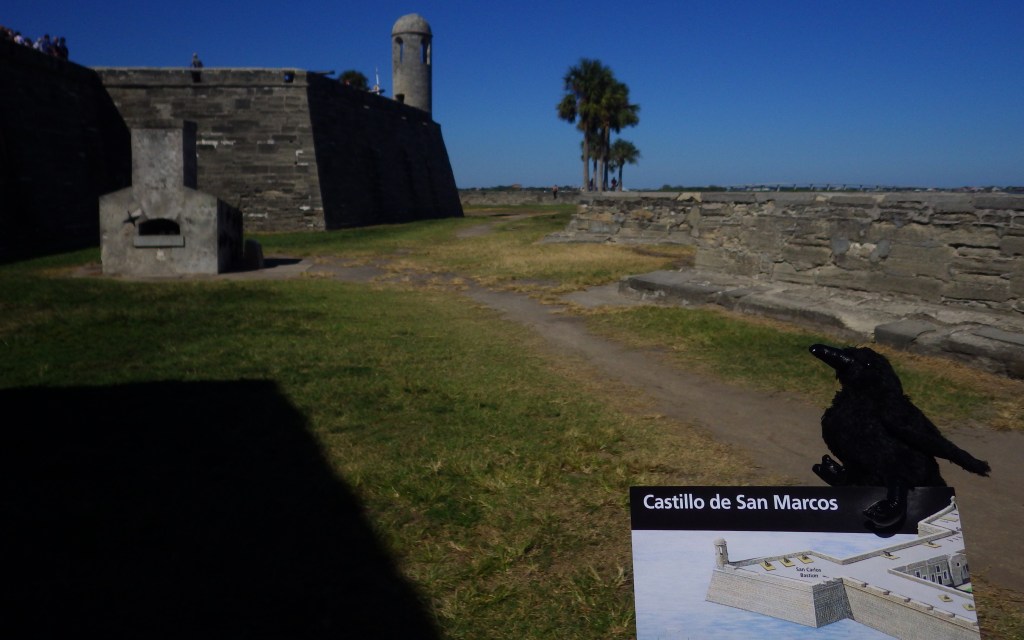
Established in 1565, St. Augustine, Florida is the oldest permanent European settlement in the continental U.S.  Its centerpiece is Castillo de San Marcos National Monument, a four-sided stone fort dating back to 1672.  In 1702, the British army unsuccessfully besieged the Spanish fort for 50 days, but before they left they burned the entire city.  This explains why the oldest house in St. Augustine dates to this time period and why this charming coastal village is still laid out on a grid of narrow streets, as it was one of the first master-planned communities in America.

Highlights

Historic fort, museum, cannon demonstrations

Must-Do Activity

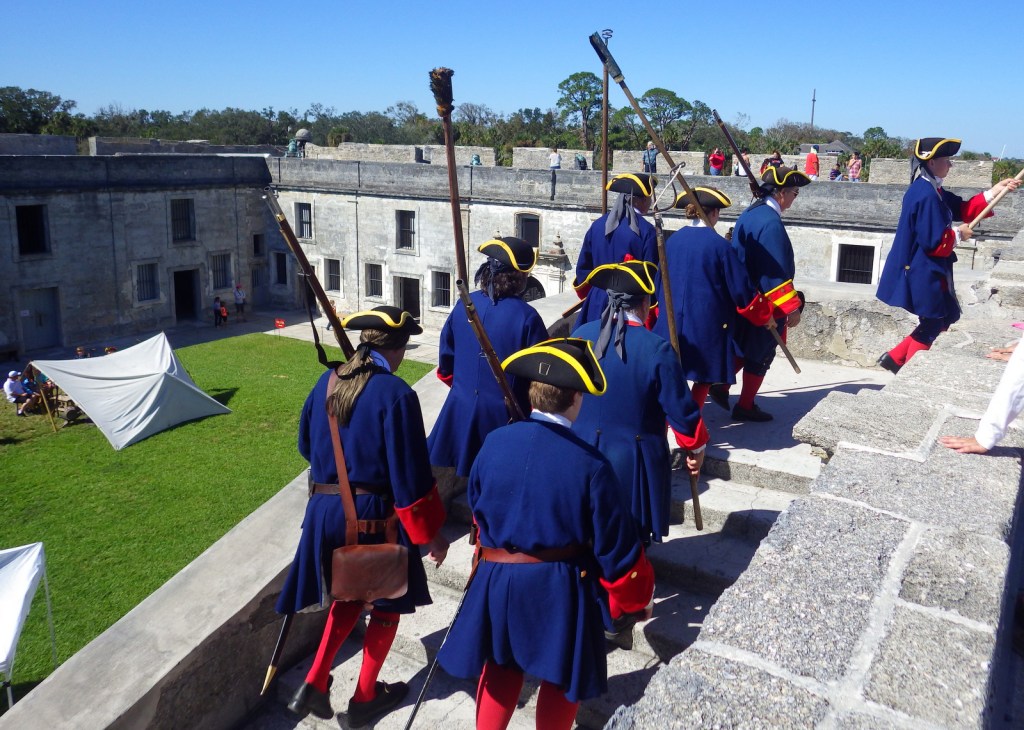
The National Park Service (NPS) charges an admission fee to enter the fort, but you can watch the cannon-firing demonstrations atop its corner bastion for free from outside.  Costumed reenactors shout orders in Spanish before firing the big cannon.  There is only one entrance to the Castillo de San Marcos across a wide moat.  Your entrance fee also allows you to explore the powder magazines and interpretive displays inside the fort’s walls.

Best Trail

None

Instagram-worthy Photo

The Castillo was renamed Fort Marion by the U.S. military in 1825, when the final changes were made to the coquina structure.  In 1924 it was named a National Monument along with nearby Fort Matanzas.

Peak Season

Winter

Hours

https://www.nps.gov/casa/planyourvisit/hours.htm

Fees

$15 per person or America the Beautiful pass

Road Conditions

Roads are paved, but there is limited pay parking at the fort, which is especially an issue on busy weekends.

Camping

Anastasia State Park is located just south of St. Augustine, Florida with access to a nice beach.

Related Sites

Fort Caroline National Memorial (Florida)

Fort Matanzas National Monument (Florida)

Dry Tortugas National Park (Florida)

Explore More – Which nation controlled the fort during the American Revolution until its conclusion in 1783 (Hint: It was called Fort St. Mark at the time)?

Top 10 Forts at National Park Service Sites

There are 23 National Park Service (NPS) units with the name “Fort” in their title, not even including places like Yellowstone National Park, Gateway National Recreation Area, and our number one site on this list.  We hope you enjoy our ranking of our favorite forts (and check out all of our Top 10 lists).

10. Fort McHenry National Monument and Historic Shrine (Maryland)

“The Star-Spangled Banner” was written about this Baltimore site

9. Fort Pulaski National Monument (Georgia)

Protecting Savannah, this fort has an awesome moat around its perimeter

8. Bent’s Old Fort National Historic Site (Colorado)

Costumed reenactors take you back in time on the Santa Fe Trail

7. Fort Sumter and Fort Moultrie National Historical Park (South Carolina)

Two forts in one park—one accessible by car and one by ferry

6. Fort Union Trading Post National Historic Site (North Dakota-Montana)

Beautifully reconstructed fort near the confluence of two major rivers

5. Fort Vancouver National Historic Site (Washington)

Hudson’s Bay Company’s HQ on the Columbia River from 1825 to 1860

4. Fort Union National Monument (New Mexico)

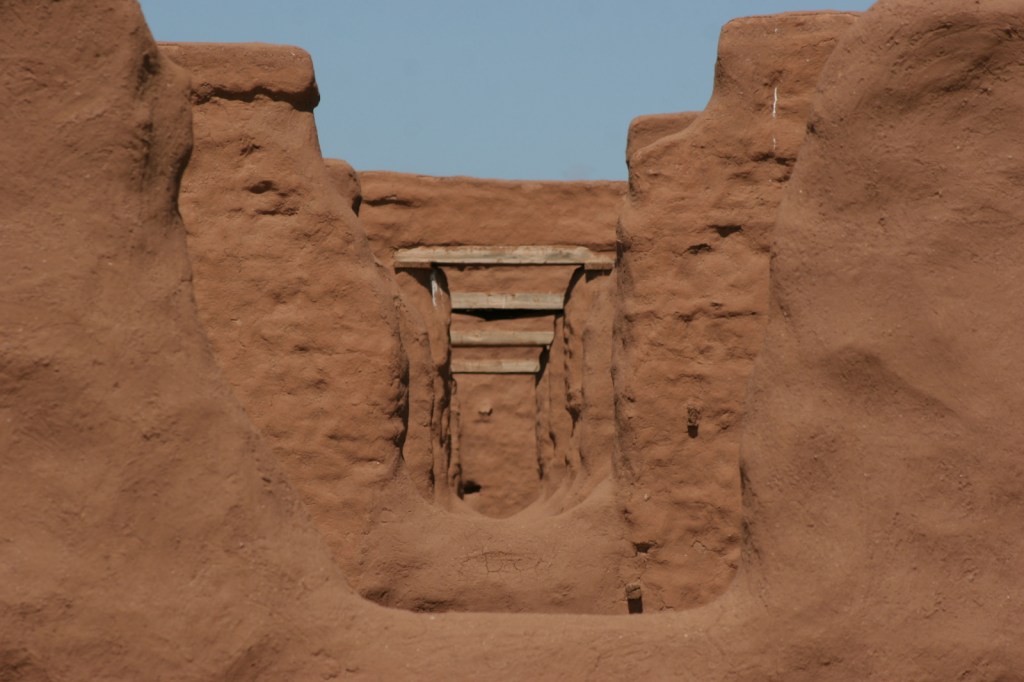
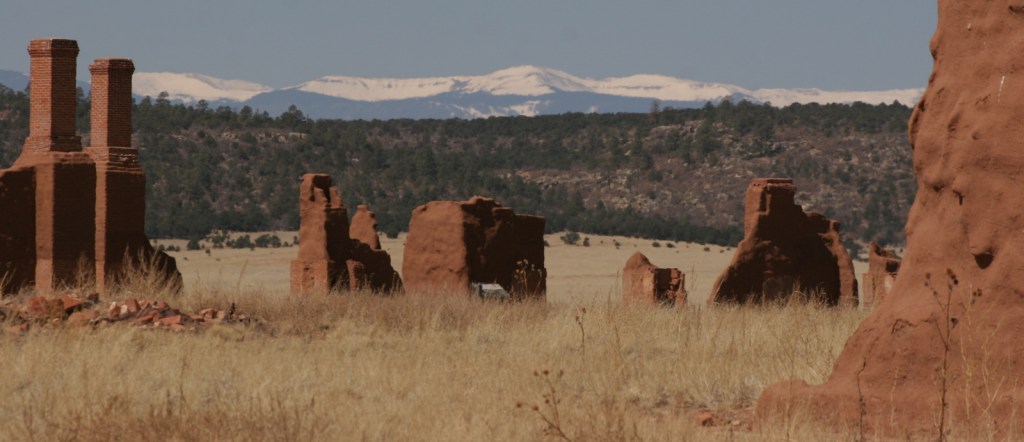
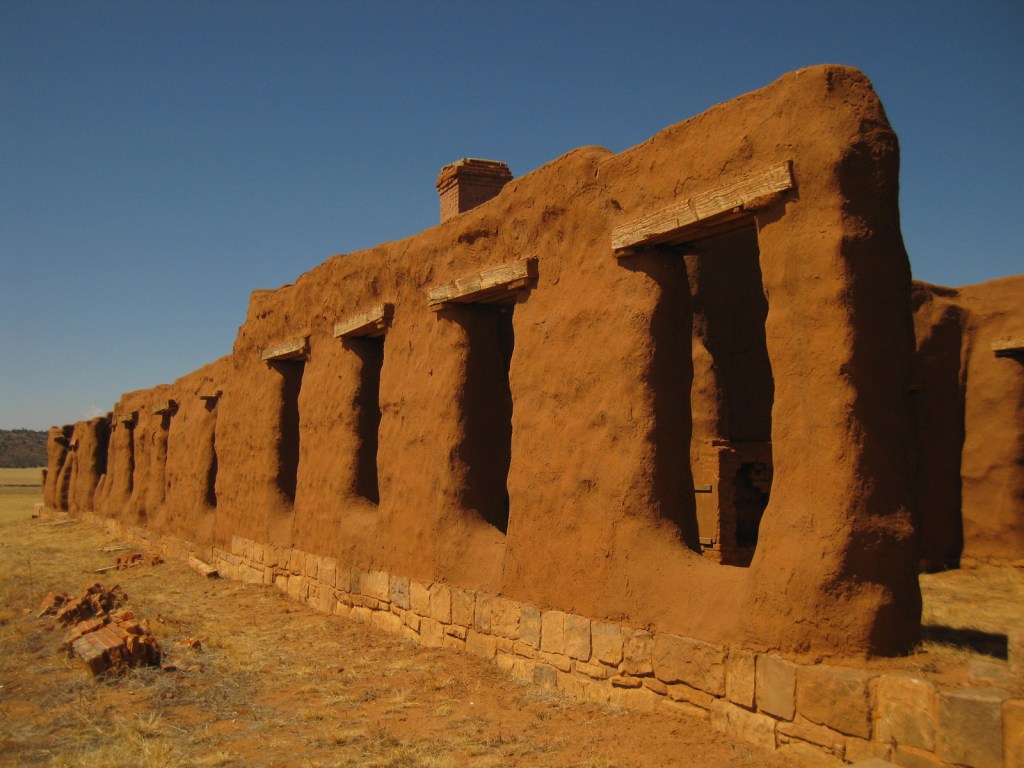
Adobe walls are melting back into the New Mexico prairie

3. Fort Laramie National Historic Site (Wyoming)

Significant stop on the Oregon Trail and site of two important treaties

2. Fort Stanwix National Monument (New York)

An exact 1750s replica surrounded by the city of Rome, New York

…and finally our #1 fort at a National Park Service site:

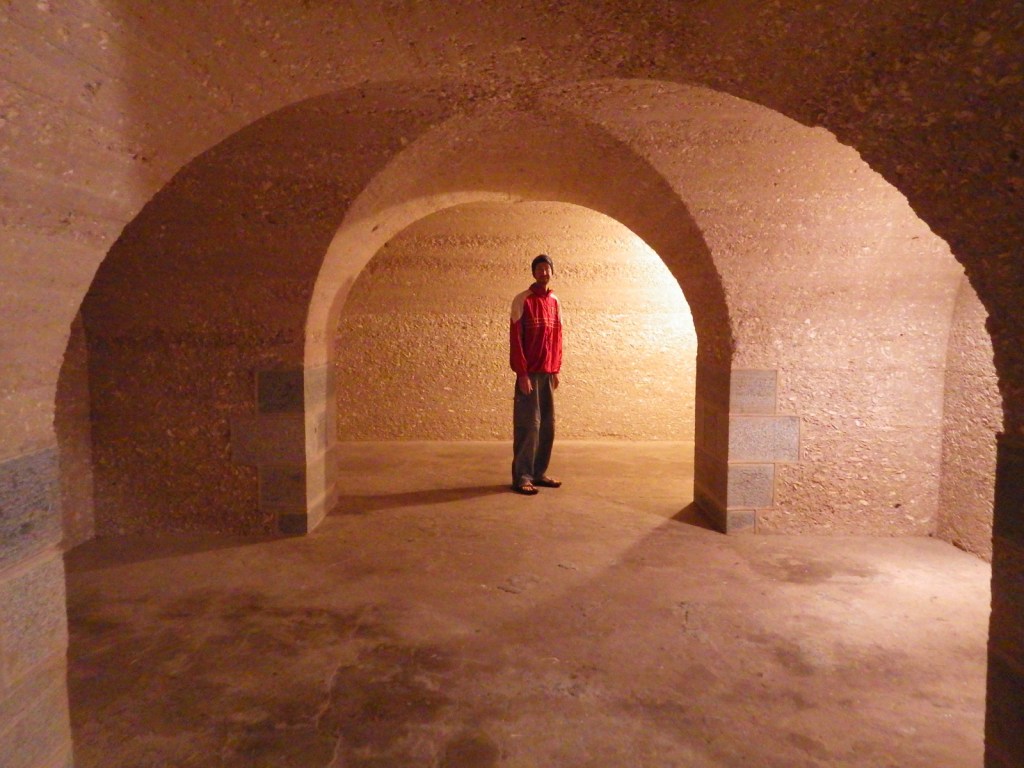
1. Fort Jefferson in Dry Tortugas National Park (Florida)

Walking the archways in the golden hours is a great reason to spend the night on the island

Honorable Mentions

Fort Smith National Historic Site (Arkansas-Oklahoma)

Fascinating frontier history on the banks of the Arkansas River

Fort Davis National Historic Site (Texas)

The Davis Mountains provide a wonderful backdrop

Christiansted National Historic Site (U.S. Virgin Islands)

The Danish built this color-coordinated fort around 1749

Castillo de San Marcos National Monument (Florida)

This elaborate fort in St. Augustine, Florida was never surrendered

Fort Laramie National Historic Site

Overview

Fort Laramie National Historic Site in eastern Wyoming was originally founded in 1834 for its strategic location at the confluence of the Laramie and North Platte Rivers.  Purchased by the U.S. military in 1849, it saw its share of history as a major military post on the Oregon Trail, Pony Express, and Cheyenne-Deadwood stage route. West of the fort, stop at Oregon Trail Ruts State Historic Site and Register Cliff where pioneers left their mark along the North Platte River.

Highlights

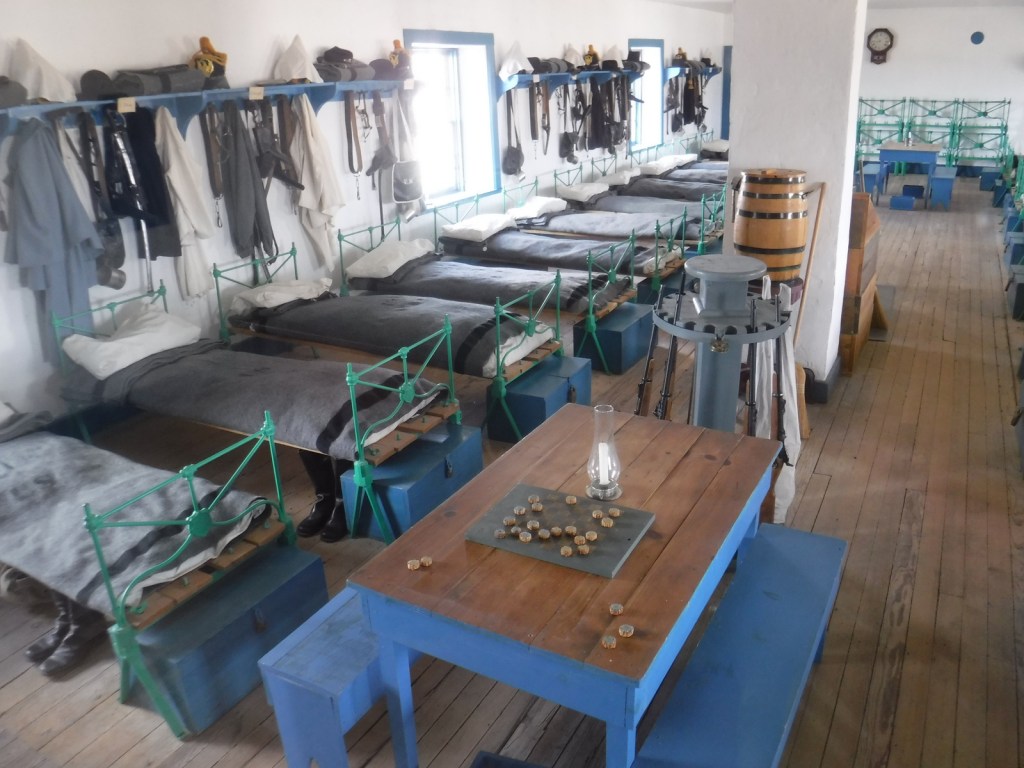
Museum, film, 1874 Cavalry Barracks, 1849 “Old Bedlam”

Must-Do Activity

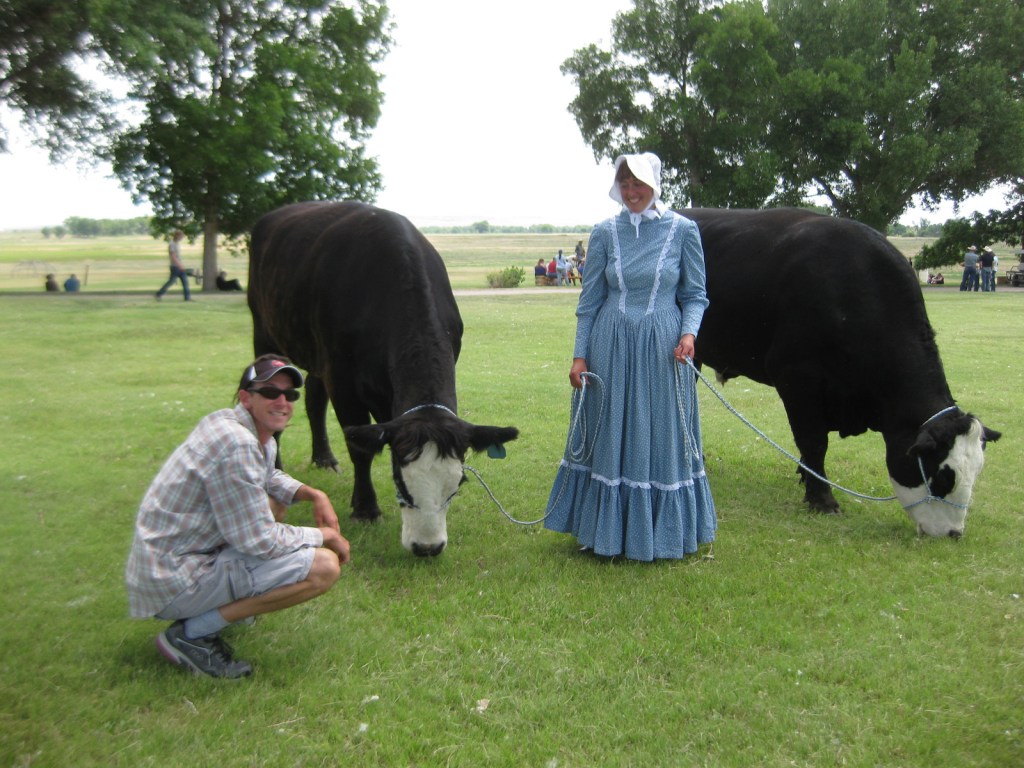
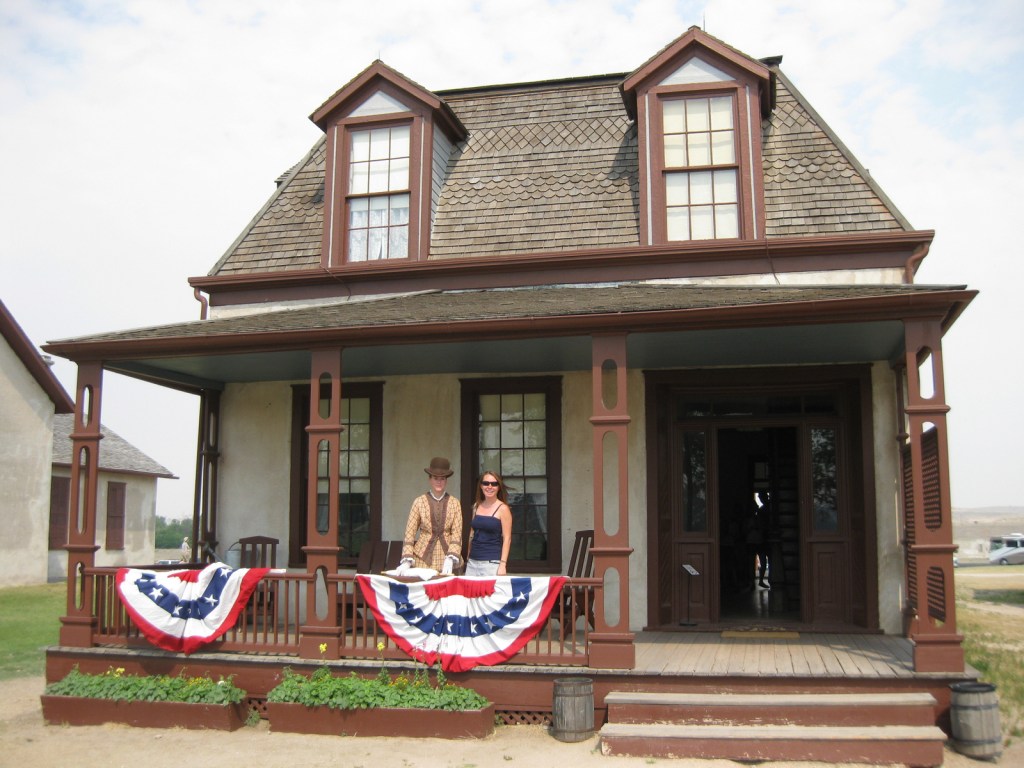
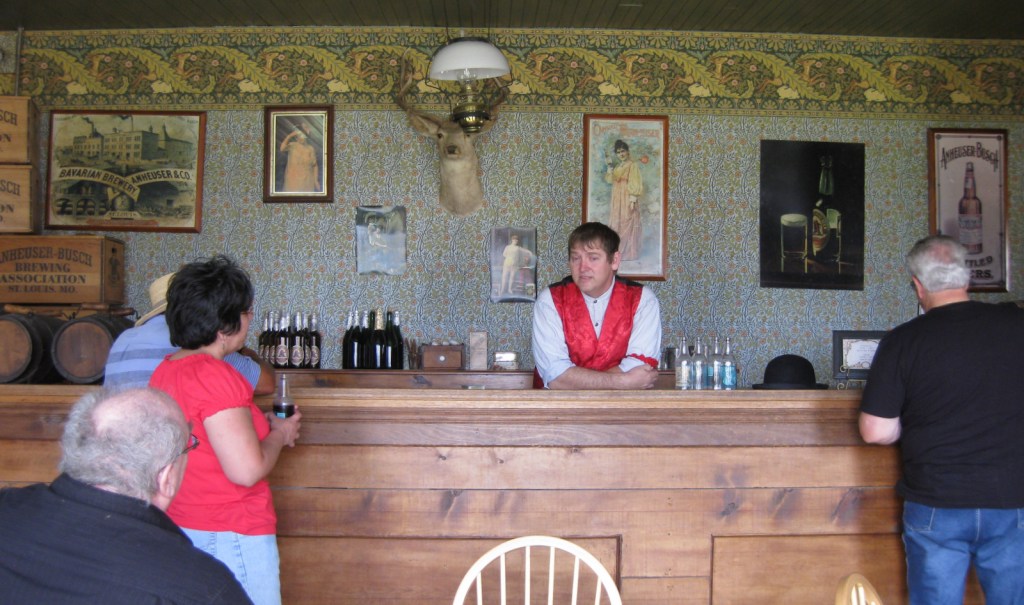
Come for the free 4th of July festivities and explore the restored buildings encircling the parade grounds, in between watching demonstrations of cannon firing and oxen plowing.  The National Park Service (NPS) employees host a variety of old-fashioned activities for kids and adults, including a three-legged race for adults.  Grab a partner and join in the fun or simply watch from the sidelines with a cold sarsaparilla, cream soda, or birch beer in your hand.  You are sure to have a good, old-fashioned good time even if you head home before the fireworks.

Best Trail

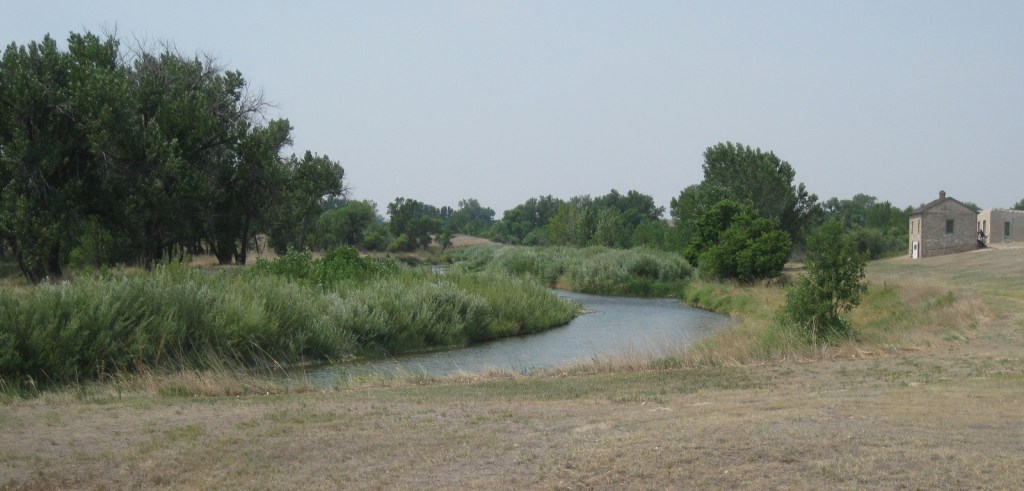
Fort Laramie was never a condensed, palisaded fort, so walking to all 11 restored structures covers quite a bit of distance (like Fort Union in New Mexico).  You can also hike along the banks of the Laramie River where the Oregon National Historic Trail once led.

Instagram-worthy Photo

“Old Bedlam,” the former quarters of bachelor officers, dates to 1849 making it the oldest documented building in Wyoming.  The right side is now restored to appear as officers’ quarters and the left side to post headquarters in 1863 when Lt. Col. William O. Collins lived on the second floor with his wife.

Peak Season

Summer

Hours

https://www.nps.gov/fola/planyourvisit/hours.htm

Fees

None

Road Conditions

The last portion of the drive is a graded dirt road, as is the parking lot.

Camping

The town of Fort Laramie offers camping at its small municipal park, or head west to Guernsey State Park with its historic Civilian Conservation Corps (CCC) structures.

Related Sites

Scotts Bluff National Monument (Nebraska)

Bent’s Old Fort National Historic Site (Colorado)

Yellowstone National Park (Wyoming)

Explore More – What was the name of the original stockade constructed by fur traders in 1834?

Fort Union National Monument

Overview

Fort Union was a military outpost on the historic Santa Fe Trail first constructed in 1851.  An earthwork fortification was built during the Civil War before Confederate troops were pushed back into Texas after a nearby battle in early 1862 (see Pecos National Historical Park).  At its peak, 1,666 soldiers were stationed here, making it the largest fort in the southwest U.S.  This expansive post was abandoned in 1891 and officially became a National Monument in 1954.

Highlights

Museum, film, adobe ruins, wagon ruts on the Santa Fe National Historic Trail

Must-Do Activity

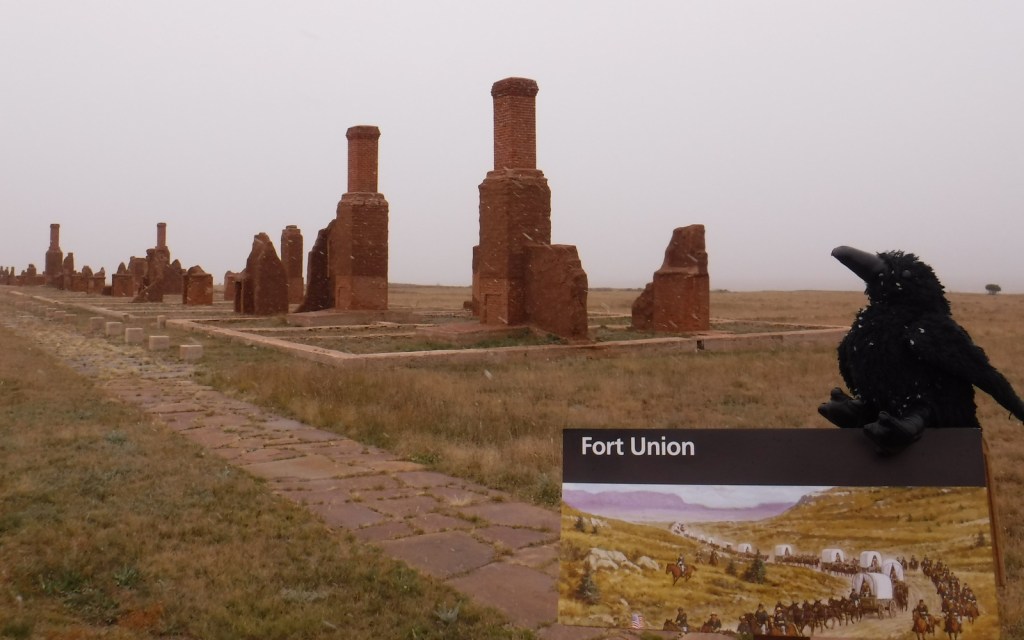
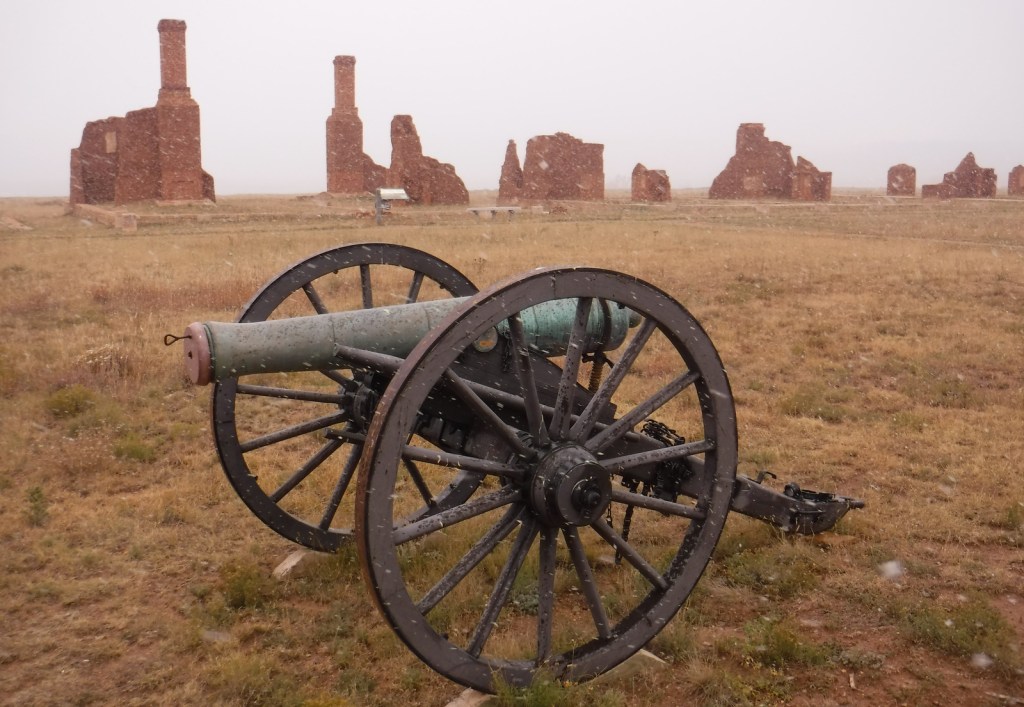
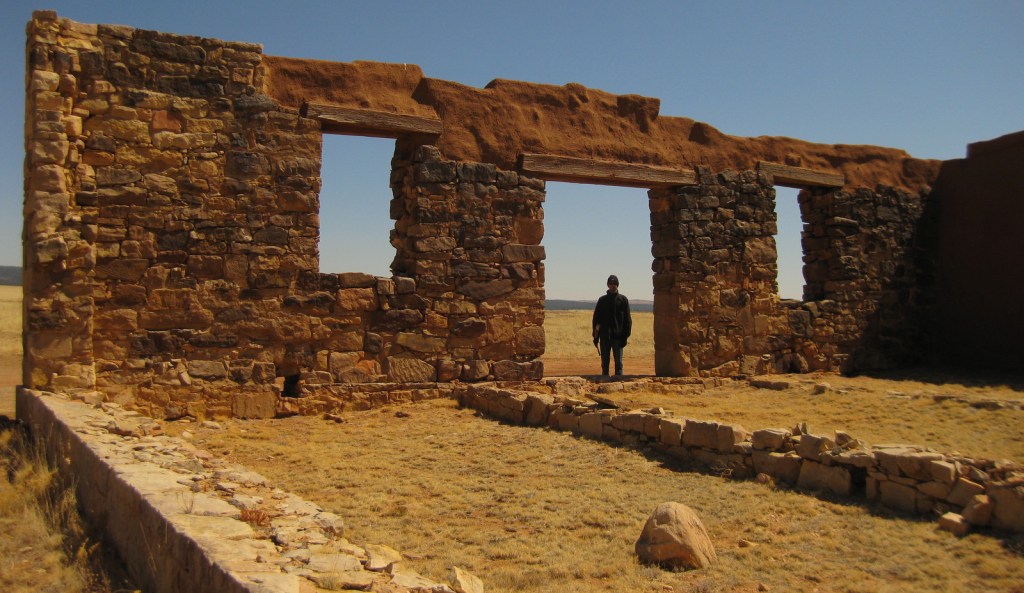
Fort Union was not the most popular place to be stationed in the 1800s, especially for the military wives who bemoaned the constant winds and frequent dust storms.  That said; expect it to be windy during your visit.  The adobe walls here are smoothed by years of erosion and appear to be melting back into the prairie soil from which their bricks were formed in the 1860s.  If you line it up right, you can take a neat photograph where all the window frames are in a row.
Best Trail

Wagon ruts can be seen at Fort Union since it was located on the 1,200-mile Santa Fe National Historic Trail (like Fort Larned in Kansas and Bent’s Old Fort in Colorado).  Since there was no stockade around the fort, walking to all of its ruins covers quite a distance (like Fort Laramie in Wyoming).

Instagram-worthy Photo

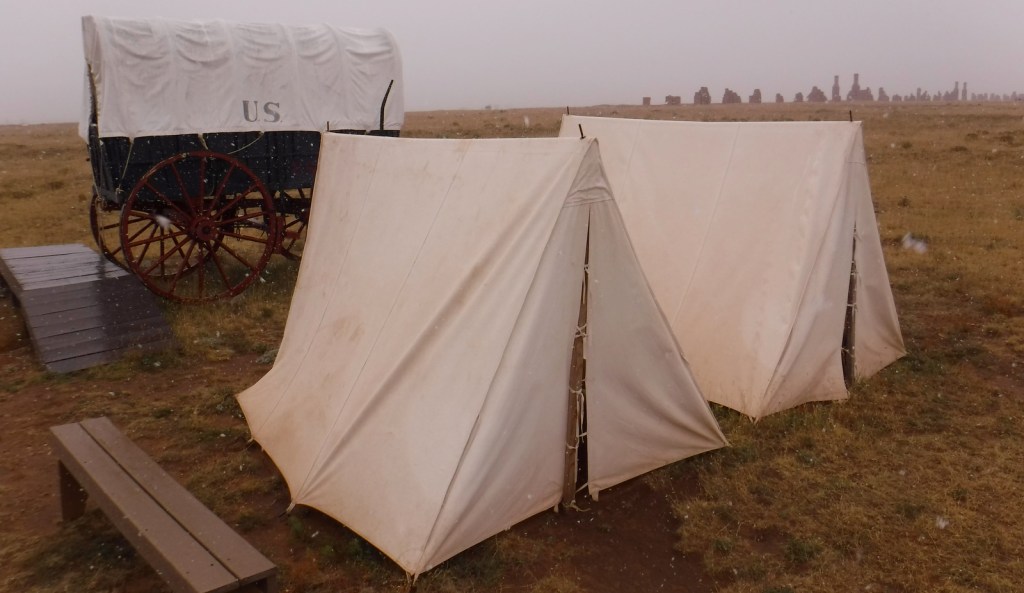
The smooth adobe walls make a great backdrop for a wagon that looks like it needs a fresh coat of paint before it hits the Santa Fe Trail again.

Peak Season

Summer

Hours

https://www.nps.gov/foun/planyourvisit/hours.htm

Fees

None

Road Conditions

The fort is not far off Interstate 25, but the last portion of the drive is a graded dirt road, as is the parking lot.

Camping

Storrie Lake State Park is 33 miles from Fort Union and there is also free camping in the summer at Maxwell National Wildlife Refuge located just off Interstate 25.

Related Sites

Bent’s Old Fort National Historic Site (Colorado)

Fort Larned National Historic Site (Kansas)

Pecos National Historical Park (New Mexico)

Explore More – When did Spain grant Mexico its independence, opening up commerce with the United States and starting the Santa Fe Trail?