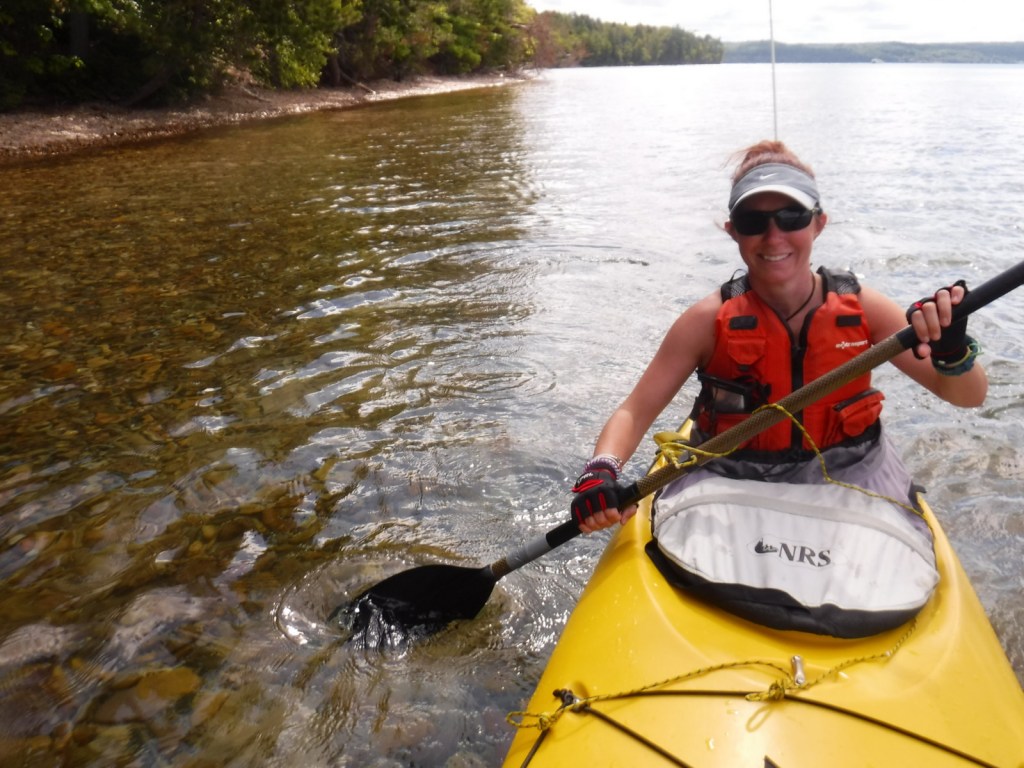
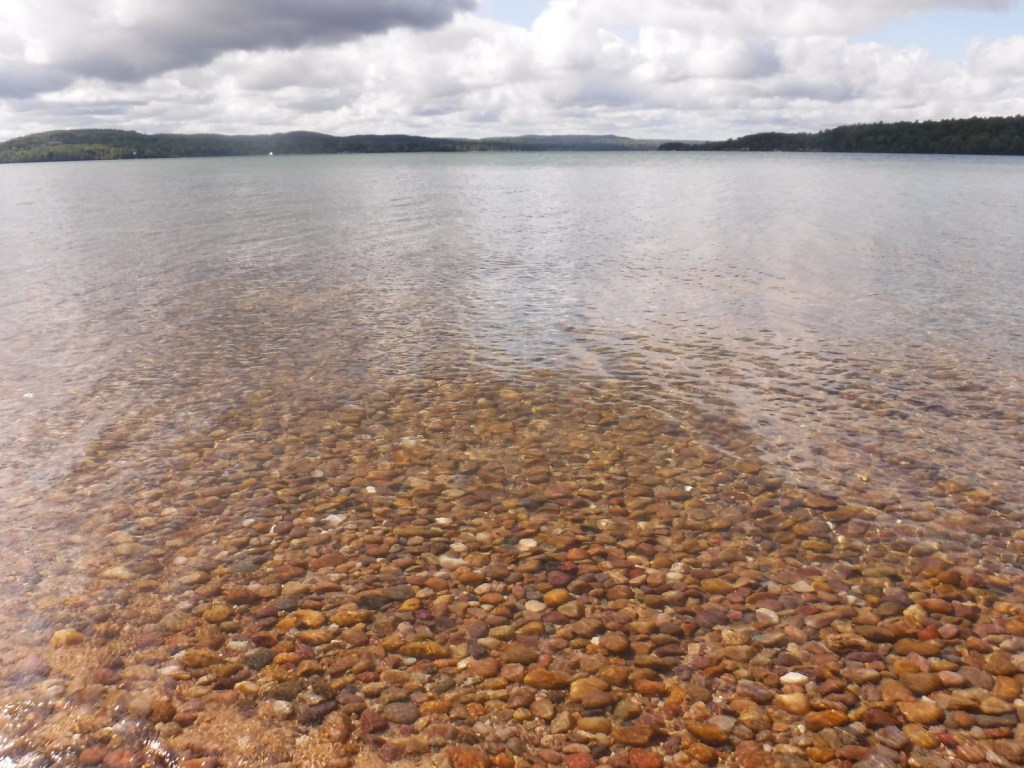
The turquoise color of Lake Superior beneath the sandstone cliffs of Grand Island National Recreation Area makes it seem warmer than it actually is. Glaciers carved this island’s shoreline thousands of years ago and the Ice Age never seems far off in the lake’s cold waters. Managed by Hiawatha National Forest, the most popular activities here are commercial boat tours, backpacking, and mountain biking the 20-mile loop around the island. Paddling a sea kayak can be an unforgettable experience and guides can provide the necessary gear. Most of the northern two-thirds of Grand Island is surrounded by cliffs with nowhere to land a boat, so be careful as large waves can become hazardous on Lake Superior.
Highlights
East Channel Lighthouse, 1870 wreck of the Bermuda, Williams-Powell Cemetery, Stone Quarry Cabin, Waterfall Beach Overlook, Merchandise Beach, Echo Lake
Must-Do Activity
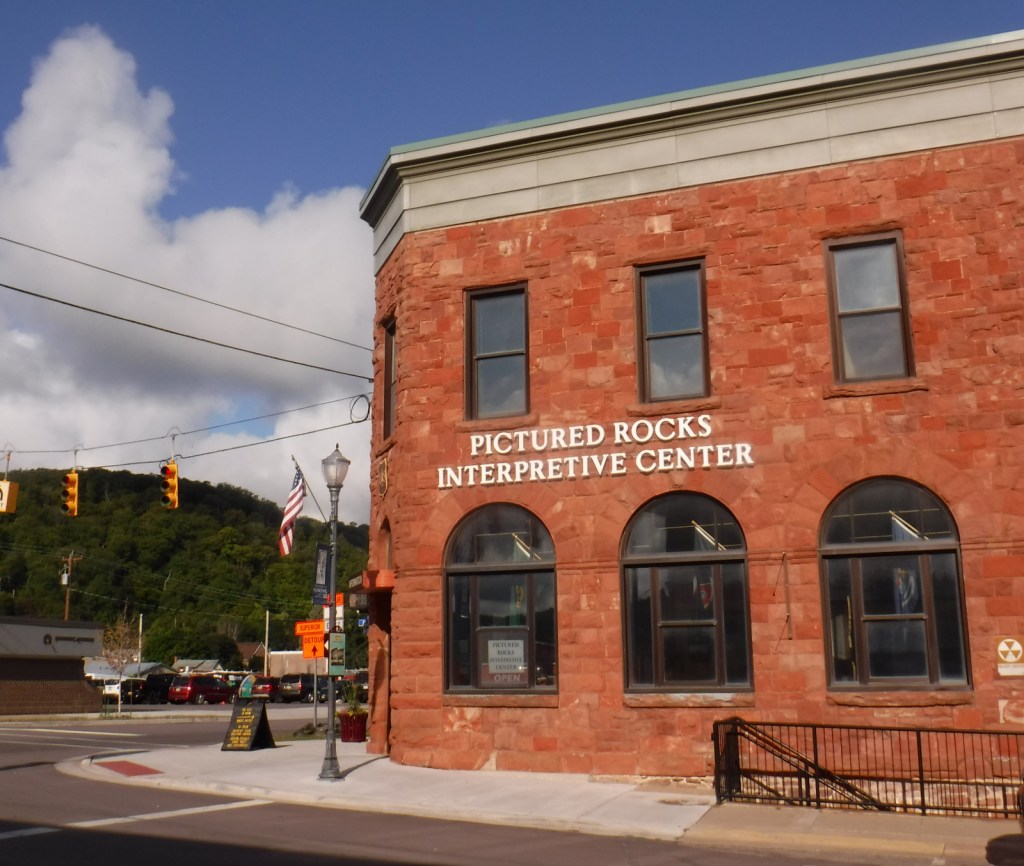
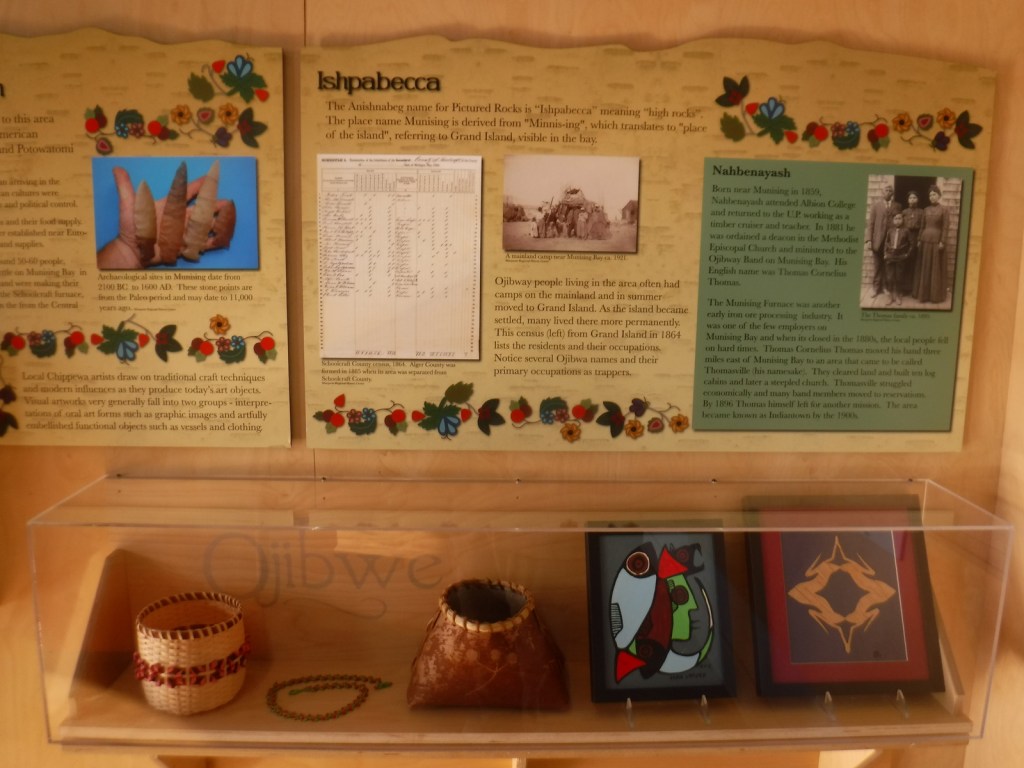
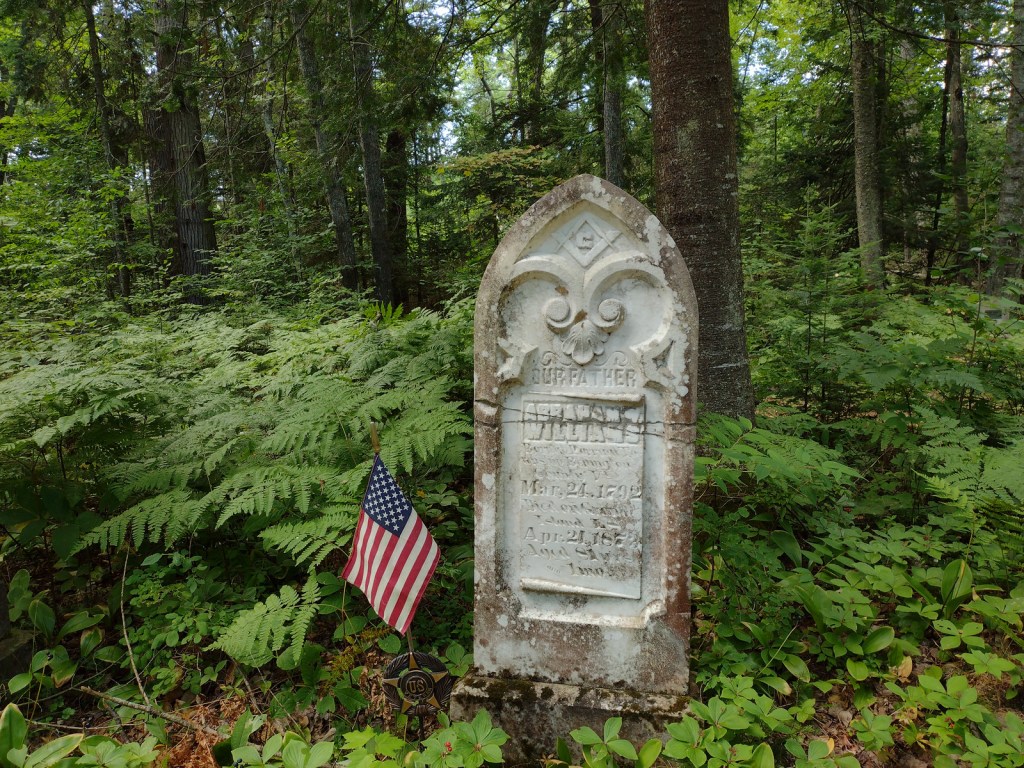
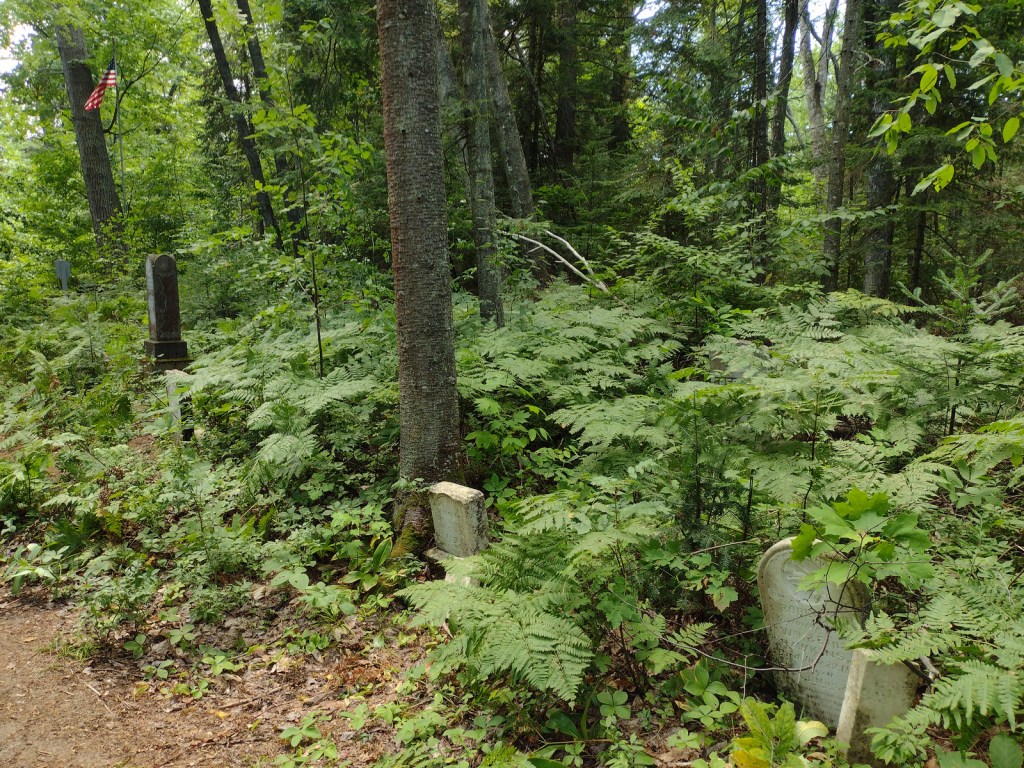
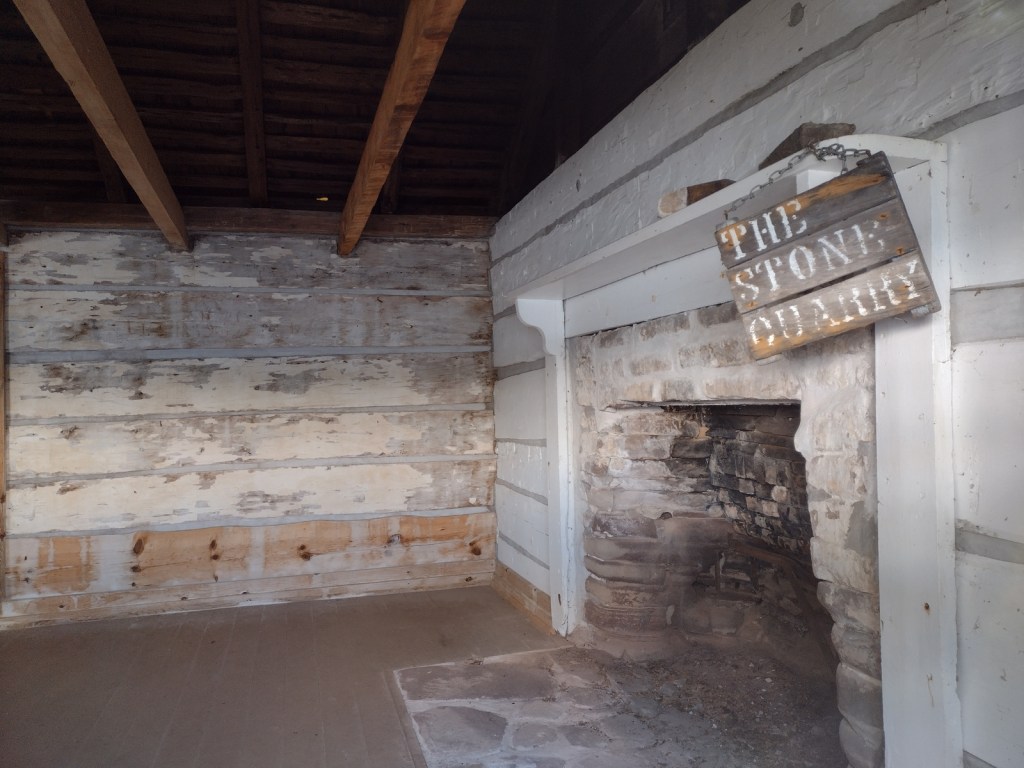
After a night spent at the free Hovey Lake Campground in Hiawatha National Forest, we kayaked to Grand Island from the ferry dock west of Munising to see East Channel Lighthouse and the 1870 wreck of the Bermuda from the water. We then landed our boat on the sandy beach at Murray Bay Group Site to walk to Williams-Powell Cemetery and Stone Quarry Cabin. You can pick up a guided boat tour from the docks in Munising that makes a long explanatory stop over the Bermuda or take the ferry to the island with your mountain bike for exploring. Make sure to visit the free Pictured Rocks Interpretive Center in downtown Munising for informational displays provided by the U.S. Forest Service.
Best Trail
There is a 20-mile-long bike trail that circles Grand Island, with some inland trails (like the one to Echo Lake) and a few open only to hikers. The non-motorized trails are closed to eBikes.
Instagram-worthy Photo
East Channel Lighthouse is situated on private land near Wick Point, so no landing is allowed onshore there.
Peak Season
Summer
Fees
A day use fee of $5 per person, per trip applies if you land on the island. Ferry rides cost $23 per person and camping fees also apply ($8 to $10 per night).
Road Conditions
Bike trails around the southern part of Grand Island are roads also used by tour vans, so watch out for traffic.
Camping
There are many campsites on the island, including a few protected in Murray Bay about two miles from the Williams Landing ferry dock. Reservations are required for camping except at Flat Rock, Cobble Cove, and Muskrat Point, which offer first-come, first-served campsites all in the southeast corner of Grand Island.
Wreck of the BermudaWreck of the BermudaWilliams-Powell CemeteryWilliams-Powell CemeteryWilliams-Powell CemeteryStone Quarry CabinStone Quarry CabinStone Quarry CabinStone Quarry Cabin
Explore More – Given the common names of northern white-cedar or eastern arborvitae, why is Thuja occidentalis known as the “tree-of-life”?
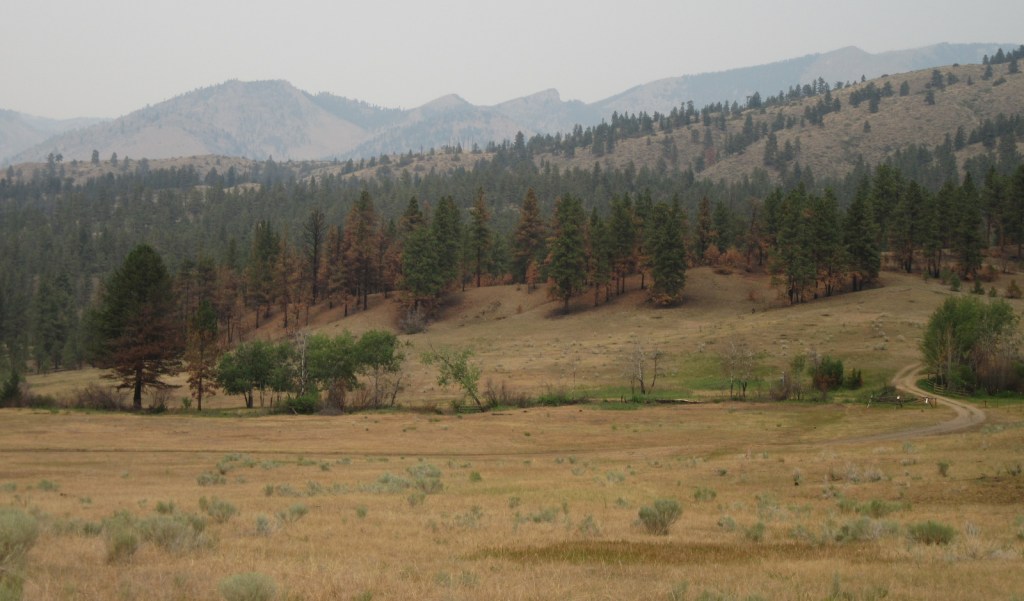
Helena National Forest surrounds Montana’s capital city of Helena, encompassing several mountain ranges. The Big Belt Mountains were the site of the of the 1949 Mann Gulch Fire, which killed 13 smokejumpers who were immortalized in Norman Maclean’s classic book Young Men and Fire (see our Top 10 Non-Fiction Books on National Forests). There is a Mann Gulch Memorial located in Meriwether Campground. Much of the National Forest is grassland and sagebrush, with conifer trees dominating the canyons and mountain slopes. In the winter, snowmobiling, snowshoeing, and cross-country skiing are popular pastimes.
Highlights
Gates of the Mountains, Mann Gulch Memorial, Lewis and Clark National Historic Trail Interpretive Center, Gypsy Lake, Crow Creek Falls, Elkhorn Mountains, Blackfoot Canyon, Red Mountain, Refrigerator Canyon, Hanging Valley National Recreation Trail, Meriwether Canyon Trail
Must-Do Activity
Meriwether Lewis named the Gates of the Mountains on July 19, 1805, and today a two-hour jet boat tour on the Missouri River details the history of the Corps of Discovery, American Indian pictographs, the Mann Gulch Fire, and the collapse of Hauser Dam. North of Helena on Interstate 15 in Great Falls is the Lewis and Clark National Historic Trail Interpretive Center, which is run by the U.S. Forest Service.
Best Trail
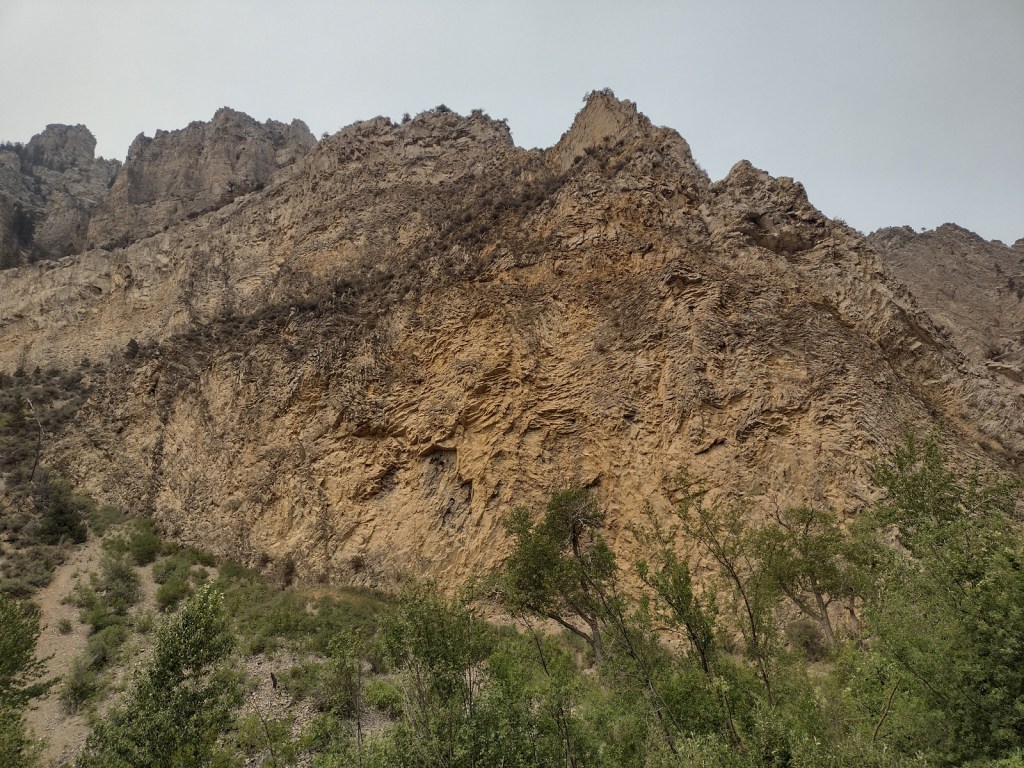
Refrigerator Canyon is less than ten feet wide at its narrowest point, where towering 200-foot limestone cliffs keep it cool and breezy throughout the summer. The trailhead is accessed by driving 12 miles of washboard road that turns left off paved York Road just after crossing near the dam that forms Hauser Lake on the Missouri River. It is a short quarter-mile hike to reach the canyon’s pinch point that was full of rock climbers during our visit. The route then gets steeper, gaining 1,100 feet in two miles and providing excellent mountain views. The trail eventually levels out and continues for another seven miles past Bear Prairie in the Gates of the Mountains Wilderness. It can be connected to the Meriwether Canyon Trail, which dead ends at the Missouri River 18 miles from the Refrigerator Canyon Trailhead.
Watchable Wildlife
Grizzly bears can be found in the Scapegoat Wilderness in the northwest part of Helena National Forest where it borders Lewis and Clark National Forest (considered part of the massive Bob Marshall Wilderness complex connecting to Glacier National Park). Other predators include black bears, gray wolves, wolverines, ermine, mountain lions, bobcats, and Canada lynx. River otters and beavers can be found on the Missouri River. Grazing ungulates commonly seen are elk, moose, mule deer, and pronghorn, in addition to bighorn sheep and mountain goats at higher elevations. Trout streams and lakes provide fishing opportunities for humans, as well as bald eagles and ospreys.
Instagram-worthy Photo
You might see rock climbers blocking narrow Refrigerator Canyon, but be sure to continue through on the steep trail for beautiful views of the Gates of the Mountains Wilderness.
Peak Season
Summer
Fees
None
Road Conditions
The washboard road back to Refrigerator Canyon was in good enough shape for our passenger vehicle.
Camping
A Mann Gulch Memorial is located in Meriwether Campground, plus there are numerous other campgrounds and dispersed campsites located throughout the National Forest’s network of unpaved roads.
Wilderness Areas
Gates of the Mountains Wilderness
Scapegoat Wilderness (also in Lewis and Clark National Forest)
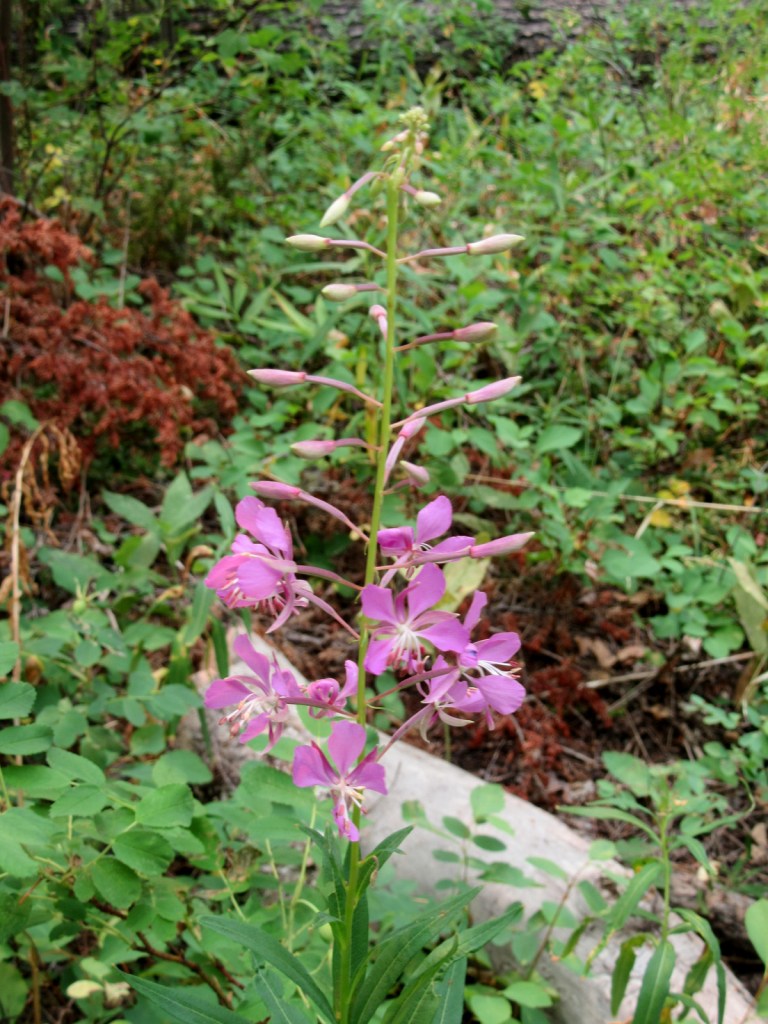
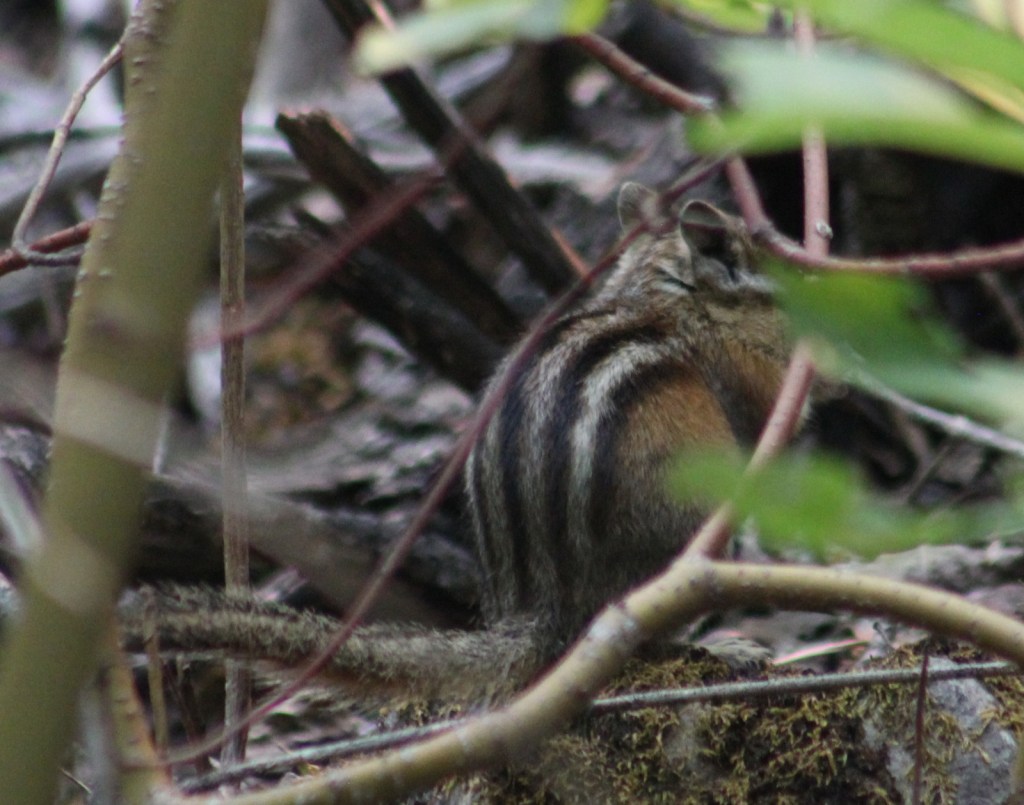
Scott in “The Refigerator”Beard lichenFireweedScott in Refrigerator CanyonLooking upChipmunkSyringa bloomsClaim to fameHauser DamReservoir on the Missouri RiverRaven about the forest
Best time of year: Fall for apple picking, football games, OZtoberFest, and fall foliage
We recently published our guidebook 50 States of Great: Road Trip Guide to America, so we decided to start a new type of blog post where we create a travel itinerary for all 50 states, in addition to our usual National Forest and National Park entries. We are starting with Kansas, an often-overlooked travel destination where we have had a lot of fun on multiple visits dating back to 2007. We made a seven-day plan starting in the southwest corner of the state, with plenty of options to extend the trip.
The state’s largest parcel of public land at 108,175 acres contains Middle Springs, Cottonwood Picnic Area (with the 10.5-mile Turkey Trail), and Point of Rocks, an important landmark on the Santa Fe Trail and third highest point in Kansas. In the spring, birdwatchers gather at two viewing blinds to watch the elaborate mating rituals of lesser prairie-chickens, one of the more than 360 bird species identified here.
Liberal
Dorothy’s House landed here after it was swept up in the tornado to the Land of Oz, located next to the free Seward County Coronado Museum. While visiting, you can pose with your favorite character from L. Frank Baum’s allegory along a yellow brick walkway.
Optional stop at Dalton Gang Hideout Museum
Walk the 95-foot-long escape tunnel built by the notorious outlaw family beneath their farmhouse to evade law enforcement.
Completed in 1888, it is the world’s largest hand dug well at 109 feet deep (and 32 feet in diameter) to access the massive Ogallala Aquifer. On May 4, 2007, the town of Greensburg was devastated by a powerful tornado, but the resilient population rebuilt around the historic well.
This bloody frontier town earned the moniker “Wickedest Little City in America.” Even though the buildings on Front Street are mostly reproductions, there remains an authentic Wild West vibe in the air as you walk past artifacts from the 1800s. If you plan to spend the night after your visit to the Boot Hill Museum, consider paying extra for the brisket dinner and nightly variety show (in the summer) at the Long Branch Saloon.
Optional stop at Dodge City Zoo
Across the railroad tracks from the Boot Hill Museum, the Dodge City Zoo in Wright Park offers free admission to see a multitude of mammals and birds.
The fort was only active from 1860 to 1878, but after becoming private property it continued to function as a working ranch which explains why it is in such good shape today. Costumed re-enactors are really what make this site special, from the blacksmith to the schoolteacher to the commissar to the officers’ wives.
A 14-mile auto route and hiking trails to observation blinds offer great opportunities to see a variety of birds and mammals in this wetland south of the great bend of the Arkansas River.
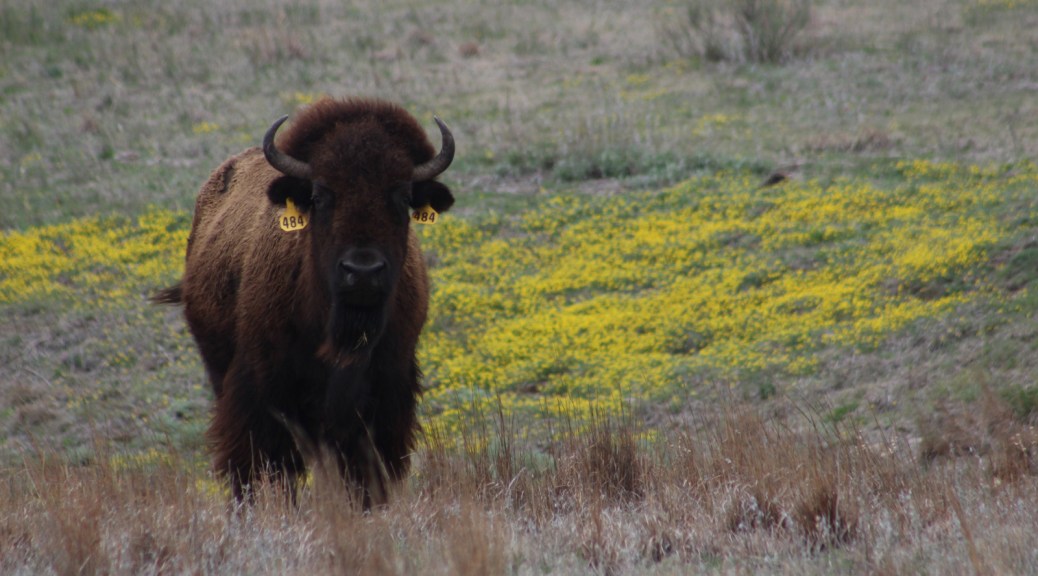
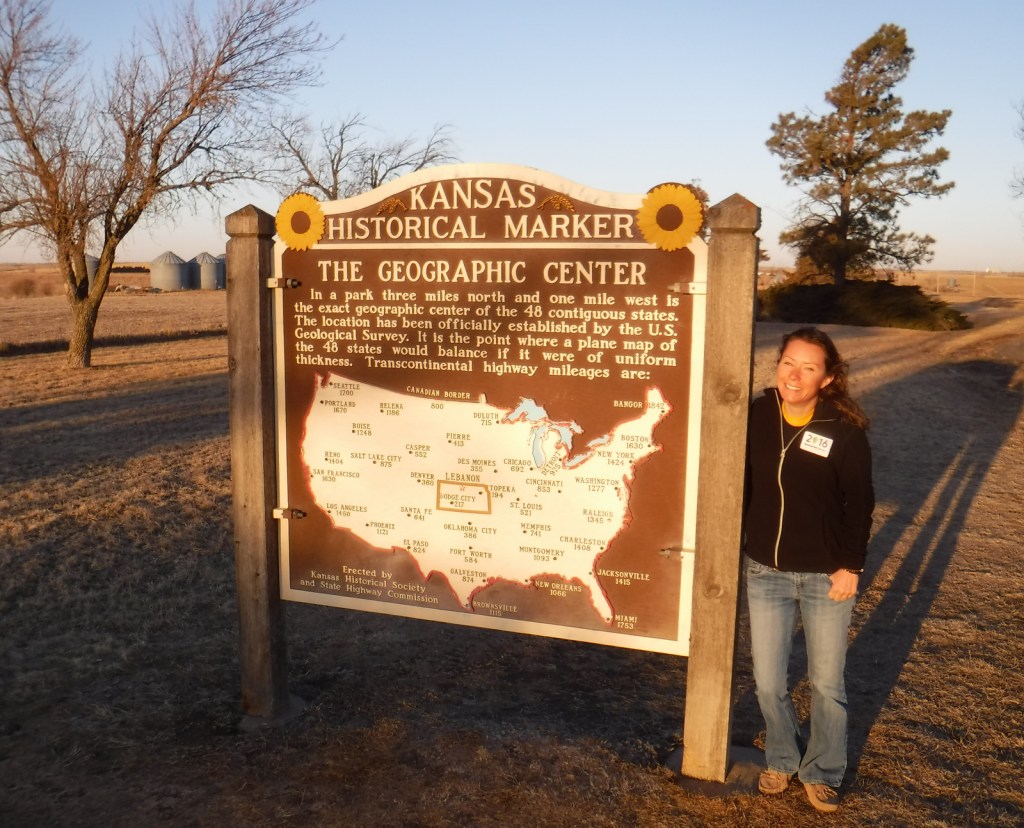
Roadside attractions in central Kansas include the Geographic Center of the 48 contiguous states and the hilltop tower at Coronado Heights Park near historic Lindsborg. There is also a small herd of bison in 1,818-acre Big Basin Prairie Preserve. At Mushroom Rock State Park, interesting sandstone concretions held together by calcium carbonate have withstood the erosion that washed away the surrounding bedrock over time.
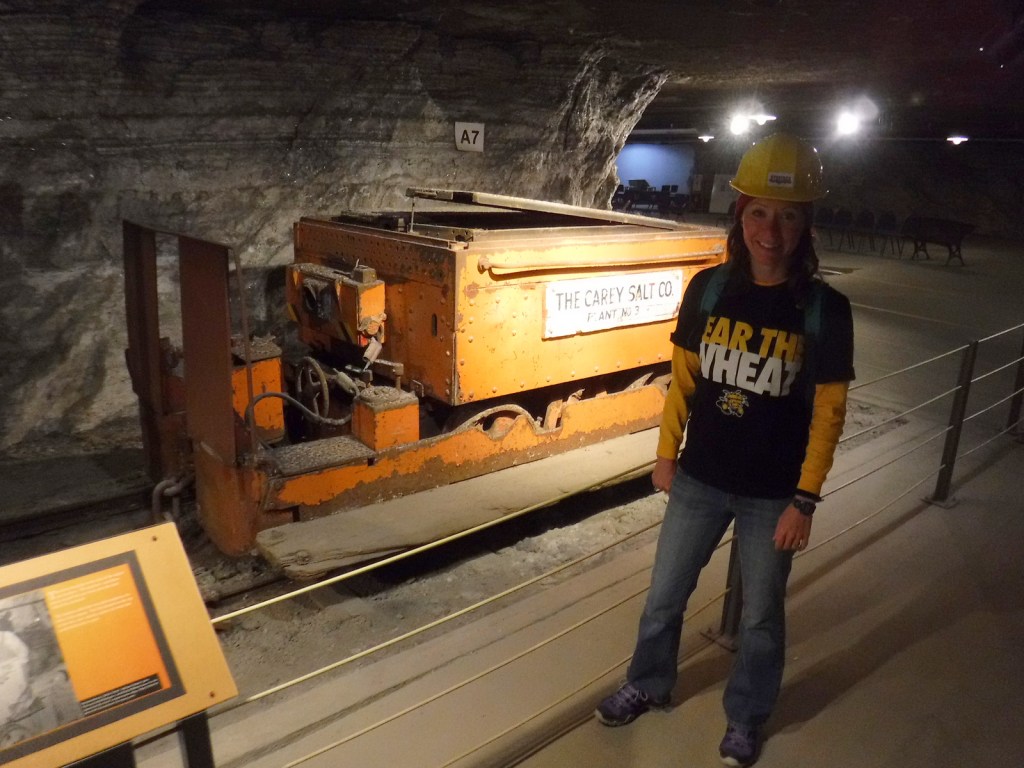
Strataca takes visitors in an elevator 650 feet down through the Equus Beds Aquifer into an underground salt mine with 67 miles of tunnels. A tram tour (hardhat provided) is part of the admission price, as is the opportunity to take home a big chunk of salt.
Cosmosphere International SciEd Center and Space Museum contains the largest collection of space artifacts outside the Smithsonian’s National Air and Space Museum in Washington, D.C.
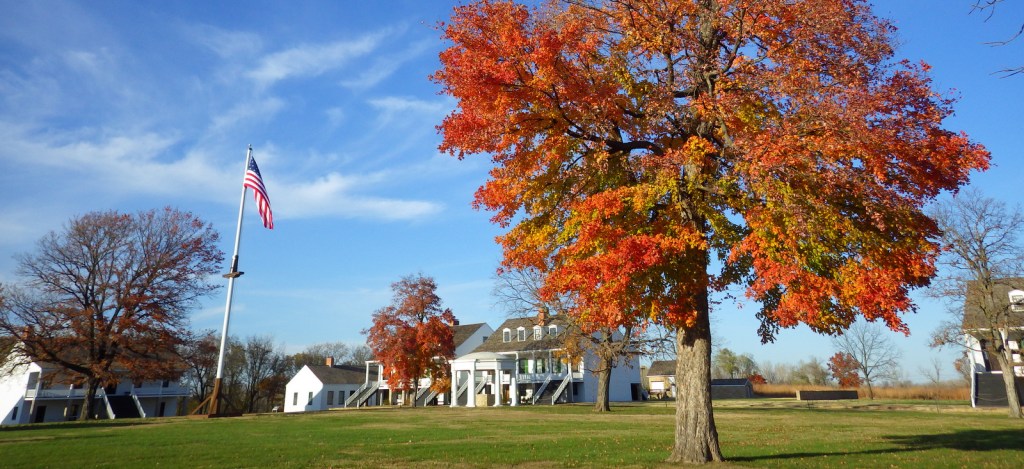
The maple trees were changing colors during our November visit to Fort Scott National Historic Site, their vibrant leaves in sharp contrast to the fort’s white buildings.
There are many miles of trails that wander through the 10,894-acre preserve that is jointly run by the Nature Conservancy and National Park Service. A reintroduced bison herd roams these hills, where you can visit the historic Spring Hill Ranch and the one-room Lower Fox Creek School, which was open from 1884 to 1930.
In downtown Topeka, you can tour the former African-American-only Monroe Elementary School, restored to its 1950s appearance with some classrooms turned into exhibits on the civil rights movement worldwide.
Optional stop at Kansas University in Lawrence
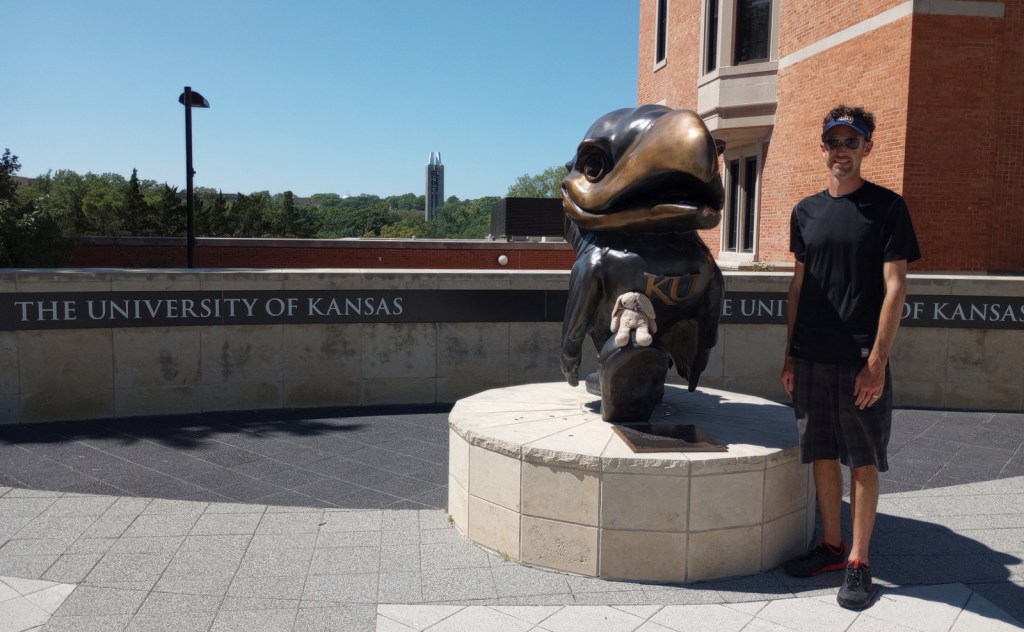
Come for a college football or basketball game and stay to see the original rules for basketball written by Dr. James Naismith, the free Spencer Museum of Art, the historic Natural History Museum, and numerous Jayhawk statues across campus.
Like Liberal on the other side of the state, Wamego also has a Wizard of Oz-themed part of town and holds the annual OZtoberFest in October.
Optional stop at Kansas State University in Manhattan
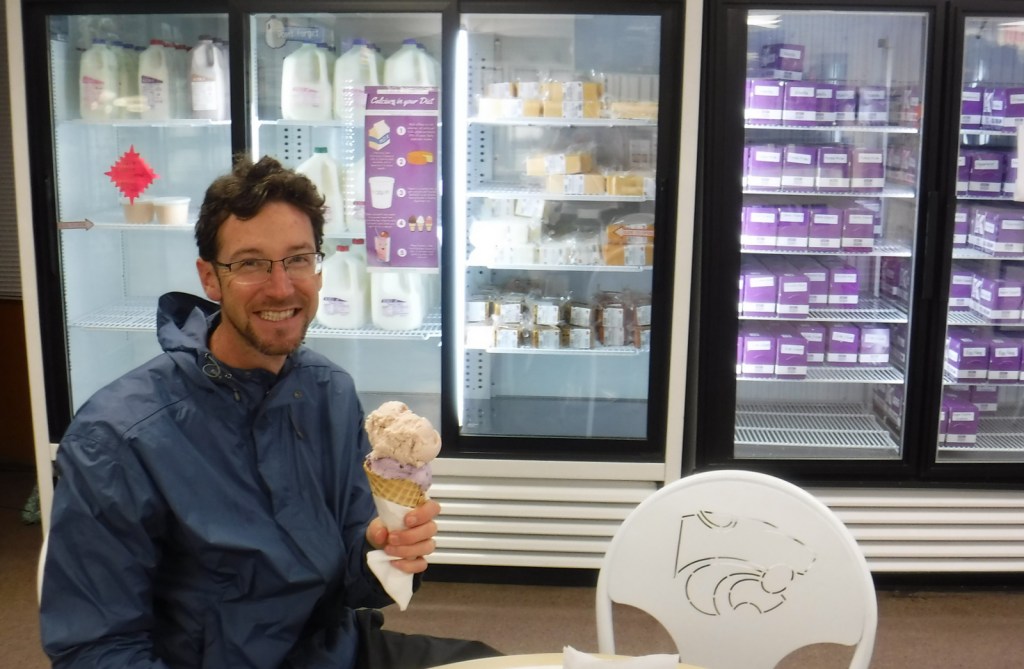
Sample some Purple Pride and Apple Dapple ice cream at Call Hall Dairy Bar, then visit the free Beach Museum of Art and the American Museum of Baking inside Emerson Library that displays a sample of Egyptian bread dating back 3,800 years (insert fruit cake joke here). Kansas State University Gardens is a great stop regardless of the season given its fountains and Insect Zoo with a modest $3 entry fee.
Day 7
Ft. Leavenworth
Check in and get your day pass from the military visitor center before driving onto the army base to visit the Buffalo Soldiers Memorial and Frontier Army Museum at Fort Leavenworth.
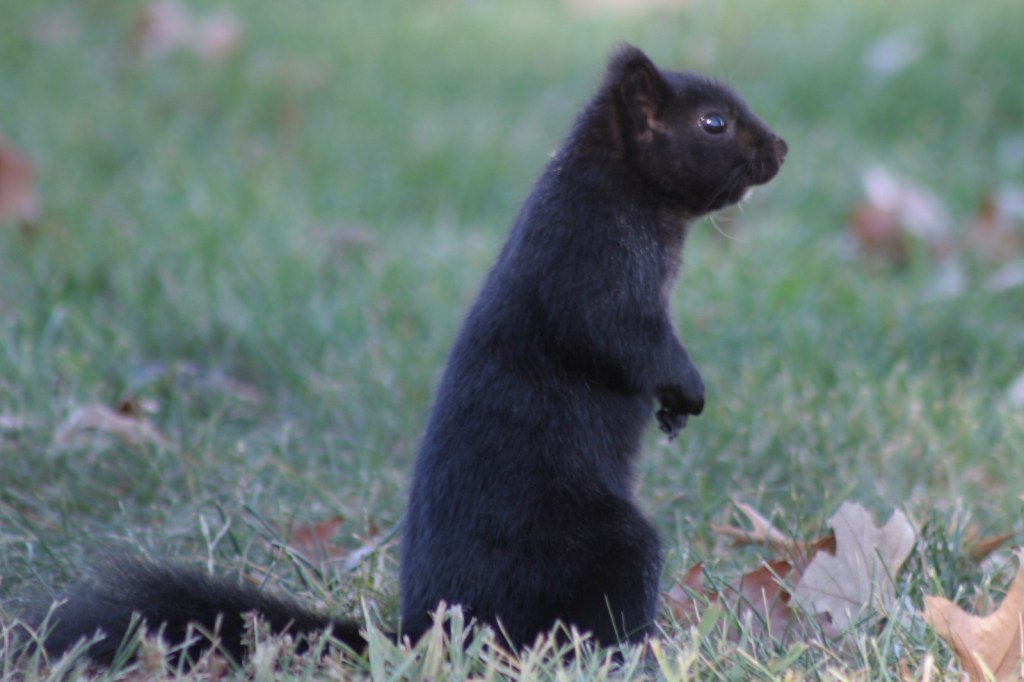
An Oregon Trail town founded in 1855 that still has its old Pony Express Station located downtown near the beautiful 1891 Marshall County Courthouse. It is also home to a population of black squirrels that are reportedly escapees from a traveling circus.
Founded in 1877 by former slaves from Kentucky freed after the Civil War, this historic town is representative of the African-American population boom in Kansas that jumped from only 627 to 43,107 between 1860 and 1880.
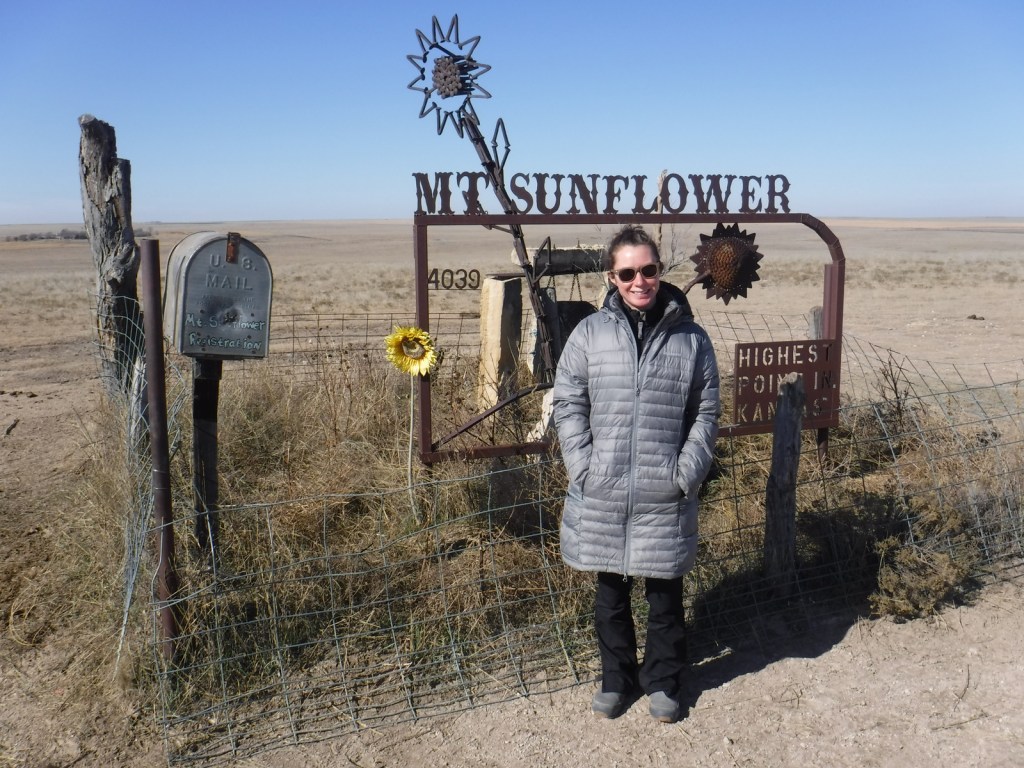
Mt. Sunflower
You can drive to the top of Kansas, a small hill near the western border with Colorado.
Buffalo Bill bronze sculpture in Oakley
An impressive 9,000-pound bronze statue stands outside a Cultural Center highlighting Buffalo Bill’s fascinating life. Also worthwhile is the Fick Fossil and History Museum.
Monument Rocks
A dirt road detour south of Interstate 70 takes travelers to Monument Rocks, the first National Natural Landmark designated by the U.S. Department of the Interior in 1968. The 70-foot-tall chalk formations are chock full of fossils formed 80-million years ago during the Cretaceous Period. The white monoliths really light up at sunset and sunrise, but since they are on private property no camping is allowed at the site.
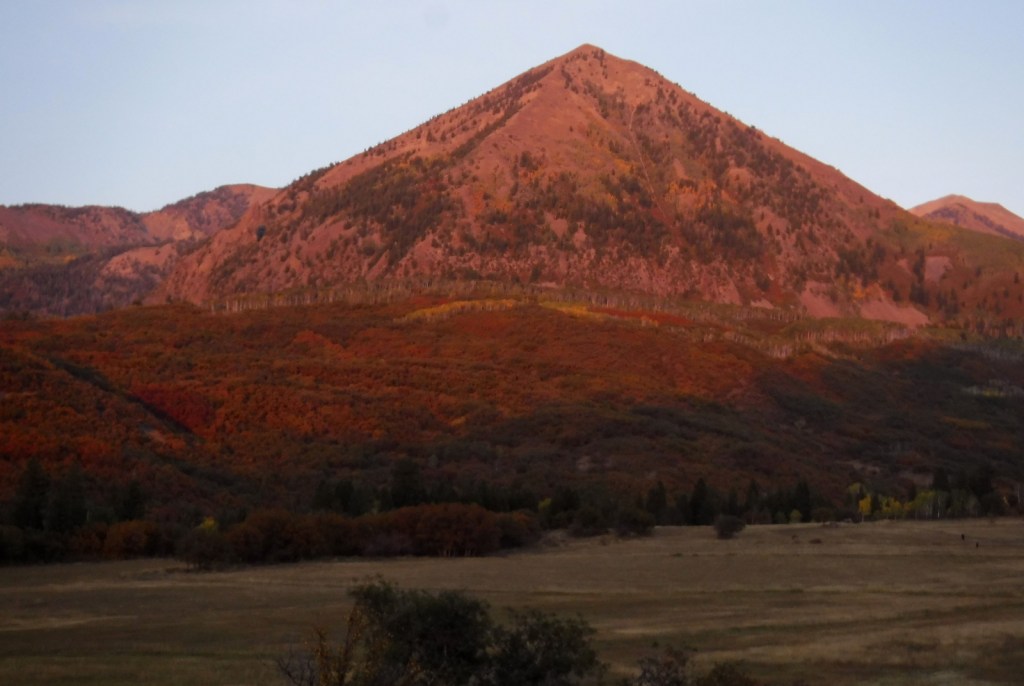
Gunnison National Forest surrounds the town of Crested Butte, a prime destination for mountain bikers and winter sports enthusiasts. It also shares mountainous borders and four of its eight designated Wilderness areas with neighboring Rio Grande, San Isabel, Uncompahgre, and White River National Forests. It was originally called the Cochetopa Forest Reserve, created by President Teddy Roosevelt on June 13, 1905. It is now co-managed with the Grand Mesa and Uncompahgre National Forests.
Highlights
Silver Thread Scenic Byway, Slumgullion Slide, Mt. Emmons Iron Bog, Taylor Park Reservoir, San Luis Peak, Fossil Ridge Recreation Area, Gothic Research Natural Area, Judd Falls, Alpine Tunnel, Mineral Creek Trail
Must-Do Activity
Much of the area was mined in the past, so there are many miles of four-wheel-drive roads to explore over mountain passes like Tomichi, Hancock, Taylor, Tincup, and Pearl Pass. Near the Victorian-era town of Lake City, the famous Slumgullion Slide crosses Highway 149 where a massive earth flow created Lake San Cristobal about 700 years ago. Visible from a pullout at Windy Point, a secondary flow of sludgy montmorillonite continues to move trees downslope to this day.
Best Trail
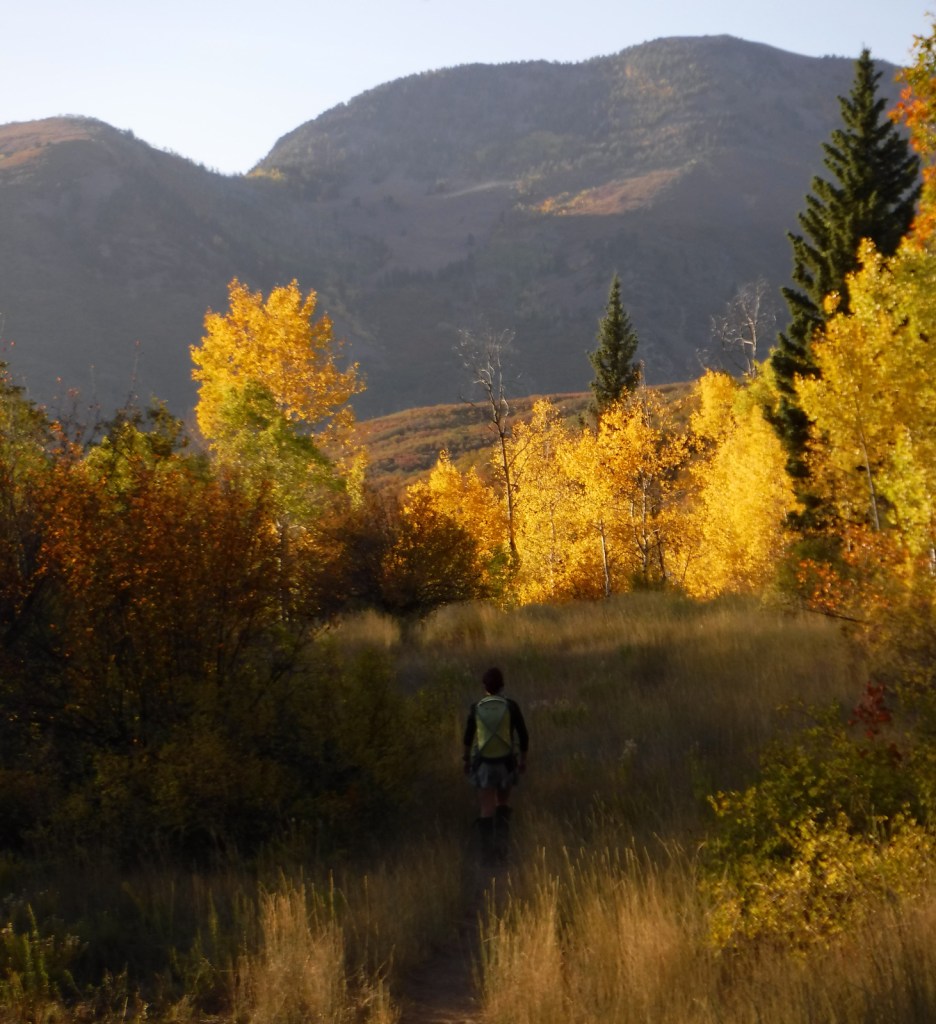
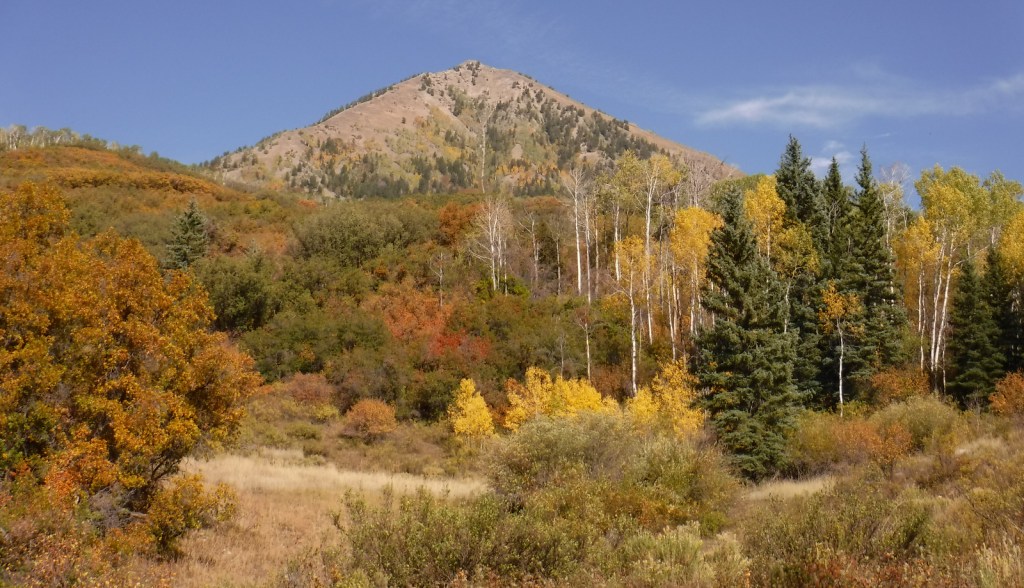
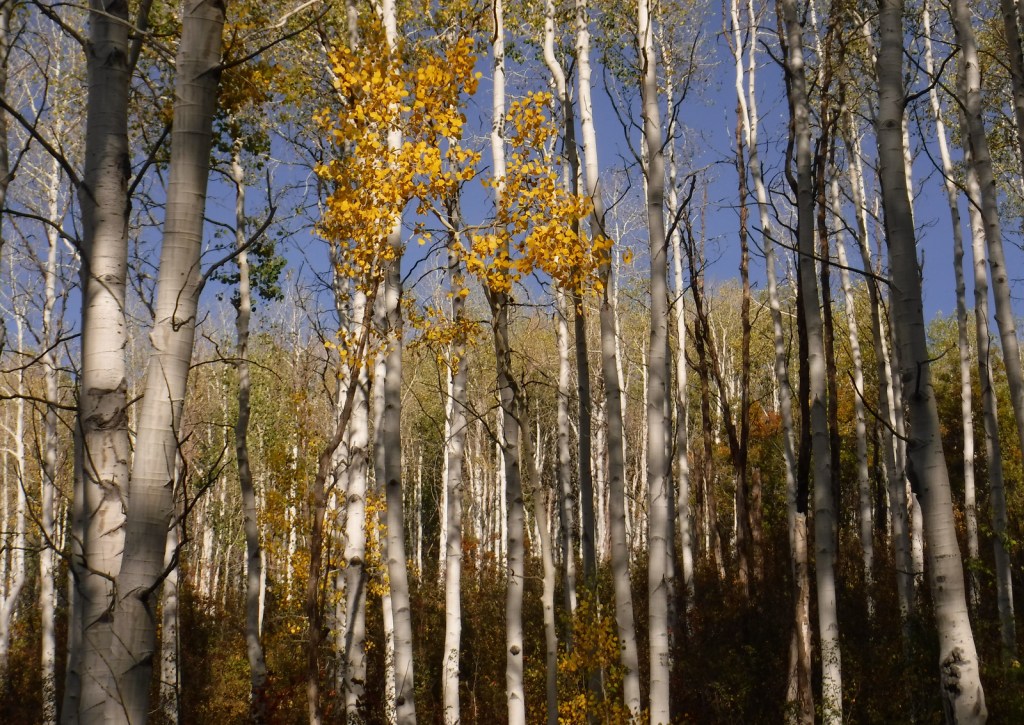
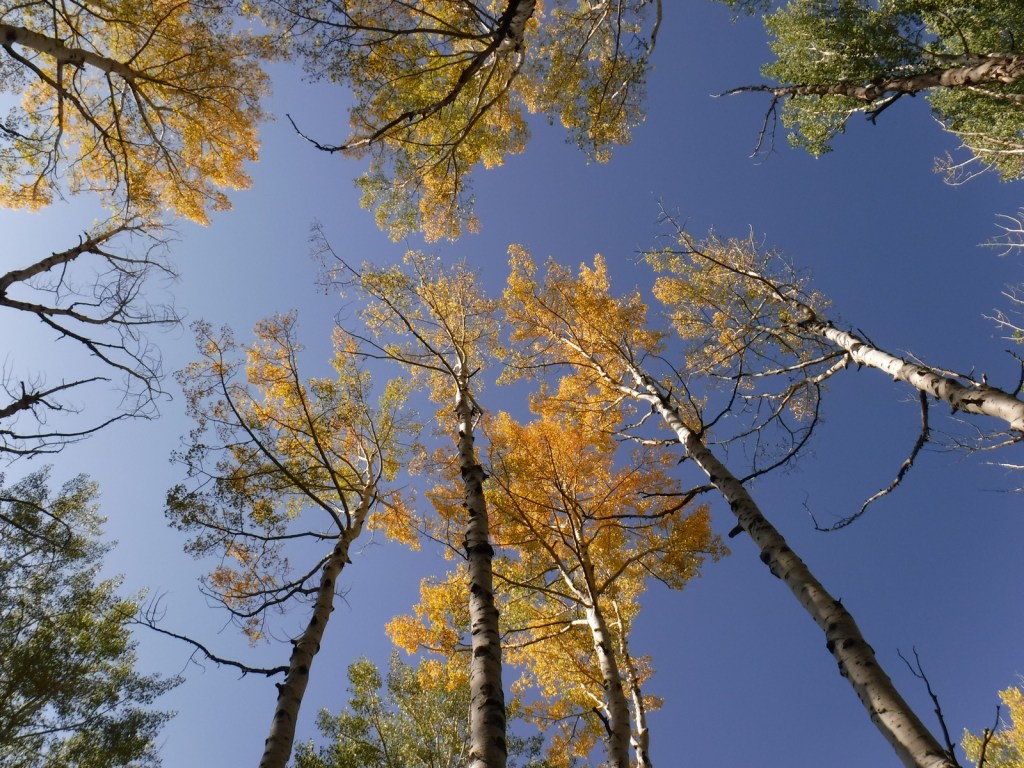
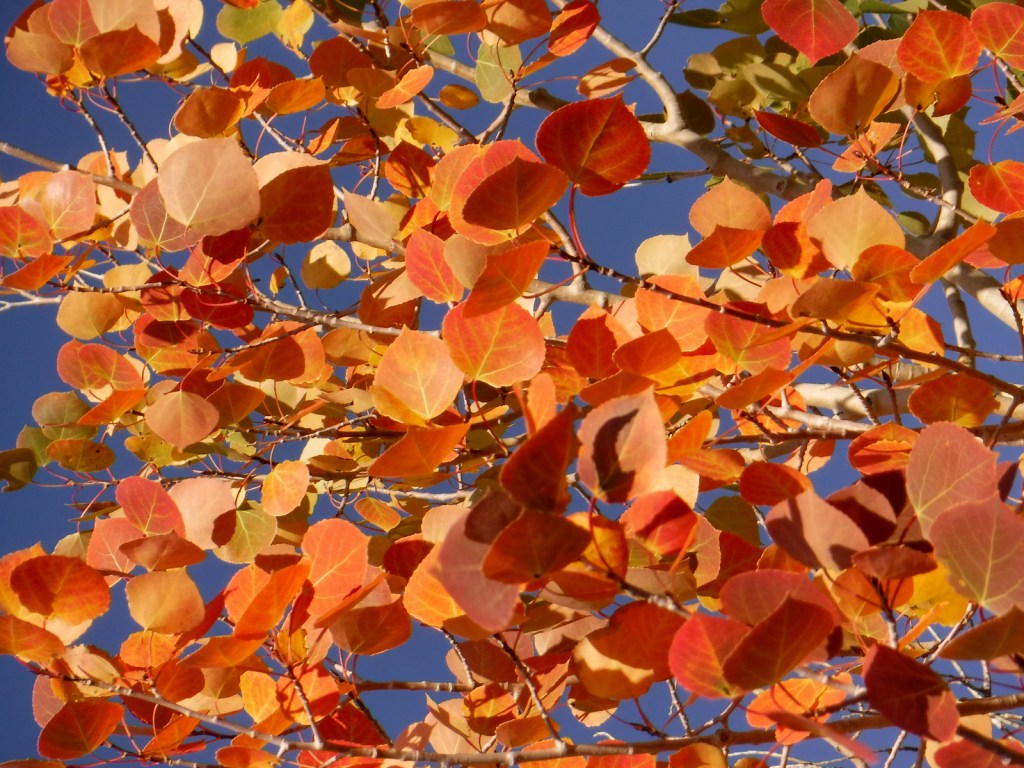
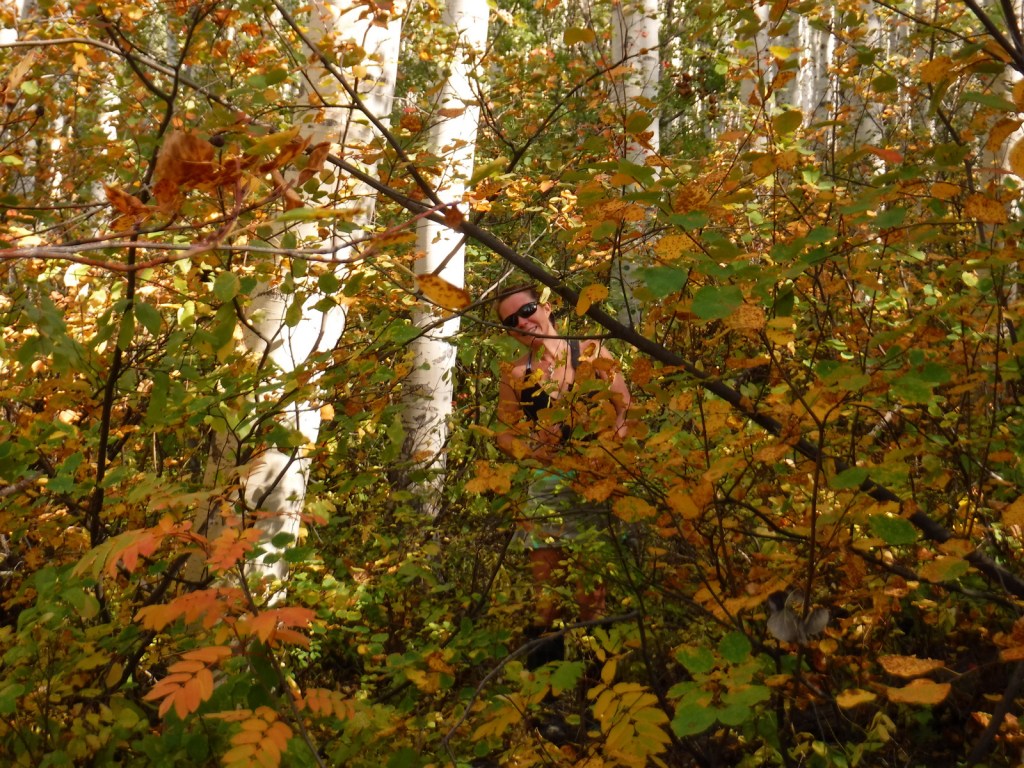
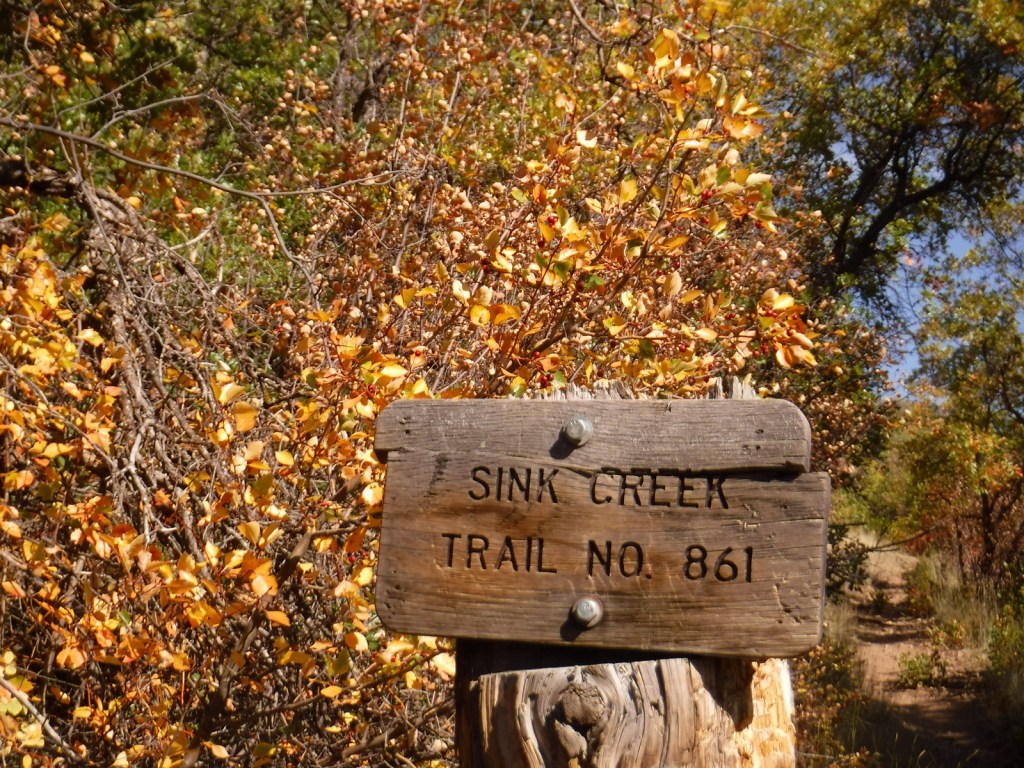
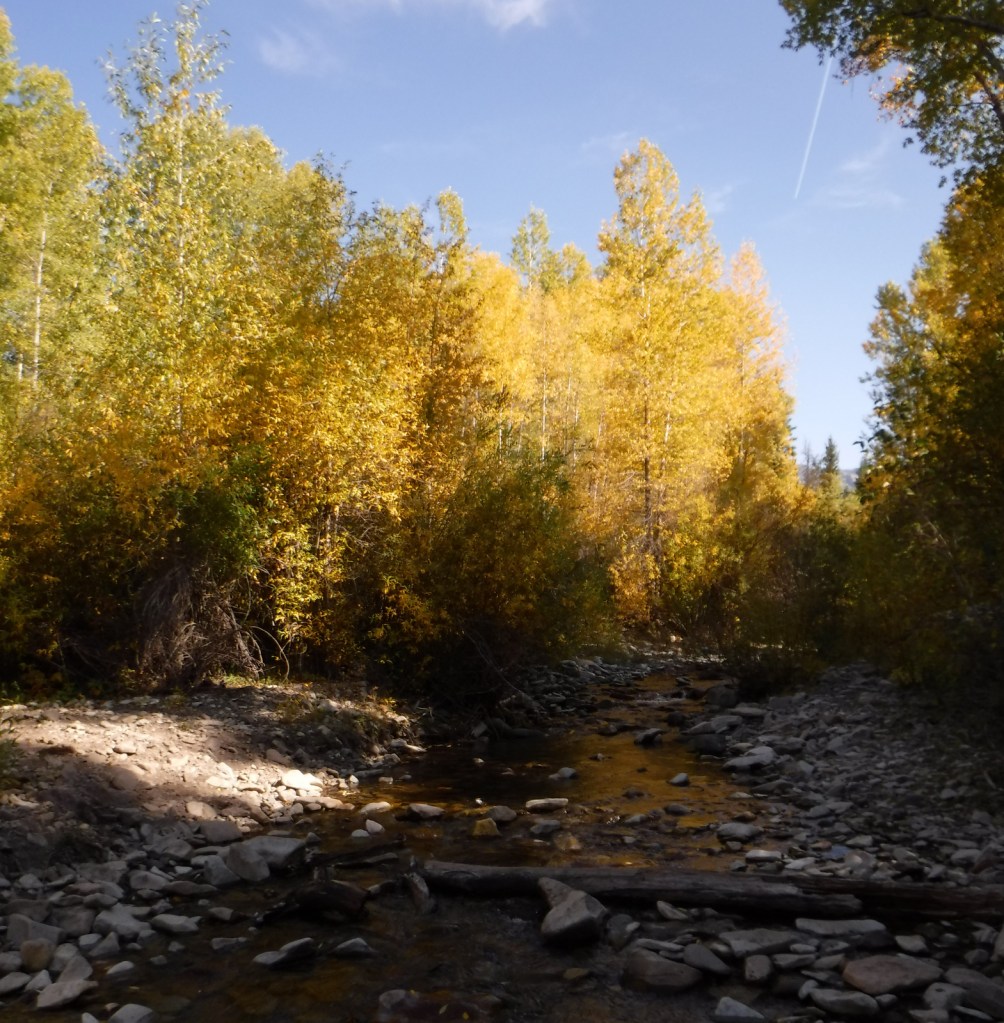
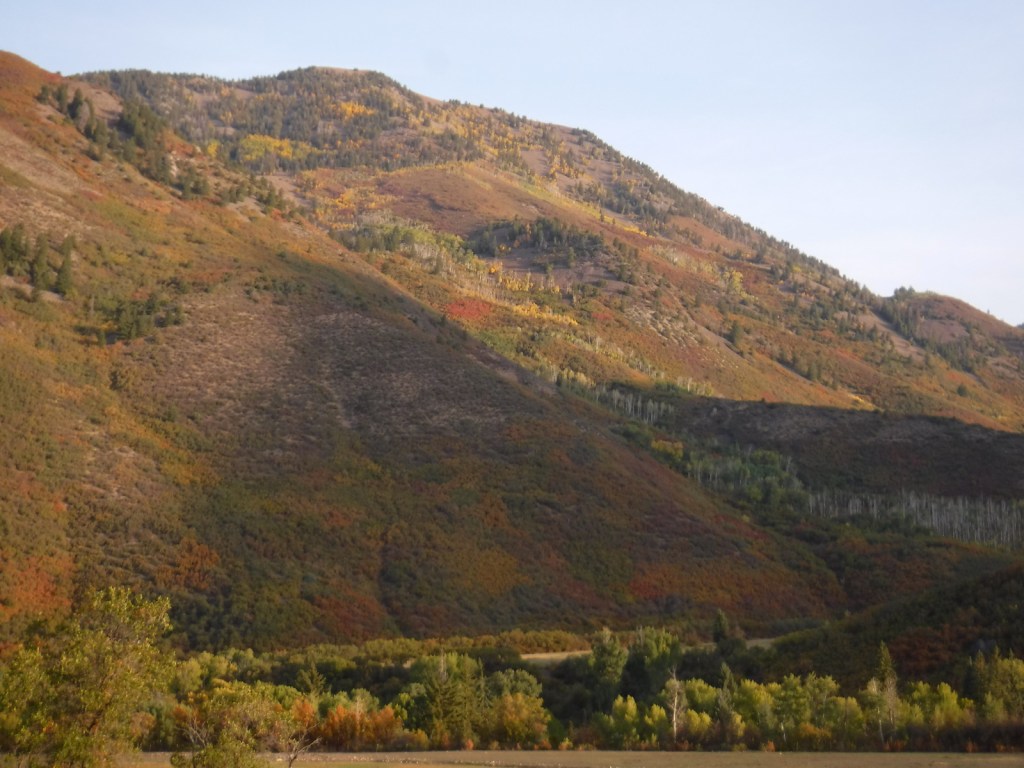
Just past the Bureau of Land Management (BLM) recreation site at Needle Rock, a gravel road enters Gunnison National Forest where two trailheads afford entrance into the West Elk Wilderness. Throughline Trail heads northeast toward 12,719-foot Mt. Gunnison, but it can be connected with the Lone Pine Trail at the 3.5-mile point to form a loop with Sink Creek Trail (a total of 13 miles roundtrip). We hiked a portion of Sink Creek Trail in late September when the aspen trees were changing colors and found a nice place for dispersed camping near the South Smith Fork Trailhead (high-clearance vehicle recommended).
Watchable Wildlife
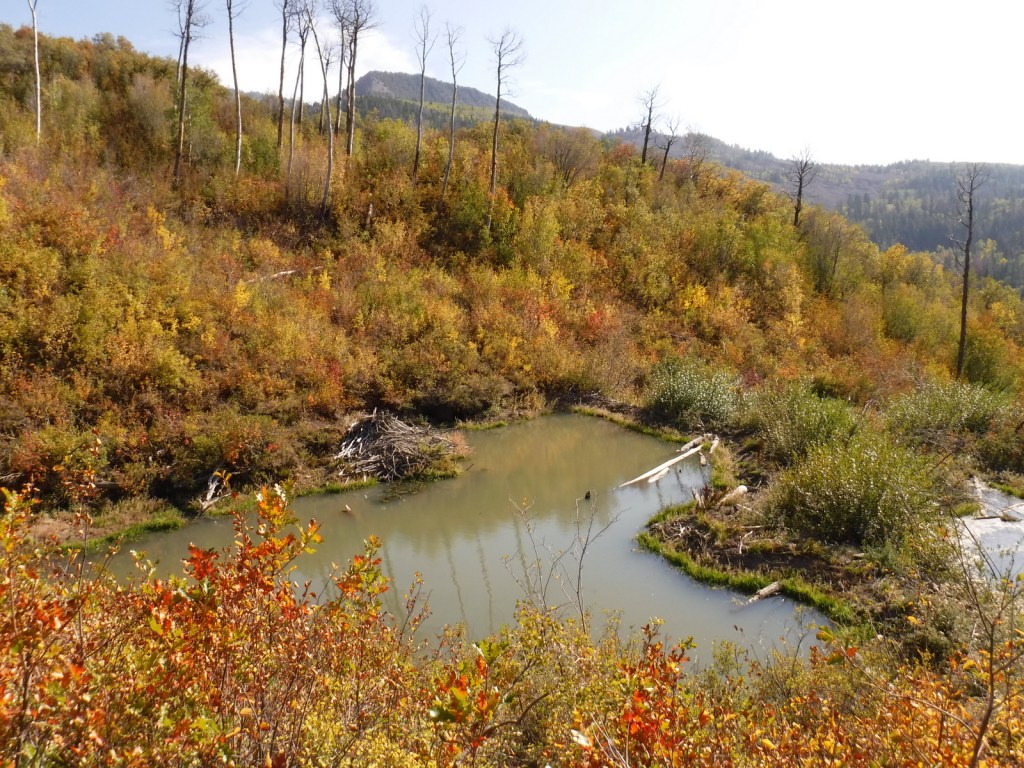
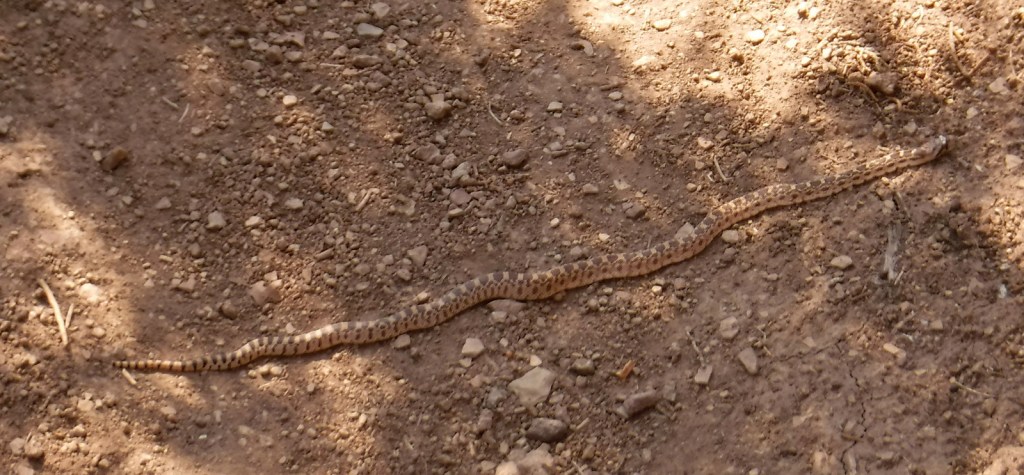
There are presumably elk in the mountainous West Elk Wilderness, as well as mule deer and bighorn sheep (a herd overwinters near the junction of the East and Taylor Rivers). Mountain lions, black bears, and pine martens also inhabit Gunnison National Forest. On our hikes we came across a gopher snake and a dam built by a beaver. Watch the skies for raptors like golden eagles, red-tailed hawks, and peregrine falcons.
Instagram-worthy Photo
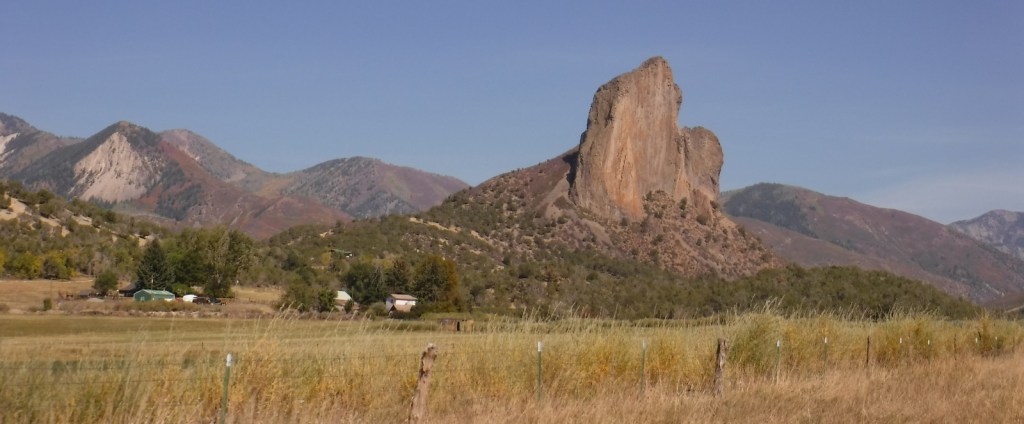
A good gravel road east of Crawford leads into Gunnison National Forest past Needle Rock Outstanding Natural Area, run by the Bureau of Land Management (BLM). The landmark is a 28-million-year-old volcanic plug which can be explored on a steep trail that does not completely circle it because of private land.
Peak Season
Summer and fall
Fees
None
Road Conditions
Several paved highways crisscross the National Forest, including a stretch of the Silver Thread Scenic Byway. Not every back road requires a high-clearance vehicle, as good graded roads go over Kebler Pass, Ohio Pass, and Cumberland Pass into the town of Pitkin. Popular four-wheel-drive routes include Pearl Pass Road, Old Monarch Pass Road, and Schofield Pass north into Crystal Canyon.
Camping
There are many nice campgrounds in Gunnison National Forest, including Slumgullion Campground at 11,200 feet, Lost Lake Campground next to a wildflower meadow, and Dorchester Campground on the road to 11,928-foot Taylor Pass (accessible by four-wheel-drive vehicles). Dispersed camping is also allowed throughout the National Forest; we found a nice spot near the South Smith Fork Trailhead (high-clearance vehicle recommended).
Wilderness Areas
Collegiate Peaks Wilderness Area (also in San Isabel National Forest)
Fossil Ridge Wilderness
La Garita Wilderness (also in Rio Grande National Forest)
Maroon Bells-Snowmass Wilderness (also in White River and San Isabel National Forests)
Powderhorn Wilderness (also on BLM land)
Raggeds Wilderness (also in White River National Forest)
West Elk Wilderness
Uncompahgre Wilderness (also in Uncompahgre National Forest)
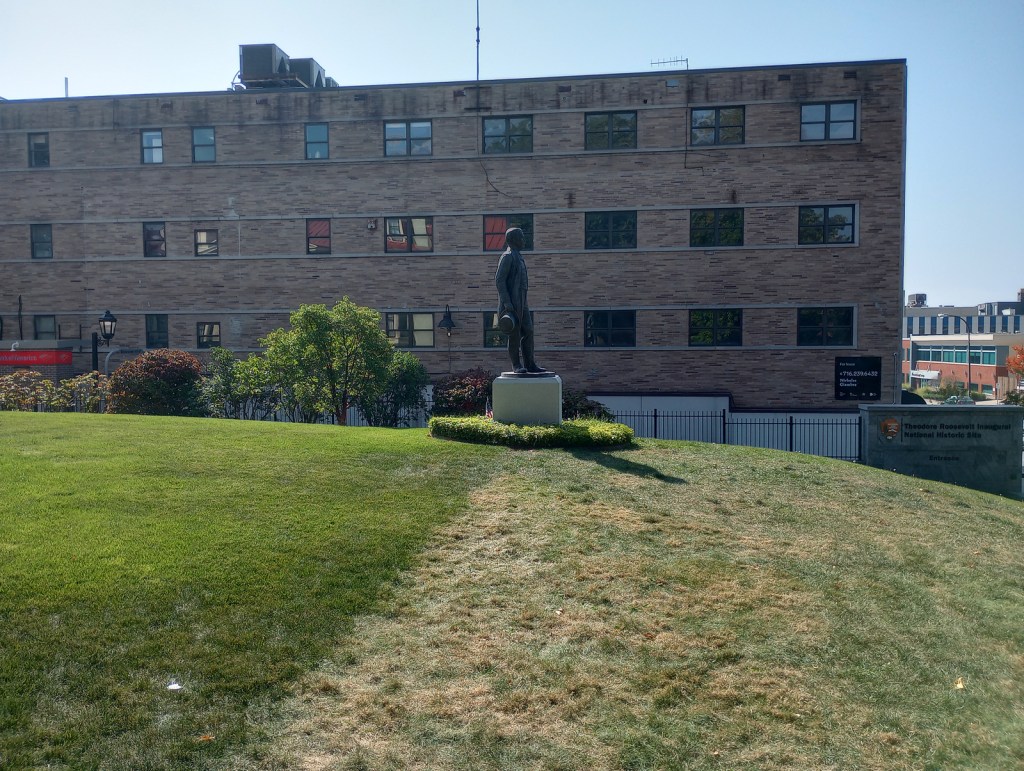
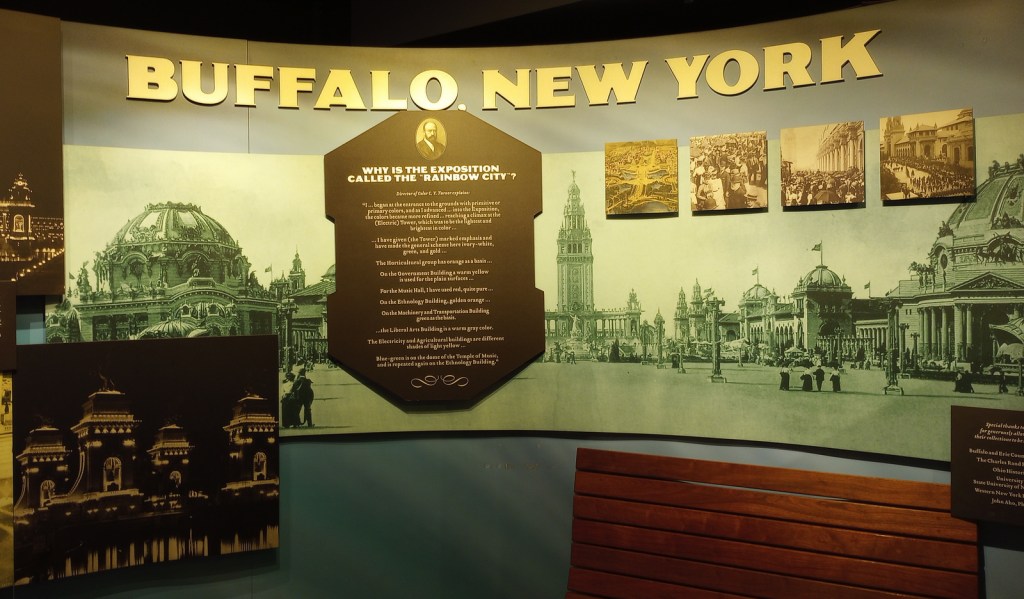
On September 6, 1901, while attending the Pan-American Exposition in Buffalo, New York, President William McKinley was shot by anarchist Leon Czolgosz. Vice President Theodore Roosevelt came by the house (now demolished) where McKinley was recovering and left after being assured he would survive. Roosevelt was hiking the highest peak in the Adirondacks when he was informed that he needed to rush back to Buffalo because the President was dying. Rather than take the oath of office in the house where McKinley died 11 hours before Roosevelt’s arrival, he chose the residence of his friend Ansley Wilcox, which has been preserved as a National Historic Site. Oddly, no photographs were taken at the historic event.
Highlights
Wilcox house, museum, films
Must-Do Activity
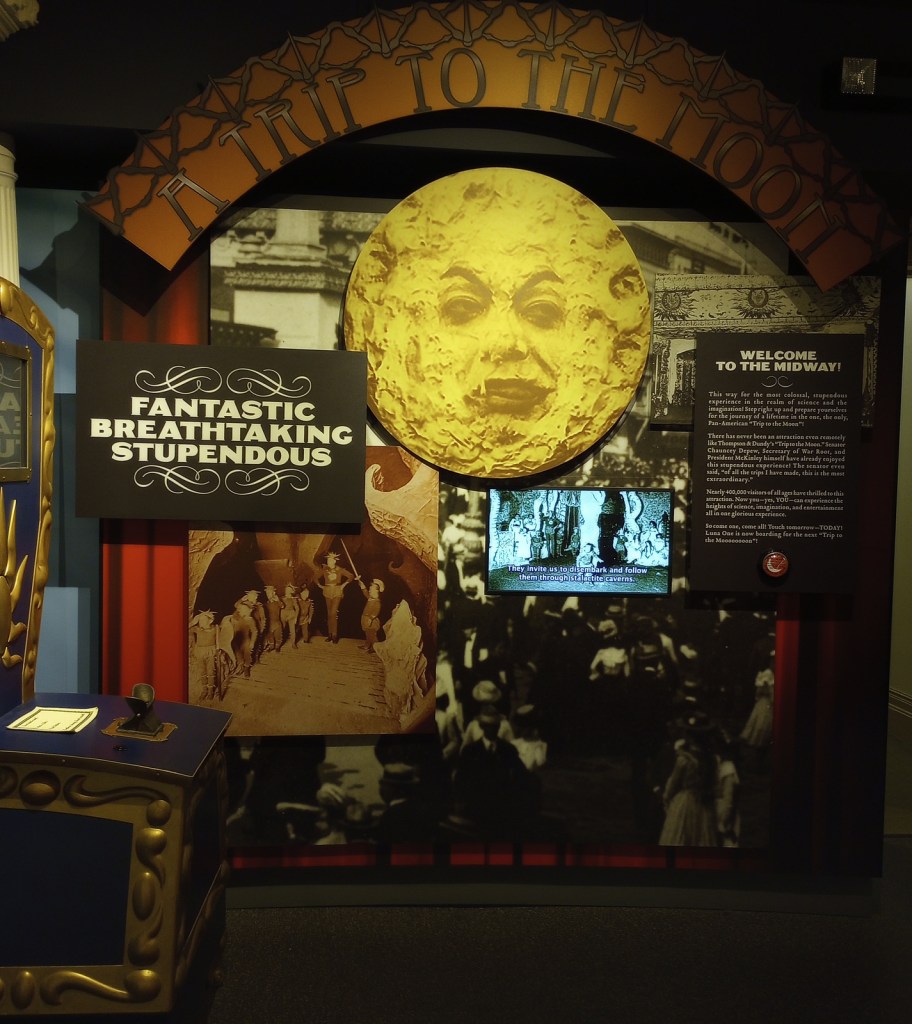
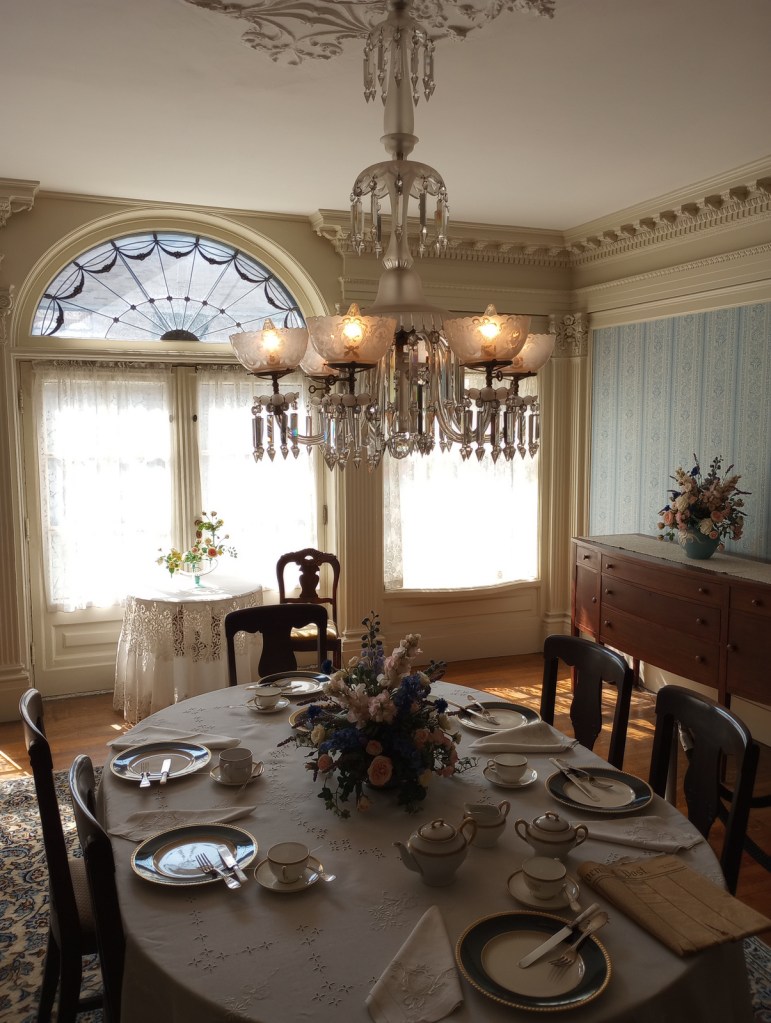
The Wilcox house dates back to 1837, when it was built as an officers’ quarters at the U.S. Army’s Poinsett Barracks. The only way inside is on a ranger-guided tour, which you can reserve online in advance (see Fees below). The downstairs has a small, nice museum featuring interactive exhibits, where you will watch the second of three video presentations during your 45-minute tour. It was good enough that we added it to our Top 10 Museums Run by the National Park Service. There is an annual reenactment of the 1901 Inauguration held every September 14.
Best Trail
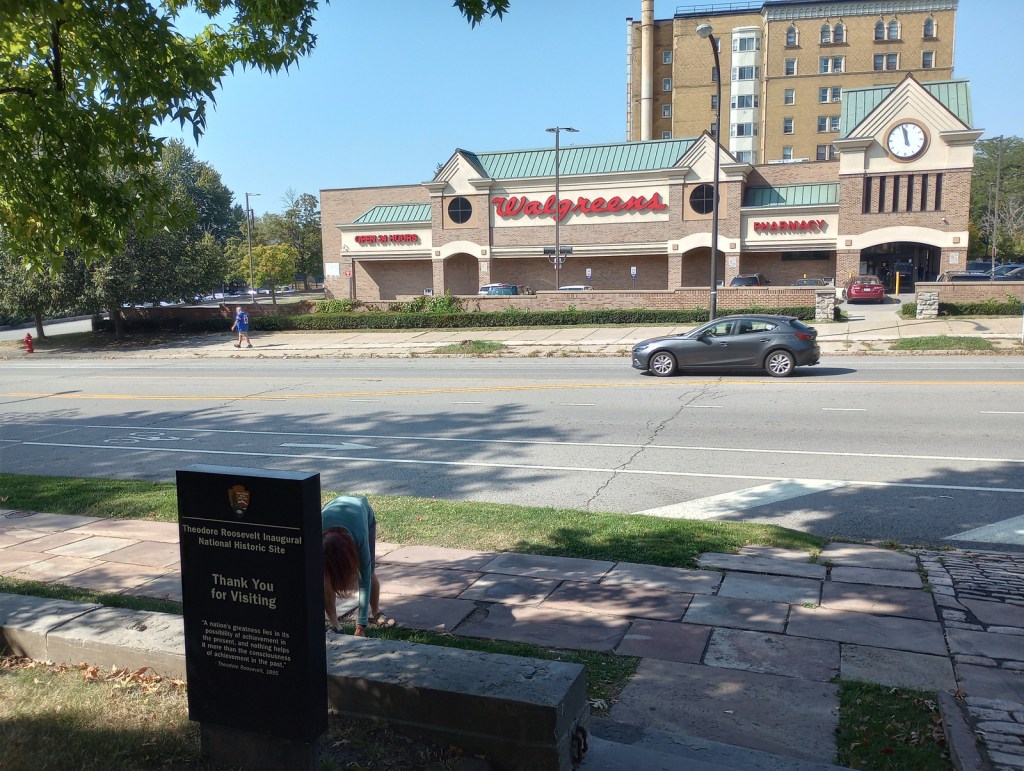
No trails, but you can walk the sidewalks of Delaware Avenue in downtown Buffalo and stop by the Bank of America ATM conveniently located next door. Maybe you will find a four-leaf clover like Tiff did (see photo below).
Instagram-worthy Photo
The third video is presented in a small theater upstairs about halfway through the tour and features dramatic lighting and videos highlighting the challenges facing the U.S. in the early 1900s.
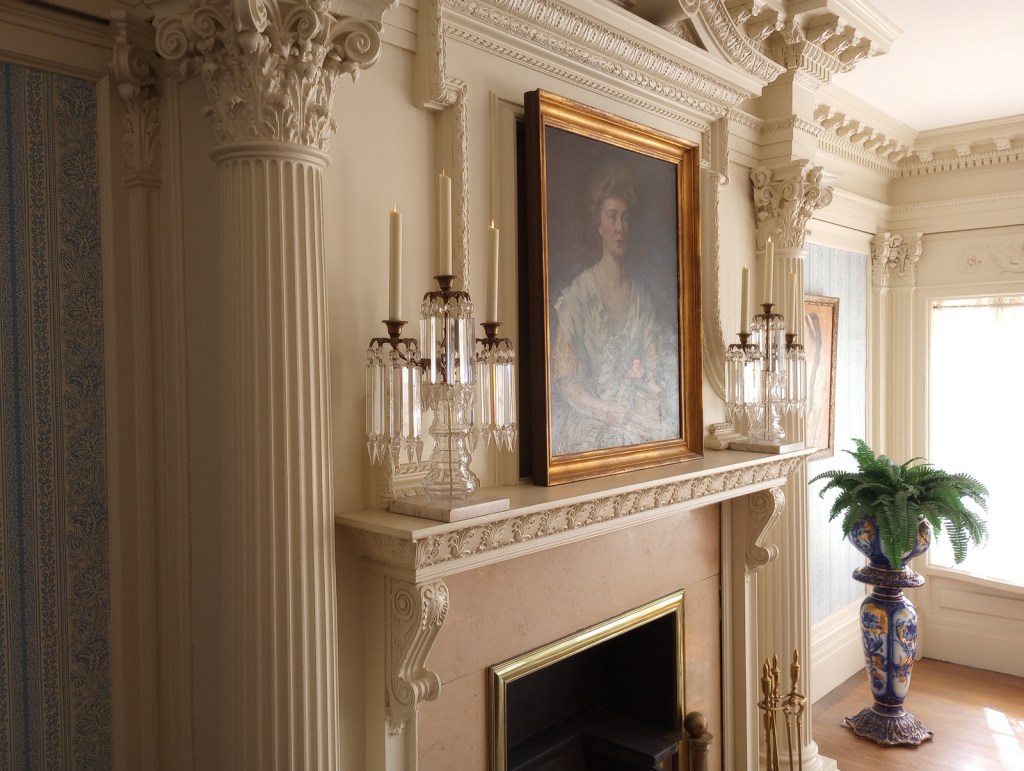
Scott at the front doorTiff finding a four-leaf clover out frontEntrance to visitor center behind the houseInside the visitor centerInside the Wilcox houseTiff with Teddy’s statue
Explore More – When was the Wilcox house turned into a restaurant?
Start your U.S. National Parks, National Forests, and National Monuments adventure here!