Category Archives: New York

Finger Lakes National Forest

Finger Lakes National Forest

New York

Managed by U.S. Forest Service, Eastern Region

16,259 acres (16,259 federal/ 0 other)

Website: https://www.fs.usda.gov/main/gmfl/home

Overview

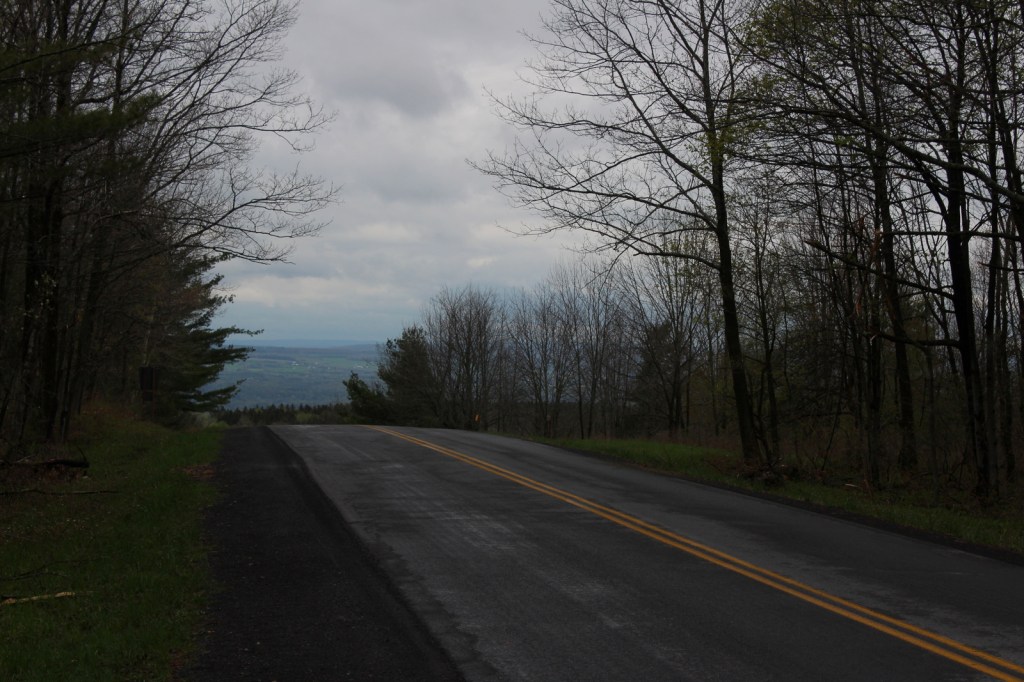
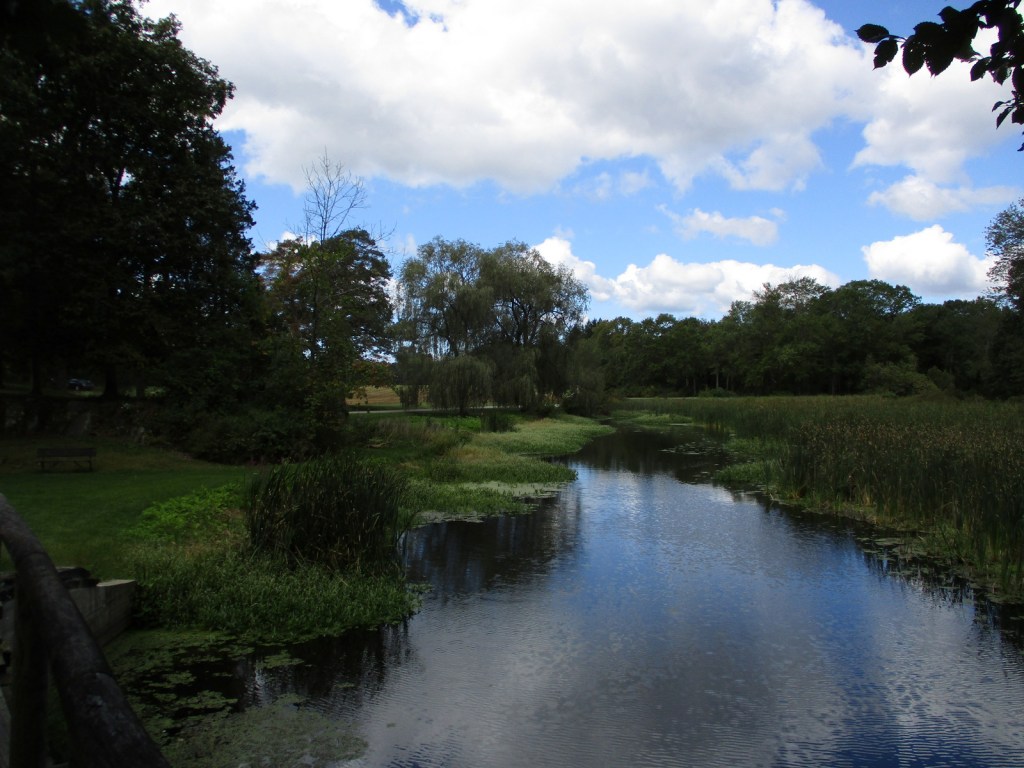
America’s newest National Forest was formally established in 1985.  Its existence is the result of the federal government purchasing abandoned farmland in the 1930s on the Backbone Ridge between Seneca and Cayuga Lakes.  Management shifted from the Soil Conservation Service to the Forest Service in 1954, but it did not become Finger Lakes National Forest for another 30 years.  According to Iroquois legend, the Finger Lakes were formed when the Great Spirit laid hands on the land to bless it and the finger imprints filled with water.  Visitors come for hiking and bird watching, and, in addition, two acres next to Blueberry Patch Campground are managed for blueberry picking in the late summer.
Highlights

Camp Fossenvue, Seneca Lake, Blueberry Patch Recreation Site, Backbone Trail, Gorge Trail, Interlocken Trail, No Tan Takto Trail, Burnt Hill Trail, North Country National Scenic Trail

Must-Do Activity

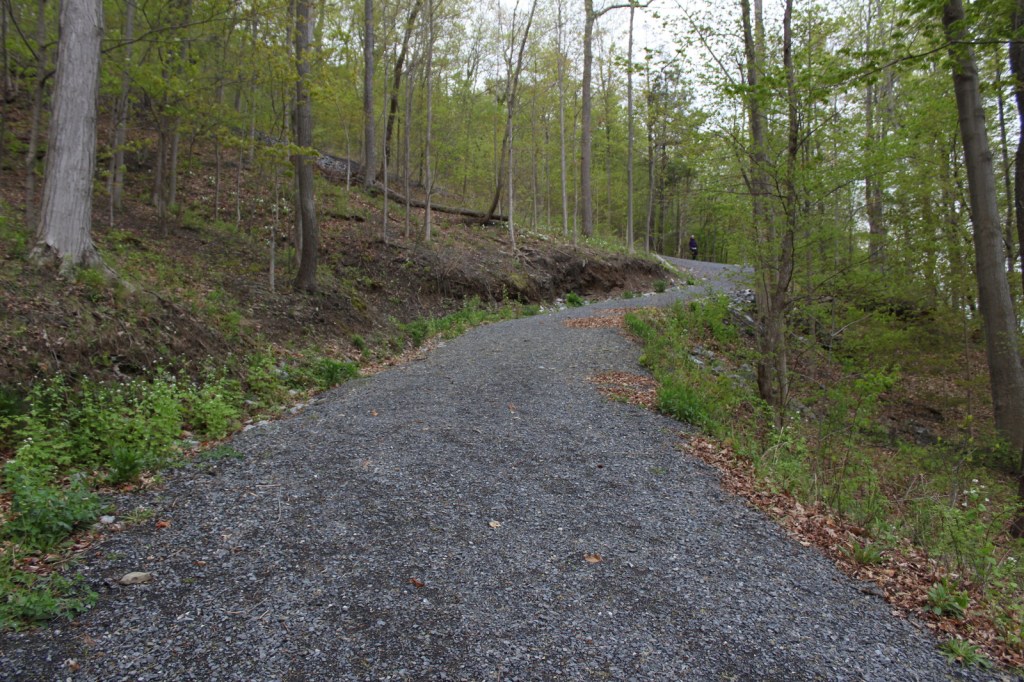
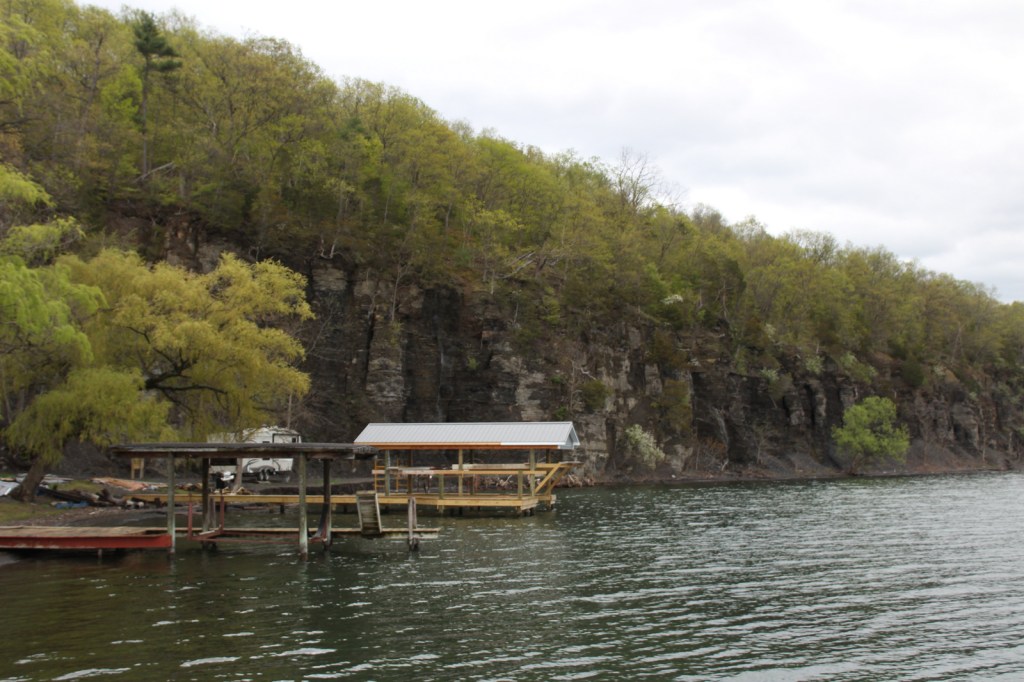
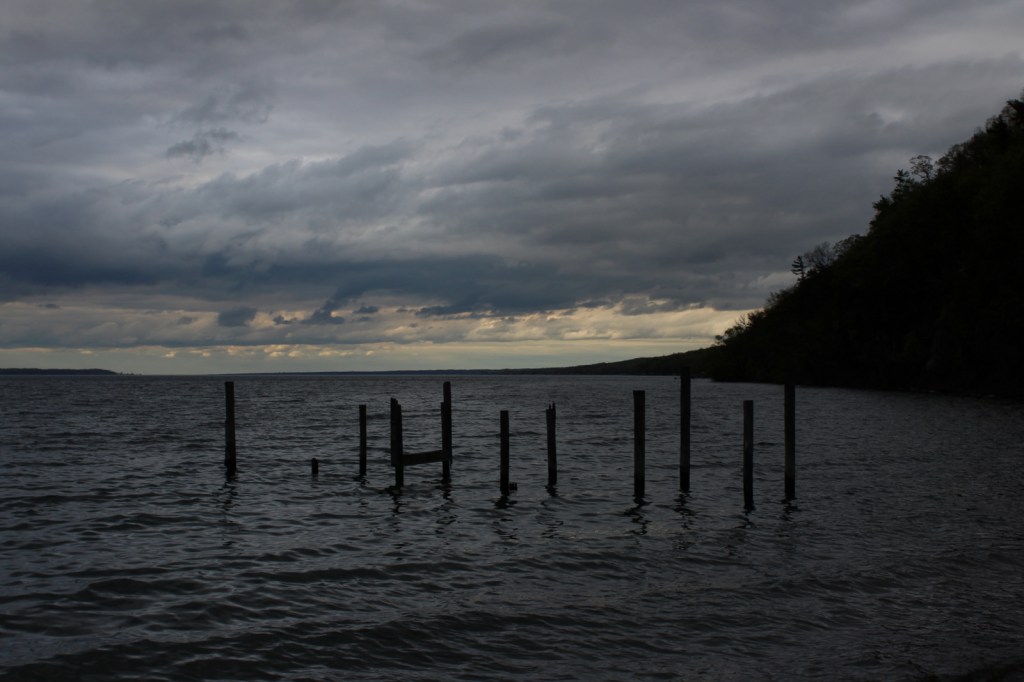
Although it is the second smallest National Forest in the U.S., Finger Lakes National Forest has 38 miles of trails (including a spur of the North Country National Scenic Trail).  In 1996, the former Camp Fossenvue at Caywood Point on the shores of Seneca Lake was given to the National Forest.  The camp was founded in 1875 by seven women and was considered radical for its time by allowing women to engage in outdoor recreation and inviting notable suffragettes like Susan B. Anthony.  The Boy Scouts purchased the property in 1924 and later sold it to the Trust for Public Land.  The lake is accessed from the parking lot off State Route 414 by walking down a steep, half-mile-long gravel road with a 30% grade in places. 

Best Trail

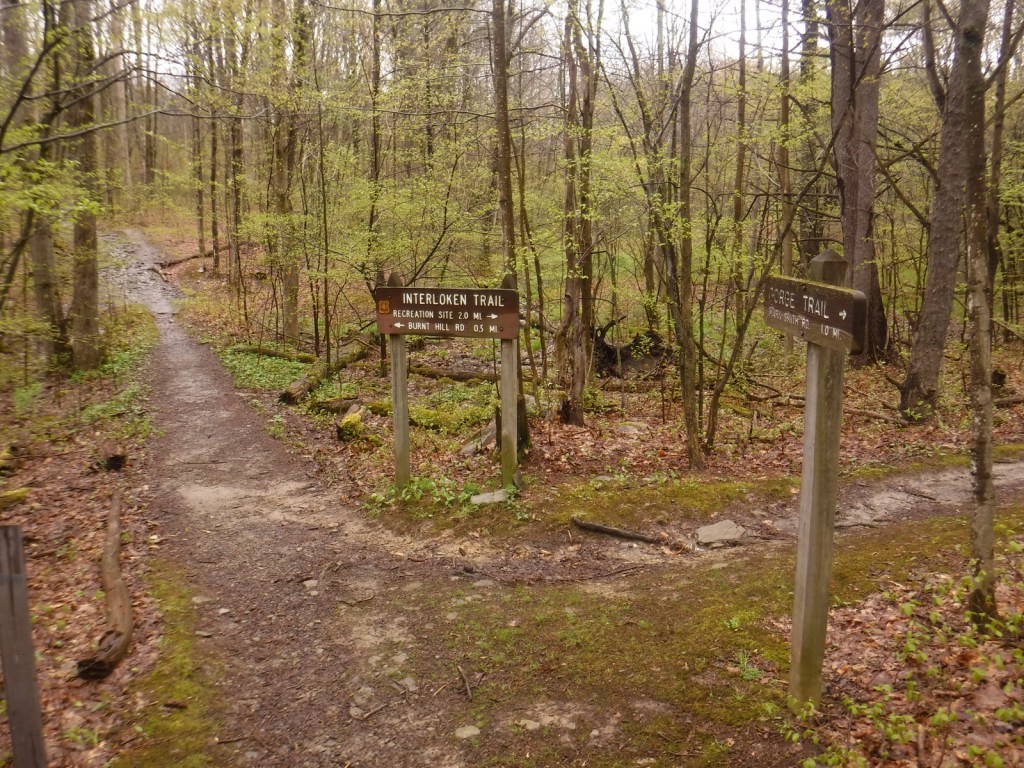
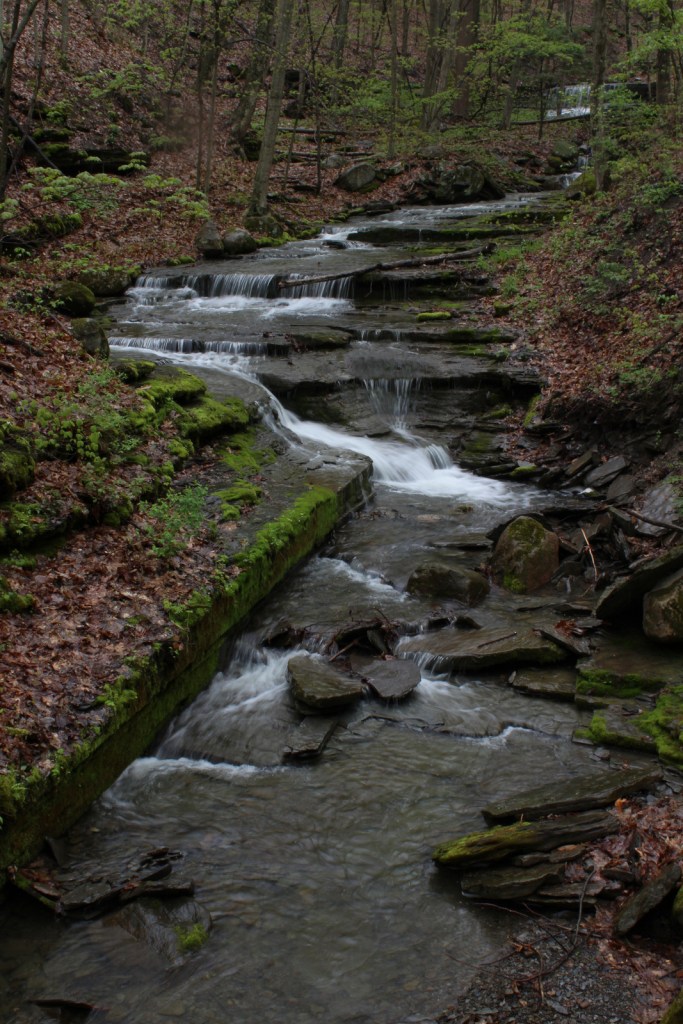
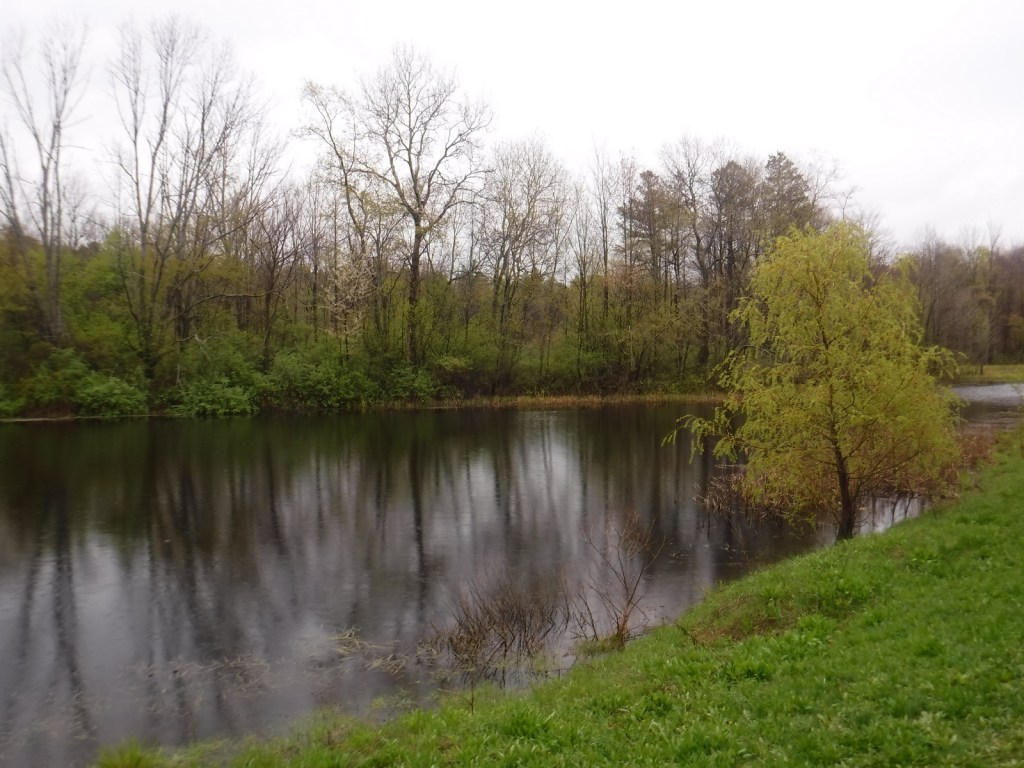
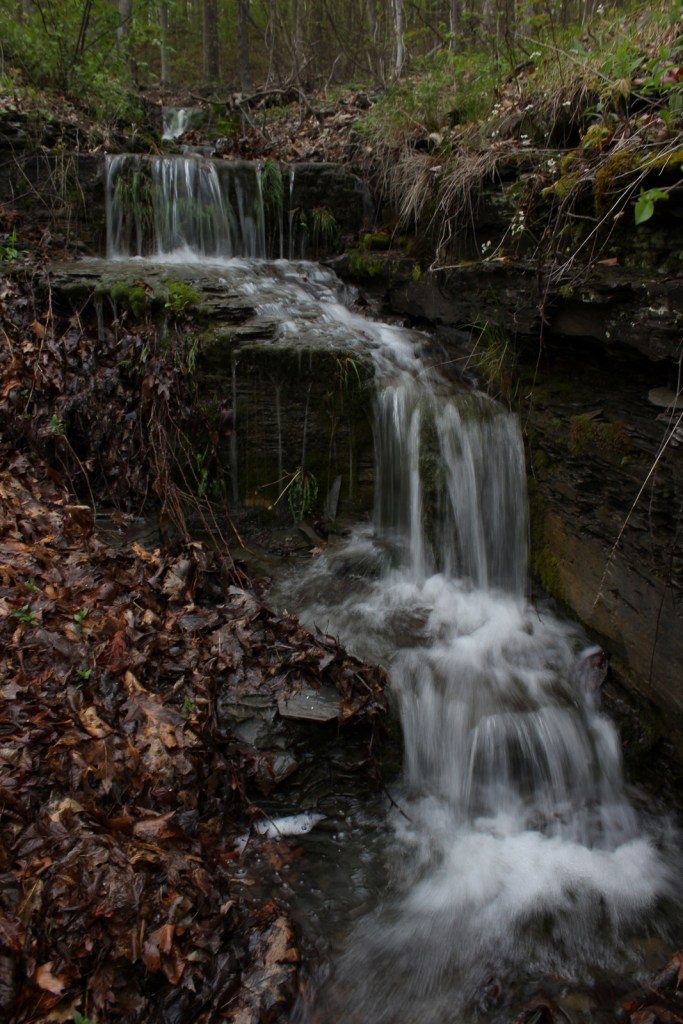
The Gorge Trail is three miles out-and-back between trailheads on Burnt Hill Road and Mark Smith Road, crossing the Backbone Ridge.  The hike follows a pretty creek through a second growth forest of eastern hemlocks and various hardwood trees to access the Gorge Ponds and the 12-mile long Interlocken Trail, which is popular with cross-country skiers in the winter.  On a rainy afternoon in May, we saw several red newts on the trail and a mix of wildflowers, such as May-apples.

Watchable Wildlife

The first red newts we had ever seen were on the Gorge Trail, crawling through the duff on a rainy May afternoon.  These bright-orange amphibians are hard to miss among the green plants and brown decaying organic matter, but watch your step as they were right in the middle of the trail.  Finger Lakes National Forest also has white-tailed deer, gray squirrels, raccoons, coyotes, and bobcats, as well as 160 species of birds.  There are blueberry patches and old fruit tree orchards within the forest, which are good places to look for foraging animals.  Seneca Lake reaches 630 feet in depth and is home to many types of gamefish.

Instagram-worthy Photo

The sole remaining cabin at Camp Fossenvue is named the “Queen’s Castle” for Elizabeth Smith Miller, but no entry is permitted to the structure built in 1899 and placed on the National Register of Historic Places a century later.

Peak Season

Summer

Fees

None

Road Conditions

There are several unpaved roads in the National Forest, including Burnt Hill Road and Mark Smith Road, but we found all of them to be in good condition.

Camping

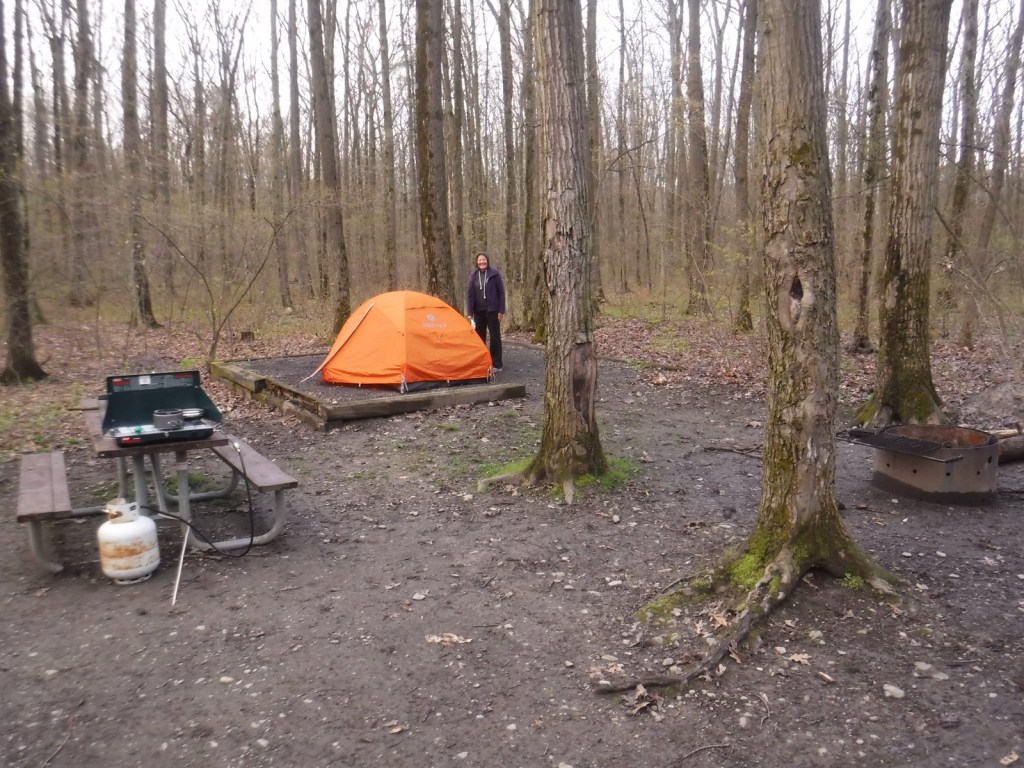
On Backbone Ridge, Blueberry Patch Campground is developed for vehicles under 24 feet in length and offers vault toilets.  Nearby, the Backbone Horse Campground has five campsites for horse trailers and six additional sites for all users.  Free dispersed camping is allowed throughout the forest (except in pastures from May 15 to October 31 due to cattle grazing) with one shelter available at the south end of the Interloken Trail. 

Wilderness Areas

None

Related Sites

Women’s Rights National Historical Park (New York)

Harriet Tubman National Historical Park (New York)

Home of Franklin D. Roosevelt National Historic Site (New York)

Nearest National Park

Cuyahoga Valley

Conifer Tree Species

eastern hemlock, eastern white pine

Flowering Tree Species

northern red oak, shagbark hickory, black walnut, witch-hazel, sugar maple, white ash, yellow birch, gray dogwood, black willow, elderberry, azalea

Explore More – Fossenvue is an anagram of what three-word phrase?

Learn more about this and the 154 other National Forests in our new guidebook Out in the Woods

We are a participant in the Amazon Services LLC Associates Program, an affiliate advertising program designed to provide a means for us to earn fees by linking to Amazon.com and affiliated sites.
Hamilton Grange National Memorial

Overview

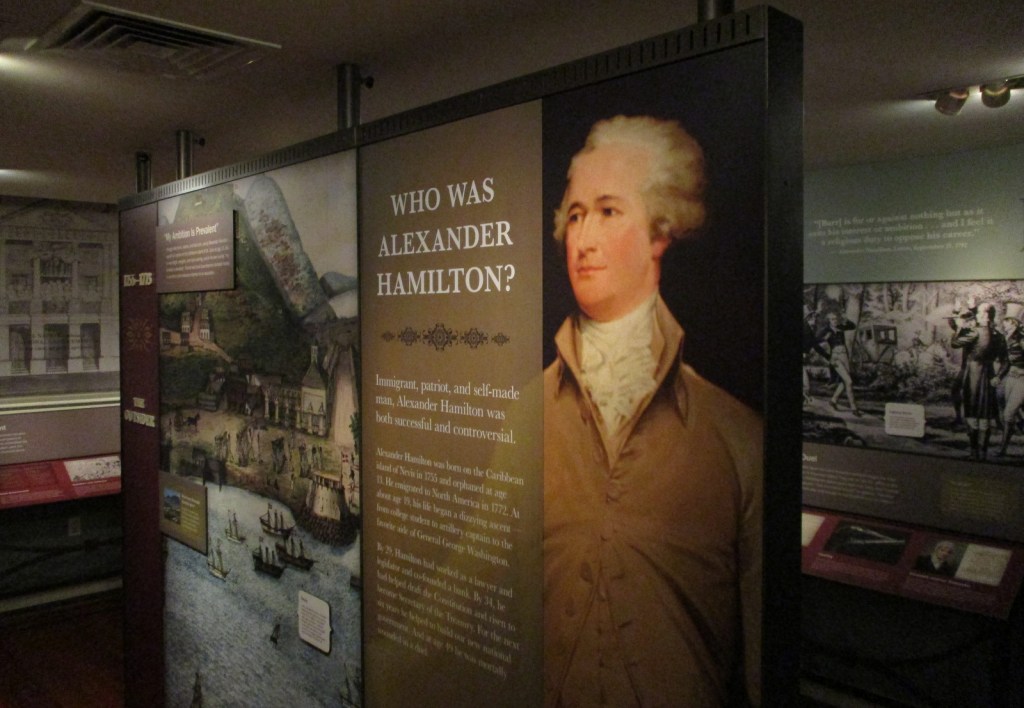
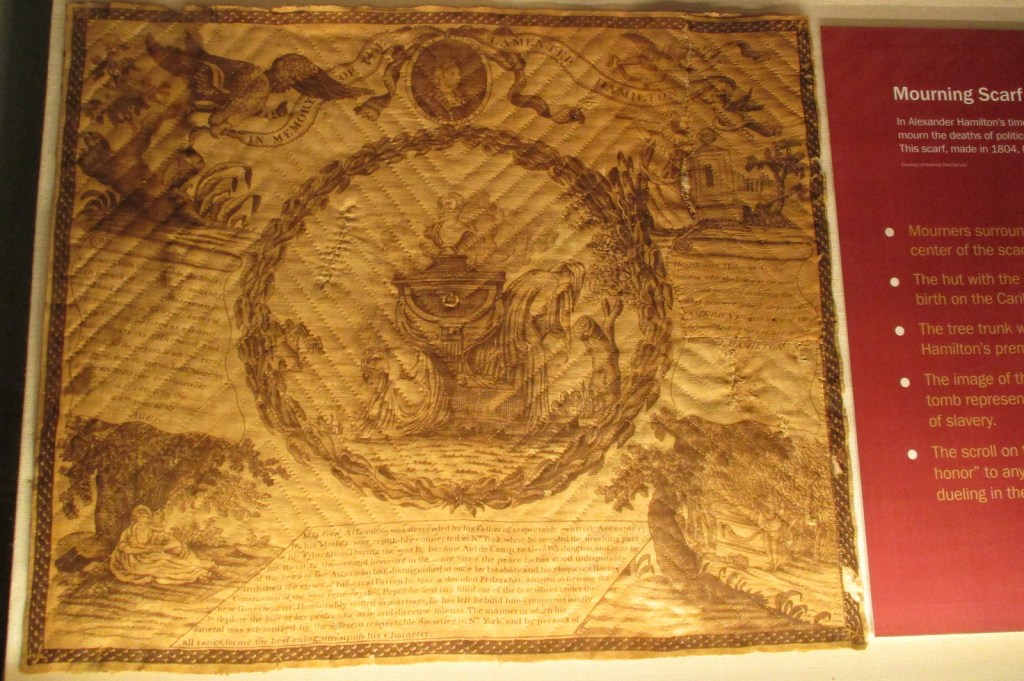
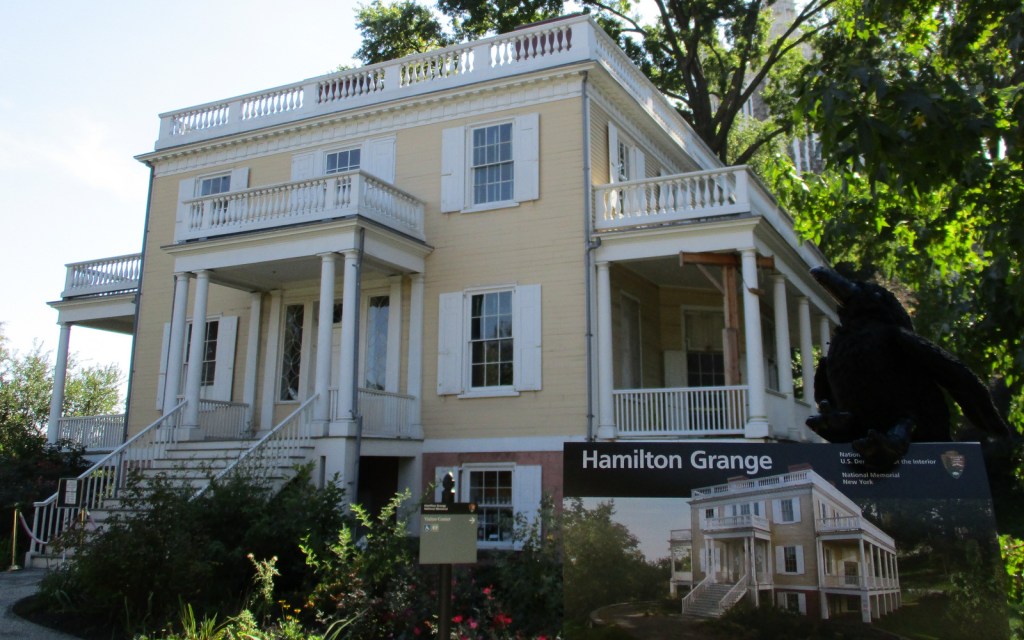
Anyone who has watched the musical Hamilton is familiar with the life story of Alexander Hamilton.  Hamilton Grange National Memorial is the only National Park Service (NPS) site dedicated to this “founding father.”  It is also the only one of 45 National Memorials built by the person it honors.  What you may not know is that his historic home in New York City has been moved twice, once in 1889 and again in 2008.

Highlights

Museum, tour, statue at St. Luke’s Episcopal Church

Must-Do Activity

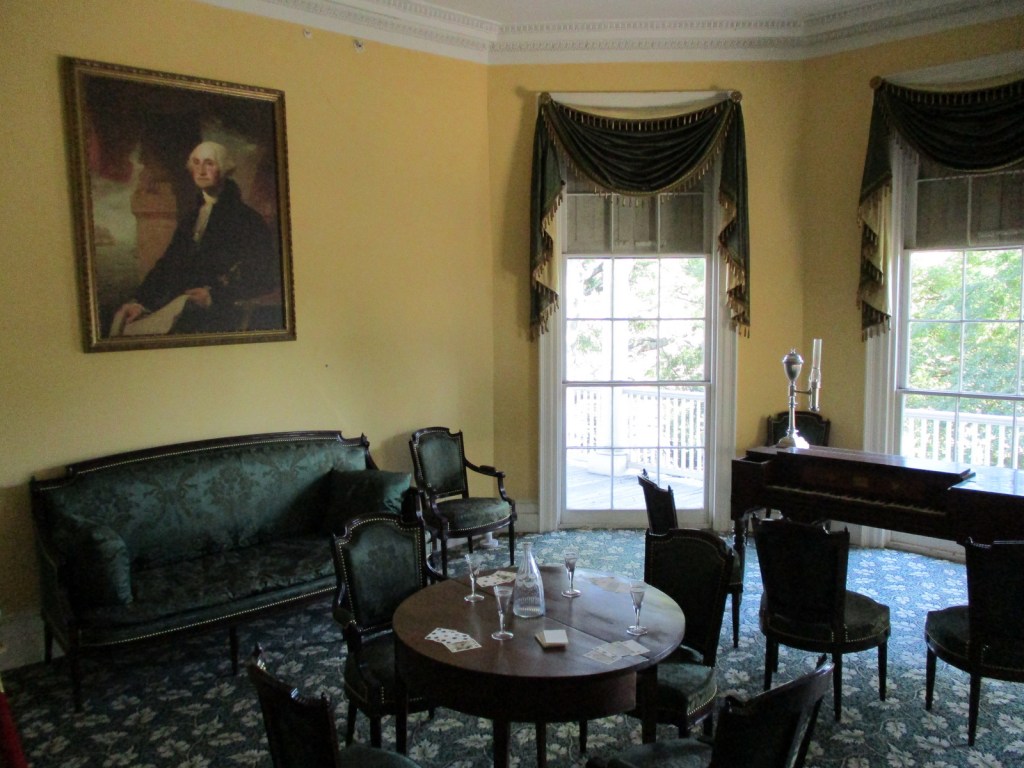
The Grange gets its name from the Hamilton family’s ancestral home in Scotland.  Built in 1802 on a 32-acre estate in Upper Manhattan, Hamilton only lived there two years before being shot and killed in an infamous duel with Aaron Burr.  Today you enter the home through the basement where the NPS runs a museum.  Access upstairs is available on guided tours or during daily “open house” hours, but you must leave large items in lockers.

Best Trail

None

Instagram-worthy Photo

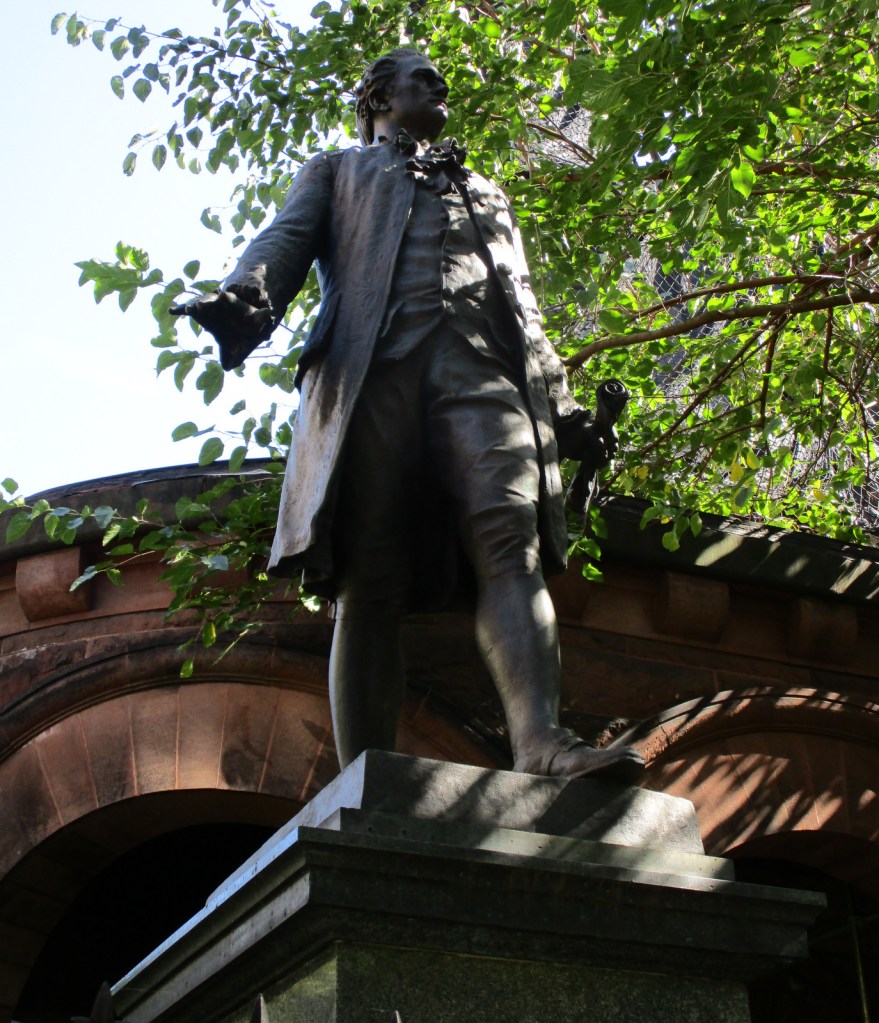
The Grange was tucked between St. Luke’s Episcopal Church and an apartment building until 2008 when the NPS moved it to St. Nicholas Park, part of the original 32-acre estate.  A statue of Alexander Hamilton still stands where the house resided for more than a century.

Peak Season

Summer

Hours

https://www.nps.gov/hagr/planyourvisit/hours.htm

Fees

None

Road Conditions

It is easiest not to drive into New York City, instead opt to take public transportation.

Camping

None

Related Sites

African Burial Ground National Monument (New York)

Federal Hall National Memorial (New York)

Saint Paul’s Church National Historic Site (New York)

Explore More – After resuming his law practice in 1795, Hamilton represented free and enslaved African Americans and defended a newspaper editor sued for slander by which future president?

Fire Island National Seashore

Overview

Established in 1964, Fire Island National Seashore stretches across 26 miles of the 32-mile long barrier island off the southern coast of New York’s Long Island.  It encompasses 17 communities that were present when it was created, but otherwise it is mostly roadless and wild.  Backcountry camping is allowed in the Otis Pike Wilderness (1,363 acres), the only federally designated Wilderness area in the state of New York.

Highlights

Fire Island Lighthouse, William Floyd Estate, Sunken Forest Trail, Otis Pike Wilderness

Must-Do Activity

About 2.2-million visitors come to Fire Island annually, but not necessarily to the National Seashore, which is primarily accessed by ferry boats from Long Island.  A short walk down the coast can usually escape the crowds, but be aware that the area around Fire Island Lighthouse is an unofficial nude beach.  Visitors can also tour the home and grounds at William Floyd Estate, a 613-acre historical site on Long Island once home to a signer of the Declaration of Independence.

Best Trail

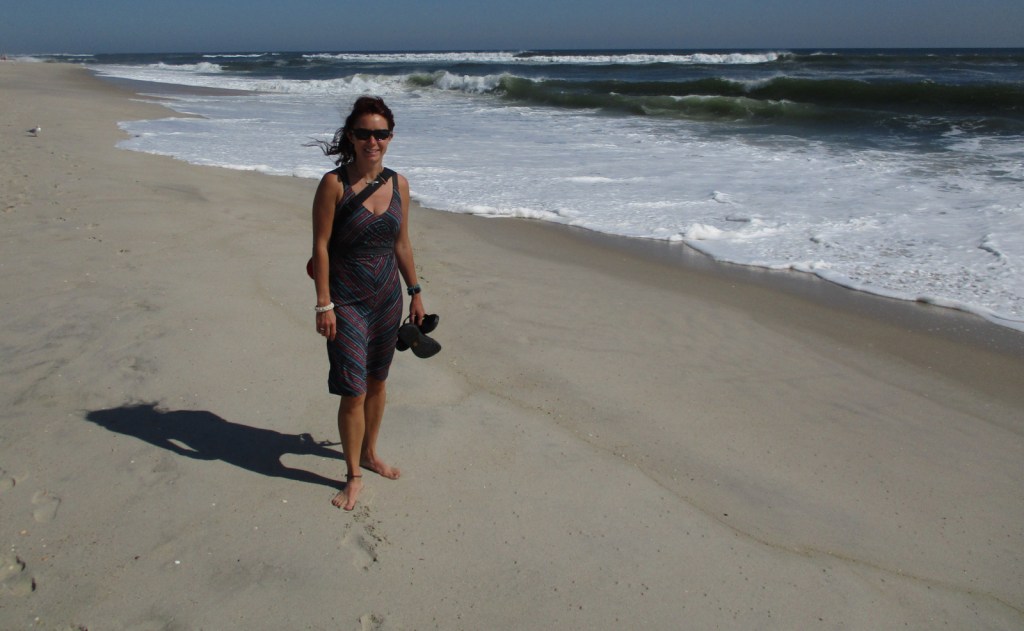
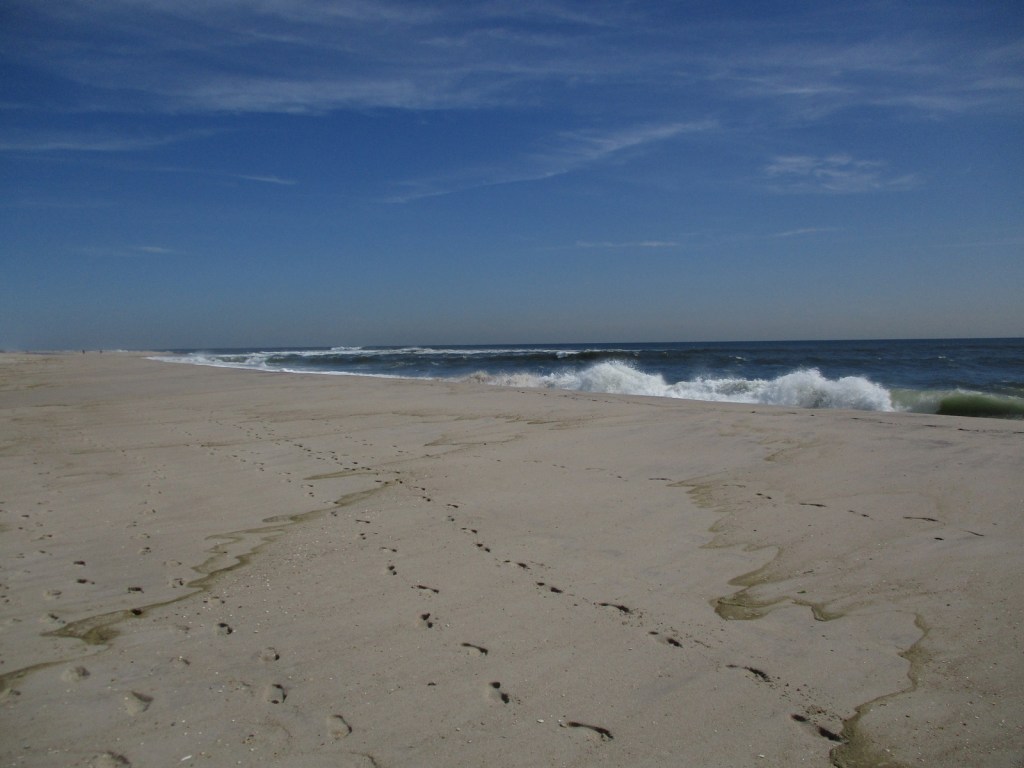
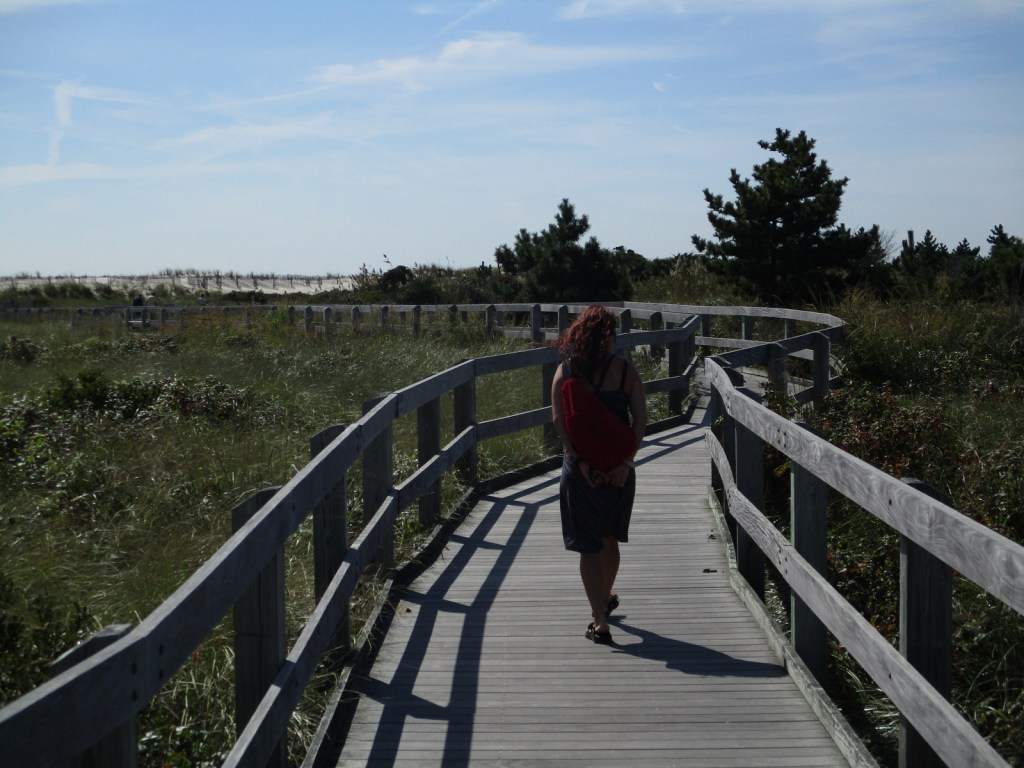
There are nature trails at Fire Island Lighthouse, Sailors Haven, Watch Hill, and Fire Island Wilderness Visitor Centers, plus the beach is wide and good for walking.

Instagram-worthy Photo

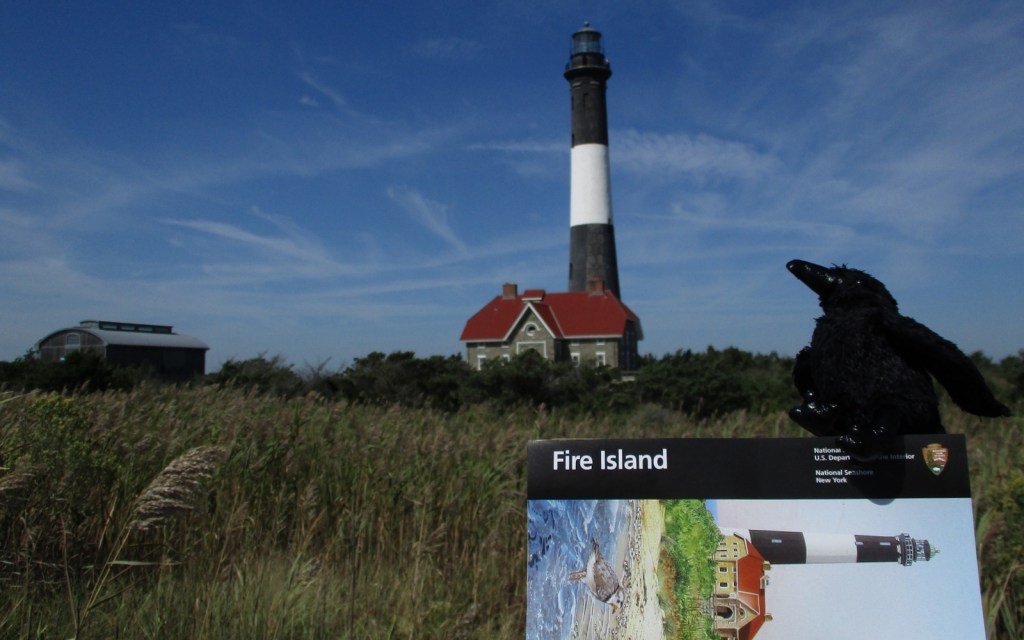
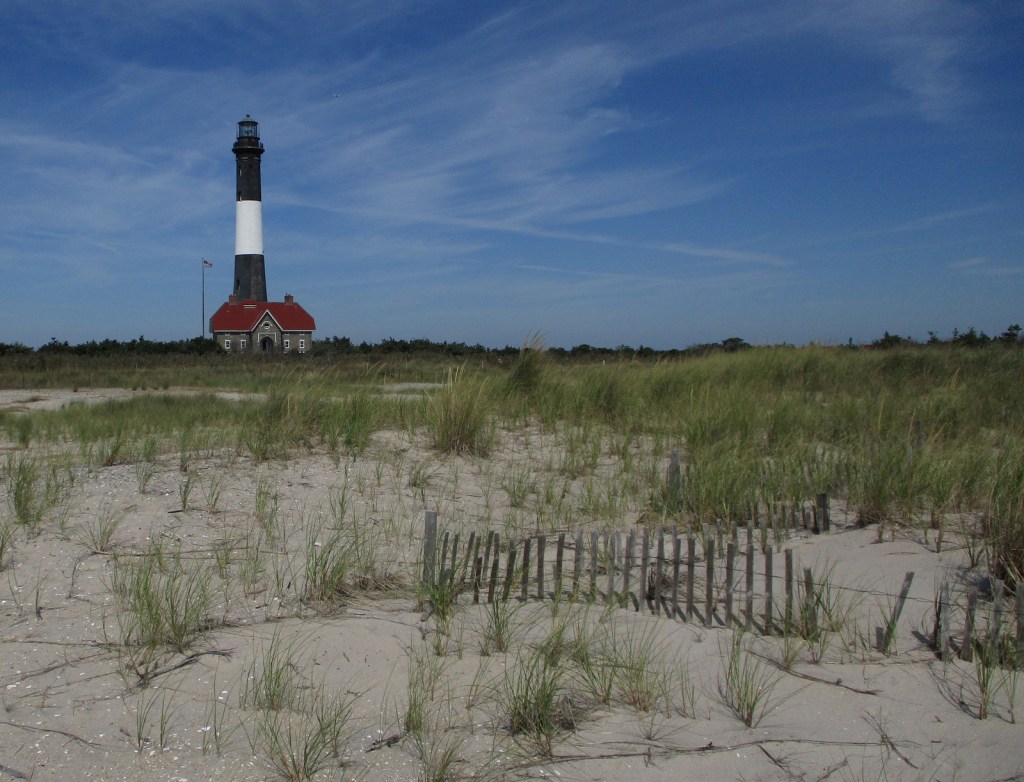
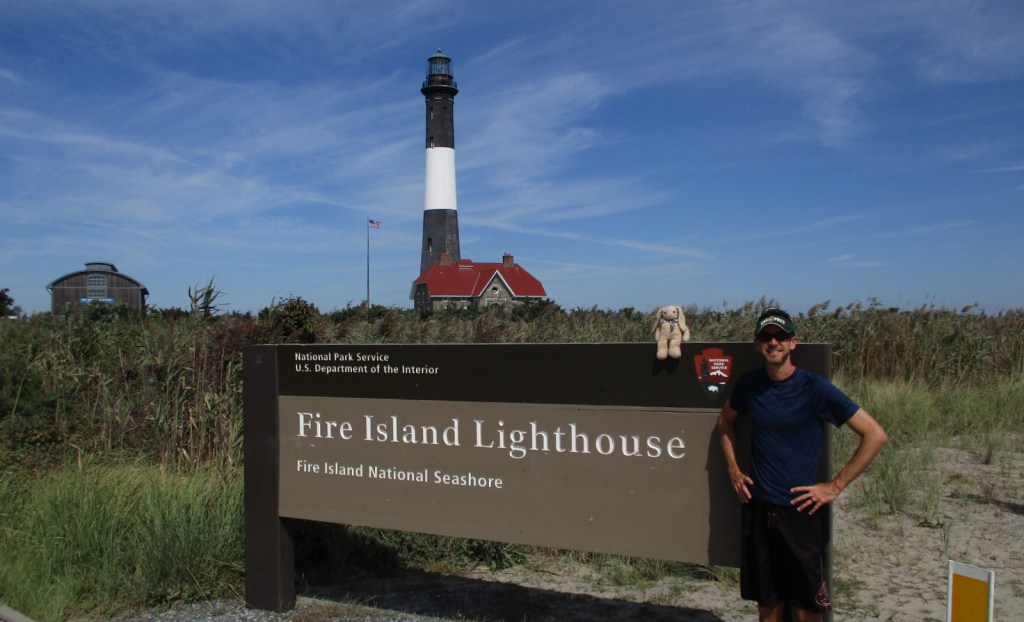
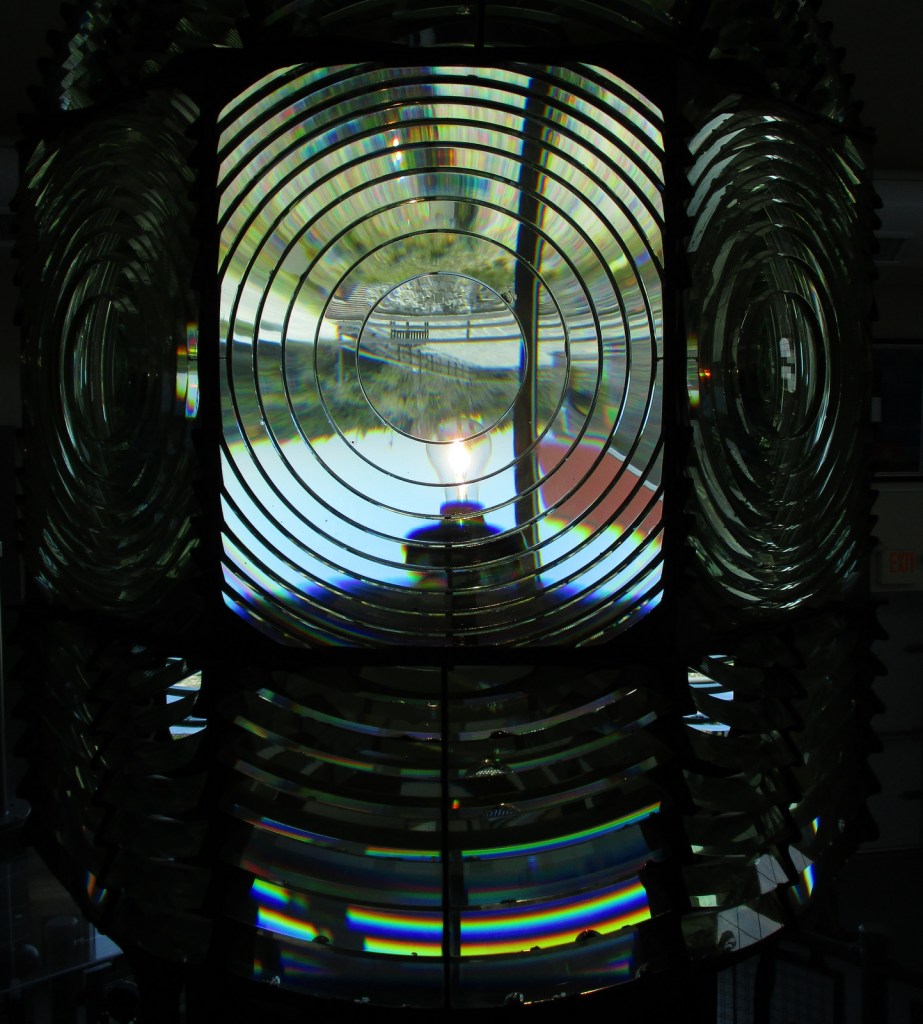
The 167-foot tall Fire Island Lighthouse was built in 1858.  It is run by a nonprofit organization that offers a free museum inside, but charges a fee to climb to the top.

Peak Season

Summer

Hours

https://www.nps.gov/fiis/planyourvisit/hours.htm

Fees

None, except for ferries and to climb to the top of Fire Island Lighthouse

Road Conditions

There are no roads in the National Seashore, but you can drive to the western and eastern edges in Robert Moses State Park and Smith Point County Park, respectively.

Camping

Only reachable by boat, Watch Hill has a campground with restrooms and provides access to backcountry camping in Otis Pike Wilderness (permit required).

Related Sites

Gateway National Recreation Area (New York-New Jersey)

Sagamore Hill National Historic Site (New York)

Cape Cod National Seashore (Massachusetts)

Explore More – How old are the American holly trees that grow along the 1.5-mile Sunken Forest boardwalk trail at Sailors Haven?

African Burial Ground National Monument

Overview

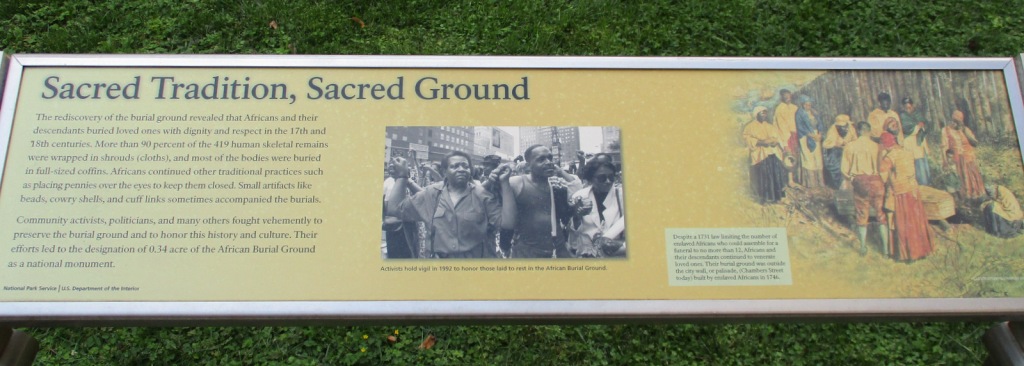
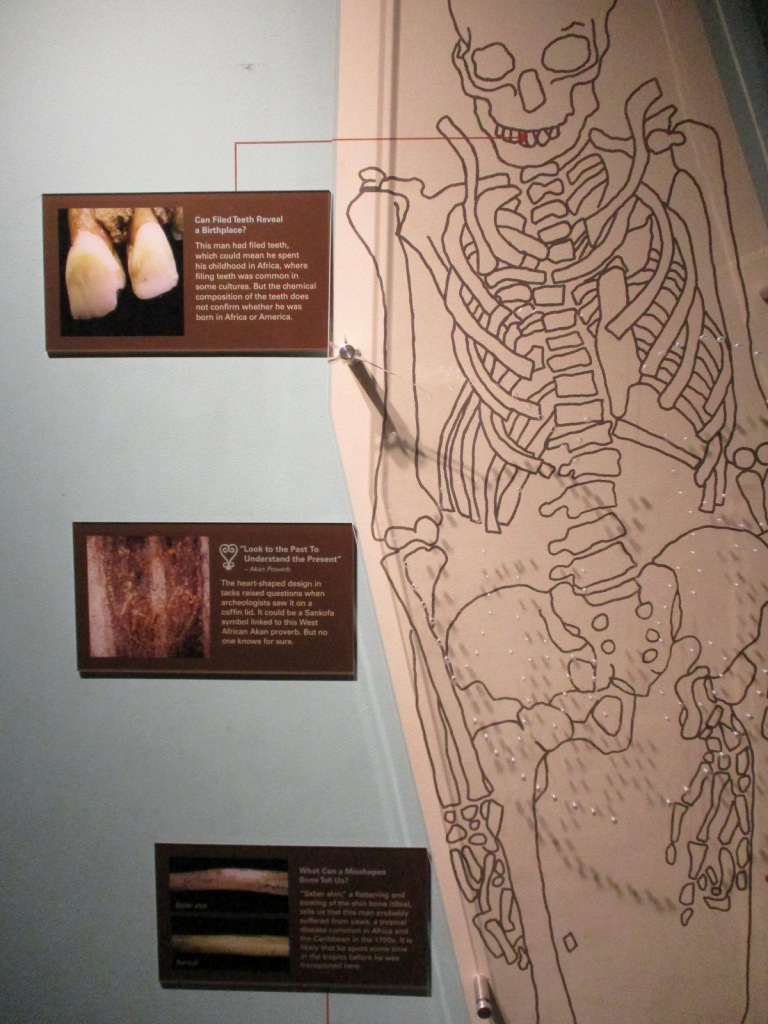
When excavating a federal office building in New York City in 1991, construction workers came upon a massive cemetery forgotten since it closed in 1794.  Archaeologists eventually found the remains of 419 bodies from a time when Africans were not allowed to be buried inside the walls of the Dutch city of New Amsterdam.  There are believed to be about 15,000 people buried in the original six-acre cemetery.

Highlights

Museum, film, Circle of the Diaspora, Ancestral Libation Chamber

Must-Do Activity

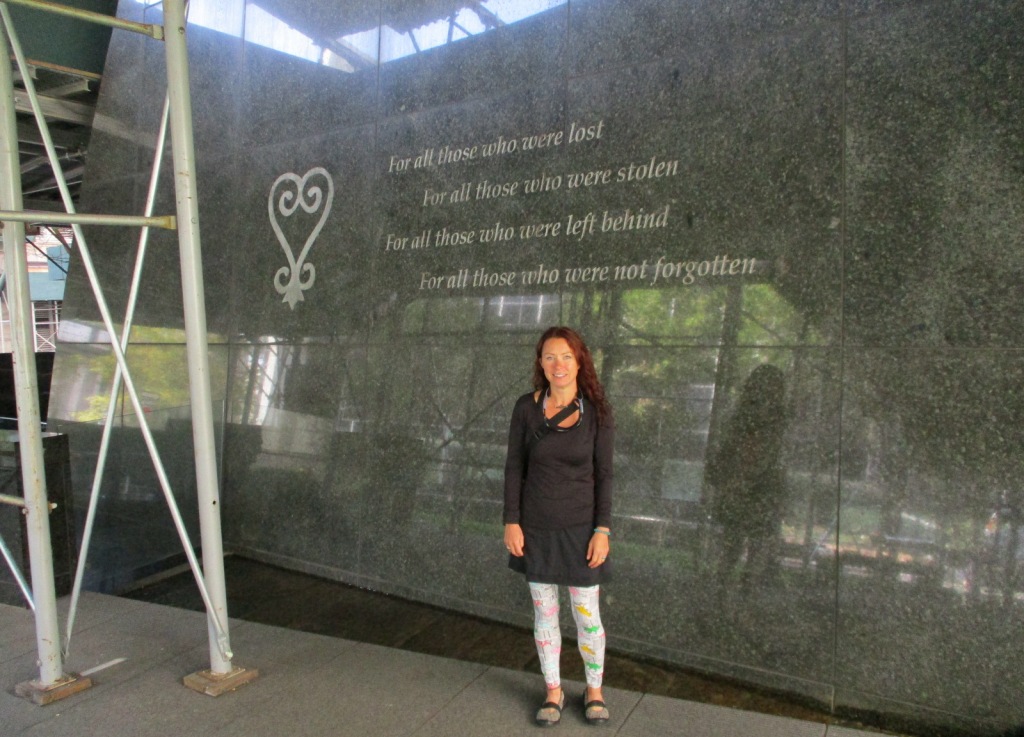
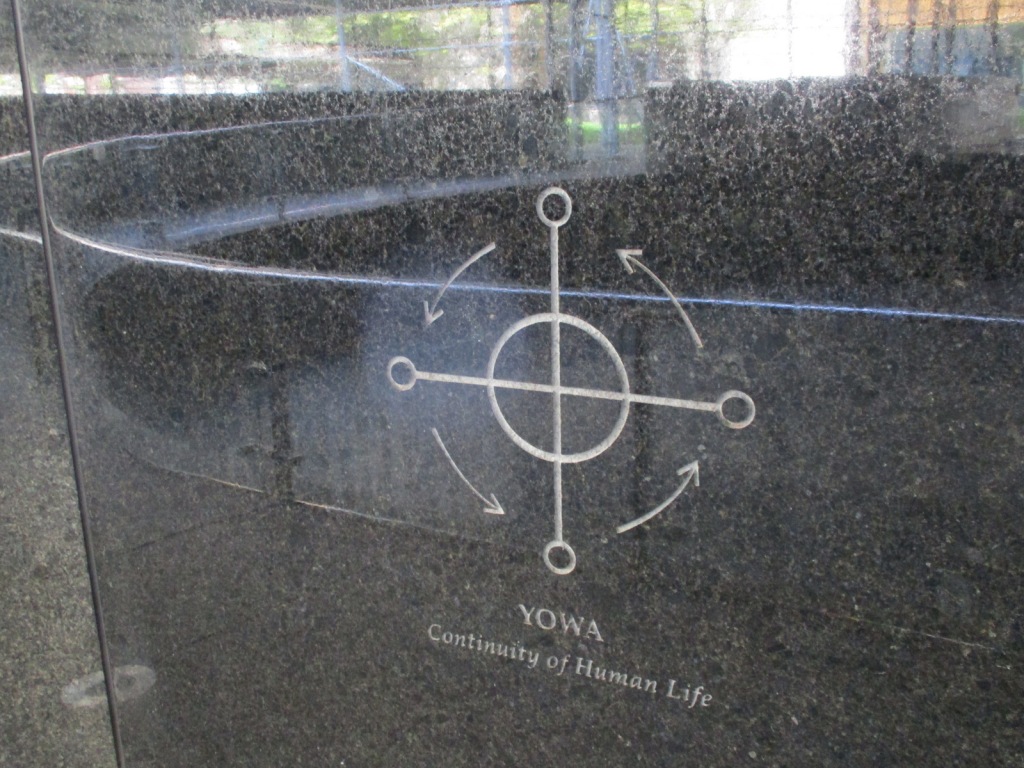
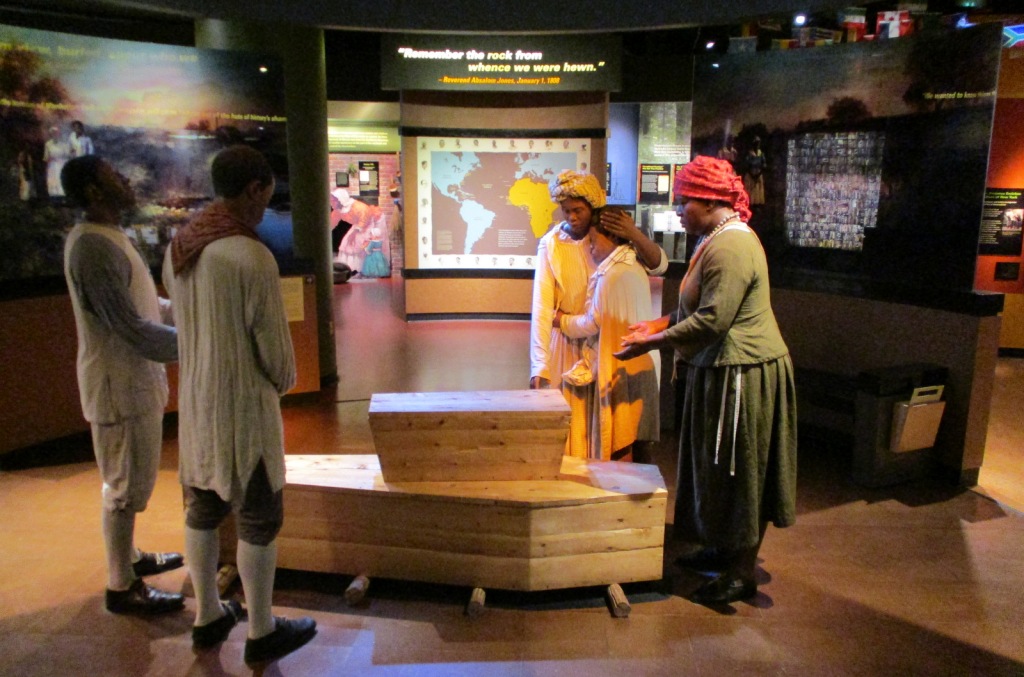
After passing through security, check out the National Park Service (NPS) visitor center that opened in 2010.  It has interactive exhibits about the thousands of captive and freed Africans that lived in the city in the eighteenth century.  Outside, a memorial made of Verde Fontaine green granite from Africa was completed in 2007 with the 24-foot high Ancestral Libation Chamber symbolizing the depth at which the bodies were discovered.  Nearby the 419 bodies were ceremonially reinterred in 2003.  Call ahead to schedule your place on an NPS ranger-led tour of the site.

Best Trail

None

Instagram-worthy Photo

The symbolic “Door of Return” is part of the outdoor memorial, which was entirely covered by scaffolding to protect it from a construction project during our visit in 2019.

Peak Season

Summer

Hours

https://www.nps.gov/afbg/planyourvisit/hours.htm

Fees

None

Road Conditions

Take public transportation!

Camping

Check out our blog post on Gateway National Recreation Area for information on camping in the New York City area.

Related Sites

Saint Paul’s Church National Historic Site (New York)

Stonewall National Monument (New York)

Boston African American National Historic Site (Massachusetts)

Explore More – What does the Sankofa (a West African heart-shaped symbol) mean?

Eleanor Roosevelt National Historic Site

Overview

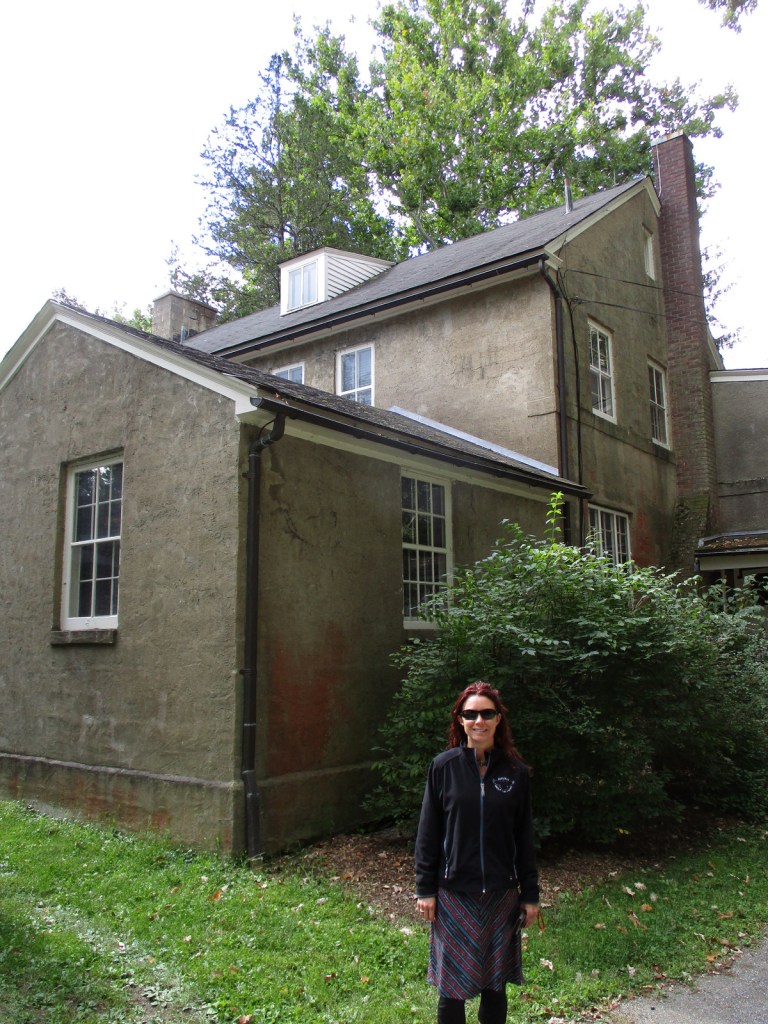
The longest tenured First Lady, Eleanor Roosevelt lived in the White House from 1933 to 1945.  In the 1920s, she had set up a furniture-making business on her property in Hyde Park, New York that the family called Val-Kill.  When that venture ended in 1936, the family converted the factory building into a cottage, where Eleanor resided after Franklin D. Roosevelt (FDR) died until her own death in 1962.  During this time she lectured, wrote some of her 27 published books, hosted a television talk show, and served as chairman of the Human Rights Commission of the United Nations.

Highlights

Val-Kill Cottage, film, Stone Cottage

Must-Do Activity

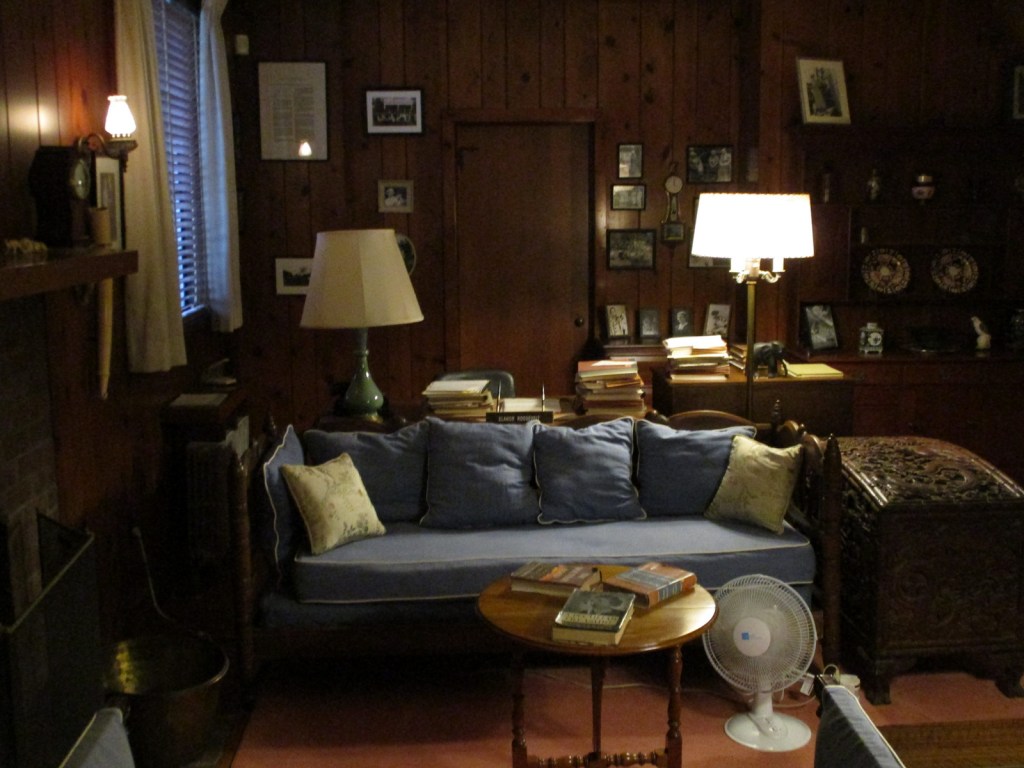
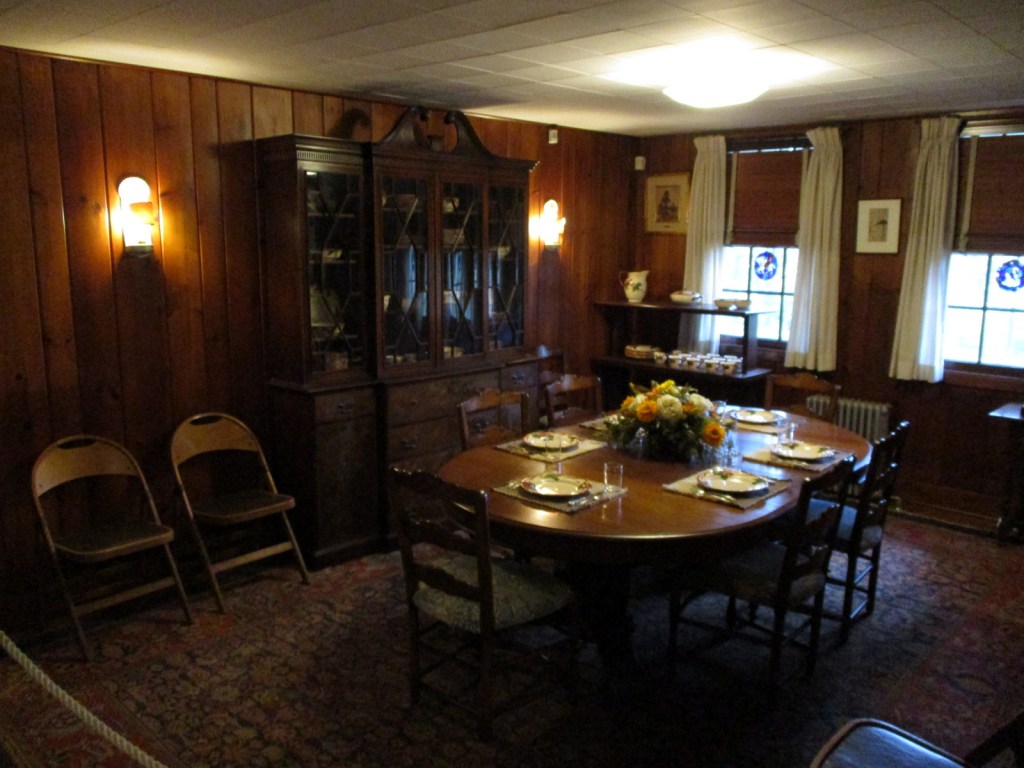
Tours inside Val-Kill Cottage are offered every half hour and tickets are available at the National Park Service (NPS) visitor center.  The tour starts with the short film “Close To Home” then enters the house through the same back door used by many world leaders in the mid-1900s.  The cozy home is filled with original furnishings, including the metal folding chairs in the dining room.  The tour ends on the back porch, but take time afterwards to enter Stone Cottage and walk the grounds.

Best Trail

The Hyde Park Trail connects all three of the local National Historic Sites, including Top Cottage where FDR met with world leaders just up the hill from Val-Kill.

Instagram-worthy Photo

No swimming is allowed in the pool behind Stone Cottage, but it does look inviting on a warm day.

Peak Season

Summer

Hours

https://www.nps.gov/elro/planyourvisit/hours.htm

Fees

None at this time

Road Conditions

There is ample free parking at the site, which is only a short drive from the bustling Home of Franklin D. Roosevelt National Historic Site and Vanderbilt Mansion National Historic Site.

Camping

Mills-Norrie State Park offers shady campsites and showers only a few miles north on Highway 9.

Related Sites

Home of Franklin D. Roosevelt National Historic Site (New York)

Vanderbilt Mansion National Historic Site (New York)

Women’s Rights National Historical Park (New York)

Explore More – While interviewing him for the New York Post, Eleanor Roosevelt hosted which Soviet Premier at Val-Kill in 1962?