Category Archives: New York

Vanderbilt Mansion National Historic Site

Vanderbilt Mansion National Historic Site

New York

Managed by National Park Service

Established 1940

211 acres

Website: nps.gov/vama

Overview

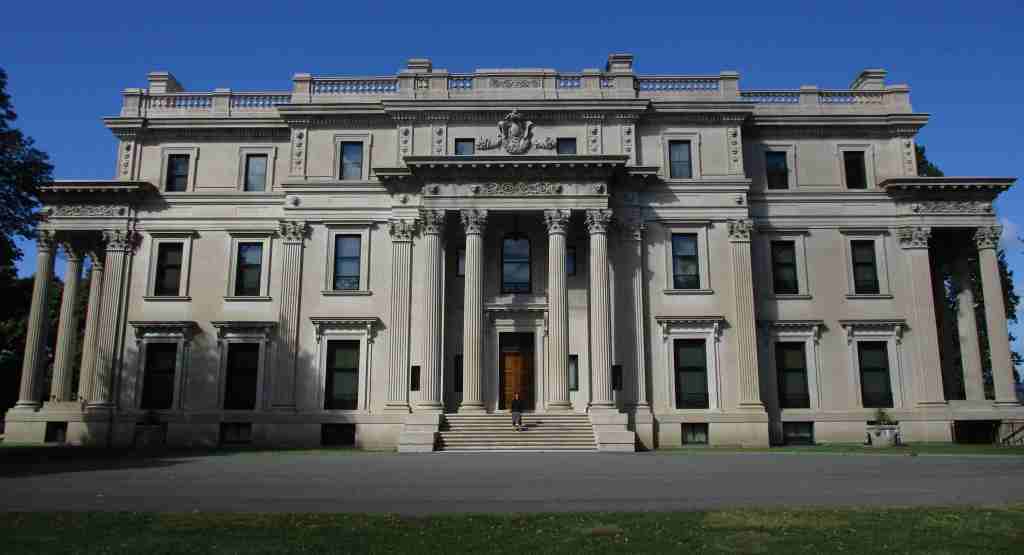
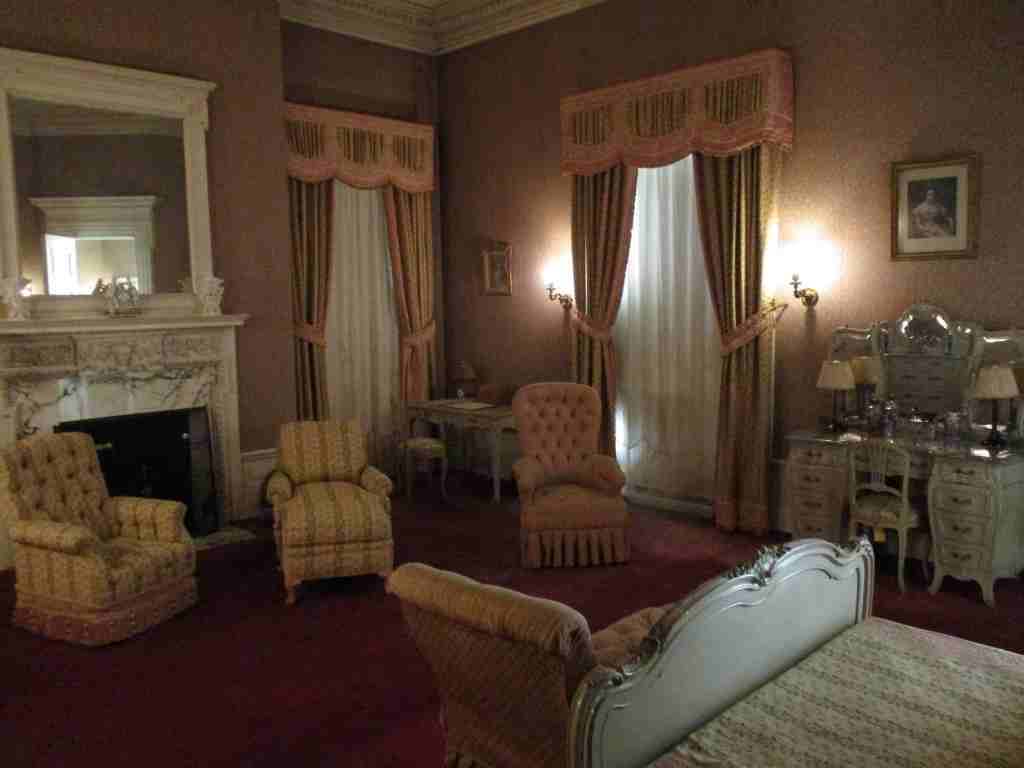
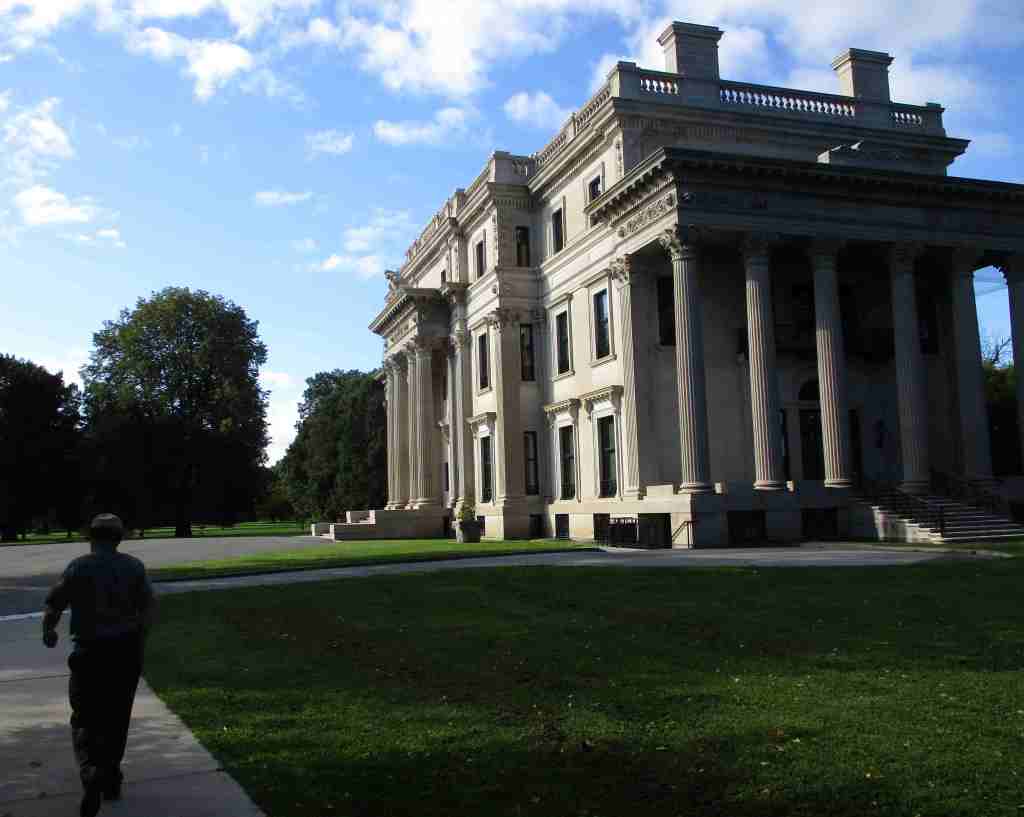
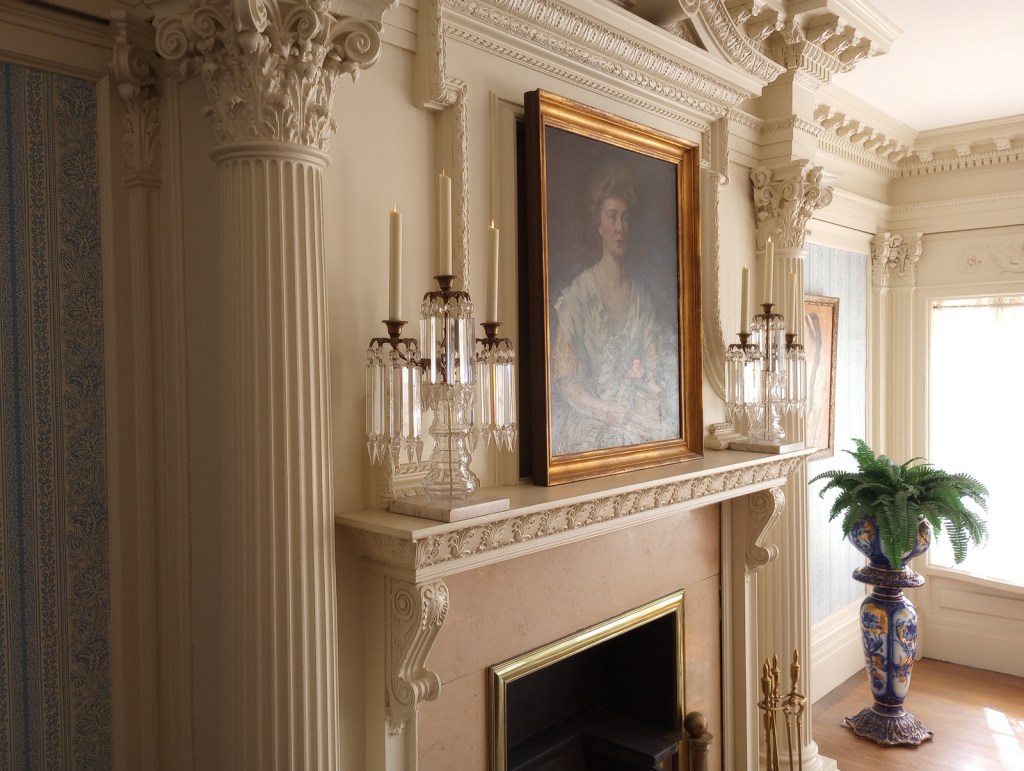
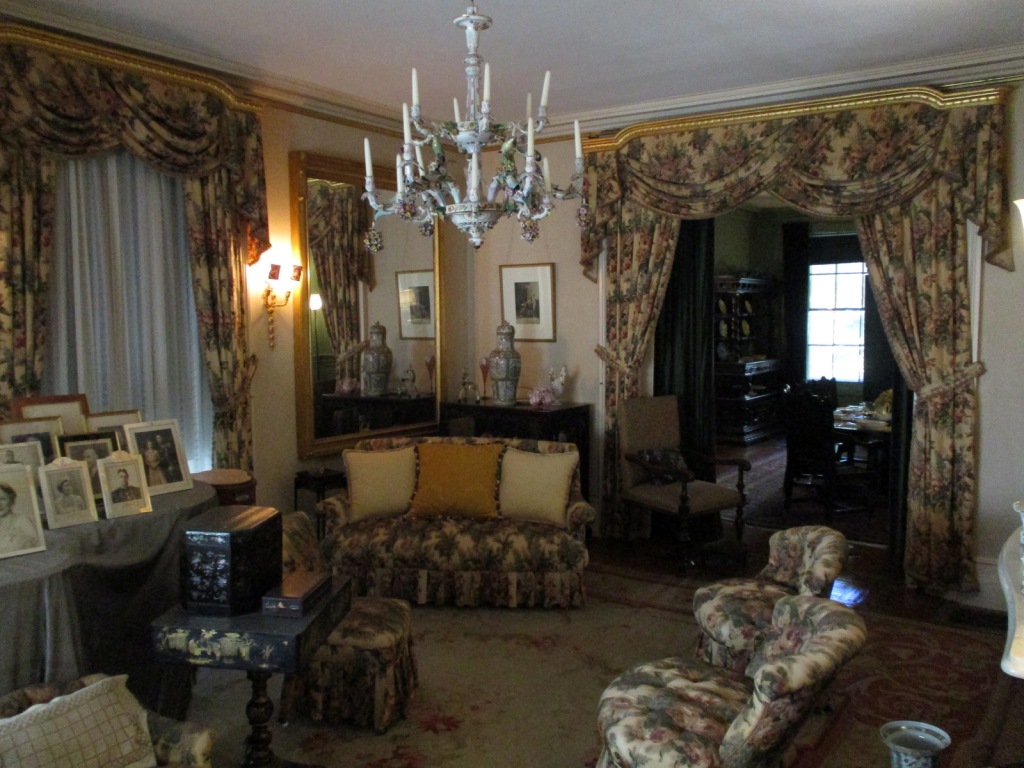
The Gilded Age is the term referring to the period from the Civil War to the end of the century, a time of growth in industry and immigration.  Gilding is the process of putting a thin layer of gold on an object to improve its appearance and was used as a slight to the nouveau riche families that built lavish mansions and threw extravagant parties.  Shipping and railroad tycoon Cornelius Vanderbilt’s grandson Frederick purchased this 600-acre Hyde Park estate in 1895.  He and his wife Louise had the mansion there torn down and it took nearly four years to complete their 54-room mansion ornamented in beaux arts style.  It was the first in the area to have electricity, which was supplied by its own hydroelectric plant.  It was inhabited by the family only in the spring and fall with as many as 60 staff needed to run the place.  When Louise’s niece could not sell the property during the Great Depression, her neighbor President Franklin D. Roosevelt suggested she donate it to the National Park Service. 

Highlights

Mansion, Pavilion, Formal Gardens, Hyde Park Trail

Must-Do Activity

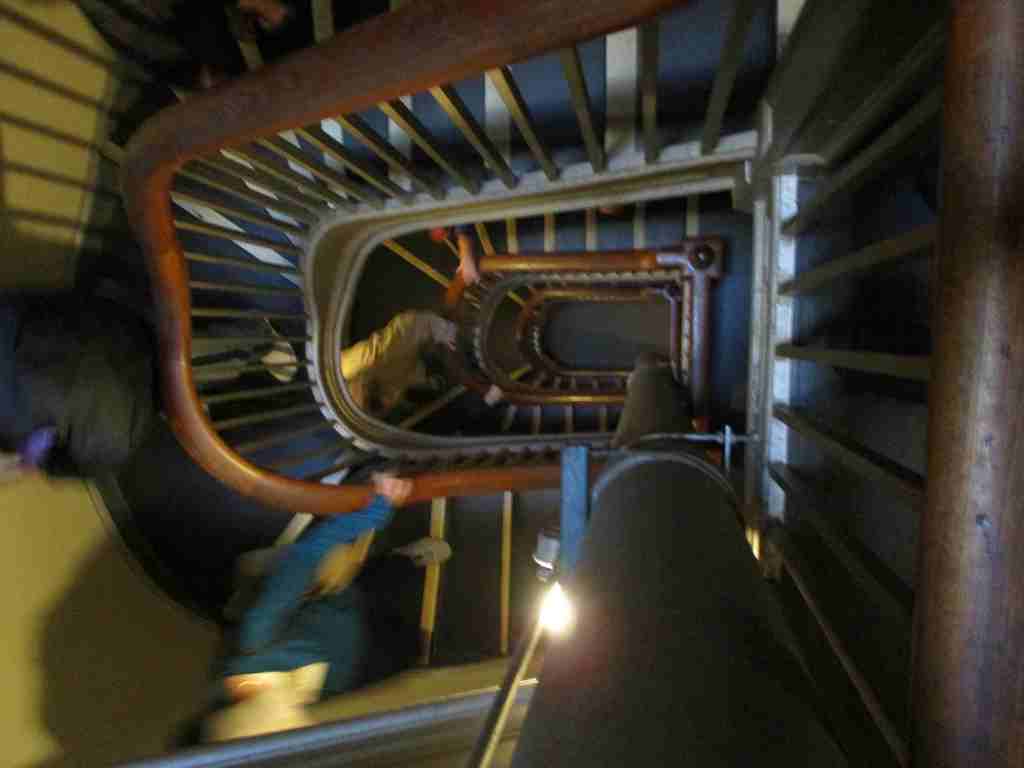
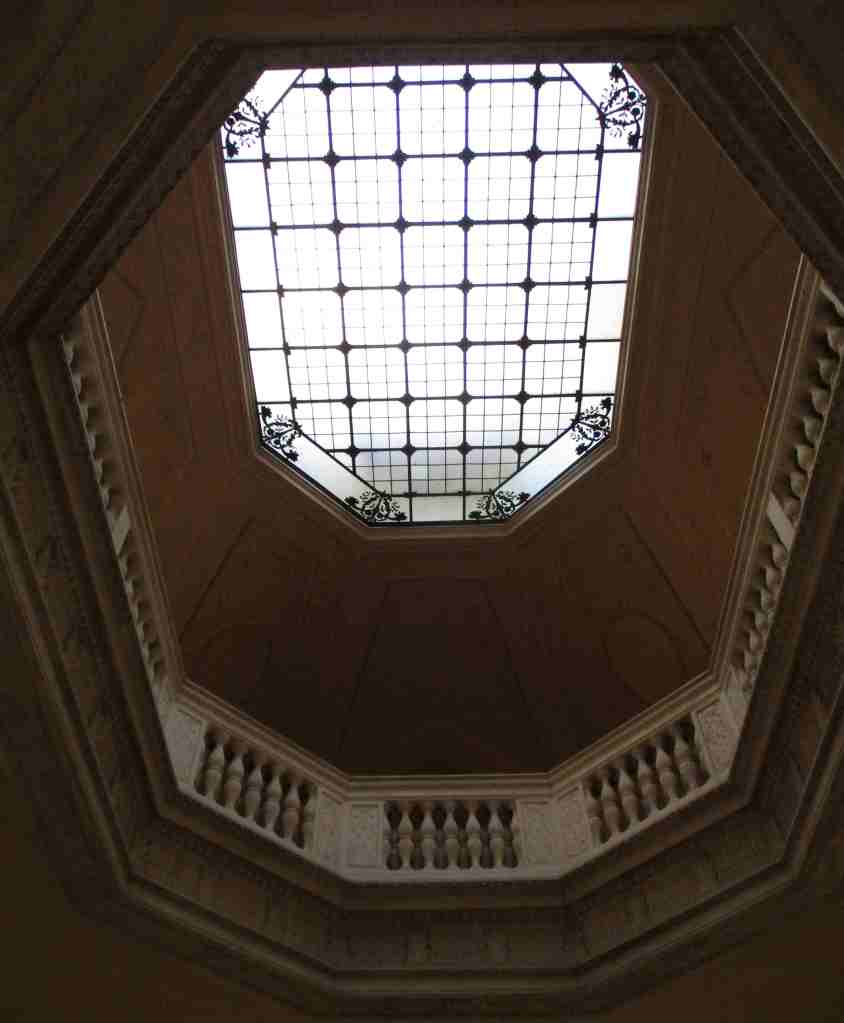
The only way inside the mansion is on a one-hour guided tour that does not take reservations.  They can be purchased at the visitor center inside The Pavilion, a guest house built in 66 days in 1895.  The grounds are free to explore, where you can walk on the carriage roads, picnic at the overlook, and peruse the Italian gardens.  The mansion was designed by the leading architectural firm McKim, Mead & White, known for their emphasis on high classicism.  It features a large living room, grand staircase, and semicircular portico overlooking the Hudson River and Catskill Mountains.  The house cost $660,000 at the time, while the interior furnishings pushed the total cost to $2.3-million (equivalent to about $90-million today) since many of the decorations were purchased in Europe.

Best Trail

Vanderbilt Service Road Trail loops through this 211-acre site and Bard Rock Road Trail splits off to a point on the Hudson River.  Hyde Park Trail follows the river south to connect with the Home of Franklin D. Roosevelt National Historic Site and Eleanor Roosevelt National Historic Site

Photographic Opportunity

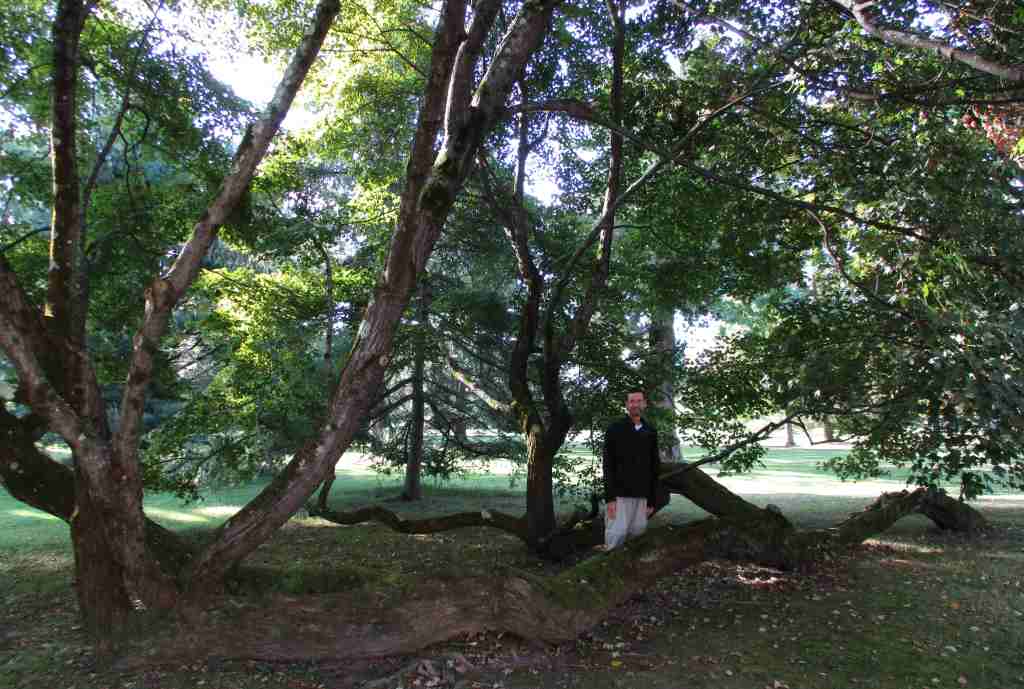
The landscape design (and a ginkgo tree) on the property dates back to the 1700s, while its current look was restored to its 1930s appearance.

Peak Season

Summer

Hours

https://nps.gov/vama/planyourvisit/hours.htm

Fees

$15 per person for the mansion tour or use the annual America the Beautiful pass

Road Conditions

Parking and access roads are paved from the Albany Post Road (Highway 9). 

Camping

Mills-Norrie State Park is located 3.5 miles north on Highway 9 and has a campground offering running water and hot showers. 

Related Sites

Home of Franklin D. Roosevelt National Historic Site (New York)

Eleanor Roosevelt National Historic Site (New York)

Martin Van Buren National Historic Site (New York)

Nearest National Park

Shenandoah

Explore More – Who were the authors who coined the term “Gilded Age” in their 1873 book?
Castle Clinton National Monument

Castle Clinton National Monument

New York

Managed by National Park Service

Established 1946

1 acre

Website: nps.gov/cacl

Overview

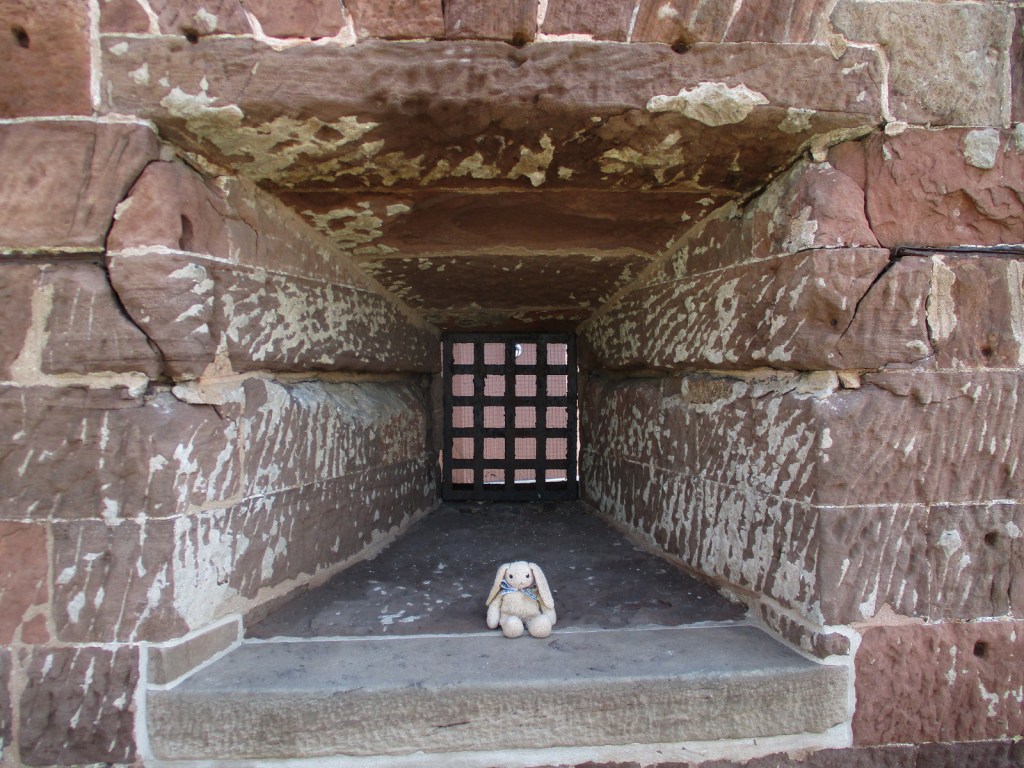
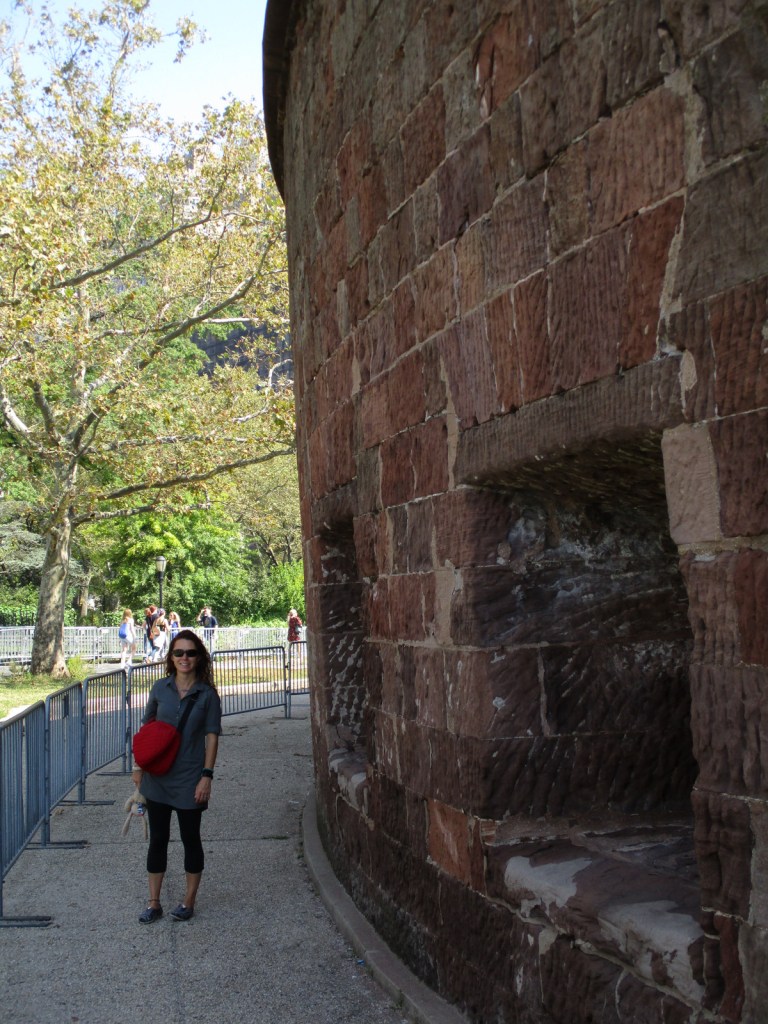
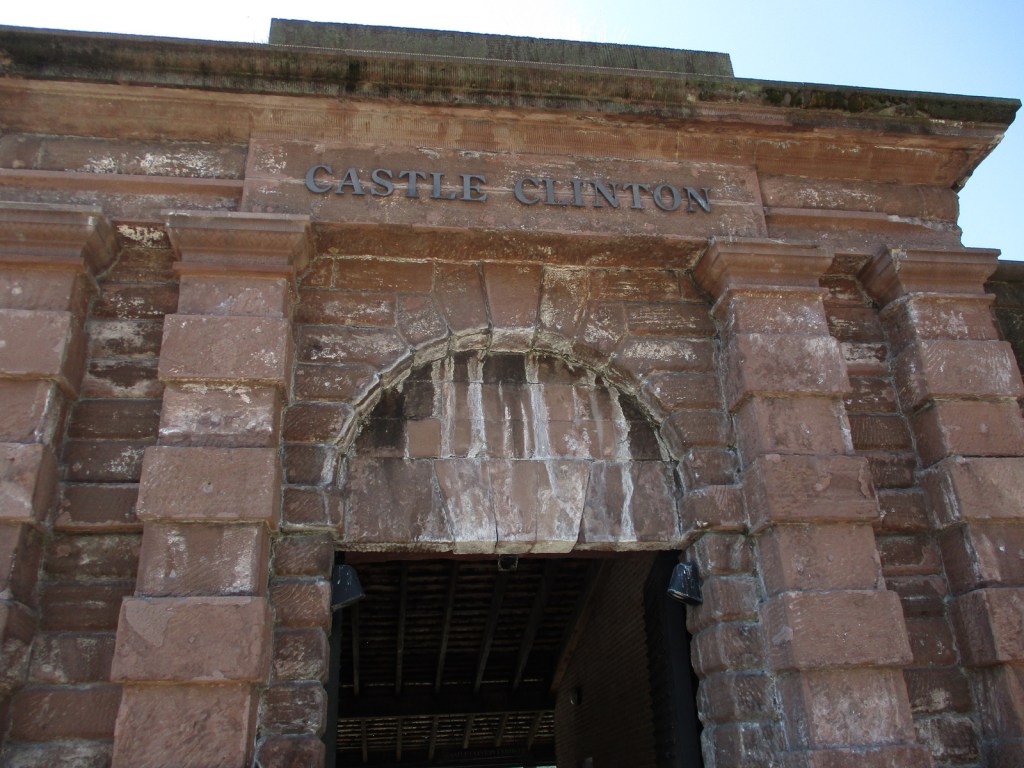
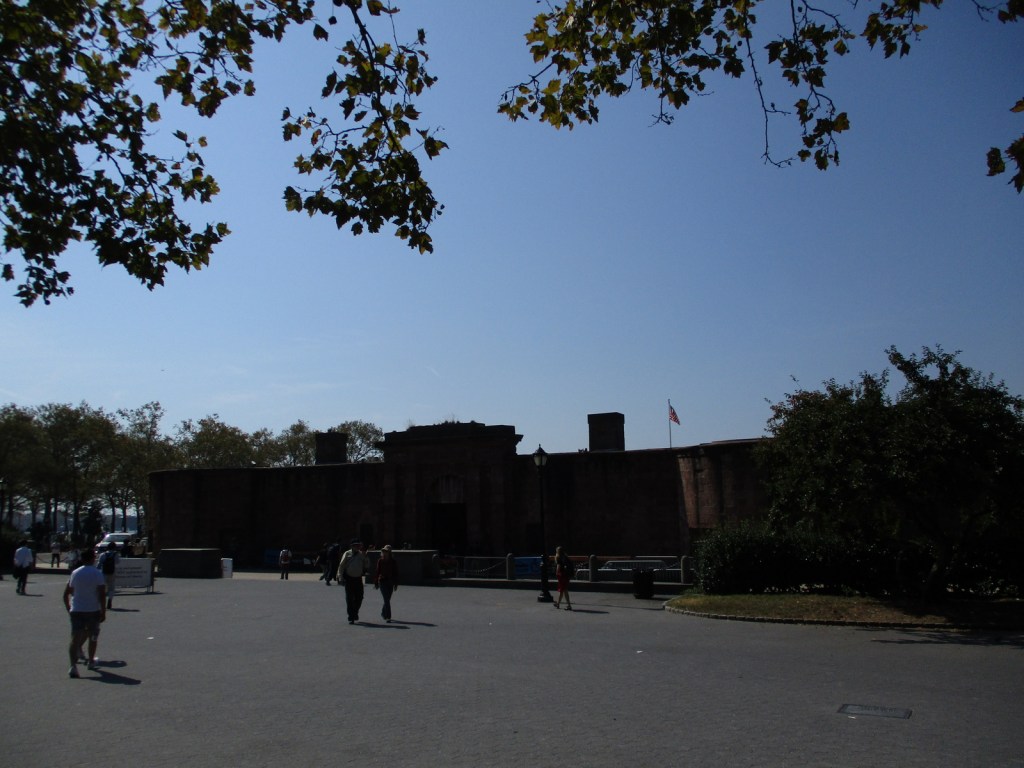
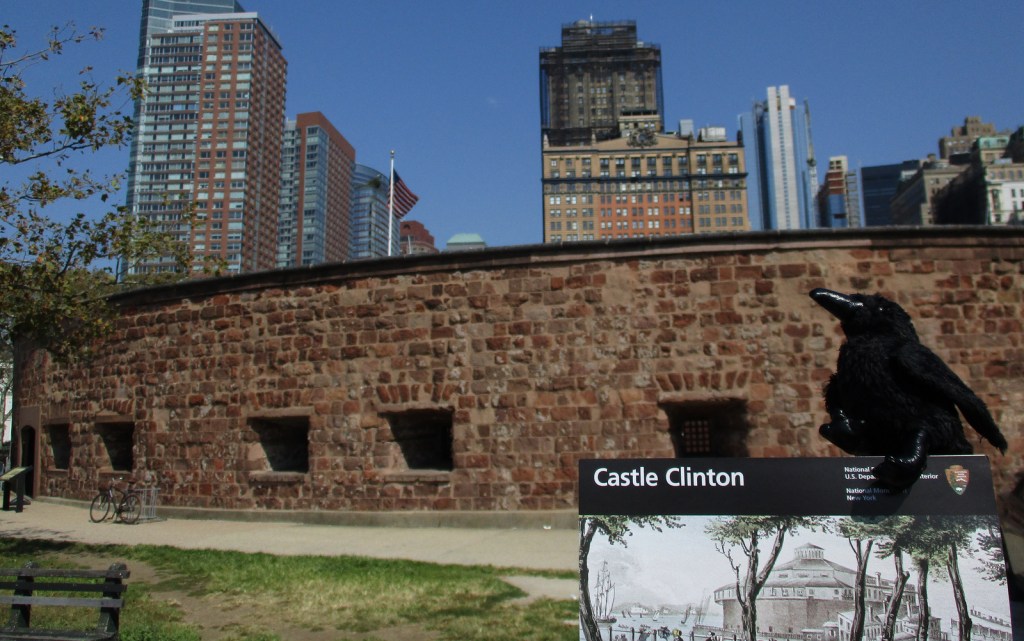
The U.S. military constructed South-west Battery off Manhattan Island’s southern tip by the beginning of the War of 1812, although it never fired a shot in battle.  It was renamed Castle Clinton in 1817 to honor former mayor (and future governor) DeWitt Clinton, then once again to Castle Garden only seven years later.  After a roof was added in the 1840s, it hosted concerts, including the American debut of Swedish opera diva Jenny Lind in 1850 (tickets cost $225 or equivalent to $8,240 in 2023).  The island was joined to the mainland with landfill in the early 1850s, creating Battery Park.  From 1855 to 1890, Castle Garden processed approximately eight-million immigrants before the establishment of Ellis Island offshore.  Six years after the closing of the immigration station, Castle Garden was converted into the New York City Aquarium, which closed in 1941.

Learn more about the other 137 National Monuments in our book Monumental America: Your Guide to All 138 National Monuments. It is now available for sale on Amazon.com.

Highlights

Castle Clinton, Battery Park

Must-Do Activity

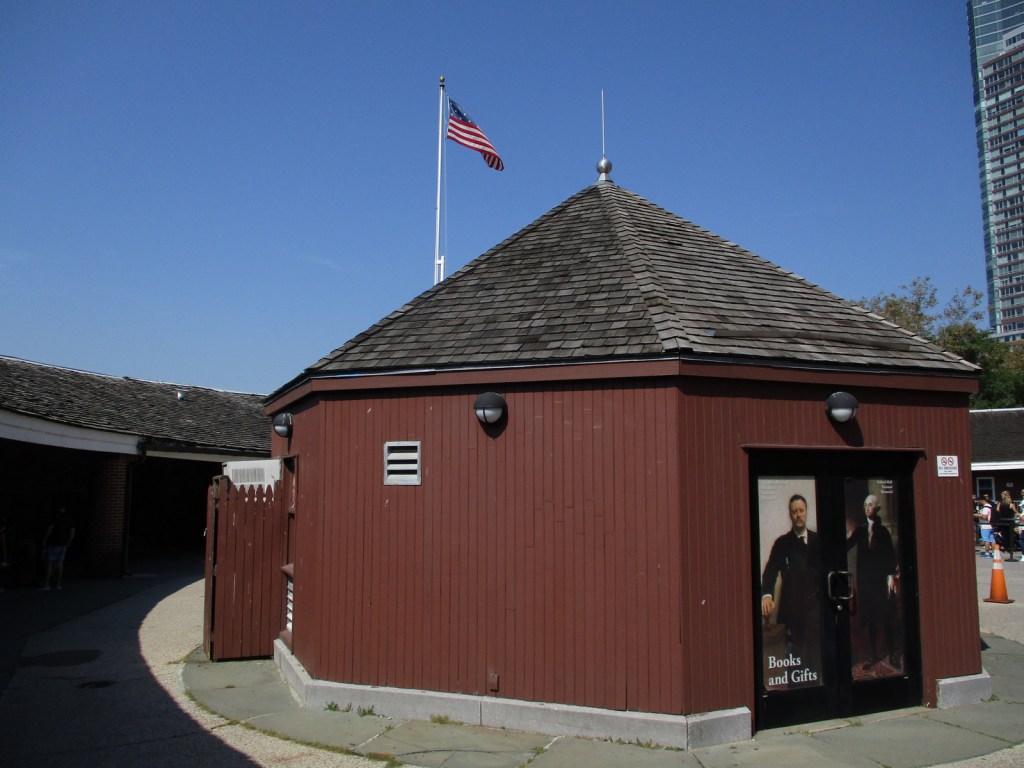
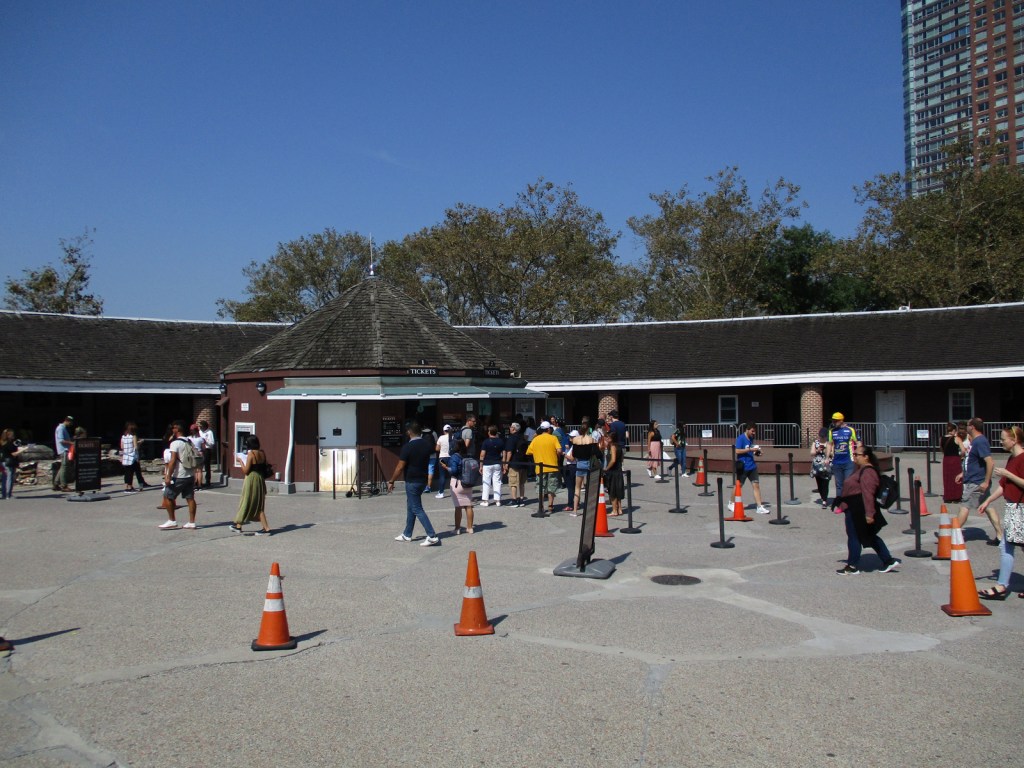
Much of Castle Garden was destroyed during a tunnel construction project in the 1940s, but Castle Clinton remained and was restored three decades later.  Today it serves as a National Park Service visitor center, gift shop, and ticket office for ferry trips to Statue of Liberty National Monument.  There are also exhibits along the perimeter of the D-shaped fort, including a display with cannon.  Ranger-guided tours of the site are offered daily.

Best Trail

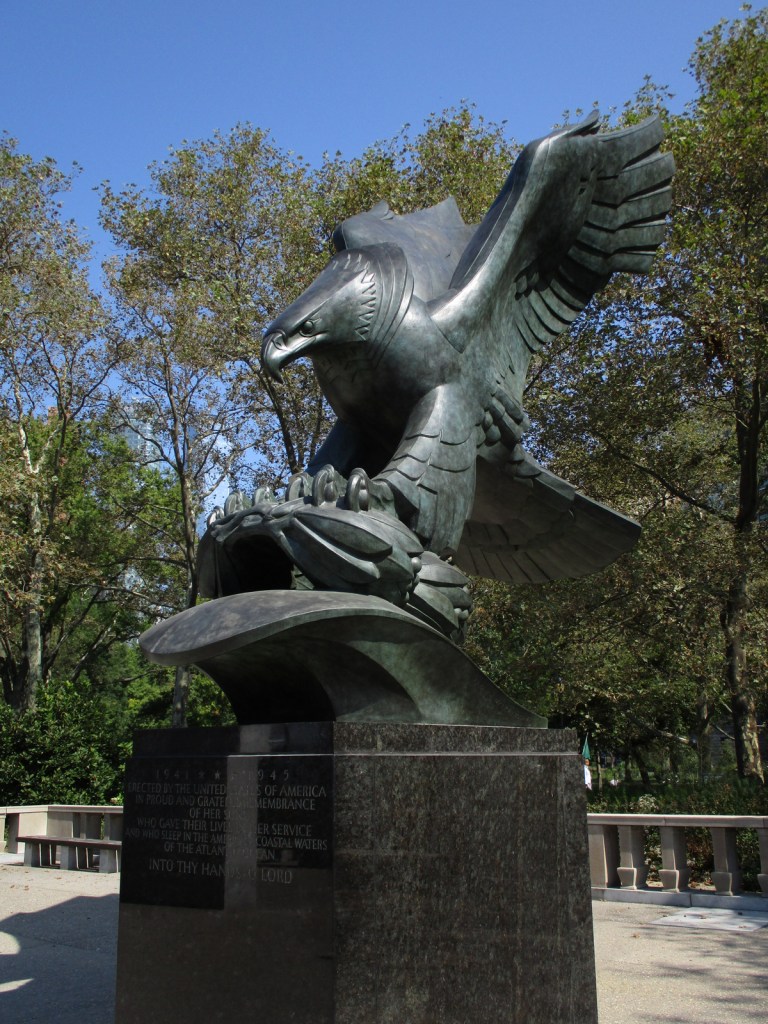
There are sidewalks and a seaside promenade in ——-24-acre Battery Park.  Be sure to check out the bronze sculpture “The Immigrants” outside the fort.

Photographic Opportunity

There once were “28 guns” facing New York Harbor from within Castle Clinton, and one display cannon remains. 

Peak Season

Summer

Hours

https://www.nps.gov/cacl/planyourvisit/hours.htm

Fees

None

Road Conditions

Roads are heavily trafficked and there is no designated parking for the National Park Service site, so we recommend you take the subway.

Camping

None

Related Sites

Statue of Liberty National Monument (New York-New Jersey)

Governors Island National Monument (New York)

Stonewall National Monument (New York)

Explore More – Today, what percentage of Americans can trace their roots to one of the nearly eight-million immigrants processed at Castle Garden from 1855 to 1890?

Learn more about the other 137 National Monuments in our book Monumental America: Your Guide to All 138 National Monuments

Governors Island National Monument

Governors Island National Monument

New York

Managed by National Park Service

Established 2001

22 acres

Website: nps.gov/gois

Overview

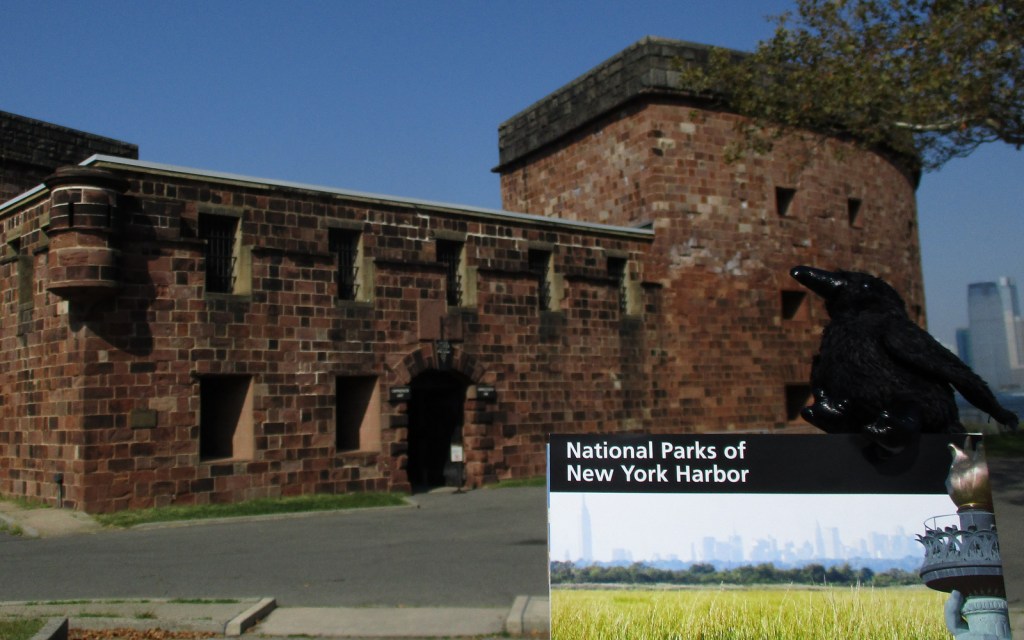
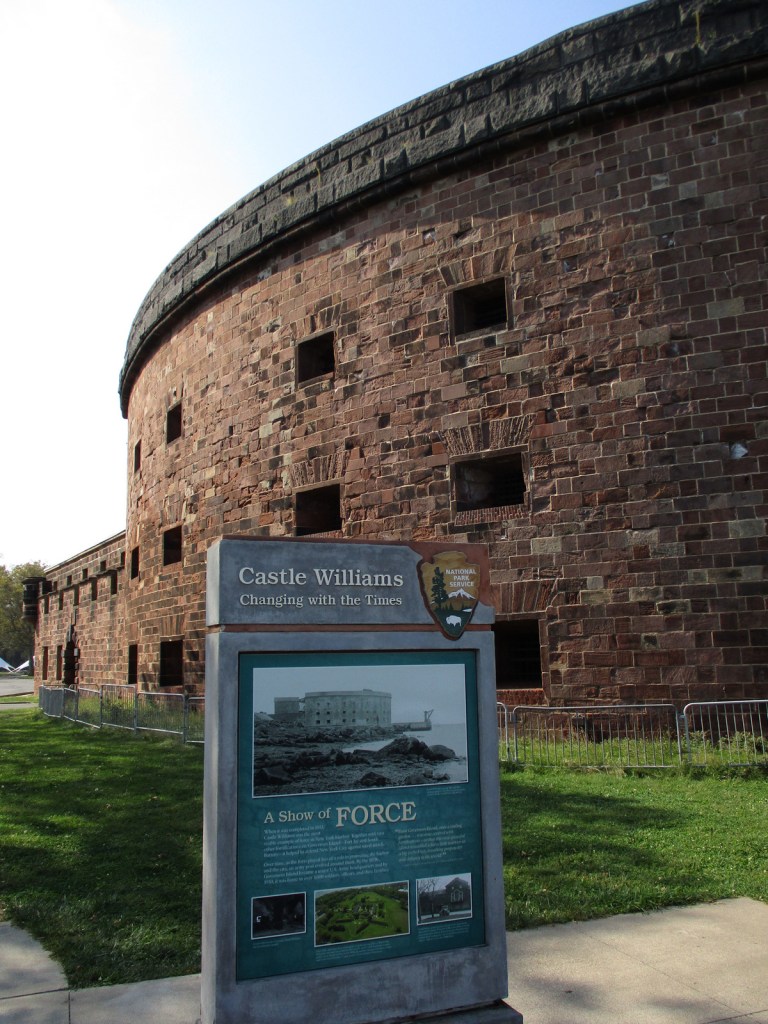
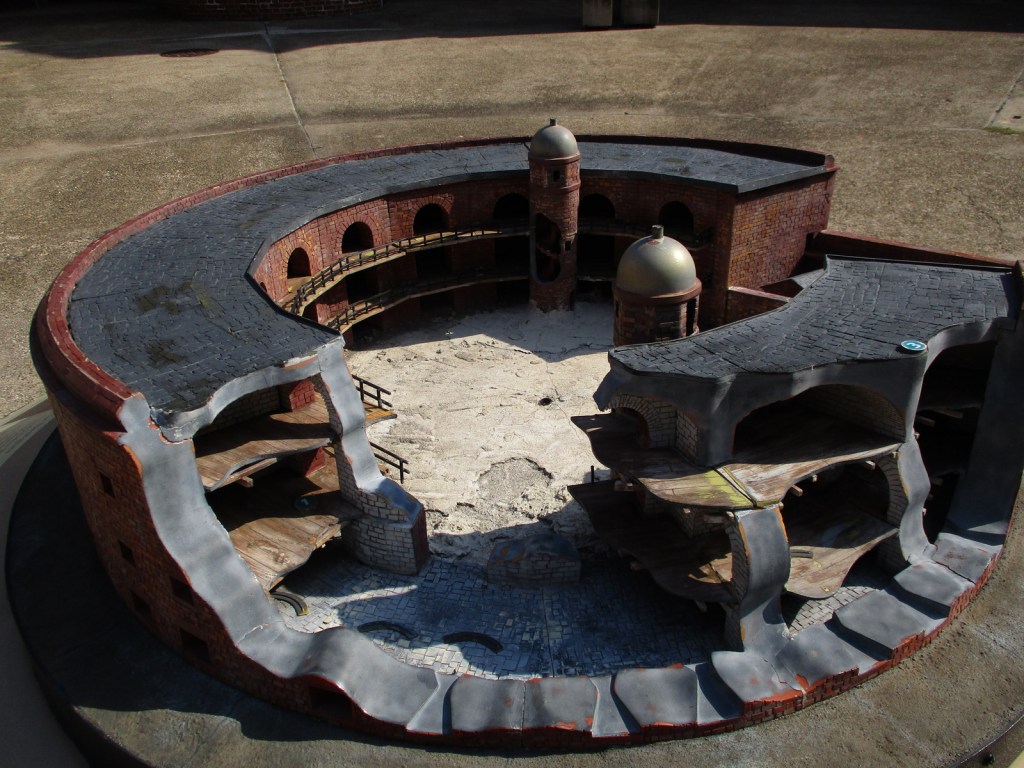
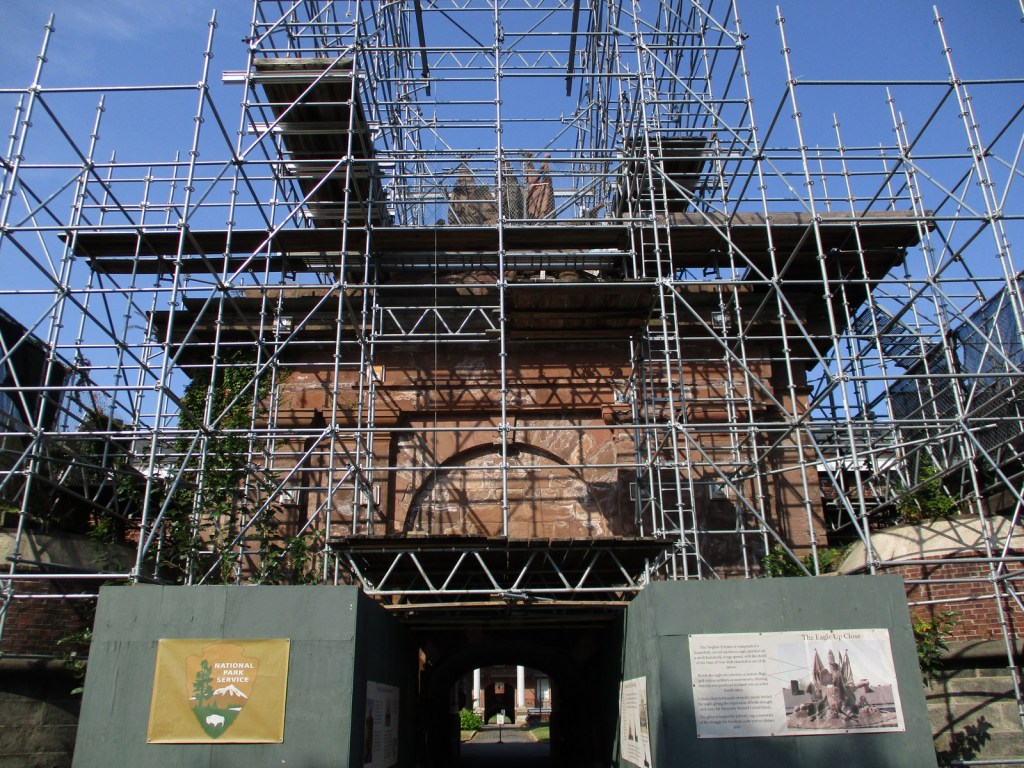
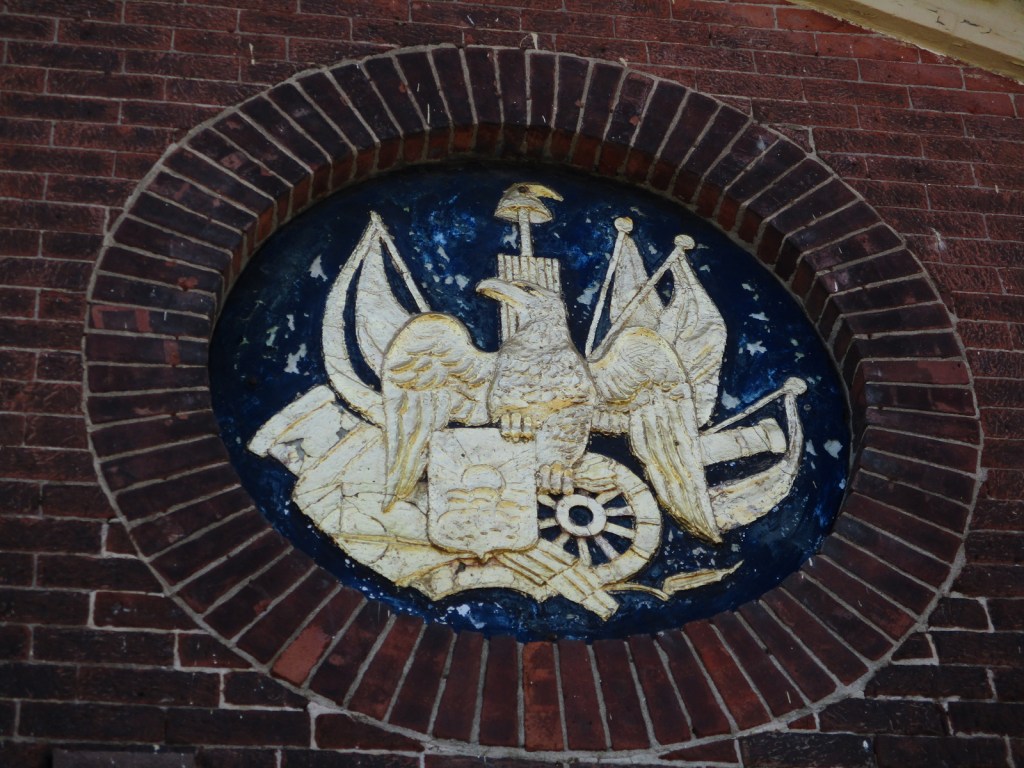
Originally named Nutten Island by the Dutch who settled New Amsterdam in 1624, this 172-acre island off Manhattan was later set aside for the exclusive use of the British royal governors of New York.  The indigenous Lenape called it Paggank (“Nut Island”) because of its chestnut, hickory, and oak trees.  After 200 years of military use by the Army and Coast Guard, Governors Island was retired in 1996.  Like nearby Castle Clinton National Monument, Fort Jay and Castle Williams date to pre-War of 1812 and were saved from demolition in 1901 by forward-thinking Secretary of War Elihu Root.  Over the decades, the island served as a Civil War prison, a muster area for troops during the Mexican-American War and World War II, the largest Coast Guard base in the nation for its final 30 years, and runway for Wilbur Wright’s 1909 flight around the Statue of Liberty.  Governors Island National Monument is part of a 90-acre National Historic Landmark District that contains the commanding officer’s quarters known as the Admiral’s House.

Learn more about the other 137 National Monuments in our book Monumental America: Your Guide to All 138 National Monuments. It is now available for sale on Amazon.com.

Highlights

Ferry, Castle Williams, Fort Jay

Must-Do Activity

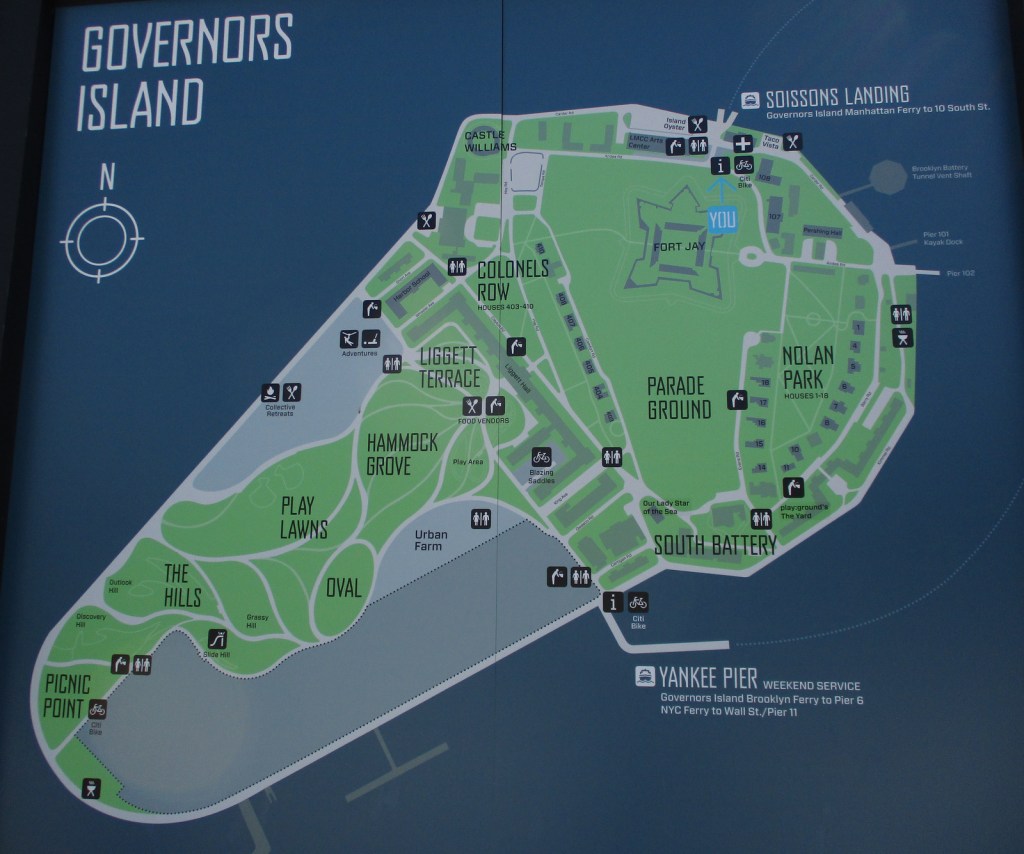
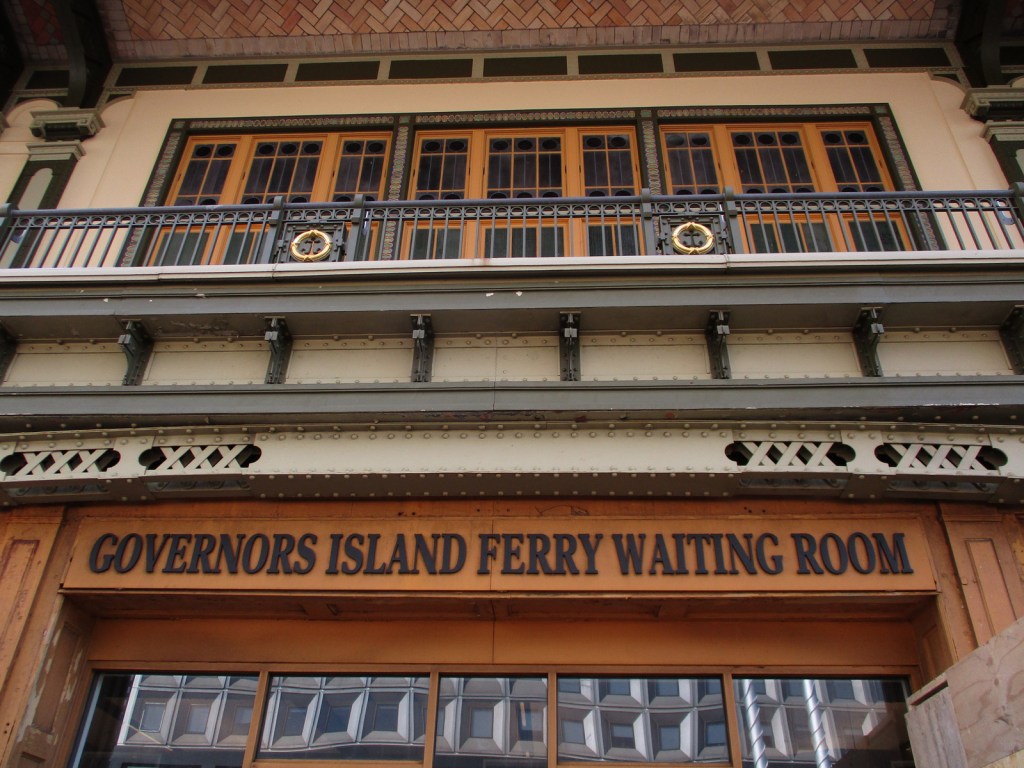
Private boats are not allowed, so the only way to get onto Governors Island is by ferry and it is only open to visitors from Memorial Day weekend through September.  From the Battery Maritime Building in Lower Manhattan you will dock at Soissons Landing near Fort Jay.  There may also be weekend ferry service from Brooklyn Bridge Park Pier 6 and Wall Street/Pier 11 that both land at Yankee Pier near the South Battery.  During special events, living history demonstrations celebrate the island’s military heritage.  Near Soissons Landing, be sure to enter Castle Williams and Fort Jay, which have interpretive signs from the National Park Service.

Best Trail

Most visitors do not go much south of the Parade Ground, but almost the entire island is open for walking or biking (rentals available) on the old roads.

Photographic Opportunity

On a clear day, the ferry boat and island both afford incredible views of the New York City skyline, Ellis Island, and Statue of Liberty.

Peak Season

Summer

Hours

https://www.nps.gov/gois/planyourvisit/basicinfo.htm

Fees

Ferry tickets cost about $5 roundtrip for an adult.

Road Conditions

Roads are heavily trafficked in New York City and there is no designated parking for the National Park Service site, so we recommend you take the subway to access the ferry.

Camping

Collective Retreats has glamping tents and suites on their private property on the west side of Governors Island. Click here to visit their website for details.

Related Sites

Castle Clinton National Monument (New York)

African Burial Ground National Monument (New York)

Hamilton Grange National Memorial (New York)

Explore More – What group owns and manages the other 150 acres of Governors Island that is not part of the National Monument?

Learn more about the other 137 National Monuments in our book Monumental America: Your Guide to All 138 National Monuments

Theodore Roosevelt Inaugural National Historic Site

Theodore Roosevelt Inaugural National Historic Site

New York

Managed by National Park Service

Established 1966

1 acre

Website: nps.gov/thri

Overview

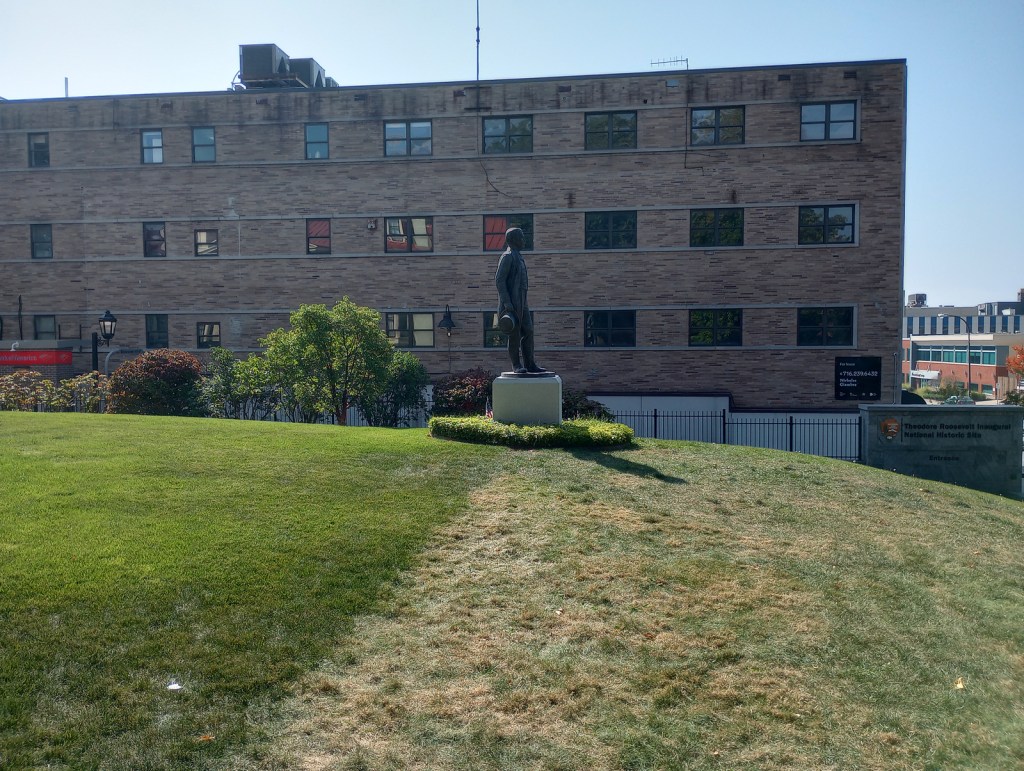
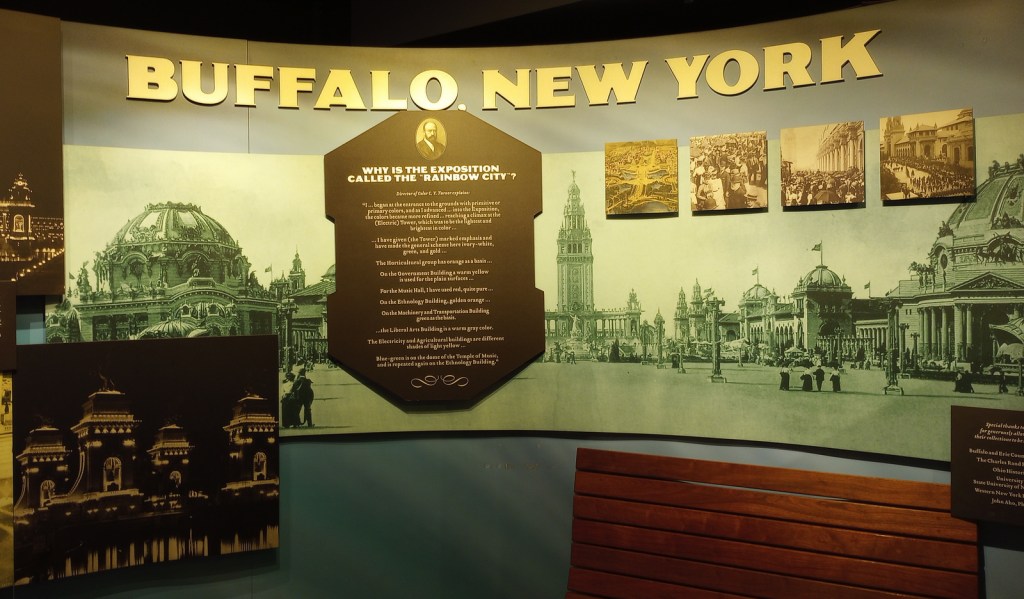
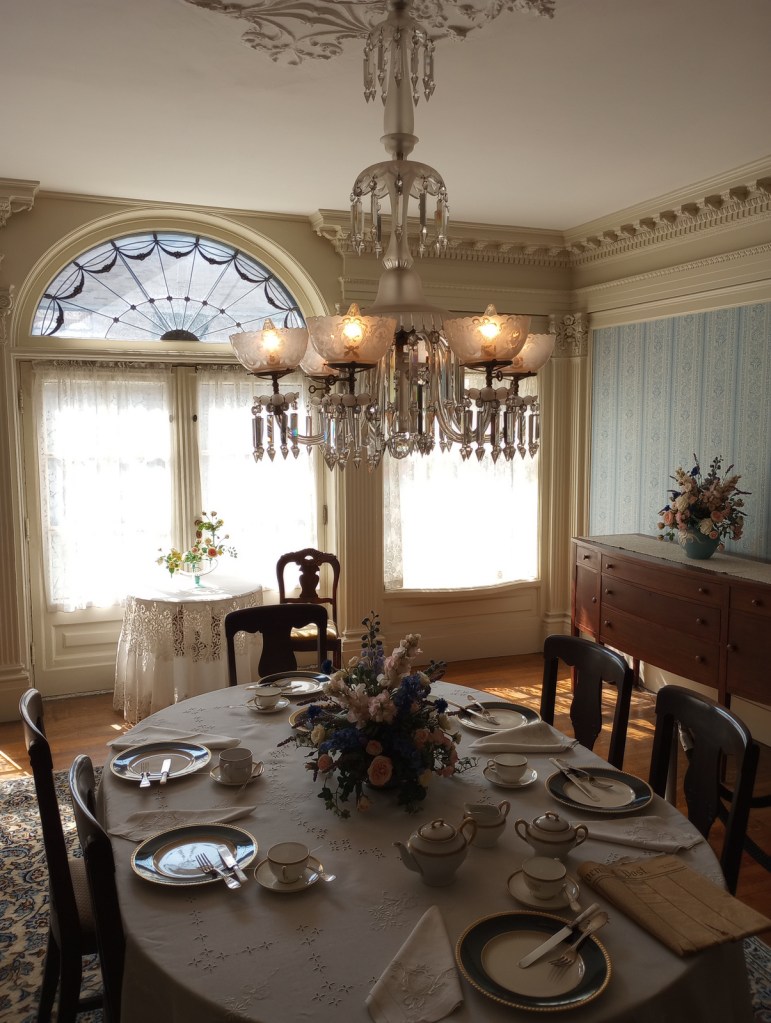
On September 6, 1901, while attending the Pan-American Exposition in Buffalo, New York, President William McKinley was shot by anarchist Leon Czolgosz.  Vice President Theodore Roosevelt came by the house (now demolished) where McKinley was recovering and left after being assured he would survive.  Roosevelt was hiking the highest peak in the Adirondacks when he was informed that he needed to rush back to Buffalo because the President was dying.  Rather than take the oath of office in the house where McKinley died 11 hours before Roosevelt’s arrival, he chose the residence of his friend Ansley Wilcox, which has been preserved as a National Historic Site.  Oddly, no photographs were taken at the historic event.

Highlights

Wilcox house, museum, films

Must-Do Activity

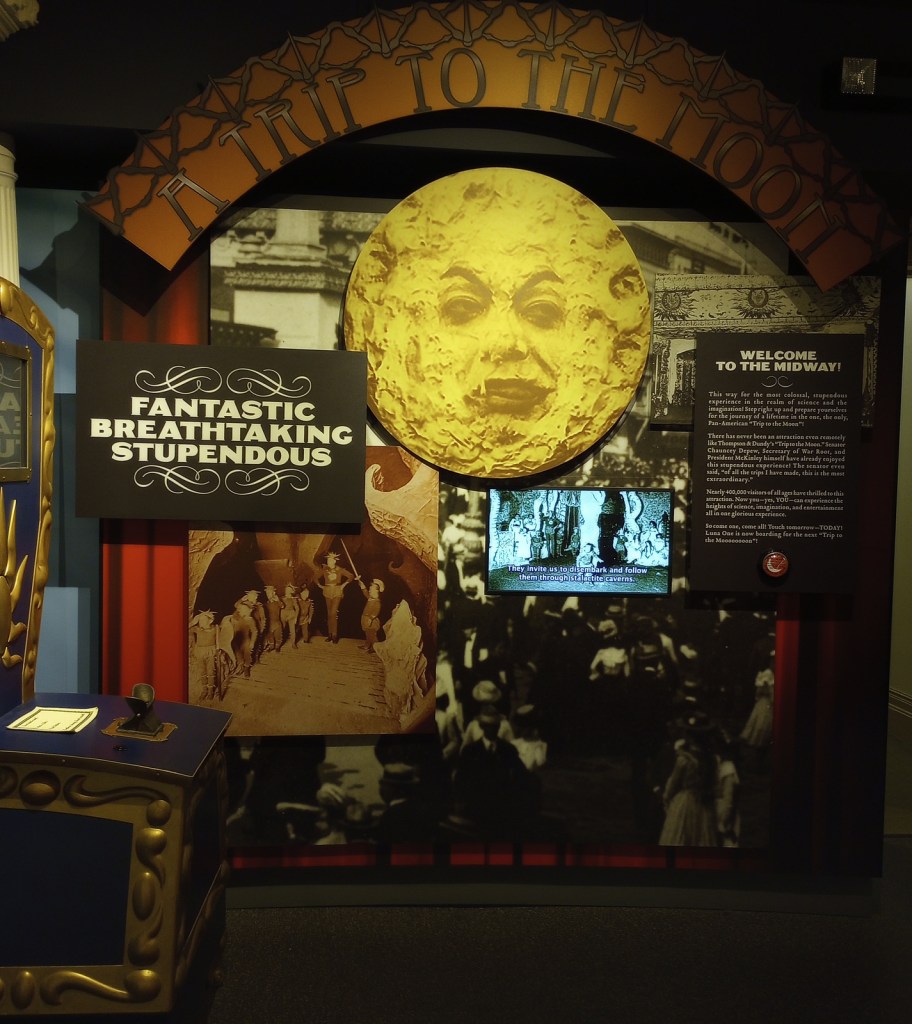
The Wilcox house dates back to 1837, when it was built as an officers’ quarters at the U.S. Army’s Poinsett Barracks.  The only way inside is on a ranger-guided tour, which you can reserve online in advance (see Fees below).  The downstairs has a small, nice museum featuring interactive exhibits, where you will watch the second of three video presentations during your 45-minute tour.  It was good enough that we added it to our Top 10 Museums Run by the National Park Service. There is an annual reenactment of the 1901 Inauguration held every September 14.

Best Trail

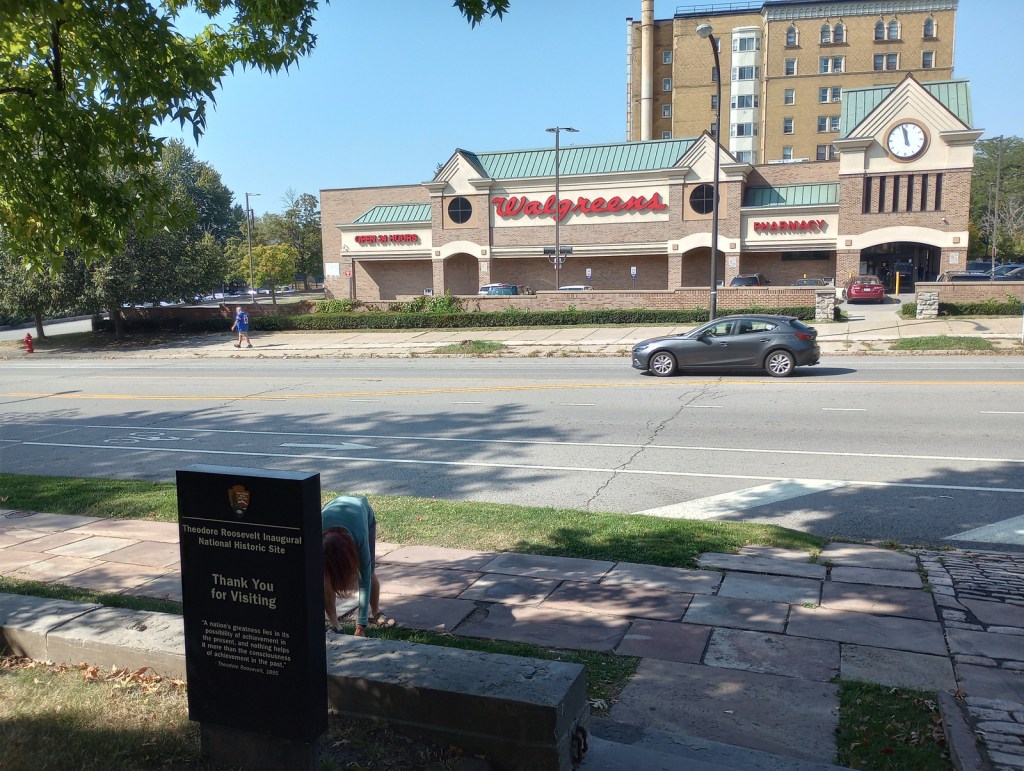
No trails, but you can walk the sidewalks of Delaware Avenue in downtown Buffalo and stop by the Bank of America ATM conveniently located next door. Maybe you will find a four-leaf clover like Tiff did (see photo below).

Instagram-worthy Photo

The third video is presented in a small theater upstairs about halfway through the tour and features dramatic lighting and videos highlighting the challenges facing the U.S. in the early 1900s.

Peak Season

Fall

Hours

https://www.nps.gov/thri/planyourvisit/hours.htm

Fees

$12 per adult for tour (or America the Beautiful pass and $1 online registration fee for up to 4 adults)

Road Conditions

All roads are paved and a free parking lot is located behind the house on one-way Franklin Street.

Camping

Outside Buffalo, camping is available at Darien Lake, Four Mile Creek, Joseph Davis, and Letchworth State Parks.

Related Sites

Theodore Roosevelt Birthplace National Historic Site (New York)

Home of Franklin D. Roosevelt National Historic Site (New York)

Sagamore Hill National Historic Site (New York)

Check out our Top 10 Roosevelt Family NPS Sites

Explore More – When was the Wilcox house turned into a restaurant?

Home of Franklin D. Roosevelt National Historic Site

Home of Franklin D. Roosevelt National Historic Site

New York

Managed by National Park Service

Established 1944

645 acres

Website: nps.gov/hofr

Overview

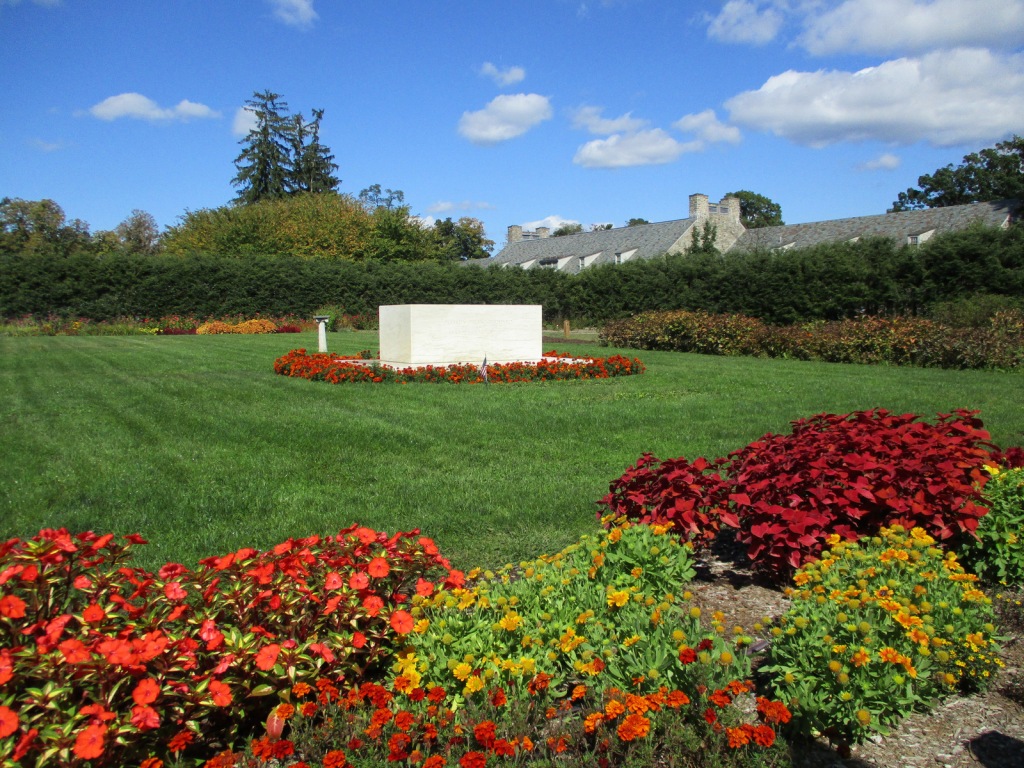
In 1882, Franklin Delano Roosevelt (FDR) was born at Springwood, his family’s estate on the Hudson River in Hyde Park, New York.  In 1905, FDR married his distant cousin Eleanor and moved into the mansion with his mother.  FDR contracted polio in 1921 and was paralyzed from the waist down, so some changes were made to Springwood to make it more wheelchair accessible.  After FDR became President, noteworthy visitors to the house included England’s King George VI and Winston Churchill.  FDR was buried on the property in 1945 and Eleanor in 1962, in the rose garden alongside Fala, their famous Scottish terrier.  Exactly one year after his death, the mansion opened to the public.

Highlights

Springwood, FDR Presidential Library and Museum, Top Cottage, Hyde Park Trail

Must-Do Activity

Start your visit at the Henry A. Wallace Visitor and Education Center where you can purchase tickets for the tour inside the mansion (reservations recommended), the 22-minute film A Rendezvous With History, the Presidential Library and Museum (not managed by the National Park Service), and Top Cottage, which is located behind the nearby Eleanor Roosevelt National Historic Site.  Tours meet inside the visitor center then walk a quarter-mile to the mansion.  Top Cottage was built in 1938 and is only accessible on a guided tour in the summer, which a park ranger discouraged us from going on saying it was mostly a seminar-style discussion of world politics (Top Cottage tours were closed through at least 2022). 

Best Trail

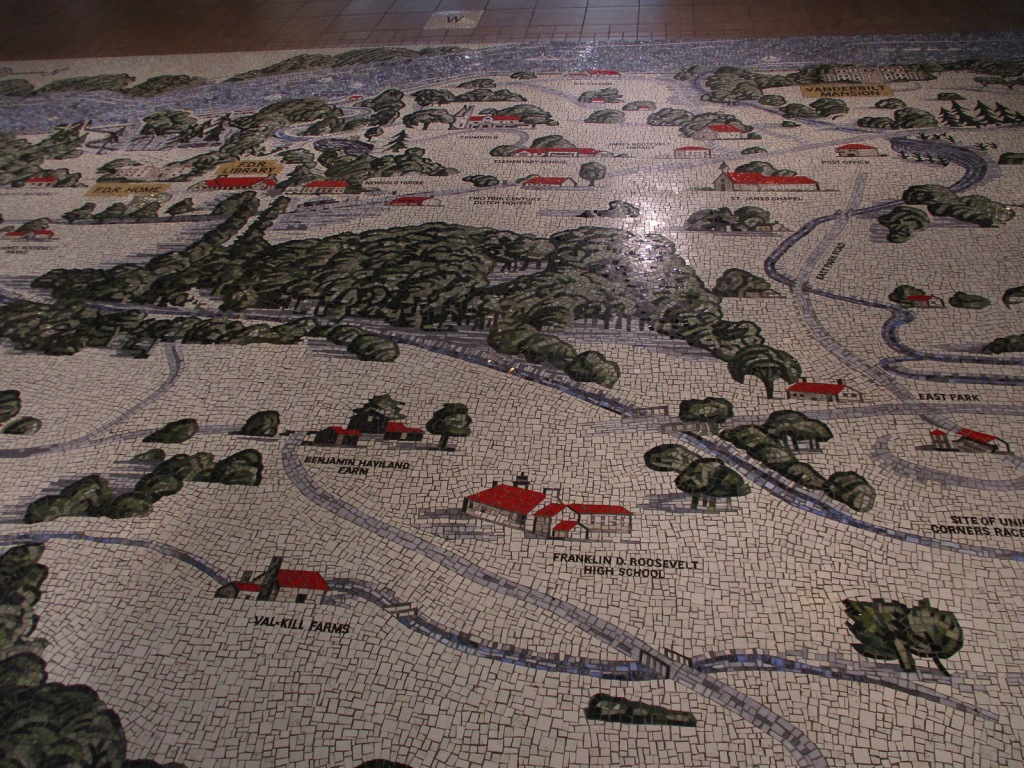
Hyde Park Trail connects Vanderbilt Mansion National Historic Site with Home of Franklin D. Roosevelt National Historic Site following the Hudson River.  The trail then heads two miles east towards Eleanor Roosevelt National Historic Site and Top Cottage.

Instagram-worthy Photo

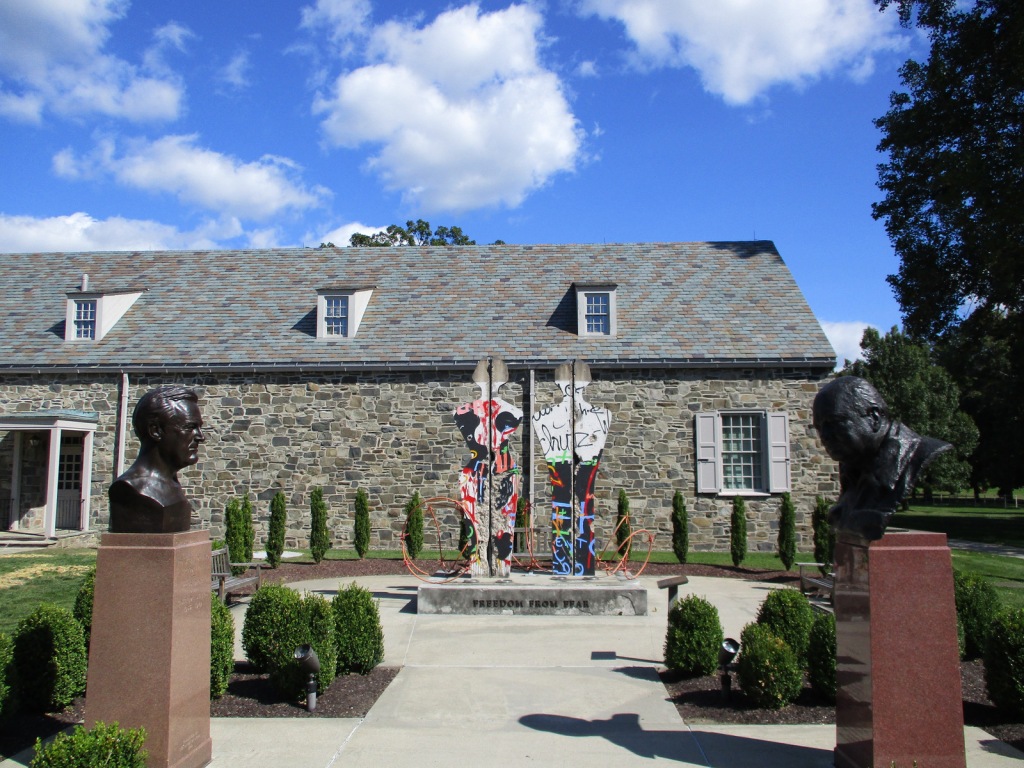
Freedom From Fear is a sculpture of a man and woman made from a section of the Berlin Wall, installed here in 1994 with a companion piece at the Winston Churchill Memorial in Fulton, Missouri.  Both were created by Edwina Sandys, Churchill’s granddaughter.

Peak Season

Summer

Hours

https://www.nps.gov/hofr/planyourvisit/hours.htm

Fees

$10 per person for mansion tour or free with America the Beautiful pass; $10 per person for Top Cottage tour with $5 off for America the Beautiful pass; separate entry fee for FDR Presidential Library and Museum

Road Conditions

All roads are paved with ample parking.

Camping

Mills-Norrie State Park has 45 campsites about five miles north of Hyde Park on Highway 9.

Related Sites

Franklin Delano Roosevelt Memorial (District of Columbia)

Eleanor Roosevelt National Historic Site (New York)

Martin Van Buren National Historic Site (New York)

Explore More – In what year was there an assassination attempt on FDR?