Category Archives: California

Eldorado National Forest

Eldorado National Forest

California, Nevada

Managed by U.S. Forest Service, Pacific Southwest Region

887,721 acres (686,667 federal/ 201,054 other)

Website: https://www.fs.usda.gov/eldorado

Overview

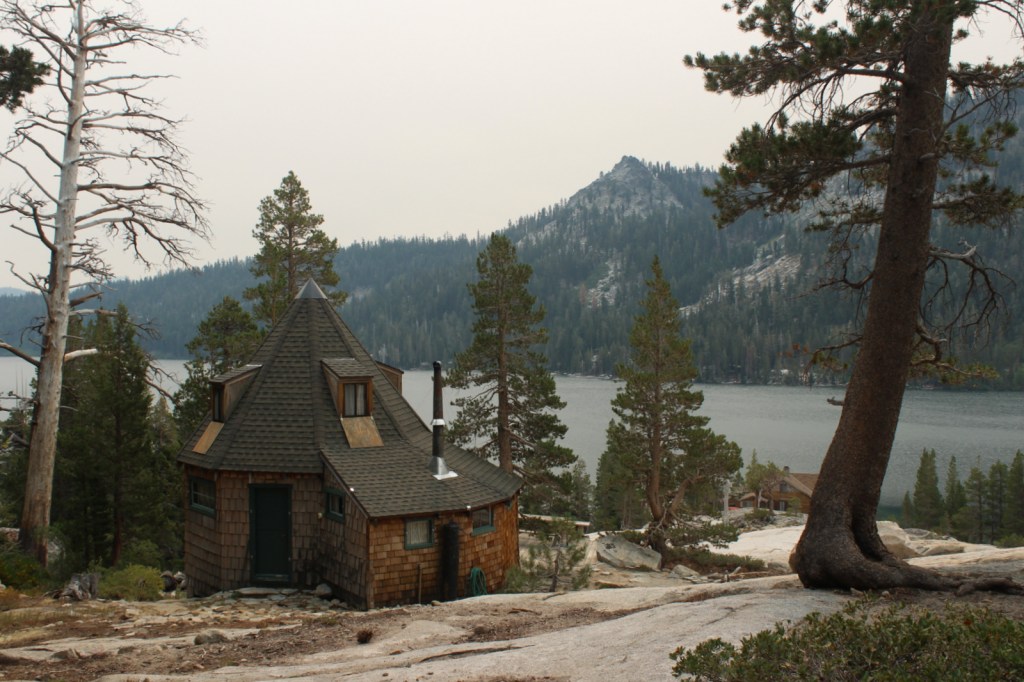
Located in California’s Sierra Nevada, Eldorado National Forest has ghost towns dating back to the 1849 gold rush.  El Dorado is Spanish for “the golden one,” which often referred to the fabled Lost City of Gold sought by the Conquistadors.  The single-word spelling Eldorado may have been a clerical error dating back to the creation of the National Forest in 1910.  Elevations range from 1,000 feet in the foothills to more than 10,000 feet in the Sierra Nevada.  In addition to 297 lakes and reservoirs, it contains 611 miles of fishable streams in the drainages of the North Fork of the Mokelumne River, Cosumnes River, and the Middle and South Forks of the American River.  There are 349 miles of trails in Eldorado National Forest, including a portion of the Pacific Crest National Scenic Trail that follows mountain ridges on the west side of Lake Tahoe.

Highlights

Carson Pass Scenic Highway, Lake Tahoe Basin Management Unit, Tallac Historic Site, Caldor Auto Tour, Silver Lake, Crystal Basin Recreation Area, Loon Lake, Ice House Reservoir, Traverse Creek, Horsetail Falls, Fourth of July Lake, Cascade Falls Loop Trail, Pacific Crest National Scenic Trail

Must-Do Activity

The Forest Service’s Lake Tahoe Basin Management Unit is composed of 150,000 acres of Eldorado, Tahoe, and Toiyabe National Forests surrounding Lake Tahoe.  It was established in 1973 to preserve and restore the ecosystem of one of the nation’s most popular playgrounds.  Averaging 1,000 feet in depth, Lake Tahoe is famous for its water clarity and, although it has no outlet to the ocean, it is dammed on the Truckee River to control water levels.  After the 1858 discovery of the Comstock Lode in nearby Virginia City, Nevada, extensive deforestation occurred around the lake.  This eventually led to conservation efforts to place 78% of its watershed into National Forests starting in 1899.  Hiking trails uphill from the lake’s shoreline (mostly privately owned) are almost entirely within National Forests, including the circumnavigating Tahoe Rim Trail.

Best Trail

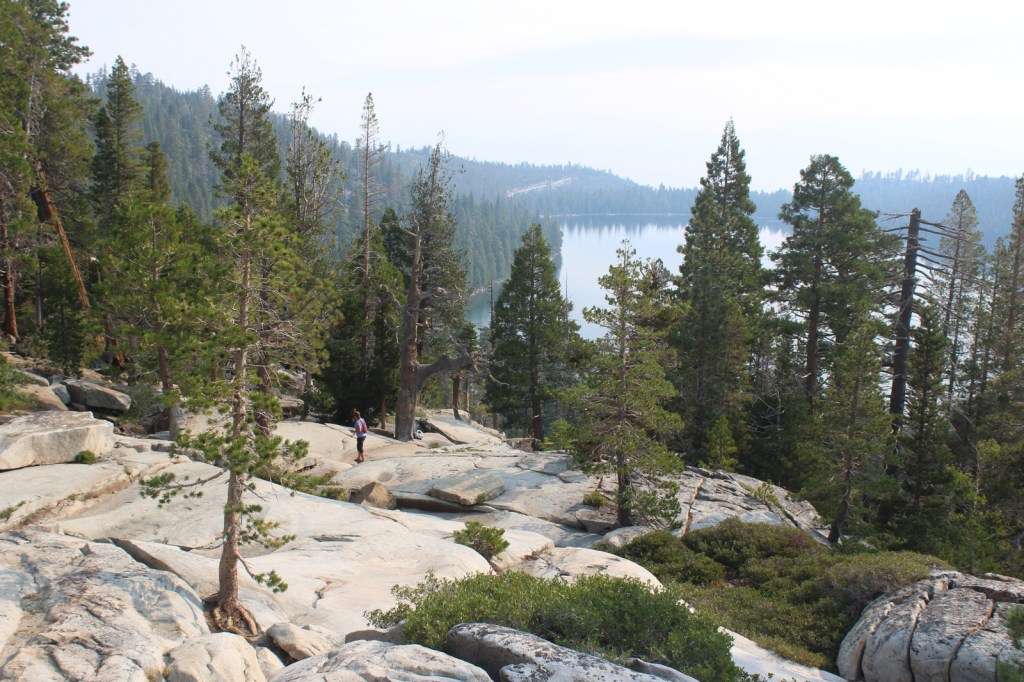
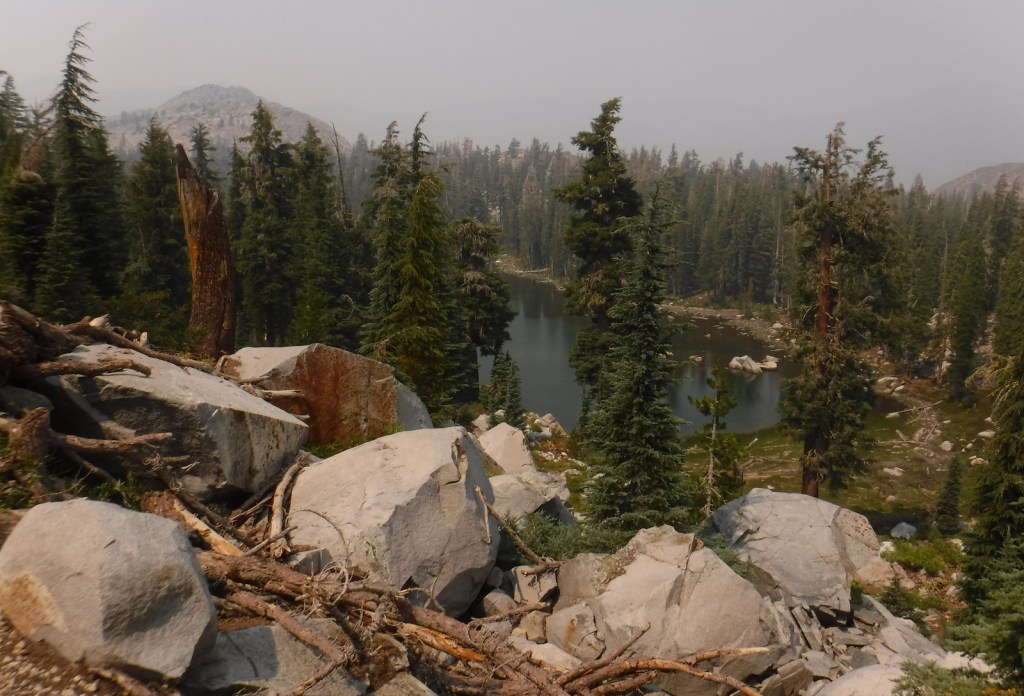
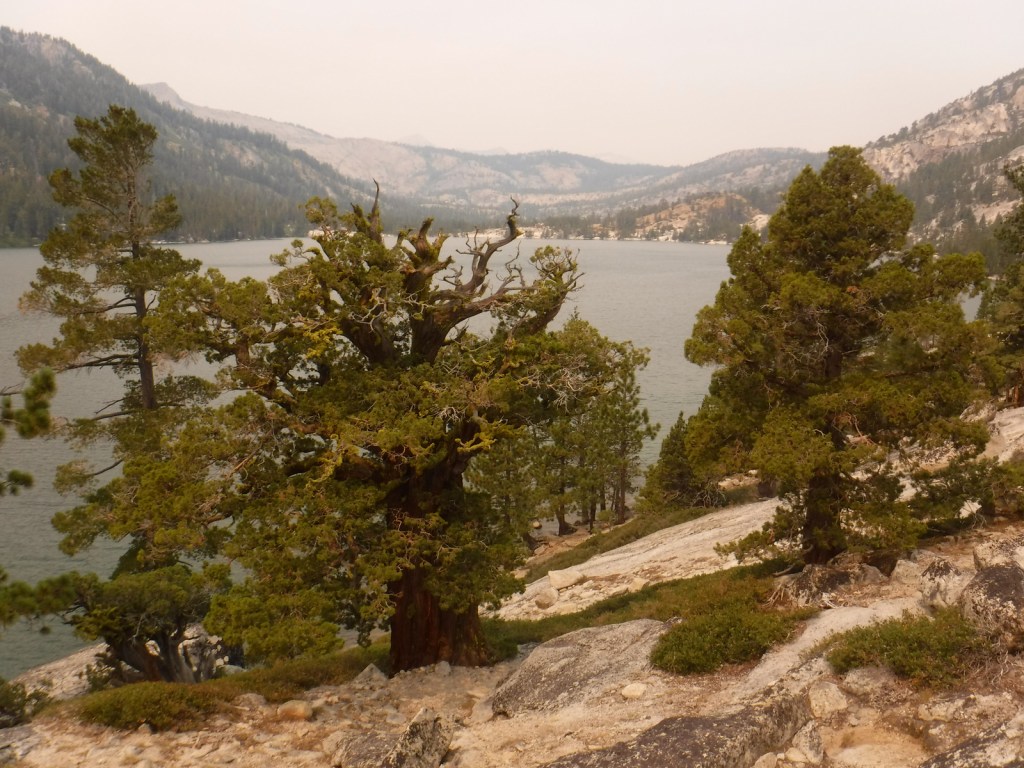
Near the National Forest’s border with Lake Tahoe, the 63,960-acre Desolation Wilderness is the country’s most visited Wilderness area on a per acre basis.  With the exception of thru-hikers on the Tahoe Rim and Pacific Crest Trails, a daily quota limits the number of backpackers in the Desolation Wilderness.  Even day hikers are required to carry a permit and a bear box is recommended for all overnight users.  We took a smoke-obscured hike five miles one-way from Lower Echo Lake up to Lake Aloha in the Desolation Wilderness, a popular stop for backpackers.

Watchable Wildlife

A Mediterranean climate exists in the lower elevation ranges of the National Forest, while alpine regions can receive more than 15 feet of snowfall, so there is a wide diversity of wildlife.  In the conifer forests of the Sierra Nevada look for mule deer, black bears, weasels, martens, mountain lions, and bobcats.  California quail, mountain quail, sooty grouse, and wild turkeys are common game birds.  Watch the skies for raptors like bald eagles, ospreys, red-tailed hawks, and turkey vultures. 

Instagram-worthy Photo

By the time we visited in mid-August, Cascade Falls was barely a trickle compared to its raging snowmelt flow in the springtime.  The strenuous one-mile hike from Bayview Trailhead was still worth the effort for the sweeping views of Cascade Lake and Lake Tahoe’s Emerald Bay (at least when it is not so smoky). 

Peak Season

Summer

Fees

None

Road Conditions

Eldorado National Forest has 2,367 miles (3,809 km) of roads, including 400 miles of private roads.  Many of these are rough and unpaved and may require high-clearance or four-wheel drive, especially the infamous Rubicon Trail on the western shore of Lake Tahoe.

Camping

Bayview Campground is located across Highway 89 from Lake Tahoe at the Bayview Trailhead near scenic Eagle Falls and Emerald Bay State Park.  Woods Lake has a campground and a 3.5-mile trail to Fourth of July Lake, plus there are campgrounds at Fallen Leaf Lake, Ice House Reservoir, Loon Lake, Upper Valley Reservoir, and Silver Lake.

Wilderness Areas

Desolation Wilderness

Mokelumne Wilderness (also in Stanislaus and Toiyabe National Forests)

Related Sites

Devils Postpile National Monument (California)

Whiskeytown-Shasta-Trinity National Recreation Area (California)

Rosie the Riveter/World War II Home Front National Historical Park (California)

Nearest National Park

Yosemite

Conifer Tree Species

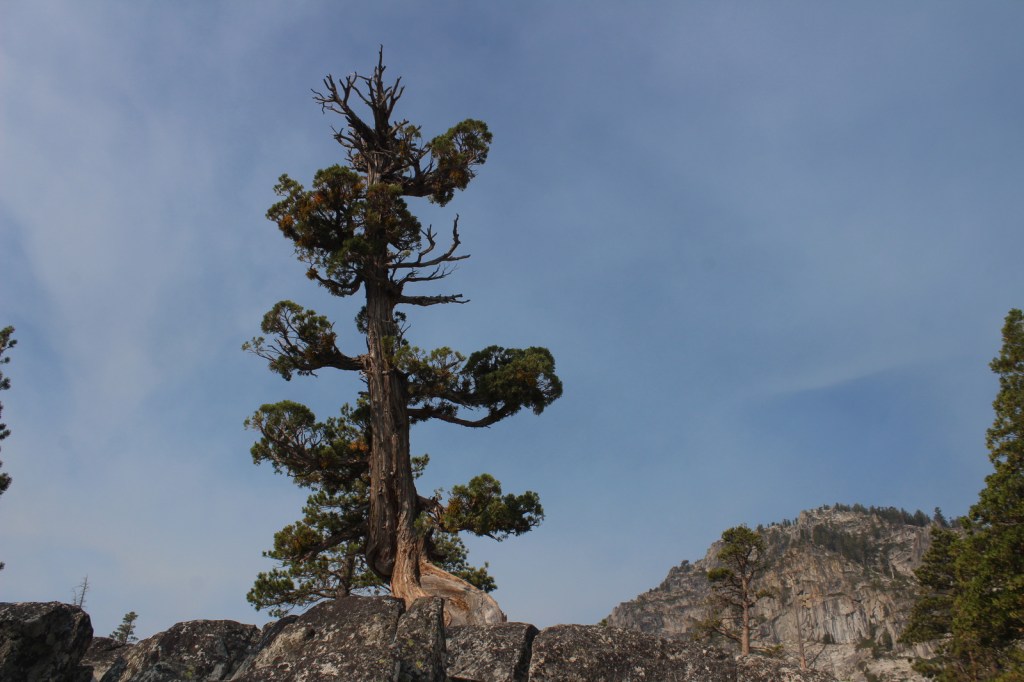
red fir, white fir, Douglas-fir, incense-cedar, ponderosa pine, lodgepole pine, Jeffrey pine, gray pine, sugar pine, foxtail pine, western juniper

Flowering Tree Species

Pacific dogwood, California buckeye, manzanita

Explore More – Traverse Creek near Placerville is known for its exposed serpentine rock, which contains what elements toxic to many trees and plants?

Learn more about this and the 154 other National Forests in our new guidebook Out in the Woods

We are a participant in the Amazon Services LLC Associates Program, an affiliate advertising program designed to provide a means for us to earn fees by linking to Amazon.com and affiliated sites.

Cleveland National Forest

Cleveland National Forest

California

Managed by U.S. Forest Service, Pacific Southwest Region

568,634 acres (439,281 federal/ 129,353 other)

Website: https://www.fs.usda.gov/cleveland

Overview

In southwestern California, Cleveland National Forest was established in 1908 and named for the U.S. President who added 21-million acres to the Forest Reserve system in the 1890s.  The National Forest is notable for its Mediterranean climate and low elevation (its highest point is 6,271-foot Monument Peak).  Most of its acreage is chaparral, not forest, making it more prone to frequent wildfires.  Despite its proximity to San Diego and the densely-populated Pacific Coastline, it contains four designated Wilderness areas. 

Highlights

Sunrise Scenic Byway, Henshaw Scenic Vista, Monument Peak, Three Sisters Falls, Laguna Mountain Recreation Area, Cedar Creek Falls, Sunset Trail, Noble Canyon National Recreation Trail, Agua Tibia Trail, San Juan Loop Trail, Desert View Nature Trail, Pioneer Mail Trail, Observatory Trail

Must-Do Activity

Located ten miles north of Highway 76, Palomar Mountain is best known as the home of Caltech’s Palomar Observatory, which was established in 1928.  It is open daily for tours of the A.W. Greenway Jr. Visitor Center and the 200-inch Hale Telescope, which reigned as the world’s largest from 1949 until 1975.  Two miles downhill is the Forest Service’s Observatory Campground and the trailhead for the 2.2-mile one-way Observatory National Recreation Trail.  An Adventure Pass is required to park here, but not if you start at the observatory.  The trail gains about 900 feet in elevation as it climbs through an oak-pine forest to the Palomar Observatory (that sits at 5,598 feet in elevation) providing views of the Mendenhall Valley. 

Best Trail

The Sunset Trail makes a 4.6-mile loop from the Meadows Trailhead at mile marker 19 on the Sunrise Scenic Byway.  The trail provides a view of the Pacific Ocean after passing meadows, ponds, and oak savannahs. 

Watchable Wildlife

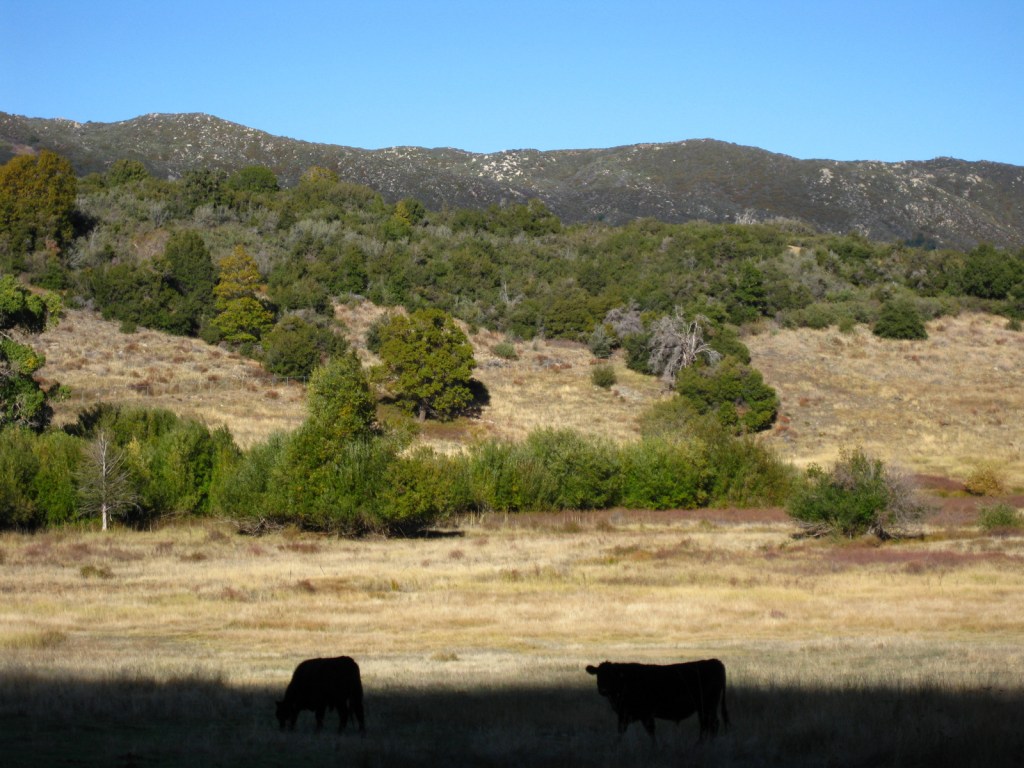
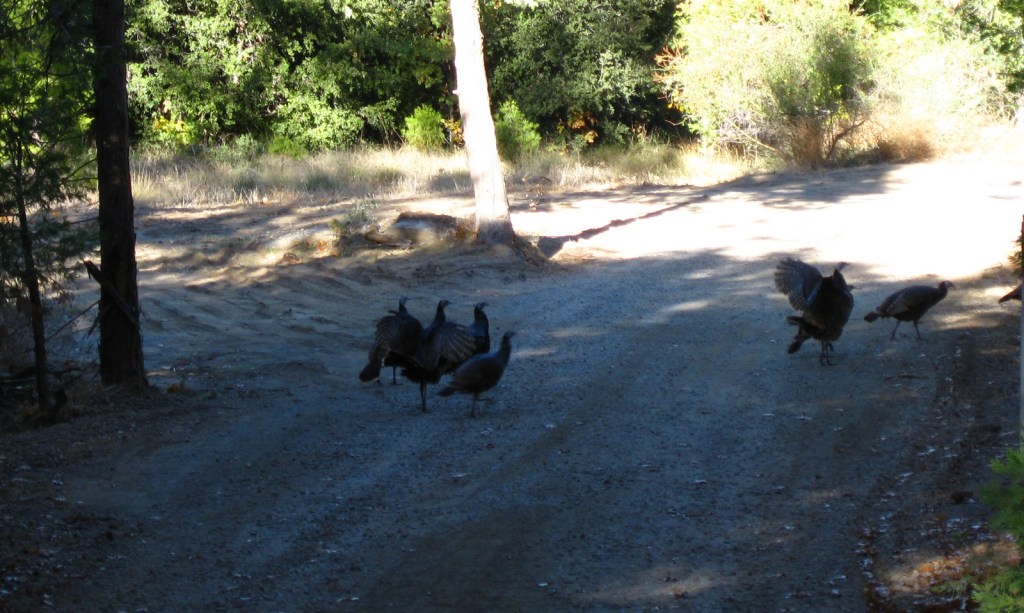
Despite its proximity to the San Diego metropolitan area, Cleveland National Forest is home to black bears, gray foxes, bobcats, and mountain lions.  Black-tailed deer, bighorn sheep, wild turkeys, and coyotes are more likely to be encountered by visitors.

Instagram-worthy Photo

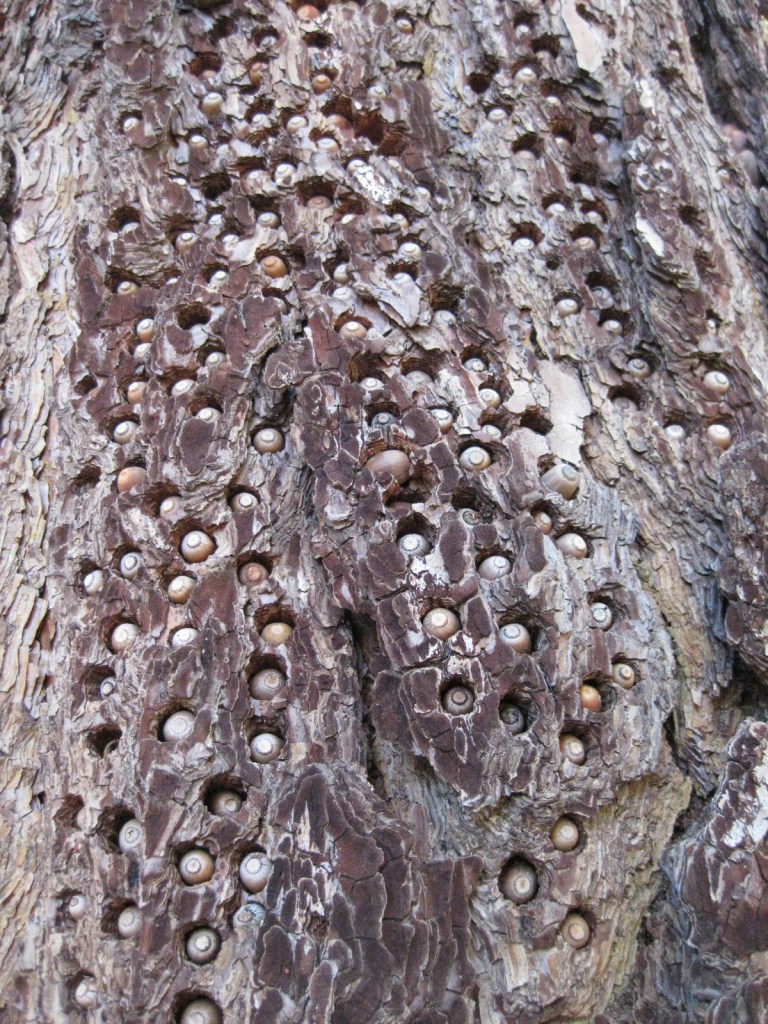
Look for acorn woodpeckers’ seed caches riddled into some of the Jeffrey pine trees in the forest.

Peak Season

Winter

Fees

An Adventure Pass is required to park at several trailheads (including the Observatory Trail) throughout the National Forest, but an America the Beautiful pass can be substituted.

Road Conditions

The Sunrise Scenic Byway and the road to Palomar Observatory are both paved, although there are many unpaved routes through the National Forest.

Camping

Two miles downhill from the Palomar Observatory is the Forest Service’s Observatory Campground, a great place to stay if you plan to attend a star party on moonless nights.  Palomar Mountain State Park also has a campground.

Wilderness Areas

Agua Tibia Wilderness (also run by the Bureau of Land Management)

Hauser Wilderness

Pine Creek Wilderness

San Mateo Canyon Wilderness

Related Sites

Channel Islands National Park (California)

Cabrillo National Monument (California)

Mojave National Preserve (California)

Nearest National Park

Joshua Tree

Conifer Tree Species

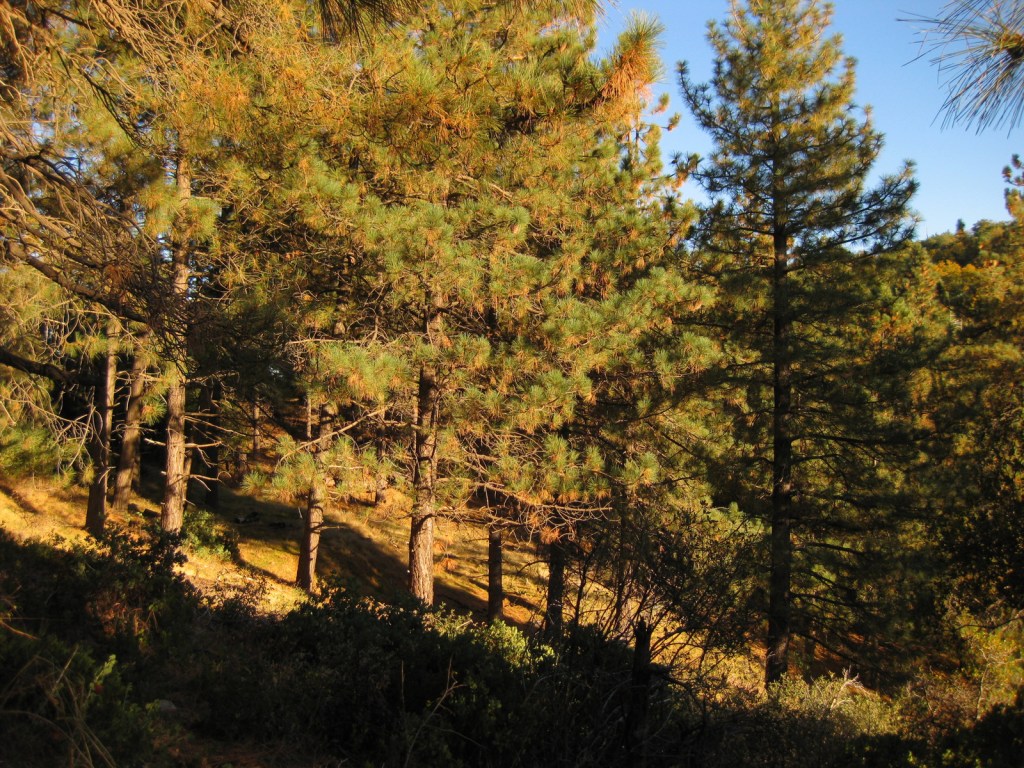
Jeffrey pine, Coulter pine, white fir, California juniper, Arizona cypress, Tecate cypress

Flowering Tree Species

Engelmann oak, coast live oak, California black oak, manzanita

Explore More – Who was the U.S. President that established the first 13-million acres of Forest Reserves starting in 1891, prior to Grover Cleveland?

Learn more about Cleveland and the 154 other National Forests in our new guidebook Out in the Woods

We are a participant in the Amazon Services LLC Associates Program, an affiliate advertising program designed to provide a means for us to earn fees by linking to Amazon.com and affiliated sites.

San Gabriel Mountains National Monument

San Gabriel Mountains National Monument

California

Managed by U.S. Forest Service, Angeles National Forest

452,096 acres

Website: https://www.fs.usda.gov/r05/angeles/recreation/san-gabriel-mountains-national-monument

Overview

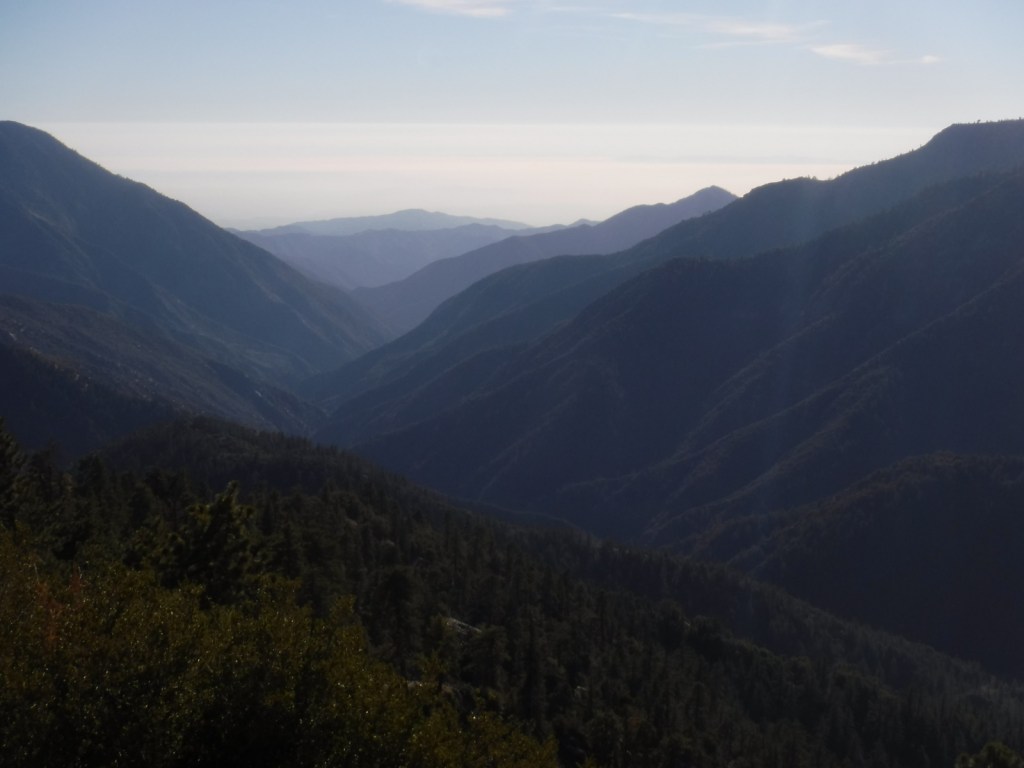
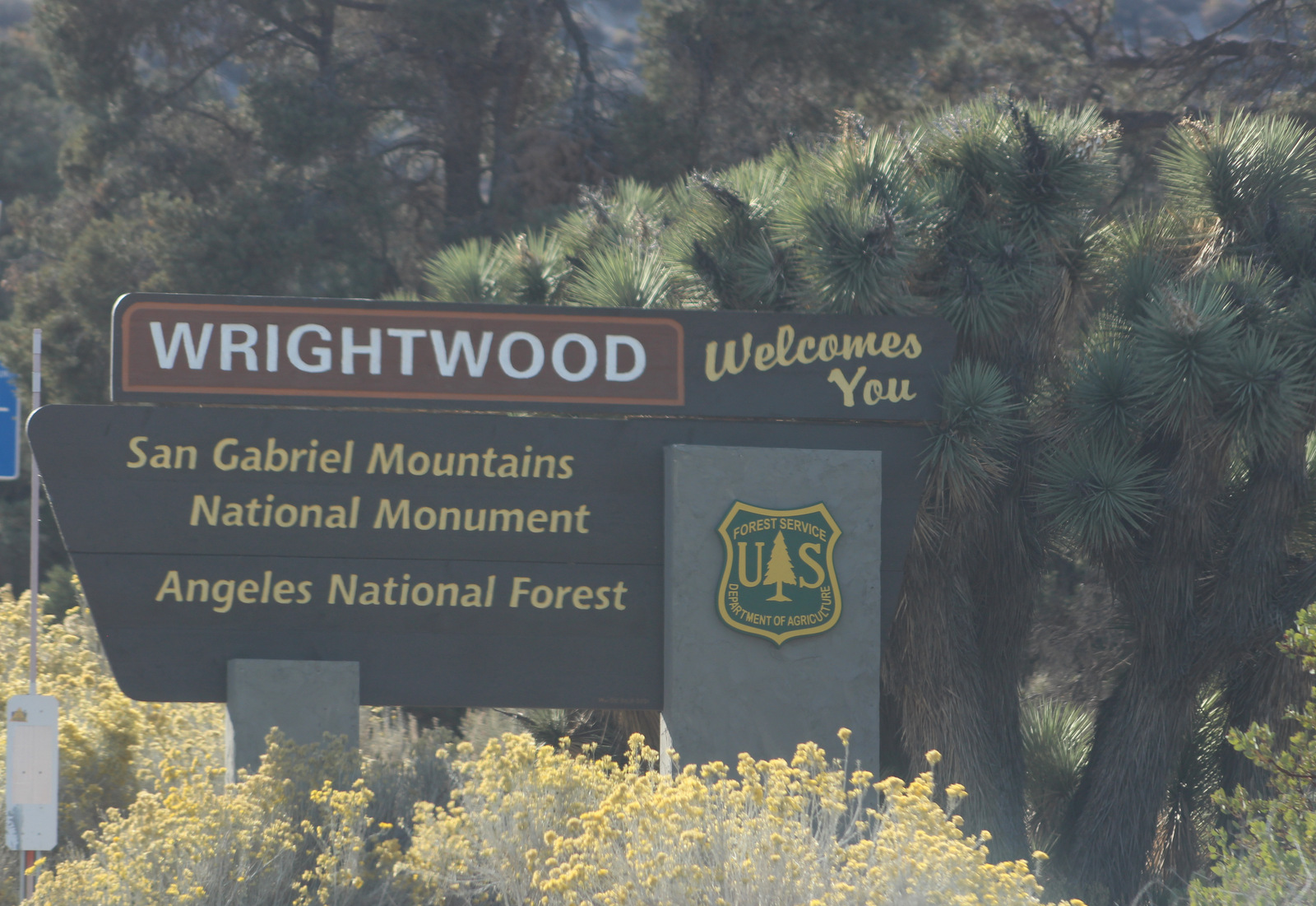
San Gabriel Mountains National Monument was proclaimed on October 10, 2014, by President Barack Obama under the power of the 1906 Antiquities Act and expanded by 105,919 acres ten years later.  Located just north of the Los Angeles metropolitan area, about 15-million people live within 90 minutes of this mountain range, which provides 30% of their drinking water.  Despite this region’s reputation for sun and surf, the high elevations (topping out at 10,064 feet on Mt. San Antonio) regularly get snow in the winter.  The vegetation ranges from chaparral to oak and mixed evergreen forest and is prone to wildfire (see our post on Angeles National Forest for information on recent fires).

Highlights

Angeles Crest Highway, Inspiration Point, Lightning Ridge Nature Trail, Mt. San Antonio, Mt. Baden-Powell, Throop Peak, Silver Moccasin Trail, Gabrielmo National Recreation Trail, High Desert National Recreation Trail, Pacific Crest National Scenic Trail

Must-Do Activity

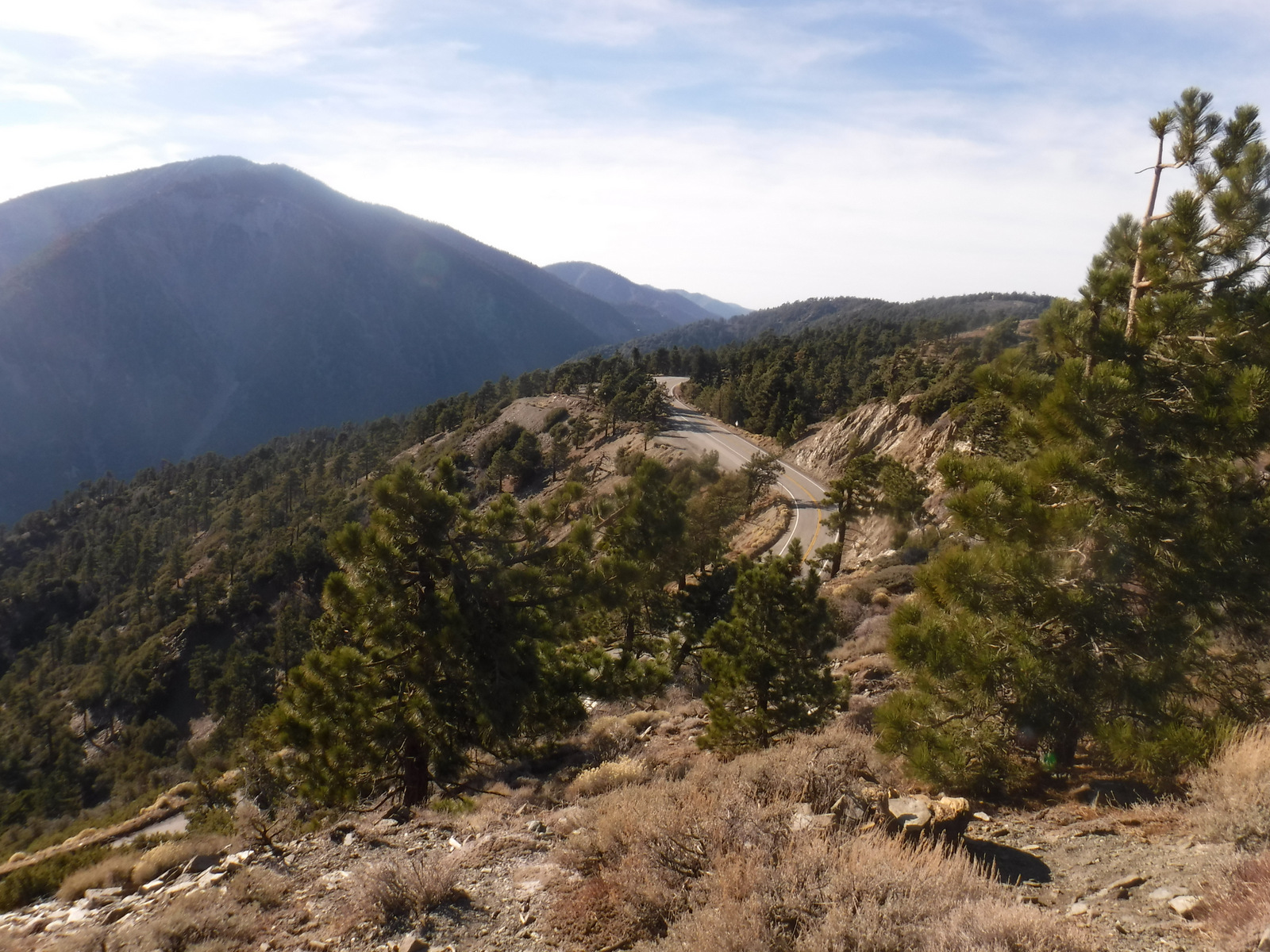
It was a sunny November afternoon at 7,000 feet in elevation on the Angeles Crest Highway (Highway 2), which traverses the steep-sided San Gabriel Mountains that rise above southern California’s infamous smog.  The rich odor of incense-cedar trees filled the warm air as we ascended the rocky trail from the historic Big Pines Visitor Center. This soulful smell may be more familiar to you than you think since its wood is commonly used to make pencils. The partially shaded path was lined with interpretive signs that introduced the trees and shrubs growing on this dry, south-facing hillside. Across the narrow valley, a ski resort was cut into the dense stands of conifers on the shady north slope.

Best Trail

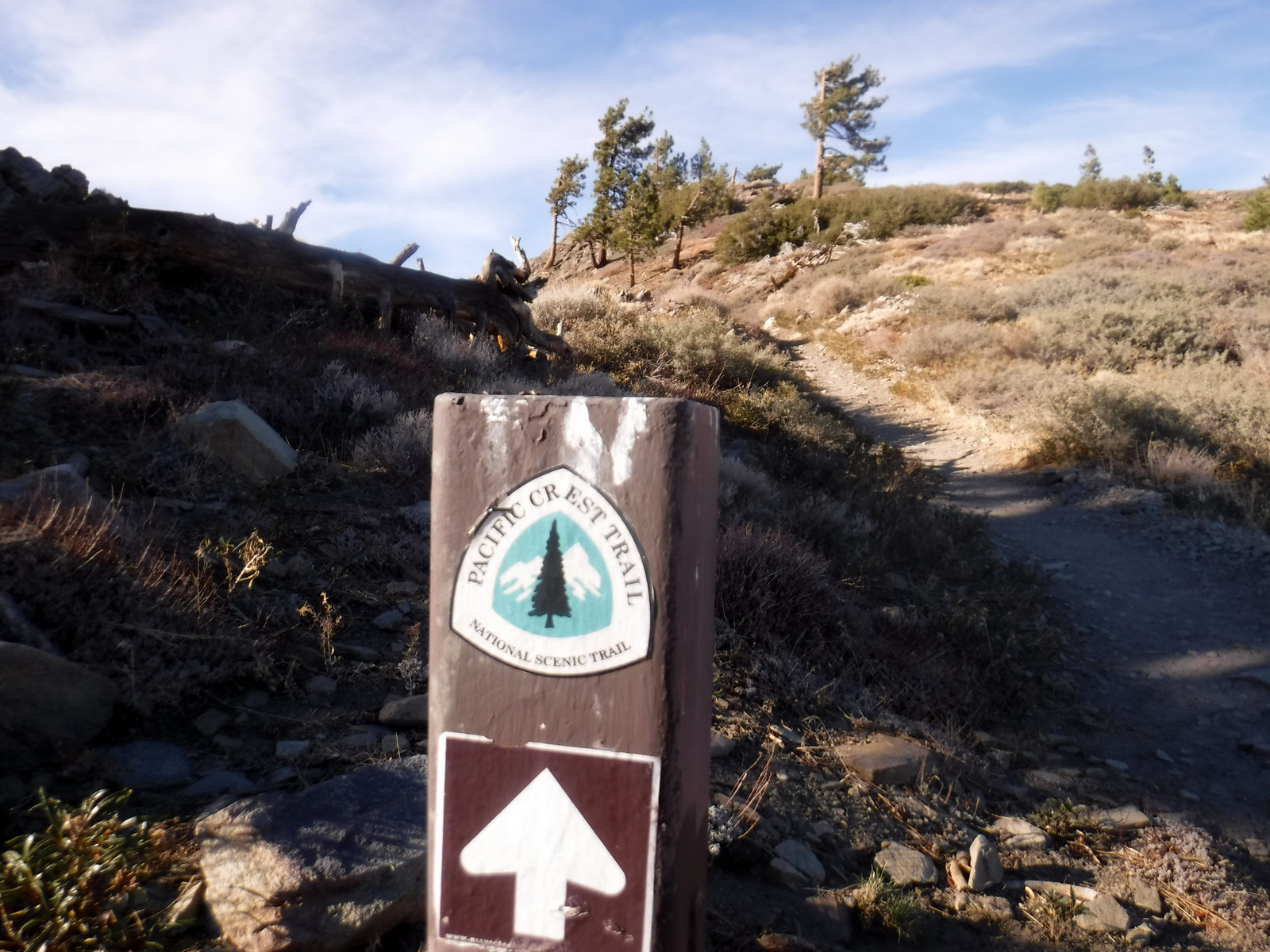
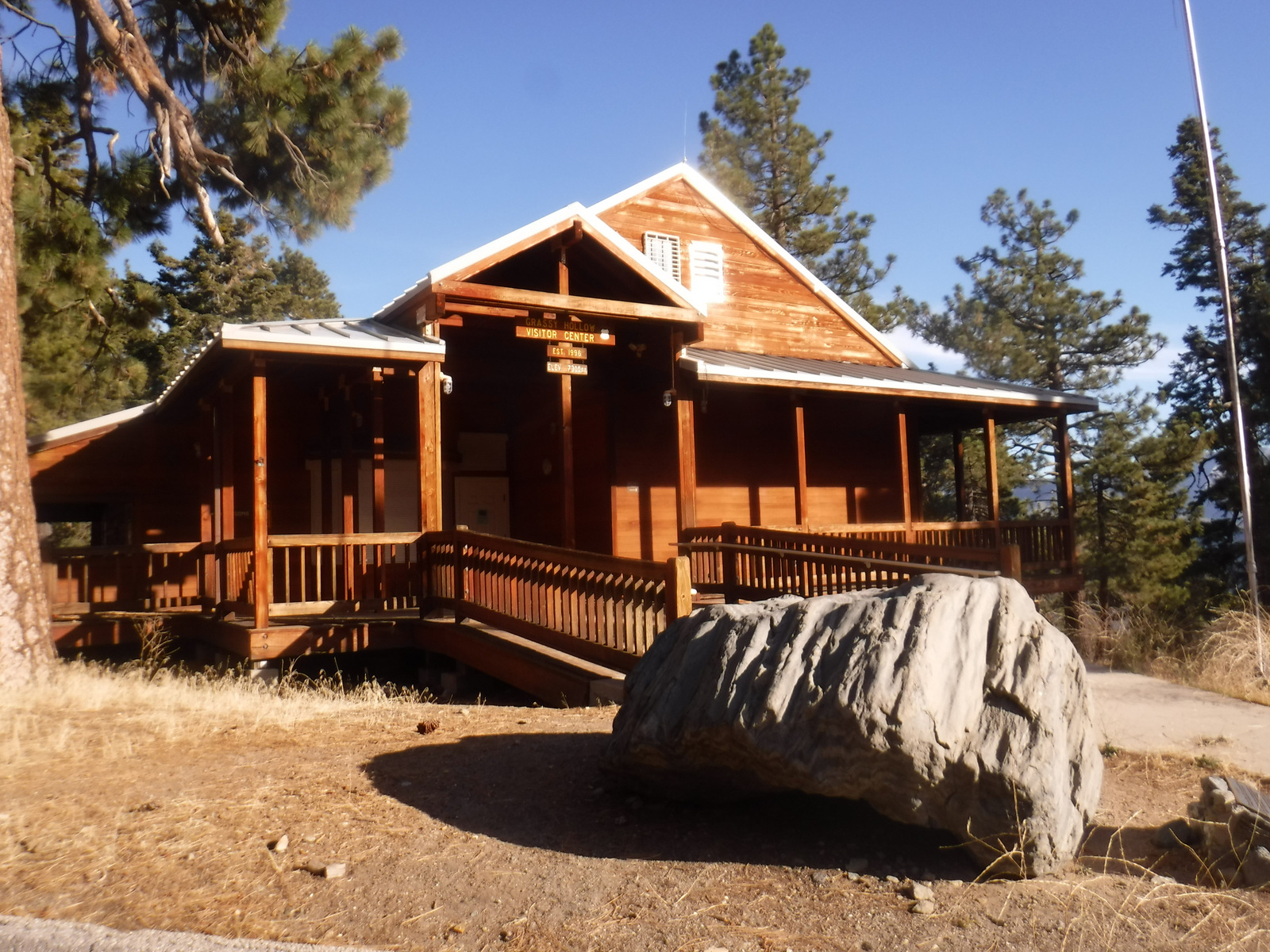
The 2,600-mile Pacific Crest National Scenic Trail cuts across much of the National Monument with easy access from Highway 2 at the Lightning Ridge Nature Trail and Grassy Hollow Visitor Center.  Other long trails include the Gabrielmo National Recreation Trail and High Desert National Recreation Trail.

Instagram-worthy Photo

Just west on Highway 2 from the Big Pines Visitor Center is Inspiration Point, which looks south at the often smoggy Los Angeles metropolitan area.

Peak Season

Spring and fall

Fees

An Adventure Pass is required to park at many trailheads.  The Forest Service also accepts all America the Beautiful Passes, which can be also used at National Park Service sites.

Road Conditions

The paved Angeles Crest Highway cuts through the National Monument and it used to go through to Glendale, but closed due to damage from the 2020 Bobcat Fire.

Camping

There are many campgrounds in Angeles National Forest, but we did not see any great places to do dispersed car camping when we drove through different portions of it (although we did not drive any dirt roads which is where they typically are found).

Wilderness Areas

Pleasant View Ridge Wilderness

San Gabriel Wilderness

Sheep Mountain Wilderness (also in San Bernardino National Forest)

Related Sites

Saint Francis Dam Disaster National Memorial and Monument (California)

Santa Monica Mountains National Recreation Area (California)

Santa Rosa and San Jacinto Mountains National Monument (California)

Nearest National Park

Channel Islands (California)

Explore More – The movement to preserve the San Gabriel Mountains began in 2003 with what Congresswoman initiating an environmental feasibility report?

Angeles National Forest

Angeles National Forest

California

Managed by U.S. Forest Service, Pacific Southwest Region

694,175 acres (668,887 federal/ 25,288 other)

Website: https://www.fs.usda.gov/angeles

Overview

Angeles National Forest is registered as a California Historical Landmark since it became the first protected woodland in the state as the San Gabriel Timberland Reserve in 1891.  It serves as a major recreation destination north of the Los Angeles metropolitan area with 697 miles of hiking trails, several lakes, and two alpine ski areas.  Most of the shrub and tree species are adapted to periodic fire and about one-quarter of the National Forest burned in the 2009 Station Fire and an additional 115,796 acres in the 2020 Bobcat Fire.

Highlights

San Gabriel Mountains National Monument, Saint Francis Dam Disaster National Memorial and Monument, Angeles Crest Highway, Crystal Lake Recreation Area, Mt. Wilson Observatory, Bouquet Reservoir, Mt. Baldy, San Antonio Falls, Gabrielino National Recreation Trail, High Desert National Recreation Trail, Pacific Crest National Scenic Trail

Must-Do Activity

Angeles Crest Highway (Highway 2) cuts through the San Gabriel Mountains National Monument, established in 2014.  Coming from the east, a good place to start is the Big Pines Visitor Center or the Grassy Hollow Visitor Center, both of which have short interpretive trails with signs identifying local species.  Further west, Saint Francis Dam Disaster National Memorial and Monument (est. 2019) commemorates the tragedy that cost at least 431 people their lives in 1928.  Watch in the coming weeks for blog posts specifically detailing these two National Monuments.

Best Trail

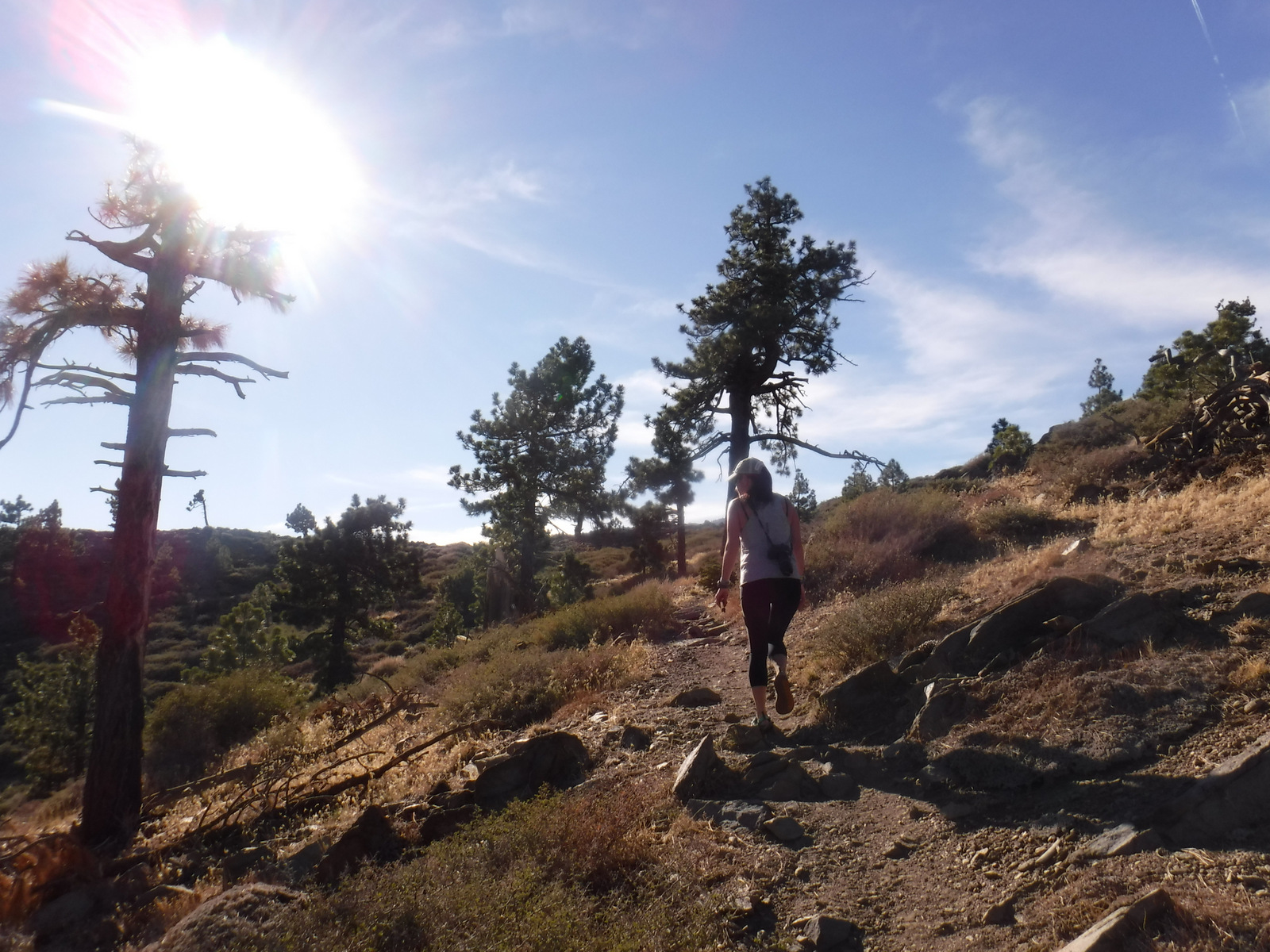
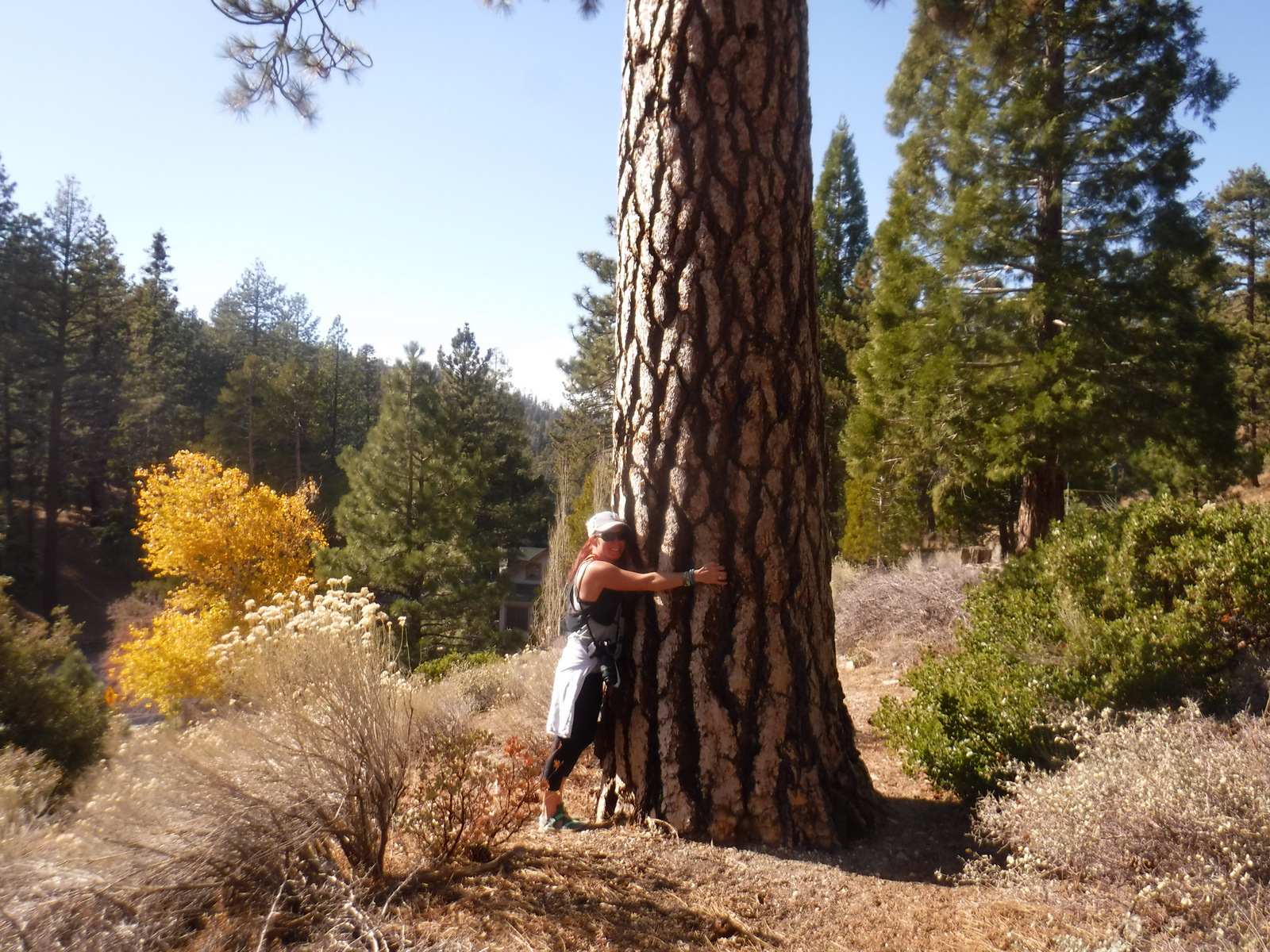
Across from Inspiration Point on Highway 2, there is a parking lot for Lightning Ridge Nature Trail.  The half-mile loop trail offers great panoramas of the surrounding mountains.  It even includes a portion of the 2,600-mile Pacific Crest National Scenic Trail.  Along the trail, my wife and I stopped to sniff the orange, platy bark of a Jeffrey pine for its pleasant vanilla scent, which brought back memories of our time spent living in California. 

Watchable Wildlife

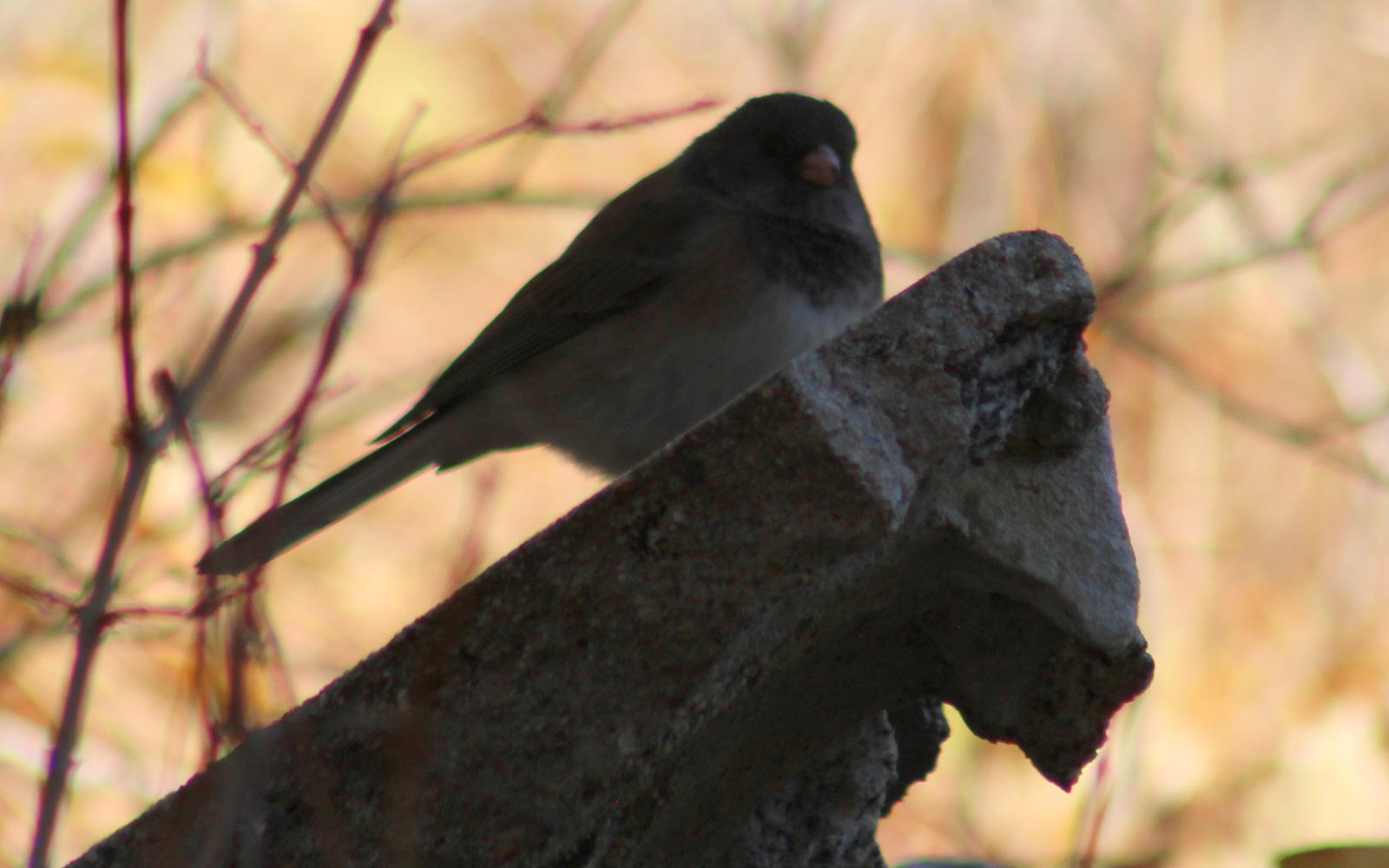
On our November visit, we first saw a western gray squirrel with an incredibly poofy tail atop the Big Pines Visitor Center.  On the Big Pines Interpretive Trail, we spotted dark-eyed juncos and Steller jays flitting about.  Despite its proximity to the city, there are even black bears, mountain lions, and bobcats in this National Forest.  You are more likely to come across coyotes, gray foxes, or mule deer.

Instagram-worthy Photo

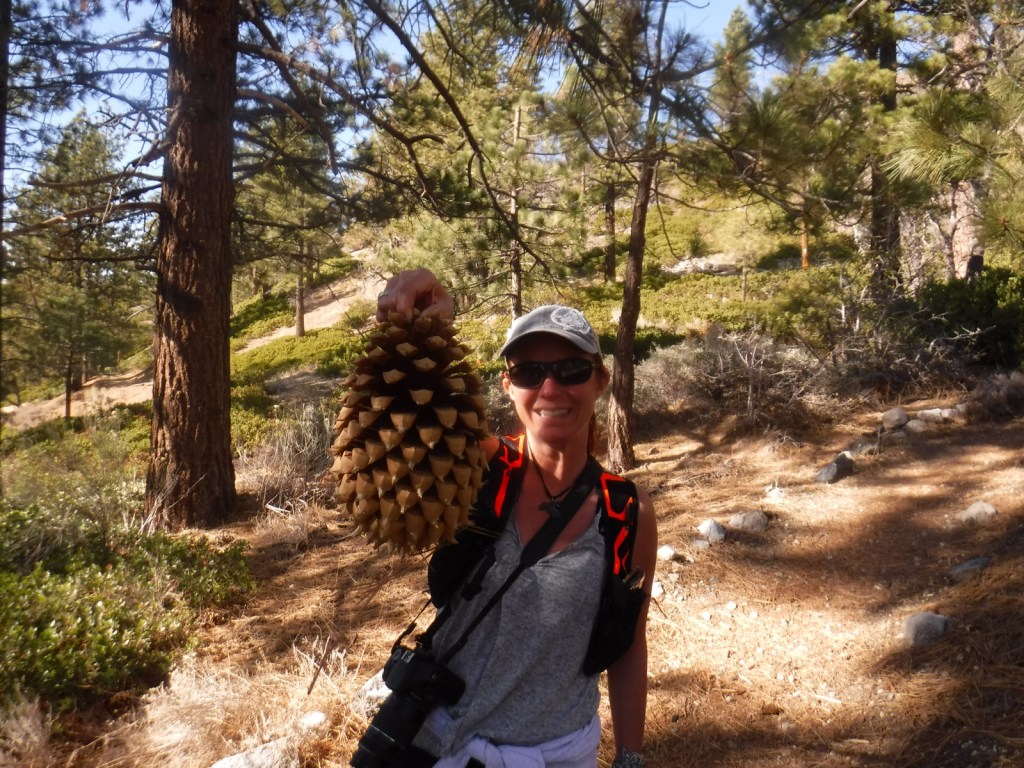
Many species commonly found in this National Forest are endemic to this region and grow nowhere else on Earth, including Coulter pine (famous for its massive pinecones that weigh up to 11 pounds).

Peak Season

Spring and fall

Fees

An Adventure Pass is required to park at many trailheads.  The Forest Service also accepts all America the Beautiful Passes, which can be also used at National Park Service sites.

Road Conditions

The paved Angeles Crest Highway cuts through San Gabriel Mountains National Monument and it used to go through to Glendale, but closed due to damage from the 2020 Bobcat Fire.

Camping

There are many campgrounds in the National Forest, but we did not see any great places to do dispersed car camping when we drove through different portions of it (although we did not drive any dirt roads which is where they typically are found).

Wilderness Areas

Cucamonga Wilderness (also in San Bernardino National Forest)

Magic Mountain Wilderness

Pleasant View Ridge Wilderness

San Gabriel Wilderness

Sheep Mountain Wilderness (also in San Bernardino National Forest)

Related Sites

Pinnacles National Park (California)

Santa Monica Mountains National Recreation Area (California)

César E. Chávez National Monument (California)

Nearest National Park

Channel Islands (California)

Conifer Tree Species

incense-cedar, bigcone Douglas-fir, Jeffrey pine, Coulter pine, knobcone pine, gray pine, lodgepole pine

Flowering Tree/Shrub Species

California black oak, canyon live oak, California walnut, serviceberry, western mountain-mahogany, California coffeeberry, cup-leaf ceonothus, flannel bush, Parry’s manzanita

Explore More – How long are the Gabrielino and High Desert National Recreation Trails?

Saint Francis Dam Disaster National Memorial and Monument

Saint Francis Dam Disaster National Memorial and Monument

California

Managed by U.S. Forest Service, Angeles National Forest

353 acres

Website: https://stfrancisdammemorial.org/

Overview

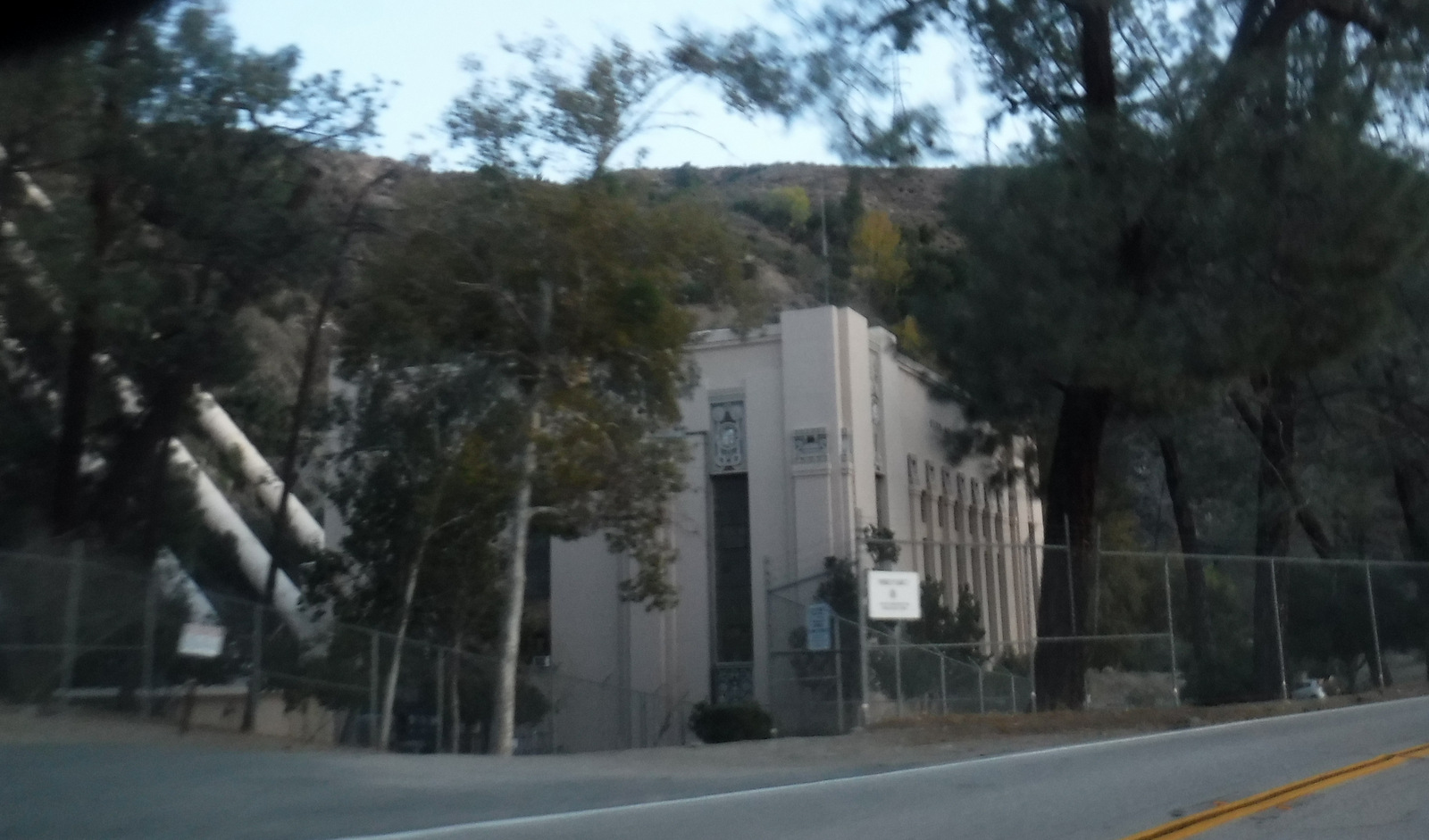
Saint Francis Dam Disaster National Memorial and Monument was authorized on March 12, 2019 to commemorate the 431 lives that were lost when an 185-foot-tall concrete gravity dam failed around midnight on the same date 91 years earlier. The death toll is second in the history of California to the 1906 earthquake in San Francisco.  Saint Francis Dam was only two years old when it failed, and other dams from that time period remain in use as part of the Los Angeles aqueduct system.  A detailed historical account of the disaster is available on Wikipedia. Currently, a California Historical Landmark is located 1.5 miles south at Powerhouse No. 2, but there is nothing developed at the actual site. In 2003 in Santa Paula, a memorial statue was erected featuring two motorcycle officers in honor of two heroes who warned sleeping residents of the impending flood, saving countless lives.

Know someone who loves exploring new National Monuments? Gift them our book Monumental America: Your Guide to All 138 National Monuments that is available for sale on Amazon.com.

Highlights

Ruins of dam, California Historical Landmark #919, Santa Paula Memorial

Must-Do Activity

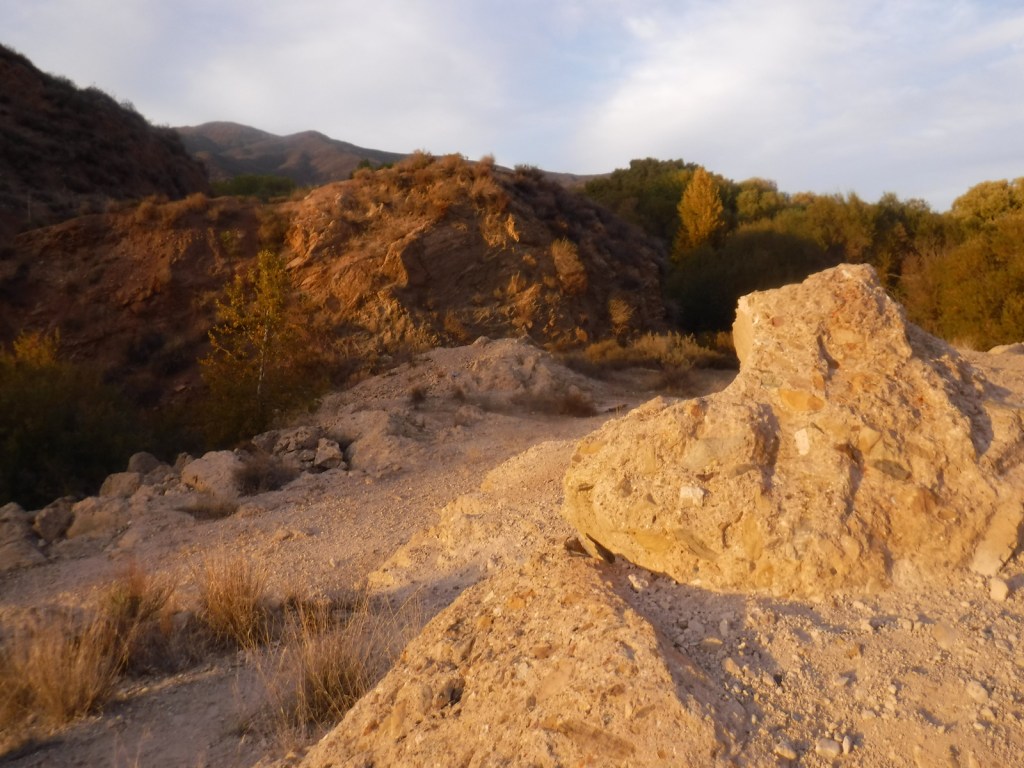
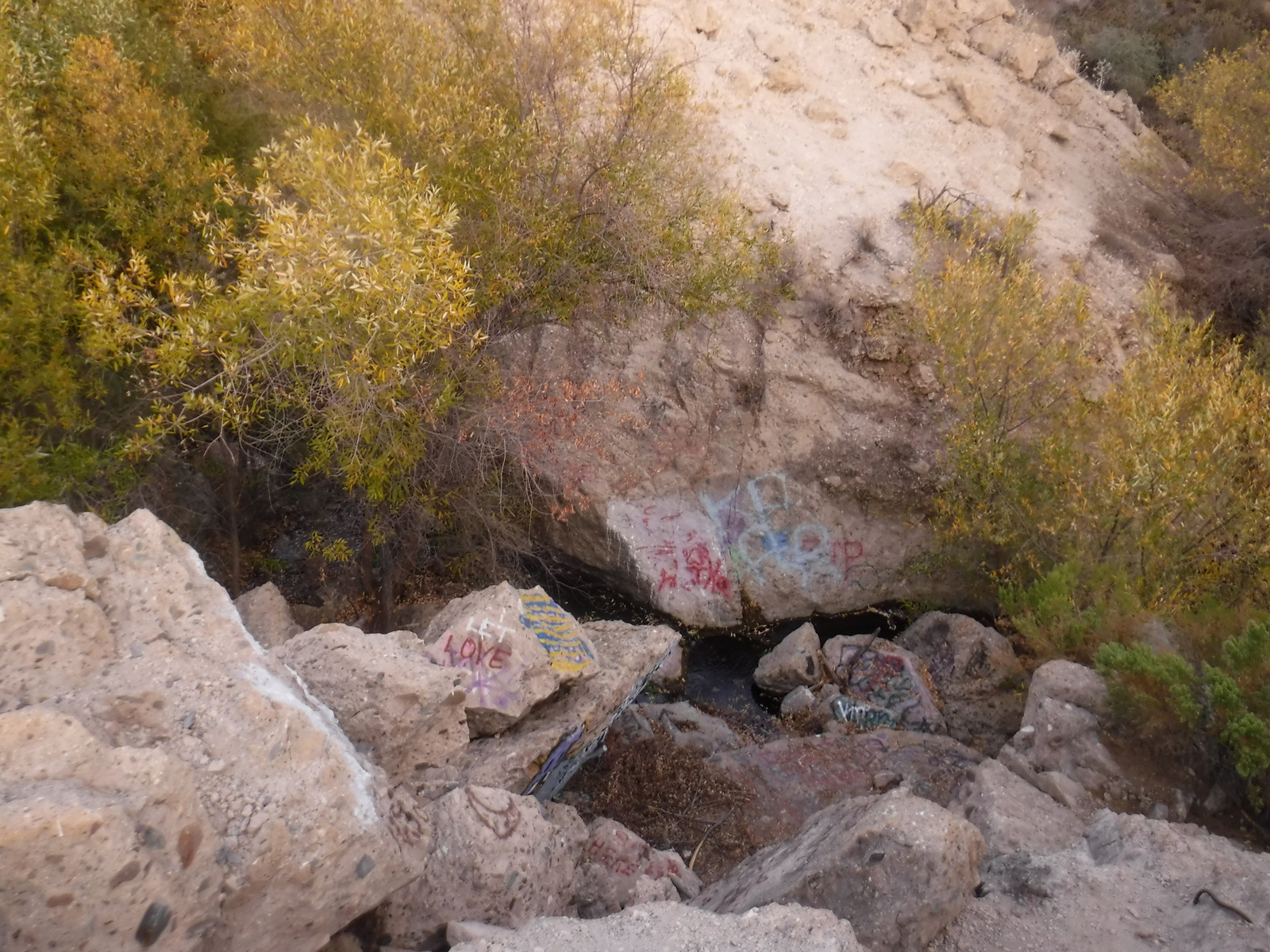
There are plans to build a National Memorial at the dam, but currently it is a pile of rubble heavily spray-painted by local teenagers.  After its fall in 1928, authorities further toppled the structure with dynamite, bulldozers, and jackhammers to discourage sightseers and souvenir hunters.  The site is located in a scenic canyon where the leaves were just turning yellow for winter during our mid-November visit.  It is less than a mile walk to the site from the unmarked pulloff on the east side of San Francisquito Canyon Road in Angeles National Forest.  The pathway is the heavily overgrown original roadbed that was abandoned after a storm in 2005 and it reeked of urine.  It will be interesting to see how the Forest Service cleans up the area in the future.

Best Trail

There is no official trail, and it is quite a steep drop from the paved remnants of old San Francisquito Canyon Road to the actual rubble pile down at creek level.

Photographic Opportunity

The dam disaster site is not much to look at right now, but there are some angles where you can avoid getting graffiti in your photo.

Peak Season

Spring and fall

Fees

None

Road Conditions

San Francisquito Canyon Road is paved, but exercise caution as there is currently no sign for the parking areas nor is there a turn lane on this high-speed two-lane highway.

Camping

There are numerous Forest Service campgrounds in the area, with Spunky Canyon and South Portal being the closest to the north.

Related Sites

Santa Gabriel Mountains National Recreation Area (California)

Santa Monica Mountains National Recreation Area (California)

Sand to Snow National Monument (California)

Nearest National Park

Channel Islands (California)

Explore More – How many billions of gallons of water were released when the St. Francis Dam failed in 1928?

Learn more about the other 137 National Monuments in our book Monumental America: Your Guide to All 138 National Monuments