All posts by Raven About The Parks

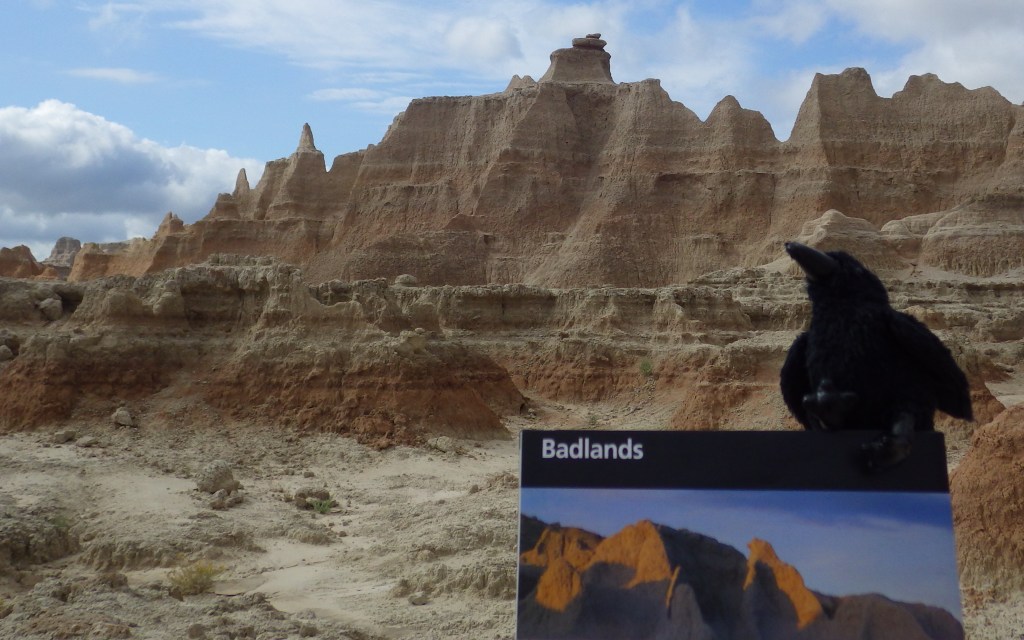
Badlands National Park

Overview

Badlands National Park is known for its fossils, but not all of the mammals here are extinct.  Bison and bighorn sheep were reintroduced to the park, in addition to common prairie residents that include pronghorn, mule deer, prairie dogs, and coyotes.

Highlights

Door Trail, Notch Trail, Conata Basin, Sage Creek Road

Must-Do Activity

Driving the dirt road back to the free Sage Creek Primitive Campground, you will likely encounter a roaming bison herd and several prairie dog towns.  Bighorn sheep and pronghorn can also be found near the road.

Best Trail

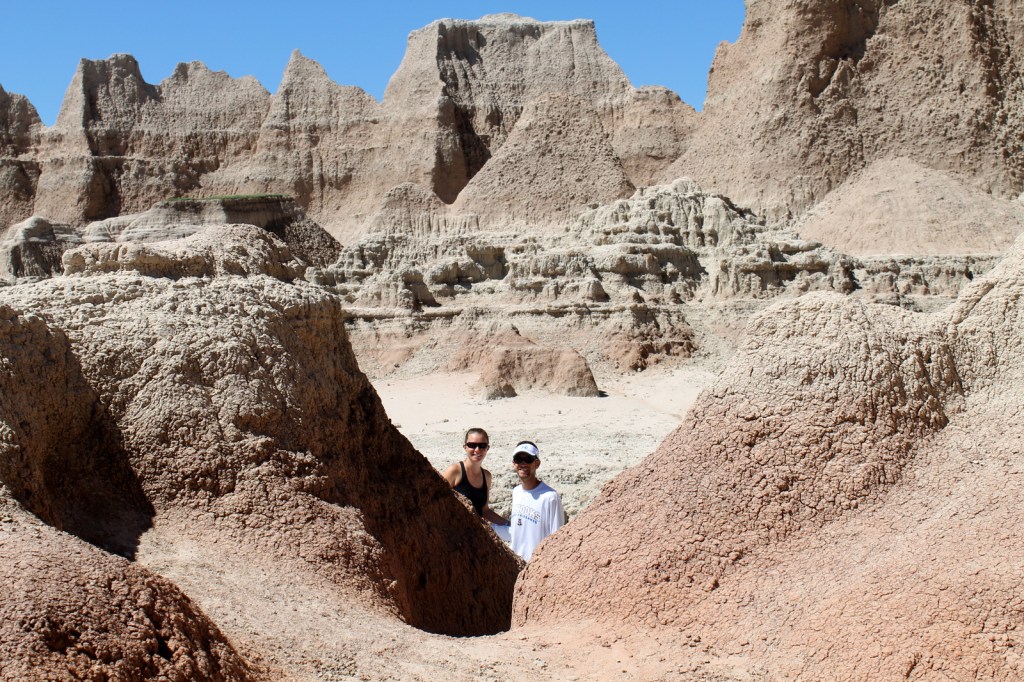
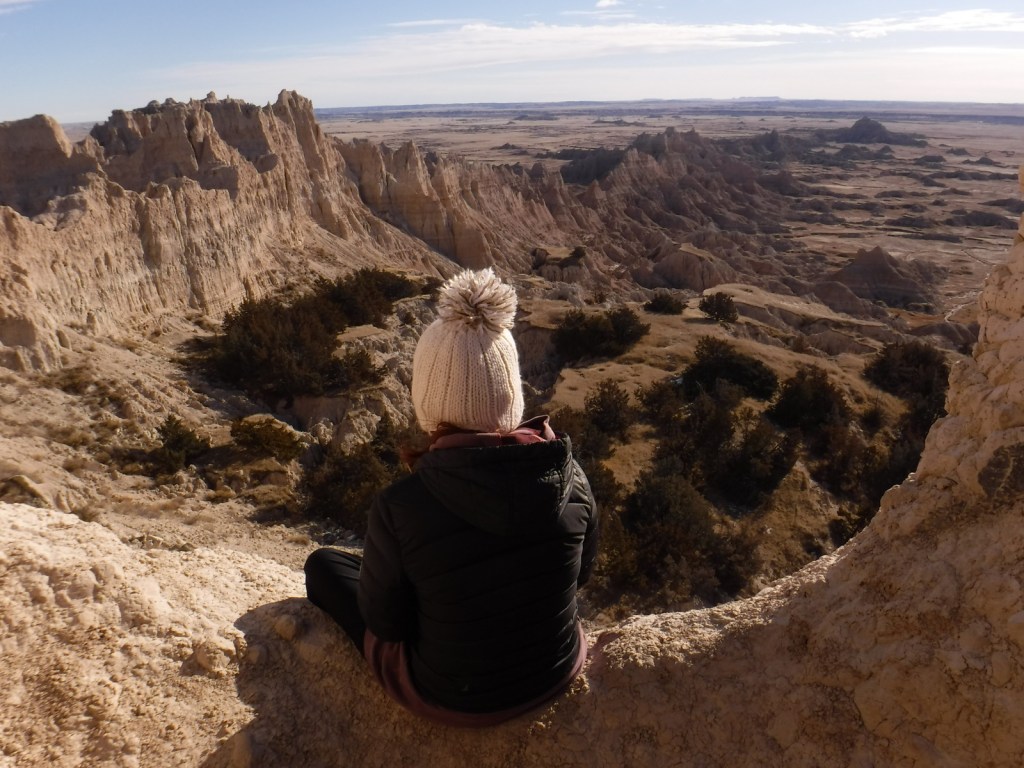
The Notch Trail is only 1.5 miles in and out, but is an adventure with a large ladder, badlands, cliffs, and an excellent overlook at the end.

Instagram-worthy Photo

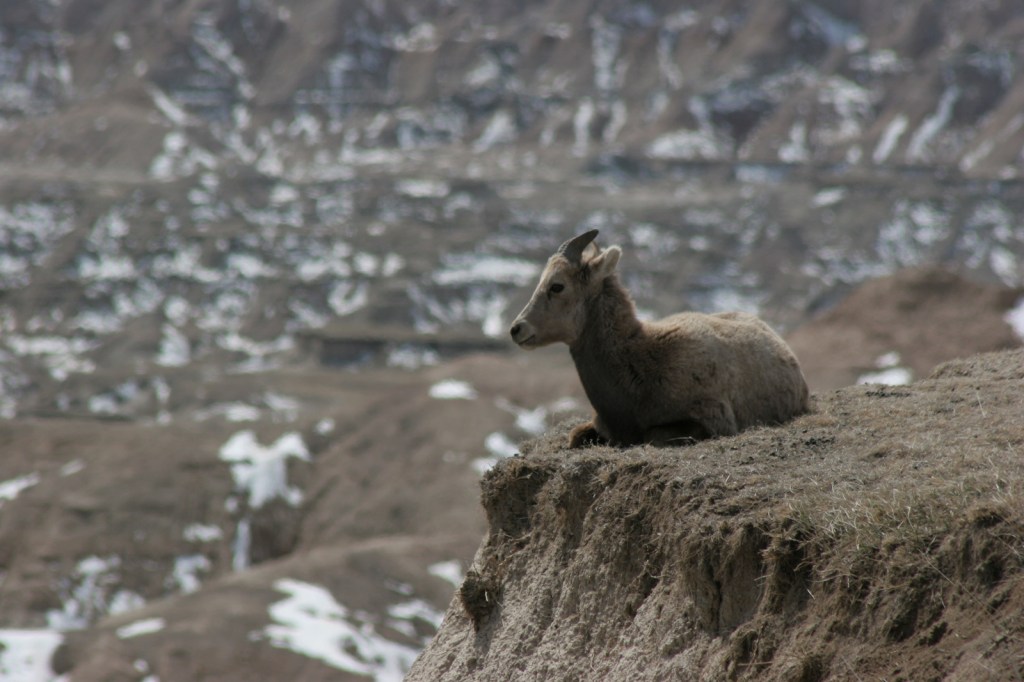
Bighorn sheep, many with large curling horns, seem to pose atop the badlands formations, especially around the Pinnacles Overlook.

A big horn sheep in Badlands National Park

Peak Season

Summer, but we prefer the fall when it is less crowded, especially in Sage Creek Primitive Campground.

Hours

https://www.nps.gov/badl/planyourvisit/hours.htm

Fees

$25 per vehicle or America The Beautiful pass

Road Conditions

Badlands Loop Road is paved, and Sage Creek Road and Conata Road are both graded and passable to all vehicles.  Sheep Mountain Table Road in the Stronghold Unit may be more difficult when wet, but otherwise does not require four-wheel drive as designated on the park map.

Camping

Cedar Pass Campground has RV sites and the free Sage Creek Primitive Campground is located down a good dirt road on the west side of the park. Backpacking is free and only requires registration at the trailhead.


This design we created to celebrate Badlands National Park is available on a variety of products at Cafe Press and Amazon.

Explore More – How many endangered black-footed ferrets were reintroduced to the park in 1994?

We are a participant in the Amazon Services LLC Associates Program, an affiliate advertising program designed to provide a means for us to earn fees by linking to Amazon.com and affiliated sites.

San Antonio Missions National Historical Park

Overview

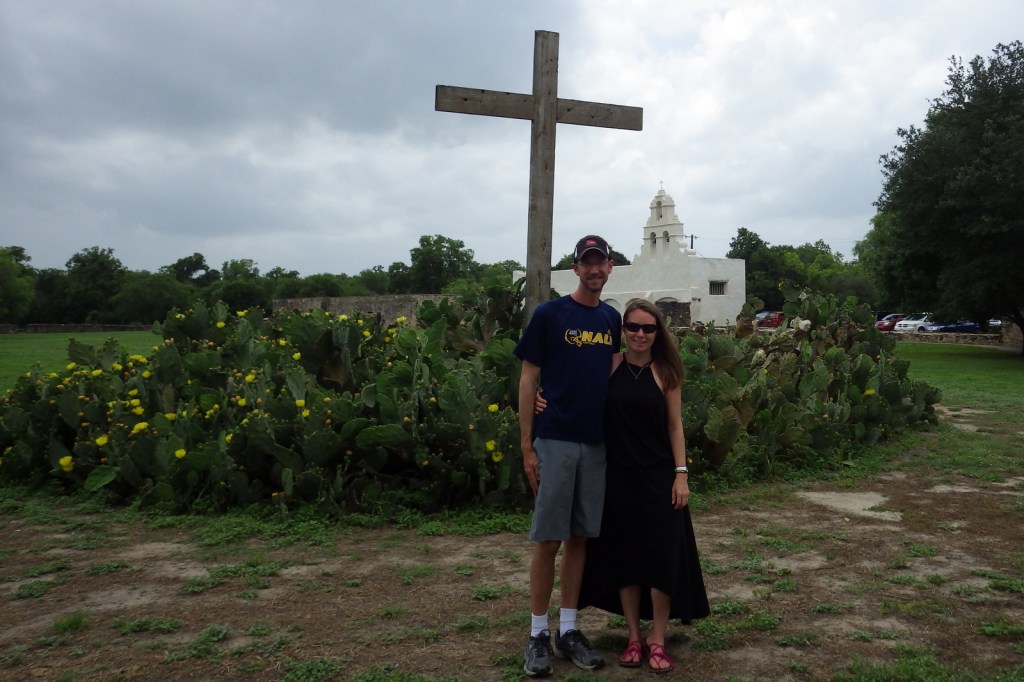
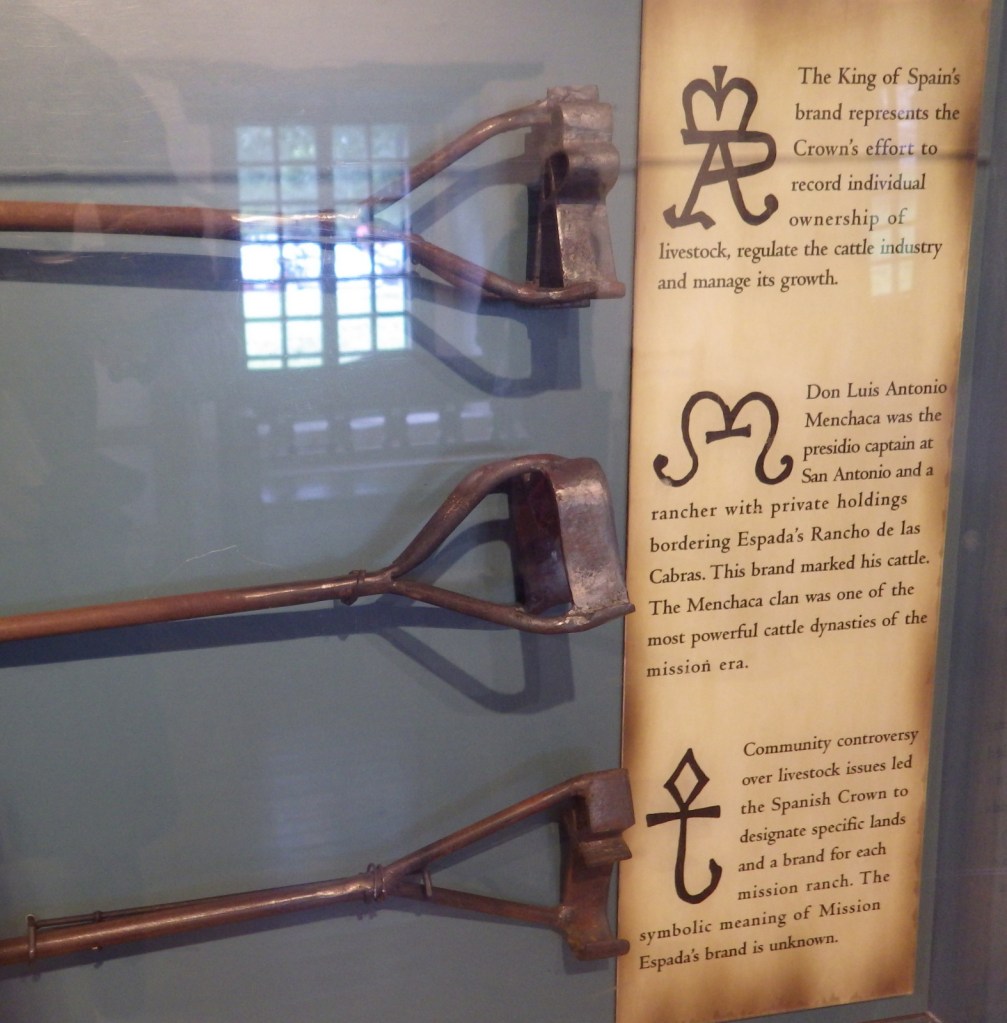
This park protects four historic Spanish missions around San Antonio, Texas, but does not include the famous Alamo (managed by the Daughters of the Republic of Texas).  Construction began in 1718 and by 1824 secularization was complete and land was distributed among the converted natives.  In 2015, these five missions along the San Antonio River were designated a UNESCO World Heritage Site.

Highlights

1720 Mission San José, 1755 Mission Concepción, 1731 Mission Espada, 1731 Mission San Juan Capistrano

Must-Do Activity

At the farthest south of the four missions (San Francisco de la Espada) there is also an interesting acequia system that includes an aqueduct, ditches, and a dam built in 1745, all of which are still used for irrigation purposes.  Mission San Juan Capistrano is covered in white stucco the way they all would have been historically.  Mission Concepción is the farthest north of the four missions and we thought it had the prettiest interior.

Best Trail

San Antonio’s famous River Walk Trail continues from the downtown area all the way south to Mission Espada, not to be confused with the signed Mission Trail driving route.

Instagram-worthy Photo

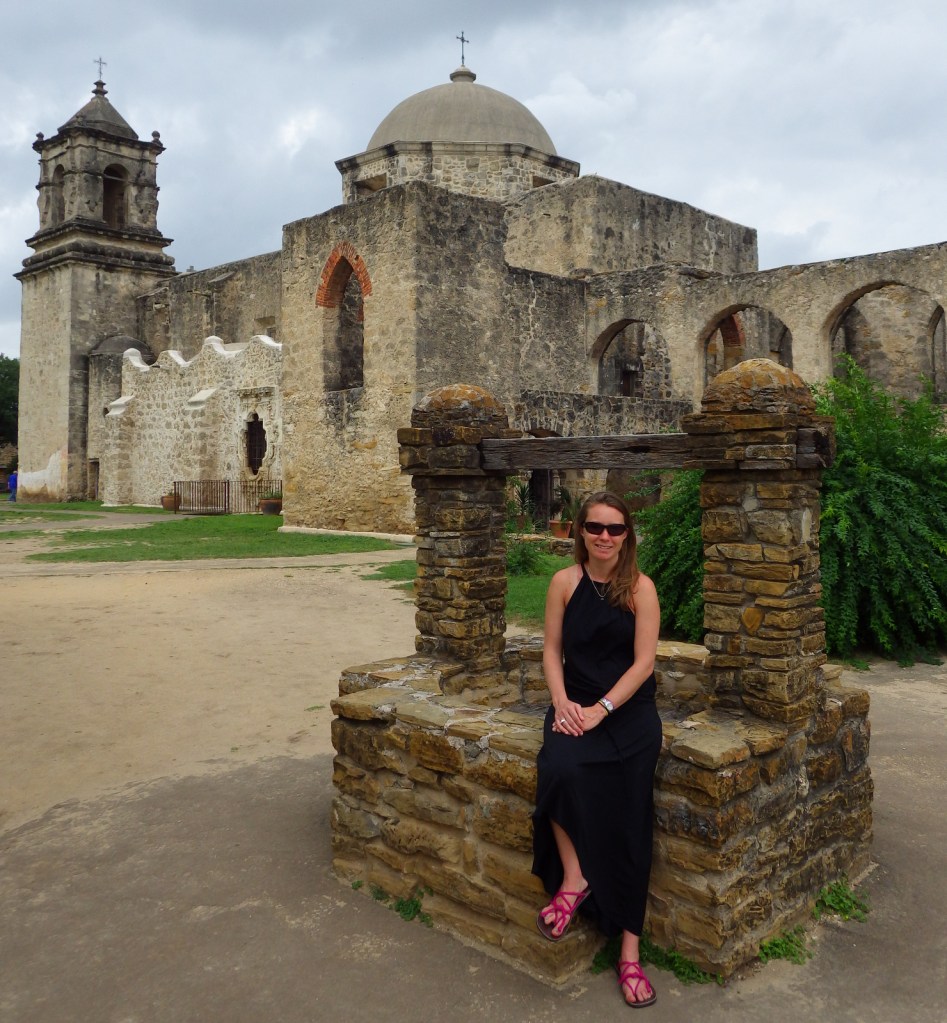
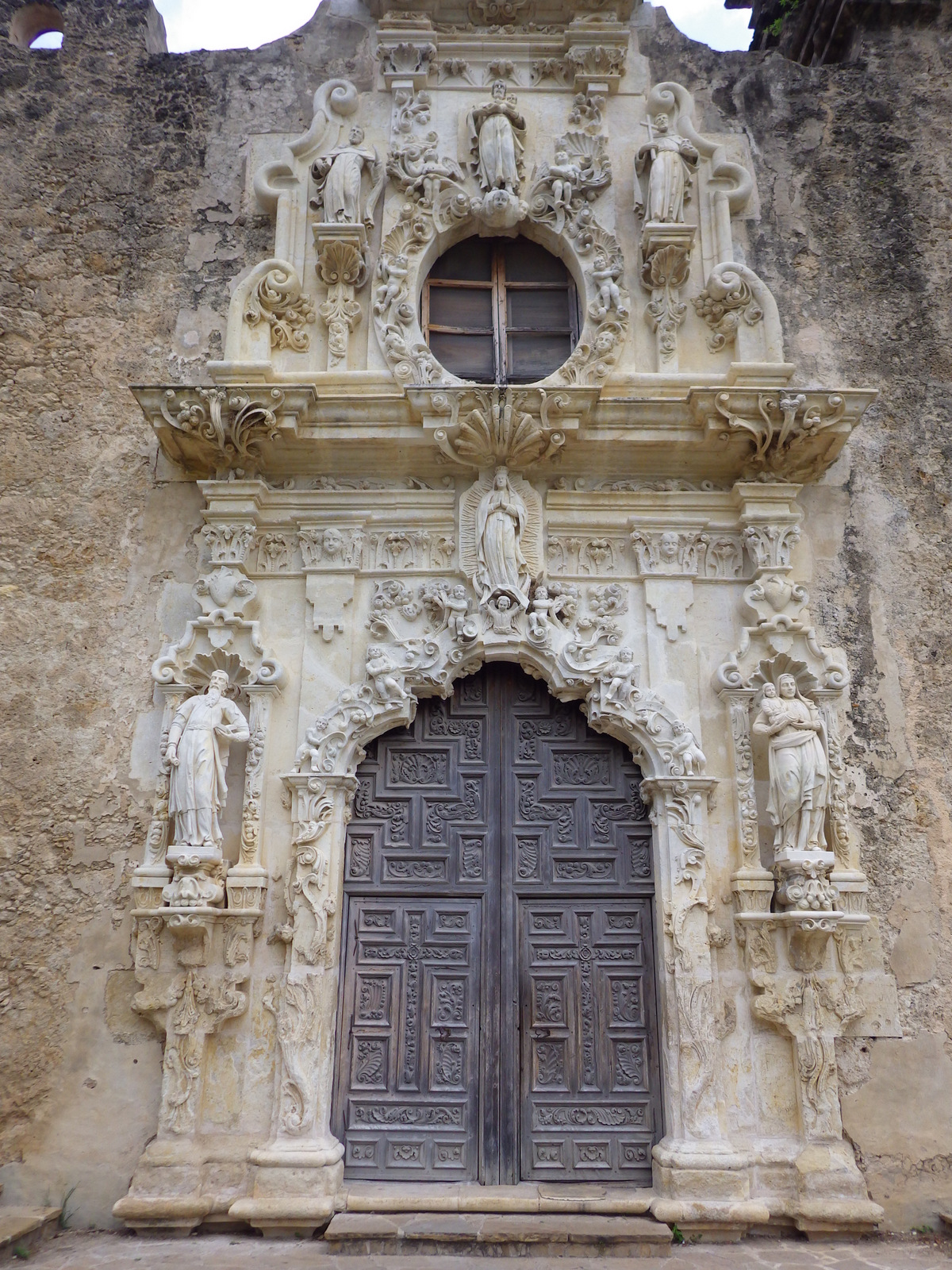
The beautifully preserved San José y San Miguel de Aguayo Mission dates back to 1720.  Today this large village complex is a popular location for wedding and graduation photos. 

Peak Season

Spring

Hours

https://www.nps.gov/saan/planyourvisit/hours.htm

Fees

None

Road Conditions

All roads paved with designated NPS parking lots.

Camping

None

Explore More – What is the historic mission name for the Alamo?

We are a participant in the Amazon Services LLC Associates Program, an affiliate advertising program designed to provide a means for us to earn fees by linking to Amazon.com and affiliated sites.

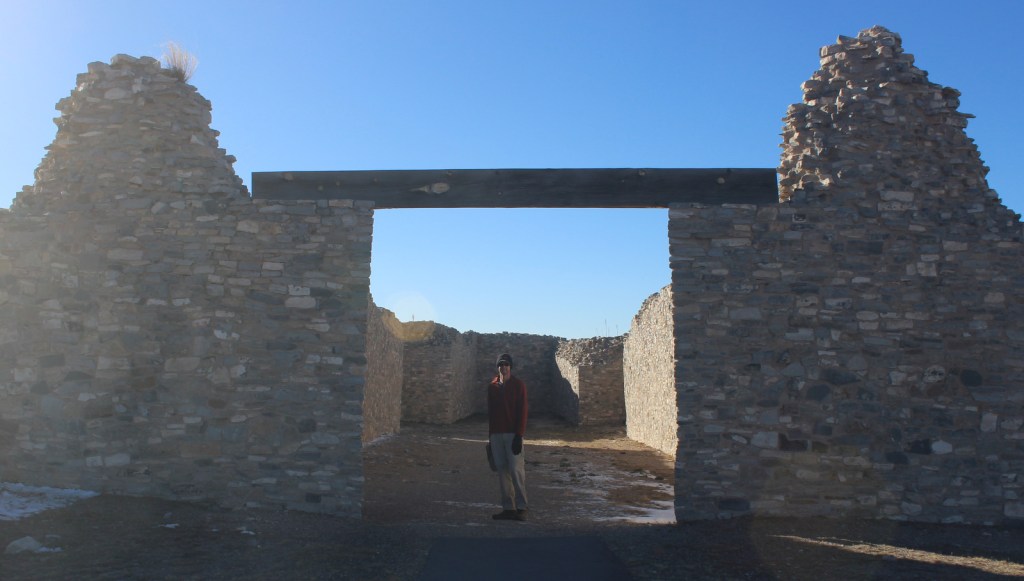
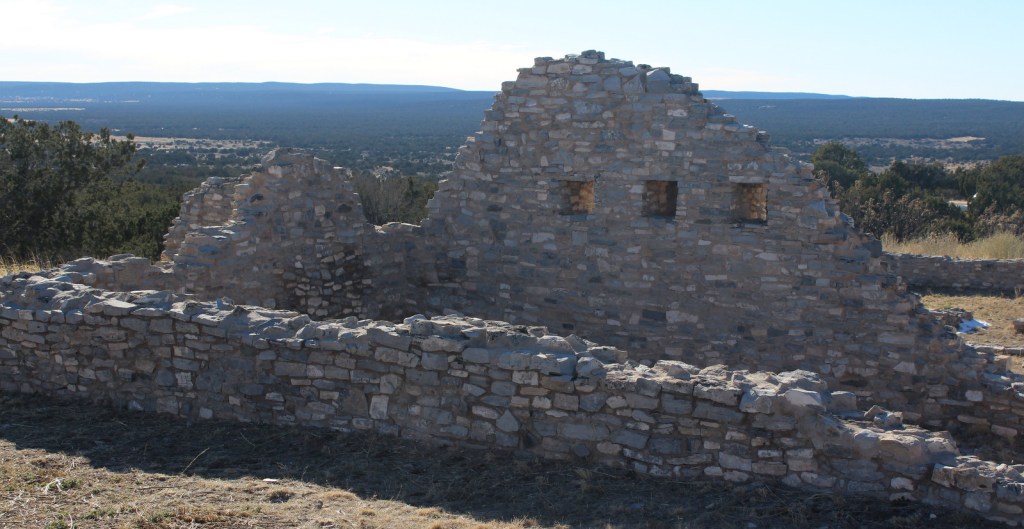
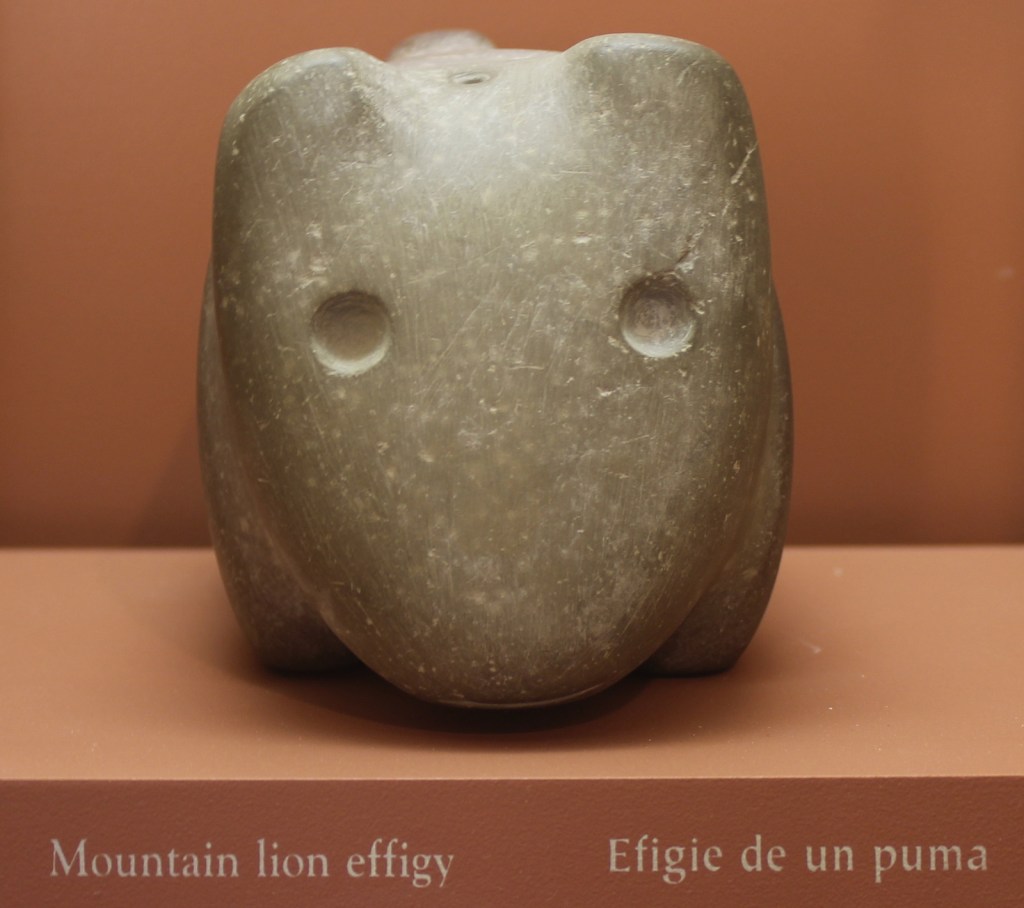
Salinas Pueblo Missions National Monument

Overview

This interesting National Monument protects three separate Spanish missions that date to the 1600s, though its main visitor center in Mountainair, New Mexico is not next to any of them.  Their location near salt flats led to the name Salinas and contributed to the pueblos’ abandonment when a major drought struck in the 1670s.

Highlights

Gran Quivira, Quarai, Abó, film at main visitor center

Must-Do Activity

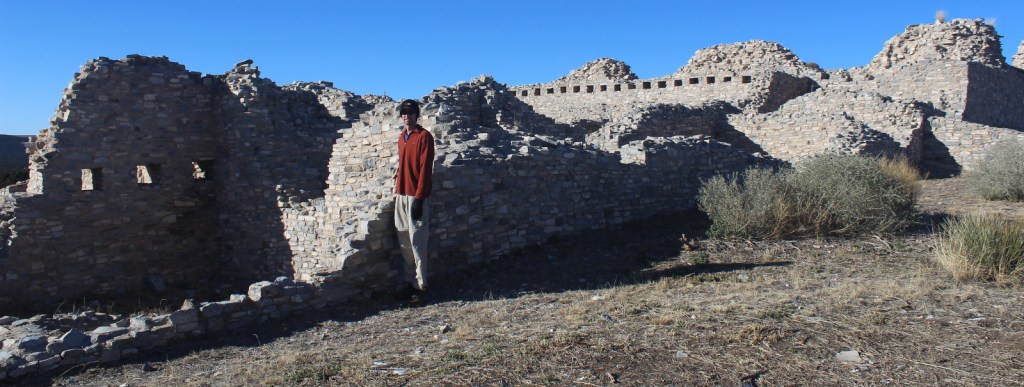
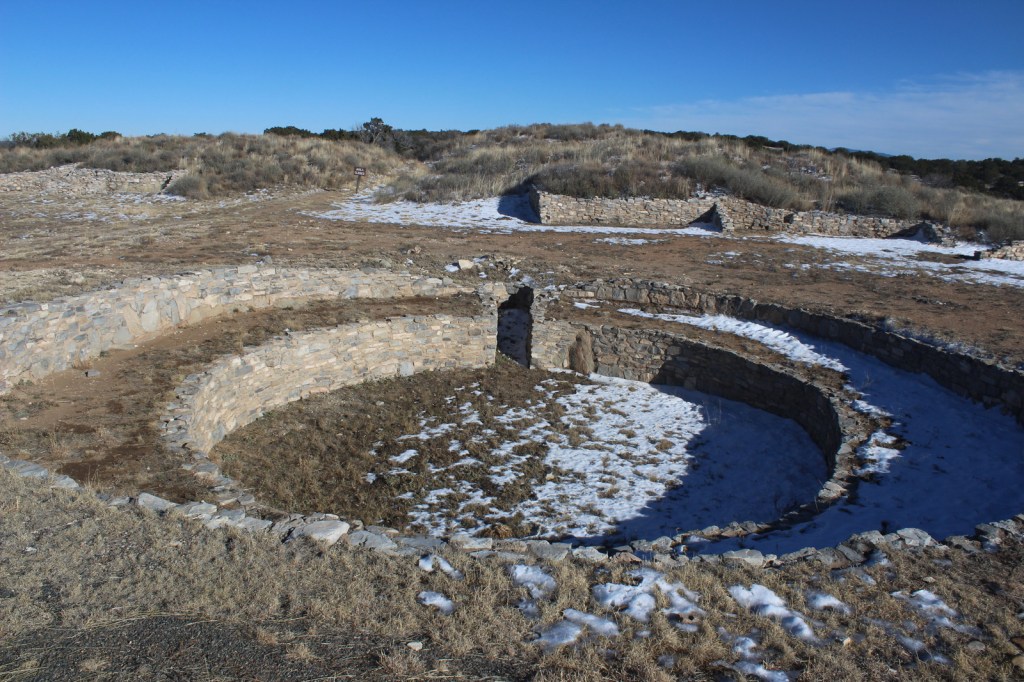
Gran Quivira has the remains of two churches (the second unfinished at the time of abandonment) and the most significantly excavated pueblo ruins (with kivas) of the three sites.

Best Trail

Each of the three pueblos has a paved walkway that leads through its ruins that leaves from the parking lot and past its contact station staffed by a National Park Service employee. 

Instagram-worthy Photo

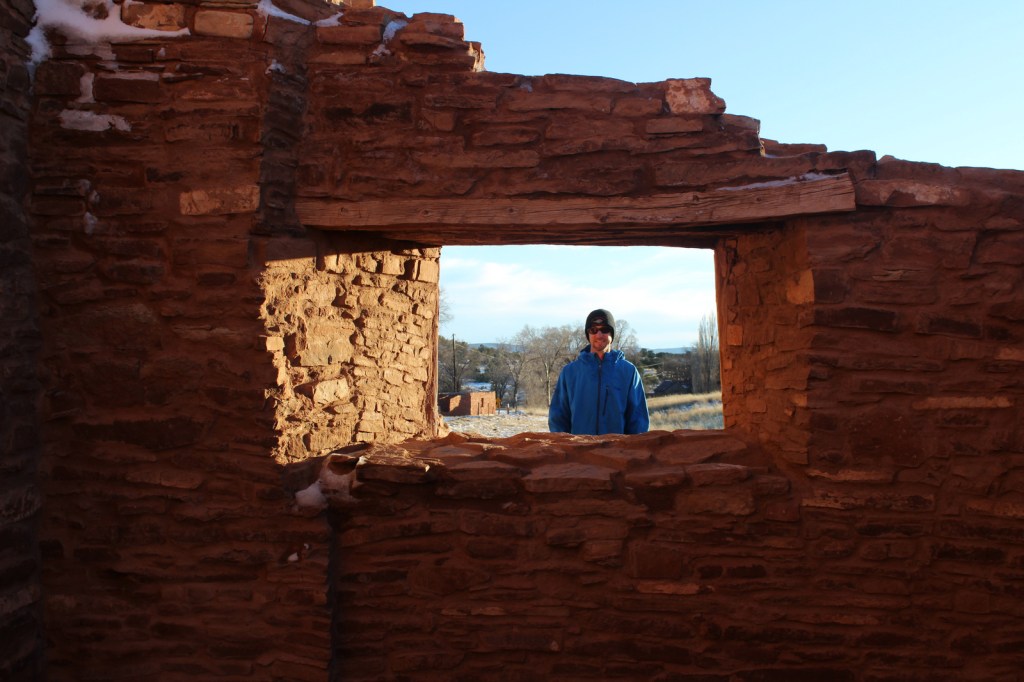
The church at Quarai is the most complete of the three sites and its red walls photograph well at sunset.

Peak Season

Spring and Fall

Hours

https://www.nps.gov/sapu/planyourvisit/hours.htm

Fees

None

Road Conditions

All roads paved

Camping

Manzano Mountains State Park has a seasonal campground 15 miles north of Mountainair, New Mexico.

Explore More – Other than the major drought in the 1670s, what other factors contributed to the abandonment of these pueblos?

Tumacácori National Historical Park

Overview

South of Tucson in Tubac, Arizona, San Cayetano de Tumacácori is a Spanish mission founded in 1691 by Padre Kino and abandoned in 1848.  It became a National Monument in 1908 when it was restored to its ruined state based on photographs dating from 1868.  Two additional mission ruins were added when it became a National Historical Park in 1990, but they are not open to the public except on special ranger-led tours January through March.

Highlights

Historic mission, historic museum (built in 1937)

Must-Do Activity

Jesuits, like the famous Padre Eusebio Kino, established more than 20 missions in this part of the Sonoran Desert in the late-1600s.  Some of the Pimas they were “serving” attacked in 1751, leading to the move of Tumacácori to its current location and the establishment of Tubac Presidio (now a State Park).   Mexico gained its independence from Spain in 1821 and the final phase of construction on the mission began two years later.  In 1853, the Gadsden Purchase brought this region into the United States of America.  When you visit the ruins of Tumacácori, consider a trip north to beautiful San Xavier del Bac, which is still an active church.

Best Trail

A 4-mile portion of the Juan Bautista de Anza National Historic Trail connects Tumacácori with Tubac Presidio State Historic Park, which offers a museum and an underground archaeological display.

Instagram-worthy Photo

At the end of the day in the winter months, trees surrounding the mission cast interesting shadows on its stucco walls.

Peak Season

Winter

Hours

https://www.nps.gov/tuma/planyourvisit/hours.htm

Fees

$7 per person or America the Beautiful pass

Road Conditions

All roads paved

Camping

Patagonia Lake State Park has more than 200 campsites northeast of Nogales, Arizona.

Explore More – Why was the Jesuit order expelled in 1767 and their missions assigned to Franciscan friars?

Top 10 Blog Posts from Our First 100

To celebrate reaching the milestone of our first 100 blog posts, we are linking to our top 10 posts based on number of page views and personal favorites.  Thank you to our readers for continuing to inspire us to visit new National Park Service (NPS) units and share the wonders with you all.  We are heading to the U.S. Virgin Islands in less than two weeks and we will visit all 5 NPS sites there.

Our first hardcopy guidebook to the National Parks was released in November 2019!

10. Guadalupe Mountains National Park

9. Apostle Islands National Lakeshore

8. Organ Pipe Cactus National Monument

7. Wrangell-St. Elias National Park and Preserve

6. Grand Portage National Monument

5. Lake Chelan National Recreation Area

4. City of Rocks National Reserve

3. Sleeping Bear Dunes National Lakeshore

2. Appalachian National Scenic Trail

…and finally the #1 most popular blog post from our first 100:

1. Capitol Reef National Park

Honorable Mention

Indiana Dunes National Park (renamed February 15, 2019)