All posts by Raven About The Parks

Colonial National Historical Park

Overview

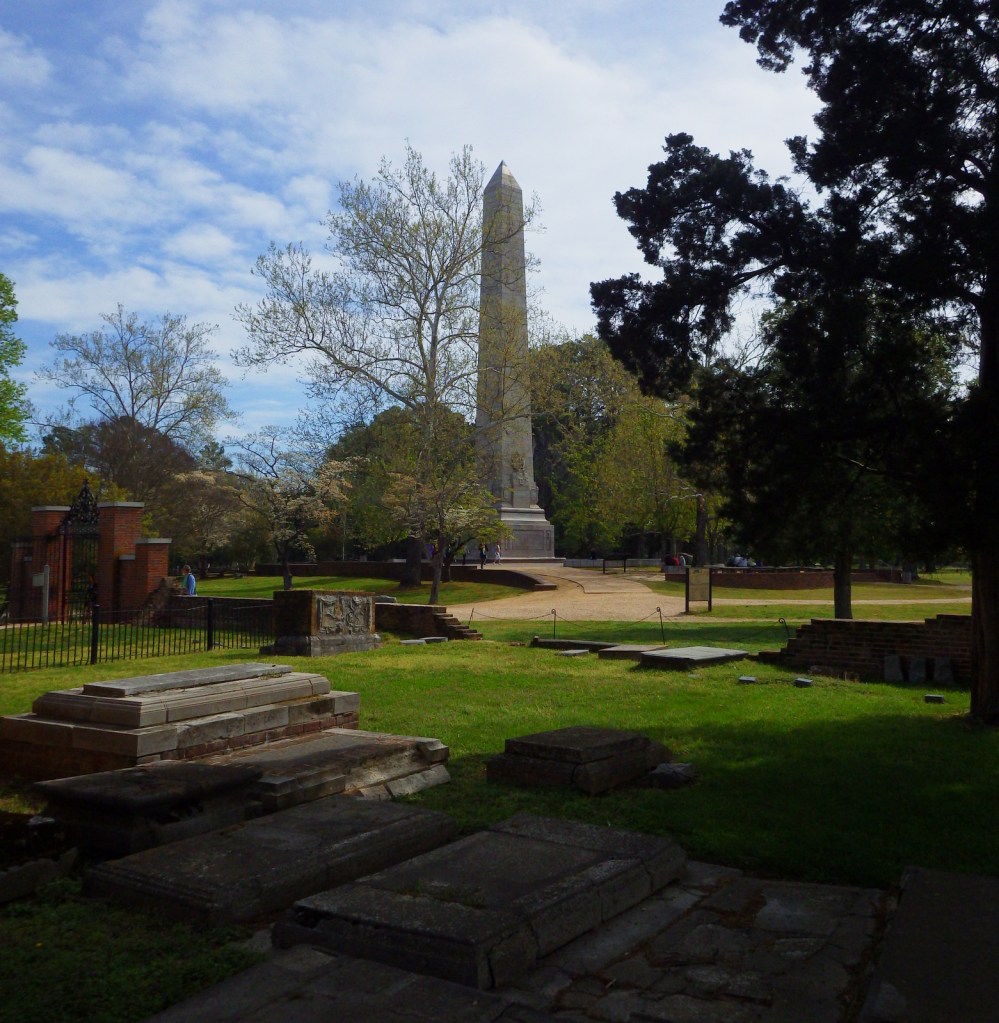
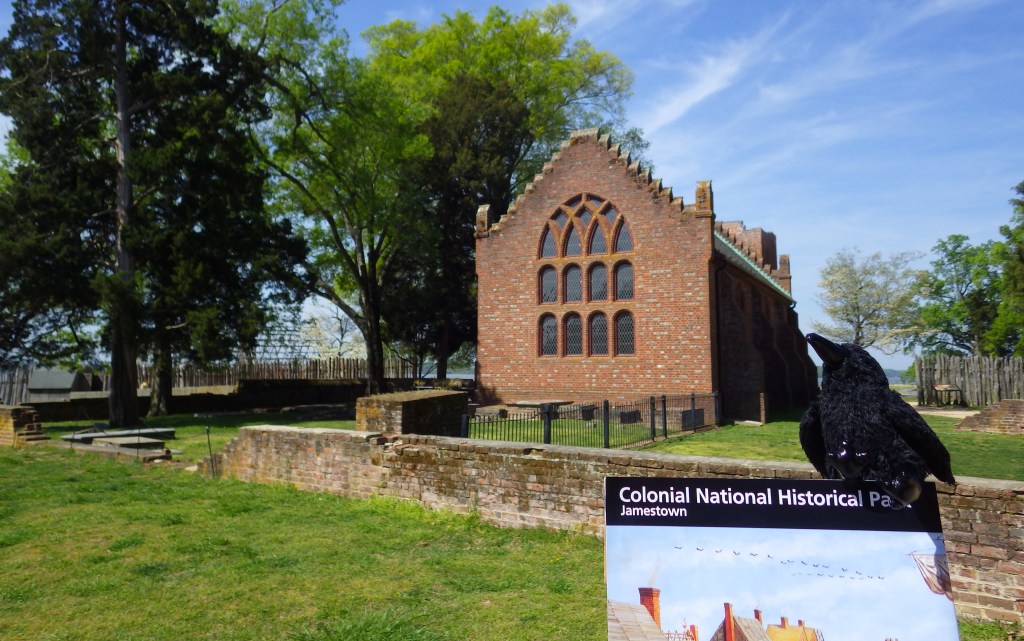
Jamestown and Yorktown, Virginia are linked by the 23-mile Colonial Parkway, which passes through the well-known tourist attraction of Colonial Williamsburg.  After the colony of Fort Raleigh proved a disaster, it was not until 1607 that the first successful English settlement was founded at Jamestown, Virginia.  On October 18, 1781, General Charles Cornwallis surrendered his British troops at Yorktown, effectively ending the Revolutionary War.  Though it was more than two years before a peace settlement was reached and General George Washington was able to march back into New York City, from where he retreated in 1776. 
Highlights

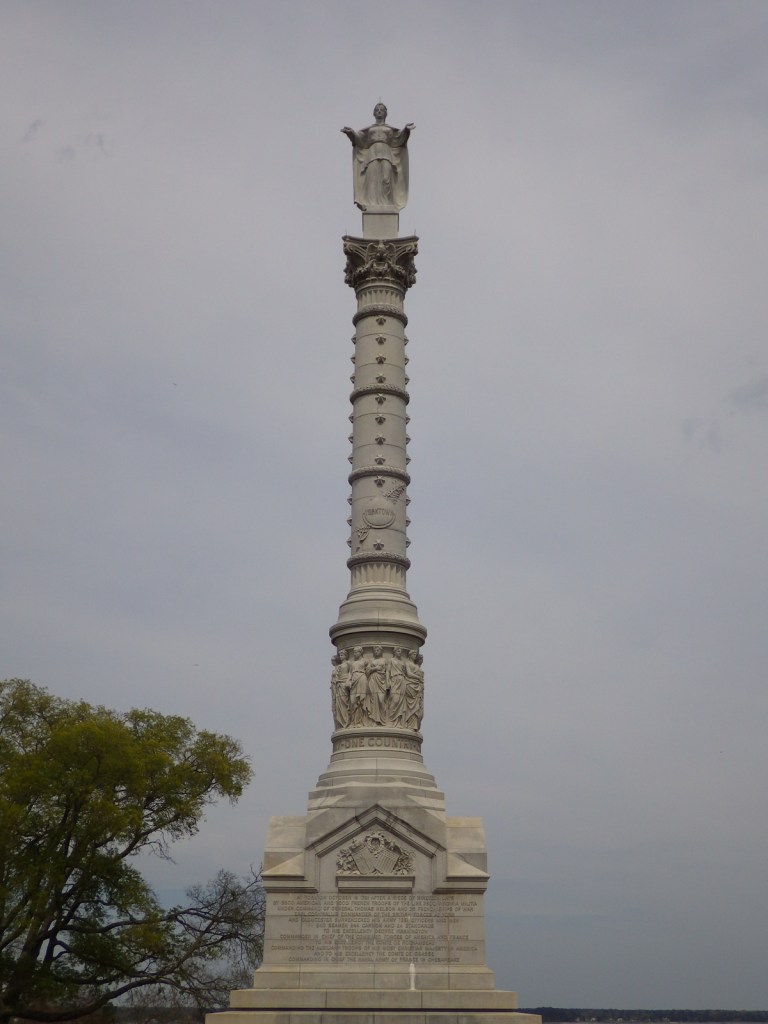
Historic structures, Voorhees Archaearium, glass blowing demonstrations, French ship replica, cannons, historic trails, Yorktown Victory Monument

Must-Do Activity

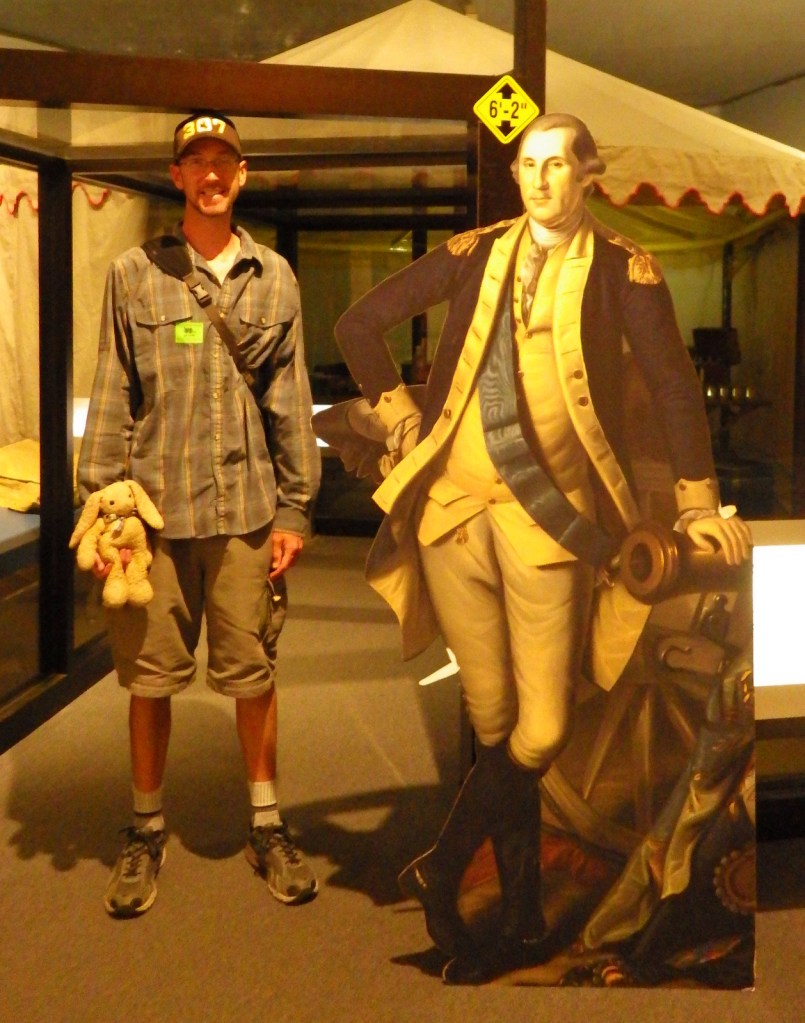
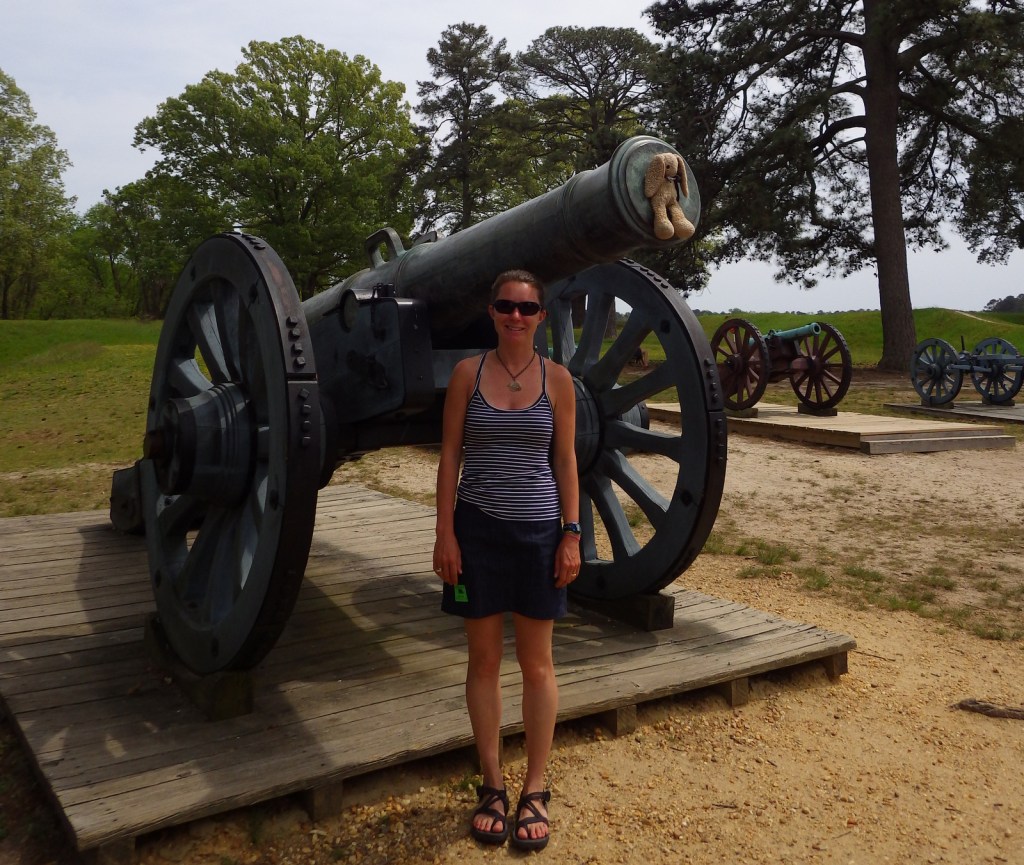
Remember back in 1777 in the aftermath of the battles of Saratoga when the French said they would help kick the British out of the 13 colonies?  Well, not much happened until nearly four years later when Admiral de Grasse defeated the British fleet at the mouth of the Chesapeake Bay.  The ships were unable to resupply General Charles Cornwallis’ troops at Yorktown, who then faced a siege by the combined American and French forces.  Inside the National Park Service visitor center at Yorktown is a replica of a French ship that you can walk aboard without getting seasick.  It also has a replica of General George Washington’s battlefield tent.  Outside, cannons abound along the auto tour.

Best Trail

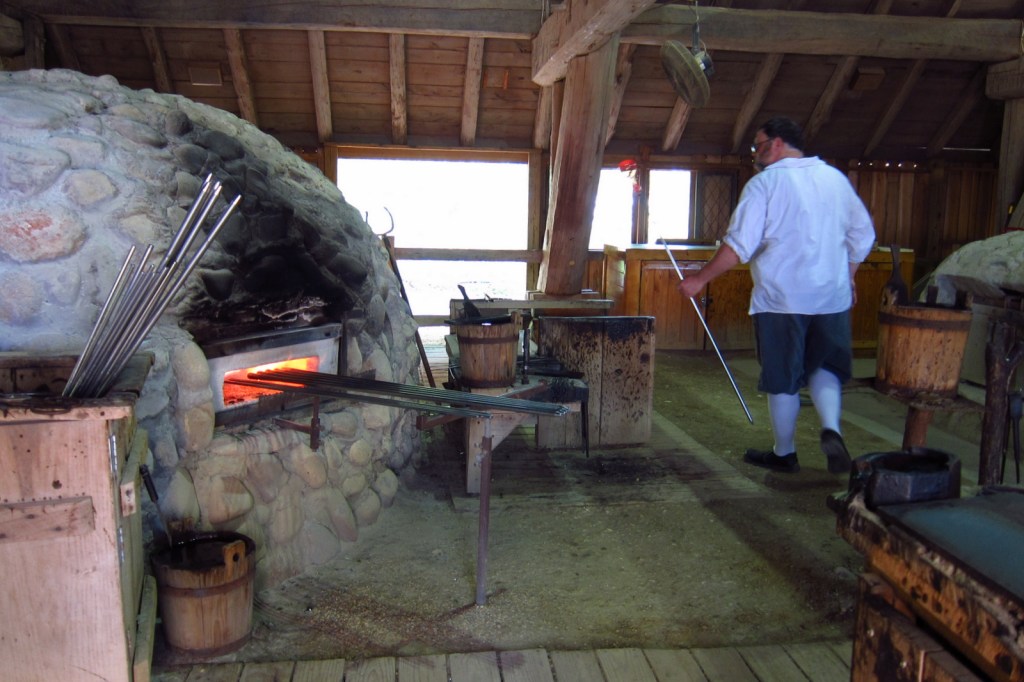
Five miles of trails wind through Old Towne and New Towne in Jamestown, Virginia.  There is an entry fee charged, since most of this section of the park is run by the non-profit organization Preservation Virginia.  This includes admission to the excellent Voorhees Archaearium, a museum built atop the foundation of the historic statehouse.  Do not miss the reproduction glassblowing house.  This area also contains portions of the Washington-Rochambeau Revolutionary War National Historic Trail and Captain John Smith Chesapeake National Historic Trail.

Instagram-worthy Photo

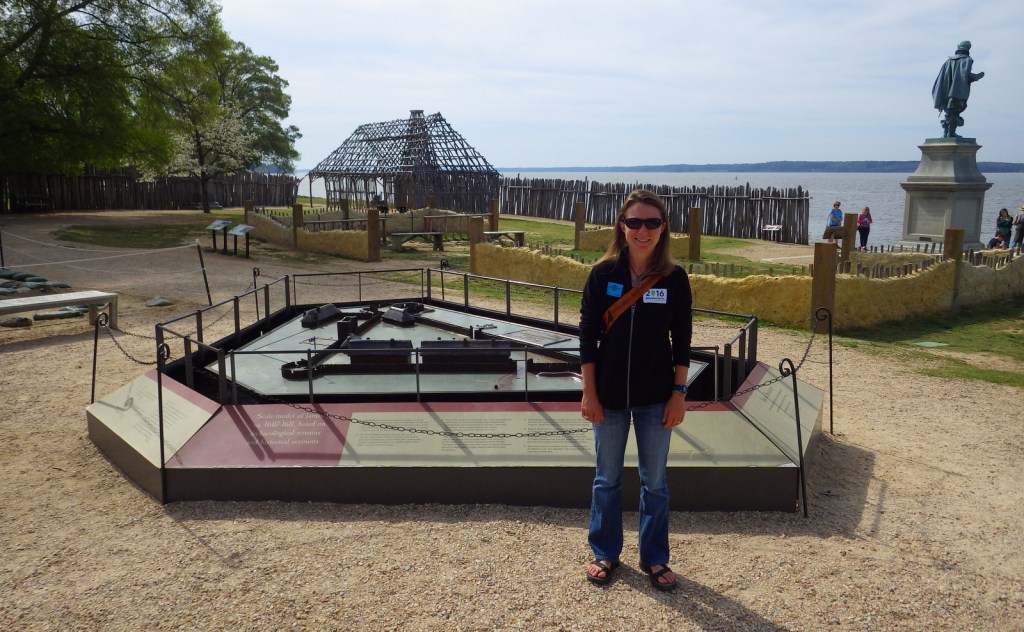
The original 1607 James Fort was triangular in shape and, of course, had cannons facing the James River.
Peak Season

Summer, though it can be muggy

Hours

https://www.nps.gov/colo/planyourvisit/hours.htm

Fees

Visiting Yorktown is $10 per person or free with the America the Beautiful pass, but entering Jamestown requires a payment of $20 per person or $5 per person with the America the Beautiful pass.  There is a separate entry fee for nearby Jamestowne Settlement living history museum , but it is free to walk the streets of Colonial Williamsburg (more info on our other travel blog).

Road Conditions

All roads paved

Camping

There is no camping permitted within the park, but several private campgrounds can be found in the area, as well as numerous hotels since you will probably want to spend more than a day given the park’s proximity to Colonial Williamsburg.

Explore More – When an “ill” General Cornwallis sent his second-in-command to formally surrender his 8,000 troops, General George Washington was insulted and deferred the honor of accepting to whom?
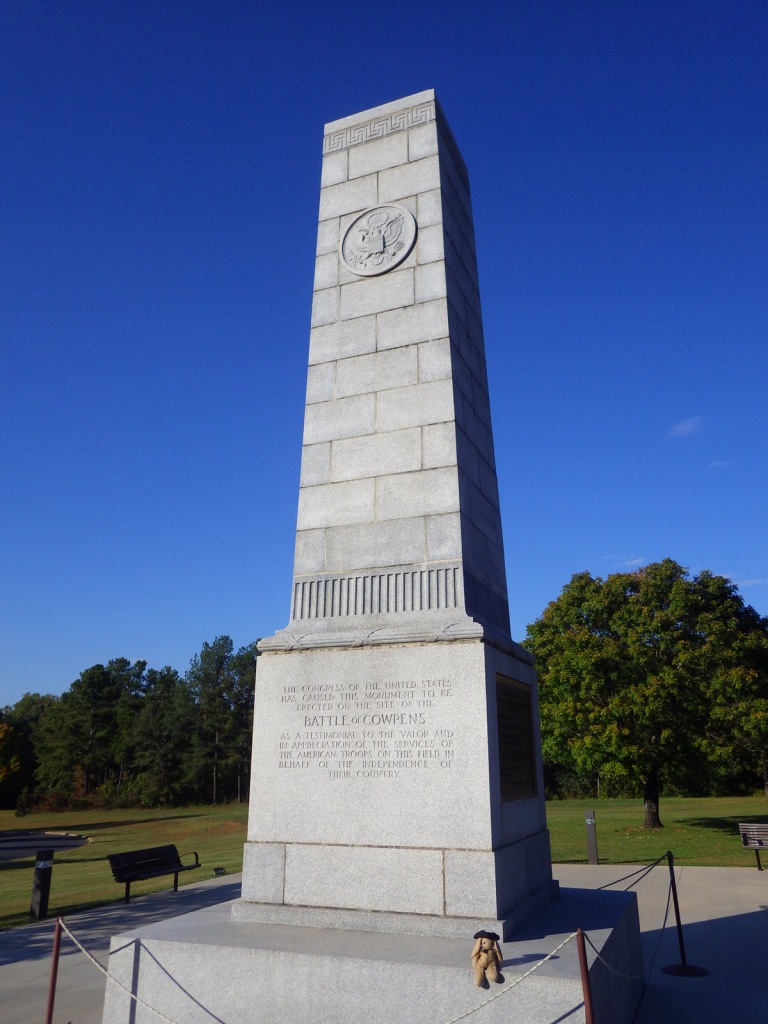
Cowpens National Battlefield

Overview

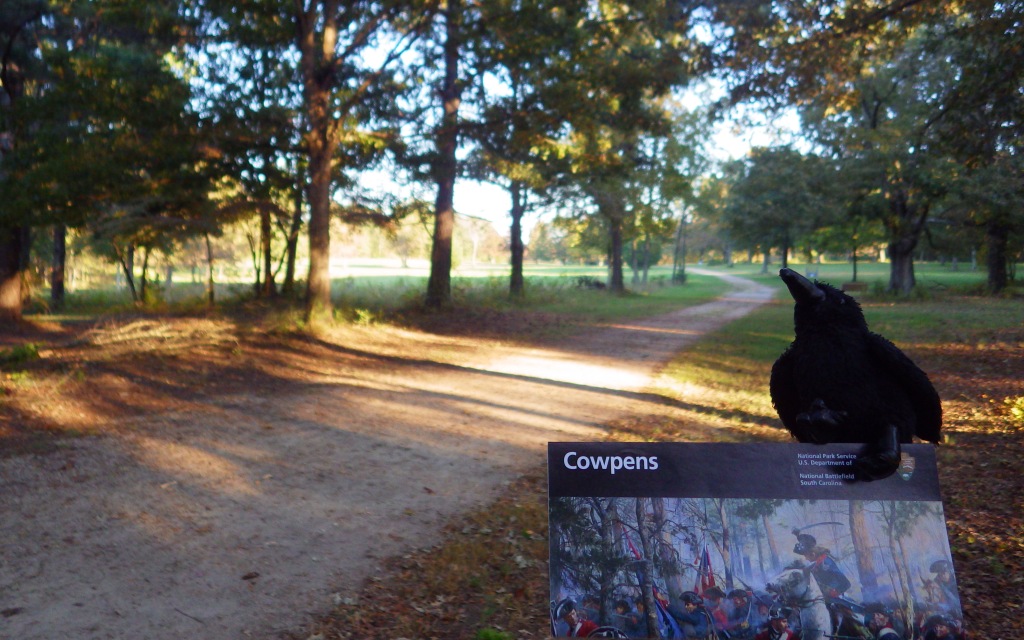
In 1780, there were 8,000 British troops in South Carolina and Georgia, but none were as feared as the 270 cavalry under Colonel Banastre Tarleton.  Following an attack at Waxhaws where his men inflicted 75% casualties on the retreating Patriots, he became known as “Bloody Ban” and a slaughter of surrendering soldiers was known as giving “Tarleton’s quarter.”  After the major American victory at nearby Kings Mountain, the British were also defeated here on January 17, 1781 as they retreated to Yorktown, Virginia. 

Highlights

Museum, Battlefield Trail, U.S. Memorial Monument, Robert Scruggs house

Must-Do Activity

The fiberoptic map in the National Park Service visitor center provides a good understanding of this 20-minute battle.  Following the Patriot victory at Kings Mountain, Colonel Tarleton was sent to capture a Patriot army under Brigadier General Daniel Morgan.  On January 17, 1781, Morgan used his militiamen to sucker in the aggressive Tarleton, instructing them to fire two shots then retreat towards the lines of trained infantry and cavalry under Lieutenant Colonel William Washington (George’s second cousin).  The British took the bait and lost 80% of their force (110 killed, 229 wounded, and 600 captured), though Tarleton escaped. 

Best Trail

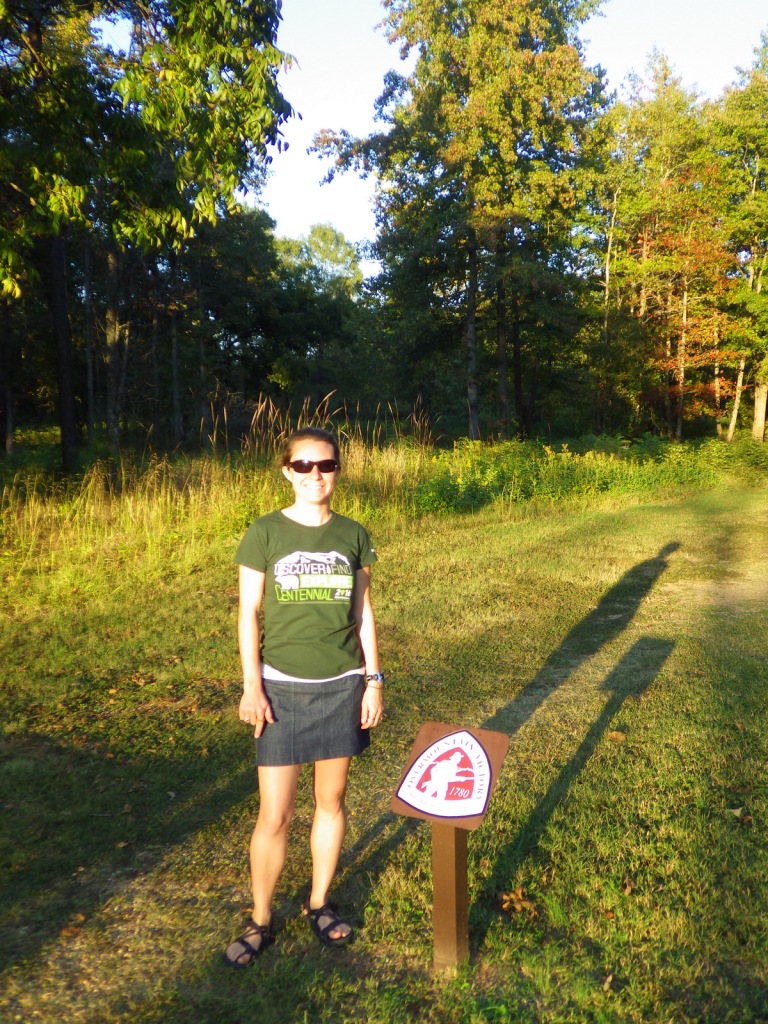
The Battlefield Trail partially follows the historic Green River Road and is 1.25 miles roundtrip from the visitor center.  The auto tour route closes at 4:30 p.m. but after hours parking is available at the trailhead off Highway 11, which also accesses the Battlefield Trail.  It is part of the Overmountain Victory National Historic Trail, which has 87 of its 330 miles publicly accessible, starting in Tennessee.  There is also a 2-mile nature trail near the picnic area.

Instagram-worthy Photo

A 1932 monument marks the beginning of the Battlefield Trail.

Peak Season

Summer

Hours

https://www.nps.gov/cowp/planyourvisit/hours.htm

Fees

None

Road Conditions

All roads paved

Camping

Kings Mountain State Park is 30 miles east of the park next to Kings Mountain National Military Park.

Explore More – What locally grown fruit provided the inspiration for the painted water tower in Gaffney, South Carolina?

Kings Mountain National Military Park

Overview

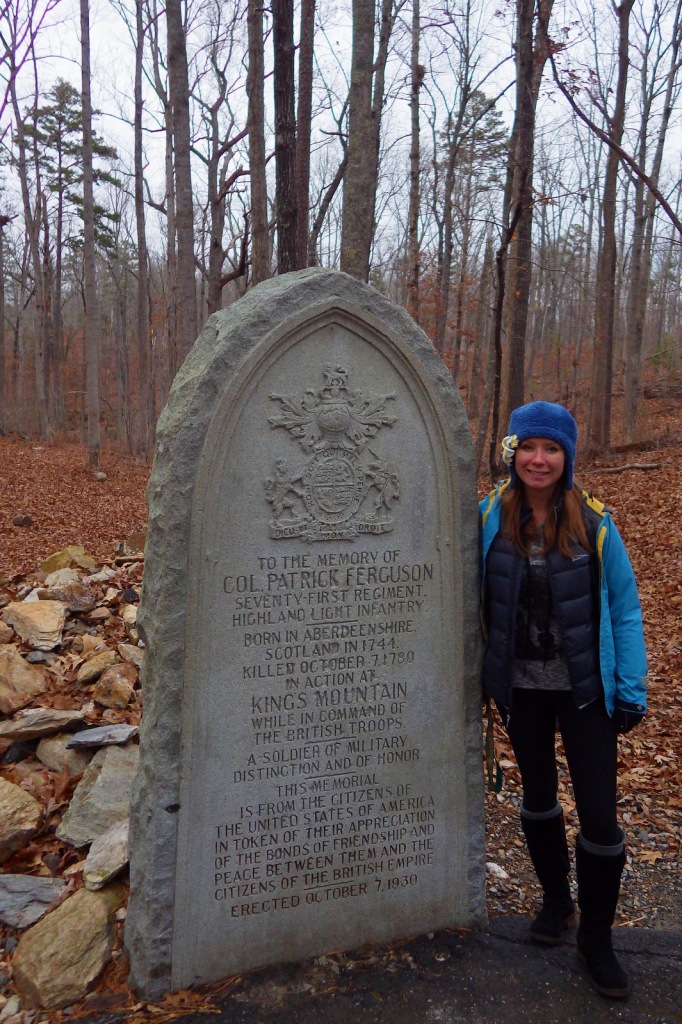
In 1780, the conclusion of the Revolutionary War was anything but decided with the British army firmly entrenched in New York City, Charleston, and Savannah.  General Charles Cornwallis commanded 2,200 troops in the colony of South Carolina and his plan was to meet up with Major Patrick Ferguson’s 1,100 men near Charlotte, North Carolina.  Many historians consider the events that took place here on October 7, 1780 the beginning of the end of the war that culminated less than a year later at Yorktown. 

Highlights

Museum, film, Battlefield Trail, U.S. Monument, grave of Major Ferguson

Must-Do Activity

Though the museum in the National Park Service visitor center is small, it is well done and very informative.  You will learn that throughout 1780, a ragtag band of Patriot militia dogged Major Ferguson, forcing him to make a stand 39 miles south of his destination at Kings Mountain on October 7, 1780.  When the Loyalist force finally surrendered, the enraged Patriots gave them “Tarleton’s quarter.”  Killed during the fighting, Major Ferguson was the only person in the battle born in the British Isles (in Scotland).

Best Trail

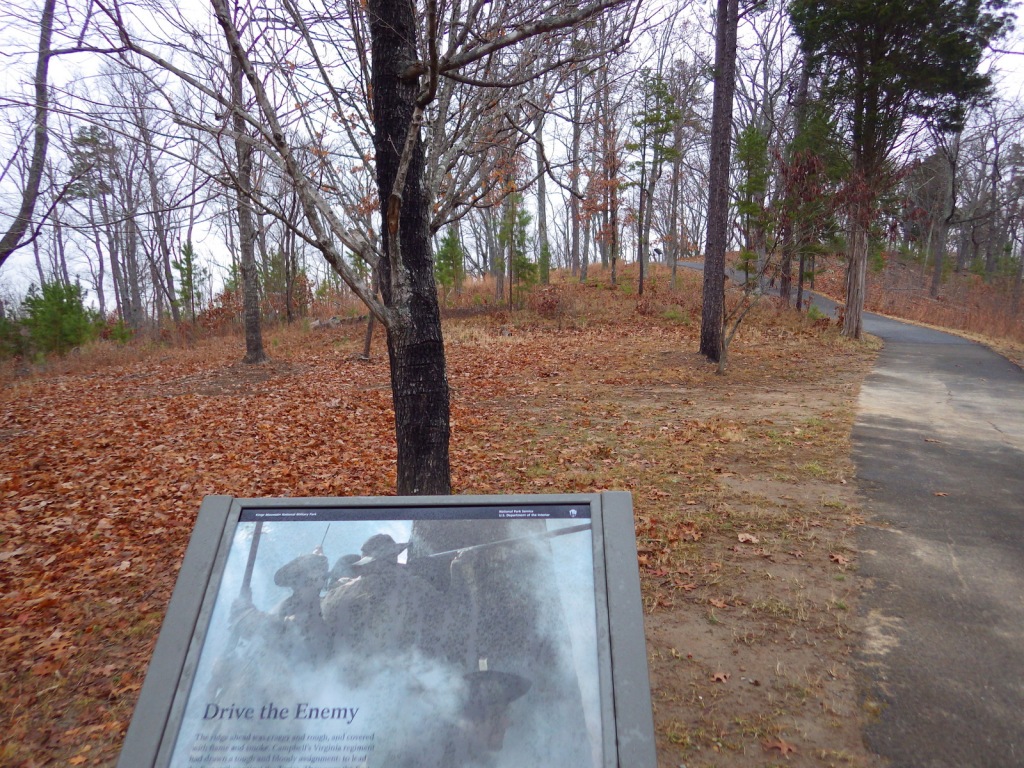
Start at the visitor center, then walk the 1.5-mile Battlefield Trail.  It is part of the Overmountain Victory National Historic Trail, which has 87 of its 330 miles publicly accessible, starting in Tennessee.  Just be sure to be out of the park before the gates close for the night.

Instagram-worthy Photo

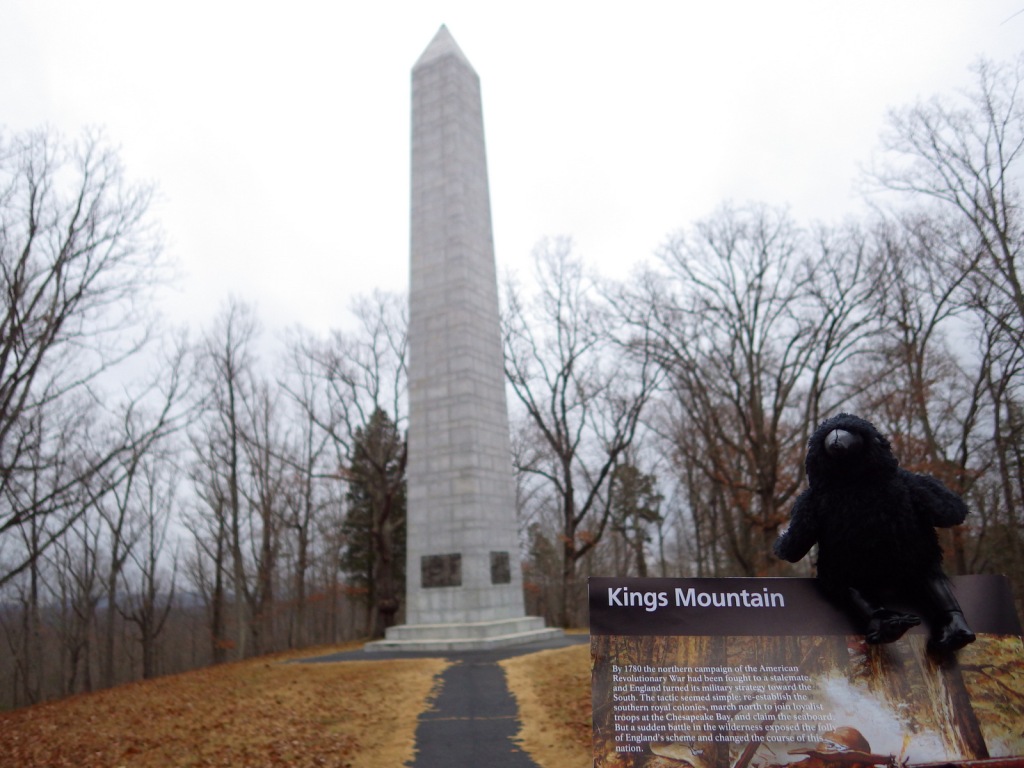
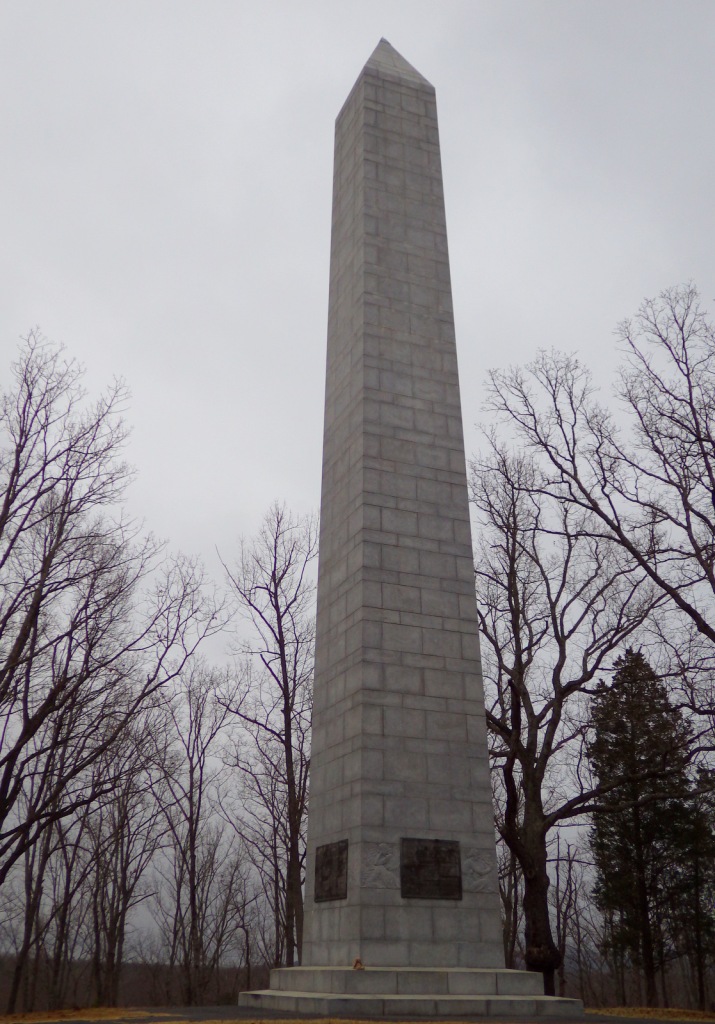
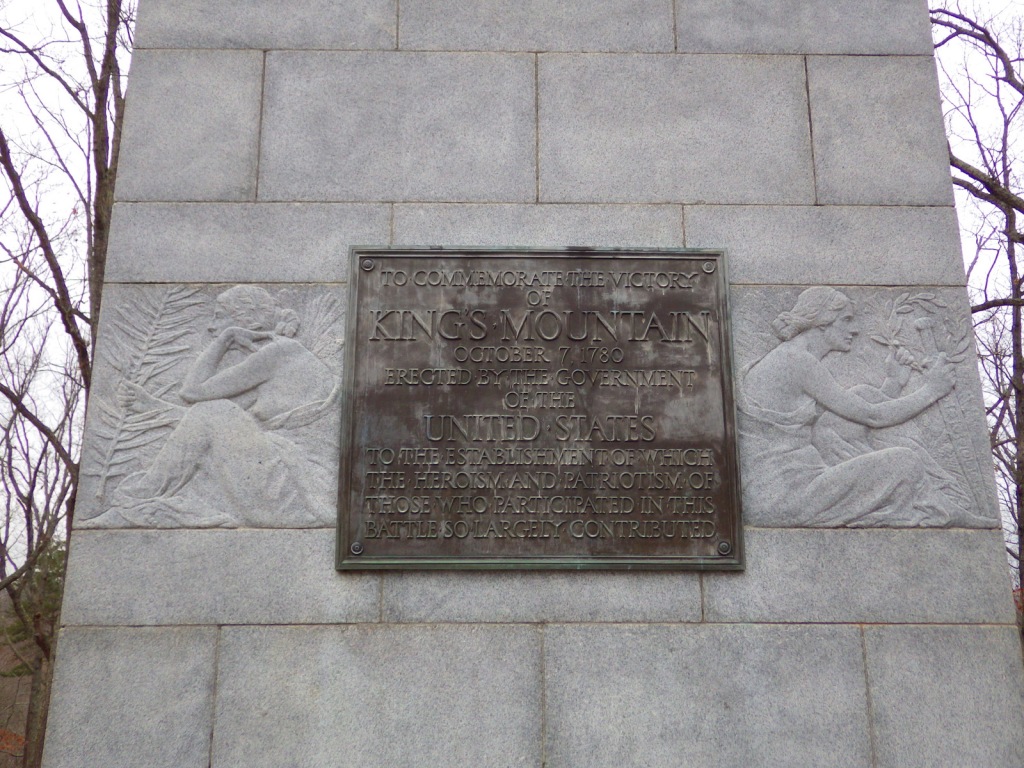
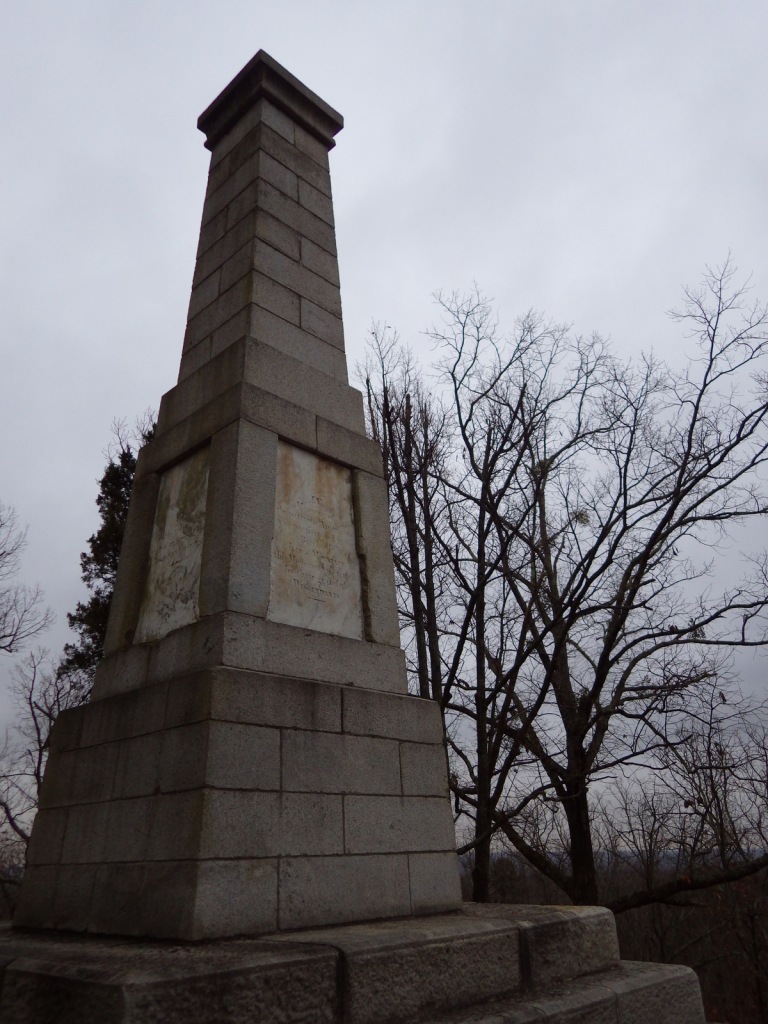
The 83-foot tall U.S. Monument was dedicated in 1909 by the Daughters of the American Revolution.

Peak Season

Late summer when 18th-century military encampments occur on select weekends.

Hours

https://www.nps.gov/kimo/planyourvisit/hours.htm

Fees

None

Road Conditions

All roads paved

Camping

There is one backcountry campsite on the grounds, which requires free registration at the visitor center.  Neighboring Kings Mountain State Park offers 119 campsites and many miles of trails.

Explore More – What earlier event provoked the Patriots to give “Tarleton’s quarter” after the Loyalists surrendered?

George Rogers Clark National Historical Park

Overview

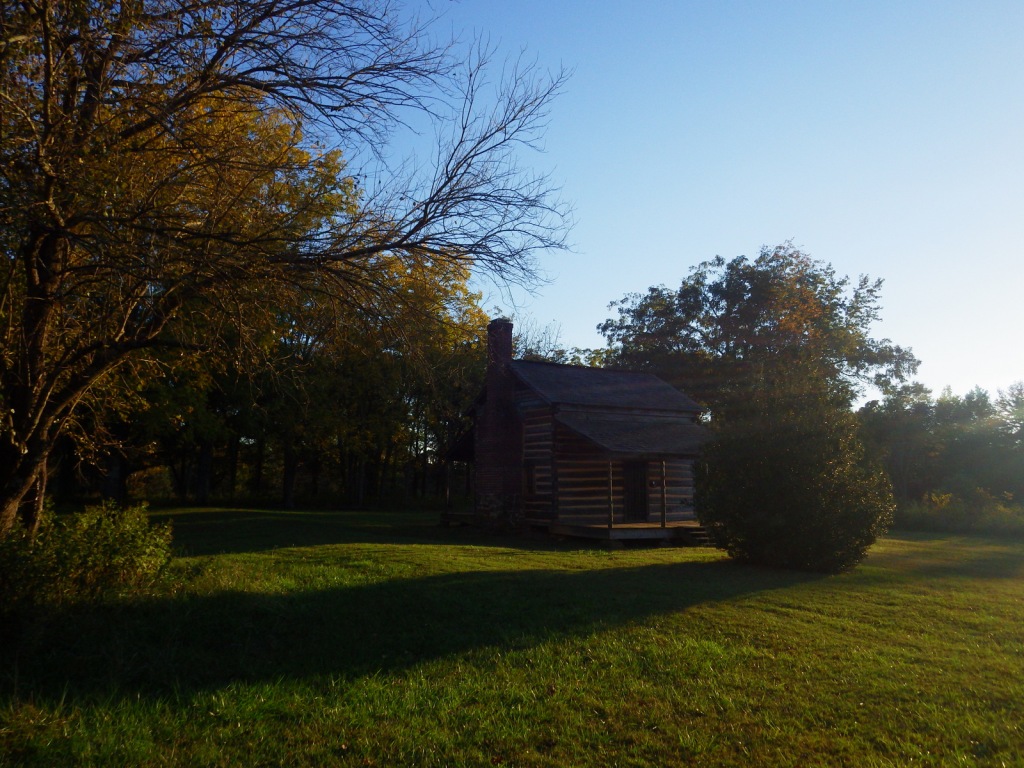
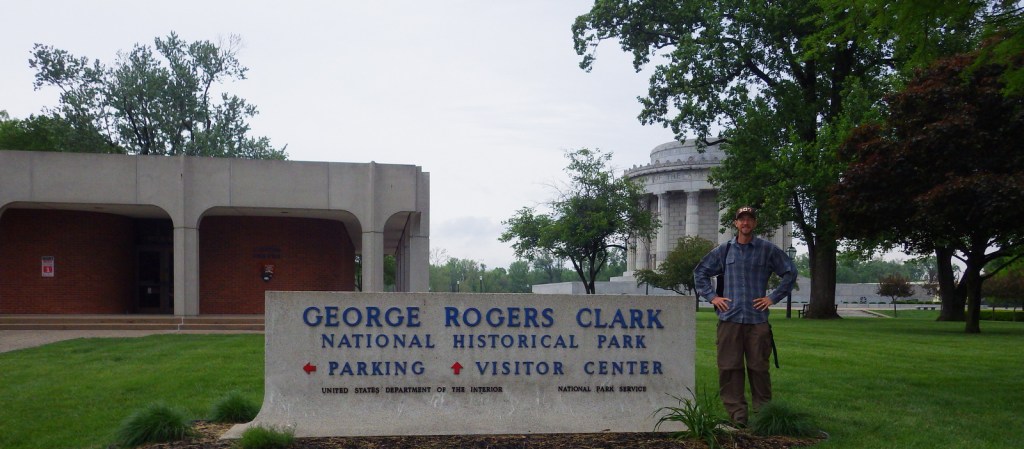
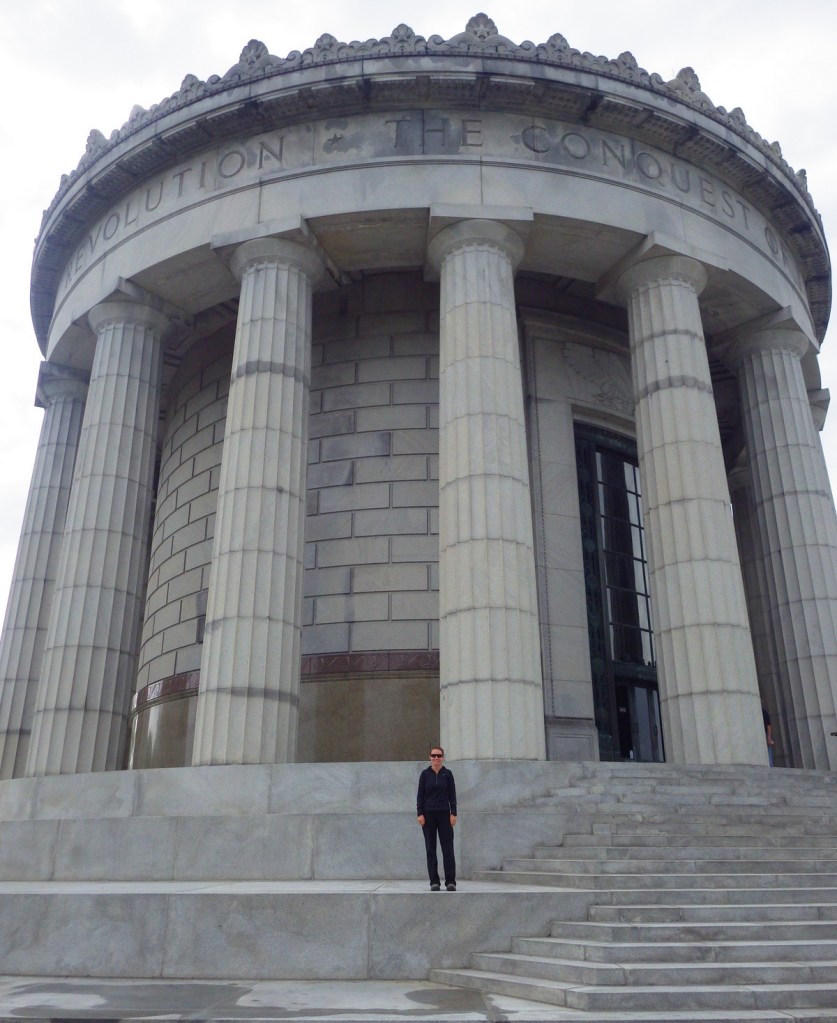
Perhaps less well-known today than his brother William Clark of the Lewis and Clark Expedition, during the American Revolution George Rogers Clark’s fame was on par with that of George Washington.  A beautiful 80-foot tall granite memorial was built on the site of Fort Sackville (in present day Vincennes, Indiana) in the 1930s to commemorate Clark’s achievements.

Highlights

Memorial building with statue and murals, Vigo statue, film

Must-Do Activity

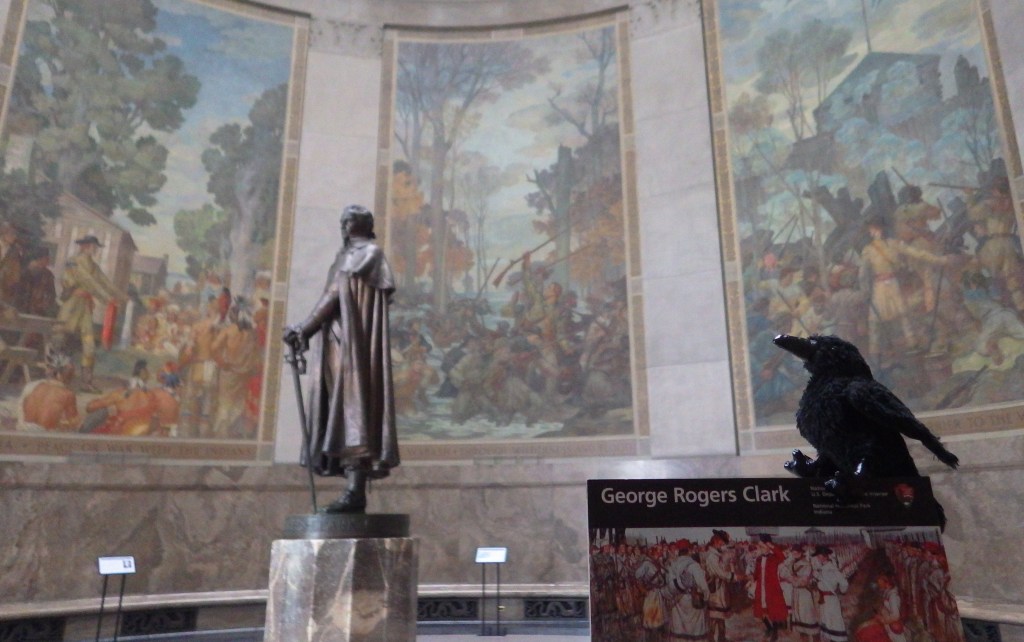
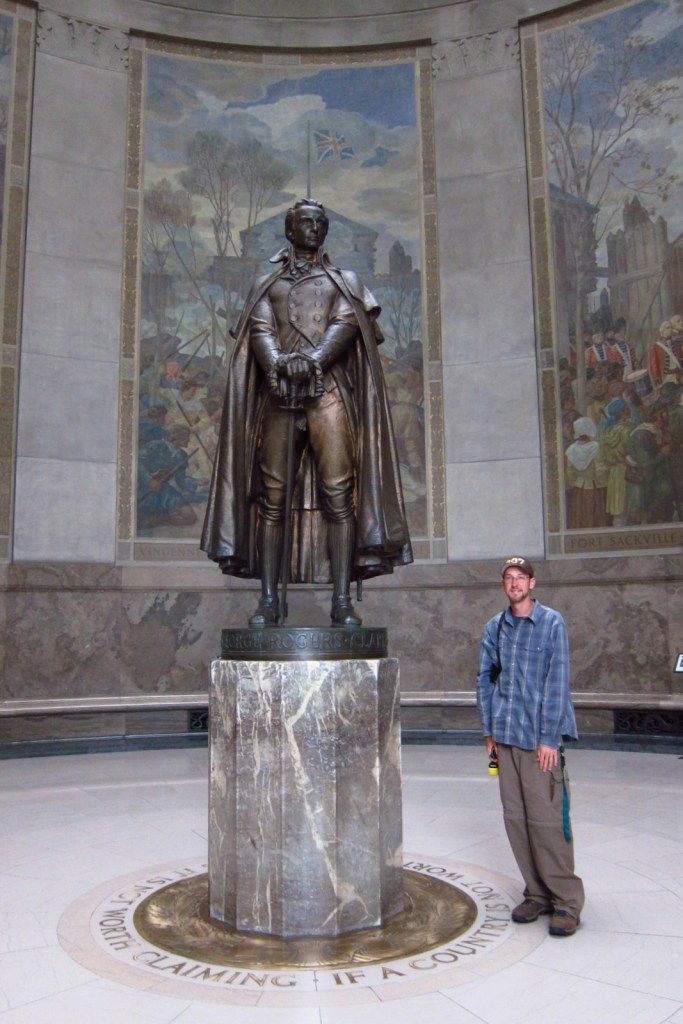
After watching the 20-minute film in the visitor center, go inside the circular memorial with 16 columns in classic Greek style to see a bronze statue surrounded by seven murals.  George Rogers Clark was one of the early pioneers in Kentucky and after war broke out he led 150 local men west to convince French settlers on the Mississippi River to join the patriots.  With the assistance of the French, he defeated the British at Fort Sackville on February 25, 1779.  After the 1783 Treaty of Paris, much of this territory would become part of the fledgling United States of America. 

Best Trail

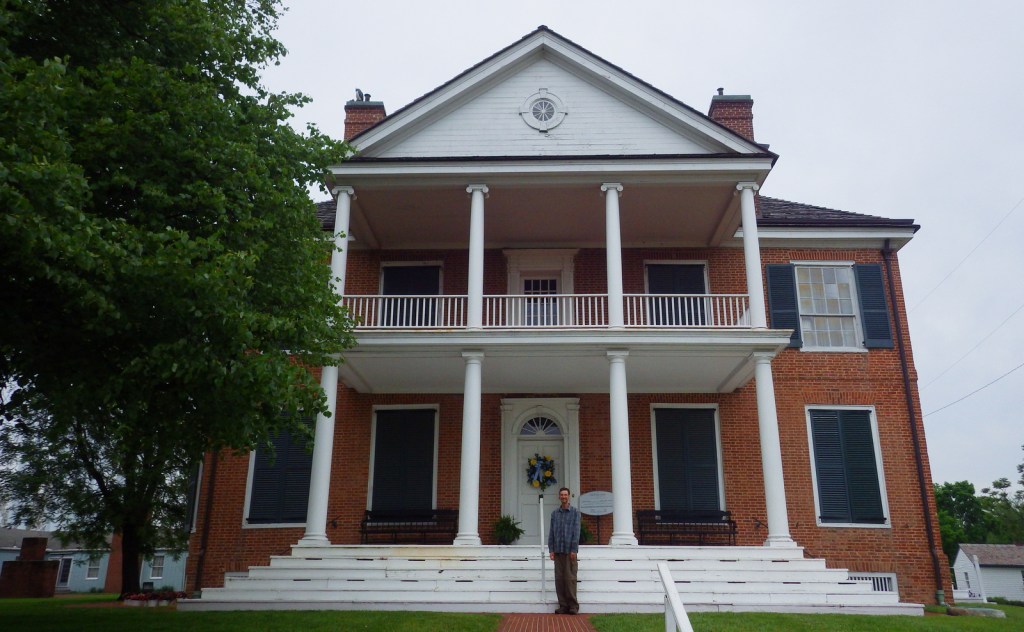
There are no trails, but you can walk or drive a few blocks to visit the home of President William Henry Harrison and the old Indiana Territory capitol.

Instagram-worthy Photo

Francis Vigo was a French merchant who tipped off Clark that Fort Sackville was lightly guarded and then provided financial support for the mission.  His statue sits on the banks of the Wabash River.

Peak Season

Summer

Hours

The memorial closes daily at 4:45 p.m.

https://www.nps.gov/gero/planyourvisit/hours.htm

Fees

None

Road Conditions

All roads paved

Camping

Only 2 miles north of Vincennes, Indiana, the county-operated Ouabache Trails Park offers campsites with electric and water hookups.

Explore More – His bronze statue is larger than life, but the real George Rogers Clark stood what impressive height by eighteenth-century standards?

We are a participant in the Amazon Services LLC Associates Program, an affiliate advertising program designed to provide a means for us to earn fees by linking to Amazon.com and affiliated sites.

Top 10 Non-Fiction Books Set During World War II

Following up on our list of the Top 10 novels set during World War II, these are our favorite non-fiction works.  If you feel that we missed an important one, we invite you to walk into your local library and count how many shelves are filled by this subject.  The choices may betray our preference for pilots and air combat, which is perhaps why our first blog post covered Tuskegee Airmen National Historic Site.  Do not miss our other book recommendations under the Top 10 Lists tab.

10. God Is My Co-Pilot by Col. Robert L. Scott (1943)

One of the original “Flying Tigers” wrote his autobiography during the war.

9. The Greatest Generation by Tom Brokaw (1998)

These short biographical sketches focus on the post-war lives of servicemen and women.

8. Going Solo by Roald Dahl (1986)

An autobiography of his time as a young pilot by the author of The BFG, Matilda, and James and the Giant Peach.

7. In Harm’s Way: The Sinking of the U.S.S. Indianapolis and the Extraordinary Story of Its Survivors by Doug Stanton (2001)

The horrifying tale of the few survivors of a lone battleship torpedoed and sunk in the Pacific Ocean in 1945.

6. Thirty Seconds Over Tokyo by Capt. Ted W. Lawson (1943)

A first-hand account of the lead-up and aftermath of the Doolittle Raid on Tokyo in 1942.

5. Night by Elie Wiesel (1960)

The first in a trilogy tells the story of the author’s survival in a concentration camp.

4. Band of Brothers: E Company, 506th Regiment, 101st Airborne from Normandy to Hitler’s Eagle’s Nest by Stephen E. Ambrose (1992)

Better known as a TV miniseries, a book by the author of D-Day and Citizen Soldiers.

3. The Diary of a Young Girl by Anne Frank (1947)

A 20th-century classic featuring writing that still elicits fear and dread in a reader.

2. Unbroken: A World War II Story of Survival, Resilience, and Redemption by Laura Hillenbrand (2010)

This well-written biography of Louie Zamperini can be summed up in one word: unbelievable.

1. Man’s Search for Meaning by Viktor E. Frankl  (1946)

This is one of the most inspiring books ever written and it starts with the author’s experience in a concentration camp.

Honorable Mentions

Soaring to Glory: A Tuskegee Airman’s Firsthand Account of World War II by Philip Handleman and Lt. Col. Harry T. Stewart Jr. (2019)

The latest in a growing library of books written about and by Tuskegee Airmen.

The Boys in the Boat: Nine Americans and Their Epic Quest for Gold at the 1936 Berlin Olympics by Daniel James Brown (2013)

The events described in one of the best non-fiction books ever written culminated in Germany before the war began.

7. The Forgotten 500: The Untold Story of the Men Who Risked All for the Greatest Rescue Mission of World War II by Gregory A. Freeman (2007)

A gripping story of the daring rescue of Allied airmen stranded on the Balkan Peninsula.

We are a participant in the Amazon Services LLC Associates Program, an affiliate advertising program designed to provide a means for us to earn fees by linking to Amazon.com and affiliated sites.