We recently published our expanded 2nd edition of our guidebook to the 63 National Parks (available on Amazon), so we thought it would be a good time to rank our favorite museums in the parks. The National Parks typically stick with the “go outside and play” philosophy, but these selected parks do a great job of interpreting human and natural history inside a museum. Our photograph options are limited and mainly include Wondon the Traveling Bunny (who has his own blog). We will rank our Top 10 museums in other National Park Service (NPS) units in a future list (check out all our Top 10 Lists here).
Sugarlands Visitor Center has a nice natural history museum,
plus the historic structures at Cataloochee, Elkmont, and Cades Cove serve as
outdoor museums.
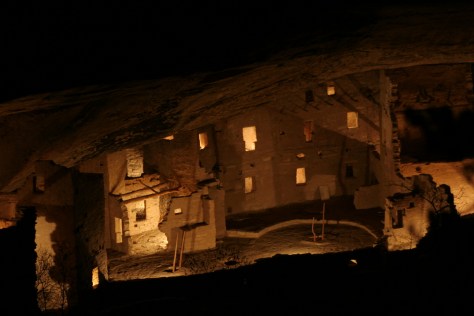
If this is your first visit, after you buy your tour tickets at the park entrance head directly to the Chapin Mesa Museum that overlooks the ruins of Spruce Tree House.
Great Basin Visitor Center is in Baker, outside the park
boundaries, but it is worth a stop to see a cross-section of Prometheus, a
nearly 5,000-year-old bristlecone pine tree.
Ernest F. Coe Visitor Center is home to an excellent museum interpreting the natural history of the “river of grass.”
6. Cuyahoga Valley National Park (Ohio)
Boston Store and Canal Visitor Centers both have excellent
hands-on exhibits and, taking a page from Parks Canada, you can play dress-up,
too.
5. Gateway Arch National Park (Missouri)
Part of the reason this became a National Park in 2018 was due to the opening of its new museum beneath the arch, but do not miss a visit inside the colorful Old Courthouse.
There are great exhibits on wildlife at Denali Visitor Center near the park entrance and Eielson Visitor Center at Mile 66 on the main park road (only accessible by bus).
3. Hot Springs National Park (Arkansas)
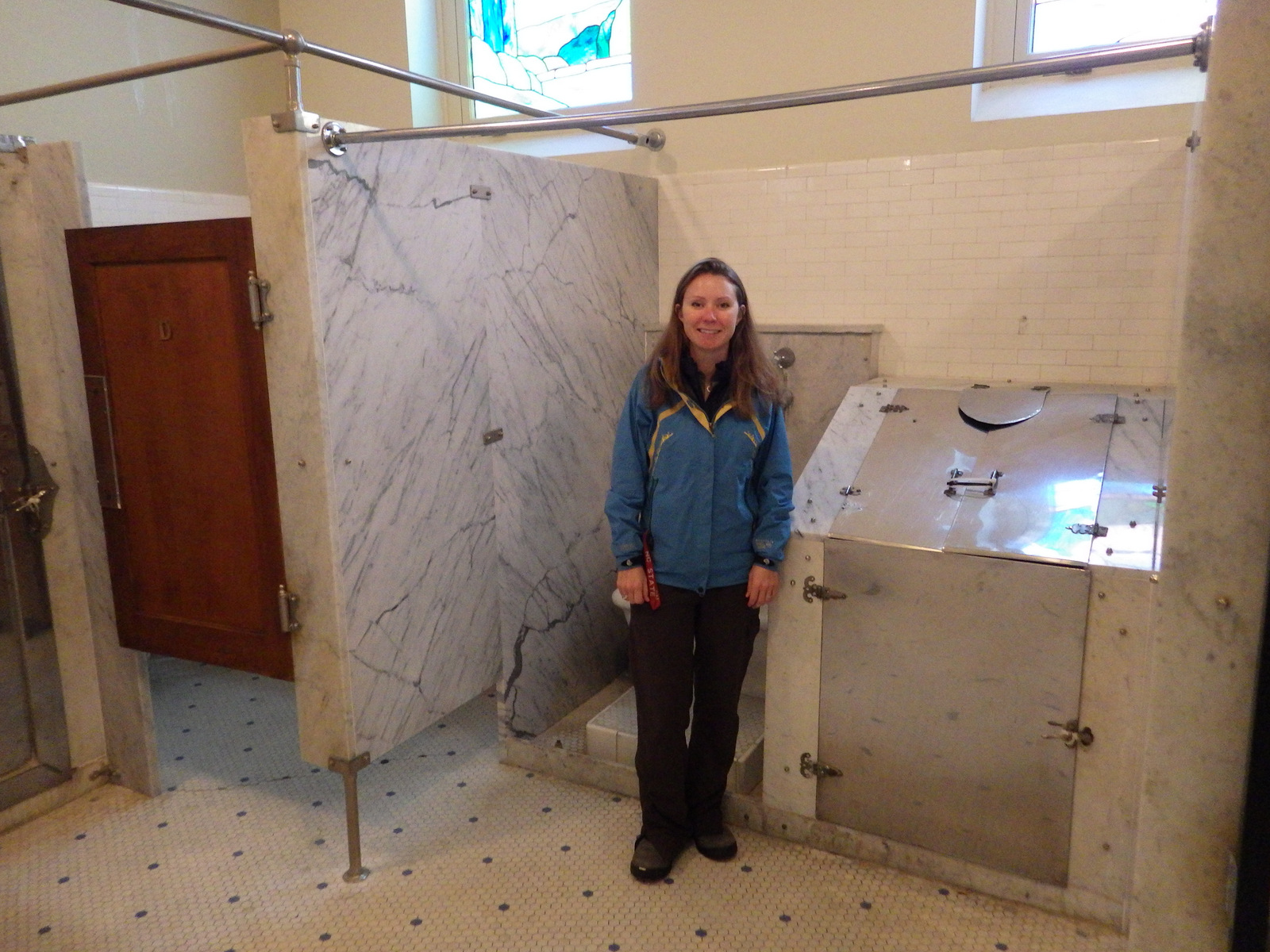
Fordyce Bathhouse on Central Avenue is now entirely a museum with multiple stories of exhibits and plenty of stories to tell.
Learn all about the Yellowstone Supervolcano at Old Faithful and Canyon Village Visitor Centers, but also check out the Museum of the National Park Ranger near Norris Junction.
Honorable Mentions
Wind Cave National Park (South Dakota)
It can be easy to miss the museum that is downstairs from the park bookstore and tour ticket booth, so do not make that rookie mistake.
The Main Park Visitor Center is located on the Richardson
Highway, but the main attraction requires you to brave the drive to McCarthy
and cross the pedestrian bridge to the Kennecott ghost town.
Every major travel publisher (Fodors, Moon, Lonely Planet) has a guidebook to America’s National Parks, which all say the same things about where to go. We recently published our first book to offer alternatives for those readers seeking to have unique National Park adventures. You might guess where that one ended up on our Top 10 list, but we also recommend the following guidebooks.
Brief descriptions of parks in a variety of categories introduce readers to units in the National Park Service (NPS) system beyond the 62 National Parks.
This full-color, graphic-oriented children’s book is perfect for anyone collecting the 56 quarters in the U.S. Mint’s America the Beautiful collection.
We wanted to demonstrate how our new guidebook (A Park to Yourself: Finding Adventure in America’s National Parks) is different from this website, so we are providing a sample chapter for Rocky Mountain National Park in Colorado. Here is a link to the Raven About The Parks blog post on the park.
The holidays are coming up, so order A Park to Yourself now on Amazon!
39. Rocky Mountain National Park
Colorado
265,795 acres
Established 1915
4,590,493 visitors in 2018
Overview
This truly is a National Park for
all seasons. In the summer, it is worth
the extra time it takes to drive 11 miles up the unpaved curves of one-way Old
Fall River Road to Alpine Visitor Center at 11,796 feet, then back down Trail
Ridge Road. Elk bulls spar and bugle in
the autumn, when aspen trees briefly turn the mountainsides gold. Winter is a wonderful time for outdoor
recreation here if you are prepared for the icy conditions, even on a short
1.6-mile trip up to Gem Lake just outside of Estes Park, Colorado.
Peak Visitation Months
July (20%) August (18%) June (16%)
September (15%)
Busiest Spots
Bear Lake Trailhead, Alluvial Fan,
Alpine Visitor Center, Longs Peak
Worth The Crowds
Bear Lake Trailhead is the busiest
area in the park. Its huge parking lot
fills up early year round, but a hiker shuttle is available during the
summer. While the trail starts above
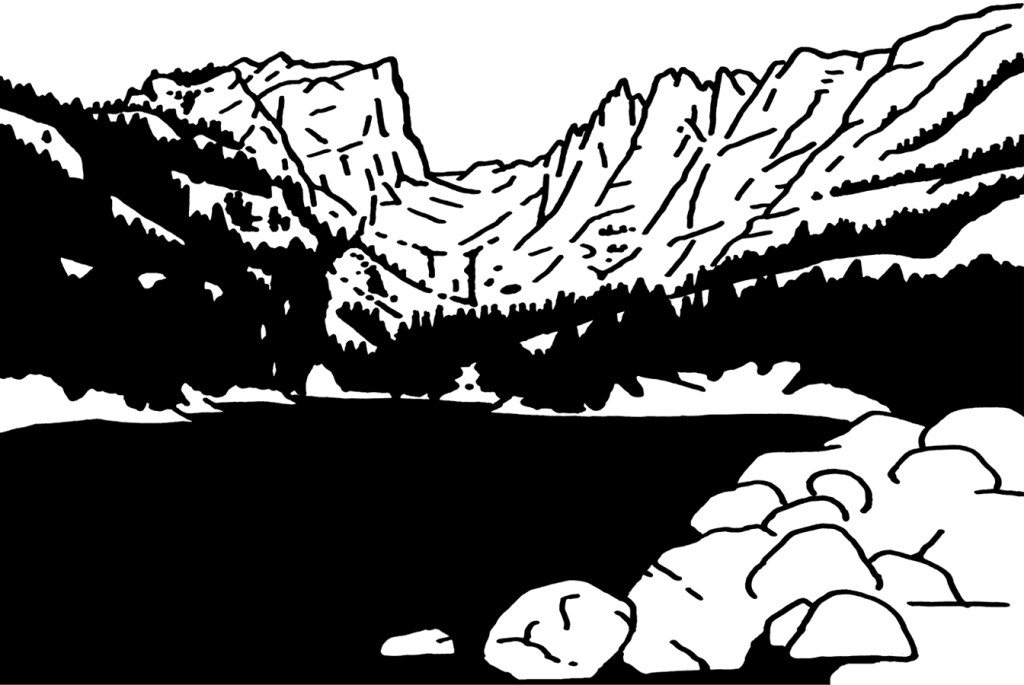
9,000 feet elevation, it is only 1.1 miles with a steady ascent up to stunning
Dream Lake ringed by jagged peaks. From
there, you can continue on to Emerald Lake or take the long loop around to Lake
Haiyaha and Alberta Falls. Even in the
winter, these trails are generally packed enough that snowshoes are not
required.
A Park To Yourself
The western side of the park is
generally less busy throughout the year, but even less so in the winter when it
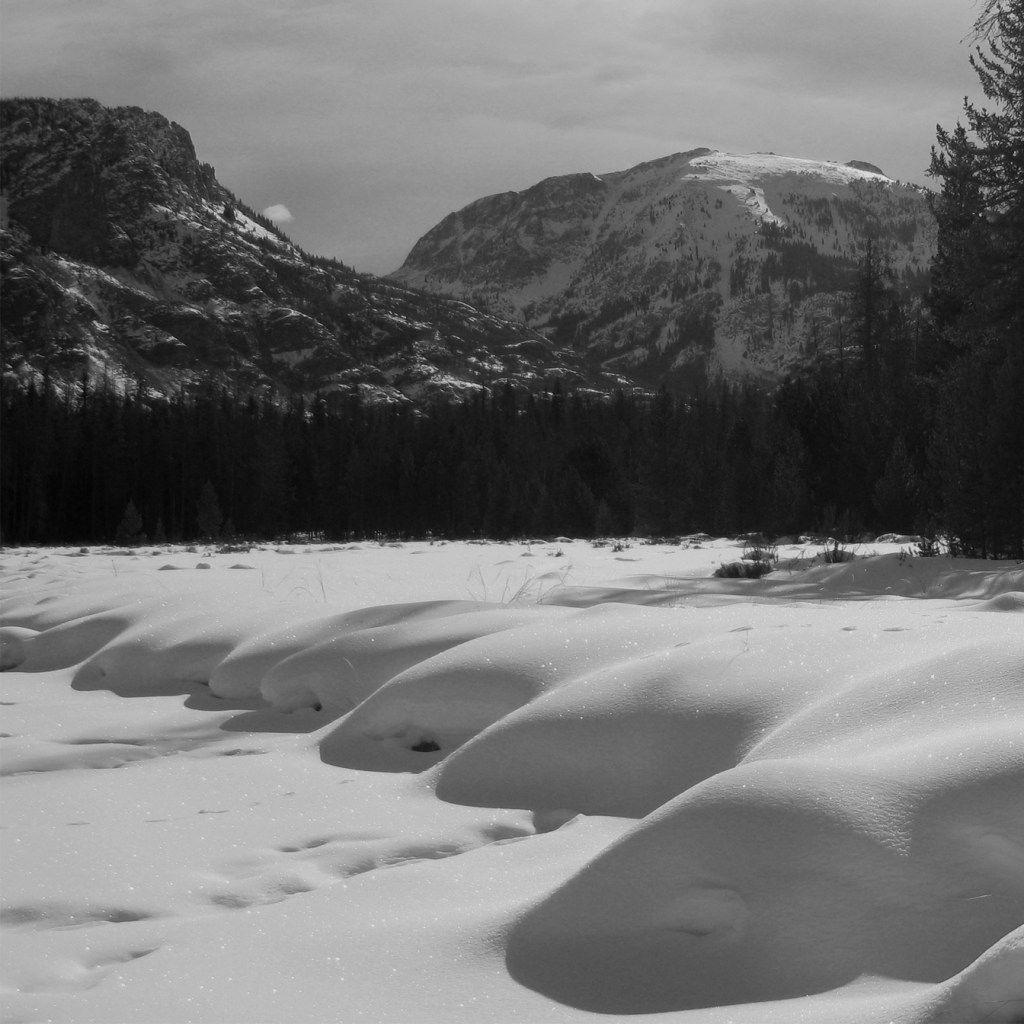
is cut off after Trail Ridge Road closes each October. Snowshoeing past Adams Falls up the East
Inlet valley is breathtaking when the snow sparkles in the sun and the river
gurgles deep under foot. There are
majestic mountain views once the forest opens up into a spectacular
meadow. Better yet, there is never a fee
required to park at the East Inlet or North Inlet Trailheads.
Iconic Photograph
Around Memorial Day each year, all
48 miles of Trail Ridge Road open to vehicles.
Its high point is at 12,183 feet, the highest elevation reached by a
fully-paved road in the United States.
For much of its length, jagged black mountaintops lined in pure white
snow surround the visitor on all sides.
Our favorite view is looking southwest towards the Gorge Lakes and Mount
Ida from the overlooks at Rock Cut or Forest Canyon parking areas.
Scott’s Favorite Trail
Starting at the small parking lot
at Poudre Lake, it is a steady climb five miles one-way to Mount Ida at 12,880
feet. After a mile, it is less a trail
and more following cairns along the Continental Divide. Needless to say, above timberline there are
first-class views of surrounding mountains.
Elk and bighorn sheep are commonly spotted on the route. From the top you look down on the colorful
Gorge Lakes and far across to Trail Ridge Road.
Tiff’s Favorite Trail
The Dunraven Trailhead is in
Roosevelt National Forest, northeast of Estes Park. From there a trail drops to the canyon bottom
then follows the North Fork of the Big Thompson River 4.4 miles before it
enters the National Park, and backpack camping is allowed without a permit
along this length. The views open up on
the Mummy Range before the trail ends around Lost Lake. You can continue to explore the other lakes
past there, but overnight stays in this area require a permit from the National
Park Service.
Bonus Winter Trail
In the winter months, the road off
Highway 7 to Wild Basin shuts down, but it is still plowed for those entering
on foot. Adding the two mile road length
to any hiking distance makes it about eight miles roundtrip to Calypso
Cascades, which continues to flow beneath the snow and ice. Snowshoes are recommended as this trail sees
much less use than those around Bear Lake.
Camping
There are multiple campgrounds
within the park, but only Glacier Basin is open year round. Several National Forests surround the park
and provide opportunities for dispersed camping, although near Grand Lake it
does get crowded during the summer.
Backpacking
Backpacking permits are required and
designated sites are reservable, including on the Continental Divide National
Scenic Trail. You must still pay the
National Park entry fee, but there is no additional charge to get a permit to
park at the Bowen/Baker Trailhead and camp in the Never Summer Wilderness
outside the park boundaries.
Getting Around
Most of the park roads are paved and
the two-mile long dirt road to Wild Basin Trailhead is well-maintained. A hiker shuttle operates from Beaver Meadows
Visitor Center in the summer. Old Fall
River Road typically does not open until July, but this 11-mile long one-way
dirt road makes a great loop when connected with Trail Ridge Road (open late-May
to October).
Nearby Public Lands
There are no National Park Service
units near this park, but it does border Arapaho National Recreation Area on
the west side. If you are flying in or
out of Denver International Airport, a short detour from Interstate 70 takes
you to Rocky Mountain Arsenal National Wildlife Refuge, which contains bison,
white-tailed deer, pronghorns, prairie dogs, and other animals.
Insider Tip
Estes Park is the gateway town to
the eastern portion of the park. There
are often elk grazing in its neighborhoods and golf courses. While there, we recommend the ghost tour of
the Stanley Hotel, which inspired Stephen King’s The Shining.
Wildlife
In the summer, most of the elk
herds head to high elevation, but other times of year they walk through the
town of Estes Park and congregate near the eastern entrance stations. Rock Cut is a great spot to watch the spastic
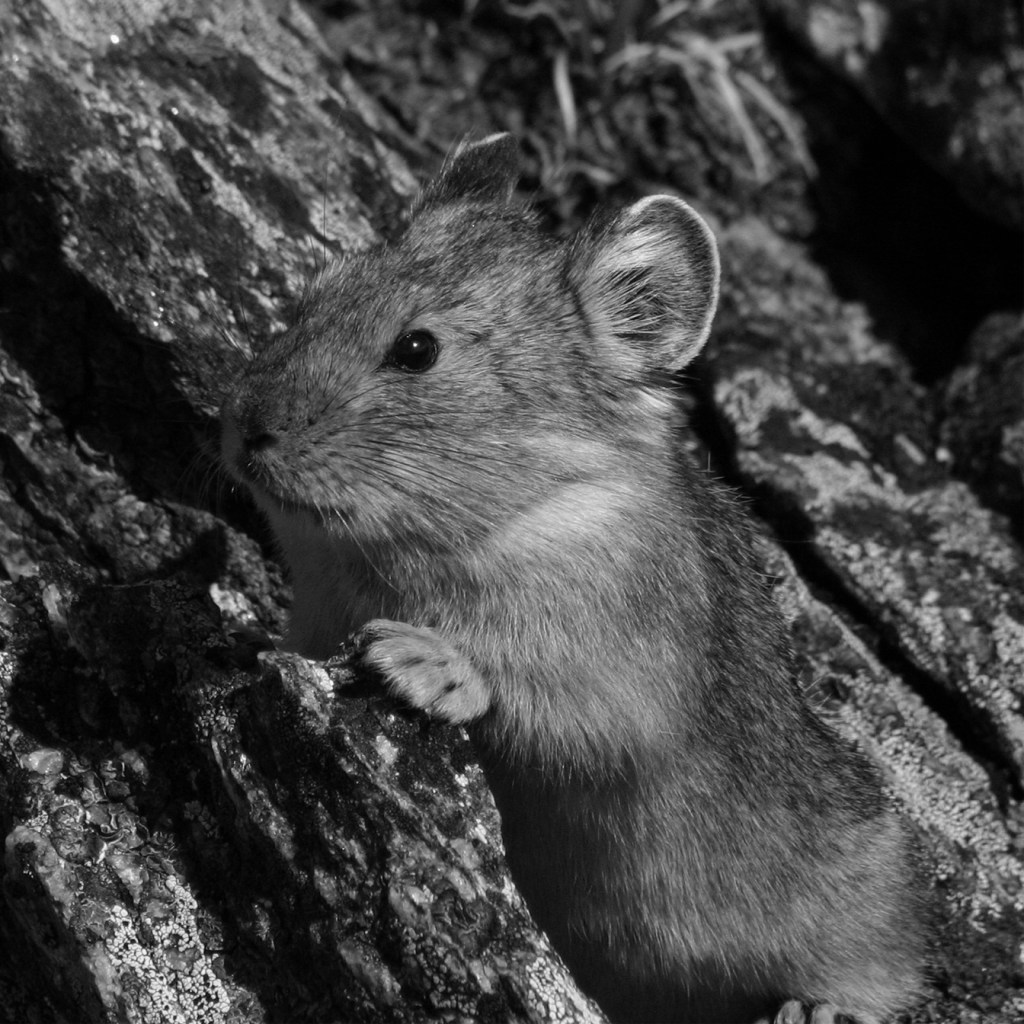
wanderings of yellow-bellied marmots and American pikas. Mule deer are found throughout the park, but
moose are more common on the west side.
We commonly see bighorn sheep on Highway 34 through Big Thompson Canyon,
but have never spotted one within the park, even at Sheep Lakes where they come
to lick salt.
Journal Entry
March 2013
We never thought we would have an entire National Park campground to ourselves, but that is exactly what we found at Timber Creek one beautiful March weekend. The ranger could not recall the last campers they had stayed there and it took some work to excavate a site from almost three feet of snow, but it was worth it. Sitting around the campfire that night, the silence was palpable until abruptly pierced by the eerie cries of coyotes that echoed up the valley. Snow camping is not for the faint of heart, but with proper planning we were well prepared for the 15°F temperatures that met us in the morning. On a clear day, the winter scenery in the Rocky Mountains is unsurpassed.
We are a participant in the Amazon Services LLC Associates Program, an affiliate advertising program designed to provide a means for us to earn fees by linking to Amazon.com and affiliated sites.
Since we published our first guidebook to the National Parks today (available on Amazon), we wanted to share the Introduction we wrote to explain why we took on this project. A Park to Yourself: Finding Adventure in America’s National Parks contains 155 black-and-white photographs, but not all of our favorites made it into the book so we included the best excluded photos, too.
Our goal is to inspire great adventures for every type of visitor to America’s National Parks. These wild places were set aside to be shared, and we believe in the importance of introducing them to a new generation of National Park enthusiasts. This guidebook is for everyone from families with small children to thrill-seekers. Even if you have been to every National Park or none at all, in these pages are new ideas for first-timers and frequent visitors to each site. So, whether you want to go hiking, driving, camping, selfie snapping, or backpacking, we have your options covered.
Every
visitor is looking for different experiences in National Parks and we aim to
cover the diversity of opportunities each park has to offer. Even Florida’s tiny Dry Tortugas (at 40 acres
the smallest park by landmass in this book) can provide a variety of
experiences: learning history on a ranger-led tour of a coastal fort,
sunbathing on a white-sand beach, taking incredible photographs, snorkeling a
coral reef, birdwatching unique species, camping on a remote island, visiting
lighthouses, or hiking on a paved seawall surrounded by turquoise water. That list does not even include the biggest
adventure, which is getting to the park’s islands by ferry boat or
floatplane.
Some experiences in National Parks are enhanced by sharing the wonders with a large gathering of people, like the evening bat flight at Carlsbad Caverns, eruptions of Yellowstone’s Old Faithful, or glacier calving in Kenai Fjords and Glacier Bay. We also recognize the desire to seek solitude in National Parks and have a personal experience with the natural world. Information on where to expect crowds is lacking in other guidebooks and it is one of the main reasons we wrote A Park to Yourself. While you must anticipate that you will see plenty of people in Yosemite Valley, there are other corners of that park you do not have to share with others.
Even though public lands are owned by everyone, there are admission fees for nearly every National Park in this book (with Great Smoky Mountains providing one notable exception). We believe all the parks offer a good value for their price. To save some money, check the National Park Service website (www.nps.gov) for the cost of annual passes, plus see if you qualify for discounted senior, access, and military cards that provide free entry and half-off on all tours and campsites.
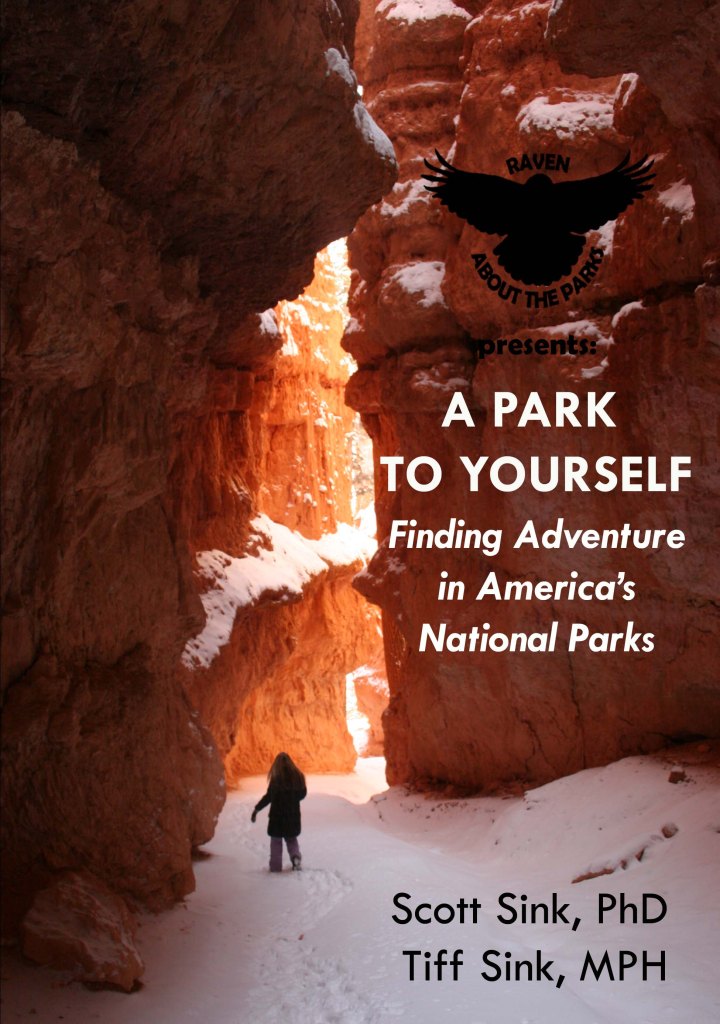
We love the National Parks of America. Some of our happiest memories together have been made in these special places set aside for the enjoyment of all. Early in our relationship, we took a weeklong camping trip through Utah’s National Parks (shown in the cover photo) and we have been traveling together ever since. In National Parks we have been awed by breaching whales, inspired by rushing waterfalls, engulfed in the warm sulphur steam of a fumarole, buried in a tent under a fresh layer of snow, overwhelmed by the roar of a calving glacier, awed by cave decorations, surrounded by a herd of bison, and submerged in the healing waters of a hot spring. Where else can you have this variety of life-changing experiences?
As of October 2019, there are 62 National Parks named among the 419 units in the National Park Service (NPS) system. Of the top 150 most visited NPS sites, 46 National Parks are ranked. Clearly, we are not the only ones who love visiting the National Parks, and you must be, too, since you are reading this book. However, we do not want to sit in traffic or follow a line of noisy day hikers when we are trying to commune with nature. Personally, we do not think that is why conservationists protected these unique landmarks and it is the main reason we wrote this guidebook. In these pages we cover all 62 National Parks, with an in-depth focus on the 50 most developed, including Indiana Dunes National Park, established in February 2019.
We have spent at least two days in each of the 50 highlighted National Parks and several weeks in places like Yellowstone and Great Smoky Mountains. If you try to see all of Grand Canyon, Glacier, or other large National Parks in one trip it is possible to feel overwhelmed, so you may not fully appreciate each overlook and hiking trail. To avoid burnout, it is important that you either plan rest days or plan to return. We have revisited most of the selected 50 National Parks on multiple occasions. We recommend that our readers do so, too. Each time is special, especially when you arrive at different times of the year.
We enjoy hiking, backpacking, kayaking, cross-country skiing, snowshoeing, and photography. However, you do not have to buy specialized gear to follow the recommendations within the guidebook. A sense of adventure and a good pair of hiking boots are the only equipment required. We know not everyone wants to go camping in a National Park, and there are always lodging options within and nearby for those who prefer to take day trips. We have found that you do not have to backpack dozens of miles to savor solitude on America’s public lands. To reach many of the most spectacular views in National Parks often requires only a short walk. Even in the most heavily-visited National Parks, it is possible to have a unique and personal experience if you just get out there.
Humpback whale diving in Kenai Fjords National Park (Alaska)
How to Use this Guidebook
The
purpose of this guidebook is to help you, the reader, enjoy not just the
popular spots in America’s National Parks, but also to have a unique,
personalized experience. This book is a
starting place with suggestions, but the real fun is in finding your own
adventure. It may be a little harder to
see a park this way, but it is definitely worth the effort. The following is a breakdown of each section
we cover for the 50 highlighted National Parks.
Overview
We give some basic background
information you will want to know before visiting each park. In the section above this one, we provide the
most recent annual visitation numbers, total acreage, and the year each area
was officially designated a National Park.
Peak Visitation Months
Based on an average of data from
the most recent years, we provide a ranking of the four busiest months with the
percentage of annual visitors that arrive during that month. Some National Parks, such as Crater Lake and
Glacier Bay, have short summer windows for visitation, while places like Joshua
Tree and Haleakalā have evenly distributed numbers.
Busiest Spots
The busiest spots in each park are
where you are most likely to encounter crowds.
They are typically crowded for good reason, for example at an incredible
waterfall or amazing overlook.
Worth The Crowds
Our choice for the one place you
must visit in each National Park, regardless of how difficult it is to find a
parking space.
A Park To Yourself
Sometimes it is nice to feel like
you have an entire National Park all to yourself (or your small group of loved
ones). It is easy to say, “Avoid crowds
by going in the off season or at odd hours.”
That is good advice, but not always practical. We try to balance the allure of a place with
the feasibility of getting there.
Iconic Photograph
In this book we use black-and-white photography in homage to Ansel Adams, who did so much to popularize Yosemite and other parks with his stunning imagery. In this age of photo filters and picture enhancing software, there is something honest about a black-and-white photograph.
Inspiration Point on East Anacapa Island in Channel Islands National Park (California)
Favorite Trails
We share our two favorite trails
(or tours in the caves) for each National Park, providing one that will likely
be busy and one with less hikers.
Typically, even the largest crowds will thin out within the first mile
of a trail.
Camping
We provide information on whether
you can find RV hookups in the NPS campgrounds or if you need to seek
accommodations outside the park, as well as what seasons they take
reservations. We also enjoy primitive
camping on back roads managed by the U.S. Forest Service and Bureau of Land
Management, and give specifics on those options when possible.
Backpacking
We have backpack camped in many
National Parks, so we offer our recommendations on places to go, in addition to
information on the logistics of getting permits at each park.
Getting Around
Not all roads in National Parks are
paved, so we explain which ones actually require a high-clearance vehicle and
should be avoided by RVs. We also cover
seasonal road closures and whether a park offers shuttle buses for accessing trailheads
and overlooks.
Nearby Public Lands
If you are like us, you are
interested in other units within the NPS system, as well as National Forests,
Wildlife Refuges, and State Parks. In
this section, we offer a few recommendations for public lands to visit near the
highlighted National Park.
Insider Tip
There is always something unique
about each National Park that does not fit in any category, so we use this spot
for those tidbits of information that are often left out of other guidebooks.
Wildlife
Many people visit National Parks
specifically to watch and photograph wildlife.
These are by no means exhaustive lists of all the species found in each
park, but a good idea of what animals you can expect to see while touring. Oftentimes your car provides the best place
to watch wildlife, as animals are used to vehicles and are not stressed by
their presence, which may not be the case if you step out of your car.
Journal Entry
A first person account of an
experience we had in a specific National Park.
We try to match the photograph below with the event described.
Illustrations
Scott has created graphics for each of the 50 highlighted National Parks, which we sell on a variety of products through our travel website Raven About The Parks (www.ravenabouttheparks.com).
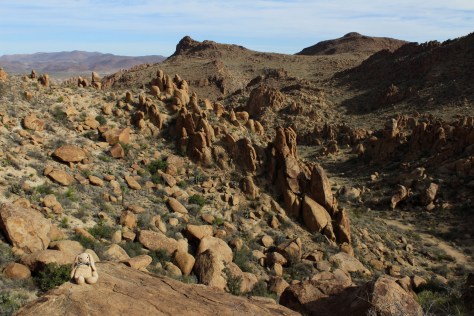
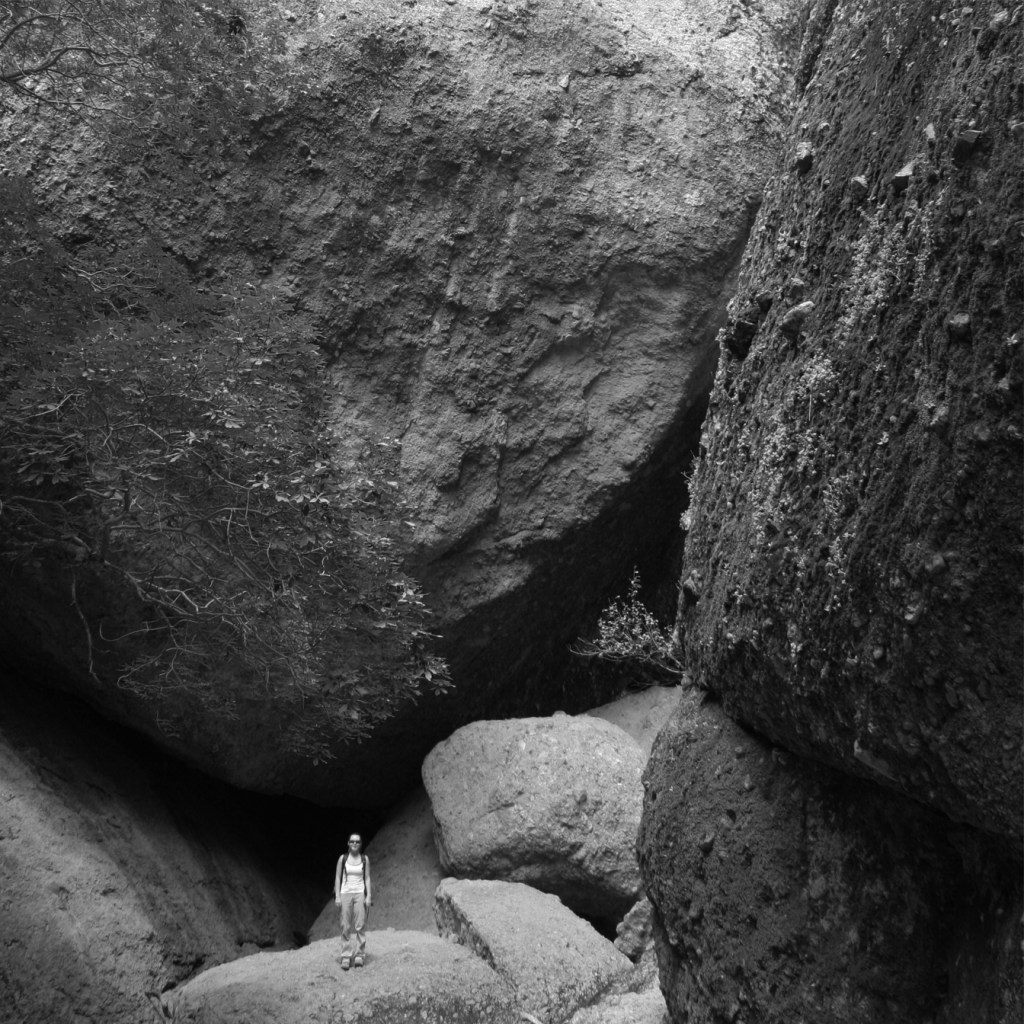
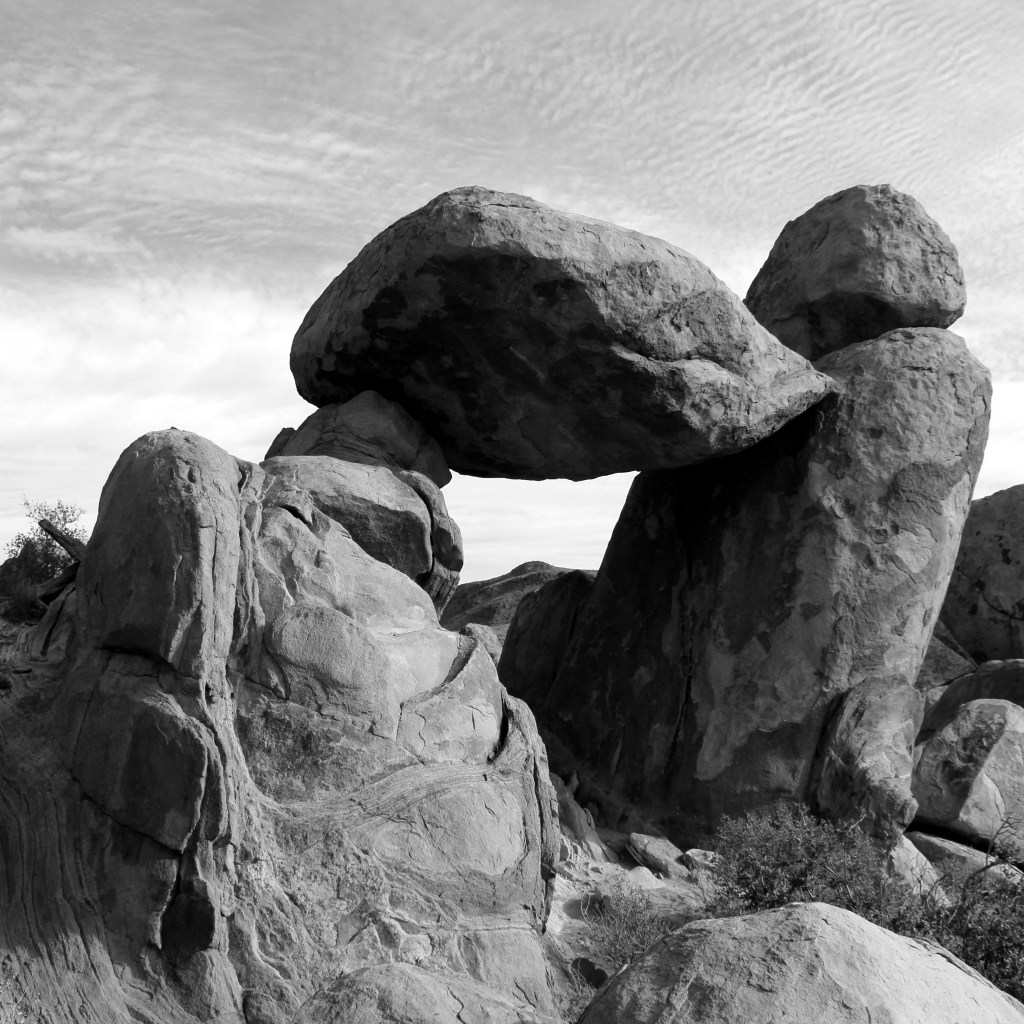
Mountain goat kids in Glacier National Park (Montana) Tiff at the entrance to a talus cave in Pinnacles National Park (California) Balanced Rock in Big Bend National Park (Texas)Tiff in the Giant Forest at Sequoia National Park (California)Ravens at Mesa Verde National Park (Colorado)
Our first guidebook is available for sale on Amazon
We are a participant in the Amazon Services LLC Associates Program, an affiliate advertising program designed to provide a means for us to earn fees by linking to Amazon.com and affiliated sites.
We are proud to announce the publication of our first guidebook to the National Parks (available on Amazon).
A Park to Yourself: Finding Adventure in America’s National Parks covers all 62 National Parks, with an in-depth focus on the 50 most developed, including Indiana Dunes National Park, established in February 2019.
The goal of the book is to inspire great adventures for
every type of visitor to America’s National Parks: first-timers and frequent
travelers, RVers and tent campers, families and solo trekkers, backpackers and
daytrippers, thrill-seekers and photographers, and everyone in between.
The guidebook includes detailed descriptions of the best
places to hike, take photos, and see wildlife.
If you are camping in a tent, RV, or prefer not to camp at all, we
include the logistics you need to know.
We identify the peak months of visitation and the busiest places in each
park, whether you are attracted to those spots or want to avoid them
altogether. Seeking solitude? We provide ideas of where to find it in A Park to Yourself.
So get out there and start your own National Park adventure!
We are a participant in the Amazon Services LLC Associates Program, an affiliate advertising program designed to provide a means for us to earn fees by linking to Amazon.com and affiliated sites.
Start your U.S. National Parks, National Forests, and National Monuments adventure here!













 Raven About The Parks