Tag Archives: Alabama

Tuskegee Institute National Historic Site

Overview

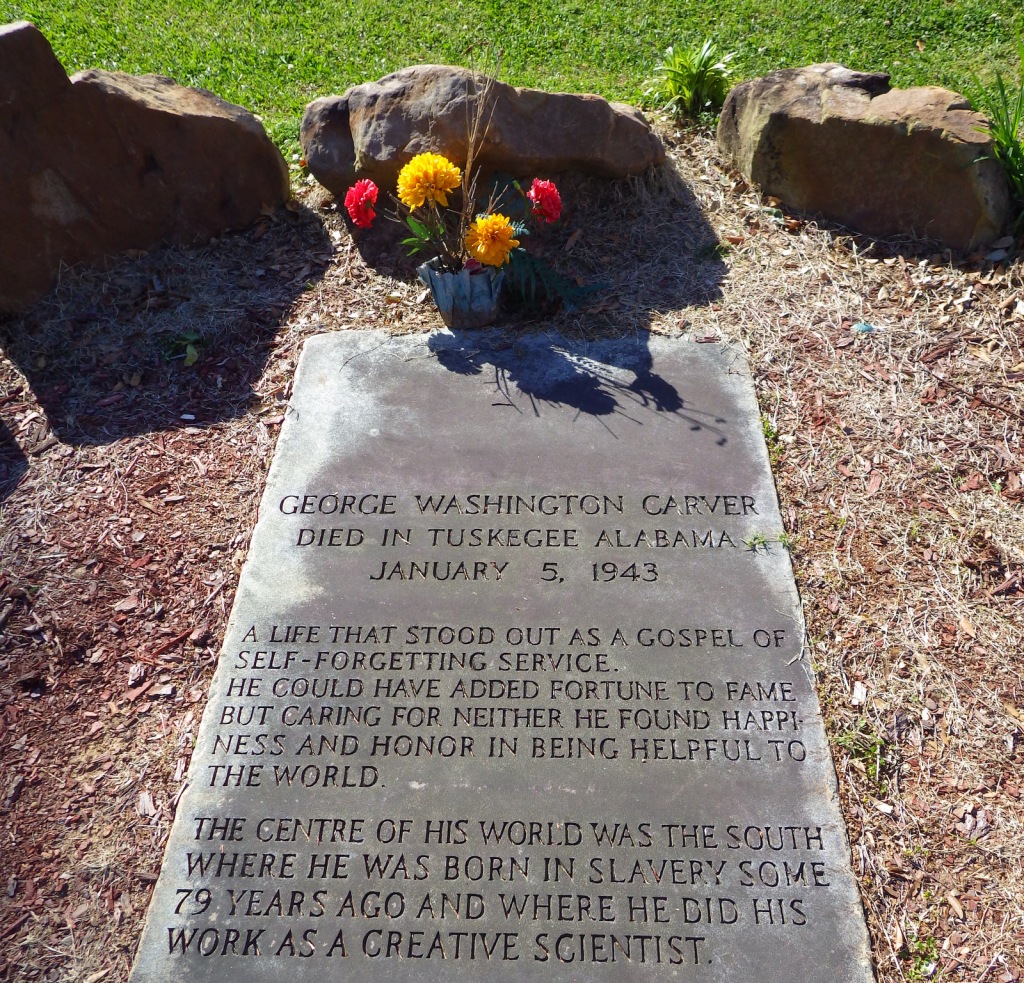
This historic college for African Americans is also the final resting place for pioneering staff members Booker T. Washington and George Washington Carver.  In 1881, a 25-year-old Washington moved to an abandoned plantation in Alabama to found the Tuskegee Normal and Industrial Institute with a $2,000 appropriation from the state.  From its initial enrollment of 30 students, Tuskegee has grown and continues to be an active and prominent university today.

Highlights

Historic campus, George Washington Carver Museum, Tuskegee Chapel, The Oaks

Must-Do Activity

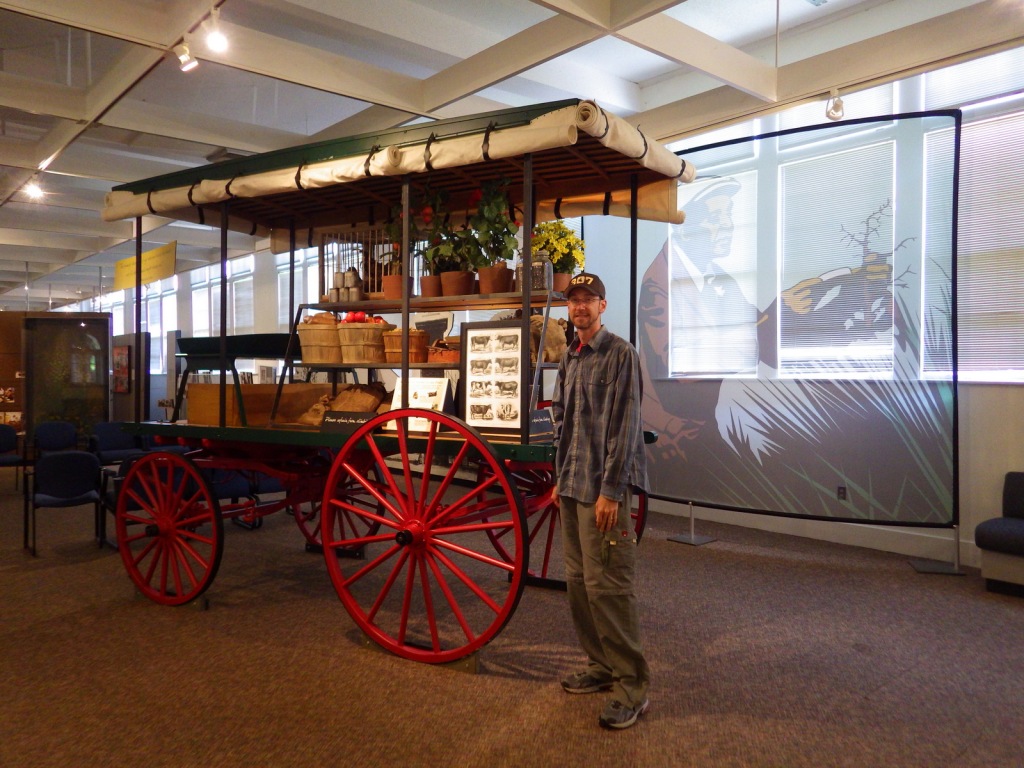
Since only eight of the 58 acres dedicated to this National Historic Site are owned by the National Park Service (NPS) on this active college campus, it behooves you to call ahead to schedule your visit.  Guided tours are available of the university and The Oaks, the historic Washington family home that was built by students.  At least make sure the excellent George Washington Carver Museum is open when you visit.  At the beginning of World War II, the school was selected to train African-American pilots, which is detailed at the nearby Tuskegee Airmen National Historic Site, also managed by the NPS.

Best Trail

None

Instagram-worthy Photo

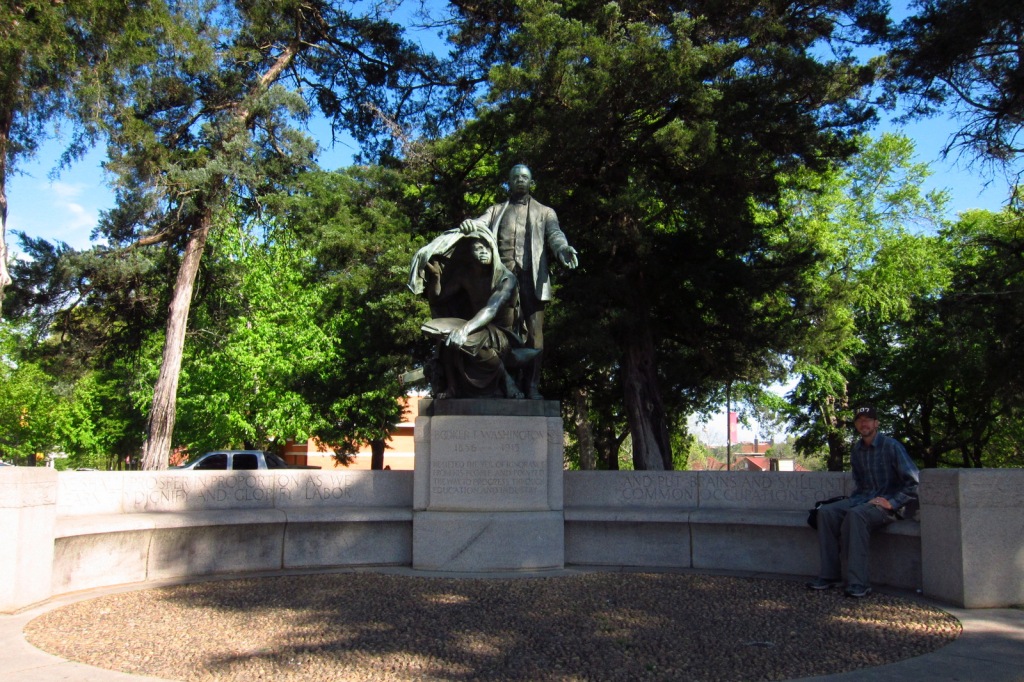
The sculpture of Booker T. Washington lifting the veil of ignorance from a slave was completed by Charles Keck in 1922.

Peak Season

Spring and fall

Hours

https://www.nps.gov/tuin/planyourvisit/hours.htm

Fees

None

Road Conditions

All roads are paved, but there is limited parking on campus for tourists.

Camping

Chewacla State Park is located northeast of town and primitive camping is allowed in Tuskegee National Forest (the smallest U.S. National Forest at 11,252 acres).

Related Sites

Booker T. Washington National Monument (Virginia)

George Washington Carver National Monument (Missouri)

Tuskegee Airmen National Historic Site (Alabama)

Explore More – How many bricks were made and laid by Tuskegee students to build the original chapel in 1896-98?

Little River Canyon National Preserve

Overview

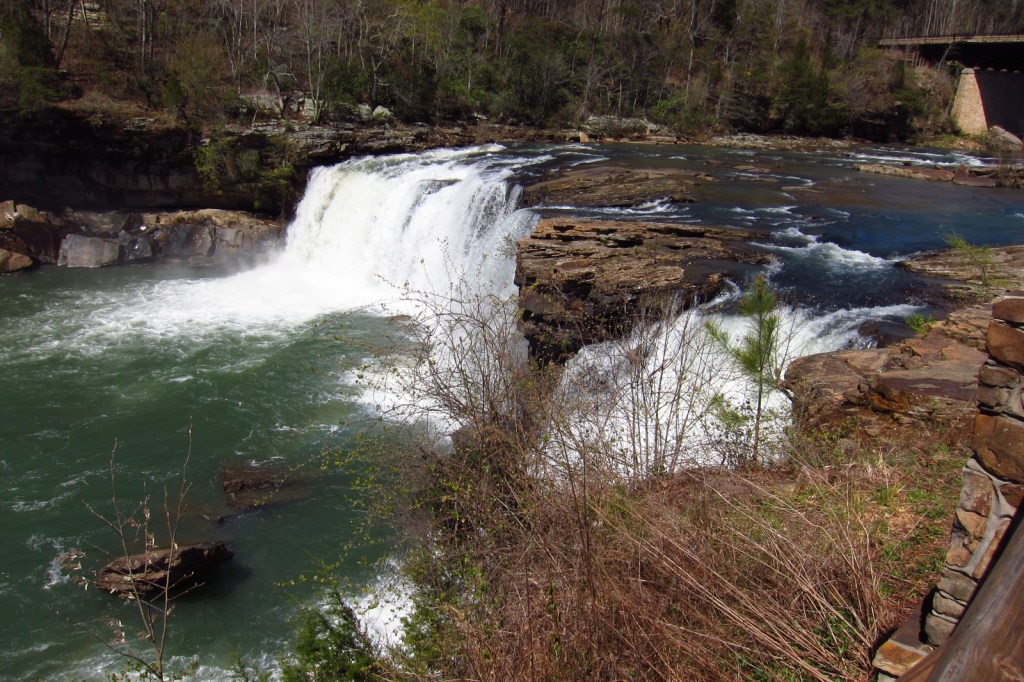
Authorized in 1992, Little River Canyon National Preserve covers about 14,000 acres in northeast Alabama.  Elevations range from 1,900-foot tall Lookout Mountain down to 650-foot Weiss Lake reservoir, as the Little River plunges from the Cumberland Plateau.  With cliffs up to 600 feet in height, this unique gorge contains several endemic species of plants and animals.  Only the southern half of the preserve is readily accessible by roads, with DeSoto State Park offering the best way to see the northern section.

Highlights

Little River Falls, Canyon Mouth, Graces High Falls

Must-Do Activity

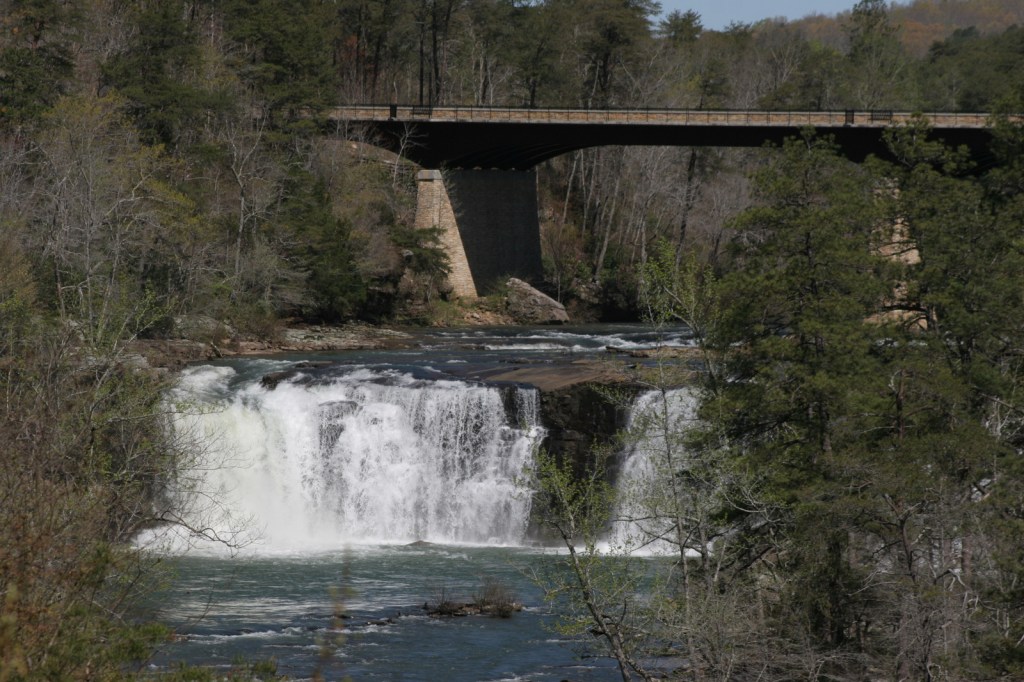
Start your visit at the Little River Canyon Center on Highway 35, then make the short drive to the parking area for 45-foot tall Little River Falls.  From there, drive Highway 176 for 11 miles along the west side of the canyon, which has nine scenic overlooks, including one for seasonal Graces High Falls.

Best Trail

There are a few short trails in the preserve, many of which drop steeply from the rim to the riverside.  At the southern end near the intersection of Highways 273 and 275 is Canyon Mouth, a flat trail that follows alongside the Little River.  There is better hiking and even more waterfalls in nearby DeSoto State Park.

Instagram-worthy Photo

Graces High Falls is 133 feet tall, making it the tallest (aboveground) waterfall in Alabama, but it only flows in the spring and after large rain events.

Peak Season

Spring

Hours

https://www.nps.gov/liri/planyourvisit/hours.htm

Fees

None except at Canyon Mouth ($15 per day or America the Beautiful pass)

Road Conditions

All roads paved

Camping

De Soto State Park offers camping, in addition to excellent hiking trails to several waterfalls.  There are also three backcountry campsites in Little River Canyon National Preserve available from February through September with a permit.

Related Sites

Russell Cave National Monument (Alabama)

Horseshoe Bend National Military Park (Alabama)

Tuskegee Airmen National Historic Site (Alabama)

Explore More – How many endemic species of caddisflies are found in Little River Canyon and nowhere else on Earth?

Horseshoe Bend National Military Park

Overview

It was near Daviston, Alabama on March 27, 1814 that a fortified village of Upper Creek (or Red Stick) Indians was attacked by a superior force under the leadership of Major General Andrew Jackson.  Jackson started by firing cannons at the barricade for two hours, then his overanxious Indian allies pressed the issue by crossing the river to fight.  Jackson quickly ordered his men to charge and overtook the stronghold.  This proved to be the final battle of the Creek Indian War of 1813-14, which is considered part of the War of 1812.  In the treaty that followed, the tribe ceded much of the land that became the state of Alabama to the United States.  When Jackson became president in 1828, he signed the Indian Removal Bill and soon both the Upper Creeks and his former Indian allies were forced west on the Trail of Tears.

Highlights

Museum, film, auto tour, nature trail

Must-Do Activity

A short but good film is the best way to start learning about this lesser known yet important battle of the War of 1812 that brought fame to Andrew Jackson.  A diorama in the visitor center illustrates the fortifications used at Horseshoe Bend.   On the three-mile auto tour, only short walks are required from any interpretive pullout.

Best Trail

An alternative to the auto tour is a 2.8-mile nature trail that visits the same interpretive sites.

Instagram-worthy Photo

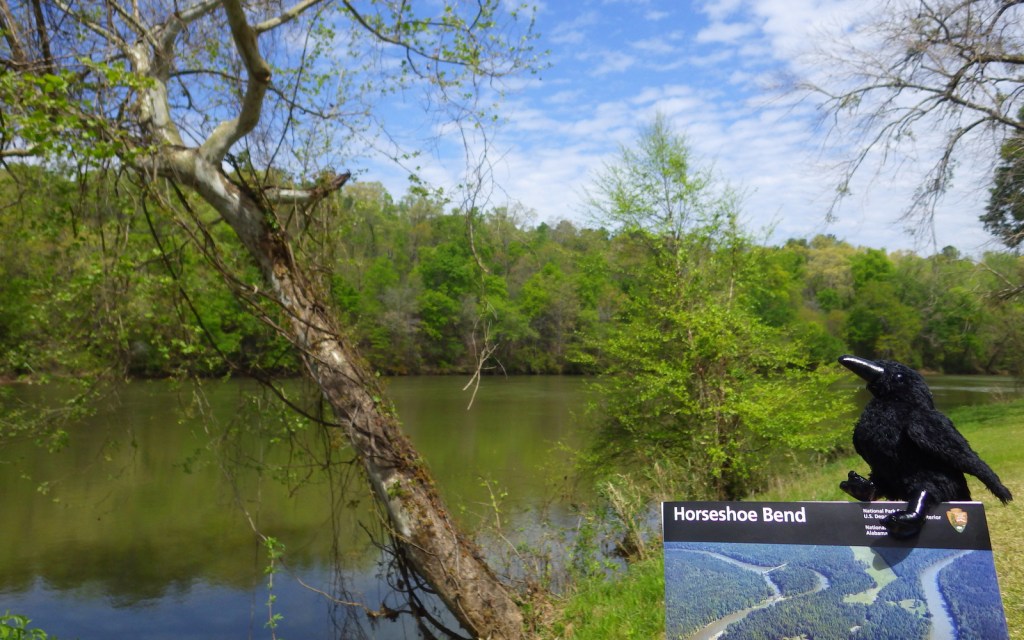
A tight curve in the Tallapoosa River in eastern Alabama provided the name for Horseshoe Bend National Military Park.  Indian allies of the U.S. started the 1814 battle by swimming then paddling stolen canoes across the river to get behind the fortifications.

Peak Season

Summer

Hours

https://www.nps.gov/hobe/planyourvisit/hours.htm

Fees

None

Road Conditions

All roads paved

Camping

There is no camping allowed here, but Wind Creek State Park has a campground 25 miles southwest of the park.

Related Sites

Jean Lafitte National Historical Park and Preserve (Louisiana)

Fort Smith National Historic Site (Arkansas-Oklahoma)

Russell Cave National Monument (Alabama)

Explore More – Where did a much more famous U.S. victory during the War of 1812 take place under the command of Major General Andrew Jackson?

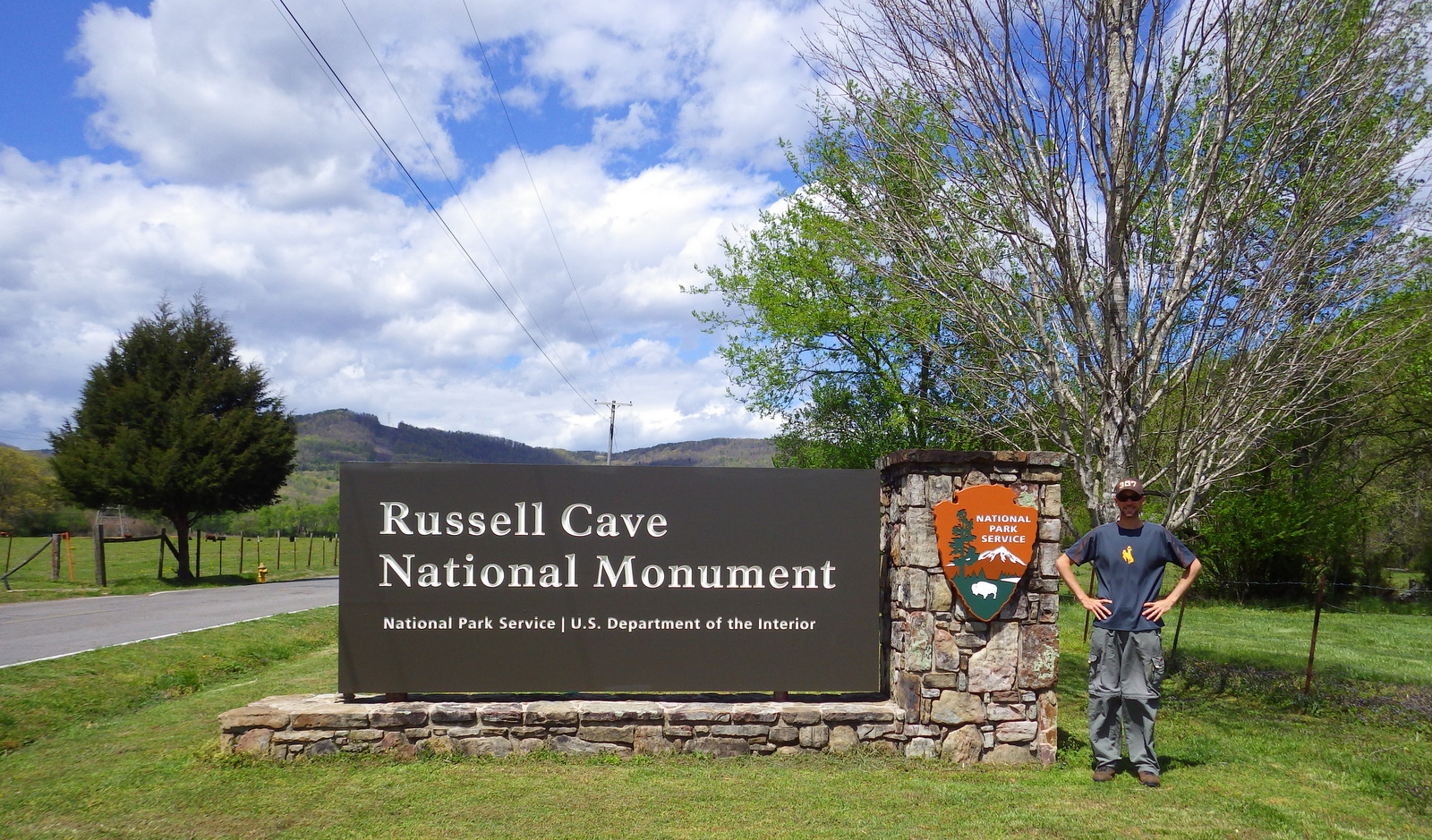
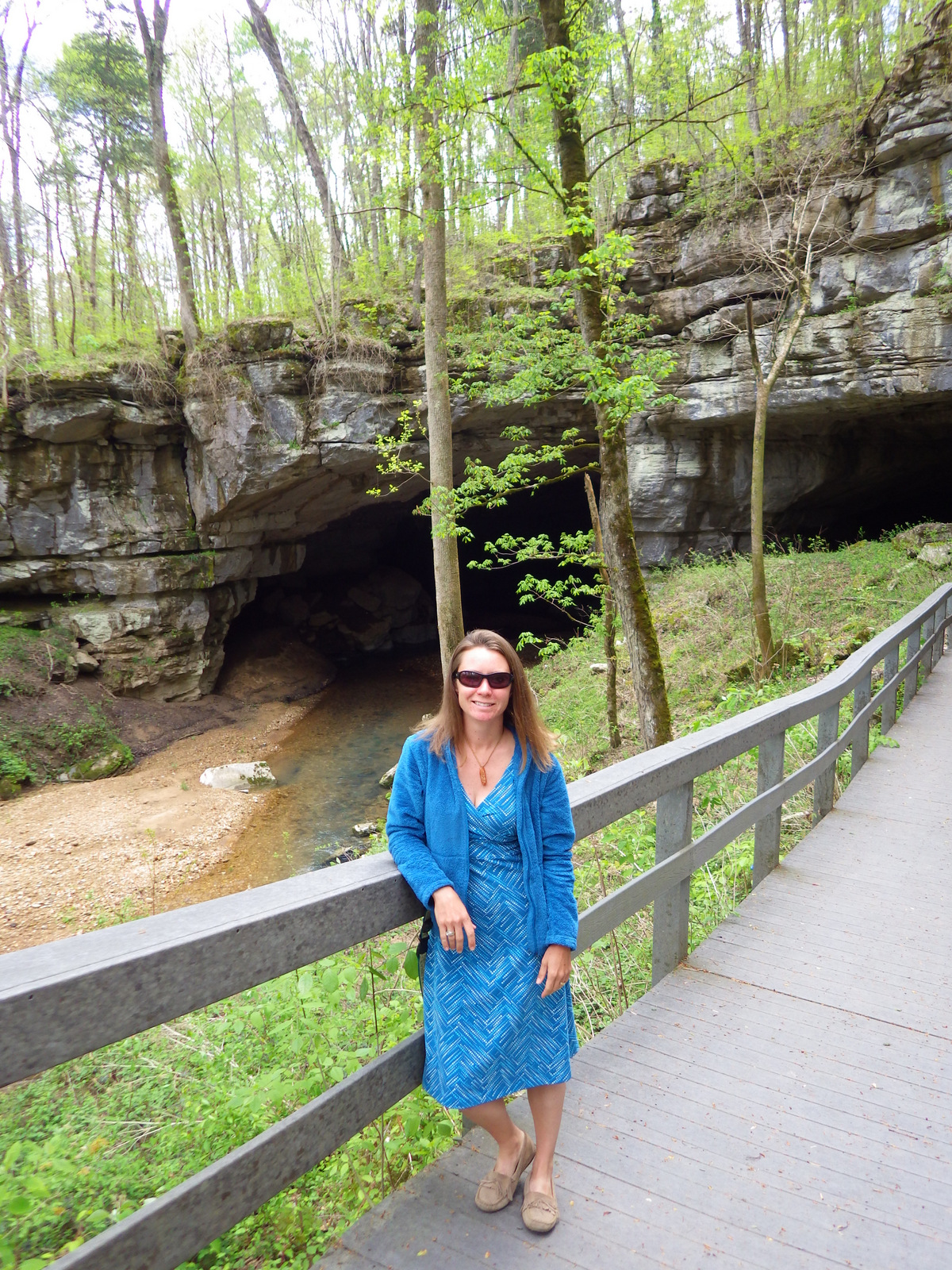
Russell Cave National Monument

Overview

Humans have been visiting Russell Cave in northeast Alabama since about the time its limestone roof collapsed creating an entrance around 10,000 years ago.  A timeline of human invention was preserved in the floor of this hunting camp for millennia, from atlatls to bows, pottery to pump drills.  The park rangers were the friendliest we encountered during Pretirement and often offer demonstrations of prehistoric tools and weapons.

Highlights

Museum with American Indian artifacts, boardwalk to cave entrance, nature trails

Must-Do Activity

There are a select few artifacts displayed on site in the National Park Service (NPS) visitor center.  From there a short boardwalk leads through the forest to an overlook of the archaeological digs at the cave entrance, which you cannot enter. 

Best Trail

Two nature trails (0.6 and 1.2 miles long) split off from the boardwalk to explore the surrounding hills.

Instagram-worthy Photo

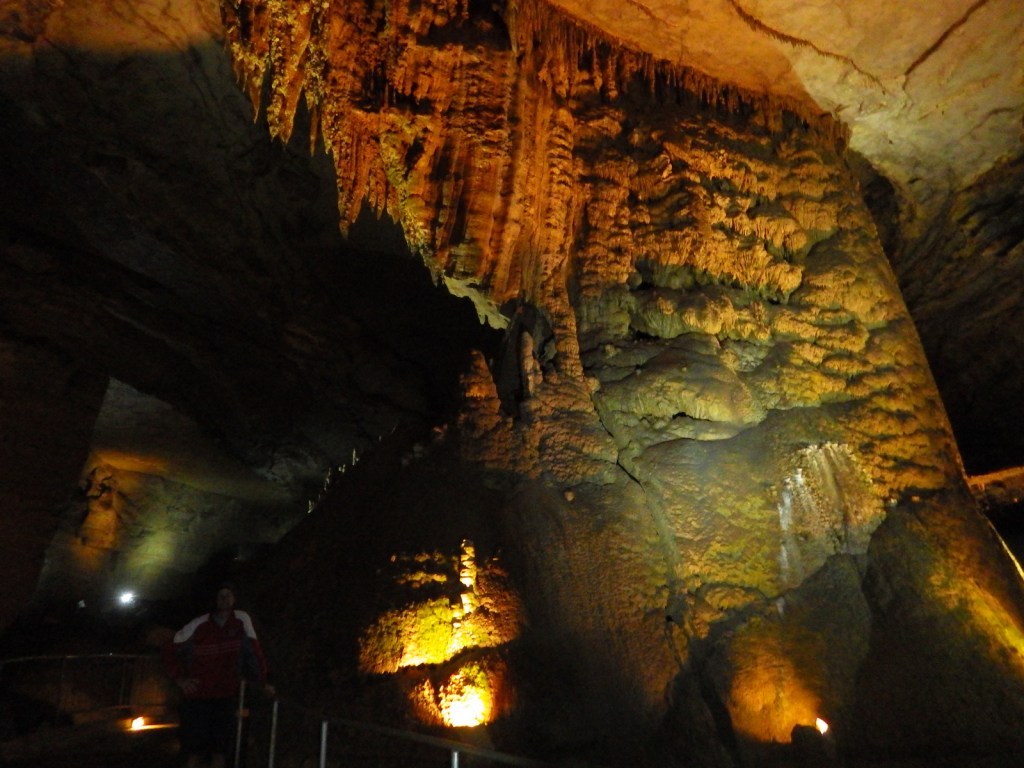
This cave is not famous for its pretty cave formations, but for its incredible archaeological record.  If you want to see beautiful stalactites and stalagmites, I recommend you head west to the impressive Cathedral Caverns State Park.

Peak Season

Summer, when it can be muggy and buggy.

Hours

https://www.nps.gov/ruca/planyourvisit/basicinfo.htm

Fees

None

Road Conditions

All roads paved, but RVs are not recommended on Highway 156 if entering from the north.

Camping

DeSoto State Park has a campground and primitive camping is allowed at three sites in nearby Little River Canyon National Preserve.

Explore More – How far down into the cave floor did archaeologists dig in the 1950s?

Tuskegee Airmen National Historic Site

Overview

Aircraft developed at an incredible rate between the Wright Brothers’ first flight in 1903 and the 1940s.  Yet at the outset of World War II, African-American men were not allowed to be pilots in the Army Air Corps (before the 1947 creation of the Air Force).  In 1941, an experimental program was started at Tuskegee Institute in Alabama to train hundreds of pilots, bombardiers, and navigators for the looming war.  The site is housed in the old hangars at Moton Field airport where historic airplanes and excellent interpretive panels  tell the story of the group of African-American men that came to be known as the Tuskegee Airmen.

05-IMGP5120

Highlights

P-51 Mustang airplane, interpretive film

Must-Do Activity

Start your tour inside Hanger No. 1 then watch the film inside Hanger No. 2, where you will learn about the Tuskegee Airmen’s goal of Double-V, victory over the enemy abroad and victory over racism at home.  After the war, in 1948, President Harry S Truman signed an order calling for “equality of treatment and opportunity for all persons in the armed services.”

Best Trail

No trails

Instagram-worthy Photo

Get a shot in front of the P-51 “Red Tail” hanging from the ceiling inside Hanger No. 2.

Tuskegee

Peak Season

The site is open year round, but every Memorial Day weekend there is a big celebration at Moton Field and many of the surviving Tuskegee Airmen visit the site.

Hours

https://www.nps.gov/tuai/planyourvisit/hours.htm

Fees

None

Road Conditions

The site is handicap accessible, and if you contact the NPS before your visit they can arrange parking closer than the main visitor lot on the hill above Moton Field.

Camping

Dispersed camping is allowed at nearby Tuskegee National Forest.

01-IMGP5108

02-IMG_2180

04-IMGP5115

2015TuskegeeAirmen
Jump at any chance to meet some surviving Tuskegee Airmen.  This event was in Cheyenne, WY.

Explore More – The 72 Tuskegee Airmen combat pilots shot down how many enemy aircraft during World War II?

1Wons

WONDON WAS HERE

We are a participant in the Amazon Services LLC Associates Program, an affiliate advertising program designed to provide a means for us to earn fees by linking to Amazon.com and affiliated sites.